Offshore Wind Equipment Costs: Turbines, Foundations and Subsea Cables
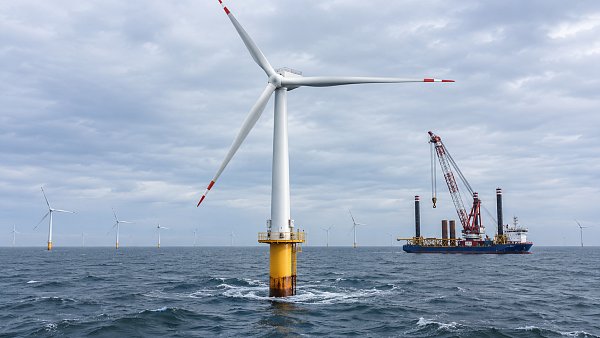
Offshore wind equipment cost cannot be assessed reliably by comparing turbine prices alone. Turbines, foundations and subsea cables must be priced against the same site conditions, delivery boundaries and installation assumptions. A lower equipment quote can become more expensive once heavier foundations, additional cable protection or an excluded offshore scope is included.
When preparing a budget or evaluating bids, start with a consistent project basis: turbine capacity and layout, water depth and seabed information, electrical design, delivery locations and responsibility for installation. Then compare each package on a like-for-like basis, keeping equipment supply separate from transport, installation and project-specific risk allowances.
Establish the cost boundary before comparing bids
The three main equipment packages do not necessarily cover the same work in every tender. A turbine offer may include towers, commissioning and initial service, or it may stop at delivery to a port. A foundation quote may include fabrication but exclude transition pieces, corrosion protection or offshore installation. Cable pricing may cover manufacture only, while accessories, testing, burial and repair equipment sit elsewhere.
Build a package-level cost model that separates the following:
- Equipment supply: design, materials, fabrication, factory testing and any included spares.
- Delivery and handling: transport, insurance, port storage, lifting and the transfer of custody.
- Offshore work: installation vessels, positioning, burial or protection, offshore testing and commissioning.
- Commercial adjustments: escalation, currency exposure, provisional items, taxes and duties where applicable.
- Lifecycle obligations: warranties, maintenance support, repair access and replacement equipment.
Use the same currency, price basis and delivery assumptions when normalizing offers. Record exclusions explicitly rather than treating them as zero cost. If an item remains undefined, retain it as an open estimate with a named owner and update it when engineering information becomes available.
Turbines: compare plant-level value, not just price per unit
Turbines are commonly evaluated by rated capacity, but the price of an individual machine tells only part of the procurement story. A larger unit can reduce the number of turbines and associated foundation locations needed for a given project capacity. It may also require different lifting equipment, port handling, foundation design and electrical connections. The net effect depends on the site and the available installation supply chain.
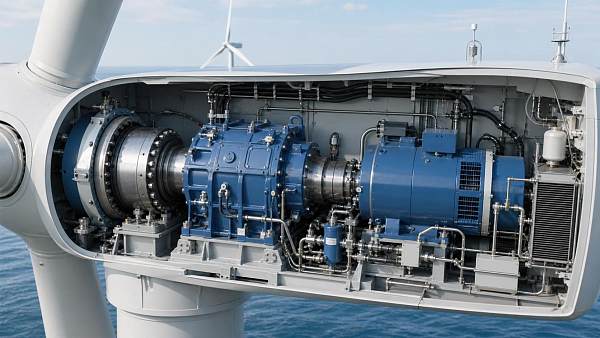
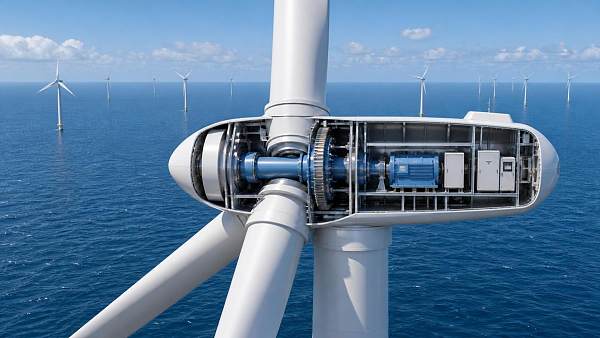
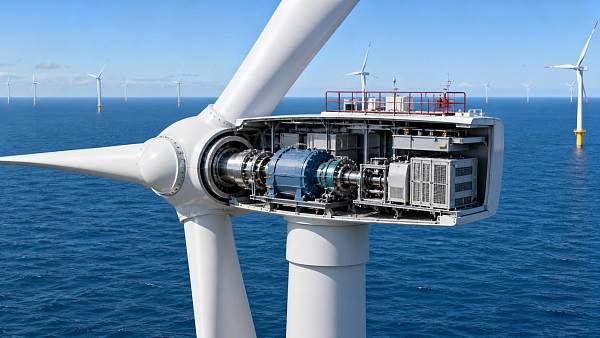
For each turbine offer, identify what is included in the nacelle, rotor, tower and internal electrical equipment. Check whether the price includes transport frames, preservation, commissioning tools, software, documentation and initial spare parts. A service agreement bundled into one bid should be separated from the equipment price before comparison with an offer that prices service independently.
Specifications that can change the commercial outcome
Machine size and layout. Compare alternatives at the proposed wind-farm level rather than multiplying a unit price by an assumed quantity. Changes in turbine rating or rotor size can affect spacing, energy production, wake losses and the number of array cable connections. They can also change foundation loads. Use a consistent energy assessment when judging the value of any layout change.
Site suitability. Wind and wave conditions, temperature, corrosion exposure and access constraints can affect turbine configuration and warranty terms. A low base price may exclude modifications required for the actual site. Ask bidders to identify deviations from the site design basis and price each required adaptation.
Availability and service terms. Review the start and duration of warranties, response obligations, spare-part availability and the treatment of vessel access. An availability commitment is meaningful only when its calculation, exclusions and remedies are clear. Maintenance costs and expected downtime should be assessed separately from the upfront purchase price.
Delivery schedule. A quoted manufacturing slot is not the same as a firm delivery commitment. Check milestone dates, conditions for reserving capacity, delay remedies and the consequences of a change in project schedule. Where towers and major components arrive separately, confirm who coordinates their readiness for installation.
Foundations: site data drives the specification
Foundation costs are particularly sensitive to water depth, seabed conditions, turbine loads and installation method. Fixed-bottom options can include monopiles, jackets and other support structures; floating projects require a different package that includes floating substructures, moorings and anchors. These alternatives should not be compared on fabrication price alone.
A monopile may offer a simpler configuration where site conditions and structural requirements permit it. A jacket uses a different structural arrangement and may suit other combinations of depth, loads and seabed conditions, but fabrication and installation interfaces differ. Floating systems introduce mooring and anchoring work, as well as dynamic electrical connections. The engineering design, not a generic depth rule, determines which options are viable.
Before requesting firm prices, provide bidders with the available geophysical and geotechnical information, metocean criteria, turbine loads and applicable design assumptions. Distinguish confirmed data from preliminary interpretations. Insufficient seabed information can lead bidders to include broad contingencies, qualify their prices or exclude difficult ground conditions.
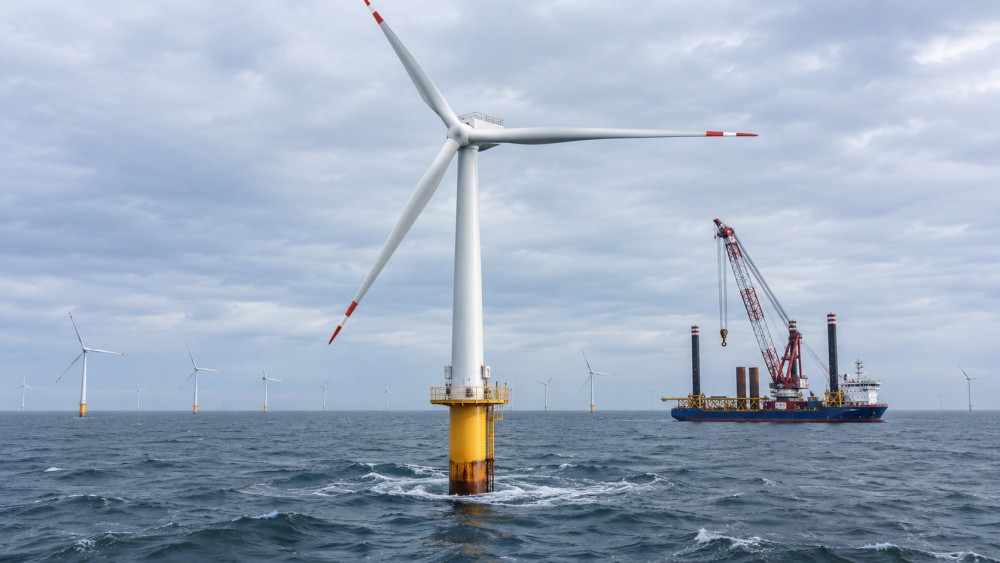
Foundation comparisons should account for steel or other structural materials, fabrication complexity, coatings, corrosion protection, secondary steelwork and the chosen connection to the turbine. Also identify the treatment of scour protection: it may be needed to address seabed erosion around a structure, but its design and installation can sit in a separate contract.
Ask each bidder to state the assumptions behind installation rates, vessel capabilities and port handling. A foundation that is cheaper to fabricate may require heavier lifts or a less available vessel. Conversely, a more expensive design may simplify offshore work. Model these differences in the combined supply-and-installation case rather than assigning the entire decision to the foundation purchase order.
Subsea cables: route and protection can outweigh the cable quote
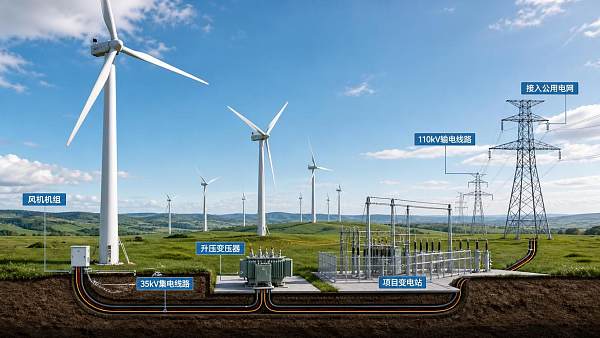
Separate array cables, which connect turbines within the wind farm, from export cables, which carry power toward the grid connection. Their lengths, voltage ratings, construction, installation requirements and interfaces differ. The export route and onshore connection scope should be defined clearly; a subsea cable price alone does not establish the full grid-connection cost.
For either package, compare the electrical requirements and physical route on the same basis. Conductor material and cross-section, insulation, armour, fibre-optic requirements and manufacturing lengths all influence the offer. A cable with a lower purchase price may have higher electrical losses or require more joints, so assess its technical suitability and lifetime impact alongside the capital cost.
Route assumptions to resolve before tender
- Length and layout: use a consistent route, allowing for seabed contours, approaches to structures, installation tolerances and agreed spare lengths.
- Burial and protection: identify the target burial approach, difficult ground, crossings and areas where alternative protection may be needed.
- Accessories and interfaces: specify terminations, joints, hang-offs, cable protection systems and responsibility for entry into each structure.
- Testing: define factory, post-installation and commissioning tests, including who supplies equipment and accepts the results.
- Repair readiness: establish whether spare cable, compatible joints, storage and repair planning are included or procured separately.
For floating turbines, dynamic cable sections must accommodate movement and fatigue as well as electrical loading. Their design and installation interfaces differ from those of static seabed cables. A bid that omits dynamic sections, bend-control components or the transition between dynamic and static cable cannot be compared directly with a complete package.
Route uncertainty also affects offshore execution. A supply-only quote may appear competitive while leaving the buyer exposed to installation changes caused by crossings, seabed obstacles or burial difficulties. Identify which party owns the route survey, the protection design and the consequences of differing site conditions.
Turn supplier prices into a comparable evaluation
Issue a pricing schedule with separate lines for each deliverable and a matching technical schedule that defines the reference design. Require bidders to list deviations, assumptions and exclusions in a consistent format. This makes it easier to distinguish a genuine saving from a difference in scope.
Do not add a contingency to every line without checking for overlap. A supplier’s price may already include an allowance for a defined risk, while another bidder may exclude it. Record who carries each material risk and whether its cost appears in the supplier price, the buyer’s estimate or neither.
Manage the interfaces that create unpriced work
The boundaries between packages deserve the same attention as the equipment itself. Turbine loads must match the foundation design; foundation interfaces must accommodate the turbine and cable entry; cable suppliers need confirmed termination and protection requirements. When separate contractors are responsible, a change in one package can create redesign, additional fabrication or offshore delay in another.
Assign an owner for each interface and agree on the information needed, its format and the date by which it must be frozen. Tender documents should also state the process for handling changes after that date. For example, a revised turbine load case should trigger a documented assessment of foundation design, delivery schedule and contract price before the change is accepted.
Finally, distinguish a budgetary indication from a binding offer. Record the design maturity, validity period, assumptions and outstanding investigations behind each number. A useful procurement recommendation can then show both the normalized price and the unresolved exposures that could move it, rather than presenting an uncertain early estimate as a firm project cost.
Questions about market trends? Contact Market Scope Live for deeper business insights.
We respect your privacy. Your information is strictly confidential.
Related News
 Wind Power ComponentsOffshore Wind Equipment Costs: Turbines, Foundations and Subsea CablesUnderstand offshore wind equipment cost across turbines, foundations and subsea cables. Learn how to compare bids, identify hidden costs and plan with confidence.MORE+
 Wind Power ComponentsDistributed Wind Energy Systems: How They Work and Where They FitDistributed wind energy systems can power farms, businesses, and communities. Discover how they work, where they fit, and what makes a project viable.MORE+
 Wind Power ComponentsTroubleshooting Nacelle Wind Turbine Parts That Cause Unplanned DowntimeTroubleshoot nacelle wind turbine parts with proven checks for gearbox, generator, yaw, hydraulic, and wiring faults to reduce unplanned downtime.MORE+
 Wind Power ComponentsHow to Evaluate Wind Turbine Blades for Fatigue Life, Erosion, and Site LoadsWind turbine blades: learn how to assess fatigue life, leading-edge erosion, lightning exposure, and site-specific loads to improve reliability, energy yield, and lifecycle decisions.MORE+
 Wind Power ComponentsNacelle of Wind Turbine: Lifecycle Cost Drivers Buyers Should EvaluateNacelle of wind turbine lifecycle costs: evaluate drivetrain design, service access, warranty scope, spares, and availability risks before buying.MORE+
 Wind Power ComponentsSelecting a Nacelle in Wind Turbine Projects for Cold, Coastal, and Dusty SitesNacelle in wind turbine selection guide for cold, coastal, and dusty sites—compare sealing, corrosion control, thermal management, filtration, and maintenance access.MORE+
 Wind Power ComponentsNacelle and Hub Interfaces: Alignment Risks That Can Shorten Turbine LifeNacelle and hub alignment risks can accelerate turbine wear. Learn how precise interface control protects drivetrain life, uptime, and project value.MORE+
 Wind Power ComponentsInside a Wind Turbine Nacelle: Which Components Need the Most Maintenance?Inside nacelle wind turbine systems, discover which components demand the most maintenance—from gearboxes to cooling and controls—and protect uptime with smarter inspections.MORE+
 Wind Power ComponentsNacelle Wind Turbine Parts: An Inspection Checklist for Preventing DowntimeNacelle wind turbine parts inspection checklist: detect early faults in drivetrain, cooling, yaw, brakes, and controls to prevent costly downtime.MORE+
 Wind Power ComponentsWhat Is a Nacelle in a Wind Turbine? The Systems That Control Power GenerationWhat is a nacelle in a wind turbine? Explore the drivetrain, controls, pitch, yaw, cooling, and safety systems that shape power output, reliability, and lifecycle costs.MORE+
 Wind Power ComponentsWhat Is a Nacelle on a Wind Turbine? Safe Access Rules for Field OperatorsWhat is a nacelle on a wind turbine? Explore its vital systems, key hazards, and safe access rules that help field operators protect people and turbine uptime.MORE+
 Wind Power ComponentsWhat Is Nacelle in Wind Turbine Design and Why Does It Affect Energy Output?What is nacelle in wind turbine design? Discover how this vital housing supports alignment, cooling, controls, and reliable energy output.MORE+
 Wind Power ComponentsThe Nacelle of a Wind Turbine Explained: Functions, Layout, and Key SystemsNacelle of a wind turbine explained: explore its drivetrain, yaw, pitch, cooling, electrical, and control systems—and see how nacelle design impacts reliability, maintenance, and energy output.MORE+
 Wind Power ComponentsWind Turbine Hub and Nacelle: How Loads Travel from Blades to DrivetrainWind turbine hub and nacelle: discover how blade loads flow through bearings, shafts, gearboxes, and supports to improve drivetrain reliability and maintenance decisions.MORE+
 Wind Power ComponentsInside a Wind Turbine Nacelle: How Drivetrain Layout Affects Maintenance AccessExplore how drivetrain layout inside the nacelle of wind turbine shapes maintenance access, lifting routes, safety, and lifecycle service costs.MORE+
 Wind Power ComponentsWhat is shaping the wind turbine nacelle market today?Wind turbine nacelle market trends: explore turbine scaling, drivetrain choices, reliability, grid compliance, localization, and offshore supply risks shaping smarter investment decisions.MORE+
 Wind Power ComponentsHow to inspect a wind turbine nacelle before commissioningWind turbine nacelle inspection guide: verify mechanical, electrical, safety, fire-protection, and documentation readiness before commissioning.MORE+
 Wind Power ComponentsWhich nacelle of wind turbine design suits offshore projects?Nacelle of wind turbine design for offshore projects: explore drivetrain options, marine protection, maintenance access, and vessel logistics for reliable performance.MORE+
 Wind Power ComponentsWhat should operators check when a wind turbine nacelle overheats?Nacelle wind turbine overheating? Learn the essential checks for cooling, gearbox, generator, and electrical systems to prevent failures and protect uptime.MORE+
 Wind Power ComponentsHow does nacelle cooling protect wind energy turbines?Wind energy nacelle cooling protects turbines from overheating, derating, and costly failures. Discover practical maintenance insights to improve reliability and power availability.MORE+
 Wind Power ComponentsWhat drives wind power nacelle maintenance costs over time?Wind power nacelle maintenance costs evolve with age, failures, access, parts, and downtime. Discover key risks and smarter lifecycle cost controls.MORE+
 Wind Power ComponentsHow does turbine nacelle weight affect foundation design?Turbine nacelle weight affects foundation loads, dynamics, fatigue, soil response, and crane planning. Discover key design factors for reliable wind projects.MORE+
 Wind Power ComponentsWhich nacelle components affect wind turbine reliability most?Nacelle components wind turbine reliability depends on drivetrain, generator, bearings, yaw, cooling, and controls. Explore high-impact risks and smarter maintenance priorities.MORE+
 Wind Power ComponentsHow are the nacelle and hub different in a wind turbine?Nacelle and hub: discover how these vital wind turbine components differ, from blade control and power conversion to maintenance, reliability, and project performance.MORE+
 Wind Power ComponentsWhat does a nacelle in a wind turbine actually do?Discover what a nacelle in wind turbine does, from power conversion and controls to maintenance, reliability, and wind farm economics. Read the full guide.MORE+
 Wind Power ComponentsHow Grid-Connected Wind Energy Systems Work in Utility and Commercial ProjectsGrid connected wind energy systems explained for utility and commercial projects—learn how turbines, substations, controls, and grid compliance shape reliable, bankable performance.MORE+
 Wind Power ComponentsWhat Does a Wind Turbine Nacelle Include and Why Does It Matter in Turbine Design?Wind turbine nacelles include the drivetrain, generator, controls, cooling, and service systems. Learn why nacelle design directly impacts reliability, maintenance cost, and turbine performance.MORE+
 Wind Power ComponentsHow to Evaluate Wind Turbine Gearboxes for Reliability, Load Capacity, and Service LifeWind turbine gearboxes evaluation starts with real duty profiles. Learn how to assess reliability, load capacity, lubrication, and service life for smarter supplier decisions.MORE+
 Wind Power ComponentsHow to Evaluate a Wind Turbine Gearboxes Manufacturer for Quality, Lead Time, and OEM FitWind turbine gearboxes manufacturer selection made simple: learn how to assess quality, lead time, OEM fit, warranty, and total cost to reduce project risk and improve uptime.MORE+
 Wind Power ComponentsHow to Choose a Wind Turbine Gearboxes Supplier for Reliability and Service SupportWind turbine gearboxes supplier selection affects uptime, lifecycle cost, and project risk. Learn how to compare reliability, service support, and delivery strength.MORE+
 Wind Power ComponentsWind Turbine Blades Explained: Materials, Blade Length, and Performance Trade-OffsWind turbine blades explained: compare materials, blade length, and performance trade-offs to improve energy yield, durability, and project ROI in modern wind power.MORE+
 Wind Power ComponentsIndustrial Gearboxes Selection Guide: Torque, Ratio, Duty Cycle, and Mounting BasicsGearboxes selection made practical: learn how torque, ratio, duty cycle, and mounting affect reliability, efficiency, and lifecycle cost in industrial applications.MORE+