What Is a Nacelle on a Wind Turbine? Safe Access Rules for Field Operators
What Is a Nacelle on a Wind Turbine? Safe Access Rules for Field Operators
At the base of a wind turbine, it is easy to focus on the tower, blades, and the long climb ahead. Yet the equipment that often determines whether the turbine produces power, shuts down safely, or remains unavailable after a fault is located at the top: the nacelle.
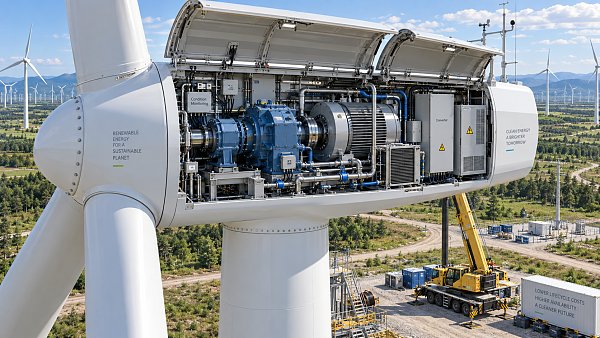
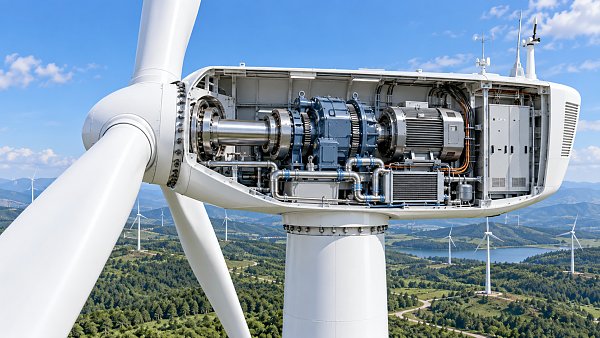
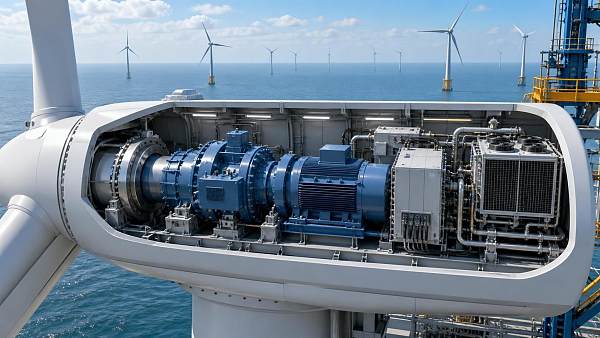
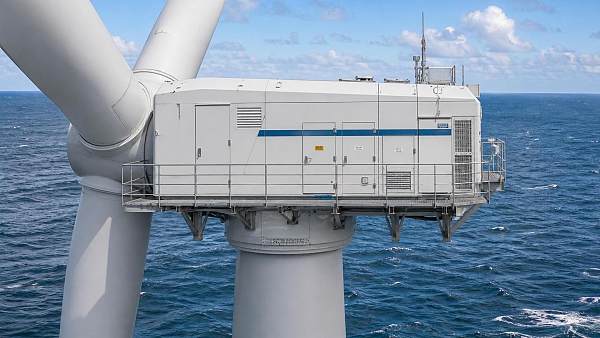
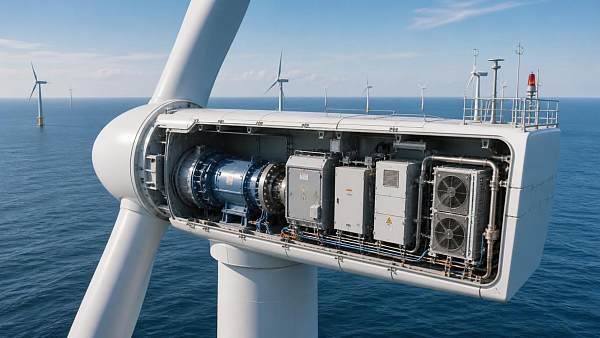
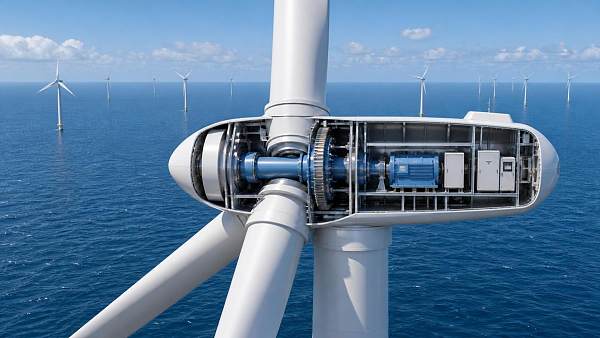
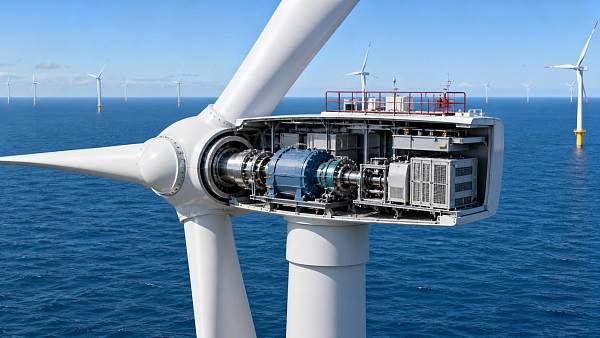
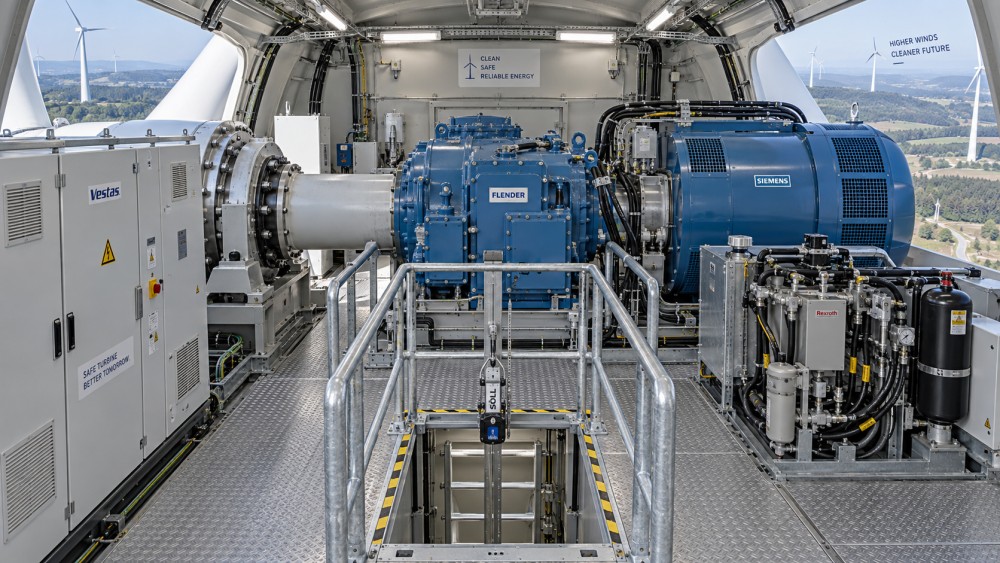
So, what is a nacelle on a wind turbine? It is the enclosed housing mounted behind the rotor at the top of the tower. In most horizontal-axis wind turbines, the nacelle contains the principal machinery and control systems that convert rotating blade energy into electrical power. For field operators, it is not simply an equipment room in the sky. It is a confined, elevated, electrically active work area where access discipline, communication, isolation, and rescue readiness matter as much as technical competence.
This guide explains the nacelle’s purpose, the hazards operators may encounter, and the access practices that should be built into a site’s operating procedures. It is a practical reference, not a substitute for the turbine manufacturer’s manuals, the site safety plan, local working-at-height law, or an employer’s authorization system.
The nacelle: the turbine’s operating center
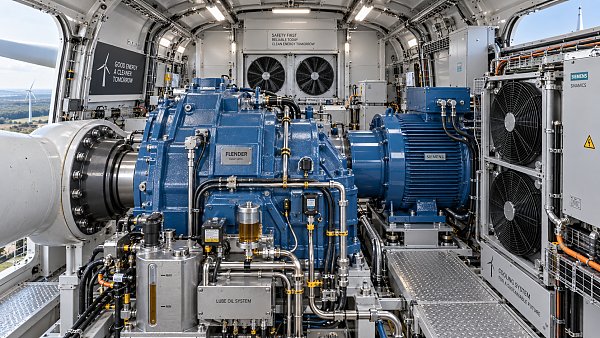
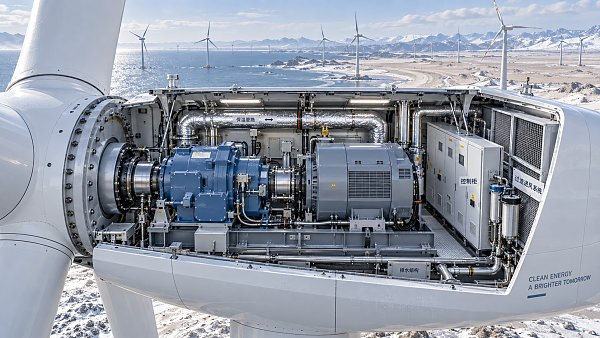
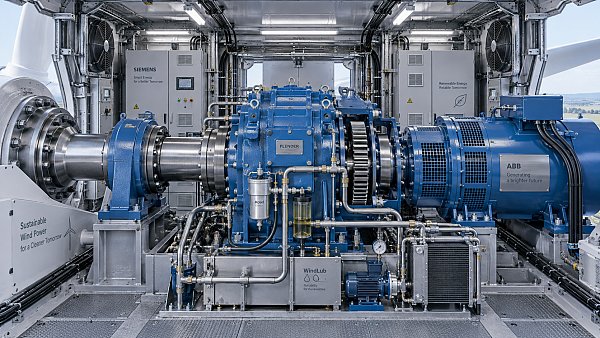
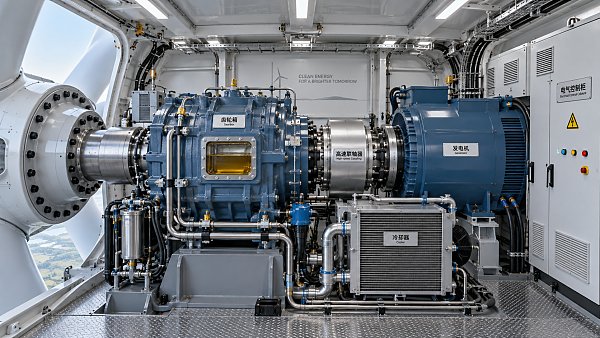
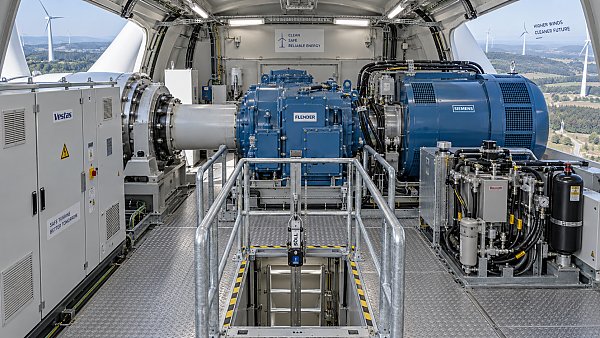
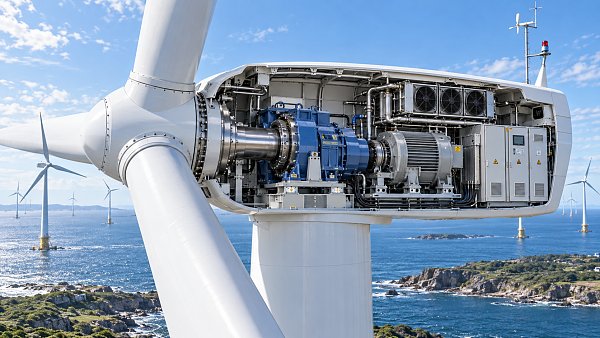
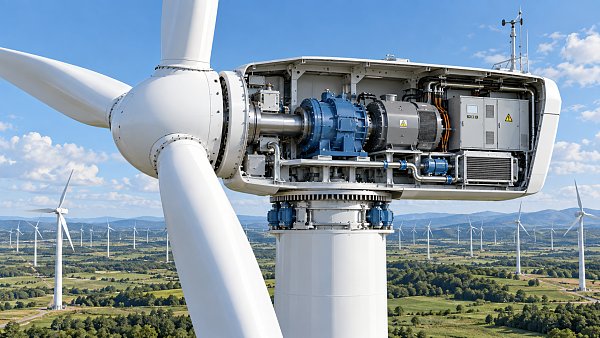
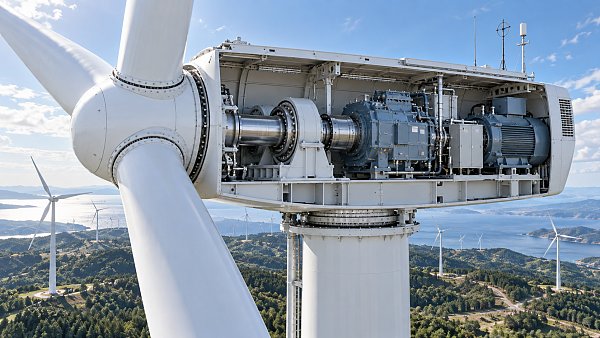
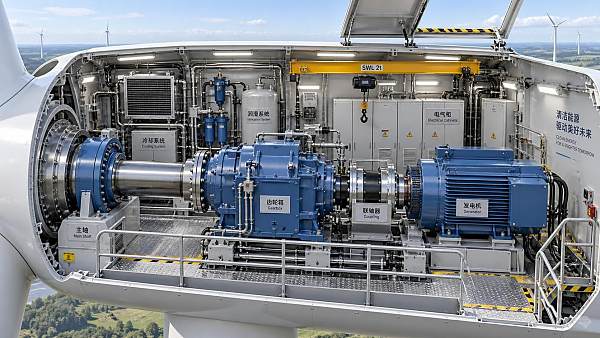
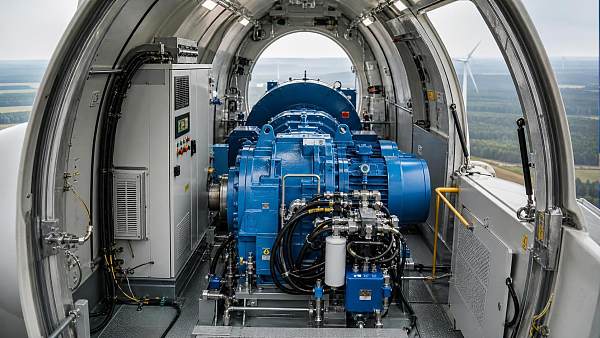
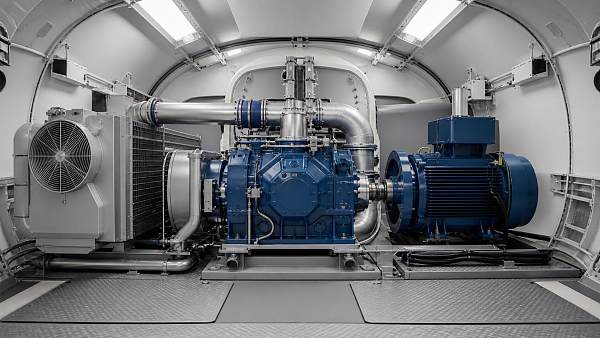
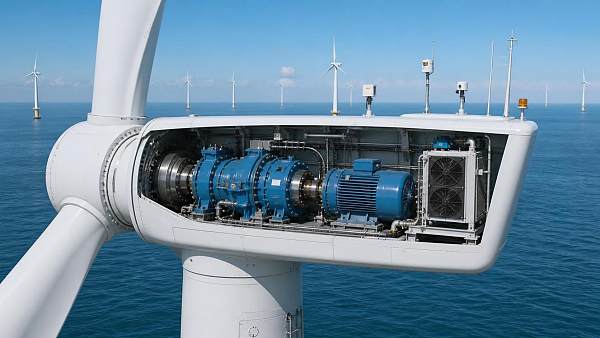
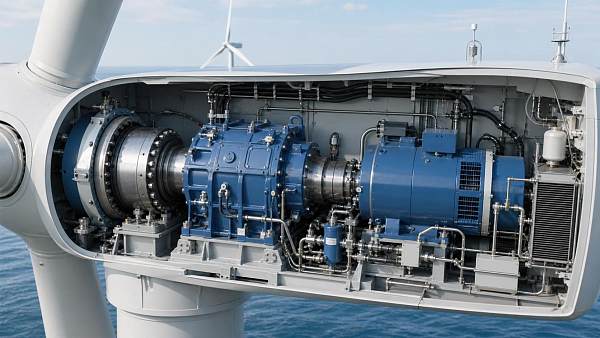
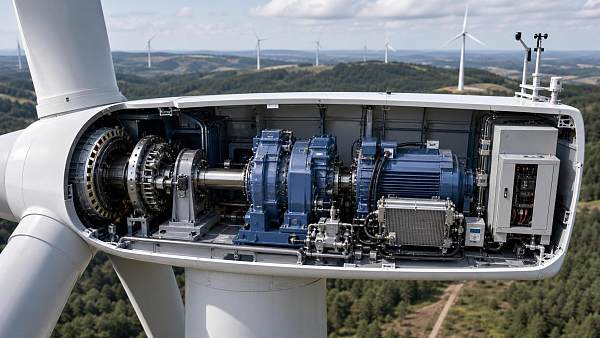
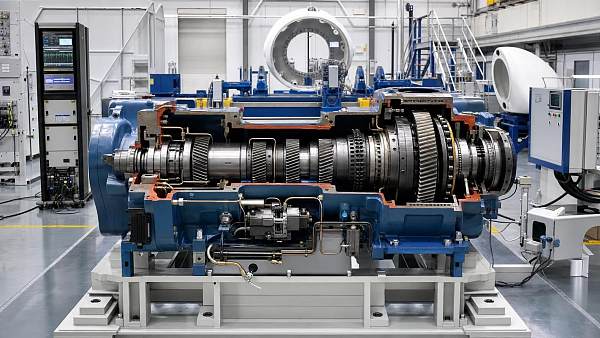
The nacelle sits on the yaw system, which allows the turbine to turn and face the wind. While configurations differ by manufacturer and turbine generation, a nacelle commonly contains some combination of the following equipment:
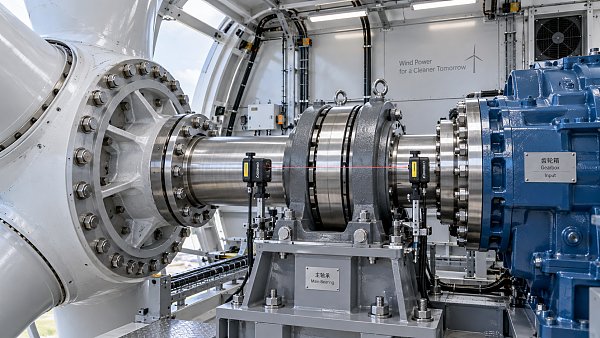
- Main shaft and bearings, which transfer rotor rotation into the drivetrain.
- Gearbox on geared turbines, increasing the low rotor speed to a speed suitable for the generator. Direct-drive turbines may not use a conventional gearbox.
- Generator, which converts mechanical rotation into electricity.
- Brake and rotor-locking systems, used to control or secure movement during shutdown and maintenance.
- Yaw drives and yaw brakes, which position and hold the nacelle in relation to wind direction.
- Pitch control equipment, which adjusts blade angle to manage output and safely stop the rotor.
- Converter, transformer, switchgear, and control cabinets, depending on the turbine design and electrical layout.
- Hydraulic, lubrication, cooling, fire detection, ventilation, and condition-monitoring systems.
Some people use “nacelle” as if it means only the outer fiberglass or metal enclosure. In operational terms, it means the enclosure and the complex machinery within it. This distinction is important. A turbine may appear stopped from the ground, but energy can still be stored in hydraulic accumulators, rotating components, batteries, capacitors, suspended loads, or electrical circuits inside the nacelle.
For modern wind projects, nacelle access is also connected to asset performance. A rushed inspection, an incomplete lockout, or a missed abnormal noise can lead to personnel exposure and prolonged turbine downtime. Safe field practice protects people first, while also supporting the reliability expected of a long-life renewable energy asset.
Before climbing: access begins at ground level
The safest nacelle intervention is often the one that is properly planned before anyone steps into the tower. Operators should never treat climbing as a routine commute. Weather, turbine status, task scope, personnel capability, and emergency arrangements can all change the risk level.
Confirm authority, scope, and turbine condition
Before access, confirm who controls the turbine and whether a work permit, switching instruction, or maintenance authorization is required. On utility-scale wind farms, this may involve coordination among the control room, asset owner, operations contractor, grid dispatcher, and service team. The responsible person should be clear about the intended task: inspection, reset, lubrication, troubleshooting, component replacement, cleaning, or rescue support.
Check the turbine’s operating state through the approved supervisory control and data acquisition (SCADA) system or local control interface. Do not rely solely on a “stopped” indication. Establish whether the turbine is in normal stop, fault stop, maintenance mode, emergency stop, or a condition requiring full isolation. The required protection level depends on the work being performed.
Review weather and site conditions
Wind turbines are designed to operate in harsh environments, but workers have lower limits than machines. High wind, lightning risk, heavy rain, ice, poor visibility, extreme cold, and heat stress can all make access unsafe. Site procedures should define weather thresholds and stopping rules. These thresholds may differ for ladder climbing, external work, crane lifts, blade access, or work inside the nacelle.
Lightning deserves particular attention. A turbine is a tall, exposed structure, and nacelle access should be suspended when lightning conditions meet the site’s trigger criteria. Do not wait until a storm is visibly overhead to make a decision. Follow approved weather-monitoring tools, warnings, and return-to-work intervals.
Inspect personal and rescue equipment
A pre-climb check should cover the full personal fall-protection system: harness, lanyards, energy absorbers, guided fall arrester, connectors, helmet, footwear, gloves, and any positioning equipment. Look for cuts, corrosion, damaged stitching, contamination, expired inspection status, or incompatible components. Equipment that is uncertain should be removed from service rather than “used carefully.”
Rescue equipment must be available, appropriate to the turbine model, and accessible to trained personnel. A rescue plan that exists only in a binder is not enough. Teams need to know who will initiate it, how emergency services will be contacted, how a suspended worker will be recovered, and what limitations exist at that specific site.
Safe access rules inside the tower and nacelle
Most nacelle incidents do not come from one dramatic failure. They arise from a series of smaller lapses: climbing without a communication check, carrying too much equipment, opening a cabinet before isolation is proven, or assuming another crew has secured the rotor. The following rules provide a practical operating framework.
Maintain continuous fall protection
Use the tower’s approved ladder safety system, rail-guided fall arrester, or other installed fall-protection arrangement exactly as trained. Maintain continuous attachment wherever the design requires it, including transfers between ladder sections, platforms, and nacelle entry points. Avoid improvising anchor points or clipping to equipment not rated for personal fall arrest.
Three-point contact remains good climbing practice, but it does not replace a connected fall-arrest system. Tools and spare parts should be carried using approved bags, hoists, or lifting methods—not in hands or loose pockets. A dropped item inside a tower can injure people below or damage electrical and mechanical equipment.
Control entry to the nacelle
Once at the top, pause before entering the work area. Check for unexpected movement, unusual noise, vibration, heat, oil mist, smoke, alarm signals, or restricted walkways. The nacelle can be noisy and cramped, especially around the drivetrain. Ear protection and task-appropriate lighting may be necessary, but neither should reduce awareness of alarms or communications.
Keep emergency exits, hatches, ladder openings, fire extinguishers, first-aid equipment, and rescue routes clear. Housekeeping is not cosmetic in a nacelle. Loose rags, oil containers, packaging, cables, and tools can create trip hazards, block escape routes, or increase fire load.
Use energy isolation, not assumptions
Electrical, mechanical, hydraulic, pneumatic, and gravitational energy may all be present in a wind turbine. Before work begins, follow the site’s lockout/tagout—or equivalent energy isolation—procedure. This typically includes identifying all energy sources, shutting down equipment, isolating it, applying personal locks and tags where required, releasing or restraining stored energy, and verifying the safe state using approved methods.
Verification is a critical step. A disconnect switch in the open position does not automatically prove that equipment is de-energized. Qualified personnel must follow the applicable electrical safety procedure, use properly rated test instruments, and observe the manufacturer’s instructions. Capacitors in converter systems can retain dangerous charge after shutdown; required discharge times and test steps must be respected.
Mechanical isolation is equally important. Rotor movement can occur through wind loading, pitch-system behavior, brake malfunction, or unintended control actions. Where the task requires it, apply the approved rotor lock or rotor restraint and confirm the yaw and pitch systems are in the specified maintenance condition. Never enter a hazardous mechanical zone because the turbine “should not move.”
Recognize the major nacelle hazards
Field operators should approach the nacelle as a mixed-hazard environment rather than an ordinary electrical room or mechanical workshop.
Hydraulic injection injury is often underestimated. A pinhole leak may be nearly invisible, while pressurized fluid can penetrate skin and cause serious harm. Use suitable inspection techniques and barriers; do not run fingers along hoses or fittings to locate a suspected leak.
Noise, fatigue, and isolation also deserve attention. Operators may work many meters above ground, in a confined space, far from immediate assistance. Establish reliable check-in intervals, especially for lone-worker arrangements where permitted. If communications fail, the team should know when to stop work and escalate.
Standards, training, and the meaning of “certified” access
There is no single global rule that automatically authorizes a person to enter every wind turbine nacelle. Requirements depend on national law, local site rules, turbine manufacturer instructions, contractual obligations, and the nature of the task. However, wind-sector training commonly draws on Global Wind Organisation (GWO) safety modules, including working at heights, first aid, fire awareness, manual handling, and related technical training. In many markets, GWO-aligned competence is expected for wind farm personnel, but it does not replace site induction or job-specific authorization.
Electrical work may require separate licensing, authorization, arc-flash training, switching competency, or utility-approved procedures. Rescue capability also needs to match the work location. A worker trained for tower evacuation may not automatically be qualified for blade rescue, hub work, confined-space response, or complex casualty recovery.
For operators and supervisors, the useful question is not simply, “Do we have certificates?” It is: Are the assigned people competent, current, authorized, equipped, and able to respond if the task changes? Training records are important evidence, but safe access depends on practical readiness on the day.
A simple stop-work test for field teams
Before beginning a nacelle task, ask five questions aloud as a team:
- Do we understand the work scope and who has operational control of the turbine?
- Have weather, access conditions, communications, and rescue arrangements been checked?
- Are the correct energy isolation and rotor restraint measures in place for this task?
- Do all team members have the required competence, PPE, tools, and authorization?
- What will make us stop work immediately?
The last question is especially valuable. Agree in advance that unexpected alarms, changing weather, loss of communication, unclear isolation, abnormal vibration, oil leaks, smoke, or an unfamiliar task condition are legitimate reasons to pause. Stopping work is not a failure of productivity; it is a professional control against turning uncertainty into an incident.
Why nacelle knowledge matters beyond one maintenance visit
As wind portfolios grow, turbine operations are becoming more connected to grid reliability, digital monitoring, storage integration, and broader renewable-energy asset management. Condition-monitoring systems can flag bearing temperatures, vibration patterns, converter events, or yaw faults before a visit is scheduled. Still, data does not remove the need for careful field judgment when an operator enters the nacelle.
Understanding what is inside the nacelle helps field teams interpret alarms, plan parts and tools, communicate clearly with remote operations centers, and recognize when a seemingly minor defect affects safety or availability. It also helps project owners, EPC teams, and service contractors create realistic maintenance procedures rather than treating wind turbines as inaccessible black boxes.
A nacelle is where high-value power-generation equipment meets one of the industry’s most demanding workplaces. Respecting that reality—through planning, verified isolation, disciplined climbing, and a credible rescue response—is the foundation of safe wind turbine operations.
Questions about market trends? Contact Market Scope Live for deeper business insights.
We respect your privacy. Your information is strictly confidential.
Related News
 Wind Power ComponentsDistributed Wind Energy Systems: How They Work and Where They FitDistributed wind energy systems can power farms, businesses, and communities. Discover how they work, where they fit, and what makes a project viable.MORE+
 Wind Power ComponentsTroubleshooting Nacelle Wind Turbine Parts That Cause Unplanned DowntimeTroubleshoot nacelle wind turbine parts with proven checks for gearbox, generator, yaw, hydraulic, and wiring faults to reduce unplanned downtime.MORE+
 Wind Power ComponentsHow to Evaluate Wind Turbine Blades for Fatigue Life, Erosion, and Site LoadsWind turbine blades: learn how to assess fatigue life, leading-edge erosion, lightning exposure, and site-specific loads to improve reliability, energy yield, and lifecycle decisions.MORE+
 Wind Power ComponentsNacelle of Wind Turbine: Lifecycle Cost Drivers Buyers Should EvaluateNacelle of wind turbine lifecycle costs: evaluate drivetrain design, service access, warranty scope, spares, and availability risks before buying.MORE+
 Wind Power ComponentsSelecting a Nacelle in Wind Turbine Projects for Cold, Coastal, and Dusty SitesNacelle in wind turbine selection guide for cold, coastal, and dusty sites—compare sealing, corrosion control, thermal management, filtration, and maintenance access.MORE+
 Wind Power ComponentsNacelle and Hub Interfaces: Alignment Risks That Can Shorten Turbine LifeNacelle and hub alignment risks can accelerate turbine wear. Learn how precise interface control protects drivetrain life, uptime, and project value.MORE+
 Wind Power ComponentsInside a Wind Turbine Nacelle: Which Components Need the Most Maintenance?Inside nacelle wind turbine systems, discover which components demand the most maintenance—from gearboxes to cooling and controls—and protect uptime with smarter inspections.MORE+
 Wind Power ComponentsNacelle Wind Turbine Parts: An Inspection Checklist for Preventing DowntimeNacelle wind turbine parts inspection checklist: detect early faults in drivetrain, cooling, yaw, brakes, and controls to prevent costly downtime.MORE+
 Wind Power ComponentsWhat Is a Nacelle in a Wind Turbine? The Systems That Control Power GenerationWhat is a nacelle in a wind turbine? Explore the drivetrain, controls, pitch, yaw, cooling, and safety systems that shape power output, reliability, and lifecycle costs.MORE+
 Wind Power ComponentsWhat Is a Nacelle on a Wind Turbine? Safe Access Rules for Field OperatorsWhat is a nacelle on a wind turbine? Explore its vital systems, key hazards, and safe access rules that help field operators protect people and turbine uptime.MORE+
 Wind Power ComponentsWhat Is Nacelle in Wind Turbine Design and Why Does It Affect Energy Output?What is nacelle in wind turbine design? Discover how this vital housing supports alignment, cooling, controls, and reliable energy output.MORE+
 Wind Power ComponentsThe Nacelle of a Wind Turbine Explained: Functions, Layout, and Key SystemsNacelle of a wind turbine explained: explore its drivetrain, yaw, pitch, cooling, electrical, and control systems—and see how nacelle design impacts reliability, maintenance, and energy output.MORE+
 Wind Power ComponentsWind Turbine Hub and Nacelle: How Loads Travel from Blades to DrivetrainWind turbine hub and nacelle: discover how blade loads flow through bearings, shafts, gearboxes, and supports to improve drivetrain reliability and maintenance decisions.MORE+
 Wind Power ComponentsInside a Wind Turbine Nacelle: How Drivetrain Layout Affects Maintenance AccessExplore how drivetrain layout inside the nacelle of wind turbine shapes maintenance access, lifting routes, safety, and lifecycle service costs.MORE+
 Wind Power ComponentsWhat is shaping the wind turbine nacelle market today?Wind turbine nacelle market trends: explore turbine scaling, drivetrain choices, reliability, grid compliance, localization, and offshore supply risks shaping smarter investment decisions.MORE+
 Wind Power ComponentsHow to inspect a wind turbine nacelle before commissioningWind turbine nacelle inspection guide: verify mechanical, electrical, safety, fire-protection, and documentation readiness before commissioning.MORE+
 Wind Power ComponentsWhich nacelle of wind turbine design suits offshore projects?Nacelle of wind turbine design for offshore projects: explore drivetrain options, marine protection, maintenance access, and vessel logistics for reliable performance.MORE+
 Wind Power ComponentsWhat should operators check when a wind turbine nacelle overheats?Nacelle wind turbine overheating? Learn the essential checks for cooling, gearbox, generator, and electrical systems to prevent failures and protect uptime.MORE+
 Wind Power ComponentsHow does nacelle cooling protect wind energy turbines?Wind energy nacelle cooling protects turbines from overheating, derating, and costly failures. Discover practical maintenance insights to improve reliability and power availability.MORE+
 Wind Power ComponentsWhat drives wind power nacelle maintenance costs over time?Wind power nacelle maintenance costs evolve with age, failures, access, parts, and downtime. Discover key risks and smarter lifecycle cost controls.MORE+
 Wind Power ComponentsHow does turbine nacelle weight affect foundation design?Turbine nacelle weight affects foundation loads, dynamics, fatigue, soil response, and crane planning. Discover key design factors for reliable wind projects.MORE+
 Wind Power ComponentsWhich nacelle components affect wind turbine reliability most?Nacelle components wind turbine reliability depends on drivetrain, generator, bearings, yaw, cooling, and controls. Explore high-impact risks and smarter maintenance priorities.MORE+
 Wind Power ComponentsHow are the nacelle and hub different in a wind turbine?Nacelle and hub: discover how these vital wind turbine components differ, from blade control and power conversion to maintenance, reliability, and project performance.MORE+
 Wind Power ComponentsWhat does a nacelle in a wind turbine actually do?Discover what a nacelle in wind turbine does, from power conversion and controls to maintenance, reliability, and wind farm economics. Read the full guide.MORE+
 Wind Power ComponentsHow Grid-Connected Wind Energy Systems Work in Utility and Commercial ProjectsGrid connected wind energy systems explained for utility and commercial projects—learn how turbines, substations, controls, and grid compliance shape reliable, bankable performance.MORE+
 Wind Power ComponentsWhat Does a Wind Turbine Nacelle Include and Why Does It Matter in Turbine Design?Wind turbine nacelles include the drivetrain, generator, controls, cooling, and service systems. Learn why nacelle design directly impacts reliability, maintenance cost, and turbine performance.MORE+
 Wind Power ComponentsHow to Evaluate Wind Turbine Gearboxes for Reliability, Load Capacity, and Service LifeWind turbine gearboxes evaluation starts with real duty profiles. Learn how to assess reliability, load capacity, lubrication, and service life for smarter supplier decisions.MORE+
 Wind Power ComponentsHow to Evaluate a Wind Turbine Gearboxes Manufacturer for Quality, Lead Time, and OEM FitWind turbine gearboxes manufacturer selection made simple: learn how to assess quality, lead time, OEM fit, warranty, and total cost to reduce project risk and improve uptime.MORE+
 Wind Power ComponentsHow to Choose a Wind Turbine Gearboxes Supplier for Reliability and Service SupportWind turbine gearboxes supplier selection affects uptime, lifecycle cost, and project risk. Learn how to compare reliability, service support, and delivery strength.MORE+
 Wind Power ComponentsWind Turbine Blades Explained: Materials, Blade Length, and Performance Trade-OffsWind turbine blades explained: compare materials, blade length, and performance trade-offs to improve energy yield, durability, and project ROI in modern wind power.MORE+
 Wind Power ComponentsIndustrial Gearboxes Selection Guide: Torque, Ratio, Duty Cycle, and Mounting BasicsGearboxes selection made practical: learn how torque, ratio, duty cycle, and mounting affect reliability, efficiency, and lifecycle cost in industrial applications.MORE+