How to Evaluate a Wind Turbine Gearboxes Manufacturer for Quality, Lead Time, and OEM Fit
How to Evaluate a Wind Turbine Gearboxes Manufacturer for Quality, Lead Time, and OEM Fit
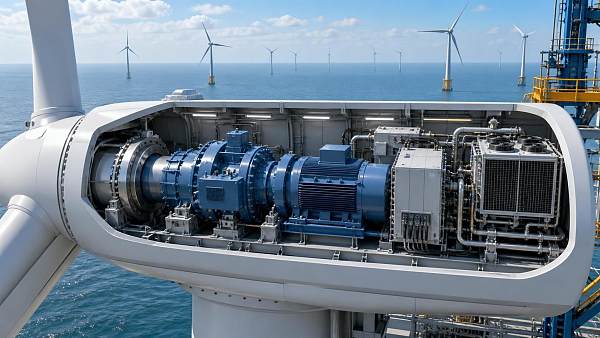
Choosing the right wind turbine gearboxes manufacturer can directly affect turbine reliability, maintenance cost, project schedules, and long-term asset performance.
For procurement teams, the challenge is bigger than comparing quotes. It includes supplier quality systems, factory capacity, delivery discipline, and OEM compatibility.
In wind projects, gearbox failure creates more than a repair bill. It can trigger crane cost, downtime, warranty disputes, and delayed energy revenue.
That is why evaluating a wind turbine gearboxes manufacturer needs a structured method. The goal is to reduce lifecycle risk before the purchase order is issued.
Start With Product Quality and Engineering Control
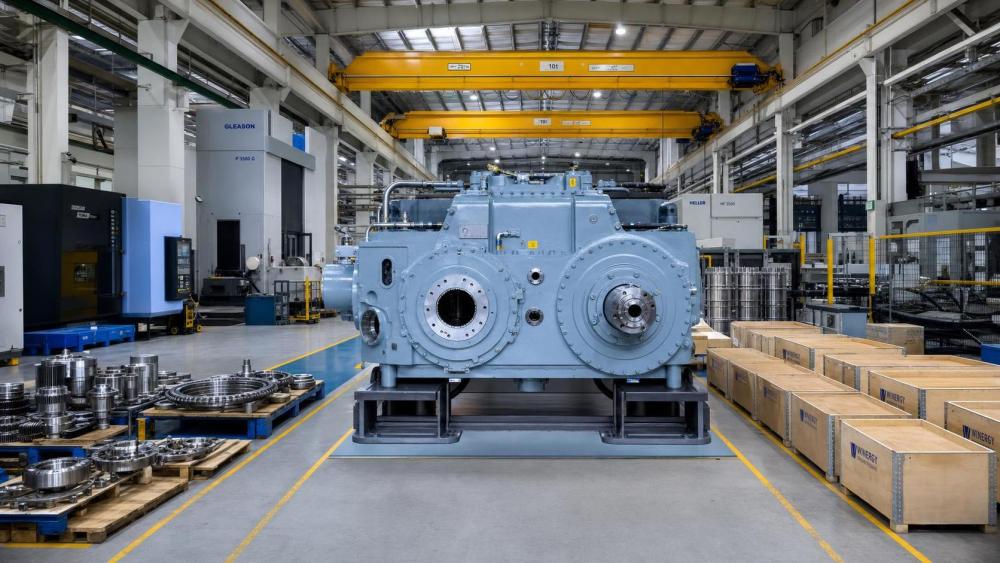
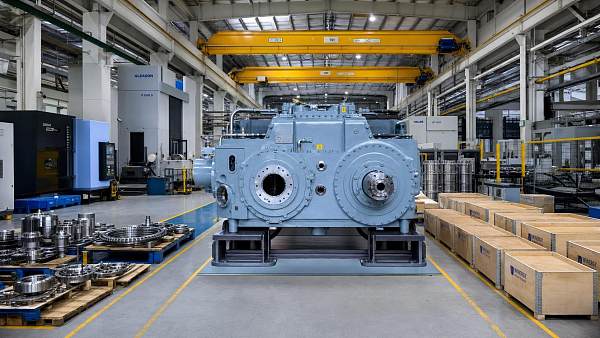
The first screen for any wind turbine gearboxes manufacturer is product quality. Without stable engineering control, low price becomes expensive very quickly.
Ask how the gearbox is designed for load spectrum, torque fluctuation, temperature range, and operating environment. These factors shape actual field performance.
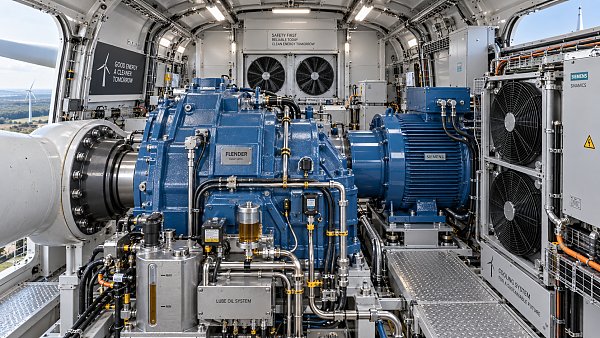
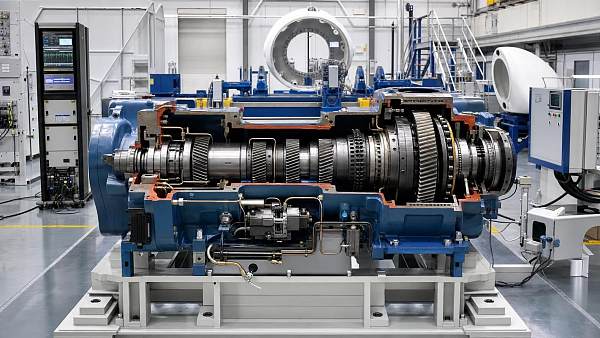
A credible supplier should explain gear geometry, bearing selection, lubrication design, sealing approach, and housing stiffness in practical terms.
It also helps to verify which standards guide design and testing. Common references include ISO, IEC, AGMA, and relevant OEM technical specifications.
In actual sourcing work, documentation matters as much as verbal claims. A strong wind turbine gearboxes manufacturer should provide traceable records.
- Material certificates for gears, shafts, bearings, and castings
- Heat treatment and hardness reports
- Dimensional inspection records
- NDT results for critical parts
- Assembly torque and backlash records
- Factory acceptance test reports
If these records are incomplete or inconsistent, that is an early warning sign. Problems usually appear later during commissioning or operations.
Look Beyond Certificates
ISO 9001 is useful, but it is only a starting point. A wind turbine gearboxes manufacturer should also show process discipline on the shop floor.
Review machining capability, cleanliness in assembly, calibration management, supplier qualification, and control of non-conforming parts.
From recent market changes, buyers are asking more about digital traceability. This is a stronger signal than a framed certificate in a meeting room.
Check Manufacturing Capacity and Lead Time Reliability
Lead time is often where supplier comparisons become real. A capable wind turbine gearboxes manufacturer should separate quoted lead time from proven lead time.
Ask for recent delivery performance by product family. Do not accept a general promise without shipment data from comparable gearbox sizes.
This matters because wind gearbox production depends on long-cycle components. Bearings, forgings, castings, and heat treatment slots can all affect schedule.
A reliable wind turbine gearboxes manufacturer usually has stronger visibility into these bottlenecks and can explain how they manage them.
Questions That Expose Real Lead Time Risk
- What is the standard production cycle for this gearbox model?
- Which components are single-source or imported?
- What is the current order backlog in weeks?
- How are rush orders handled without disrupting quality?
- What percentage of shipments were on time in the last 12 months?
These questions move the discussion from sales language to operational evidence. That shift is essential in procurement and cost-focused decisions.
It is also smart to ask about capacity expansion plans. A wind turbine gearboxes manufacturer under rapid growth may face hidden strain on labor and inspection resources.
Lead Time Should Include Logistics Reality
Quoted ex-works timing does not equal usable delivery timing. Packaging, export documents, inland transport, port congestion, and customs clearance all matter.
For this reason, evaluate the wind turbine gearboxes manufacturer together with its logistics coordination ability, not as a standalone factory score.
Confirm OEM Fit and Technical Compatibility Early
A gearbox can meet general quality standards and still fail commercially if it does not fit the OEM or retrofit requirement.
This is where many buyers lose time. They compare suppliers before confirming interface compatibility, mounting layout, ratio, control integration, and maintenance access.
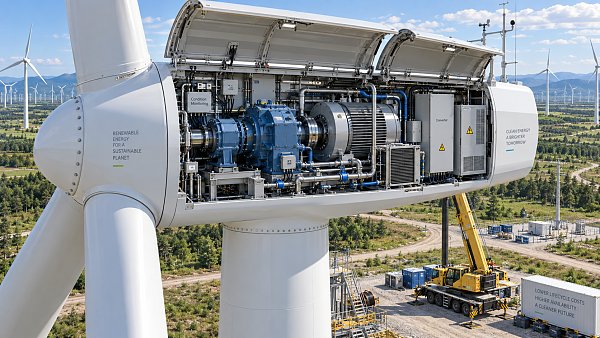
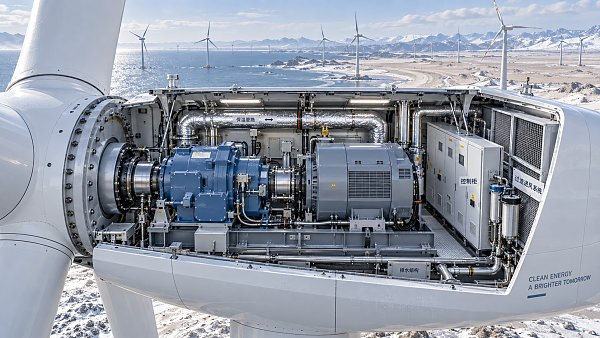
An experienced wind turbine gearboxes manufacturer should ask for turbine model, rated power, service history, nacelle constraints, and site conditions at the start.
OEM Fit Is More Than Dimensions
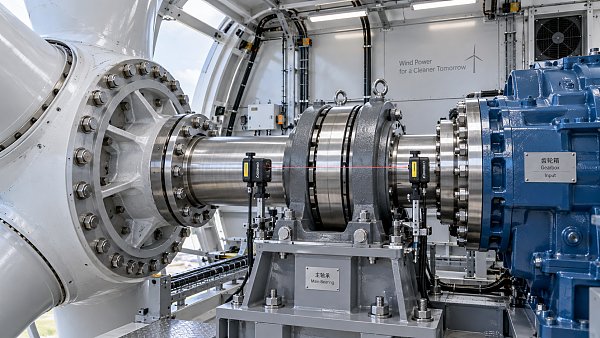
The obvious checks include shaft interfaces, torque rating, gearbox ratio, and external dimensions. Those are necessary, but they are not enough.
You also need to assess lubrication system logic, cooling method, sensor layout, vibration monitoring points, and compatibility with existing service procedures.
If the application is a replacement project, ask whether the wind turbine gearboxes manufacturer has retrofit experience on the same platform.
That experience often shortens engineering review and reduces field modification risk. In practice, this can save weeks on installation planning.
Assess Total Cost, Not Just Unit Price
A lower quote from a wind turbine gearboxes manufacturer may look attractive in the RFQ stage. The real comparison should include total landed and operating cost.
This includes spare parts, warranty terms, inspection support, packaging, transport, duties, and expected service interval.
More importantly, buyers should estimate the cost of underperformance. One avoidable gearbox issue can erase any apparent purchase savings.
Cost Items Worth Comparing Side by Side
- Unit price and payment terms
- Packaging and freight responsibility
- Recommended spare parts scope
- Warranty coverage and exclusions
- Field service response time
- Expected maintenance interval
- Downtime exposure in case of failure
This also means the best wind turbine gearboxes manufacturer is not always the cheapest source. It is the supplier with the strongest cost control across the asset life.
Validate After-Sales Support, Warranty, and Long-Term Supply Stability
Wind projects are long-life assets, so supplier selection should reflect that horizon. A gearbox purchase is also a service and support decision.
Ask the wind turbine gearboxes manufacturer how they handle failure analysis, replacement parts, field engineering, and warranty claim response.
A good supplier will define escalation paths clearly. They will also explain what operating data is needed when a problem occurs.
Another practical point is business continuity. Buyers should review financial stability, ownership structure, export experience, and long-term parts support.
Use a Practical Supplier Audit Checklist
Before final selection, build a simple weighted scorecard. It keeps evaluation grounded when several suppliers look similar on paper.
- Score design quality and process traceability
- Score lead time reliability using shipment history
- Score OEM fit using technical review results
- Score total cost across warranty and service items
- Score long-term support and spare parts continuity
This method gives a more balanced view of each wind turbine gearboxes manufacturer and reduces bias toward headline price.
Make the Final Decision With Project Risk in Mind
A strong sourcing decision connects engineering, schedule, and commercial risk. That is the right frame for choosing a wind turbine gearboxes manufacturer.
In utility-scale and distributed wind projects, gearbox sourcing affects uptime, O&M planning, grid delivery commitments, and investment returns.
The best results usually come from early technical clarification, disciplined supplier audit, and realistic lead time review.
When comparing any wind turbine gearboxes manufacturer, focus on proof over claims, lifecycle value over unit price, and compatibility over assumptions.
That approach creates a cleaner procurement process and a more dependable wind asset over the long term.
Questions about market trends? Contact Market Scope Live for deeper business insights.
We respect your privacy. Your information is strictly confidential.
Related News
 Wind Power ComponentsDistributed Wind Energy Systems: How They Work and Where They FitDistributed wind energy systems can power farms, businesses, and communities. Discover how they work, where they fit, and what makes a project viable.MORE+
 Wind Power ComponentsTroubleshooting Nacelle Wind Turbine Parts That Cause Unplanned DowntimeTroubleshoot nacelle wind turbine parts with proven checks for gearbox, generator, yaw, hydraulic, and wiring faults to reduce unplanned downtime.MORE+
 Wind Power ComponentsHow to Evaluate Wind Turbine Blades for Fatigue Life, Erosion, and Site LoadsWind turbine blades: learn how to assess fatigue life, leading-edge erosion, lightning exposure, and site-specific loads to improve reliability, energy yield, and lifecycle decisions.MORE+
 Wind Power ComponentsNacelle of Wind Turbine: Lifecycle Cost Drivers Buyers Should EvaluateNacelle of wind turbine lifecycle costs: evaluate drivetrain design, service access, warranty scope, spares, and availability risks before buying.MORE+
 Wind Power ComponentsSelecting a Nacelle in Wind Turbine Projects for Cold, Coastal, and Dusty SitesNacelle in wind turbine selection guide for cold, coastal, and dusty sites—compare sealing, corrosion control, thermal management, filtration, and maintenance access.MORE+
 Wind Power ComponentsNacelle and Hub Interfaces: Alignment Risks That Can Shorten Turbine LifeNacelle and hub alignment risks can accelerate turbine wear. Learn how precise interface control protects drivetrain life, uptime, and project value.MORE+
 Wind Power ComponentsInside a Wind Turbine Nacelle: Which Components Need the Most Maintenance?Inside nacelle wind turbine systems, discover which components demand the most maintenance—from gearboxes to cooling and controls—and protect uptime with smarter inspections.MORE+
 Wind Power ComponentsNacelle Wind Turbine Parts: An Inspection Checklist for Preventing DowntimeNacelle wind turbine parts inspection checklist: detect early faults in drivetrain, cooling, yaw, brakes, and controls to prevent costly downtime.MORE+
 Wind Power ComponentsWhat Is a Nacelle in a Wind Turbine? The Systems That Control Power GenerationWhat is a nacelle in a wind turbine? Explore the drivetrain, controls, pitch, yaw, cooling, and safety systems that shape power output, reliability, and lifecycle costs.MORE+
 Wind Power ComponentsWhat Is a Nacelle on a Wind Turbine? Safe Access Rules for Field OperatorsWhat is a nacelle on a wind turbine? Explore its vital systems, key hazards, and safe access rules that help field operators protect people and turbine uptime.MORE+
 Wind Power ComponentsWhat Is Nacelle in Wind Turbine Design and Why Does It Affect Energy Output?What is nacelle in wind turbine design? Discover how this vital housing supports alignment, cooling, controls, and reliable energy output.MORE+
 Wind Power ComponentsThe Nacelle of a Wind Turbine Explained: Functions, Layout, and Key SystemsNacelle of a wind turbine explained: explore its drivetrain, yaw, pitch, cooling, electrical, and control systems—and see how nacelle design impacts reliability, maintenance, and energy output.MORE+
 Wind Power ComponentsWind Turbine Hub and Nacelle: How Loads Travel from Blades to DrivetrainWind turbine hub and nacelle: discover how blade loads flow through bearings, shafts, gearboxes, and supports to improve drivetrain reliability and maintenance decisions.MORE+
 Wind Power ComponentsInside a Wind Turbine Nacelle: How Drivetrain Layout Affects Maintenance AccessExplore how drivetrain layout inside the nacelle of wind turbine shapes maintenance access, lifting routes, safety, and lifecycle service costs.MORE+
 Wind Power ComponentsWhat is shaping the wind turbine nacelle market today?Wind turbine nacelle market trends: explore turbine scaling, drivetrain choices, reliability, grid compliance, localization, and offshore supply risks shaping smarter investment decisions.MORE+
 Wind Power ComponentsHow to inspect a wind turbine nacelle before commissioningWind turbine nacelle inspection guide: verify mechanical, electrical, safety, fire-protection, and documentation readiness before commissioning.MORE+
 Wind Power ComponentsWhich nacelle of wind turbine design suits offshore projects?Nacelle of wind turbine design for offshore projects: explore drivetrain options, marine protection, maintenance access, and vessel logistics for reliable performance.MORE+
 Wind Power ComponentsWhat should operators check when a wind turbine nacelle overheats?Nacelle wind turbine overheating? Learn the essential checks for cooling, gearbox, generator, and electrical systems to prevent failures and protect uptime.MORE+
 Wind Power ComponentsHow does nacelle cooling protect wind energy turbines?Wind energy nacelle cooling protects turbines from overheating, derating, and costly failures. Discover practical maintenance insights to improve reliability and power availability.MORE+
 Wind Power ComponentsWhat drives wind power nacelle maintenance costs over time?Wind power nacelle maintenance costs evolve with age, failures, access, parts, and downtime. Discover key risks and smarter lifecycle cost controls.MORE+
 Wind Power ComponentsHow does turbine nacelle weight affect foundation design?Turbine nacelle weight affects foundation loads, dynamics, fatigue, soil response, and crane planning. Discover key design factors for reliable wind projects.MORE+
 Wind Power ComponentsWhich nacelle components affect wind turbine reliability most?Nacelle components wind turbine reliability depends on drivetrain, generator, bearings, yaw, cooling, and controls. Explore high-impact risks and smarter maintenance priorities.MORE+
 Wind Power ComponentsHow are the nacelle and hub different in a wind turbine?Nacelle and hub: discover how these vital wind turbine components differ, from blade control and power conversion to maintenance, reliability, and project performance.MORE+
 Wind Power ComponentsWhat does a nacelle in a wind turbine actually do?Discover what a nacelle in wind turbine does, from power conversion and controls to maintenance, reliability, and wind farm economics. Read the full guide.MORE+
 Wind Power ComponentsHow Grid-Connected Wind Energy Systems Work in Utility and Commercial ProjectsGrid connected wind energy systems explained for utility and commercial projects—learn how turbines, substations, controls, and grid compliance shape reliable, bankable performance.MORE+
 Wind Power ComponentsWhat Does a Wind Turbine Nacelle Include and Why Does It Matter in Turbine Design?Wind turbine nacelles include the drivetrain, generator, controls, cooling, and service systems. Learn why nacelle design directly impacts reliability, maintenance cost, and turbine performance.MORE+
 Wind Power ComponentsHow to Evaluate Wind Turbine Gearboxes for Reliability, Load Capacity, and Service LifeWind turbine gearboxes evaluation starts with real duty profiles. Learn how to assess reliability, load capacity, lubrication, and service life for smarter supplier decisions.MORE+
 Wind Power ComponentsHow to Evaluate a Wind Turbine Gearboxes Manufacturer for Quality, Lead Time, and OEM FitWind turbine gearboxes manufacturer selection made simple: learn how to assess quality, lead time, OEM fit, warranty, and total cost to reduce project risk and improve uptime.MORE+
 Wind Power ComponentsHow to Choose a Wind Turbine Gearboxes Supplier for Reliability and Service SupportWind turbine gearboxes supplier selection affects uptime, lifecycle cost, and project risk. Learn how to compare reliability, service support, and delivery strength.MORE+
 Wind Power ComponentsWind Turbine Blades Explained: Materials, Blade Length, and Performance Trade-OffsWind turbine blades explained: compare materials, blade length, and performance trade-offs to improve energy yield, durability, and project ROI in modern wind power.MORE+
 Wind Power ComponentsIndustrial Gearboxes Selection Guide: Torque, Ratio, Duty Cycle, and Mounting BasicsGearboxes selection made practical: learn how torque, ratio, duty cycle, and mounting affect reliability, efficiency, and lifecycle cost in industrial applications.MORE+