How to Evaluate Wind Turbine Gearboxes for Reliability, Load Capacity, and Service Life
Start with the duty profile, not the brochure
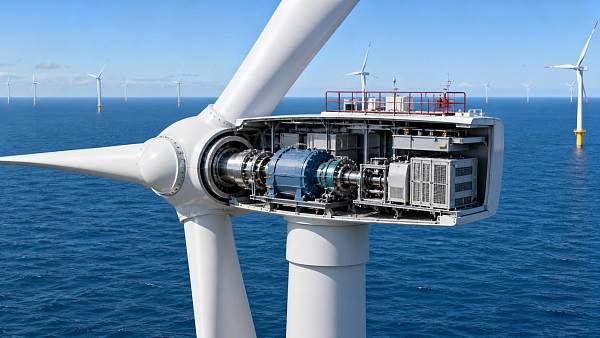
A gearbox that looks acceptable on a datasheet can still be a poor fit for the turbine it will serve. For technical assessment teams, the useful question is not whether the gearbox is “high quality” in general, but whether it can survive the real load spectrum, operating environment, and maintenance regime of the project. That is what determines reliability, usable load capacity, and service life.
When evaluating wind turbine gearboxes, begin with the operating case: turbine rating, rotor size, expected wind class, turbulence intensity, start-stop frequency, grid events, ambient temperature range, and maintenance access constraints. If those inputs are still vague, your gearbox comparison will drift toward marketing language very quickly.
One common mistake is treating rated power as the main selection criterion. In practice, transient torque, shock loading, misalignment, lubrication control, and thermal behavior often separate a robust gearbox from one that becomes an availability problem after a few years.
Build your checklist around the real failure drivers
A practical review usually moves through the following checkpoints. Not every item carries the same weight on every project, but skipping any of them can hide a serious lifecycle risk.
- Confirm the gearbox architecture matches the turbine concept.
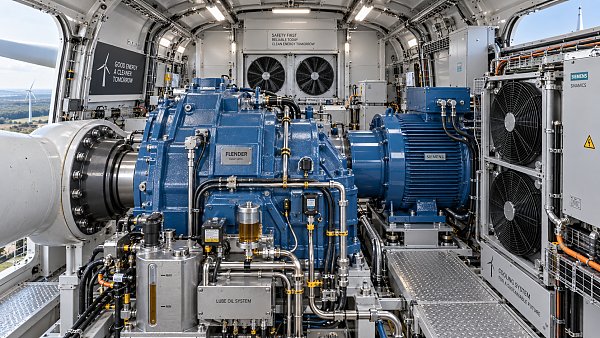
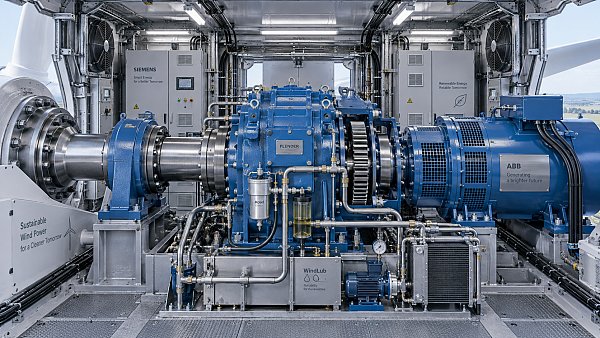
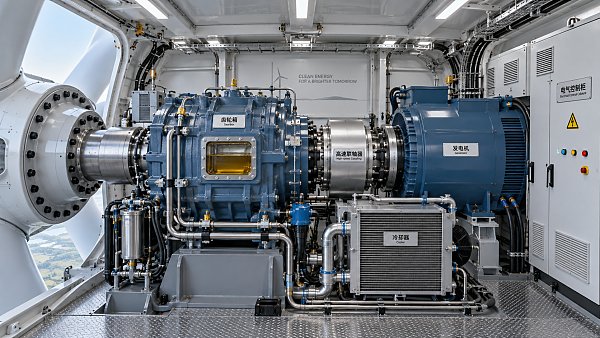
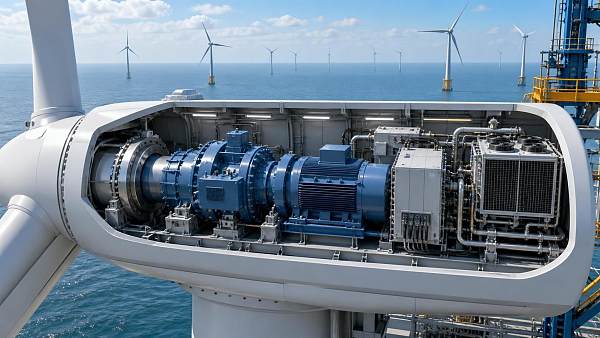
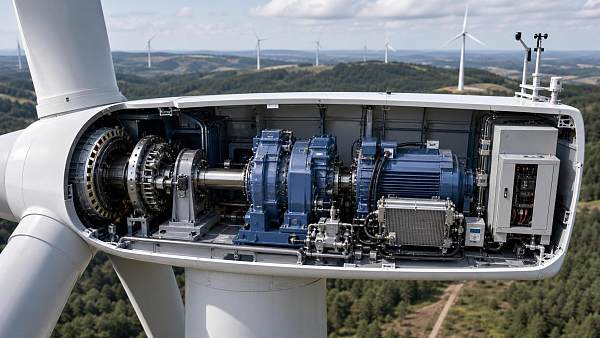
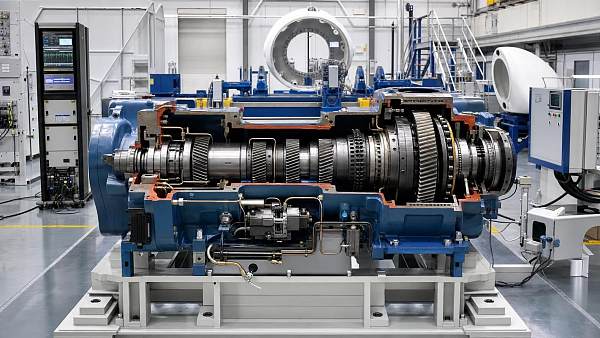
Check whether the stage arrangement, gear ratios, and bearing layout are suited to the turbine’s input speed range and torque path. A compact design may reduce size and weight, but if load sharing and bearing support are marginal, that efficiency can be paid back later through vibration, wear, or premature overhaul. - Review load assumptions, not only nominal torque.
Ask what load cases were used in the design basis: normal operation, gusts, emergency stops, grid disturbances, braking events, and yaw-related transients. Gearbox load capacity should be judged against fatigue loading and peak events together. A unit that handles rated torque comfortably can still struggle with repeated transient spikes. - Look closely at bearing strategy.
Many gearbox problems present first as bearing issues rather than gear tooth failure. Check bearing types, internal load distribution, axial and radial support logic, and how the design handles shaft deflection. If the turbine drivetrain passes significant non-torque loads into the gearbox, this point becomes even more important. - Evaluate gear tooth durability with surface condition in mind.
For wind applications, the question is not just bending strength. Ask how the design addresses micropitting risk, scuffing, flank wear, and local stress concentration under variable loads. Surface finish, heat treatment quality, and the expected lubrication film all matter here.
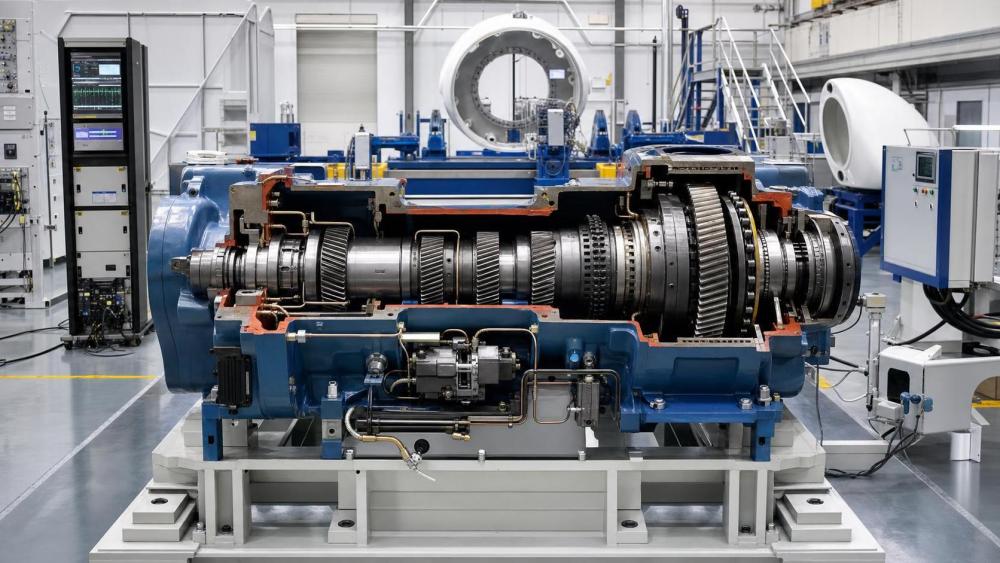
If you only have time to challenge one technical area deeply, make it the interaction between gears, bearings, lubrication, and non-torque loads. That is where many field headaches begin.
What to check in materials and manufacturing quality
Wind turbine gearboxes spend years under cyclic loading, so material quality is not a background detail. It is part of service life.
Ask for the manufacturing route used for gears and shafts, the heat treatment approach, and the quality controls applied to critical surfaces. You are not looking for a generic claim that the steel is “high strength.” You want to know whether the production process is consistent enough to support fatigue resistance and dimensional stability over time.
Useful review points include:
- whether critical gears and bearings are sourced from established industrial supply chains with traceable specifications;
- how tooth geometry accuracy and surface finish are controlled during production;
- what inspection records exist for case depth, hardness distribution, and dimensional tolerances on loaded parts;
- how housing stiffness and machining quality support alignment under load.
A gearbox can be well designed on paper and still underperform if manufacturing variation is not controlled. Technical evaluators sometimes spend too much time on the theoretical design and too little on repeatability.
Do not treat lubrication as a support system
In wind service, lubrication is part of the core reliability design. It affects bearing life, gear surface protection, operating temperature, contamination control, and cold-start behavior.
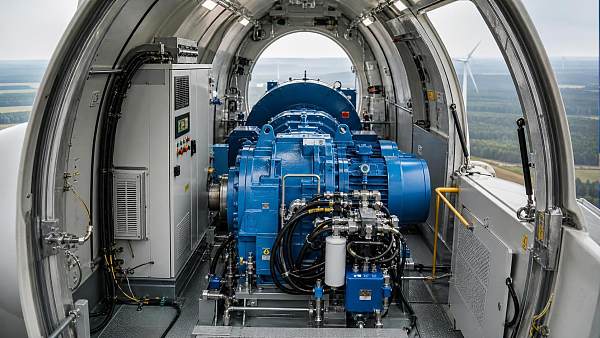
Check the lubrication circuit in detail. Is oil delivery positive and controlled to all critical points? How is filtration handled? What is the contamination management strategy during both operation and maintenance? How does the system behave during low-temperature starts or low-speed operation when film formation is harder to maintain?
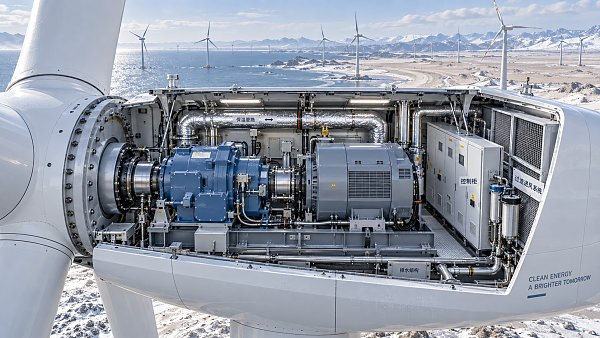
This is also where site conditions start to matter. Offshore exposure, desert dust, wide ambient temperature swings, and remote access all change the practical risk picture. A lubrication design that is workable in one region may become maintenance-heavy in another.
Watch for a familiar error: assuming oil specification alone will solve durability concerns. Oil choice matters, but it cannot compensate for weak circulation design, poor sealing, or inadequate filtration.
Check how the gearbox handles thermal load and alignment drift
Temperature control is often reviewed too late. By then, the gearbox has already been accepted as a mechanical package, and thermal performance is treated as a secondary support issue. That is backwards.
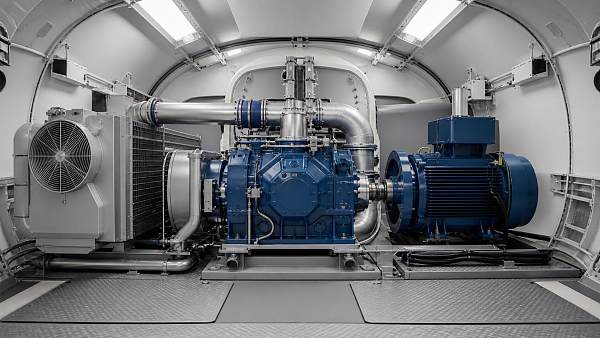
Ask how operating temperature is managed across seasonal conditions and partial-load operation, not just at rated output. A gearbox that runs hot under real field conditions will age seals faster, stress the lubricant, and shorten bearing life. At the same time, thermal expansion can influence internal clearances and alignment.
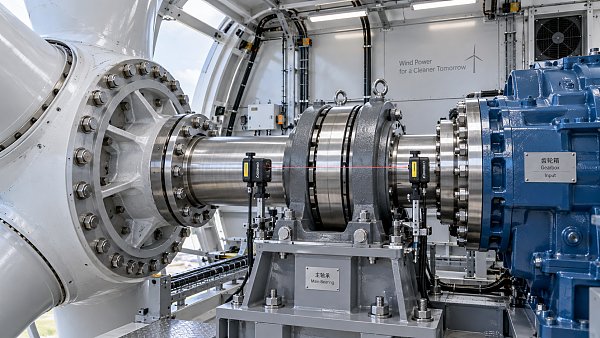
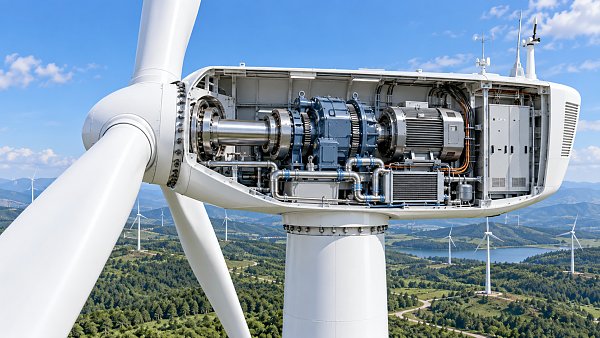
Housing stiffness, shaft support, foundation behavior, and drivetrain integration all influence alignment. A technically sound gearbox can still show poor field reliability if the interface with the main shaft, coupling, or mounting structure introduces persistent misalignment.
Use a decision table when comparing suppliers
When several wind turbine gearboxes appear close in rating, a comparison table helps prevent the team from defaulting to price or lead time too early. The point is not to create false precision. It is to force the same questions across all candidates.
Ask for evidence that connects design to field performance
A serious evaluation goes beyond drawings and claims. Ask what validation path supports the design: prototype testing, load simulation, endurance testing, vibration monitoring logic, oil analysis strategy, and inspection feedback loops from operating fleets. You do not need confidential fleet data to learn something useful. Even the structure of the validation package tells you how mature the gearbox program is.
The strongest submissions usually show a clear chain from load assumptions to design choices, then from design choices to test or operating evidence. Weak submissions often hide behind broad statements about reliability while leaving out the specific failure modes they are managing.
Service life is an operating outcome, not just a design target
If you are trying to judge expected service life, do not ask only for the design life figure. Ask what conditions sit behind that expectation. Service life depends on actual load spectrum, lubrication cleanliness, temperature control, alignment retention, maintenance quality, and how early developing faults are detected.
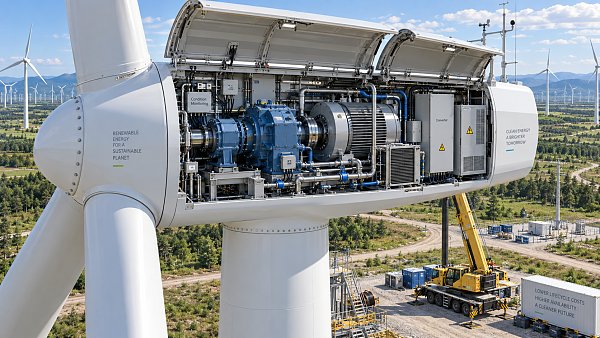
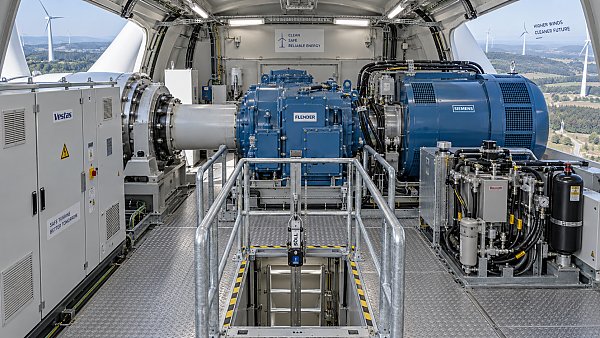
This is where technical assessment often needs to meet O&M reality. If the project site has limited crane access, long parts lead times, or harsh weather windows, a gearbox that requires tighter maintenance control may carry more lifecycle risk than a heavier or more conservative alternative.
A few practical questions help:
- What condition monitoring inputs are available for early fault detection?
- How easy is routine oil sampling without introducing contamination?
- Which wear mechanisms are expected to be inspected in planned maintenance?
- Can major subcomponents be serviced efficiently, or does failure tend to escalate into full gearbox replacement?
Red flags that deserve immediate scrutiny
Some patterns should slow the review down right away:
- rated performance is clear, but transient load treatment is vague;
- bearing arrangement is described only at a high level, without load path explanation;
- lubrication details focus on oil brand or viscosity, while filtration and contamination control are barely covered;
- service access looks difficult, yet the maintenance interval assumptions are optimistic;
- the supplier discusses gearbox strength confidently but says little about alignment sensitivity, thermal behavior, or field monitoring.
None of these points automatically disqualifies a design. They do tell you where deeper technical clarification is worth the time.
A workable review sequence for technical teams
If the goal is a decision rather than a paper exercise, use this order. Start with turbine duty profile and load cases. Then review gearbox architecture, bearing concept, and lubrication system together, because they interact. After that, move to materials, manufacturing controls, and thermal behavior. Finish with serviceability, monitoring, and evidence of validation.
That sequence keeps the team focused on what will affect uptime and lifecycle cost in the field. It also helps separate a gearbox that is merely adequate on paper from one that is likely to stay reliable under real wind project conditions.
Questions about market trends? Contact Market Scope Live for deeper business insights.
We respect your privacy. Your information is strictly confidential.
Related News
 Wind Power ComponentsDistributed Wind Energy Systems: How They Work and Where They FitDistributed wind energy systems can power farms, businesses, and communities. Discover how they work, where they fit, and what makes a project viable.MORE+
 Wind Power ComponentsTroubleshooting Nacelle Wind Turbine Parts That Cause Unplanned DowntimeTroubleshoot nacelle wind turbine parts with proven checks for gearbox, generator, yaw, hydraulic, and wiring faults to reduce unplanned downtime.MORE+
 Wind Power ComponentsHow to Evaluate Wind Turbine Blades for Fatigue Life, Erosion, and Site LoadsWind turbine blades: learn how to assess fatigue life, leading-edge erosion, lightning exposure, and site-specific loads to improve reliability, energy yield, and lifecycle decisions.MORE+
 Wind Power ComponentsNacelle of Wind Turbine: Lifecycle Cost Drivers Buyers Should EvaluateNacelle of wind turbine lifecycle costs: evaluate drivetrain design, service access, warranty scope, spares, and availability risks before buying.MORE+
 Wind Power ComponentsSelecting a Nacelle in Wind Turbine Projects for Cold, Coastal, and Dusty SitesNacelle in wind turbine selection guide for cold, coastal, and dusty sites—compare sealing, corrosion control, thermal management, filtration, and maintenance access.MORE+
 Wind Power ComponentsNacelle and Hub Interfaces: Alignment Risks That Can Shorten Turbine LifeNacelle and hub alignment risks can accelerate turbine wear. Learn how precise interface control protects drivetrain life, uptime, and project value.MORE+
 Wind Power ComponentsInside a Wind Turbine Nacelle: Which Components Need the Most Maintenance?Inside nacelle wind turbine systems, discover which components demand the most maintenance—from gearboxes to cooling and controls—and protect uptime with smarter inspections.MORE+
 Wind Power ComponentsNacelle Wind Turbine Parts: An Inspection Checklist for Preventing DowntimeNacelle wind turbine parts inspection checklist: detect early faults in drivetrain, cooling, yaw, brakes, and controls to prevent costly downtime.MORE+
 Wind Power ComponentsWhat Is a Nacelle in a Wind Turbine? The Systems That Control Power GenerationWhat is a nacelle in a wind turbine? Explore the drivetrain, controls, pitch, yaw, cooling, and safety systems that shape power output, reliability, and lifecycle costs.MORE+
 Wind Power ComponentsWhat Is a Nacelle on a Wind Turbine? Safe Access Rules for Field OperatorsWhat is a nacelle on a wind turbine? Explore its vital systems, key hazards, and safe access rules that help field operators protect people and turbine uptime.MORE+
 Wind Power ComponentsWhat Is Nacelle in Wind Turbine Design and Why Does It Affect Energy Output?What is nacelle in wind turbine design? Discover how this vital housing supports alignment, cooling, controls, and reliable energy output.MORE+
 Wind Power ComponentsThe Nacelle of a Wind Turbine Explained: Functions, Layout, and Key SystemsNacelle of a wind turbine explained: explore its drivetrain, yaw, pitch, cooling, electrical, and control systems—and see how nacelle design impacts reliability, maintenance, and energy output.MORE+
 Wind Power ComponentsWind Turbine Hub and Nacelle: How Loads Travel from Blades to DrivetrainWind turbine hub and nacelle: discover how blade loads flow through bearings, shafts, gearboxes, and supports to improve drivetrain reliability and maintenance decisions.MORE+
 Wind Power ComponentsInside a Wind Turbine Nacelle: How Drivetrain Layout Affects Maintenance AccessExplore how drivetrain layout inside the nacelle of wind turbine shapes maintenance access, lifting routes, safety, and lifecycle service costs.MORE+
 Wind Power ComponentsWhat is shaping the wind turbine nacelle market today?Wind turbine nacelle market trends: explore turbine scaling, drivetrain choices, reliability, grid compliance, localization, and offshore supply risks shaping smarter investment decisions.MORE+
 Wind Power ComponentsHow to inspect a wind turbine nacelle before commissioningWind turbine nacelle inspection guide: verify mechanical, electrical, safety, fire-protection, and documentation readiness before commissioning.MORE+
 Wind Power ComponentsWhich nacelle of wind turbine design suits offshore projects?Nacelle of wind turbine design for offshore projects: explore drivetrain options, marine protection, maintenance access, and vessel logistics for reliable performance.MORE+
 Wind Power ComponentsWhat should operators check when a wind turbine nacelle overheats?Nacelle wind turbine overheating? Learn the essential checks for cooling, gearbox, generator, and electrical systems to prevent failures and protect uptime.MORE+
 Wind Power ComponentsHow does nacelle cooling protect wind energy turbines?Wind energy nacelle cooling protects turbines from overheating, derating, and costly failures. Discover practical maintenance insights to improve reliability and power availability.MORE+
 Wind Power ComponentsWhat drives wind power nacelle maintenance costs over time?Wind power nacelle maintenance costs evolve with age, failures, access, parts, and downtime. Discover key risks and smarter lifecycle cost controls.MORE+
 Wind Power ComponentsHow does turbine nacelle weight affect foundation design?Turbine nacelle weight affects foundation loads, dynamics, fatigue, soil response, and crane planning. Discover key design factors for reliable wind projects.MORE+
 Wind Power ComponentsWhich nacelle components affect wind turbine reliability most?Nacelle components wind turbine reliability depends on drivetrain, generator, bearings, yaw, cooling, and controls. Explore high-impact risks and smarter maintenance priorities.MORE+
 Wind Power ComponentsHow are the nacelle and hub different in a wind turbine?Nacelle and hub: discover how these vital wind turbine components differ, from blade control and power conversion to maintenance, reliability, and project performance.MORE+
 Wind Power ComponentsWhat does a nacelle in a wind turbine actually do?Discover what a nacelle in wind turbine does, from power conversion and controls to maintenance, reliability, and wind farm economics. Read the full guide.MORE+
 Wind Power ComponentsHow Grid-Connected Wind Energy Systems Work in Utility and Commercial ProjectsGrid connected wind energy systems explained for utility and commercial projects—learn how turbines, substations, controls, and grid compliance shape reliable, bankable performance.MORE+
 Wind Power ComponentsWhat Does a Wind Turbine Nacelle Include and Why Does It Matter in Turbine Design?Wind turbine nacelles include the drivetrain, generator, controls, cooling, and service systems. Learn why nacelle design directly impacts reliability, maintenance cost, and turbine performance.MORE+
 Wind Power ComponentsHow to Evaluate Wind Turbine Gearboxes for Reliability, Load Capacity, and Service LifeWind turbine gearboxes evaluation starts with real duty profiles. Learn how to assess reliability, load capacity, lubrication, and service life for smarter supplier decisions.MORE+
 Wind Power ComponentsHow to Evaluate a Wind Turbine Gearboxes Manufacturer for Quality, Lead Time, and OEM FitWind turbine gearboxes manufacturer selection made simple: learn how to assess quality, lead time, OEM fit, warranty, and total cost to reduce project risk and improve uptime.MORE+
 Wind Power ComponentsHow to Choose a Wind Turbine Gearboxes Supplier for Reliability and Service SupportWind turbine gearboxes supplier selection affects uptime, lifecycle cost, and project risk. Learn how to compare reliability, service support, and delivery strength.MORE+
 Wind Power ComponentsWind Turbine Blades Explained: Materials, Blade Length, and Performance Trade-OffsWind turbine blades explained: compare materials, blade length, and performance trade-offs to improve energy yield, durability, and project ROI in modern wind power.MORE+
 Wind Power ComponentsIndustrial Gearboxes Selection Guide: Torque, Ratio, Duty Cycle, and Mounting BasicsGearboxes selection made practical: learn how torque, ratio, duty cycle, and mounting affect reliability, efficiency, and lifecycle cost in industrial applications.MORE+