How to Choose a Wind Turbine Gearboxes Supplier for Reliability and Service Support
How to Choose a Wind Turbine Gearboxes Supplier for Reliability and Service Support
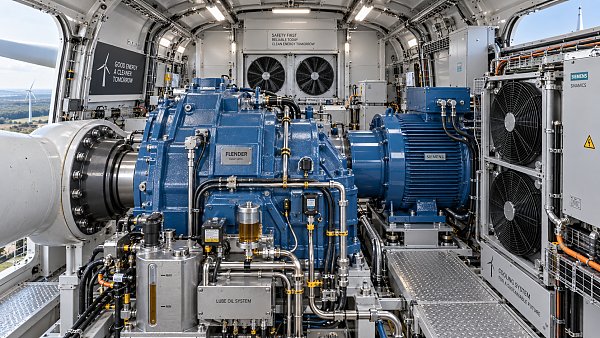
Choosing the right wind turbine gearboxes supplier is critical for uptime, lifecycle cost, and project risk control.
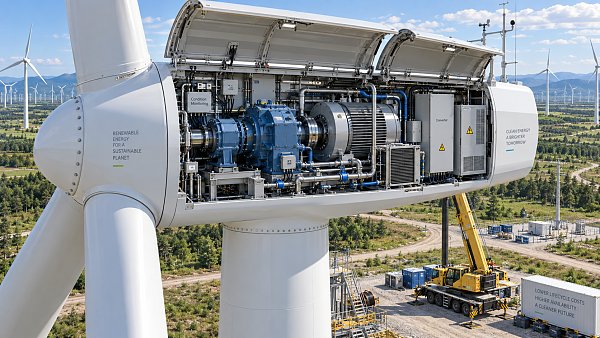
A gearbox may sit inside the nacelle, but its impact reaches far beyond one component.
It affects turbine availability, maintenance planning, spare parts strategy, and revenue stability.
That is why supplier selection should go beyond catalog ratings and price comparisons.
In practice, the best decision comes from balancing engineering reliability with service support strength.
This guide explains how to evaluate a wind turbine gearboxes supplier with a practical procurement lens.
Why Supplier Selection Matters More Than a Spec Sheet
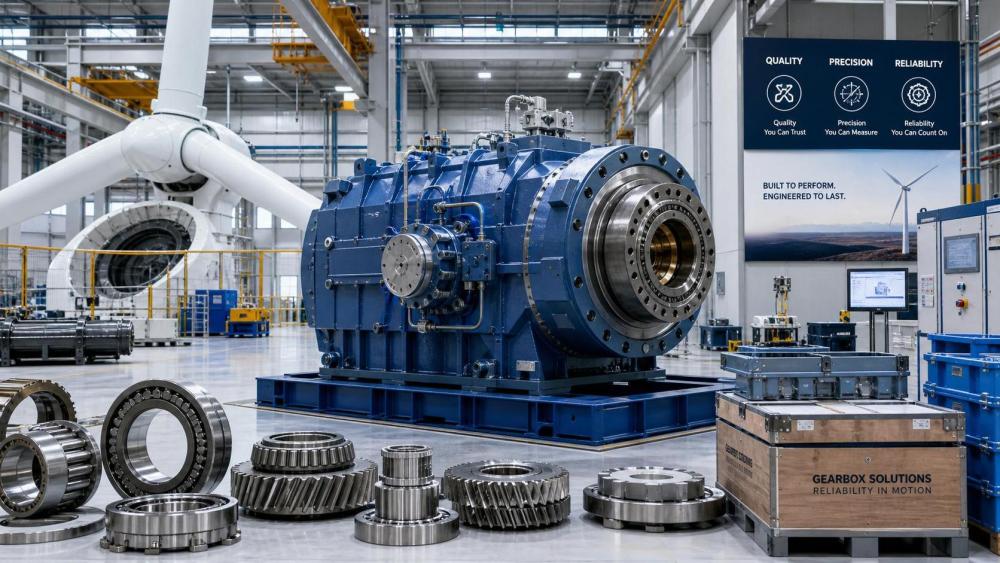
A gearbox failure is rarely a small event in a wind project.
It can trigger crane costs, long downtime, difficult offshore logistics, and lost energy production.
Even when the root cause is manageable, recovery speed depends heavily on the supplier.
A capable wind turbine gearboxes supplier does more than manufacture hardware.
It supports application engineering, quality traceability, field troubleshooting, and parts continuity.
From a risk perspective, that support can be as valuable as the gearbox itself.
Recent market shifts make this even more important.
Projects now face tighter schedules, stricter lender scrutiny, and stronger pressure on long-term asset performance.
That means buyers need a wind turbine gearboxes supplier that can perform through the full asset lifecycle.
Start with Manufacturing Quality and Design Capability
The first screen should focus on manufacturing discipline and gearbox design depth.
Not every wind turbine gearboxes supplier has the same process maturity.
Some are strong in machining but weaker in validation, system integration, or fatigue analysis.
Others may offer acceptable prototypes but inconsistent batch quality.
Key areas to verify include:
- Gear design standards, torque margins, and load assumptions
- Bearing selection, lubrication design, and sealing performance
- Heat treatment control and material traceability
- Factory test procedures and documented acceptance criteria
- Failure analysis capability and design improvement process
Ask for actual evidence, not just broad claims.
A reliable wind turbine gearboxes supplier should provide test records, process certifications, and clear quality documentation.
It should also explain how its design handles transient loads, grid events, and site-specific wind conditions.
That level of detail usually signals real engineering ownership.
Check Fleet Experience and Performance History
Proven field performance matters because wind turbines operate under variable and demanding conditions.
A wind turbine gearboxes supplier with broad fleet exposure usually has sharper feedback loops.
It has seen different climates, turbine platforms, maintenance practices, and operating profiles.
That experience helps reduce avoidable surprises after commissioning.
When reviewing performance history, look for:
- Installed base by turbine type and region
- Documented failure rates and common failure modes
- Mean time between failures and service intervals
- Warranty claim patterns and corrective actions
- Reference projects with comparable operating conditions
This is where many buying teams uncover the real difference between suppliers.
A polished presentation may look strong, but a thin operating record increases uncertainty.
A stronger wind turbine gearboxes supplier should be comfortable discussing lessons learned and improvement history.
That openness is often a better reliability signal than marketing language.
Evaluate Service Support Before You Need It
Service support is often underestimated during sourcing and overvalued after the first major issue.
That pattern is expensive.
A wind turbine gearboxes supplier should be assessed as a long-term support partner, not just a parts vendor.
In actual operations, response time and technical depth directly shape outage duration.
Important service questions include:
- Is there regional field service coverage?
- How quickly can engineers support root cause analysis?
- Are spare gear sets, bearings, and seals stocked locally?
- What is the process for emergency replacement?
- Can the supplier support condition monitoring interpretation?
It also helps to review the escalation structure.
If a gearbox issue moves through too many layers, downtime can stretch quickly.
The right wind turbine gearboxes supplier should have a defined service workflow with named technical contacts.
That makes support more predictable when time pressure is high.
Review Delivery Reliability and Supply Chain Resilience
Delivery performance affects project schedules just as much as technical compliance.
A delayed gearbox can disrupt nacelle assembly, transport plans, and installation windows.
That is especially costly in offshore or remote onshore projects.
So a wind turbine gearboxes supplier must be tested on schedule credibility, not just quoted lead times.
Ask how critical components are sourced and how production bottlenecks are managed.
Check exposure to single-source bearings, forged parts, or transport constraints.
More importantly, ask for on-time delivery records across recent projects.
A capable wind turbine gearboxes supplier should show how it handles expediting, quality holds, and replacement logistics.
That gives a clearer view of execution reliability under pressure.
Compare Commercial Terms Beyond Unit Price
Unit cost matters, but it is rarely the full economic picture.
The lower quoted option can become the higher lifecycle-cost option very quickly.
A proper sourcing review should compare warranty terms, parts pricing, repair turnaround, and service obligations.
This is where commercial discipline meets technical reality.
When comparing suppliers, build a lifecycle cost model instead of a simple bid sheet.
That approach usually leads to a better decision on a wind turbine gearboxes supplier.
Use a Practical Supplier Assessment Framework
A structured scorecard keeps decisions consistent and easier to defend internally.
It also helps separate real supplier strength from presentation quality.
A useful framework can include these weighted categories:
- Engineering and manufacturing capability
- Fleet reliability and reference performance
- Service support and spare parts readiness
- Delivery reliability and supply chain resilience
- Commercial terms and total cost of ownership
Site visits can sharpen this assessment significantly.
They reveal shop floor discipline, testing culture, and management transparency.
If a wind turbine gearboxes supplier avoids detailed technical discussion, that is a warning sign.
The strongest candidates usually answer difficult questions directly and with data.
Final Decision: Choose for Reliability Over the Full Lifecycle
The best wind turbine gearboxes supplier is not simply the one with the lowest quote or the fastest promise.
It is the supplier that can protect turbine availability year after year.
That means proven quality, credible field performance, responsive support, and stable parts access.
In real projects, those factors shape returns more than headline pricing alone.
A disciplined review process helps reduce technical surprises and commercial regret.
When evaluating a wind turbine gearboxes supplier, treat service readiness and lifecycle performance as core decision criteria.
That is the more reliable path to stronger wind asset performance and lower long-term operating risk.
Questions about market trends? Contact Market Scope Live for deeper business insights.
We respect your privacy. Your information is strictly confidential.
Related News
 Wind Power ComponentsDistributed Wind Energy Systems: How They Work and Where They FitDistributed wind energy systems can power farms, businesses, and communities. Discover how they work, where they fit, and what makes a project viable.MORE+
 Wind Power ComponentsTroubleshooting Nacelle Wind Turbine Parts That Cause Unplanned DowntimeTroubleshoot nacelle wind turbine parts with proven checks for gearbox, generator, yaw, hydraulic, and wiring faults to reduce unplanned downtime.MORE+
 Wind Power ComponentsHow to Evaluate Wind Turbine Blades for Fatigue Life, Erosion, and Site LoadsWind turbine blades: learn how to assess fatigue life, leading-edge erosion, lightning exposure, and site-specific loads to improve reliability, energy yield, and lifecycle decisions.MORE+
 Wind Power ComponentsNacelle of Wind Turbine: Lifecycle Cost Drivers Buyers Should EvaluateNacelle of wind turbine lifecycle costs: evaluate drivetrain design, service access, warranty scope, spares, and availability risks before buying.MORE+
 Wind Power ComponentsSelecting a Nacelle in Wind Turbine Projects for Cold, Coastal, and Dusty SitesNacelle in wind turbine selection guide for cold, coastal, and dusty sites—compare sealing, corrosion control, thermal management, filtration, and maintenance access.MORE+
 Wind Power ComponentsNacelle and Hub Interfaces: Alignment Risks That Can Shorten Turbine LifeNacelle and hub alignment risks can accelerate turbine wear. Learn how precise interface control protects drivetrain life, uptime, and project value.MORE+
 Wind Power ComponentsInside a Wind Turbine Nacelle: Which Components Need the Most Maintenance?Inside nacelle wind turbine systems, discover which components demand the most maintenance—from gearboxes to cooling and controls—and protect uptime with smarter inspections.MORE+
 Wind Power ComponentsNacelle Wind Turbine Parts: An Inspection Checklist for Preventing DowntimeNacelle wind turbine parts inspection checklist: detect early faults in drivetrain, cooling, yaw, brakes, and controls to prevent costly downtime.MORE+
 Wind Power ComponentsWhat Is a Nacelle in a Wind Turbine? The Systems That Control Power GenerationWhat is a nacelle in a wind turbine? Explore the drivetrain, controls, pitch, yaw, cooling, and safety systems that shape power output, reliability, and lifecycle costs.MORE+
 Wind Power ComponentsWhat Is a Nacelle on a Wind Turbine? Safe Access Rules for Field OperatorsWhat is a nacelle on a wind turbine? Explore its vital systems, key hazards, and safe access rules that help field operators protect people and turbine uptime.MORE+
 Wind Power ComponentsWhat Is Nacelle in Wind Turbine Design and Why Does It Affect Energy Output?What is nacelle in wind turbine design? Discover how this vital housing supports alignment, cooling, controls, and reliable energy output.MORE+
 Wind Power ComponentsThe Nacelle of a Wind Turbine Explained: Functions, Layout, and Key SystemsNacelle of a wind turbine explained: explore its drivetrain, yaw, pitch, cooling, electrical, and control systems—and see how nacelle design impacts reliability, maintenance, and energy output.MORE+
 Wind Power ComponentsWind Turbine Hub and Nacelle: How Loads Travel from Blades to DrivetrainWind turbine hub and nacelle: discover how blade loads flow through bearings, shafts, gearboxes, and supports to improve drivetrain reliability and maintenance decisions.MORE+
 Wind Power ComponentsInside a Wind Turbine Nacelle: How Drivetrain Layout Affects Maintenance AccessExplore how drivetrain layout inside the nacelle of wind turbine shapes maintenance access, lifting routes, safety, and lifecycle service costs.MORE+
 Wind Power ComponentsWhat is shaping the wind turbine nacelle market today?Wind turbine nacelle market trends: explore turbine scaling, drivetrain choices, reliability, grid compliance, localization, and offshore supply risks shaping smarter investment decisions.MORE+
 Wind Power ComponentsHow to inspect a wind turbine nacelle before commissioningWind turbine nacelle inspection guide: verify mechanical, electrical, safety, fire-protection, and documentation readiness before commissioning.MORE+
 Wind Power ComponentsWhich nacelle of wind turbine design suits offshore projects?Nacelle of wind turbine design for offshore projects: explore drivetrain options, marine protection, maintenance access, and vessel logistics for reliable performance.MORE+
 Wind Power ComponentsWhat should operators check when a wind turbine nacelle overheats?Nacelle wind turbine overheating? Learn the essential checks for cooling, gearbox, generator, and electrical systems to prevent failures and protect uptime.MORE+
 Wind Power ComponentsHow does nacelle cooling protect wind energy turbines?Wind energy nacelle cooling protects turbines from overheating, derating, and costly failures. Discover practical maintenance insights to improve reliability and power availability.MORE+
 Wind Power ComponentsWhat drives wind power nacelle maintenance costs over time?Wind power nacelle maintenance costs evolve with age, failures, access, parts, and downtime. Discover key risks and smarter lifecycle cost controls.MORE+
 Wind Power ComponentsHow does turbine nacelle weight affect foundation design?Turbine nacelle weight affects foundation loads, dynamics, fatigue, soil response, and crane planning. Discover key design factors for reliable wind projects.MORE+
 Wind Power ComponentsWhich nacelle components affect wind turbine reliability most?Nacelle components wind turbine reliability depends on drivetrain, generator, bearings, yaw, cooling, and controls. Explore high-impact risks and smarter maintenance priorities.MORE+
 Wind Power ComponentsHow are the nacelle and hub different in a wind turbine?Nacelle and hub: discover how these vital wind turbine components differ, from blade control and power conversion to maintenance, reliability, and project performance.MORE+
 Wind Power ComponentsWhat does a nacelle in a wind turbine actually do?Discover what a nacelle in wind turbine does, from power conversion and controls to maintenance, reliability, and wind farm economics. Read the full guide.MORE+
 Wind Power ComponentsHow Grid-Connected Wind Energy Systems Work in Utility and Commercial ProjectsGrid connected wind energy systems explained for utility and commercial projects—learn how turbines, substations, controls, and grid compliance shape reliable, bankable performance.MORE+
 Wind Power ComponentsWhat Does a Wind Turbine Nacelle Include and Why Does It Matter in Turbine Design?Wind turbine nacelles include the drivetrain, generator, controls, cooling, and service systems. Learn why nacelle design directly impacts reliability, maintenance cost, and turbine performance.MORE+
 Wind Power ComponentsHow to Evaluate Wind Turbine Gearboxes for Reliability, Load Capacity, and Service LifeWind turbine gearboxes evaluation starts with real duty profiles. Learn how to assess reliability, load capacity, lubrication, and service life for smarter supplier decisions.MORE+
 Wind Power ComponentsHow to Evaluate a Wind Turbine Gearboxes Manufacturer for Quality, Lead Time, and OEM FitWind turbine gearboxes manufacturer selection made simple: learn how to assess quality, lead time, OEM fit, warranty, and total cost to reduce project risk and improve uptime.MORE+
 Wind Power ComponentsHow to Choose a Wind Turbine Gearboxes Supplier for Reliability and Service SupportWind turbine gearboxes supplier selection affects uptime, lifecycle cost, and project risk. Learn how to compare reliability, service support, and delivery strength.MORE+
 Wind Power ComponentsWind Turbine Blades Explained: Materials, Blade Length, and Performance Trade-OffsWind turbine blades explained: compare materials, blade length, and performance trade-offs to improve energy yield, durability, and project ROI in modern wind power.MORE+
 Wind Power ComponentsIndustrial Gearboxes Selection Guide: Torque, Ratio, Duty Cycle, and Mounting BasicsGearboxes selection made practical: learn how torque, ratio, duty cycle, and mounting affect reliability, efficiency, and lifecycle cost in industrial applications.MORE+