Industrial Parks in Vietnam: Comparing Locations, Costs and Infrastructure
Choosing among industrial parks in Vietnam requires more than comparing land prices. For business decision-makers, access to ports, transport links, skilled labor, reliable electricity and scalable infrastructure can shape both operating costs and long-term competitiveness. A site that looks economical on paper may become expensive if a factory must wait for a power upgrade or move every container across a congested corridor.
This guide compares Vietnam’s main industrial regions and explains how to assess the costs, utilities and energy options behind a site decision. The aim is not to identify one universally superior location, but to help companies build a shortlist that fits their production model and investment timeline.
Where should you look first?
Vietnam’s industrial geography is often discussed in terms of northern, southern and central regions. Each offers a different combination of supplier access, transport routes, labor markets and industrial infrastructure. Conditions also vary considerably between provinces and between parks in the same province, so regional comparisons are a starting point rather than a substitute for site due diligence.
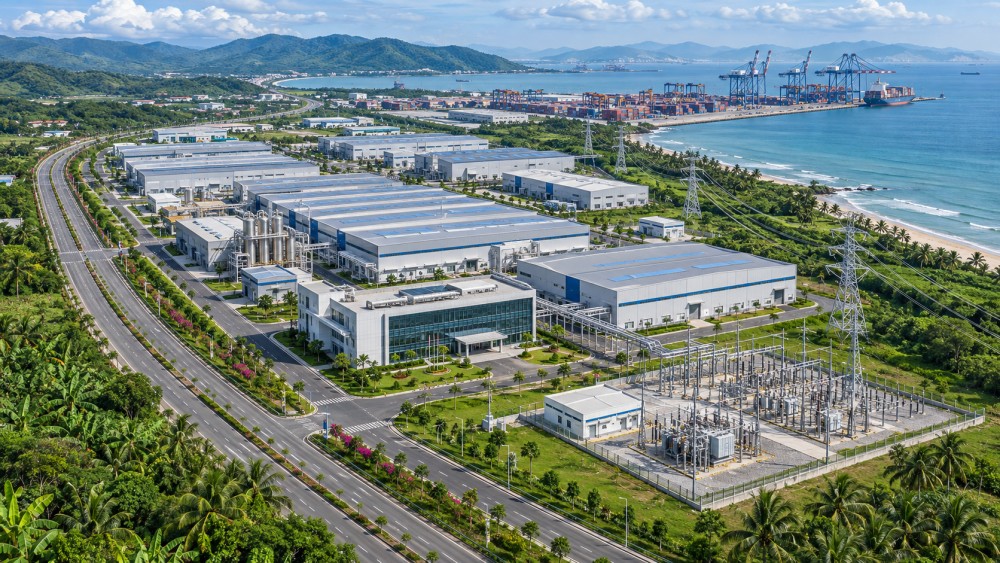
Northern industrial parks: supplier networks and export routes
The north is a natural starting point for businesses whose customers or component suppliers are already concentrated around Hanoi and nearby manufacturing provinces. Hai Phong’s port infrastructure can be important for import-dependent production and export shipments, while proximity to the Chinese border may matter for certain supply chains.
That does not make every northern site interchangeable. A factory dependent on just-in-time deliveries should model actual travel times between its proposed park, suppliers and port. Energy-intensive facilities should also ask for evidence that the requested connection capacity can be delivered on their schedule, rather than assuming that an existing industrial cluster has spare capacity at every location.
Southern industrial parks: established ecosystems and market access
The south combines a large commercial market with longstanding manufacturing and logistics networks. Binh Duong and Dong Nai are commonly considered by investors seeking access to the wider Ho Chi Minh City area, while Ba Ria–Vung Tau is relevant to companies assessing southern port connections.
The trade-off is that established locations may face stronger competition for suitable land, labor or infrastructure. A more distant park can appear cheaper, yet the saving should be tested against trucking time, employee transport, supplier visits and the cost of moving finished goods. For some businesses, proximity to customers is worth more than a lower headline lease rate.
Central Vietnam: a selective alternative
Central locations deserve attention when a project’s operating requirements align with the local market. They may offer an alternative to the busiest northern and southern corridors, but decision-makers should examine the practical depth of nearby services. A port on the map, for example, is not enough: confirm whether shipping routes, schedules and onward connections support the products being moved.
Weather exposure also belongs in the assessment. Review flood history, drainage design and business-continuity arrangements at the specific site, rather than relying on a broad regional description.
Compare the full cost of an industrial park, not just the land quote
Industrial land is typically offered through a land-use arrangement or sublease rather than a simple freehold purchase. Quotations can differ in term, payment schedule, permitted use and included services. Before ranking offers, ask each park to present costs on a consistent basis and clarify what happens at the end of the available term.
A practical comparison should separate the following items:
- Land and occupancy: upfront land-use or sublease payments, remaining term, deposits, payment milestones and any recurring charges.
- Park services: management fees, security, shared infrastructure maintenance and the basis for future fee adjustments.
- Construction and preparation: ground conditions, elevation, drainage, site clearance, factory construction, fire protection and internal utility distribution.
- Utility connections: electricity connection works, transformer and substation requirements, water connection, wastewater infrastructure and telecommunications.
- Operating costs: electricity, water, wastewater treatment, waste handling, transport, staffing and maintenance.
- Expansion and exit: neighboring land availability, conditions for transfer or termination, and potential costs of adding production capacity.
Use a common planning horizon and show both initial expenditure and recurring costs. A park with a higher land charge may still be competitive if it reduces connection works or delivery time. Conversely, an inexpensive plot can carry significant hidden costs if the occupier must fund major site preparation or wait for utilities.
Request written definitions for items described as “included.” A park may have a road or power line nearby without including the final connection to the plot, dedicated equipment or upgrades needed for a particular factory.
Electricity infrastructure: the detail that can change a shortlist
For many manufacturers, electricity is not simply another utility line in the budget. It determines whether production can start on time, how much equipment can run simultaneously and how vulnerable operations are to interruptions. This is especially important for energy-intensive processes, temperature-controlled facilities and plants with sensitive automation.
Begin with an honest demand profile. Specify expected maximum demand, operating hours, critical loads, power-quality requirements and likely expansion. Then ask the park developer and relevant power supplier to confirm the proposed supply voltage, connection point, available capacity, required studies and the responsibilities for construction and approval.
Questions to put to the park and electricity supplier
- Is the requested capacity available at the plot, or does it depend on a wider network or substation upgrade?
- What connection works are required, who pays for them and what is the expected approval and construction sequence?
- Are there known constraints affecting the area, and how are planned interruptions communicated?
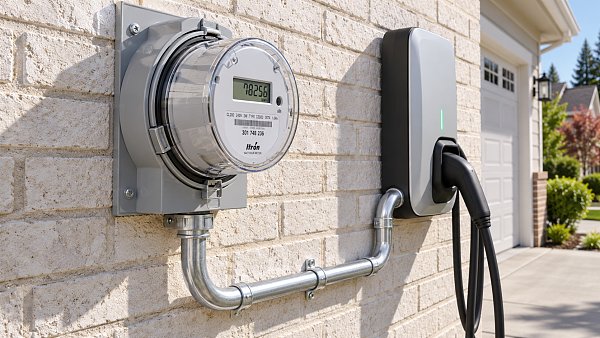
- What metering arrangement and applicable tariff structure should the investor use in its financial model?
- Can the supply arrangement accommodate future expansion, electrification or charging loads?
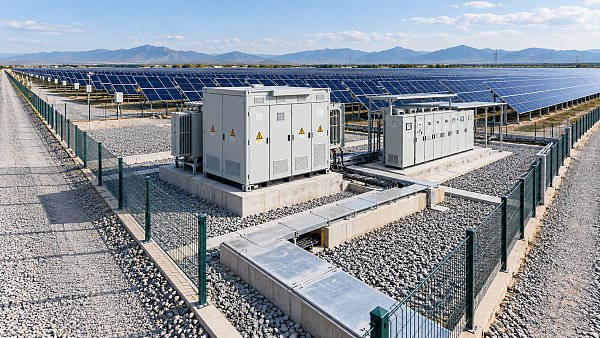
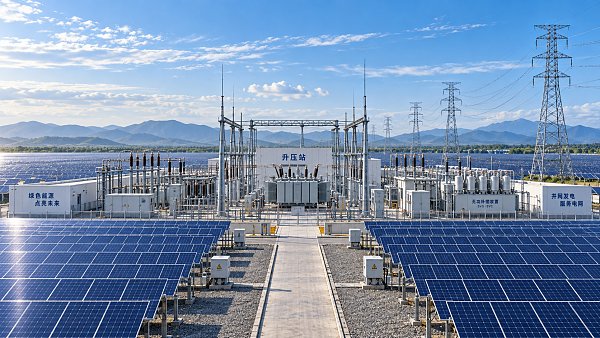
Distinguish a park’s stated total supply capacity from capacity that can actually be allocated to your facility. Ask for supporting documents and validate assumptions directly with the relevant electricity supplier. Where reliability is critical, assess whether backup generation, uninterruptible power supplies or battery storage are justified for specific loads. These systems have their own space, safety, permitting and maintenance requirements; they are not substitutes for a credible grid connection plan.
Assess low-carbon power options before signing
Industrial energy planning increasingly includes more than securing enough electricity. Buyers may face customer emissions requirements, corporate renewable-energy targets or rising exposure to energy costs. The best time to examine these issues is while the plot and factory design are still flexible.
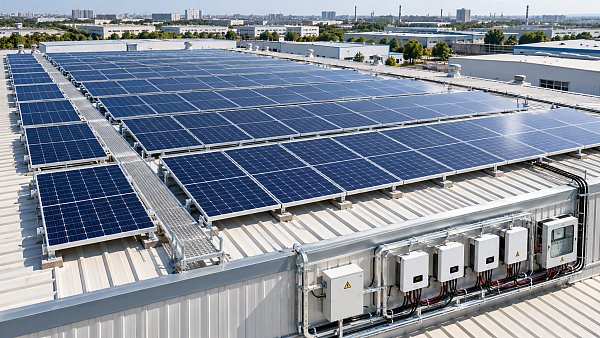
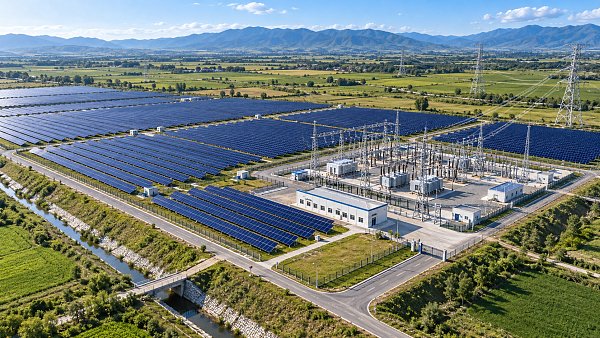
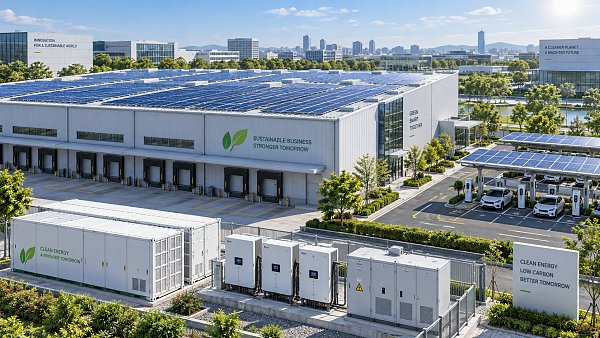
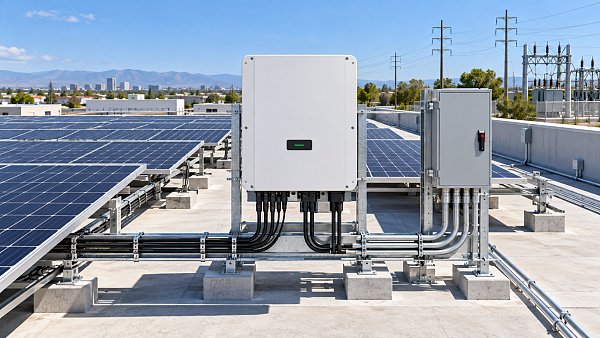
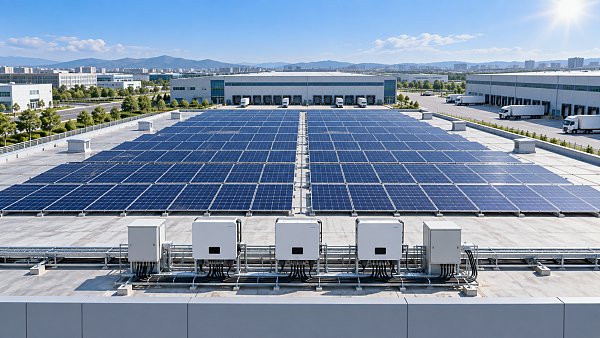
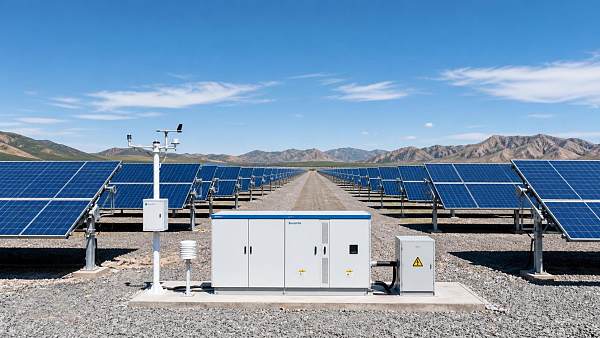
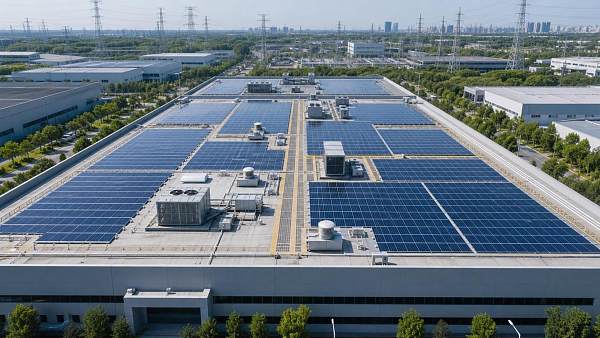
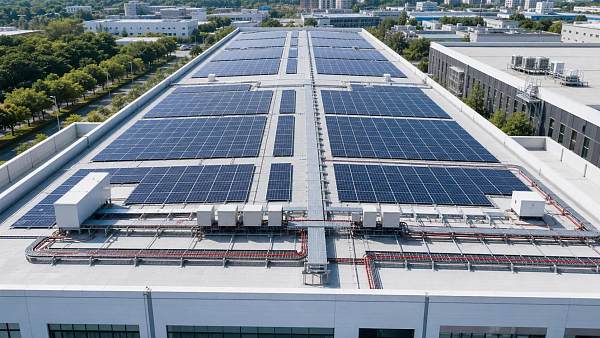
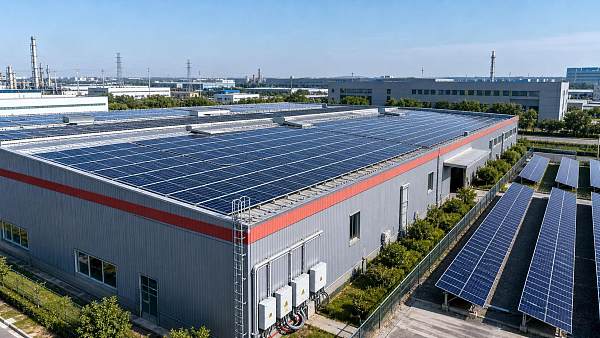
Rooftop solar may be worth studying where roof area, structural design and daytime consumption are suitable. Review roof loading, shading, fire safety, ownership, metering and the rules applicable to the proposed operating and export arrangement. A strong solar resource alone does not establish project feasibility.
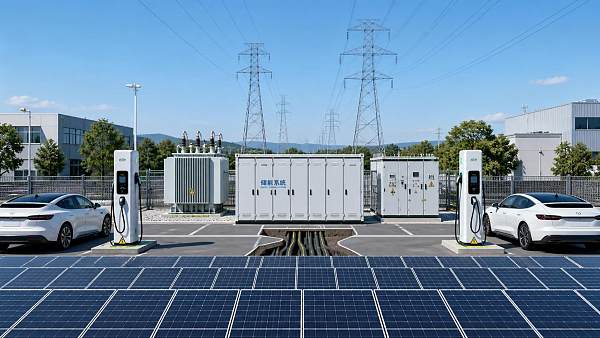
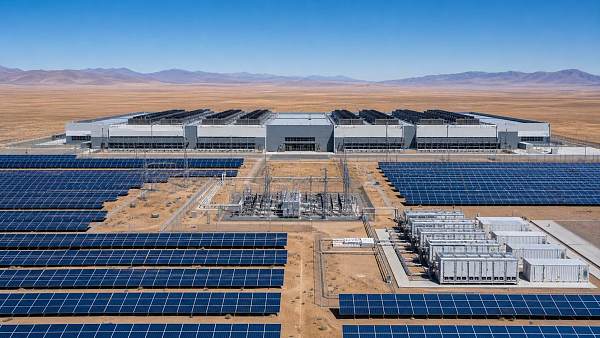
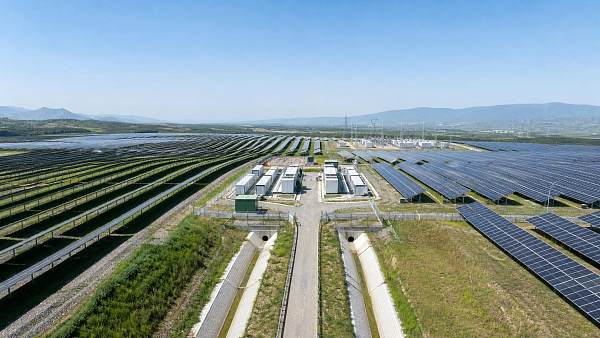
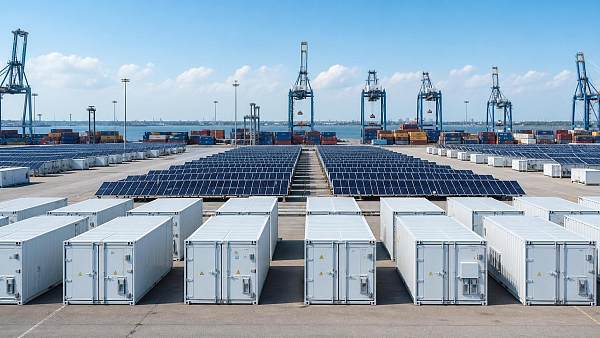
Battery energy storage can be evaluated for selected objectives such as backup support, managing demand or integrating onsite generation. Its value depends on the actual load profile, tariff treatment, permitted operation and the cost of equipment and maintenance. A battery sized without an operating strategy can add capital expenditure without solving the problem it was meant to address.
Renewable electricity procurement may also be relevant. Vietnam’s rules and available arrangements can change, and eligibility depends on the customer, project and transaction structure. Before incorporating a renewable power purchase into the business case, obtain current legal and commercial advice and confirm the documentation needed to support any emissions claims.
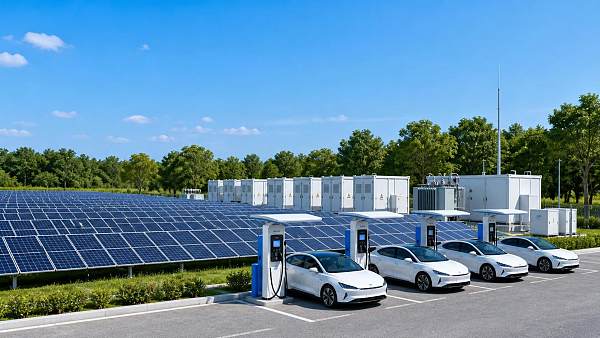
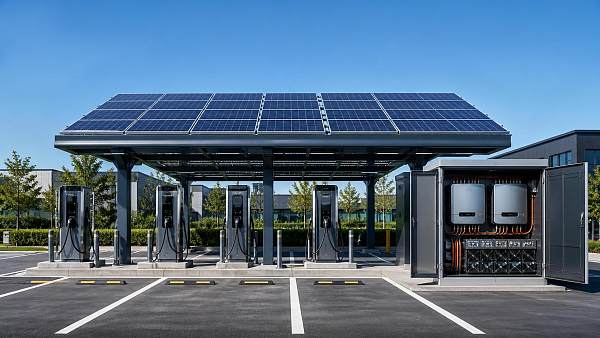
For businesses planning electric forklifts, delivery vehicles or employee charging, reserve space and assess electrical capacity early. A charging area added after construction can trigger avoidable civil works or distribution upgrades.
Infrastructure beyond power: follow the production process
A useful site review traces materials from arrival to finished shipment. This exposes gaps that a standard amenities brochure can miss.
Transport and logistics. Identify the actual port, airport or border crossing likely to be used, then check road restrictions, typical congestion and availability of suitable freight services. For time-sensitive products, reliability of transit can matter as much as distance.
Water and wastewater. Confirm the volume and quality of water available at the plot. For wastewater, establish the park’s acceptance limits, connection requirements, treatment charges and responsibility for pretreatment. A park’s central treatment plant does not automatically mean every industrial effluent can be accepted without additional equipment.
Digital connectivity. Manufacturers using remote monitoring, automated equipment or centralized enterprise systems should ask about network providers, redundancy and repair arrangements. A connection that supports ordinary office use may not meet a plant’s operational needs.
People and services. Investigate the local labor pool, recruitment competition, commuting routes and access to technical maintenance contractors. A location that works for land and logistics still needs to work for the people who will operate it every day.
A practical due diligence sequence for decision-makers
- Define the operating envelope. Document land area, permitted activities, production schedule, utility demand, environmental requirements and expansion plans.
- Screen by business geography. Map major suppliers, customers and shipping routes before comparing individual parks. Remove locations that create unacceptable transport or workforce constraints.
- Normalize commercial offers. Request lease terms, fee schedules, utility charges and connection responsibilities in writing. Model the same investment horizon for every candidate.
- Verify infrastructure at plot level. Visit shortlisted sites and examine the proposed connection points, access roads, drainage and neighboring uses. Engage technical advisers where loads or processes are complex.
- Confirm approvals and land status. Review the park’s relevant approvals, the plot’s permitted use, remaining land-use term and the approvals required for the proposed investment and construction. Local legal advice is important before committing funds.
- Test delivery risk. Build a schedule that includes utility studies, connection works, permitting and construction. Identify dependencies outside the investor’s control and agree on responsibilities in the transaction documents.
Keep a record of unanswered questions as well as confirmed advantages. A low-cost site with uncertain power delivery may deserve a lower ranking than a more expensive alternative with documented capacity and a workable schedule.
How to choose between two strong candidates
When industrial parks in Vietnam appear comparable, weight the decision according to what would be hardest for your business to change later. A packaging operation may prioritize proximity to customers and predictable road access. An electronics manufacturer may place greater weight on supplier networks, skilled technicians and power quality. A large energy user may make confirmed electrical capacity and connection timing the deciding factors.
Use a weighted scorecard, but keep major risks visible outside the score. A favorable average should not conceal an unresolved land-use issue, an unsuitable wastewater limit or an unconfirmed grid upgrade. Run at least one downside scenario: delayed connection, higher logistics costs or a later expansion requirement can reveal how resilient each option really is.
The strongest choice is the park whose commercial terms, infrastructure and delivery timetable match the project as it will actually operate—not just as it appears in an initial quotation. For teams comparing energy-intensive or low-carbon facilities, EPEM’s coverage of grid infrastructure, renewable power and storage can provide useful context for the technical questions that should accompany a site review.
Questions about market trends? Contact Market Scope Live for deeper business insights.
We respect your privacy. Your information is strictly confidential.
Related News
 Solar PV SystemsSolar Mounting Structures Pricing: What Drives Costs for PV Projects?Solar mounting structures pricing depends on design, materials and site conditions. Learn how to compare bids, uncover hidden costs and make smarter PV project decisions.MORE+
 Solar PV SystemsIndustrial Parks in Vietnam: Comparing Locations, Costs and InfrastructureCompare industrial parks in Vietnam by location, costs, logistics and power infrastructure. Discover how to shortlist the right site for your business.MORE+
 Solar PV SystemsFloating Solar Systems: How to Assess Reservoir SuitabilityFloating solar systems need the right reservoir. Discover how to assess water levels, grid access, environmental risks, and costs before investing.MORE+
 Solar PV SystemsSmart Solar Tracking Systems: How to Evaluate Energy Gains and Site SuitabilityExplore how smart solar tracking systems can boost energy yield. Compare site suitability, lifecycle costs, and fixed-tilt alternatives to make a confident investment decision.MORE+
 Solar PV SystemsFloating Solar Projects on Industrial Ponds: How to Assess Site SuitabilityAssess floating solar projects on industrial ponds with a practical guide to water levels, mooring, electrical connections, and site risks.MORE+
 Solar PV SystemsTurkey Allocates 785 MW of Grid Capacity in YEKA Solar TenderTurkey's YEKA solar tender allocates 785 MW of grid capacity across 11 sites. Explore what the results could mean for developers and suppliers.MORE+
 Solar PV SystemsChoosing String Inverters for Solar PV: Sizing, MPPT and ShadingChoose string inverters with confidence. Compare DC-to-AC sizing, MPPT allocation and shading impacts to improve solar PV performance.MORE+
 Solar PV SystemsChoosing Solar Racking Systems for Rooftops: Roof Type and Load FactorsChoosing solar racking systems for rooftops? Compare roof types, load factors and mounting options to plan a safer, more reliable installation.MORE+
 Solar PV SystemsSolar Tracking System Pricing: What to Include in a Project BudgetUnderstand solar tracking systems pricing and build a reliable project budget. Compare supplier quotes, uncover hidden costs, and assess long-term value.MORE+
 Solar PV SystemsChina Adds 110.83 GW of Solar in First Nine Months of 2026, Down 53.9%China solar additions reportedly fell 53.9% to 110.83 GW in January–September 2026. Explore pricing reform impacts and practical insights for project planning and procurement.MORE+
 Solar PV SystemsHow to Vet Solar Equipment Manufacturers: Quality, Warranties, and Lead TimesSearching “renewable equipment manufacturers solar”? Learn how to verify quality, compare warranties, and validate lead times to shortlist reliable suppliers and reduce project risk.MORE+
 Solar PV SystemsCommercial Rooftop Solar in India: How to Calculate Costs and PaybackCommercial rooftop solar India guide: calculate installation costs, estimate realistic savings and payback, and compare EPC quotes to make a smarter business investment.MORE+
 Solar PV SystemsSolar EPC Contractor Pricing: How to Compare Quotes and Spot ExclusionsCompare solar EPC contractor pricing with confidence. Learn how to spot exclusions, assess allowances, and uncover hidden costs before choosing the right quote for your project.MORE+
 Solar PV SystemsHow to Assess Site and Grid Feasibility for Solar Power Generation ProjectsAssess solar power generation projects with practical guidance on site suitability, grid capacity, connection costs, and curtailment risks. Make smarter investment decisions before committing capital.MORE+
 Solar PV SystemsPepco Approves ConnectDER Meter Adapters for Solar, Storage and EV Charging in D.C.Pepco approves ConnectDER meter adapters in D.C. for solar, storage and EV charging. Discover how meter-level connections could simplify installation and reduce costs.MORE+
 Solar PV SystemsTOPCon Photovoltaic Modules: Selection Criteria for High-Temperature Utility ProjectsTOPCon photovoltaic modules for hot-climate utility projects: compare temperature performance, bifacial yield, reliability, and electrical compatibility for stronger lifetime returns.MORE+
 Solar PV SystemsHow to Verify PV Module Supplier Capability Before Utility-Scale ProcurementVerify PV module supplier capability before utility-scale procurement with a practical checklist for factory audits, certifications, traceability, capacity, warranties, and risk control.MORE+
 Solar PV SystemsHow to Size Solar Power Generation Systems for Commercial Sites and Peak LoadsSolar power generation systems for commercial sites: learn to size PV for load profiles, peak demand, grid limits, storage, and future growth.MORE+
 Solar PV SystemsSolar Farm Construction: How to Plan Site, Grid Access, and Build RiskSolar farm construction insights for smarter site planning, grid access, procurement, and build-risk control—helping projects reach energization with confidence.MORE+
 Solar PV SystemsWhich Solar Inverter Certifications Are Mandatory in North America?What certifications are mandatory for solar inverters in North American markets? Explore UL 1741, IEEE 1547, CSA rules, and utility approval essentials.MORE+
 Solar PV SystemsWhat Is the Typical Payback Period for Commercial Solar PV in 2026?What is the typical payback period for a commercial solar PV installation in 2026? Explore the key cost, tariff, incentive, and sizing factors that shape returns.MORE+
 Solar PV SystemsWhat Causes Voltage Fluctuations When Large PV Plants Connect to Weak Grids?What causes voltage fluctuation when large solar PV plants connect to weak grids? Explore root causes, diagnostics, and proven mitigation strategies.MORE+
 Solar PV SystemsWhat Determines Solar Power Generation Efficiency in Commercial PV Projects?Solar power generation efficiency in commercial PV projects depends on more than module ratings—explore site resource, design, grid, and O&M factors that maximize long-term energy yield.MORE+
 Solar PV SystemsCommercial Rooftop Solar Financing: Comparing Loans, Leases, and PPAsCommercial rooftop solar financing explained: compare loans, leases, and PPAs to choose the right balance of savings, ownership, flexibility, and risk.MORE+
 Solar PV SystemsPV Bid Evaluation: How to Compare EPC Proposals Beyond the Lowest PricePV bid evaluation helps procurement teams compare EPC proposals beyond price—assess scope, energy yield, schedule, supply chain, warranties, and contract risk to protect long-term solar asset value.MORE+
 Solar PV SystemsWhat Environmental Permits Are Needed for Floating Solar on Reservoirs?What environmental permits are needed for floating solar on reservoirs? Explore water-use, EIA, shoreline, biodiversity, and water-quality approvals for smarter FPV development.MORE+
 Solar PV SystemsHow Long Does Utility-Scale Solar Grid Approval Take in 2026?How long does utility scale solar grid approval typically take in 2026? Explore timelines, queue risks, upgrade costs, and strategies to accelerate project delivery.MORE+
 Solar PV SystemsDo Agrivoltaic Projects Significantly Reduce Crop Yields in Hot Climates?Do agrivoltaic projects reduce crop yield significantly in hot climates? Explore how smart shade, crop selection, irrigation, and solar design can protect yields, improve quality, and strengthen dual-use land value.MORE+
 Solar PV SystemsHow Predictive Solar Plant O&M Reduces Downtime and Protects Energy YieldPredictive solar plant O&M helps cut downtime, detect faults early, prioritize repairs, and protect long-term energy yield with actionable data insights.MORE+
 Solar PV SystemsWhat Grid Connection Requirements Apply to Solar-Powered EV Charging?Solar farm grid connection requirements for EV charging explained: explore import/export limits, protection, storage, grid codes, and smart design strategies.MORE+
 Solar PV SystemsHow Much Solar Farm Capacity Is Needed to Offset Charging Demand in 2026?How to plan solar farm capacity to offset charging station demand in 2026? Explore sizing formulas, grid limits, storage strategies, and scalable EV charging solutions.MORE+
 Solar PV SystemsWhat Are the Actual Maintenance Costs of Solar Canopy Inverters?What are the real maintenance costs of solar inverters on charging canopies? Explore service, monitoring, repairs, downtime, and smarter lifecycle budgeting.MORE+
 Solar PV SystemsWhat Should Building Owners Evaluate Before Installing Rooftop Solar Photovoltaic?Rooftop solar photovoltaic planning starts with the right questions. Learn how to assess roof strength, load profile, grid limits, permits, and ROI before investing.MORE+
 Solar PV SystemsChina’s First Compute-Power and Green Power Direct Supply Project Enters OperationChina’s first compute-power and green power direct supply project begins operation, linking 500 MW solar power with data center demand for higher efficiency and stronger green energy credibility.MORE+
 Solar PV SystemsWhat Should Be Included in Solar Plant Engineering Design for Utility-Scale Projects?Solar plant engineering design for utility-scale projects should cover site constraints, layout, electrical systems, grid compliance, safety, and O&M—see what a complete, bankable design package must include.MORE+
 Solar PV SystemsUSTR Opens CVD Review on Chinese PV ModulesUSTR opens a CVD review on Chinese PV modules, raising questions over tariffs, sourcing, and Southeast Asia supply chains. See what importers and developers should watch now.MORE+
 Solar PV SystemsHow to Evaluate Rooftop Solar EPC Contractors for Commercial PV ProjectsRooftop solar EPC contractors can make or break commercial PV success. Learn how to compare engineering, grid, safety, scope, and risk control before choosing the right partner.MORE+
 Solar PV SystemsFixed Tilt Solar Racking: How to Evaluate Wind Load, Site Layout, and ROIFixed tilt solar racking guide: learn how to assess wind load, site layout, grading, foundations, and ROI to avoid hidden costs and choose a smarter solar structure.MORE+
 Solar PV SystemsHow to Choose Solar Modules for Commercial and Industrial PV Projects?Solar modules for C&I PV projects: learn how to compare efficiency, temperature performance, site suitability, warranty, and bankability to choose the right solution with confidence.MORE+
 Solar PV SystemsUSTR Extends Tariff Relief for Chinese PV ModulesUSTR Extends Tariff Relief for Chinese PV Modules through Dec. 31, 2026. See how the update affects solar procurement costs, project timelines, compliance, and U.S. market planning.MORE+