How to Size Solar Power Generation Systems for Commercial Sites and Peak Loads
How to Size Solar Power Generation Systems for Commercial Sites and Peak Loads
Sizing solar power generation systems for a commercial site is not a matter of dividing annual electricity consumption by expected solar output and selecting the nearest panel count. That shortcut can produce an attractive proposal, but it often misses the operating reality of the site: when power is used, how demand charges are calculated, whether export is limited, and which loads cannot be interrupted.
A warehouse may consume most of its electricity during daylight hours and be a strong rooftop solar candidate. A hotel can have substantial evening loads, making solar-only savings less straightforward. A factory may have a relatively stable base load but short, expensive peaks caused by compressors, furnaces, chillers, or motor starts. Add EV charging, planned production expansion, or a weak grid connection, and the sizing exercise becomes a broader energy-design decision rather than a PV calculation.
For project managers, the practical goal is to match generation capacity with the site’s load profile, electrical infrastructure, commercial tariff, and future operating plan. The best-sized system is rarely the largest system that fits on the roof. It is the system that can be connected, controlled, maintained, and economically used over its operating life.
Start with Interval Data, Not Annual Consumption
Annual utility bills are useful for an early estimate, but they cannot tell you whether solar generation will coincide with demand. Commercial solar projects should begin with interval meter data wherever possible. Depending on the metering arrangement, this may be available in 15-minute, 30-minute, or hourly intervals. Ideally, collect at least 12 consecutive months so that seasonal production, occupancy, weather-related loads, and business cycles are visible.
The first question is simple: what is the daytime minimum load? This is the demand the site consistently carries while solar production is available. It may include refrigeration, servers, ventilation, pumps, process equipment, lighting, or base building services. If a proposed PV system regularly produces more than that minimum load, the project team must confirm what happens to surplus power. It may be exported, curtailed, stored, or prohibited by the utility connection agreement.
This is where projects often go wrong. A site may have high annual consumption but low weekend or holiday demand. Oversizing based on annual use can create frequent midday export precisely when export compensation is weak or unavailable. Conversely, a site with a large daytime cooling or manufacturing load may support more capacity than its annual consumption alone suggests.
Separate Energy Savings from Peak-Load Reduction
Solar PV reduces purchased energy when it generates at the same time as on-site demand. Peak-load management is related, but it is not the same thing. A PV array may lower a site’s demand during a sunny afternoon, yet do little for the monthly billing peak if that peak occurs after sunset, during a cloudy period, or when several major loads start at once.
Project teams should inspect how the tariff defines demand. Some tariffs use the highest interval demand in a billing period. Others apply time-of-use demand charges or impose capacity-related charges that need separate interpretation. The commercial value of a solar installation can change materially depending on these rules, so the tariff should be reviewed before capacity is fixed.
For example, an office campus with its highest load during summer afternoon cooling may receive both energy and demand benefits from PV. A logistics depot whose highest demand occurs when multiple electric vehicles begin charging in the evening may need managed charging or battery storage if peak reduction is a central objective. Solar still contributes to annual energy supply, but it should not be presented as a complete peak-management solution.
A sound design therefore models two curves together: the estimated solar generation profile and the site load profile. The important output is not only annual kilowatt-hours. It is the interval-by-interval net load after solar generation. That is the view that exposes export risk, residual peaks, and opportunities for operational controls.
Translate the Physical Site into Usable PV Capacity
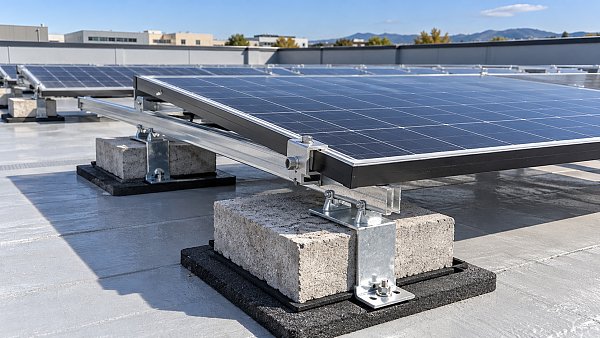
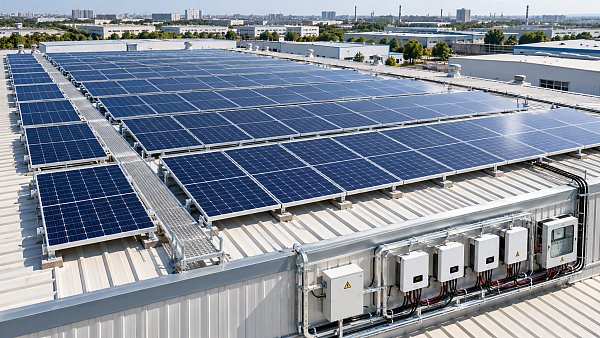
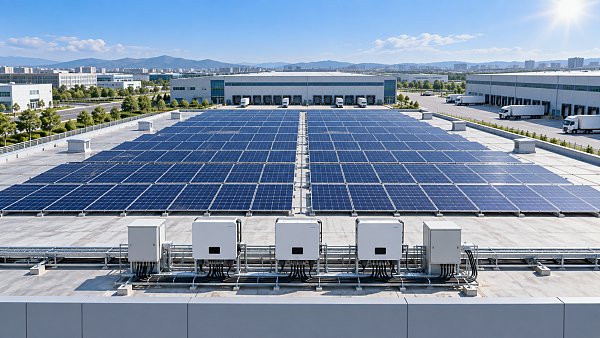
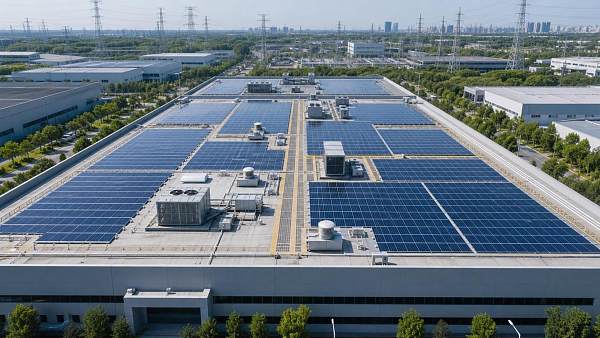
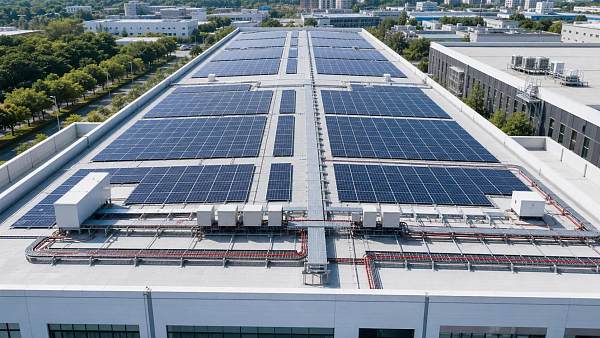
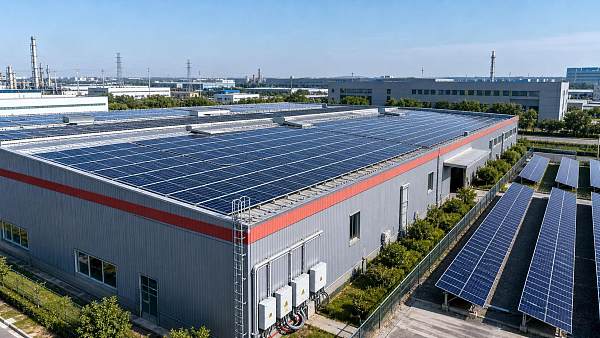
Roof area is frequently overstated during early-stage planning. Gross roof dimensions are not usable installation area. Setbacks, fire access routes, skylights, smoke vents, HVAC equipment, drainage paths, structural constraints, shading, and maintenance access all reduce the practical footprint. On older facilities, the roof condition and structural reserve may become the deciding factors before panel efficiency does.
A proper site assessment should consider roof orientation, tilt, local wind conditions, shading throughout the year, and the mounting approach. A densely packed layout may maximize installed DC capacity, but it can complicate access, increase row-to-row shading, or create thermal and drainage concerns. There is no universal “best” layout; the appropriate design depends on the roof, local weather, safety requirements, and the electrical value of incremental generation.
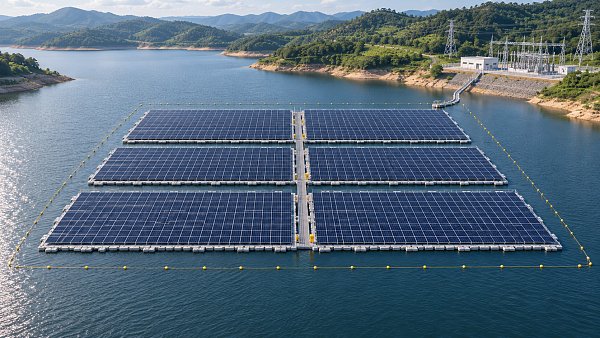
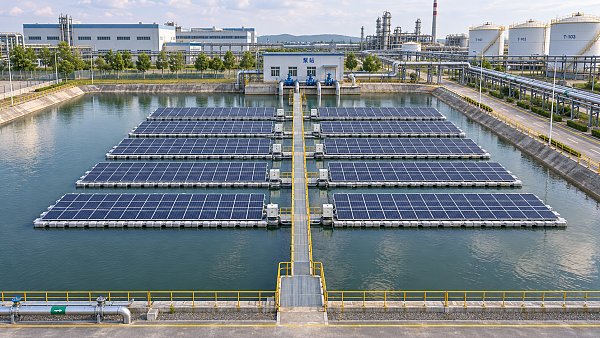
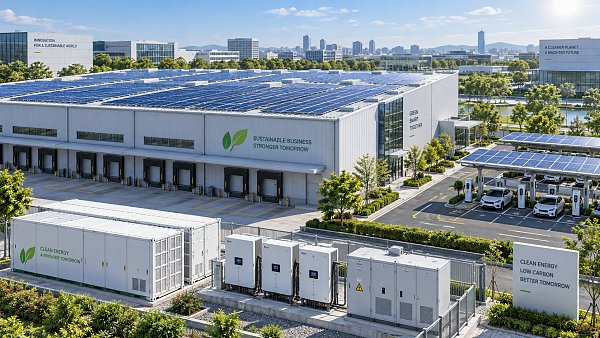
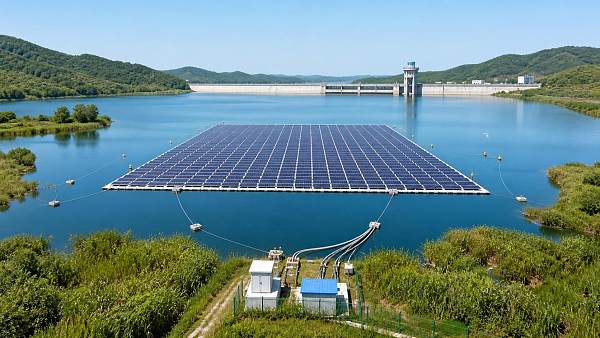
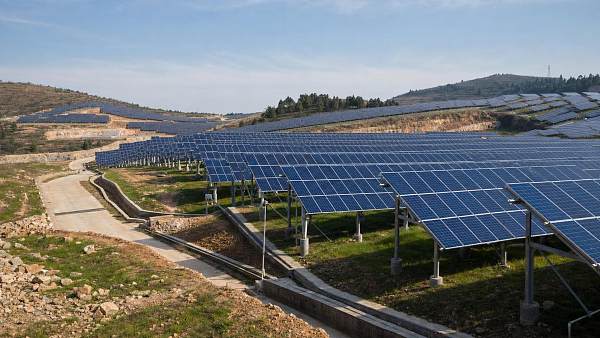
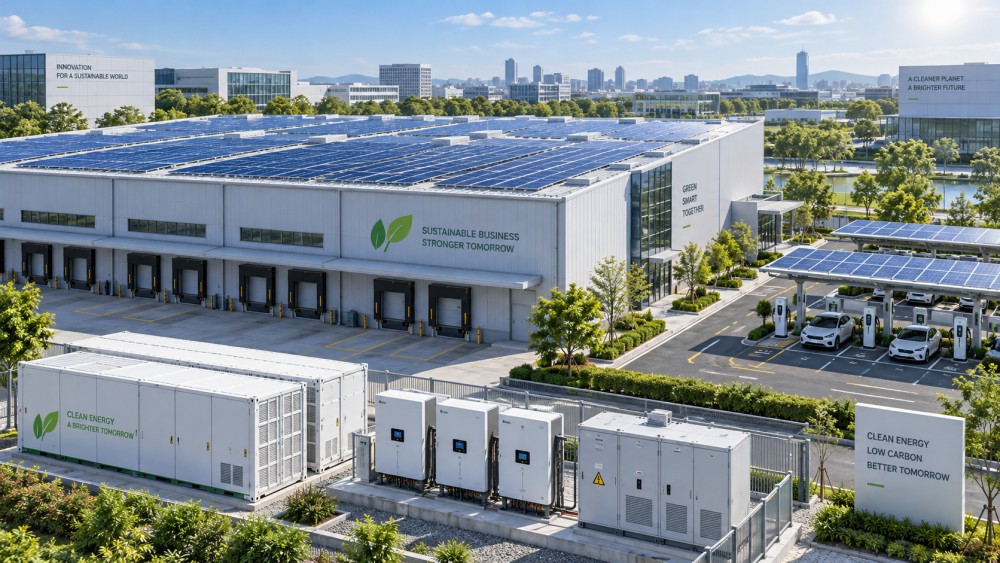
Ground-mounted, carport, floating PV, and adjacent-land options can expand the available generation area, but they introduce different constraints. Carports can combine generation with vehicle shade and charging infrastructure, yet their civil works and structural design may change project economics. Ground arrays require land rights, drainage review, access planning, and often more visible permitting considerations. These alternatives should be compared as site-specific assets, not treated as interchangeable panel platforms.
Check the Grid Connection Before Finalizing Capacity
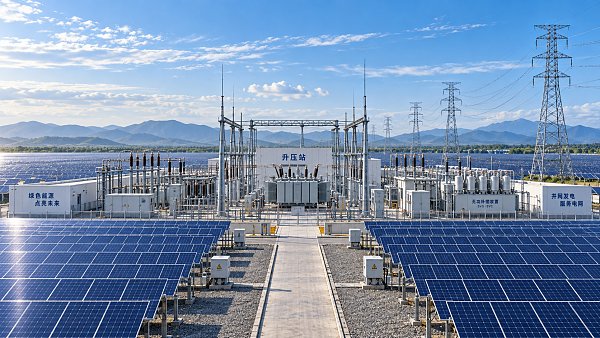
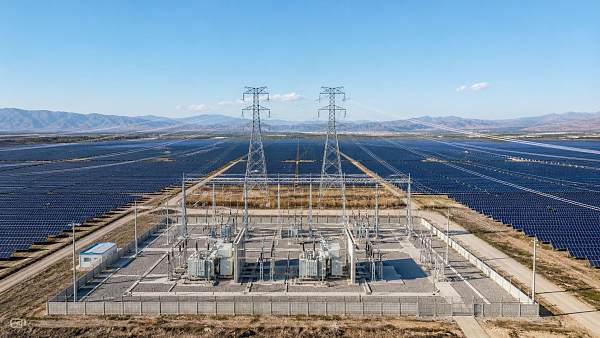
Many commercial projects are constrained less by the roof than by the point of interconnection. The existing transformer, switchgear, feeder capacity, protection scheme, meter configuration, and utility export rules can set a lower limit than the theoretical PV potential. In some cases, a project can proceed at a smaller capacity without major upgrades; in others, a larger array triggers expensive changes in protection, cabling, transformer capacity, or grid studies.
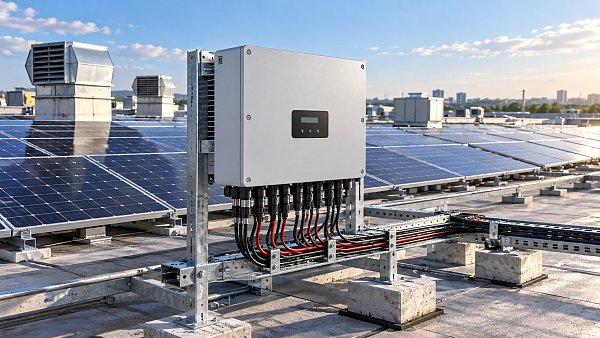
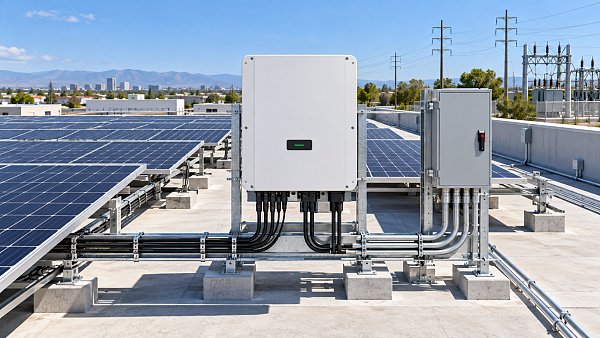
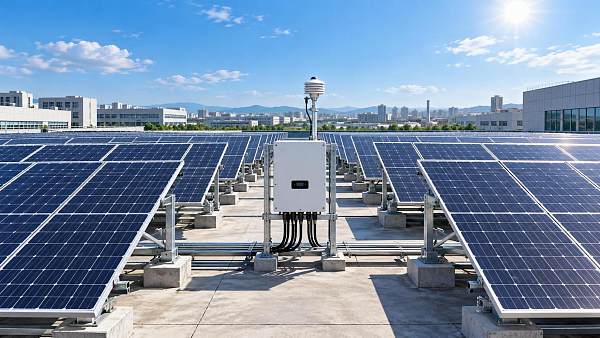
Inverter selection matters here. It is not only a question of converting DC to AC efficiently. The inverter must meet applicable grid-code requirements, support required protection functions, communicate with monitoring systems, and operate appropriately when voltage or frequency conditions move outside normal limits. Sites with high distributed generation in the local area may also face voltage-rise or reverse-power-flow concerns. These issues need electrical studies, not assumptions based on nameplate capacity.
The DC-to-AC ratio should also be deliberate. Designers commonly consider a DC array larger than inverter AC rating because module output does not remain at nameplate level under all conditions. But an aggressive ratio can increase clipping during high-irradiance periods. That may be acceptable where inverter capacity or export limits are the binding constraint; it may be less attractive where high-value daytime production is the project’s priority. The correct ratio depends on irradiance, module orientation, tariff structure, interconnection limits, and the project’s energy model.
When Battery Storage Changes the Sizing Logic
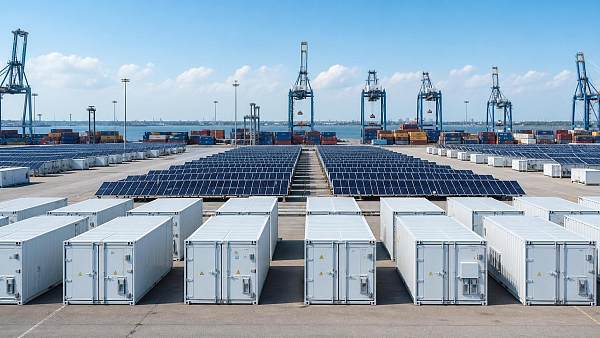
Battery energy storage should not be automatically added to every commercial solar project. It becomes relevant when the site needs to shift solar energy into later hours, avoid demand peaks, manage export limitations, support critical loads, or operate through selected grid interruptions. Each use case requires a different battery design.
The key distinction is between power and energy. Battery power, expressed in kilowatts or megawatts, determines how much demand can be reduced at a given moment. Battery energy capacity, expressed in kilowatt-hours or megawatt-hours, determines how long it can sustain that output. A system intended to shave a short equipment-starting peak may need substantial power but limited duration. A system intended to carry solar generation into the evening needs enough stored energy as well as a charging strategy.
Controls are as important as battery size. If a battery is discharged too early to maximize self-consumption, it may have insufficient reserve when the tariff-defining peak arrives. If it is held too long for peak shaving, solar energy may be exported unnecessarily. A site energy management system needs clear priorities, such as backup reserve, demand cap, export limit, charging schedule, and solar self-consumption. Those priorities should be agreed by operations, finance, and facility teams before procurement.
Design for the Load the Site Will Have, Not Only the Load It Has Today
Commercial sites change. A distribution center may add refrigeration. A manufacturing line may be replaced. A property owner may plan EV charging for staff, tenants, or fleet vehicles. These changes can make an undersized interconnection or poorly planned switchboard layout expensive to correct later.
Future expansion does not always mean installing more modules immediately. It can mean reserving roof zones, cable routes, inverter space, communications capacity, switchgear positions, and transformer headroom. It may also mean selecting a monitoring platform that can integrate PV, storage, charging equipment, and demand-response controls as the site evolves. Phased deployment is often sensible when load growth is uncertain, but only if the initial design does not block the second phase.
This systems view is increasingly relevant as commercial facilities become more electrified. EV charging hubs, heat pumps, onsite storage, digital meters, and flexible loads all affect the value of solar power generation systems. EPEM follows these connected technologies because the practical question is no longer simply “How many modules fit?” It is how generation, load, storage, grid capacity, and controls will behave together over time.
A Project Workflow That Prevents Expensive Rework
Before issuing a final engineering package or tender, project managers should require a traceable design basis. It should identify the load-data period used, assumptions about operating hours and future demand, usable installation area, estimated system losses, proposed inverter capacity, interconnection constraints, export treatment, and the method used to calculate savings. If storage is included, the intended dispatch logic and reserve requirement should be stated plainly.
The most useful technical review is often a challenge session: what happens on a low-load holiday, during a grid outage, on a hot afternoon with full cooling demand, or when EV chargers operate at the same time as production equipment? If the design team cannot explain the expected response, the system has probably been sized around annual averages rather than operating conditions.
A commercial solar project is a long-lived energy asset, not a one-time equipment purchase. Size it from measured demand, validate it against grid and site constraints, and leave room for the operating model to change. That discipline produces a more defensible investment case than adding capacity simply because unused roof space remains.
Questions about market trends? Contact Market Scope Live for deeper business insights.
We respect your privacy. Your information is strictly confidential.
Related News
 Solar PV SystemsSolar Mounting Structures Pricing: What Drives Costs for PV Projects?Solar mounting structures pricing depends on design, materials and site conditions. Learn how to compare bids, uncover hidden costs and make smarter PV project decisions.MORE+
 Solar PV SystemsIndustrial Parks in Vietnam: Comparing Locations, Costs and InfrastructureCompare industrial parks in Vietnam by location, costs, logistics and power infrastructure. Discover how to shortlist the right site for your business.MORE+
 Solar PV SystemsFloating Solar Systems: How to Assess Reservoir SuitabilityFloating solar systems need the right reservoir. Discover how to assess water levels, grid access, environmental risks, and costs before investing.MORE+
 Solar PV SystemsSmart Solar Tracking Systems: How to Evaluate Energy Gains and Site SuitabilityExplore how smart solar tracking systems can boost energy yield. Compare site suitability, lifecycle costs, and fixed-tilt alternatives to make a confident investment decision.MORE+
 Solar PV SystemsFloating Solar Projects on Industrial Ponds: How to Assess Site SuitabilityAssess floating solar projects on industrial ponds with a practical guide to water levels, mooring, electrical connections, and site risks.MORE+
 Solar PV SystemsTurkey Allocates 785 MW of Grid Capacity in YEKA Solar TenderTurkey's YEKA solar tender allocates 785 MW of grid capacity across 11 sites. Explore what the results could mean for developers and suppliers.MORE+
 Solar PV SystemsChoosing String Inverters for Solar PV: Sizing, MPPT and ShadingChoose string inverters with confidence. Compare DC-to-AC sizing, MPPT allocation and shading impacts to improve solar PV performance.MORE+
 Solar PV SystemsChoosing Solar Racking Systems for Rooftops: Roof Type and Load FactorsChoosing solar racking systems for rooftops? Compare roof types, load factors and mounting options to plan a safer, more reliable installation.MORE+
 Solar PV SystemsSolar Tracking System Pricing: What to Include in a Project BudgetUnderstand solar tracking systems pricing and build a reliable project budget. Compare supplier quotes, uncover hidden costs, and assess long-term value.MORE+
 Solar PV SystemsChina Adds 110.83 GW of Solar in First Nine Months of 2026, Down 53.9%China solar additions reportedly fell 53.9% to 110.83 GW in January–September 2026. Explore pricing reform impacts and practical insights for project planning and procurement.MORE+
 Solar PV SystemsHow to Vet Solar Equipment Manufacturers: Quality, Warranties, and Lead TimesSearching “renewable equipment manufacturers solar”? Learn how to verify quality, compare warranties, and validate lead times to shortlist reliable suppliers and reduce project risk.MORE+
 Solar PV SystemsCommercial Rooftop Solar in India: How to Calculate Costs and PaybackCommercial rooftop solar India guide: calculate installation costs, estimate realistic savings and payback, and compare EPC quotes to make a smarter business investment.MORE+
 Solar PV SystemsSolar EPC Contractor Pricing: How to Compare Quotes and Spot ExclusionsCompare solar EPC contractor pricing with confidence. Learn how to spot exclusions, assess allowances, and uncover hidden costs before choosing the right quote for your project.MORE+
 Solar PV SystemsHow to Assess Site and Grid Feasibility for Solar Power Generation ProjectsAssess solar power generation projects with practical guidance on site suitability, grid capacity, connection costs, and curtailment risks. Make smarter investment decisions before committing capital.MORE+
 Solar PV SystemsPepco Approves ConnectDER Meter Adapters for Solar, Storage and EV Charging in D.C.Pepco approves ConnectDER meter adapters in D.C. for solar, storage and EV charging. Discover how meter-level connections could simplify installation and reduce costs.MORE+
 Solar PV SystemsTOPCon Photovoltaic Modules: Selection Criteria for High-Temperature Utility ProjectsTOPCon photovoltaic modules for hot-climate utility projects: compare temperature performance, bifacial yield, reliability, and electrical compatibility for stronger lifetime returns.MORE+
 Solar PV SystemsHow to Verify PV Module Supplier Capability Before Utility-Scale ProcurementVerify PV module supplier capability before utility-scale procurement with a practical checklist for factory audits, certifications, traceability, capacity, warranties, and risk control.MORE+
 Solar PV SystemsHow to Size Solar Power Generation Systems for Commercial Sites and Peak LoadsSolar power generation systems for commercial sites: learn to size PV for load profiles, peak demand, grid limits, storage, and future growth.MORE+
 Solar PV SystemsSolar Farm Construction: How to Plan Site, Grid Access, and Build RiskSolar farm construction insights for smarter site planning, grid access, procurement, and build-risk control—helping projects reach energization with confidence.MORE+
 Solar PV SystemsWhich Solar Inverter Certifications Are Mandatory in North America?What certifications are mandatory for solar inverters in North American markets? Explore UL 1741, IEEE 1547, CSA rules, and utility approval essentials.MORE+
 Solar PV SystemsWhat Is the Typical Payback Period for Commercial Solar PV in 2026?What is the typical payback period for a commercial solar PV installation in 2026? Explore the key cost, tariff, incentive, and sizing factors that shape returns.MORE+
 Solar PV SystemsWhat Causes Voltage Fluctuations When Large PV Plants Connect to Weak Grids?What causes voltage fluctuation when large solar PV plants connect to weak grids? Explore root causes, diagnostics, and proven mitigation strategies.MORE+
 Solar PV SystemsWhat Determines Solar Power Generation Efficiency in Commercial PV Projects?Solar power generation efficiency in commercial PV projects depends on more than module ratings—explore site resource, design, grid, and O&M factors that maximize long-term energy yield.MORE+
 Solar PV SystemsCommercial Rooftop Solar Financing: Comparing Loans, Leases, and PPAsCommercial rooftop solar financing explained: compare loans, leases, and PPAs to choose the right balance of savings, ownership, flexibility, and risk.MORE+
 Solar PV SystemsPV Bid Evaluation: How to Compare EPC Proposals Beyond the Lowest PricePV bid evaluation helps procurement teams compare EPC proposals beyond price—assess scope, energy yield, schedule, supply chain, warranties, and contract risk to protect long-term solar asset value.MORE+
 Solar PV SystemsWhat Environmental Permits Are Needed for Floating Solar on Reservoirs?What environmental permits are needed for floating solar on reservoirs? Explore water-use, EIA, shoreline, biodiversity, and water-quality approvals for smarter FPV development.MORE+
 Solar PV SystemsHow Long Does Utility-Scale Solar Grid Approval Take in 2026?How long does utility scale solar grid approval typically take in 2026? Explore timelines, queue risks, upgrade costs, and strategies to accelerate project delivery.MORE+
 Solar PV SystemsDo Agrivoltaic Projects Significantly Reduce Crop Yields in Hot Climates?Do agrivoltaic projects reduce crop yield significantly in hot climates? Explore how smart shade, crop selection, irrigation, and solar design can protect yields, improve quality, and strengthen dual-use land value.MORE+
 Solar PV SystemsHow Predictive Solar Plant O&M Reduces Downtime and Protects Energy YieldPredictive solar plant O&M helps cut downtime, detect faults early, prioritize repairs, and protect long-term energy yield with actionable data insights.MORE+
 Solar PV SystemsWhat Grid Connection Requirements Apply to Solar-Powered EV Charging?Solar farm grid connection requirements for EV charging explained: explore import/export limits, protection, storage, grid codes, and smart design strategies.MORE+
 Solar PV SystemsHow Much Solar Farm Capacity Is Needed to Offset Charging Demand in 2026?How to plan solar farm capacity to offset charging station demand in 2026? Explore sizing formulas, grid limits, storage strategies, and scalable EV charging solutions.MORE+
 Solar PV SystemsWhat Are the Actual Maintenance Costs of Solar Canopy Inverters?What are the real maintenance costs of solar inverters on charging canopies? Explore service, monitoring, repairs, downtime, and smarter lifecycle budgeting.MORE+
 Solar PV SystemsWhat Should Building Owners Evaluate Before Installing Rooftop Solar Photovoltaic?Rooftop solar photovoltaic planning starts with the right questions. Learn how to assess roof strength, load profile, grid limits, permits, and ROI before investing.MORE+
 Solar PV SystemsChina’s First Compute-Power and Green Power Direct Supply Project Enters OperationChina’s first compute-power and green power direct supply project begins operation, linking 500 MW solar power with data center demand for higher efficiency and stronger green energy credibility.MORE+
 Solar PV SystemsWhat Should Be Included in Solar Plant Engineering Design for Utility-Scale Projects?Solar plant engineering design for utility-scale projects should cover site constraints, layout, electrical systems, grid compliance, safety, and O&M—see what a complete, bankable design package must include.MORE+
 Solar PV SystemsUSTR Opens CVD Review on Chinese PV ModulesUSTR opens a CVD review on Chinese PV modules, raising questions over tariffs, sourcing, and Southeast Asia supply chains. See what importers and developers should watch now.MORE+
 Solar PV SystemsHow to Evaluate Rooftop Solar EPC Contractors for Commercial PV ProjectsRooftop solar EPC contractors can make or break commercial PV success. Learn how to compare engineering, grid, safety, scope, and risk control before choosing the right partner.MORE+
 Solar PV SystemsFixed Tilt Solar Racking: How to Evaluate Wind Load, Site Layout, and ROIFixed tilt solar racking guide: learn how to assess wind load, site layout, grading, foundations, and ROI to avoid hidden costs and choose a smarter solar structure.MORE+
 Solar PV SystemsHow to Choose Solar Modules for Commercial and Industrial PV Projects?Solar modules for C&I PV projects: learn how to compare efficiency, temperature performance, site suitability, warranty, and bankability to choose the right solution with confidence.MORE+
 Solar PV SystemsUSTR Extends Tariff Relief for Chinese PV ModulesUSTR Extends Tariff Relief for Chinese PV Modules through Dec. 31, 2026. See how the update affects solar procurement costs, project timelines, compliance, and U.S. market planning.MORE+