How to Assess Site and Grid Feasibility for Solar Power Generation Projects
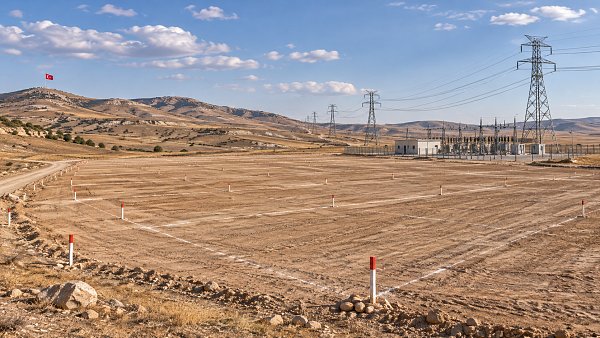
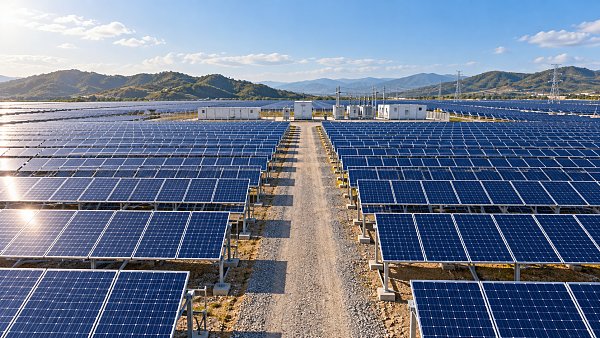
A site with strong sunlight and inexpensive land can still be unsuitable for solar development if its usable area is limited, the connection route is blocked, or the network cannot accept generation when the plant produces it. A nearby transmission line is not evidence of an available connection, and a large land parcel is not the same as a buildable site.
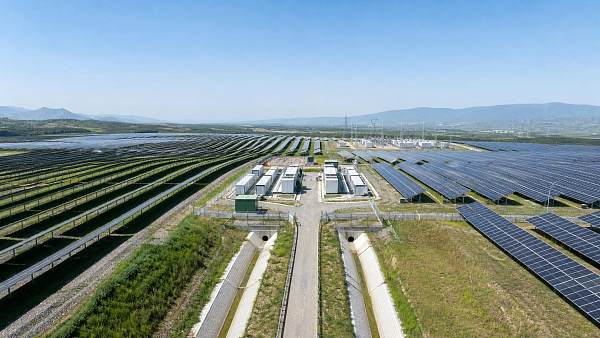
Assess solar power generation projects through two parallel workstreams: site suitability and grid deliverability. Establish a credible layout and energy estimate while testing a defined point of interconnection, export capacity, upgrade scope, and connection schedule. Advance only when those workstreams support the same project size, operating assumptions, and commercial timeline.
Define the project before comparing locations
Feasibility results become misleading when different sites are assessed against different assumptions. Before screening, define the intended application: utility-scale export, commercial rooftop generation, behind-the-meter consumption, or solar-plus-storage. Each has different land, electrical, and operating constraints.
Record the proposed DC module capacity in MWp, inverter AC capacity in MW, and maximum export at the point of interconnection. These values are not interchangeable. A plant may have more DC capacity than inverter capacity, while its permitted export may be lower still.
Also establish the target energization date, project life, land-control status, and whether phased commissioning or restricted export is acceptable. For a behind-the-meter project, obtain interval demand data and identify periods when generation could exceed site load. Storage proposals need separate charging, discharging, and export assumptions rather than a single combined capacity figure.
Screen out land constraints before refining energy yield
Start with a geographic information system overlay combining parcel boundaries, topography, access, environmental constraints, existing infrastructure, and potential connection corridors. Use this to identify fatal flaws before commissioning detailed engineering.
Calculate net developable area, not gross parcel area. Remove required setbacks, waterways, protected habitats, easements, steep terrain, drainage corridors, and space needed for roads, equipment, and maintenance access. Confirm whether exclusions are legally established or preliminary assumptions. A layout based on unresolved exclusions should remain provisional.
Land rights must cover more than the array footprint. Check access rights, cable routes, overhead-line corridors, substation land, and construction staging areas. A technically attractive parcel can become unusable if an essential connection easement cannot be secured.
Terrain and ground conditions can change the preferred design
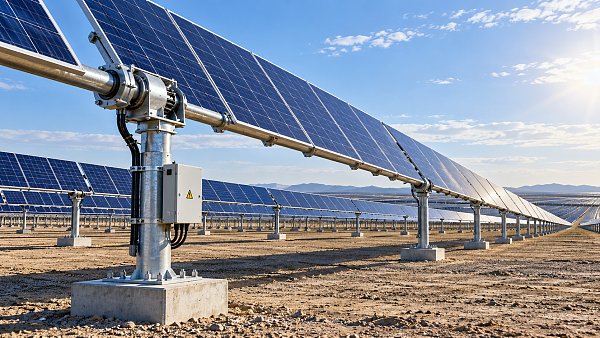
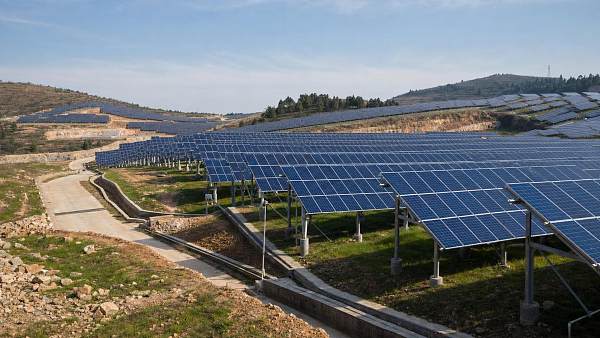
Review slope direction, local slope variation, erosion potential, and drainage paths against the proposed mounting system’s tolerances. Average slope alone can hide abrupt changes that increase grading or prevent tracker installation. Compare fixed-tilt and tracker layouts where terrain makes either option uncertain; do not assume the higher-yield option has the lower delivered-energy cost.
Geotechnical investigation should address foundation bearing and lateral resistance, pile refusal, groundwater, corrosivity, and soil variability. Trial installations and pile testing may be needed before foundation assumptions are reliable. Extensive rock, weak ground, or aggressive soil can alter installation methods and construction sequencing.
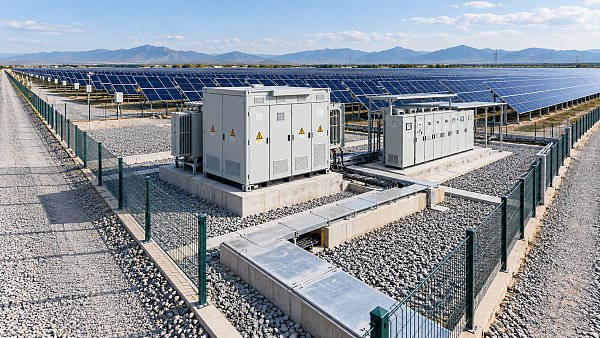
Flood screening should consider both mapped hazards and site-specific runoff. Assess whether roads, inverter stations, cable trenches, and drainage crossings remain serviceable during relevant design events. Moving modules outside a flood zone does not resolve exposure at the substation or access road.
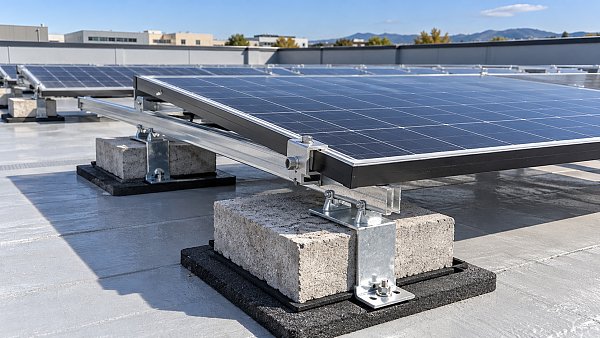
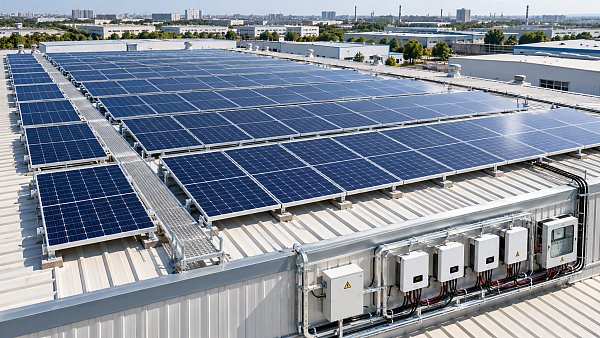
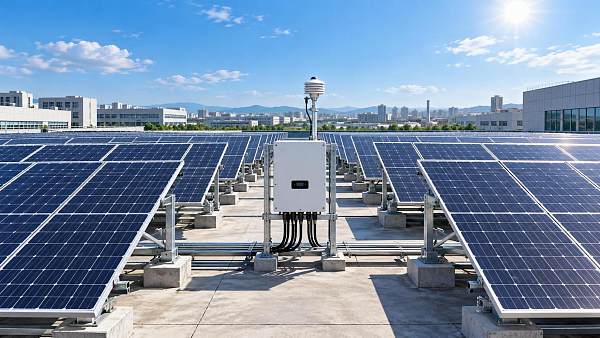
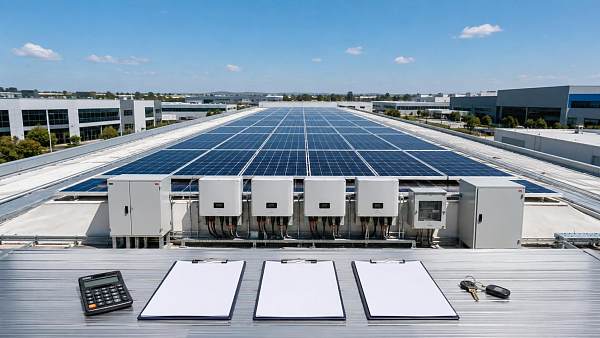
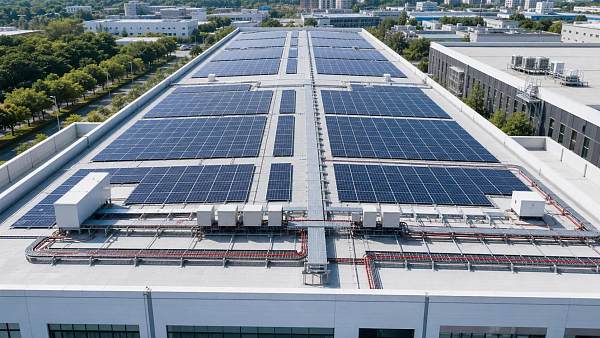
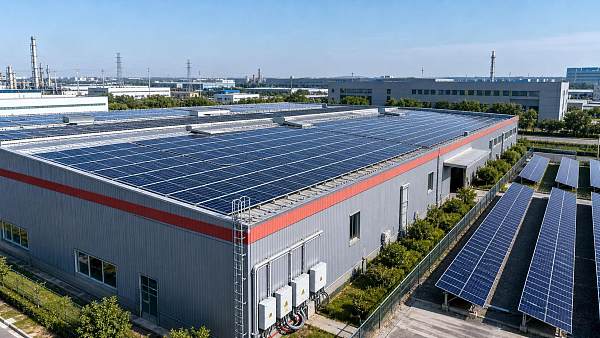
For rooftop projects, replace ground-foundation assumptions with structural verification, roof condition, waterproofing details, fire access, and the remaining roof service life. Available roof area is not equivalent to structurally usable area.
Build an energy estimate that reflects the actual layout
Use a traceable long-term solar resource dataset and document its spatial resolution, period of record, and uncertainty. Compare independent datasets where practical. On-site measurements can strengthen the assessment, but a short measurement campaign does not automatically represent long-term conditions without appropriate correlation.
The preliminary production model should reflect shading, orientation, row spacing, temperature, soiling, module behavior, inverter clipping, electrical losses, and availability. Check horizon shading and nearby obstructions rather than relying solely on a regional irradiation map.
Present the energy calculation in stages:
- Resource and conversion: Estimate production from the chosen array layout and equipment assumptions.
- Plant losses: Apply justified electrical, environmental, degradation, and availability assumptions.
- Network delivery: Account for connection losses, export limits, and curtailment using the intended operating arrangement.
Keep clipping, export limitation, and grid curtailment distinct. Clipping results from equipment sizing; export limitation follows a connection or control limit; curtailment involves reducing output under network or market conditions. Model their interaction chronologically where material, rather than adding overlapping loss percentages.
Use an hourly or finer time series when studying export constraints, storage, or self-consumption. Annual irradiation and annual consumption totals cannot show whether generation coincides with network headroom or customer demand.
Investigate the connection point, not just the nearest line
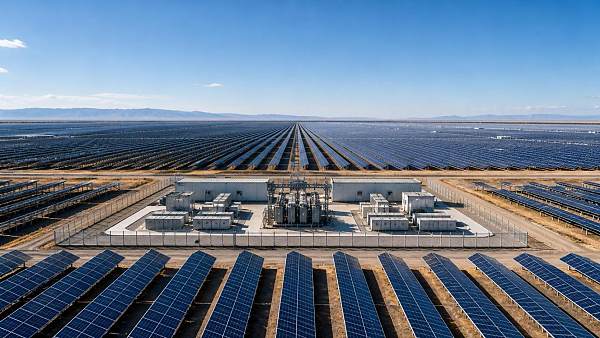
Identify plausible points of interconnection and request the network operator’s applicable connection process, technical requirements, and available preliminary information. Public hosting-capacity maps and queue records can help prioritize enquiries, but they are screening tools—not reserved capacity or connection offers.
For each option, establish the connection voltage, proposed export capacity, route, ownership boundary, metering location, required studies, and likely upgrade responsibilities. Check whether the operator permits preliminary discussions before a formal application and what land-control or design evidence that application requires.
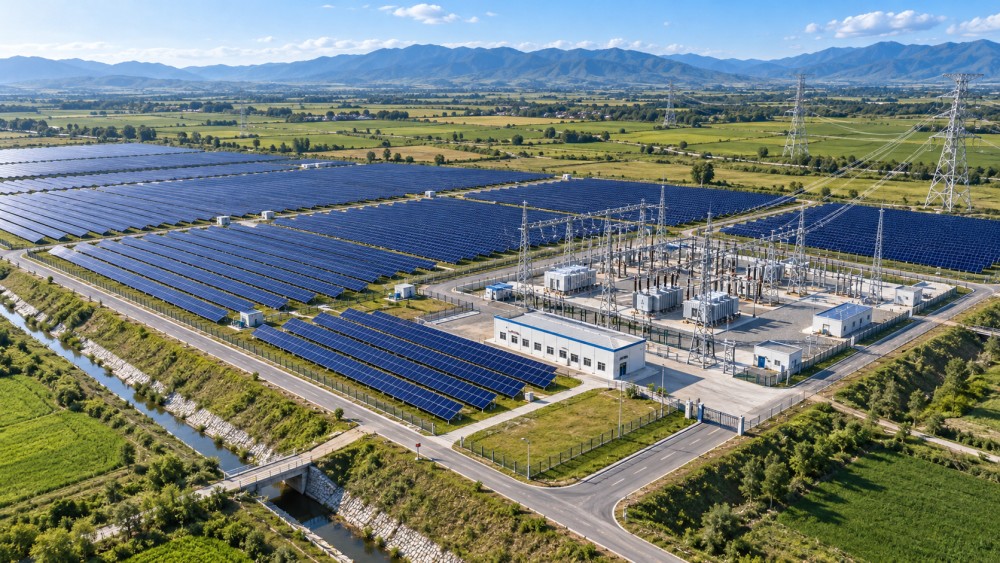
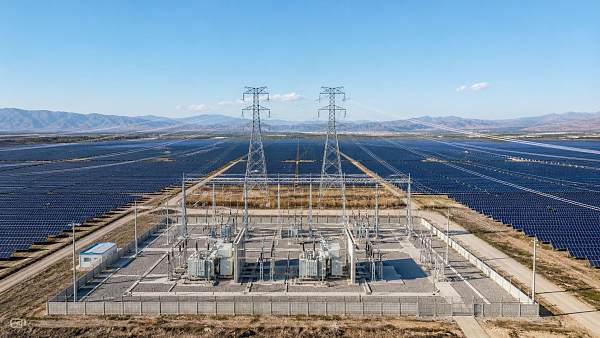
The distinction between physical proximity and electrical suitability is critical. A nearby feeder may have limited daytime demand, voltage constraints, or protection limitations. A more distant substation may offer a stronger connection, but require expensive line works, additional land rights, and a longer approval process.
Test the electrical constraints that can overturn feasibility
A preliminary network review should identify which studies are required and which assumptions remain unverified. Final requirements depend on project size, network conditions, connection voltage, and the applicable grid code.
Thermal capacity and voltage performance
Load-flow analysis should examine credible combinations of solar output, local demand, other generation, and network configuration. Maximum solar output during minimum local demand can be more restrictive than peak-demand conditions. Include applicable contingency cases rather than considering only the intact network.
Check voltage rise, voltage regulation, transformer loading, cable and line ratings, and reactive power requirements. Inverters supplying reactive power may have less active-power headroom unless appropriately sized. A plant that meets its MW target at unity power factor may not meet the same target across its required operating envelope.
Protection, fault levels, and inverter behavior
Assess fault-level limits, protection coordination, islanding detection, grounding arrangements, and required fault ride-through behavior. Inverter-based generation has different fault-current characteristics from synchronous generation, so existing protection settings may need review.
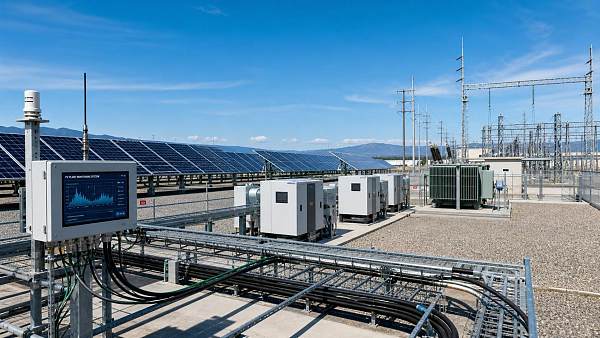
Weak-grid conditions can introduce control-interaction and stability concerns that a steady-state load-flow model will not capture. Dynamic or electromagnetic-transient studies may be required by the operator. Confirm acceptable model formats and equipment-model availability before committing to an inverter platform. Include harmonics, flicker, and other power-quality assessments where required.
Quantify curtailment and upgrade exposure before choosing a remedy
Separate an explicit export cap from uncertain operational curtailment. The former can usually be represented as a defined control limit; the latter may vary with network outages, competing generation, dispatch instructions, and future development.
Ask what triggers output reduction, who issues instructions, whether compensation applies, and whether the connection is firm or non-firm under the relevant rules. Historical constraints can inform scenarios, but they do not establish future curtailment. Queue changes and planned network reinforcements should be treated as dependencies until their status is verified.
Compare remedies using delivered energy, cost, and schedule—not installed capacity alone. Options may include reducing AC export, changing the connection point, staging development, revising inverter controls, or installing storage. Each addresses different constraints.
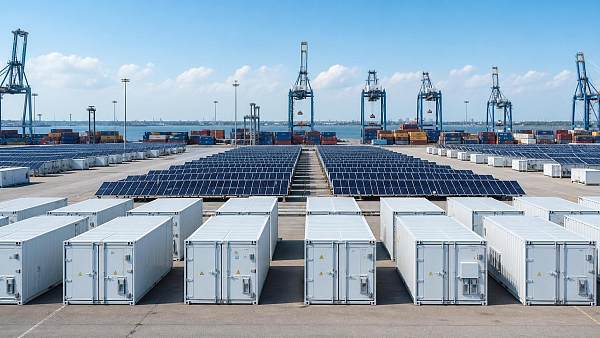
A battery is not an automatic substitute for network reinforcement. It may shift constrained generation to another period only if sufficient charging capacity, energy capacity, and later export headroom exist. Model efficiency losses, degradation, operating limits, and dispatch priorities. A thermal bottleneck lasting through the discharge window may leave little opportunity to recover curtailed energy.
Connection estimates should distinguish developer works, operator works, wider network reinforcement, studies, securities, and ongoing charges where applicable. Establish who bears cost increases and what happens if upstream works are delayed. Treat unconfirmed upgrade estimates as ranges, not fixed commitments.
Turn the findings into an approval decision
Compare candidate sites with a common basis: feasible DC and AC capacity, permitted export, net delivered energy, site-development cost, connection cost, schedule, and residual uncertainty. A weighted score can help rank viable options, but it must not conceal a fatal constraint such as unavailable land rights or an unacceptable connection date.
For every major assumption, record the evidence, its date, the responsible party, and the next action needed to verify it. Distinguish desktop indications from field-verified conditions and operator-confirmed requirements. This prevents an early screening assumption from becoming an unnoticed design commitment.
- Proceed: A credible layout, controllable land and route, supportable energy estimate, and viable connection pathway exist.
- Proceed conditionally: A specific uncertainty remains, with a defined study, decision deadline, and acceptable exposure.
- Redesign or hold: Export restrictions, ground conditions, upgrade scope, or timing require a materially different project.
- Reject: A critical constraint has no credible technical, legal, or commercial resolution.
Release detailed engineering expenditure against those decision gates. Complete the investigations most likely to change the project first, and align land commitments, equipment procurement, and financing milestones with connection certainty. The feasibility package should state not only the preferred option, but exactly which unresolved findings could still change that choice.
Questions about market trends? Contact Market Scope Live for deeper business insights.
We respect your privacy. Your information is strictly confidential.
Related News
 Solar PV SystemsIndustrial Parks in Vietnam: Comparing Locations, Costs and InfrastructureCompare industrial parks in Vietnam by location, costs, logistics and power infrastructure. Discover how to shortlist the right site for your business.MORE+
 Solar PV SystemsFloating Solar Systems: How to Assess Reservoir SuitabilityFloating solar systems need the right reservoir. Discover how to assess water levels, grid access, environmental risks, and costs before investing.MORE+
 Solar PV SystemsSmart Solar Tracking Systems: How to Evaluate Energy Gains and Site SuitabilityExplore how smart solar tracking systems can boost energy yield. Compare site suitability, lifecycle costs, and fixed-tilt alternatives to make a confident investment decision.MORE+
 Solar PV SystemsFloating Solar Projects on Industrial Ponds: How to Assess Site SuitabilityAssess floating solar projects on industrial ponds with a practical guide to water levels, mooring, electrical connections, and site risks.MORE+
 Solar PV SystemsTurkey Allocates 785 MW of Grid Capacity in YEKA Solar TenderTurkey's YEKA solar tender allocates 785 MW of grid capacity across 11 sites. Explore what the results could mean for developers and suppliers.MORE+
 Solar PV SystemsChoosing String Inverters for Solar PV: Sizing, MPPT and ShadingChoose string inverters with confidence. Compare DC-to-AC sizing, MPPT allocation and shading impacts to improve solar PV performance.MORE+
 Solar PV SystemsChoosing Solar Racking Systems for Rooftops: Roof Type and Load FactorsChoosing solar racking systems for rooftops? Compare roof types, load factors and mounting options to plan a safer, more reliable installation.MORE+
 Solar PV SystemsSolar Tracking System Pricing: What to Include in a Project BudgetUnderstand solar tracking systems pricing and build a reliable project budget. Compare supplier quotes, uncover hidden costs, and assess long-term value.MORE+
 Solar PV SystemsChina Adds 110.83 GW of Solar in First Nine Months of 2026, Down 53.9%China solar additions reportedly fell 53.9% to 110.83 GW in January–September 2026. Explore pricing reform impacts and practical insights for project planning and procurement.MORE+
 Solar PV SystemsHow to Vet Solar Equipment Manufacturers: Quality, Warranties, and Lead TimesSearching “renewable equipment manufacturers solar”? Learn how to verify quality, compare warranties, and validate lead times to shortlist reliable suppliers and reduce project risk.MORE+
 Solar PV SystemsCommercial Rooftop Solar in India: How to Calculate Costs and PaybackCommercial rooftop solar India guide: calculate installation costs, estimate realistic savings and payback, and compare EPC quotes to make a smarter business investment.MORE+
 Solar PV SystemsSolar EPC Contractor Pricing: How to Compare Quotes and Spot ExclusionsCompare solar EPC contractor pricing with confidence. Learn how to spot exclusions, assess allowances, and uncover hidden costs before choosing the right quote for your project.MORE+
 Solar PV SystemsHow to Assess Site and Grid Feasibility for Solar Power Generation ProjectsAssess solar power generation projects with practical guidance on site suitability, grid capacity, connection costs, and curtailment risks. Make smarter investment decisions before committing capital.MORE+
 Solar PV SystemsPepco Approves ConnectDER Meter Adapters for Solar, Storage and EV Charging in D.C.Pepco approves ConnectDER meter adapters in D.C. for solar, storage and EV charging. Discover how meter-level connections could simplify installation and reduce costs.MORE+
 Solar PV SystemsTOPCon Photovoltaic Modules: Selection Criteria for High-Temperature Utility ProjectsTOPCon photovoltaic modules for hot-climate utility projects: compare temperature performance, bifacial yield, reliability, and electrical compatibility for stronger lifetime returns.MORE+
 Solar PV SystemsHow to Verify PV Module Supplier Capability Before Utility-Scale ProcurementVerify PV module supplier capability before utility-scale procurement with a practical checklist for factory audits, certifications, traceability, capacity, warranties, and risk control.MORE+
 Solar PV SystemsHow to Size Solar Power Generation Systems for Commercial Sites and Peak LoadsSolar power generation systems for commercial sites: learn to size PV for load profiles, peak demand, grid limits, storage, and future growth.MORE+
 Solar PV SystemsSolar Farm Construction: How to Plan Site, Grid Access, and Build RiskSolar farm construction insights for smarter site planning, grid access, procurement, and build-risk control—helping projects reach energization with confidence.MORE+
 Solar PV SystemsWhich Solar Inverter Certifications Are Mandatory in North America?What certifications are mandatory for solar inverters in North American markets? Explore UL 1741, IEEE 1547, CSA rules, and utility approval essentials.MORE+
 Solar PV SystemsWhat Is the Typical Payback Period for Commercial Solar PV in 2026?What is the typical payback period for a commercial solar PV installation in 2026? Explore the key cost, tariff, incentive, and sizing factors that shape returns.MORE+
 Solar PV SystemsWhat Causes Voltage Fluctuations When Large PV Plants Connect to Weak Grids?What causes voltage fluctuation when large solar PV plants connect to weak grids? Explore root causes, diagnostics, and proven mitigation strategies.MORE+
 Solar PV SystemsWhat Determines Solar Power Generation Efficiency in Commercial PV Projects?Solar power generation efficiency in commercial PV projects depends on more than module ratings—explore site resource, design, grid, and O&M factors that maximize long-term energy yield.MORE+
 Solar PV SystemsCommercial Rooftop Solar Financing: Comparing Loans, Leases, and PPAsCommercial rooftop solar financing explained: compare loans, leases, and PPAs to choose the right balance of savings, ownership, flexibility, and risk.MORE+
 Solar PV SystemsPV Bid Evaluation: How to Compare EPC Proposals Beyond the Lowest PricePV bid evaluation helps procurement teams compare EPC proposals beyond price—assess scope, energy yield, schedule, supply chain, warranties, and contract risk to protect long-term solar asset value.MORE+
 Solar PV SystemsWhat Environmental Permits Are Needed for Floating Solar on Reservoirs?What environmental permits are needed for floating solar on reservoirs? Explore water-use, EIA, shoreline, biodiversity, and water-quality approvals for smarter FPV development.MORE+
 Solar PV SystemsHow Long Does Utility-Scale Solar Grid Approval Take in 2026?How long does utility scale solar grid approval typically take in 2026? Explore timelines, queue risks, upgrade costs, and strategies to accelerate project delivery.MORE+
 Solar PV SystemsDo Agrivoltaic Projects Significantly Reduce Crop Yields in Hot Climates?Do agrivoltaic projects reduce crop yield significantly in hot climates? Explore how smart shade, crop selection, irrigation, and solar design can protect yields, improve quality, and strengthen dual-use land value.MORE+
 Solar PV SystemsHow Predictive Solar Plant O&M Reduces Downtime and Protects Energy YieldPredictive solar plant O&M helps cut downtime, detect faults early, prioritize repairs, and protect long-term energy yield with actionable data insights.MORE+
 Solar PV SystemsWhat Grid Connection Requirements Apply to Solar-Powered EV Charging?Solar farm grid connection requirements for EV charging explained: explore import/export limits, protection, storage, grid codes, and smart design strategies.MORE+
 Solar PV SystemsHow Much Solar Farm Capacity Is Needed to Offset Charging Demand in 2026?How to plan solar farm capacity to offset charging station demand in 2026? Explore sizing formulas, grid limits, storage strategies, and scalable EV charging solutions.MORE+
 Solar PV SystemsWhat Are the Actual Maintenance Costs of Solar Canopy Inverters?What are the real maintenance costs of solar inverters on charging canopies? Explore service, monitoring, repairs, downtime, and smarter lifecycle budgeting.MORE+
 Solar PV SystemsWhat Should Building Owners Evaluate Before Installing Rooftop Solar Photovoltaic?Rooftop solar photovoltaic planning starts with the right questions. Learn how to assess roof strength, load profile, grid limits, permits, and ROI before investing.MORE+
 Solar PV SystemsChina’s First Compute-Power and Green Power Direct Supply Project Enters OperationChina’s first compute-power and green power direct supply project begins operation, linking 500 MW solar power with data center demand for higher efficiency and stronger green energy credibility.MORE+
 Solar PV SystemsWhat Should Be Included in Solar Plant Engineering Design for Utility-Scale Projects?Solar plant engineering design for utility-scale projects should cover site constraints, layout, electrical systems, grid compliance, safety, and O&M—see what a complete, bankable design package must include.MORE+
 Solar PV SystemsUSTR Opens CVD Review on Chinese PV ModulesUSTR opens a CVD review on Chinese PV modules, raising questions over tariffs, sourcing, and Southeast Asia supply chains. See what importers and developers should watch now.MORE+
 Solar PV SystemsHow to Evaluate Rooftop Solar EPC Contractors for Commercial PV ProjectsRooftop solar EPC contractors can make or break commercial PV success. Learn how to compare engineering, grid, safety, scope, and risk control before choosing the right partner.MORE+
 Solar PV SystemsFixed Tilt Solar Racking: How to Evaluate Wind Load, Site Layout, and ROIFixed tilt solar racking guide: learn how to assess wind load, site layout, grading, foundations, and ROI to avoid hidden costs and choose a smarter solar structure.MORE+
 Solar PV SystemsHow to Choose Solar Modules for Commercial and Industrial PV Projects?Solar modules for C&I PV projects: learn how to compare efficiency, temperature performance, site suitability, warranty, and bankability to choose the right solution with confidence.MORE+
 Solar PV SystemsUSTR Extends Tariff Relief for Chinese PV ModulesUSTR Extends Tariff Relief for Chinese PV Modules through Dec. 31, 2026. See how the update affects solar procurement costs, project timelines, compliance, and U.S. market planning.MORE+
 Solar PV SystemsHow to Evaluate Solar PV Equipment in USA for Commercial and Utility ProjectsSolar PV equipment in USA evaluation for commercial and utility projects: learn how to compare performance, compliance, reliability, and supplier strength for smarter project decisions.MORE+