How to Evaluate Rooftop Solar EPC Contractors for Commercial PV Projects
Start with fit, not price
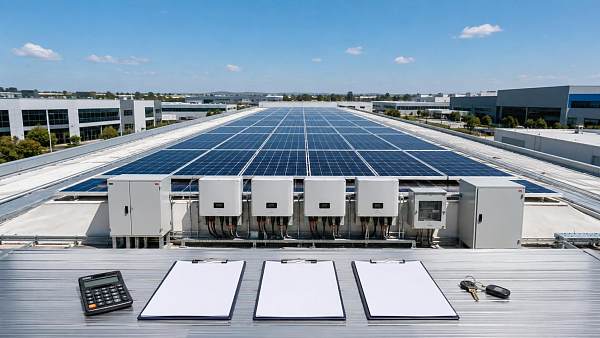
A commercial rooftop PV project usually goes wrong long before installation starts. The pattern is familiar: a contractor wins on headline price, then design assumptions change, roof access is harder than expected, grid paperwork drags on, procurement substitutions appear, and the owner is left managing claims instead of progress. That is why evaluating rooftop solar EPC contractors should begin with one blunt question: are they actually suited to this roof, this building, and this operating environment?
For project managers and engineering leads, the useful comparison is not “Who can build solar?” but “Who can deliver this project with the fewest surprises?” The checklist below follows that logic. It moves from early screening to commercial review, then into execution risk, where many contractor selections are really won or lost.
Check whether they understand rooftop constraints
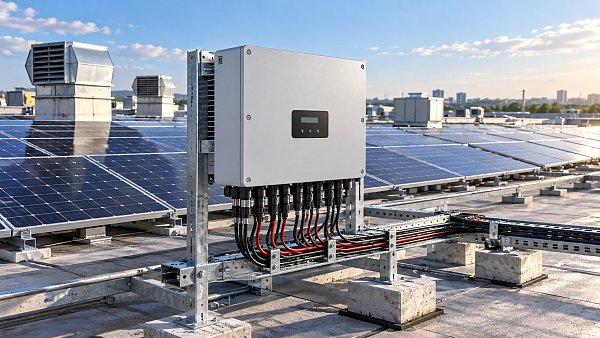
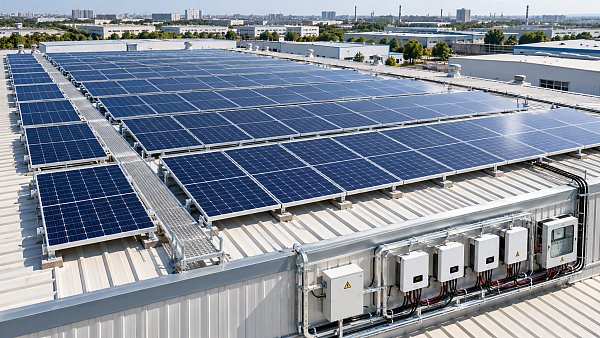
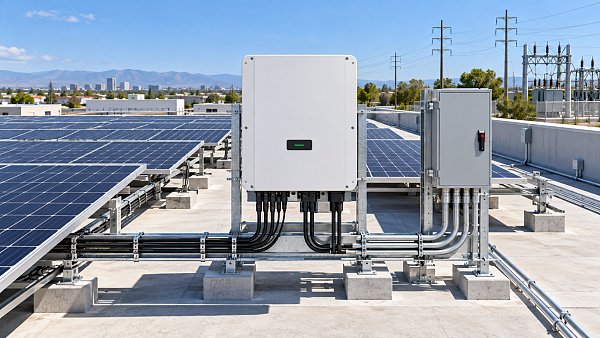
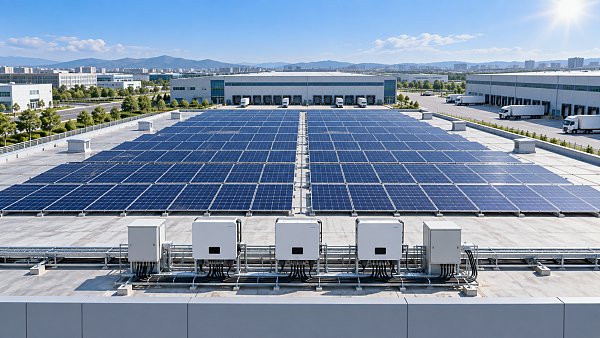
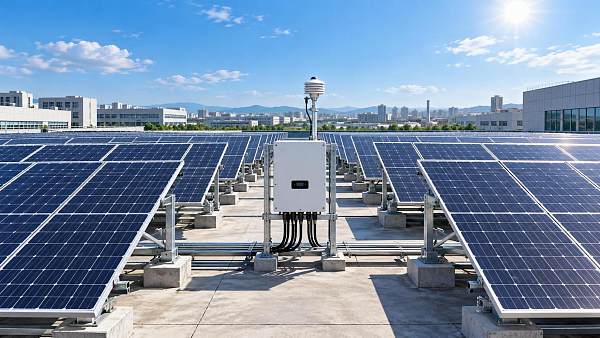
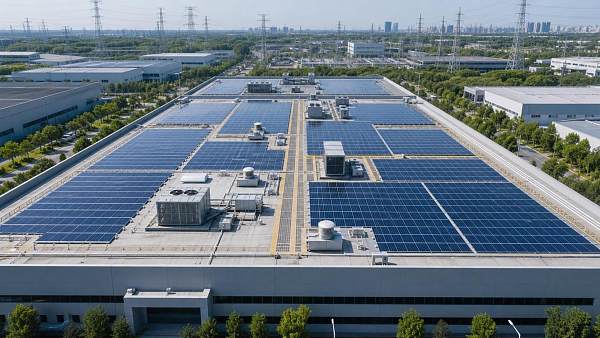
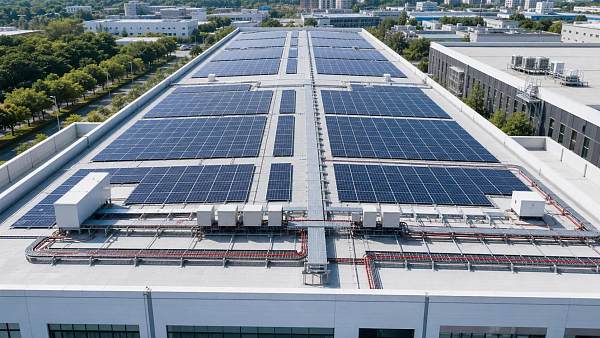
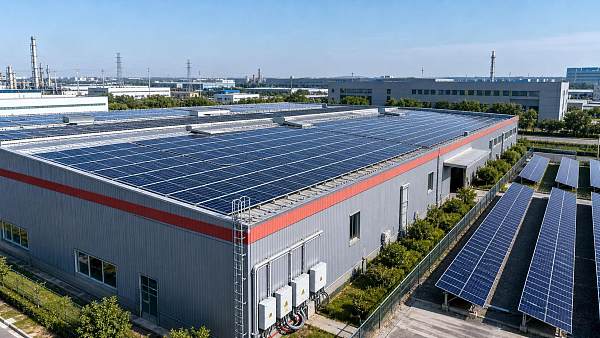
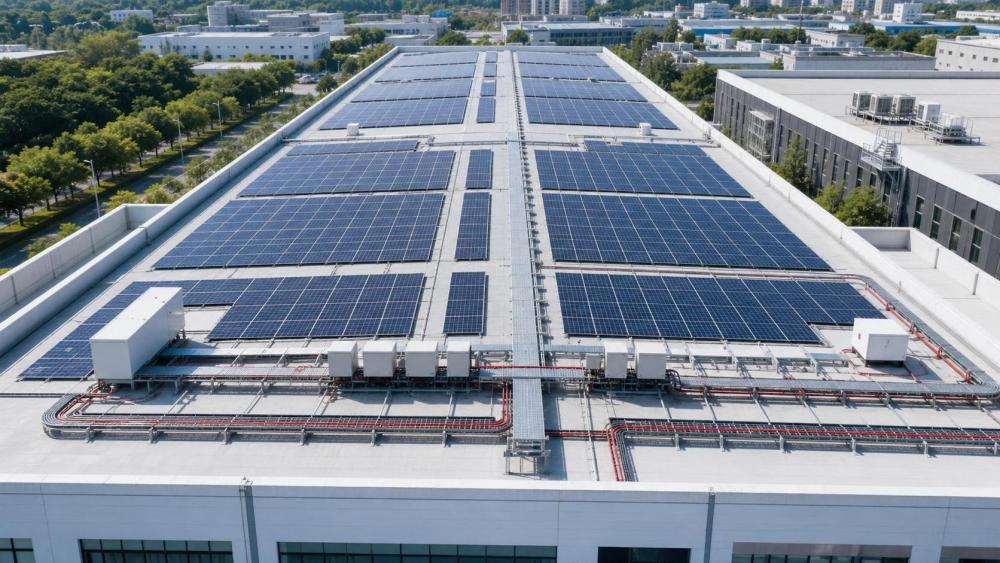
Utility-scale experience does not automatically translate into strong rooftop execution. Rooftop systems have tighter structural limits, more access restrictions, more live-building coordination, and more design trade-offs around shading, waterproofing, fire pathways, and tenant operations.
Ask bidders to walk you through how they assess:
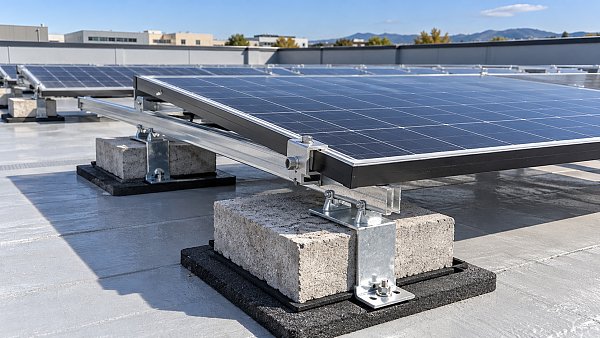
- roof loading capacity and point-load concentration, not just total installed weight;
- roof membrane protection and mounting interface details;
- equipment routing through active commercial facilities;
- temporary works, lifting plans, and shutdown windows;
- layout losses caused by obstructions, setbacks, and maintenance access.
If the contractor speaks only in DC capacity and module count, they are still at brochure level. A good rooftop EPC team will start asking about roof age, warranty status, drainage patterns, anchor points, internal electrical rooms, and whether the site can tolerate daytime work interruptions.
Review the engineering package they use to bid
Many bid comparisons are distorted because contractors are pricing different technical assumptions. One includes detailed structural review and a conservative cable route. Another assumes easy interconnection and minimal roof remediation. The lower number looks attractive until the variation orders begin.
Before comparing prices, check what each bidder used as the basis of design. At minimum, ask for the document set behind the proposal: preliminary single-line diagram, equipment list, roof layout, assumptions on interconnection point, and exclusions. When one bidder has clearly spent more effort understanding the site, that often matters more than a narrow pricing gap.
What to look for in their early engineering
Do not separate structural risk from contractor evaluation
On commercial rooftops, structural uncertainty is often the biggest source of late redesign. Some roofs can take the system with little trouble. Others need reinforcement, lighter mounting strategies, revised array density, or a different equipment placement plan. If an EPC contractor treats structural review as a box to tick after award, expect schedule exposure.
You want to know how they handle incomplete building information. Can they define the decision path when as-built drawings are weak? Do they coordinate directly with structural engineers? Will they freeze layout only after load assumptions are tested? The right answer is rarely a promise that “it will be fine.” It is a method.
Test their grid connection and protection experience
A rooftop solar project can be mechanically simple and still fail on interconnection. This is where experienced rooftop solar EPC contractors separate themselves. They know that export limits, relay requirements, transformer impacts, metering arrangements, and utility approval timelines can move the entire project.
Do not ask in general terms whether they have “grid experience.” Ask them to explain their process for reviewing:
- the proposed point of common coupling;
- whether the project is self-consumption only or allows export;
- required protection studies and relay coordination;
- metering configuration and utility witness testing;
- how inverter settings, plant controller logic, or export control are handled if the local utility requires them.
If the contractor cannot tell you which documents trigger utility review, who owns the submission, and what technical inputs are needed, they may be pushing the hardest part of the project into a later dispute.
Look past module and inverter brands
Equipment matters, but procurement quality is broader than brand names. Good EPC selection means checking whether the contractor can secure the exact bill of materials, manage lead times, and control substitution risk without quietly changing the system architecture halfway through procurement.
Ask for a list of critical components that affect performance or compliance: modules, inverters, mounting system, combiner or protection equipment, monitoring hardware, and any export control devices. Then ask what happens if one item becomes unavailable. There is a big difference between a controlled, owner-approved equivalent review and a vague right to substitute “similar” equipment.
This is also where warranty interfaces matter. If the roof warranty, mounting design, and installation method do not line up, you may end up with each party blaming the other after commissioning.
Audit their safety approach on occupied sites
Commercial rooftops are rarely empty construction zones. Warehouses keep shipping. Factories keep producing. Retail sites stay open. Safety performance in that setting depends on planning discipline, not just toolbox talks.
Ask the EPC contractor how they manage work at height, roof edge protection, lifting operations, exclusion zones, fire prevention during electrical works, and emergency access. Then go one step further: ask how they protect the building’s normal operations while construction is underway. The stronger contractors usually have a site logistics plan that treats production continuity as part of safety, not a separate issue.
Check who is actually building the project
Some EPC firms self-perform key scopes. Others manage a chain of subcontractors. Neither model is automatically bad, but you need clarity. The quality risk increases when the company that wins the job is not the company controlling daily installation, electrical works, testing, and punch-list closure.
Ask for the proposed execution structure: project manager, design lead, site manager, commissioning lead, and any major subcontracted packages. If they cannot identify who will own field decisions, document control, and quality sign-off, expect coordination gaps once work begins.
Interrogate the schedule, especially the quiet parts
Most EPC schedules look acceptable at a summary level. The trouble hides in approvals, procurement release, utility response time, roof access windows, shutdown planning, and commissioning prerequisites. These are the activities that drift while the top-line milestone still looks untouched.
A useful bid review asks the contractor to identify the top schedule risks and the assumptions behind each date. If their programme shows installation beginning before structural review, procurement commitment before final design freeze, or utility energization without a realistic approval path, the schedule is optimistic in the wrong places.
Read the commercial exclusions line by line
A surprising amount of contractor comparison can be resolved by reading exclusions carefully. Roof repairs, asbestos handling, switchgear upgrades, protection modifications, transformer work, civil repairs, utility fees, and monitoring communications are often pushed outside the EPC price. Sometimes that is reasonable. Sometimes it is how a bid is made to look competitive.
What matters is not eliminating every exclusion. It is making them visible early enough that you can compare total project exposure rather than contract headline value.
Bid clarification points worth forcing before award
- Who owns utility application preparation and technical responses?
- What roof protection or reinstatement scope is included?
- Which tests are included before handover?
- What monitoring platform is delivered, and who integrates it?
- What documents are part of close-out: as-builts, O&M manuals, test records, training, spare parts lists?
- What triggers change orders, and how are substitutions approved?
Treat commissioning and aftercare as part of contractor selection
A rooftop PV system becomes a long-term asset only after documentation, testing, monitoring, and defect response are in place. Yet many selections are still made as if the project ends on mechanical completion.
Ask each contractor how they handle pre-commissioning checks, energization planning, performance verification, and handover training for the owner’s team. Then ask who responds when alarms appear in month two, not day two. Some EPC contractors have a credible service structure. Others rely on equipment vendors and hope the owner will bridge the gaps.
Use references the right way
Reference checks are useful only when they are specific. Do not ask whether the contractor was “good to work with.” Ask former clients whether the final installed scope matched the awarded design, whether change orders were fair, whether the site team was stable, whether grid approval caused delays, and how quickly defects were closed after energization.
The goal is not to catch a contractor out. It is to see whether their delivery pattern matches the story told in the bid room.
A practical decision sequence
When the shortlist is close, use a simple order of judgment. Screen out any contractor that does not show rooftop-specific engineering discipline. Then compare grid and electrical integration capability. After that, review execution structure, safety planning, procurement control, and commercial clarity. Price belongs near the end of that process, not the beginning.
The best commercial outcome usually comes from the contractor whose proposal makes risk visible early, not from the one that hides uncertainty inside broad assumptions. If you are evaluating rooftop solar EPC contractors for a commercial PV project, that is the real test: can they explain where the project can fail, what they will do about it, and which decisions need to be locked before steel, cable, and equipment start moving to site?
Questions about market trends? Contact Market Scope Live for deeper business insights.
We respect your privacy. Your information is strictly confidential.
Related News
 Solar PV SystemsSolar Mounting Structures Pricing: What Drives Costs for PV Projects?Solar mounting structures pricing depends on design, materials and site conditions. Learn how to compare bids, uncover hidden costs and make smarter PV project decisions.MORE+
 Solar PV SystemsIndustrial Parks in Vietnam: Comparing Locations, Costs and InfrastructureCompare industrial parks in Vietnam by location, costs, logistics and power infrastructure. Discover how to shortlist the right site for your business.MORE+
 Solar PV SystemsFloating Solar Systems: How to Assess Reservoir SuitabilityFloating solar systems need the right reservoir. Discover how to assess water levels, grid access, environmental risks, and costs before investing.MORE+
 Solar PV SystemsSmart Solar Tracking Systems: How to Evaluate Energy Gains and Site SuitabilityExplore how smart solar tracking systems can boost energy yield. Compare site suitability, lifecycle costs, and fixed-tilt alternatives to make a confident investment decision.MORE+
 Solar PV SystemsFloating Solar Projects on Industrial Ponds: How to Assess Site SuitabilityAssess floating solar projects on industrial ponds with a practical guide to water levels, mooring, electrical connections, and site risks.MORE+
 Solar PV SystemsTurkey Allocates 785 MW of Grid Capacity in YEKA Solar TenderTurkey's YEKA solar tender allocates 785 MW of grid capacity across 11 sites. Explore what the results could mean for developers and suppliers.MORE+
 Solar PV SystemsChoosing String Inverters for Solar PV: Sizing, MPPT and ShadingChoose string inverters with confidence. Compare DC-to-AC sizing, MPPT allocation and shading impacts to improve solar PV performance.MORE+
 Solar PV SystemsChoosing Solar Racking Systems for Rooftops: Roof Type and Load FactorsChoosing solar racking systems for rooftops? Compare roof types, load factors and mounting options to plan a safer, more reliable installation.MORE+
 Solar PV SystemsSolar Tracking System Pricing: What to Include in a Project BudgetUnderstand solar tracking systems pricing and build a reliable project budget. Compare supplier quotes, uncover hidden costs, and assess long-term value.MORE+
 Solar PV SystemsChina Adds 110.83 GW of Solar in First Nine Months of 2026, Down 53.9%China solar additions reportedly fell 53.9% to 110.83 GW in January–September 2026. Explore pricing reform impacts and practical insights for project planning and procurement.MORE+
 Solar PV SystemsHow to Vet Solar Equipment Manufacturers: Quality, Warranties, and Lead TimesSearching “renewable equipment manufacturers solar”? Learn how to verify quality, compare warranties, and validate lead times to shortlist reliable suppliers and reduce project risk.MORE+
 Solar PV SystemsCommercial Rooftop Solar in India: How to Calculate Costs and PaybackCommercial rooftop solar India guide: calculate installation costs, estimate realistic savings and payback, and compare EPC quotes to make a smarter business investment.MORE+
 Solar PV SystemsSolar EPC Contractor Pricing: How to Compare Quotes and Spot ExclusionsCompare solar EPC contractor pricing with confidence. Learn how to spot exclusions, assess allowances, and uncover hidden costs before choosing the right quote for your project.MORE+
 Solar PV SystemsHow to Assess Site and Grid Feasibility for Solar Power Generation ProjectsAssess solar power generation projects with practical guidance on site suitability, grid capacity, connection costs, and curtailment risks. Make smarter investment decisions before committing capital.MORE+
 Solar PV SystemsPepco Approves ConnectDER Meter Adapters for Solar, Storage and EV Charging in D.C.Pepco approves ConnectDER meter adapters in D.C. for solar, storage and EV charging. Discover how meter-level connections could simplify installation and reduce costs.MORE+
 Solar PV SystemsTOPCon Photovoltaic Modules: Selection Criteria for High-Temperature Utility ProjectsTOPCon photovoltaic modules for hot-climate utility projects: compare temperature performance, bifacial yield, reliability, and electrical compatibility for stronger lifetime returns.MORE+
 Solar PV SystemsHow to Verify PV Module Supplier Capability Before Utility-Scale ProcurementVerify PV module supplier capability before utility-scale procurement with a practical checklist for factory audits, certifications, traceability, capacity, warranties, and risk control.MORE+
 Solar PV SystemsHow to Size Solar Power Generation Systems for Commercial Sites and Peak LoadsSolar power generation systems for commercial sites: learn to size PV for load profiles, peak demand, grid limits, storage, and future growth.MORE+
 Solar PV SystemsSolar Farm Construction: How to Plan Site, Grid Access, and Build RiskSolar farm construction insights for smarter site planning, grid access, procurement, and build-risk control—helping projects reach energization with confidence.MORE+
 Solar PV SystemsWhich Solar Inverter Certifications Are Mandatory in North America?What certifications are mandatory for solar inverters in North American markets? Explore UL 1741, IEEE 1547, CSA rules, and utility approval essentials.MORE+
 Solar PV SystemsWhat Is the Typical Payback Period for Commercial Solar PV in 2026?What is the typical payback period for a commercial solar PV installation in 2026? Explore the key cost, tariff, incentive, and sizing factors that shape returns.MORE+
 Solar PV SystemsWhat Causes Voltage Fluctuations When Large PV Plants Connect to Weak Grids?What causes voltage fluctuation when large solar PV plants connect to weak grids? Explore root causes, diagnostics, and proven mitigation strategies.MORE+
 Solar PV SystemsWhat Determines Solar Power Generation Efficiency in Commercial PV Projects?Solar power generation efficiency in commercial PV projects depends on more than module ratings—explore site resource, design, grid, and O&M factors that maximize long-term energy yield.MORE+
 Solar PV SystemsCommercial Rooftop Solar Financing: Comparing Loans, Leases, and PPAsCommercial rooftop solar financing explained: compare loans, leases, and PPAs to choose the right balance of savings, ownership, flexibility, and risk.MORE+
 Solar PV SystemsPV Bid Evaluation: How to Compare EPC Proposals Beyond the Lowest PricePV bid evaluation helps procurement teams compare EPC proposals beyond price—assess scope, energy yield, schedule, supply chain, warranties, and contract risk to protect long-term solar asset value.MORE+
 Solar PV SystemsWhat Environmental Permits Are Needed for Floating Solar on Reservoirs?What environmental permits are needed for floating solar on reservoirs? Explore water-use, EIA, shoreline, biodiversity, and water-quality approvals for smarter FPV development.MORE+
 Solar PV SystemsHow Long Does Utility-Scale Solar Grid Approval Take in 2026?How long does utility scale solar grid approval typically take in 2026? Explore timelines, queue risks, upgrade costs, and strategies to accelerate project delivery.MORE+
 Solar PV SystemsDo Agrivoltaic Projects Significantly Reduce Crop Yields in Hot Climates?Do agrivoltaic projects reduce crop yield significantly in hot climates? Explore how smart shade, crop selection, irrigation, and solar design can protect yields, improve quality, and strengthen dual-use land value.MORE+
 Solar PV SystemsHow Predictive Solar Plant O&M Reduces Downtime and Protects Energy YieldPredictive solar plant O&M helps cut downtime, detect faults early, prioritize repairs, and protect long-term energy yield with actionable data insights.MORE+
 Solar PV SystemsWhat Grid Connection Requirements Apply to Solar-Powered EV Charging?Solar farm grid connection requirements for EV charging explained: explore import/export limits, protection, storage, grid codes, and smart design strategies.MORE+
 Solar PV SystemsHow Much Solar Farm Capacity Is Needed to Offset Charging Demand in 2026?How to plan solar farm capacity to offset charging station demand in 2026? Explore sizing formulas, grid limits, storage strategies, and scalable EV charging solutions.MORE+
 Solar PV SystemsWhat Are the Actual Maintenance Costs of Solar Canopy Inverters?What are the real maintenance costs of solar inverters on charging canopies? Explore service, monitoring, repairs, downtime, and smarter lifecycle budgeting.MORE+
 Solar PV SystemsWhat Should Building Owners Evaluate Before Installing Rooftop Solar Photovoltaic?Rooftop solar photovoltaic planning starts with the right questions. Learn how to assess roof strength, load profile, grid limits, permits, and ROI before investing.MORE+
 Solar PV SystemsChina’s First Compute-Power and Green Power Direct Supply Project Enters OperationChina’s first compute-power and green power direct supply project begins operation, linking 500 MW solar power with data center demand for higher efficiency and stronger green energy credibility.MORE+
 Solar PV SystemsWhat Should Be Included in Solar Plant Engineering Design for Utility-Scale Projects?Solar plant engineering design for utility-scale projects should cover site constraints, layout, electrical systems, grid compliance, safety, and O&M—see what a complete, bankable design package must include.MORE+
 Solar PV SystemsUSTR Opens CVD Review on Chinese PV ModulesUSTR opens a CVD review on Chinese PV modules, raising questions over tariffs, sourcing, and Southeast Asia supply chains. See what importers and developers should watch now.MORE+
 Solar PV SystemsHow to Evaluate Rooftop Solar EPC Contractors for Commercial PV ProjectsRooftop solar EPC contractors can make or break commercial PV success. Learn how to compare engineering, grid, safety, scope, and risk control before choosing the right partner.MORE+
 Solar PV SystemsFixed Tilt Solar Racking: How to Evaluate Wind Load, Site Layout, and ROIFixed tilt solar racking guide: learn how to assess wind load, site layout, grading, foundations, and ROI to avoid hidden costs and choose a smarter solar structure.MORE+
 Solar PV SystemsHow to Choose Solar Modules for Commercial and Industrial PV Projects?Solar modules for C&I PV projects: learn how to compare efficiency, temperature performance, site suitability, warranty, and bankability to choose the right solution with confidence.MORE+
 Solar PV SystemsUSTR Extends Tariff Relief for Chinese PV ModulesUSTR Extends Tariff Relief for Chinese PV Modules through Dec. 31, 2026. See how the update affects solar procurement costs, project timelines, compliance, and U.S. market planning.MORE+