Solar EPC Contractor Pricing: How to Compare Quotes and Spot Exclusions
The lowest solar EPC quote can become the more expensive contract once excluded work, provisional allowances, and connection costs enter the budget. A useful comparison starts with a common project scope and ends with the cost of reaching an agreed operating condition. Headline price alone cannot establish that cost.
To compare solar EPC contractor pricing, separate the firm contract sum from allowances, owner-supplied items, excluded work, and exposure to price adjustments. Then examine whether each proposal delivers equivalent capacity, equipment, construction scope, and acceptance obligations. A lower bid deserves attention when its savings survive those adjustments.
Establish a common basis before comparing prices
A price per watt is meaningful only when its denominator is clear. A quotation based on module DC capacity cannot be directly compared with one based on inverter AC capacity. Record both capacities, the DC-to-AC ratio, and any export limit at the grid connection point. An export restriction affects deliverable output even when the installed module capacity remains unchanged.
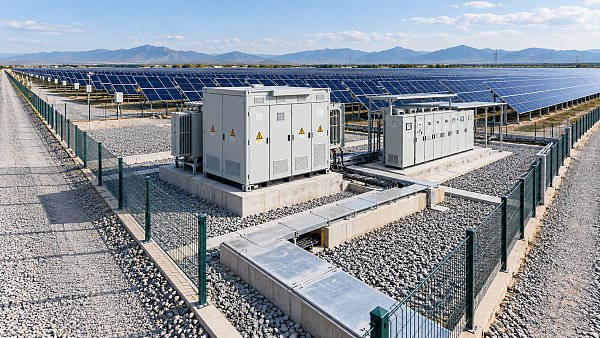
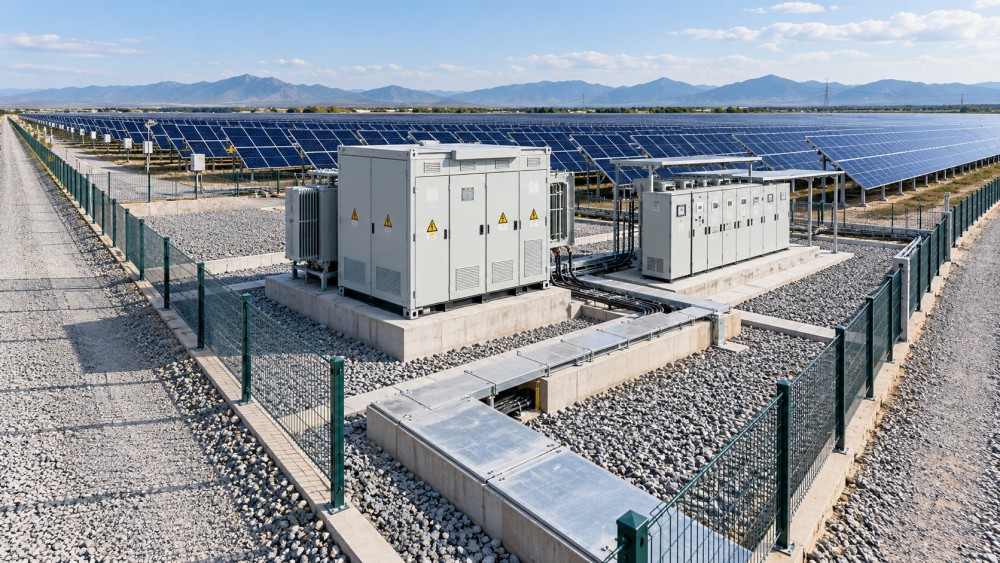
Use the same project boundary for every comparison. An EPC price covering the generating plant up to a medium-voltage terminal differs materially from a price that includes the substation, export cable, revenue metering, and utility interface. The word “turnkey” does not establish where responsibility ends; the scope schedule and interface drawings do.
The tender basis should identify the site layout, available surveys, equipment requirements, delivery location, tax treatment, currency, and required completion milestone. Record the revision of each document used for pricing. Otherwise, one proposal could reflect a revised cable route while another still assumes the shorter original route.
Keep proposed design alternatives visible. A different inverter arrangement or mounting system can offer a legitimate saving, but compare the compliant base offer first. Evaluate the alternative separately for effects on energy yield, maintenance access, replacement strategy, and construction requirements.
Build a scope comparison around physical interfaces
A useful bid comparison connects each package to a defined handover point. Labels such as “electrical installation included” leave too much room for disagreement. Specify whether the package includes supply, delivery, unloading, installation, testing, termination, and documentation.
At each interface, identify who supplies the equipment, who installs it, and who confirms that the combined system works. For example, supplying protection relays does not establish responsibility for developing settings, obtaining approval, or demonstrating correct operation during commissioning.
Owner-supplied equipment requires the same precision. Removing modules from the EPC supply package reduces the quoted contract sum, but leaves questions about delivery sequencing, storage, damage inspection, installation compatibility, and warranty claims. Record these responsibilities alongside the purchase cost so that a supply-only saving does not conceal an integration gap.
Read exclusions as future purchase orders
An exclusion becomes a cost outside the EPC contract unless the work is unnecessary or covered elsewhere. Convert every exclusion into a defined action: obtain a separate quotation, assign it to an existing package, resolve it through investigation, or retain it as an explicitly identified uncertainty.
Ground conditions and structural assumptions
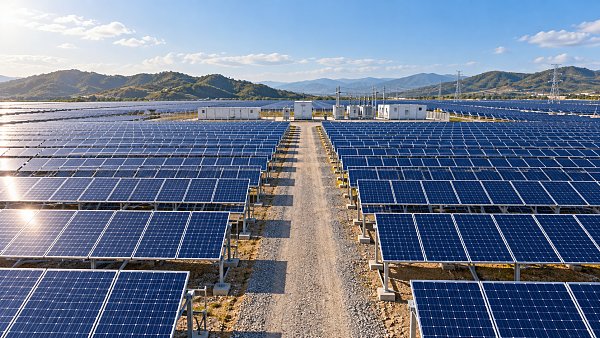
Foundation pricing relies on geotechnical information, installation assumptions, and the selected mounting system. A quote based on driven piles needs a stated treatment for refusal, pre-drilling, unsuitable soils, and changes in embedment depth. Ask what evidence supports the assumed installation method and how departures will be measured and priced.
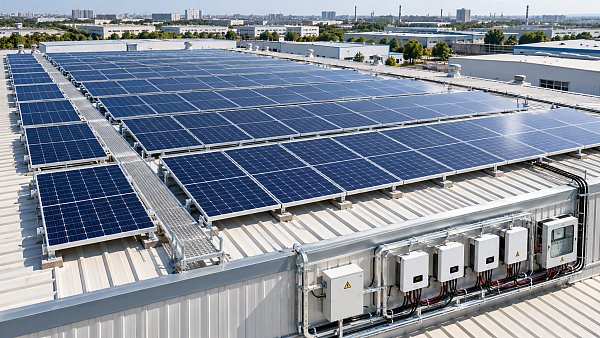
For rooftop projects, distinguish structural assessment from strengthening work. A quotation that includes checking roof capacity can still exclude reinforcement, roof repairs, waterproofing reinstatement, or access modifications. Establish whether mounting loads and attachment details have been assessed against the actual building information.
Grid connection and utility-controlled work
Separate the contractor’s connection works from utility charges and network reinforcement. Responsibility for submitting connection documents does not automatically include paying application fees, providing network studies, changing upstream equipment, or completing utility-owned works.
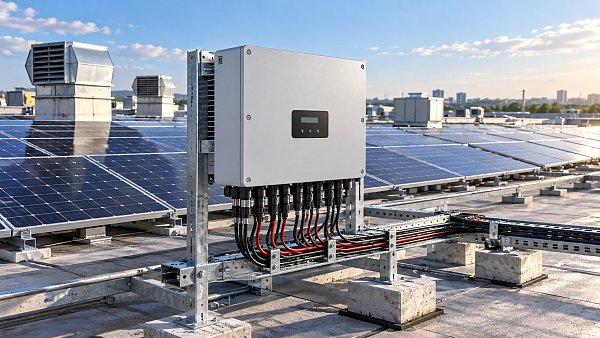
Grid requirements also affect equipment and controls. Protection functions, reactive power capability, plant controller integration, and communications requirements need a defined pricing basis. Where final requirements remain outstanding, record the assumptions and a mechanism for valuing changes instead of treating the connection package as settled.
Logistics, temporary works, and site support
Delivery terms determine where equipment cost ends and site handling begins. Identify responsibility for import clearance, duties, inland transport, unloading, lifting, storage, and security. A delivered equipment price still leaves a gap if unloading or site access requires arrangements outside the quotation.
Temporary power, water, welfare facilities, construction fencing, and reinstatement also need an assigned scope. These items are easy to overlook because they do not appear in the finished plant, yet they support construction and can become recurring charges when the schedule extends.
Separate firm prices from allowances and adjustment clauses
A fixed-price label needs to be read alongside its qualifications. Currency adjustments, commodity escalation, freight changes, design development, and changes in law can reopen parts of the price. Identify the affected cost elements, the trigger for adjustment, the calculation method, and any limits or expiry dates.
A provisional allowance is an amount reserved for work whose final scope or cost is unresolved. It should state what it covers and how the final amount will be reconciled. A small allowance makes a bid appear cheaper without demonstrating that the underlying work will cost less.
Unit rates provide a different form of certainty: they establish the price for a measured quantity, while the total remains dependent on actual quantities. Examine the measurement rules and inclusions. A trench rate needs a defined depth, width, ground condition, bedding specification, backfill requirement, and reinstatement scope before it can support comparison.
For unresolved work, distinguish an allowance backed by quantities and rates from an unsupported lump sum. Also identify whether contractor overhead, profit, supervision, and programme effects are included in adjustments. The direct cost of extra work is only part of a variation if additional charges are permitted.
Compare equipment and completion obligations together
Equipment descriptions should be precise enough to establish equivalence. Module capacity alone does not describe module dimensions, electrical characteristics, degradation commitments, or compatibility with the mounting arrangement. Inverter comparisons need to account for AC rating, operating conditions, protection functions, and service arrangements.
Pay particular attention to “or equivalent” substitutions. Define the characteristics that an alternative must satisfy and require approval before procurement. A nominally equivalent component can change string design, cable sizing, spare parts, or maintenance procedures, transferring cost into other parts of the project.
Completion language has a direct commercial effect. Mechanical completion, energization, provisional acceptance, and final acceptance describe different states. A plant can be physically installed while utility permission, communications integration, or performance testing remains outstanding.
Link each payment milestone to evidence appropriate to that stage. Equipment delivery requires agreed inspection and ownership arrangements; acceptance requires defined test results and handover documents. Where utility availability controls energization, specify how delay affects payment, warranties, preservation duties, and any later return to site.
Performance guarantees also require a defined measurement basis. A performance ratio guarantee, an availability commitment, and an annual energy estimate address different outcomes. Review test conditions, measurement periods, exclusions, correction methods, and remedies together. A stronger headline guarantee has limited value if its exclusions remove the conditions most relevant to the project.
Calculate an evaluated cost without hiding uncertainty
Build an evaluated project cost from the firm EPC sum, credible adjustments for scope differences, separately purchased work, and identifiable owner costs. Keep unresolved exposure visible alongside that total. Adding an arbitrary contingency to every bid can conceal differences in evidence and responsibility.
A practical comparison separates three categories:
- Committed cost: the firm price for the agreed scope, including confirmed commercial adjustments.
- Expected additional expenditure: excluded work supported by a quotation or a documented estimate, with its source and assumptions recorded.
- Unresolved exposure: work whose cost cannot yet be established, such as foundation changes pending ground investigation. Describe the trigger, responsible party, and next action needed to reduce uncertainty.
Use consistent assumptions where information is missing. If one bidder includes a defined export cable route and another excludes it, apply the same route basis when estimating the missing package. Do not credit an exclusion as a saving simply because its replacement price has not been obtained.
Schedule differences deserve a separate assessment. An earlier completion date has value only if equipment deliveries, site access, design approvals, and grid readiness support it. Examine the contractual treatment of delay, including extensions of time and recoverable costs, before assigning an economic benefit to an ambitious programme.
Close the qualifications before contract award
Clarifications should produce contractual answers. Replace “please confirm full scope” with questions tied to specific boundaries: Does the export cable price include crossings and reinstatement? Who pays for repeat testing after a failed acceptance test? What happens to the price if the approved foundation design differs from the tender assumption?
Record each response in a consolidated scope and commercial schedule. Resolve conflicts between that schedule, the technical specification, drawings, exclusions, and general contract terms through an agreed document precedence. A clarification left in correspondence is harder to administer when the signed contract contains contradictory wording.
The award recommendation should explain the remaining price difference through specific scope, specification, schedule, and contractual commitments. Where an unresolved item could change the ranking, obtain the missing investigation or quotation before treating the comparison as complete. The signed price then has a clear relationship to the work required for an accepted, operating solar plant.
Questions about market trends? Contact Market Scope Live for deeper business insights.
We respect your privacy. Your information is strictly confidential.
Related News
 Solar PV SystemsSolar Mounting Structures Pricing: What Drives Costs for PV Projects?Solar mounting structures pricing depends on design, materials and site conditions. Learn how to compare bids, uncover hidden costs and make smarter PV project decisions.MORE+
 Solar PV SystemsIndustrial Parks in Vietnam: Comparing Locations, Costs and InfrastructureCompare industrial parks in Vietnam by location, costs, logistics and power infrastructure. Discover how to shortlist the right site for your business.MORE+
 Solar PV SystemsFloating Solar Systems: How to Assess Reservoir SuitabilityFloating solar systems need the right reservoir. Discover how to assess water levels, grid access, environmental risks, and costs before investing.MORE+
 Solar PV SystemsSmart Solar Tracking Systems: How to Evaluate Energy Gains and Site SuitabilityExplore how smart solar tracking systems can boost energy yield. Compare site suitability, lifecycle costs, and fixed-tilt alternatives to make a confident investment decision.MORE+
 Solar PV SystemsFloating Solar Projects on Industrial Ponds: How to Assess Site SuitabilityAssess floating solar projects on industrial ponds with a practical guide to water levels, mooring, electrical connections, and site risks.MORE+
 Solar PV SystemsTurkey Allocates 785 MW of Grid Capacity in YEKA Solar TenderTurkey's YEKA solar tender allocates 785 MW of grid capacity across 11 sites. Explore what the results could mean for developers and suppliers.MORE+
 Solar PV SystemsChoosing String Inverters for Solar PV: Sizing, MPPT and ShadingChoose string inverters with confidence. Compare DC-to-AC sizing, MPPT allocation and shading impacts to improve solar PV performance.MORE+
 Solar PV SystemsChoosing Solar Racking Systems for Rooftops: Roof Type and Load FactorsChoosing solar racking systems for rooftops? Compare roof types, load factors and mounting options to plan a safer, more reliable installation.MORE+
 Solar PV SystemsSolar Tracking System Pricing: What to Include in a Project BudgetUnderstand solar tracking systems pricing and build a reliable project budget. Compare supplier quotes, uncover hidden costs, and assess long-term value.MORE+
 Solar PV SystemsChina Adds 110.83 GW of Solar in First Nine Months of 2026, Down 53.9%China solar additions reportedly fell 53.9% to 110.83 GW in January–September 2026. Explore pricing reform impacts and practical insights for project planning and procurement.MORE+
 Solar PV SystemsHow to Vet Solar Equipment Manufacturers: Quality, Warranties, and Lead TimesSearching “renewable equipment manufacturers solar”? Learn how to verify quality, compare warranties, and validate lead times to shortlist reliable suppliers and reduce project risk.MORE+
 Solar PV SystemsCommercial Rooftop Solar in India: How to Calculate Costs and PaybackCommercial rooftop solar India guide: calculate installation costs, estimate realistic savings and payback, and compare EPC quotes to make a smarter business investment.MORE+
 Solar PV SystemsSolar EPC Contractor Pricing: How to Compare Quotes and Spot ExclusionsCompare solar EPC contractor pricing with confidence. Learn how to spot exclusions, assess allowances, and uncover hidden costs before choosing the right quote for your project.MORE+
 Solar PV SystemsHow to Assess Site and Grid Feasibility for Solar Power Generation ProjectsAssess solar power generation projects with practical guidance on site suitability, grid capacity, connection costs, and curtailment risks. Make smarter investment decisions before committing capital.MORE+
 Solar PV SystemsPepco Approves ConnectDER Meter Adapters for Solar, Storage and EV Charging in D.C.Pepco approves ConnectDER meter adapters in D.C. for solar, storage and EV charging. Discover how meter-level connections could simplify installation and reduce costs.MORE+
 Solar PV SystemsTOPCon Photovoltaic Modules: Selection Criteria for High-Temperature Utility ProjectsTOPCon photovoltaic modules for hot-climate utility projects: compare temperature performance, bifacial yield, reliability, and electrical compatibility for stronger lifetime returns.MORE+
 Solar PV SystemsHow to Verify PV Module Supplier Capability Before Utility-Scale ProcurementVerify PV module supplier capability before utility-scale procurement with a practical checklist for factory audits, certifications, traceability, capacity, warranties, and risk control.MORE+
 Solar PV SystemsHow to Size Solar Power Generation Systems for Commercial Sites and Peak LoadsSolar power generation systems for commercial sites: learn to size PV for load profiles, peak demand, grid limits, storage, and future growth.MORE+
 Solar PV SystemsSolar Farm Construction: How to Plan Site, Grid Access, and Build RiskSolar farm construction insights for smarter site planning, grid access, procurement, and build-risk control—helping projects reach energization with confidence.MORE+
 Solar PV SystemsWhich Solar Inverter Certifications Are Mandatory in North America?What certifications are mandatory for solar inverters in North American markets? Explore UL 1741, IEEE 1547, CSA rules, and utility approval essentials.MORE+
 Solar PV SystemsWhat Is the Typical Payback Period for Commercial Solar PV in 2026?What is the typical payback period for a commercial solar PV installation in 2026? Explore the key cost, tariff, incentive, and sizing factors that shape returns.MORE+
 Solar PV SystemsWhat Causes Voltage Fluctuations When Large PV Plants Connect to Weak Grids?What causes voltage fluctuation when large solar PV plants connect to weak grids? Explore root causes, diagnostics, and proven mitigation strategies.MORE+
 Solar PV SystemsWhat Determines Solar Power Generation Efficiency in Commercial PV Projects?Solar power generation efficiency in commercial PV projects depends on more than module ratings—explore site resource, design, grid, and O&M factors that maximize long-term energy yield.MORE+
 Solar PV SystemsCommercial Rooftop Solar Financing: Comparing Loans, Leases, and PPAsCommercial rooftop solar financing explained: compare loans, leases, and PPAs to choose the right balance of savings, ownership, flexibility, and risk.MORE+
 Solar PV SystemsPV Bid Evaluation: How to Compare EPC Proposals Beyond the Lowest PricePV bid evaluation helps procurement teams compare EPC proposals beyond price—assess scope, energy yield, schedule, supply chain, warranties, and contract risk to protect long-term solar asset value.MORE+
 Solar PV SystemsWhat Environmental Permits Are Needed for Floating Solar on Reservoirs?What environmental permits are needed for floating solar on reservoirs? Explore water-use, EIA, shoreline, biodiversity, and water-quality approvals for smarter FPV development.MORE+
 Solar PV SystemsHow Long Does Utility-Scale Solar Grid Approval Take in 2026?How long does utility scale solar grid approval typically take in 2026? Explore timelines, queue risks, upgrade costs, and strategies to accelerate project delivery.MORE+
 Solar PV SystemsDo Agrivoltaic Projects Significantly Reduce Crop Yields in Hot Climates?Do agrivoltaic projects reduce crop yield significantly in hot climates? Explore how smart shade, crop selection, irrigation, and solar design can protect yields, improve quality, and strengthen dual-use land value.MORE+
 Solar PV SystemsHow Predictive Solar Plant O&M Reduces Downtime and Protects Energy YieldPredictive solar plant O&M helps cut downtime, detect faults early, prioritize repairs, and protect long-term energy yield with actionable data insights.MORE+
 Solar PV SystemsWhat Grid Connection Requirements Apply to Solar-Powered EV Charging?Solar farm grid connection requirements for EV charging explained: explore import/export limits, protection, storage, grid codes, and smart design strategies.MORE+
 Solar PV SystemsHow Much Solar Farm Capacity Is Needed to Offset Charging Demand in 2026?How to plan solar farm capacity to offset charging station demand in 2026? Explore sizing formulas, grid limits, storage strategies, and scalable EV charging solutions.MORE+
 Solar PV SystemsWhat Are the Actual Maintenance Costs of Solar Canopy Inverters?What are the real maintenance costs of solar inverters on charging canopies? Explore service, monitoring, repairs, downtime, and smarter lifecycle budgeting.MORE+
 Solar PV SystemsWhat Should Building Owners Evaluate Before Installing Rooftop Solar Photovoltaic?Rooftop solar photovoltaic planning starts with the right questions. Learn how to assess roof strength, load profile, grid limits, permits, and ROI before investing.MORE+
 Solar PV SystemsChina’s First Compute-Power and Green Power Direct Supply Project Enters OperationChina’s first compute-power and green power direct supply project begins operation, linking 500 MW solar power with data center demand for higher efficiency and stronger green energy credibility.MORE+
 Solar PV SystemsWhat Should Be Included in Solar Plant Engineering Design for Utility-Scale Projects?Solar plant engineering design for utility-scale projects should cover site constraints, layout, electrical systems, grid compliance, safety, and O&M—see what a complete, bankable design package must include.MORE+
 Solar PV SystemsUSTR Opens CVD Review on Chinese PV ModulesUSTR opens a CVD review on Chinese PV modules, raising questions over tariffs, sourcing, and Southeast Asia supply chains. See what importers and developers should watch now.MORE+
 Solar PV SystemsHow to Evaluate Rooftop Solar EPC Contractors for Commercial PV ProjectsRooftop solar EPC contractors can make or break commercial PV success. Learn how to compare engineering, grid, safety, scope, and risk control before choosing the right partner.MORE+
 Solar PV SystemsFixed Tilt Solar Racking: How to Evaluate Wind Load, Site Layout, and ROIFixed tilt solar racking guide: learn how to assess wind load, site layout, grading, foundations, and ROI to avoid hidden costs and choose a smarter solar structure.MORE+
 Solar PV SystemsHow to Choose Solar Modules for Commercial and Industrial PV Projects?Solar modules for C&I PV projects: learn how to compare efficiency, temperature performance, site suitability, warranty, and bankability to choose the right solution with confidence.MORE+
 Solar PV SystemsUSTR Extends Tariff Relief for Chinese PV ModulesUSTR Extends Tariff Relief for Chinese PV Modules through Dec. 31, 2026. See how the update affects solar procurement costs, project timelines, compliance, and U.S. market planning.MORE+