
What Drives Solar Power Generation Price in Commercial Projects?
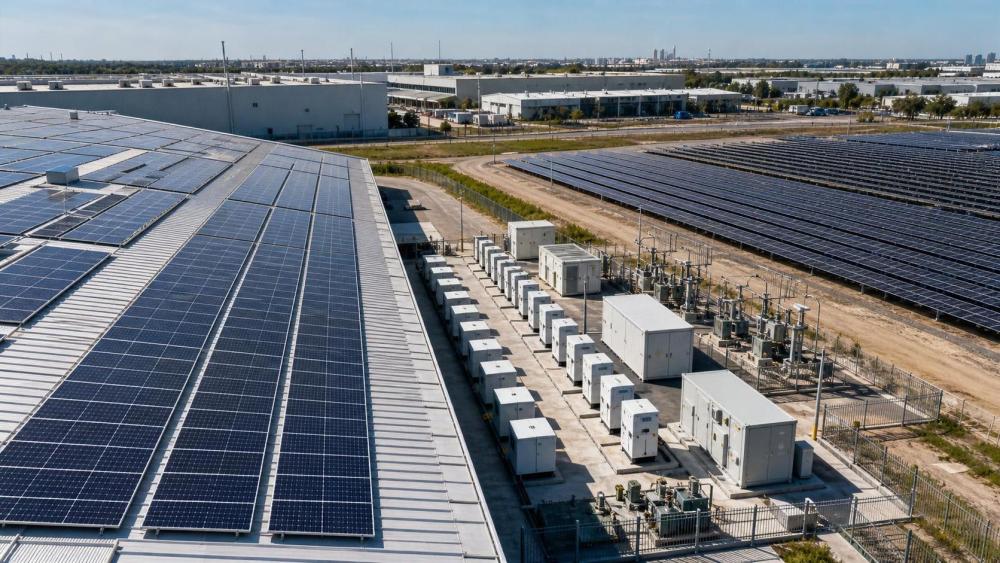
For commercial projects, solar power generation price is never shaped by one number alone.
It reflects equipment choices, site conditions, financing structure, and long-term operating assumptions.
That matters because a low headline EPC quote can still lead to a weak project return.
On the other hand, a higher upfront price can improve lifecycle value if energy yield stays stronger.
In practice, the right question is not only “What is the project cost?”
It is also “What is driving the solar power generation price, and what does that mean for risk?”
From a financial review perspective, that shift is important.
It connects procurement decisions with cash flow visibility, debt service confidence, and asset resilience.
Equipment Mix Sets the Baseline Cost
The first major driver of solar power generation price is the hardware package.
Modules, inverters, mounting systems, cables, transformers, and monitoring platforms all affect cost.
Yet the issue is not only purchase price.
Higher-efficiency modules may raise capital cost, but they can reduce land use and boost output.
String inverters may lower maintenance complexity in one project, while central inverters suit another better.
Trackers can improve generation, but they add mechanical exposure and maintenance planning needs.
This is why hardware should be reviewed as a performance package, not a shopping list.
- Module efficiency changes output per square meter.
- Inverter quality affects conversion efficiency and downtime risk.
- Mounting design shapes structural cost and installation speed.
- Monitoring systems influence fault detection and energy loss recovery.
A cheaper bill of materials can increase the real solar power generation price over time.
That happens when failures, degradation, or weak yield reduce actual project income.
Site Conditions Can Shift Economics Quickly
Location plays a bigger role in solar power generation price than many budgets first assume.
Solar irradiance, land quality, topography, soil conditions, and weather patterns all matter.
A flatter site may cut civil work.
A stronger solar resource may improve output enough to offset higher logistics costs.
But difficult ground conditions can increase piling, drainage, and foundation expense very fast.
In real projects, small design changes at the site stage often reshape procurement numbers later.
Distance from roads, ports, and substations also affects transport and installation planning.
If the site has flood risk, dust exposure, or corrosion concerns, equipment specifications may rise.
That pushes the solar power generation price higher, but often for defensible technical reasons.
Grid Connection and Compliance Are Often Underrated
Many commercial evaluations focus on panels first and grid connection second.
That order can be expensive.
Grid interconnection requirements can materially change the solar power generation price.
Projects may need substation upgrades, protection systems, reactive power control, and compliance testing.
Some markets also require curtailment capability, remote dispatch, or advanced metering integration.
Those are not minor add-ons.
They directly affect capex, commissioning schedule, and ongoing operational flexibility.
More importantly, grid limitations can reduce delivered energy even when plant performance is strong.
That means the apparent solar power generation price may look acceptable, while project revenue underperforms.
Questions worth checking early
- Is grid capacity already available at the target point?
- Will the project fund network reinforcement?
- Are curtailment risks included in the revenue model?
- Do interconnection studies affect project timing?
EPC Quality Influences More Than Construction Cost
The EPC contractor has a direct impact on solar power generation price and bankability.
A low EPC bid can be attractive during approval.
Still, weak engineering coordination often leads to variation orders, delays, and rework.
That is where many project budgets quietly expand.
Experienced EPC teams usually manage procurement, logistics, civil works, electrical design, and commissioning better.
They also tend to document design assumptions more clearly, which supports internal approval reviews.
From a cost control angle, execution quality affects both schedule and output certainty.
That makes EPC capability a hidden but powerful driver of solar power generation price.
Where EPC discipline creates value
- Better design reduces material waste.
- Stronger supplier coordination limits delivery disruptions.
- Cleaner commissioning improves performance acceptance.
- Fewer defects lower early-year operating losses.
Financing Cost Can Be as Important as Equipment Cost
In recent market cycles, financing has become a major factor behind solar power generation price.
Interest rates, debt terms, currency exposure, and lender requirements all shape the final economics.
Even if module prices fall, higher borrowing costs can offset that benefit.
This is especially true for large commercial and industrial portfolios.
Projects with strong offtake terms, reliable contractors, and bankable equipment often secure better financing.
So the solar power generation price is partly a financing outcome, not only a procurement outcome.
That is a useful lens during approval because it connects technical quality with capital efficiency.
Policy, Tax, and Local Content Rules Change the Math
Policy conditions can move solar power generation price in either direction.
Tax credits, accelerated depreciation, import duties, local manufacturing rules, and land permits all matter.
A project may appear expensive on a pure capex basis.
Yet after incentives, its effective solar power generation price may become highly competitive.
The opposite also happens.
Local content rules can improve supply security, but they may reduce sourcing flexibility and raise near-term cost.
For procurement review, policy value should be tested for durability.
Short-lived incentives should not be treated as permanent economic strength.
Operations, Degradation, and Downtime Define Real Value
A commercial project should not judge solar power generation price by construction cost alone.
The real measure is the cost of reliable energy over the asset life.
That brings operations and maintenance into the decision.
Cleaning frequency, spare parts strategy, inverter replacement cycles, and warranty terms all affect returns.
So do degradation rates and response time for service faults.
If generation falls below model assumptions, the effective solar power generation price rises immediately.
That is why lifecycle diligence matters more than a one-time procurement discount.
A practical review checklist
How to Make Better Commercial Decisions
A better procurement decision starts with a wider definition of solar power generation price.
It should include delivered energy, financing conditions, reliability, and grid usability.
That broader view helps separate low-cost proposals from high-value proposals.
In practical terms, three actions usually improve decision quality.
- Compare bids on lifecycle energy value, not capex alone.
- Stress-test grid, schedule, and financing assumptions early.
- Check whether lower price today creates higher operating exposure later.
The commercial solar market is getting more sophisticated.
So the solar power generation price should be evaluated with the same discipline.
When each cost driver is visible, approvals become faster, cleaner, and more defensible.
That creates better project outcomes, not only better purchase decisions.