Solar Racking Design Guide: Wind Load, Roof Type, and Material Choices That Matter
Solar Racking Design Guide: Wind Load, Roof Type, and Material Choices That Matter
Effective solar racking design is critical to system safety, long-term performance, and installation efficiency.
Wind load, roof type, and material selection directly affect structural reliability, maintenance planning, and overall project cost.
This guide explains the design factors that matter most when evaluating mounting systems for rooftop and ground-mounted solar projects.
Why Solar Racking Design Deserves Early Attention
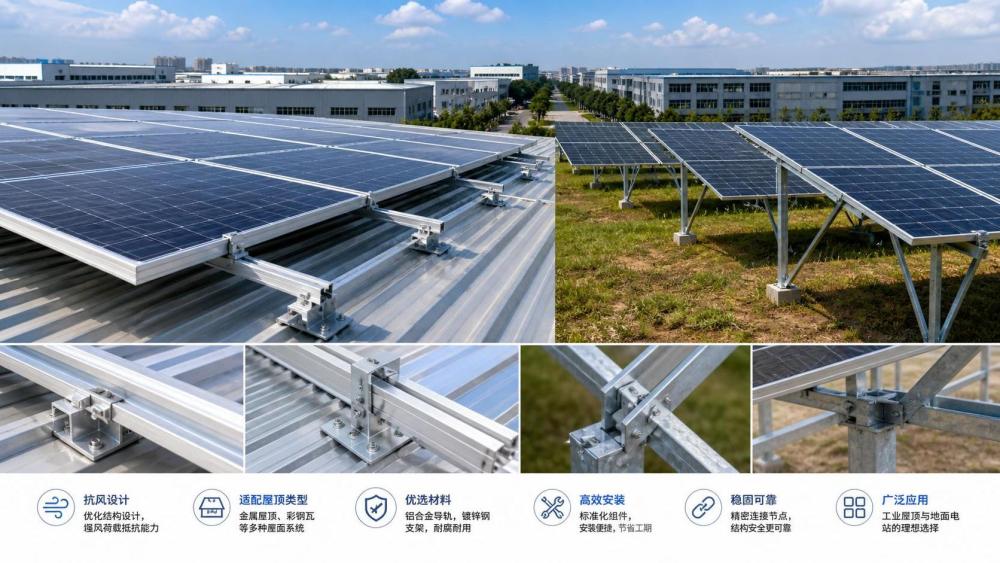
A solar array only performs well when the supporting structure matches the site, climate, and installation method.
That sounds obvious, but in practice, solar racking design is often treated as a late procurement item.
This creates risk.
If the racking system is chosen too late, teams may discover roof limitations, wind issues, or fastening conflicts after engineering is already fixed.
In real projects, those late changes can slow installation, increase labor, and complicate compliance reviews.
A better approach is to review solar racking design together with module layout, roof condition, structural loading, and maintenance access.
This also helps compare fixed-tilt, ballast, rail-based, rail-less, and ground support options on a more practical basis.
For EPEM readers, the main point is simple.
Good solar racking design is not only about holding panels in place.
It affects energy yield, lifecycle cost, O&M effort, and how smoothly the project moves from design to operation.
Wind Load: The First Structural Check
When reviewing solar racking design, wind load is usually the first technical filter.
A mounting system may look similar on paper, yet perform very differently under uplift, suction, and edge turbulence.
Wind pressure is not uniform across a roof or open field.
Corners, parapet transitions, ridge zones, and perimeter rows often experience higher loads than central areas.
That means solar racking design should be based on local conditions, not only standard catalog values.
Several factors shape the wind assessment:
- Basic wind speed for the site
- Building height and surrounding exposure
- Roof shape, tilt angle, and array elevation
- Panel spacing, gaps, and edge setbacks
- Attachment method or ballast strategy
In high-wind regions, the cheapest frame is rarely the lowest-cost decision over time.
More robust solar racking design may reduce failure risk, warranty claims, and unplanned reinforcement work.
It is also worth checking whether the supplier provides engineering documentation tied to recognized codes and test data.
Without that, comparison becomes difficult, especially for larger commercial or utility projects.
Practical wind-related questions to ask
- What design wind speed and exposure category were used?
- Are uplift loads calculated by roof zone or applied uniformly?
- Does the solar racking design require extra attachments at corners and edges?
- Will higher wind requirements affect layout density or module orientation?
- How does the system behave if one component loosens during service life?
Roof Type Changes the Best Mounting Strategy
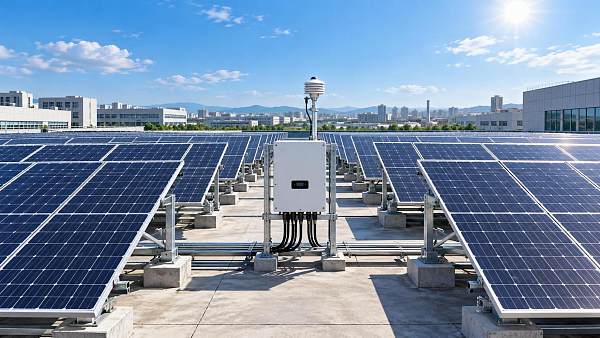
Not every roof supports the same solar racking design logic.
The structure below the roof, the waterproofing layer, and the available load margin all matter.
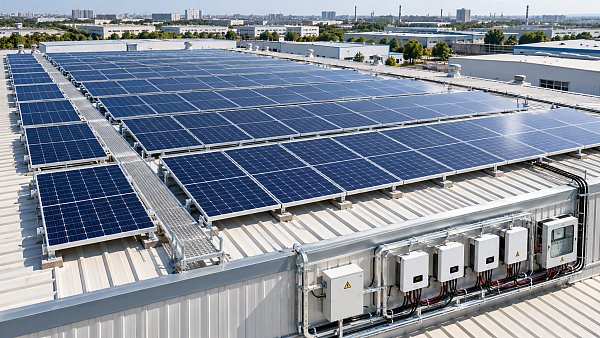
For metal roofs, attachment often looks straightforward, but seam type and sheet thickness still need close review.
Clamp compatibility is important.
A mismatch can damage the roof profile or weaken holding performance over time.
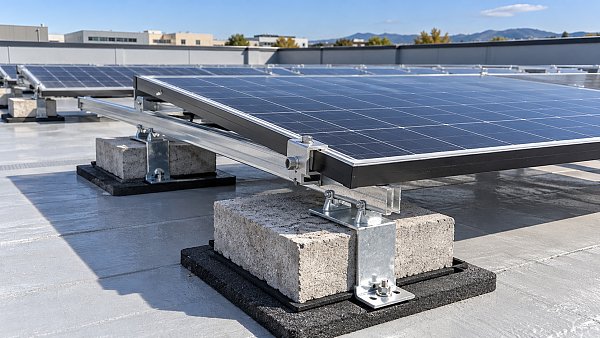
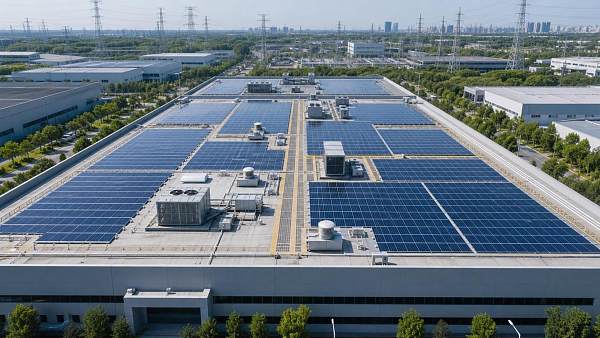
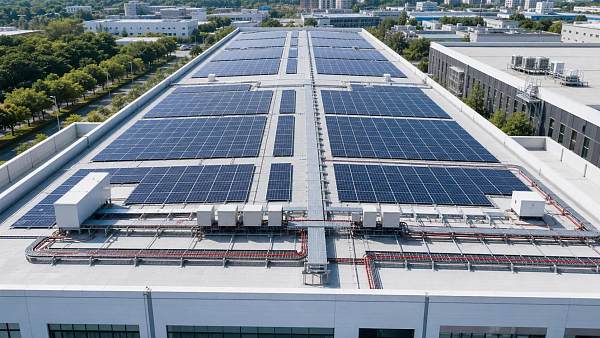
For flat membrane roofs, ballast systems may reduce penetrations, but dead load becomes a critical issue.
This is especially relevant for older industrial buildings with limited reserve capacity.
For tile roofs, solar racking design gets more installation-sensitive.
Hook placement, tile cutting, flashing details, and roof age can significantly affect labor time and leakage risk.
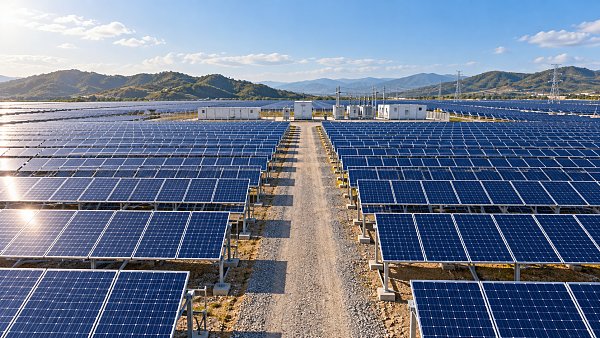
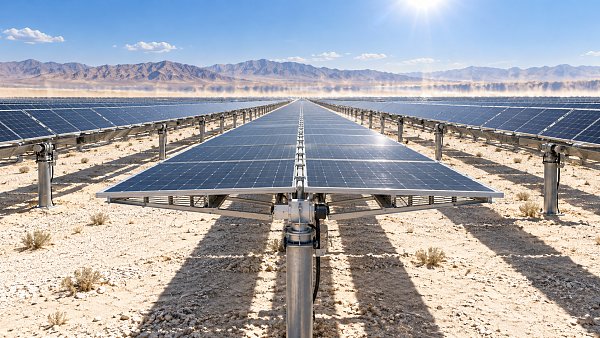
Ground-mounted systems face a different set of decisions.
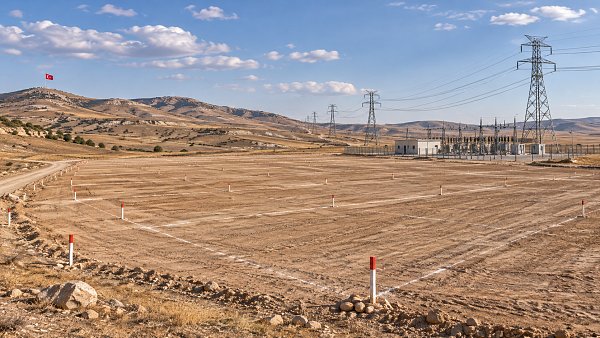
Soil conditions, corrosion exposure, terrain slope, frost depth, and pile-driving limits all influence the structural approach.
Typical roof and site considerations
- Standing seam roofs: fast installation, but clamp testing matters
- Trapezoidal metal roofs: attachment spacing must match structure below
- Concrete roofs: strong support, but waterproofing details remain critical
- Tile roofs: higher labor sensitivity and breakage risk
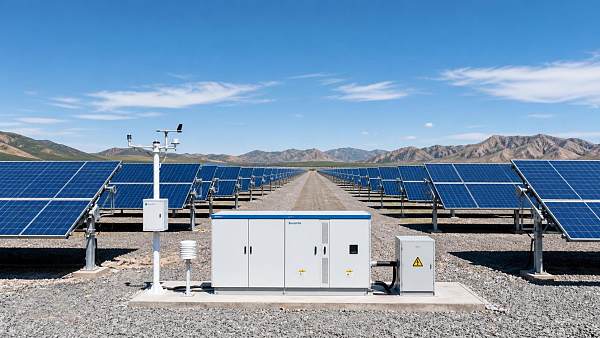
- Ground sites: foundation method depends on geotechnical conditions
From a project evaluation perspective, the best solar racking design is the one that fits the roof condition without forcing costly adjustments.
That often beats a lower unit price.
Material Choices Affect Durability and O&M Cost
Material selection is another core part of solar racking design.
Most systems rely on aluminum, galvanized steel, stainless steel, or a combination of these materials.
Each option brings tradeoffs in strength, weight, corrosion resistance, transport cost, and installation speed.
Aluminum is widely used because it is lightweight and easier to handle on rooftops.
That can reduce labor fatigue and improve installation pace.
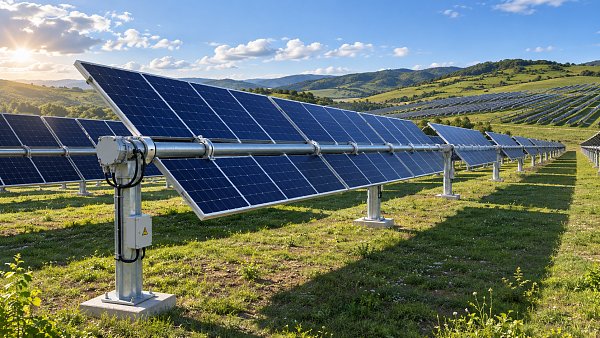
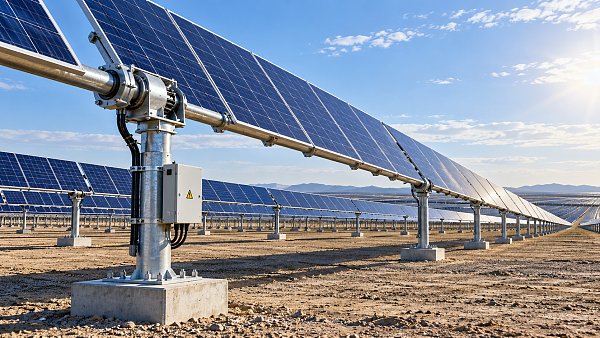
Galvanized steel often provides strong structural value, especially in ground-mounted systems where rigidity matters.
However, coating quality and site corrosion class need close review.
Coastal environments, chemical plants, and humid regions can accelerate degradation if the wrong finish is chosen.
Mixed-material systems require extra care as well.
Galvanic corrosion can become a hidden issue when incompatible metals meet under moisture exposure.
What to compare in material selection
- Base material and structural strength
- Coating type, thickness, and corrosion rating
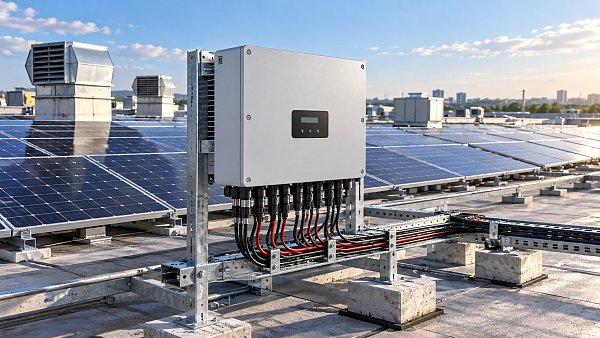
- Compatibility between rails, bolts, clamps, and supports
- Expected maintenance frequency in the site environment
- Warranty coverage for structural and corrosion performance
A practical solar racking design review should link material choice to expected service conditions, not just bill-of-material cost.
That is where many lifecycle savings are found.
Installation Efficiency Matters More Than Many Teams Expect
A strong solar racking design should also be easy to install correctly.
This point is often underestimated during early comparison.
A lower-cost system can become expensive if it needs more roof penetrations, more field cutting, or more assembly time.
In actual business conditions, labor availability and schedule pressure are real cost drivers.
That makes installation simplicity a valid technical and commercial criterion.
Look at connection count, pre-assembled parts, tool requirements, and tolerance for uneven surfaces.
Also check whether cable routing and maintenance access were considered in the layout.
A compact array may maximize module count, but it can create future service difficulties.
The better signal is balance.
Good solar racking design supports both fast installation and manageable long-term inspection.
A Simple Evaluation Framework for System Selection
When comparing vendors or system options, use a short decision framework.
It keeps the solar racking design discussion focused on project performance, not just unit price.
- Confirm site loads first, including wind, snow, and dead load limits.
- Match the system to roof type or ground foundation constraints.
- Review material durability against corrosion and weather exposure.
- Check installation complexity, crew productivity, and spare part availability.
- Ask for engineering documents, testing records, and warranty details.
- Compare lifecycle implications, not only upfront procurement cost.
This approach helps avoid a common mistake.
Teams sometimes optimize one variable, such as material price, while ignoring structural margin or installation burden.
A balanced solar racking design decision usually delivers better asset value over the full project life.
Final Takeaway
The right solar racking design comes from matching structure, site conditions, and material durability with real operating needs.
Wind load sets the structural baseline.
Roof type defines attachment strategy.
Material choice shapes long-term reliability and maintenance cost.
When these factors are reviewed early, project teams make better selection decisions and avoid costly redesign later.
For anyone assessing mounting options, the most useful next step is a structured solar racking design checklist tied to the actual site.
That turns a product comparison into a stronger project decision.
Questions about market trends? Contact Market Scope Live for deeper business insights.
We respect your privacy. Your information is strictly confidential.
Related News
 Solar PV SystemsIndustrial Parks in Vietnam: Comparing Locations, Costs and InfrastructureCompare industrial parks in Vietnam by location, costs, logistics and power infrastructure. Discover how to shortlist the right site for your business.MORE+
 Solar PV SystemsFloating Solar Systems: How to Assess Reservoir SuitabilityFloating solar systems need the right reservoir. Discover how to assess water levels, grid access, environmental risks, and costs before investing.MORE+
 Solar PV SystemsSmart Solar Tracking Systems: How to Evaluate Energy Gains and Site SuitabilityExplore how smart solar tracking systems can boost energy yield. Compare site suitability, lifecycle costs, and fixed-tilt alternatives to make a confident investment decision.MORE+
 Solar PV SystemsFloating Solar Projects on Industrial Ponds: How to Assess Site SuitabilityAssess floating solar projects on industrial ponds with a practical guide to water levels, mooring, electrical connections, and site risks.MORE+
 Solar PV SystemsTurkey Allocates 785 MW of Grid Capacity in YEKA Solar TenderTurkey's YEKA solar tender allocates 785 MW of grid capacity across 11 sites. Explore what the results could mean for developers and suppliers.MORE+
 Solar PV SystemsChoosing String Inverters for Solar PV: Sizing, MPPT and ShadingChoose string inverters with confidence. Compare DC-to-AC sizing, MPPT allocation and shading impacts to improve solar PV performance.MORE+
 Solar PV SystemsChoosing Solar Racking Systems for Rooftops: Roof Type and Load FactorsChoosing solar racking systems for rooftops? Compare roof types, load factors and mounting options to plan a safer, more reliable installation.MORE+
 Solar PV SystemsSolar Tracking System Pricing: What to Include in a Project BudgetUnderstand solar tracking systems pricing and build a reliable project budget. Compare supplier quotes, uncover hidden costs, and assess long-term value.MORE+
 Solar PV SystemsChina Adds 110.83 GW of Solar in First Nine Months of 2026, Down 53.9%China solar additions reportedly fell 53.9% to 110.83 GW in January–September 2026. Explore pricing reform impacts and practical insights for project planning and procurement.MORE+
 Solar PV SystemsHow to Vet Solar Equipment Manufacturers: Quality, Warranties, and Lead TimesSearching “renewable equipment manufacturers solar”? Learn how to verify quality, compare warranties, and validate lead times to shortlist reliable suppliers and reduce project risk.MORE+
 Solar PV SystemsCommercial Rooftop Solar in India: How to Calculate Costs and PaybackCommercial rooftop solar India guide: calculate installation costs, estimate realistic savings and payback, and compare EPC quotes to make a smarter business investment.MORE+
 Solar PV SystemsSolar EPC Contractor Pricing: How to Compare Quotes and Spot ExclusionsCompare solar EPC contractor pricing with confidence. Learn how to spot exclusions, assess allowances, and uncover hidden costs before choosing the right quote for your project.MORE+
 Solar PV SystemsHow to Assess Site and Grid Feasibility for Solar Power Generation ProjectsAssess solar power generation projects with practical guidance on site suitability, grid capacity, connection costs, and curtailment risks. Make smarter investment decisions before committing capital.MORE+
 Solar PV SystemsPepco Approves ConnectDER Meter Adapters for Solar, Storage and EV Charging in D.C.Pepco approves ConnectDER meter adapters in D.C. for solar, storage and EV charging. Discover how meter-level connections could simplify installation and reduce costs.MORE+
 Solar PV SystemsTOPCon Photovoltaic Modules: Selection Criteria for High-Temperature Utility ProjectsTOPCon photovoltaic modules for hot-climate utility projects: compare temperature performance, bifacial yield, reliability, and electrical compatibility for stronger lifetime returns.MORE+
 Solar PV SystemsHow to Verify PV Module Supplier Capability Before Utility-Scale ProcurementVerify PV module supplier capability before utility-scale procurement with a practical checklist for factory audits, certifications, traceability, capacity, warranties, and risk control.MORE+
 Solar PV SystemsHow to Size Solar Power Generation Systems for Commercial Sites and Peak LoadsSolar power generation systems for commercial sites: learn to size PV for load profiles, peak demand, grid limits, storage, and future growth.MORE+
 Solar PV SystemsSolar Farm Construction: How to Plan Site, Grid Access, and Build RiskSolar farm construction insights for smarter site planning, grid access, procurement, and build-risk control—helping projects reach energization with confidence.MORE+
 Solar PV SystemsWhich Solar Inverter Certifications Are Mandatory in North America?What certifications are mandatory for solar inverters in North American markets? Explore UL 1741, IEEE 1547, CSA rules, and utility approval essentials.MORE+
 Solar PV SystemsWhat Is the Typical Payback Period for Commercial Solar PV in 2026?What is the typical payback period for a commercial solar PV installation in 2026? Explore the key cost, tariff, incentive, and sizing factors that shape returns.MORE+
 Solar PV SystemsWhat Causes Voltage Fluctuations When Large PV Plants Connect to Weak Grids?What causes voltage fluctuation when large solar PV plants connect to weak grids? Explore root causes, diagnostics, and proven mitigation strategies.MORE+
 Solar PV SystemsWhat Determines Solar Power Generation Efficiency in Commercial PV Projects?Solar power generation efficiency in commercial PV projects depends on more than module ratings—explore site resource, design, grid, and O&M factors that maximize long-term energy yield.MORE+
 Solar PV SystemsCommercial Rooftop Solar Financing: Comparing Loans, Leases, and PPAsCommercial rooftop solar financing explained: compare loans, leases, and PPAs to choose the right balance of savings, ownership, flexibility, and risk.MORE+
 Solar PV SystemsPV Bid Evaluation: How to Compare EPC Proposals Beyond the Lowest PricePV bid evaluation helps procurement teams compare EPC proposals beyond price—assess scope, energy yield, schedule, supply chain, warranties, and contract risk to protect long-term solar asset value.MORE+
 Solar PV SystemsWhat Environmental Permits Are Needed for Floating Solar on Reservoirs?What environmental permits are needed for floating solar on reservoirs? Explore water-use, EIA, shoreline, biodiversity, and water-quality approvals for smarter FPV development.MORE+
 Solar PV SystemsHow Long Does Utility-Scale Solar Grid Approval Take in 2026?How long does utility scale solar grid approval typically take in 2026? Explore timelines, queue risks, upgrade costs, and strategies to accelerate project delivery.MORE+
 Solar PV SystemsDo Agrivoltaic Projects Significantly Reduce Crop Yields in Hot Climates?Do agrivoltaic projects reduce crop yield significantly in hot climates? Explore how smart shade, crop selection, irrigation, and solar design can protect yields, improve quality, and strengthen dual-use land value.MORE+
 Solar PV SystemsHow Predictive Solar Plant O&M Reduces Downtime and Protects Energy YieldPredictive solar plant O&M helps cut downtime, detect faults early, prioritize repairs, and protect long-term energy yield with actionable data insights.MORE+
 Solar PV SystemsWhat Grid Connection Requirements Apply to Solar-Powered EV Charging?Solar farm grid connection requirements for EV charging explained: explore import/export limits, protection, storage, grid codes, and smart design strategies.MORE+
 Solar PV SystemsHow Much Solar Farm Capacity Is Needed to Offset Charging Demand in 2026?How to plan solar farm capacity to offset charging station demand in 2026? Explore sizing formulas, grid limits, storage strategies, and scalable EV charging solutions.MORE+
 Solar PV SystemsWhat Are the Actual Maintenance Costs of Solar Canopy Inverters?What are the real maintenance costs of solar inverters on charging canopies? Explore service, monitoring, repairs, downtime, and smarter lifecycle budgeting.MORE+
 Solar PV SystemsWhat Should Building Owners Evaluate Before Installing Rooftop Solar Photovoltaic?Rooftop solar photovoltaic planning starts with the right questions. Learn how to assess roof strength, load profile, grid limits, permits, and ROI before investing.MORE+
 Solar PV SystemsChina’s First Compute-Power and Green Power Direct Supply Project Enters OperationChina’s first compute-power and green power direct supply project begins operation, linking 500 MW solar power with data center demand for higher efficiency and stronger green energy credibility.MORE+
 Solar PV SystemsWhat Should Be Included in Solar Plant Engineering Design for Utility-Scale Projects?Solar plant engineering design for utility-scale projects should cover site constraints, layout, electrical systems, grid compliance, safety, and O&M—see what a complete, bankable design package must include.MORE+
 Solar PV SystemsUSTR Opens CVD Review on Chinese PV ModulesUSTR opens a CVD review on Chinese PV modules, raising questions over tariffs, sourcing, and Southeast Asia supply chains. See what importers and developers should watch now.MORE+
 Solar PV SystemsHow to Evaluate Rooftop Solar EPC Contractors for Commercial PV ProjectsRooftop solar EPC contractors can make or break commercial PV success. Learn how to compare engineering, grid, safety, scope, and risk control before choosing the right partner.MORE+
 Solar PV SystemsFixed Tilt Solar Racking: How to Evaluate Wind Load, Site Layout, and ROIFixed tilt solar racking guide: learn how to assess wind load, site layout, grading, foundations, and ROI to avoid hidden costs and choose a smarter solar structure.MORE+
 Solar PV SystemsHow to Choose Solar Modules for Commercial and Industrial PV Projects?Solar modules for C&I PV projects: learn how to compare efficiency, temperature performance, site suitability, warranty, and bankability to choose the right solution with confidence.MORE+
 Solar PV SystemsUSTR Extends Tariff Relief for Chinese PV ModulesUSTR Extends Tariff Relief for Chinese PV Modules through Dec. 31, 2026. See how the update affects solar procurement costs, project timelines, compliance, and U.S. market planning.MORE+
 Solar PV SystemsHow to Evaluate Solar PV Equipment in USA for Commercial and Utility ProjectsSolar PV equipment in USA evaluation for commercial and utility projects: learn how to compare performance, compliance, reliability, and supplier strength for smarter project decisions.MORE+