Solar PV Systems Design: How to Size Capacity, Inverters, and Layout for Project Goals
Solar PV Systems Design: How to Size Capacity, Inverters, and Layout for Project Goals
Solar PV systems design determines whether a project meets its yield, cost, grid, and operational targets.
Accurate sizing affects annual energy, clipping losses, cable loading, and long-term maintenance exposure.
A strong design basis also reduces later disputes around performance guarantees and interconnection limits.
In practice, solar PV systems design starts with project goals, not with module count alone.
That means matching DC capacity, inverter strategy, and array layout to real commercial and technical constraints.
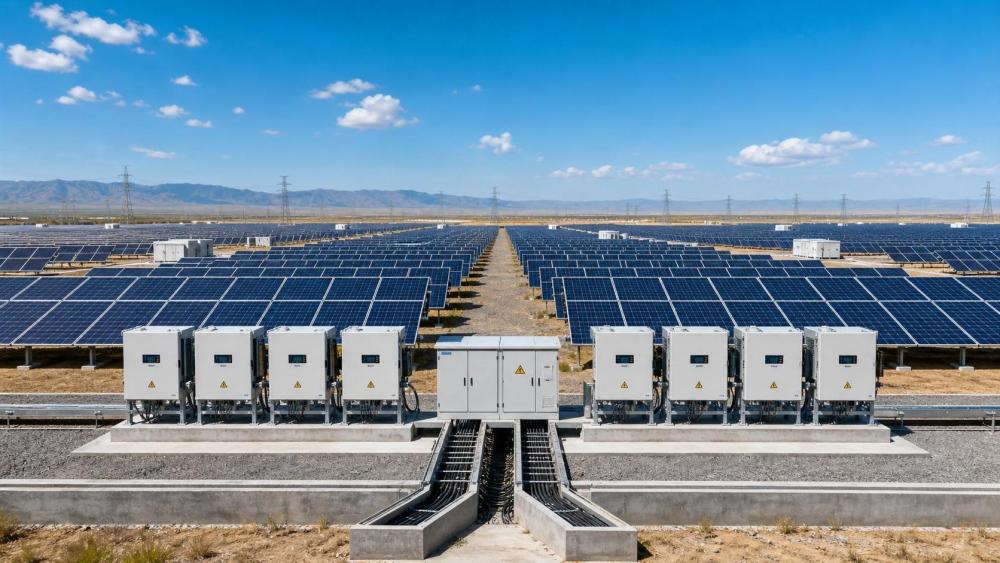
Typical constraints include land shape, grid export cap, target PR, storage coupling, and future expansion plans.
The best solar PV systems design is rarely the largest one.
It is the one that produces bankable output within the allowed operating envelope.
Start with the Project Objective
Every solar PV systems design should begin with a clear performance target.
For utility projects, the priority may be maximum export within an interconnection limit.
For C&I systems, the priority may be self-consumption, peak shaving, or tariff optimization.
For hybrid plants, the design may need to support storage charging windows and dispatch logic.
These goals change the right answer for DC oversizing, inverter loading ratio, and layout density.
- Maximize annual MWh under a fixed AC export cap
- Minimize LCOE on available land
- Improve self-use during business operating hours
- Reduce curtailment risk under grid restrictions
- Support storage integration or later repowering
Without that objective, solar PV systems design becomes a spreadsheet exercise detached from site reality.
How to Size System Capacity
Capacity sizing should separate DC nameplate, AC inverter rating, and permitted grid export.
Those three numbers are related, but they are not interchangeable.
A common mistake is sizing the plant from module power only.
Good solar PV systems design uses resource data, loss assumptions, and operating limits together.
Use the Right Inputs First
Start with site irradiation, ambient temperature, wind, soiling level, and horizon shading.
Then add module degradation, mismatch, DC wiring loss, inverter loss, transformer loss, and availability assumptions.
If the site has frequent curtailment, include that in the energy model early.
Choose the DC/AC Ratio Carefully
The DC/AC ratio is one of the most important decisions in solar PV systems design.
Higher ratios usually improve inverter utilization and lower unit energy cost.
But they also increase clipping risk and may complicate compliance with export caps.
Many projects fall between 1.1 and 1.5, but the correct value depends on climate and revenue structure.
From a review perspective, the question is not whether clipping exists.
The question is whether clipping is economically justified.
Select Inverters Around Real Operating Conditions
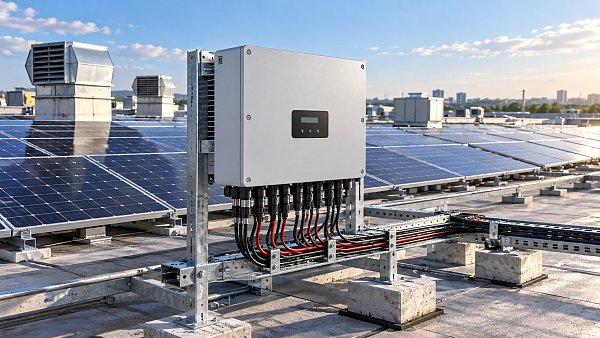
Inverter selection is central to solar PV systems design because it links the DC field to the grid.
The main choice is usually between string inverters and central inverters.
String architectures offer flexibility, better granularity, and easier replacement in irregular sites.
Central inverters may still fit large uniform blocks with stable layouts and strong O&M planning.
Check the Electrical Window
Review maximum DC voltage at minimum temperature before fixing string length.
Then verify MPPT voltage range under high-temperature operating conditions.
A design that passes nameplate checks can still underperform if strings sit outside the efficient MPPT window.
Look Beyond Efficiency
Peak efficiency matters, but it should not dominate the inverter decision.
Grid support functions, reactive power, harmonic performance, and fault ride-through are equally important.
So are enclosure rating, cooling method, spare strategy, communications, and cybersecurity requirements.
This is where solar PV systems design overlaps with grid code compliance and asset management.
Questions That Prevent Bad Selection
- Can the inverter hold required reactive power at full active output?
- How many MPPTs are needed for terrain variation and orientation changes?
- What derating occurs at high temperature or high altitude?
- Is rapid shutdown or arc-fault protection required?
- What is the practical replacement lead time for failed units?
Build the Layout Around Yield and Operability
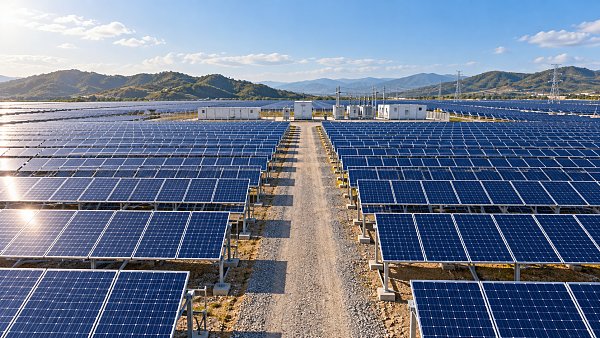
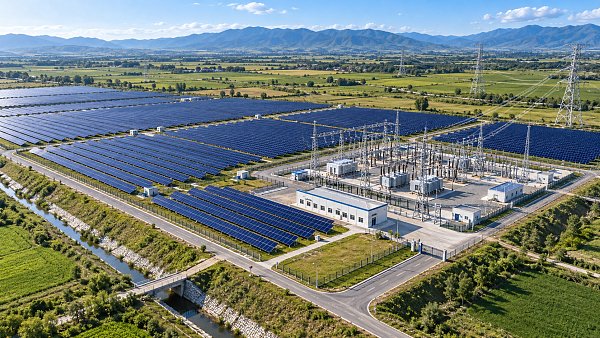
Layout is where solar PV systems design becomes visible on the ground.
Tilt, azimuth, row spacing, access roads, drainage, and equipment pads all influence energy and cost.
A layout that looks dense on paper may create shading, thermal stress, and maintenance bottlenecks later.
Balance Energy Density and Shading
Tighter row spacing increases DC capacity per hectare.
It can also reduce morning and winter output if back-row shading rises too much.
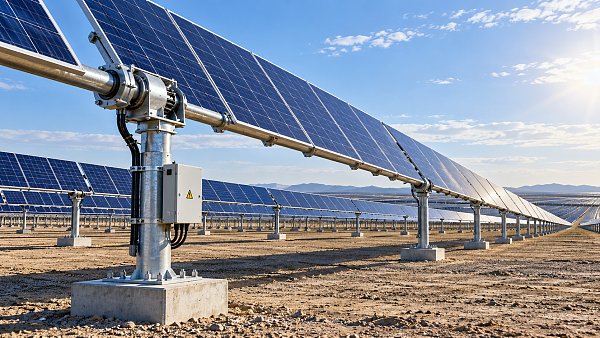
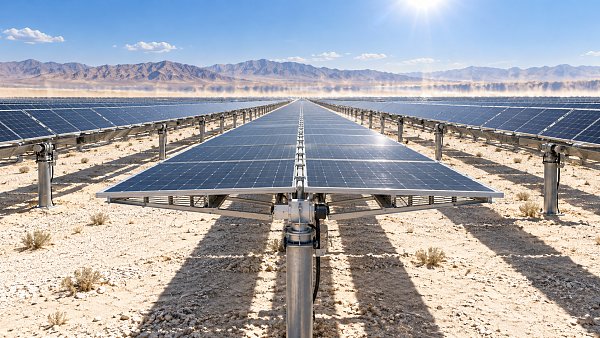
For tracker systems, backtracking logic and terrain-following limits must be modeled together.
Do Not Ignore Cable and Access Paths
Shorter cable runs reduce losses and trenching cost, but access must stay workable.
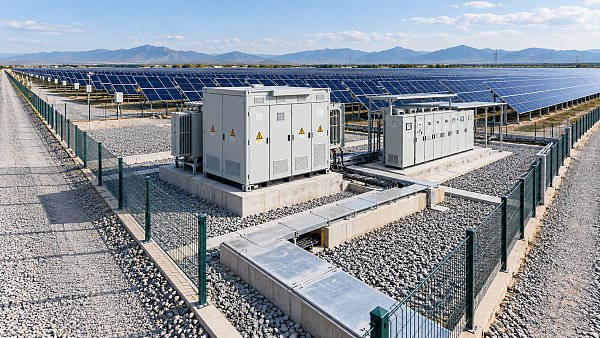
In real projects, inverter pads placed for electrical efficiency can hinder crane or service vehicle movement.
Good solar PV systems design keeps O&M routes, drainage flow, and fire separation in the same discussion.
Site Conditions Often Change the Best Layout
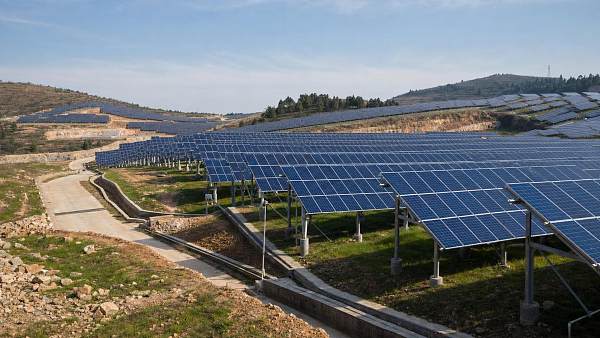
- Undulating ground can split arrays into multiple electrical zones
- Weak soils may limit equipment concentration
- Flood risk may raise foundation and pad elevation needs
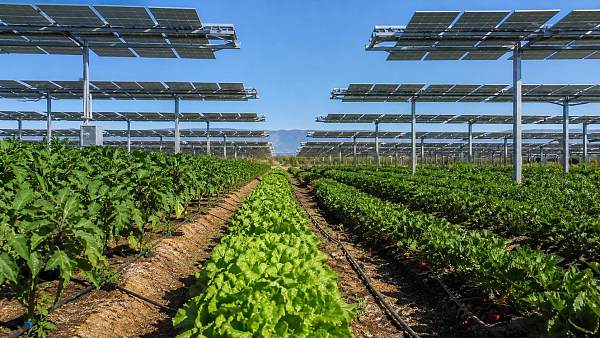
- Agrivoltaic use may require higher clearance and wider spacing
Review Losses, Compliance, and Future Risk
Strong solar PV systems design is not only about first-year production.
It must also stand up to grid rules, operating stress, and changing market conditions.
That means checking more than one energy model output.
Key Review Points
- Validate weather data source, uncertainty, and representativeness.
- Stress-test clipping, curtailment, and temperature derating assumptions.
- Check inverter loading under reactive power obligations.
- Confirm protection, SCADA, and communication compatibility.
- Review spare parts, replacement cycle, and repowering flexibility.
More projects now face evolving grid service obligations.
That makes inverter controls, plant controller behavior, and data quality part of the design scope.
A technically acceptable design today may become restrictive if future storage or control upgrades are needed.
What a Practical Decision Framework Looks Like
A practical solar PV systems design review should move in a simple sequence.
First define the commercial target.
Then confirm resource and site constraints.
After that, compare capacity options, inverter architectures, and layout scenarios on the same basis.
Finally, test whether the preferred option still works under realistic downside cases.
That approach keeps solar PV systems design tied to project value instead of isolated equipment choices.
In actual project work, the strongest designs are usually the ones that stay understandable across engineering, procurement, and operations teams.
When capacity, inverter selection, and layout all support the same objective, solar PV systems design becomes easier to defend, finance, and operate over the full asset life.
Questions about market trends? Contact Market Scope Live for deeper business insights.
We respect your privacy. Your information is strictly confidential.
Related News
 Solar PV SystemsIndustrial Parks in Vietnam: Comparing Locations, Costs and InfrastructureCompare industrial parks in Vietnam by location, costs, logistics and power infrastructure. Discover how to shortlist the right site for your business.MORE+
 Solar PV SystemsFloating Solar Systems: How to Assess Reservoir SuitabilityFloating solar systems need the right reservoir. Discover how to assess water levels, grid access, environmental risks, and costs before investing.MORE+
 Solar PV SystemsSmart Solar Tracking Systems: How to Evaluate Energy Gains and Site SuitabilityExplore how smart solar tracking systems can boost energy yield. Compare site suitability, lifecycle costs, and fixed-tilt alternatives to make a confident investment decision.MORE+
 Solar PV SystemsFloating Solar Projects on Industrial Ponds: How to Assess Site SuitabilityAssess floating solar projects on industrial ponds with a practical guide to water levels, mooring, electrical connections, and site risks.MORE+
 Solar PV SystemsTurkey Allocates 785 MW of Grid Capacity in YEKA Solar TenderTurkey's YEKA solar tender allocates 785 MW of grid capacity across 11 sites. Explore what the results could mean for developers and suppliers.MORE+
 Solar PV SystemsChoosing String Inverters for Solar PV: Sizing, MPPT and ShadingChoose string inverters with confidence. Compare DC-to-AC sizing, MPPT allocation and shading impacts to improve solar PV performance.MORE+
 Solar PV SystemsChoosing Solar Racking Systems for Rooftops: Roof Type and Load FactorsChoosing solar racking systems for rooftops? Compare roof types, load factors and mounting options to plan a safer, more reliable installation.MORE+
 Solar PV SystemsSolar Tracking System Pricing: What to Include in a Project BudgetUnderstand solar tracking systems pricing and build a reliable project budget. Compare supplier quotes, uncover hidden costs, and assess long-term value.MORE+
 Solar PV SystemsChina Adds 110.83 GW of Solar in First Nine Months of 2026, Down 53.9%China solar additions reportedly fell 53.9% to 110.83 GW in January–September 2026. Explore pricing reform impacts and practical insights for project planning and procurement.MORE+
 Solar PV SystemsHow to Vet Solar Equipment Manufacturers: Quality, Warranties, and Lead TimesSearching “renewable equipment manufacturers solar”? Learn how to verify quality, compare warranties, and validate lead times to shortlist reliable suppliers and reduce project risk.MORE+
 Solar PV SystemsCommercial Rooftop Solar in India: How to Calculate Costs and PaybackCommercial rooftop solar India guide: calculate installation costs, estimate realistic savings and payback, and compare EPC quotes to make a smarter business investment.MORE+
 Solar PV SystemsSolar EPC Contractor Pricing: How to Compare Quotes and Spot ExclusionsCompare solar EPC contractor pricing with confidence. Learn how to spot exclusions, assess allowances, and uncover hidden costs before choosing the right quote for your project.MORE+
 Solar PV SystemsHow to Assess Site and Grid Feasibility for Solar Power Generation ProjectsAssess solar power generation projects with practical guidance on site suitability, grid capacity, connection costs, and curtailment risks. Make smarter investment decisions before committing capital.MORE+
 Solar PV SystemsPepco Approves ConnectDER Meter Adapters for Solar, Storage and EV Charging in D.C.Pepco approves ConnectDER meter adapters in D.C. for solar, storage and EV charging. Discover how meter-level connections could simplify installation and reduce costs.MORE+
 Solar PV SystemsTOPCon Photovoltaic Modules: Selection Criteria for High-Temperature Utility ProjectsTOPCon photovoltaic modules for hot-climate utility projects: compare temperature performance, bifacial yield, reliability, and electrical compatibility for stronger lifetime returns.MORE+
 Solar PV SystemsHow to Verify PV Module Supplier Capability Before Utility-Scale ProcurementVerify PV module supplier capability before utility-scale procurement with a practical checklist for factory audits, certifications, traceability, capacity, warranties, and risk control.MORE+
 Solar PV SystemsHow to Size Solar Power Generation Systems for Commercial Sites and Peak LoadsSolar power generation systems for commercial sites: learn to size PV for load profiles, peak demand, grid limits, storage, and future growth.MORE+
 Solar PV SystemsSolar Farm Construction: How to Plan Site, Grid Access, and Build RiskSolar farm construction insights for smarter site planning, grid access, procurement, and build-risk control—helping projects reach energization with confidence.MORE+
 Solar PV SystemsWhich Solar Inverter Certifications Are Mandatory in North America?What certifications are mandatory for solar inverters in North American markets? Explore UL 1741, IEEE 1547, CSA rules, and utility approval essentials.MORE+
 Solar PV SystemsWhat Is the Typical Payback Period for Commercial Solar PV in 2026?What is the typical payback period for a commercial solar PV installation in 2026? Explore the key cost, tariff, incentive, and sizing factors that shape returns.MORE+
 Solar PV SystemsWhat Causes Voltage Fluctuations When Large PV Plants Connect to Weak Grids?What causes voltage fluctuation when large solar PV plants connect to weak grids? Explore root causes, diagnostics, and proven mitigation strategies.MORE+
 Solar PV SystemsWhat Determines Solar Power Generation Efficiency in Commercial PV Projects?Solar power generation efficiency in commercial PV projects depends on more than module ratings—explore site resource, design, grid, and O&M factors that maximize long-term energy yield.MORE+
 Solar PV SystemsCommercial Rooftop Solar Financing: Comparing Loans, Leases, and PPAsCommercial rooftop solar financing explained: compare loans, leases, and PPAs to choose the right balance of savings, ownership, flexibility, and risk.MORE+
 Solar PV SystemsPV Bid Evaluation: How to Compare EPC Proposals Beyond the Lowest PricePV bid evaluation helps procurement teams compare EPC proposals beyond price—assess scope, energy yield, schedule, supply chain, warranties, and contract risk to protect long-term solar asset value.MORE+
 Solar PV SystemsWhat Environmental Permits Are Needed for Floating Solar on Reservoirs?What environmental permits are needed for floating solar on reservoirs? Explore water-use, EIA, shoreline, biodiversity, and water-quality approvals for smarter FPV development.MORE+
 Solar PV SystemsHow Long Does Utility-Scale Solar Grid Approval Take in 2026?How long does utility scale solar grid approval typically take in 2026? Explore timelines, queue risks, upgrade costs, and strategies to accelerate project delivery.MORE+
 Solar PV SystemsDo Agrivoltaic Projects Significantly Reduce Crop Yields in Hot Climates?Do agrivoltaic projects reduce crop yield significantly in hot climates? Explore how smart shade, crop selection, irrigation, and solar design can protect yields, improve quality, and strengthen dual-use land value.MORE+
 Solar PV SystemsHow Predictive Solar Plant O&M Reduces Downtime and Protects Energy YieldPredictive solar plant O&M helps cut downtime, detect faults early, prioritize repairs, and protect long-term energy yield with actionable data insights.MORE+
 Solar PV SystemsWhat Grid Connection Requirements Apply to Solar-Powered EV Charging?Solar farm grid connection requirements for EV charging explained: explore import/export limits, protection, storage, grid codes, and smart design strategies.MORE+
 Solar PV SystemsHow Much Solar Farm Capacity Is Needed to Offset Charging Demand in 2026?How to plan solar farm capacity to offset charging station demand in 2026? Explore sizing formulas, grid limits, storage strategies, and scalable EV charging solutions.MORE+
 Solar PV SystemsWhat Are the Actual Maintenance Costs of Solar Canopy Inverters?What are the real maintenance costs of solar inverters on charging canopies? Explore service, monitoring, repairs, downtime, and smarter lifecycle budgeting.MORE+
 Solar PV SystemsWhat Should Building Owners Evaluate Before Installing Rooftop Solar Photovoltaic?Rooftop solar photovoltaic planning starts with the right questions. Learn how to assess roof strength, load profile, grid limits, permits, and ROI before investing.MORE+
 Solar PV SystemsChina’s First Compute-Power and Green Power Direct Supply Project Enters OperationChina’s first compute-power and green power direct supply project begins operation, linking 500 MW solar power with data center demand for higher efficiency and stronger green energy credibility.MORE+
 Solar PV SystemsWhat Should Be Included in Solar Plant Engineering Design for Utility-Scale Projects?Solar plant engineering design for utility-scale projects should cover site constraints, layout, electrical systems, grid compliance, safety, and O&M—see what a complete, bankable design package must include.MORE+
 Solar PV SystemsUSTR Opens CVD Review on Chinese PV ModulesUSTR opens a CVD review on Chinese PV modules, raising questions over tariffs, sourcing, and Southeast Asia supply chains. See what importers and developers should watch now.MORE+
 Solar PV SystemsHow to Evaluate Rooftop Solar EPC Contractors for Commercial PV ProjectsRooftop solar EPC contractors can make or break commercial PV success. Learn how to compare engineering, grid, safety, scope, and risk control before choosing the right partner.MORE+
 Solar PV SystemsFixed Tilt Solar Racking: How to Evaluate Wind Load, Site Layout, and ROIFixed tilt solar racking guide: learn how to assess wind load, site layout, grading, foundations, and ROI to avoid hidden costs and choose a smarter solar structure.MORE+
 Solar PV SystemsHow to Choose Solar Modules for Commercial and Industrial PV Projects?Solar modules for C&I PV projects: learn how to compare efficiency, temperature performance, site suitability, warranty, and bankability to choose the right solution with confidence.MORE+
 Solar PV SystemsUSTR Extends Tariff Relief for Chinese PV ModulesUSTR Extends Tariff Relief for Chinese PV Modules through Dec. 31, 2026. See how the update affects solar procurement costs, project timelines, compliance, and U.S. market planning.MORE+
 Solar PV SystemsHow to Evaluate Solar PV Equipment in USA for Commercial and Utility ProjectsSolar PV equipment in USA evaluation for commercial and utility projects: learn how to compare performance, compliance, reliability, and supplier strength for smarter project decisions.MORE+