Solar Farm Investment Basics: Key Return Drivers, Risks, and Due Diligence Steps
Solar farm investment has moved well beyond a niche infrastructure play. It now sits at the intersection of power markets, grid reform, industrial decarbonization, and long-term asset strategy.
That shift matters because project value is no longer explained by module prices alone. Revenue certainty, interconnection timing, equipment quality, and operating assumptions often have more influence on real returns.
A disciplined view of solar farm investment helps separate attractive energy assets from projects that only look strong in headline models. In practice, the work starts with understanding what truly drives cash flow.
Why Solar Farm Investment Is Drawing Broader Attention
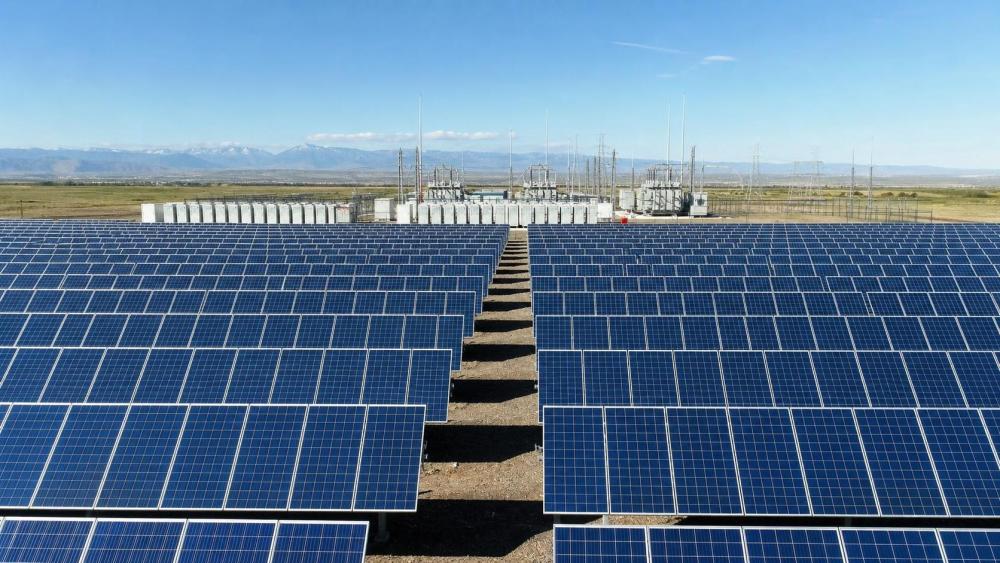
Utility-scale solar is expanding in markets facing fuel price volatility, electrification pressure, and carbon reduction targets. It is increasingly viewed as a core part of modern power infrastructure.
The wider energy transition also changes the context. Solar plants now interact with storage systems, smart grids, charging networks, and flexible demand rather than operating as isolated generation assets.
That broader system view is important. A project can have strong irradiation and still underperform financially if curtailment, congestion, or unstable off-take conditions limit energy monetization.
This is why market intelligence platforms such as EPEM matter in project review. They connect equipment trends, grid developments, financing conditions, and regional policy shifts into a more usable decision framework.
What a Solar Farm Investment Really Represents
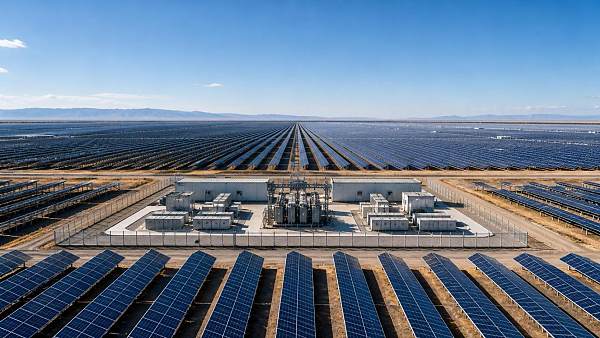
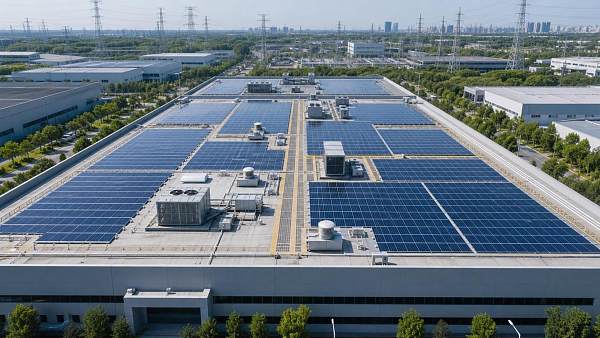
A solar farm is not simply a land parcel filled with PV modules. It is a long-duration infrastructure asset whose economics depend on engineering, regulation, contracts, and operational discipline.
In most cases, solar farm investment involves three layers of assessment. The first is physical performance. The second is revenue structure. The third is execution and lifecycle risk.
Physical performance covers irradiation, temperature profile, shading, soiling, design choices, inverter behavior, tracking strategy, and degradation. Small differences here compound over twenty years or more.
Revenue structure includes feed-in tariffs, merchant exposure, power purchase agreements, renewable certificate value, and any storage-linked arbitrage or capacity service upside.
Execution risk includes permitting, land rights, grid connection, EPC capability, supply chain reliability, and long-term O&M performance. Weakness in any one area can undermine the full model.
The Main Drivers Behind Returns
The strongest solar farm investment models usually share the same fundamentals: predictable energy yield, bankable revenues, realistic cost assumptions, and limited exposure to avoidable project delays.
Site and resource quality
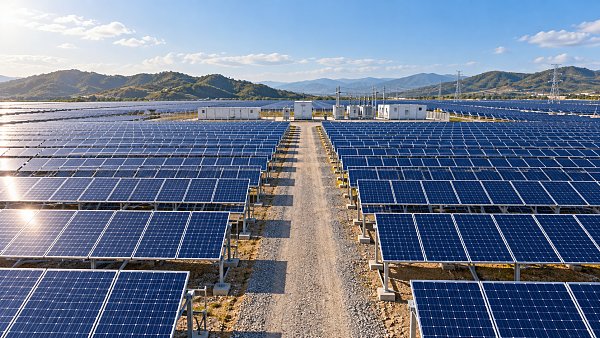
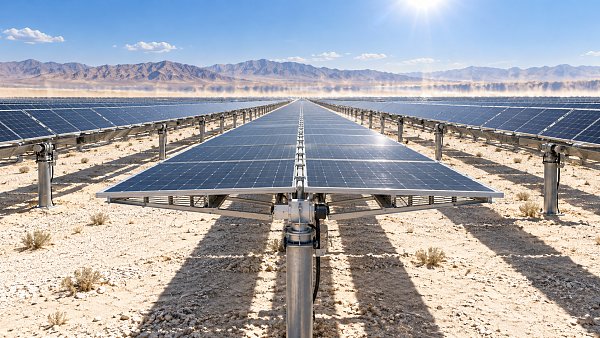
Solar resource remains the starting point, but not the whole story. Terrain, drainage, dust, wind loading, access roads, and land constraints affect both generation and construction cost.
Tariff and off-take design
A lower-yield project with stable contracted pricing may be superior to a higher-yield merchant project. Revenue bankability often matters more than optimistic top-line projections.
Grid connection and curtailment exposure
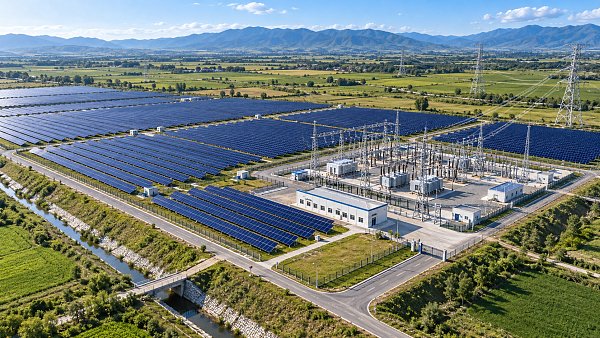
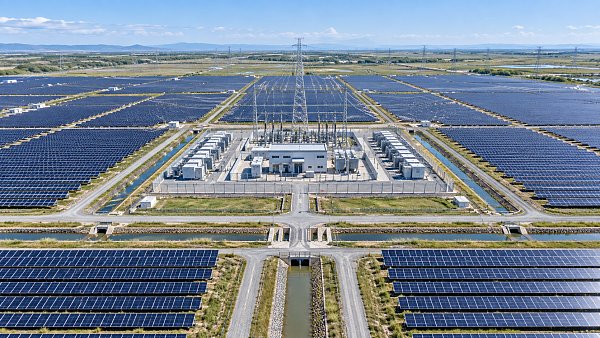
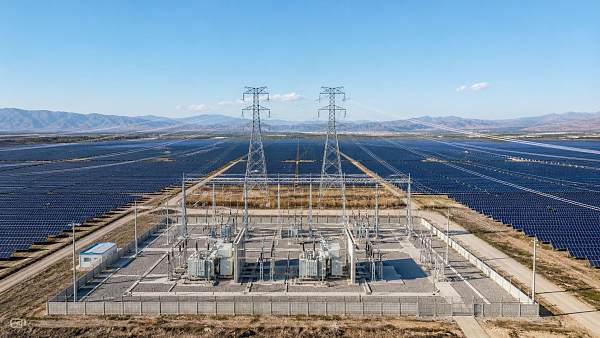
Interconnection has become one of the most critical variables in solar farm investment. Delayed grid access can destroy schedule assumptions, while congestion can reduce delivered energy after commissioning.
Equipment and system design
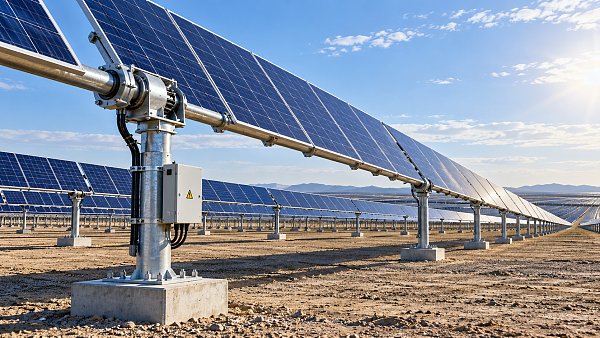
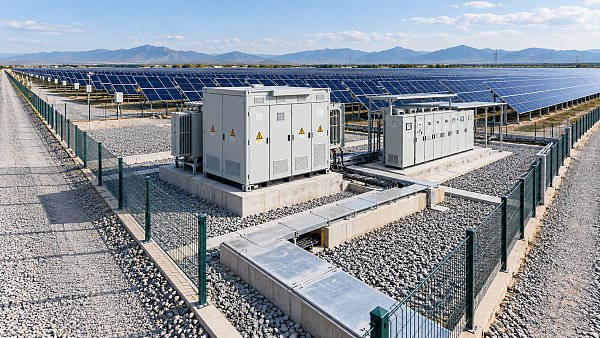
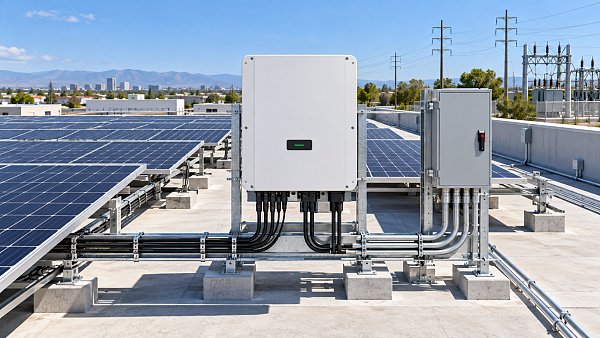
Module selection, inverter architecture, tracker reliability, cable layout, and transformer strategy all influence yield and downtime. Lower upfront cost is not always the lower lifecycle cost.
Capital structure
Interest rates, debt tenor, covenant terms, tax treatment, and reserve requirements can materially reshape equity returns. Financing is not a back-end detail. It is part of project design.
Where the Risks Usually Sit
Not all risks carry the same weight. Some are visible in the financial model. Others sit in appendices, permit conditions, or technical assumptions that receive less attention than they should.
Development risk often appears early. Land title defects, community opposition, environmental restrictions, and incomplete permits can delay or block project realization.
Construction risk follows closely. EPC underpricing, labor shortages, logistics disruption, and civil works surprises can push capex above plan and move commercial operation dates.
Operational risk becomes more relevant after commissioning. Underestimated soiling, inverter failure rates, poor SCADA visibility, and weak spare parts planning can erode expected yield.
Market risk is more variable by region. In merchant-heavy markets, daytime price cannibalization is becoming a central issue as solar penetration rises.
Policy risk still matters, especially where incentives, local content rules, import duties, or grid charging structures are changing. A project may be technically sound and still lose competitiveness.
Due Diligence That Supports Better Decisions
Effective due diligence for solar farm investment is less about collecting documents than about testing whether assumptions remain credible under less favorable conditions.
Start with the revenue case
Check the off-taker, pricing formula, escalation logic, termination clauses, and payment security. If merchant exposure exists, stress-test capture price assumptions rather than headline market prices.
Validate the energy model independently
Review irradiation data sources, loss factors, degradation curves, clipping assumptions, and weather normalization methods. Pay attention to whether P50 optimism is masking thin downside resilience.
Treat grid studies as core, not peripheral
Grid availability, upgrade obligations, dispatch restrictions, and curtailment history should be examined early. In many regions, interconnection is now the true bottleneck.
Review the supply chain behind the design
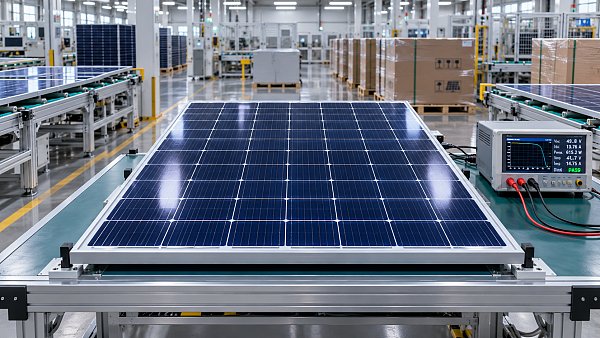
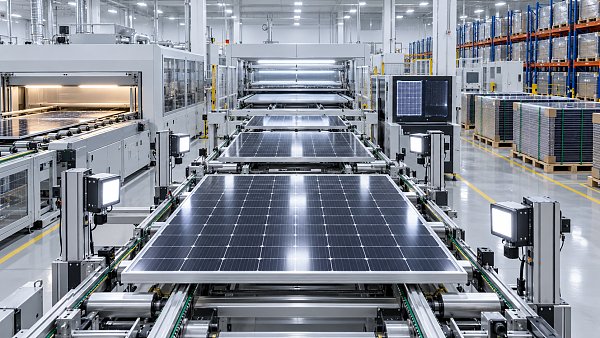
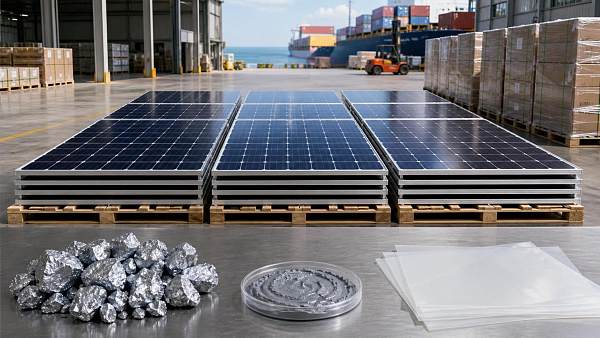
Module and inverter warranties matter, but so do factory quality, replacement lead times, bankability of suppliers, and compatibility with monitoring and grid code requirements.
Test lifecycle operating realism
O&M contracts, vegetation control, cleaning strategy, component replacement cycles, cybersecurity provisions, and insurance exclusions should align with actual site conditions.
- Use downside cases for delay, curtailment, lower capture prices, and higher replacement costs.
- Check whether financial covenants survive realistic production shortfalls.
- Compare EPC guarantees with the assumptions used in the investment memo.
- Review whether storage integration could improve dispatch value or reduce curtailment.
How Solar Fits the Wider Energy System
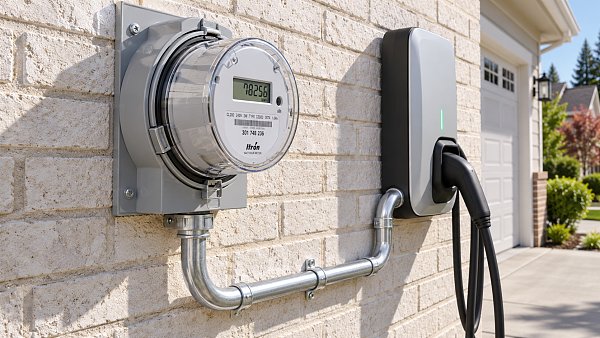
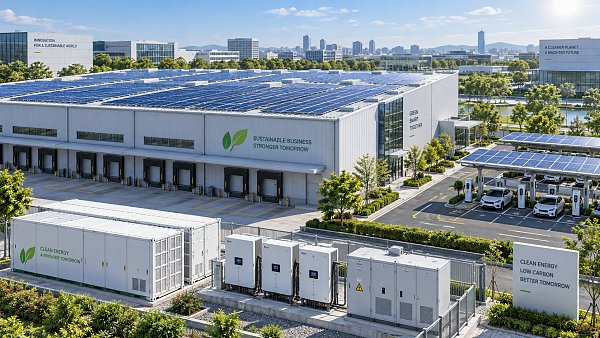
Solar farm investment is increasingly shaped by what happens around the plant. Grid modernization, battery storage, digital controls, and EV charging growth all affect project economics.
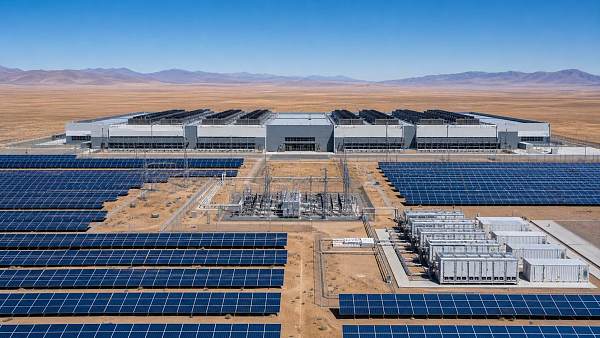
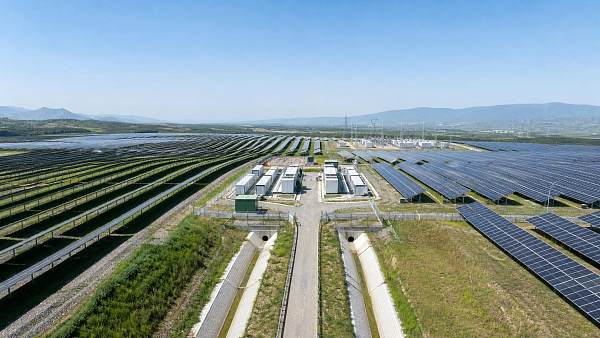
In some markets, solar-plus-storage can improve revenue quality by shifting output into higher-value hours. In others, the main value lies in easing grid constraints or supporting capacity commitments.
This system-level perspective is where EPEM provides practical context. Solar returns are easier to judge when generation, storage, grid automation, and charging infrastructure are evaluated as connected assets.
That matters especially for portfolio planning. A project that looks average on standalone IRR may become strategically stronger if it sits inside a region with rising electrification and improving network flexibility.
What to Clarify Before Moving Forward
Before advancing any solar farm investment, it helps to reduce the decision to a few disciplined questions. Is the revenue durable? Is the interconnection path credible? Are the technical assumptions independently supportable?
Then look at strategic fit. Consider whether the project complements storage, supports industrial power demand, or benefits from grid upgrades already in progress.
A useful next step is to build a comparison framework across candidate projects. Include yield quality, curtailment exposure, contract strength, capex certainty, supplier bankability, and long-term operating complexity.
That approach keeps solar farm investment grounded in asset quality rather than presentation quality. In a market where clean energy capacity is growing quickly, disciplined filtering is often the main source of investment advantage.
Questions about market trends? Contact Market Scope Live for deeper business insights.
We respect your privacy. Your information is strictly confidential.
Related News
 Solar PV SystemsSolar Mounting Structures Pricing: What Drives Costs for PV Projects?Solar mounting structures pricing depends on design, materials and site conditions. Learn how to compare bids, uncover hidden costs and make smarter PV project decisions.MORE+
 Solar PV SystemsIndustrial Parks in Vietnam: Comparing Locations, Costs and InfrastructureCompare industrial parks in Vietnam by location, costs, logistics and power infrastructure. Discover how to shortlist the right site for your business.MORE+
 Solar PV SystemsFloating Solar Systems: How to Assess Reservoir SuitabilityFloating solar systems need the right reservoir. Discover how to assess water levels, grid access, environmental risks, and costs before investing.MORE+
 Solar PV SystemsSmart Solar Tracking Systems: How to Evaluate Energy Gains and Site SuitabilityExplore how smart solar tracking systems can boost energy yield. Compare site suitability, lifecycle costs, and fixed-tilt alternatives to make a confident investment decision.MORE+
 Solar PV SystemsFloating Solar Projects on Industrial Ponds: How to Assess Site SuitabilityAssess floating solar projects on industrial ponds with a practical guide to water levels, mooring, electrical connections, and site risks.MORE+
 Solar PV SystemsTurkey Allocates 785 MW of Grid Capacity in YEKA Solar TenderTurkey's YEKA solar tender allocates 785 MW of grid capacity across 11 sites. Explore what the results could mean for developers and suppliers.MORE+
 Solar PV SystemsChoosing String Inverters for Solar PV: Sizing, MPPT and ShadingChoose string inverters with confidence. Compare DC-to-AC sizing, MPPT allocation and shading impacts to improve solar PV performance.MORE+
 Solar PV SystemsChoosing Solar Racking Systems for Rooftops: Roof Type and Load FactorsChoosing solar racking systems for rooftops? Compare roof types, load factors and mounting options to plan a safer, more reliable installation.MORE+
 Solar PV SystemsSolar Tracking System Pricing: What to Include in a Project BudgetUnderstand solar tracking systems pricing and build a reliable project budget. Compare supplier quotes, uncover hidden costs, and assess long-term value.MORE+
 Solar PV SystemsChina Adds 110.83 GW of Solar in First Nine Months of 2026, Down 53.9%China solar additions reportedly fell 53.9% to 110.83 GW in January–September 2026. Explore pricing reform impacts and practical insights for project planning and procurement.MORE+
 Solar PV SystemsHow to Vet Solar Equipment Manufacturers: Quality, Warranties, and Lead TimesSearching “renewable equipment manufacturers solar”? Learn how to verify quality, compare warranties, and validate lead times to shortlist reliable suppliers and reduce project risk.MORE+
 Solar PV SystemsCommercial Rooftop Solar in India: How to Calculate Costs and PaybackCommercial rooftop solar India guide: calculate installation costs, estimate realistic savings and payback, and compare EPC quotes to make a smarter business investment.MORE+
 Solar PV SystemsSolar EPC Contractor Pricing: How to Compare Quotes and Spot ExclusionsCompare solar EPC contractor pricing with confidence. Learn how to spot exclusions, assess allowances, and uncover hidden costs before choosing the right quote for your project.MORE+
 Solar PV SystemsHow to Assess Site and Grid Feasibility for Solar Power Generation ProjectsAssess solar power generation projects with practical guidance on site suitability, grid capacity, connection costs, and curtailment risks. Make smarter investment decisions before committing capital.MORE+
 Solar PV SystemsPepco Approves ConnectDER Meter Adapters for Solar, Storage and EV Charging in D.C.Pepco approves ConnectDER meter adapters in D.C. for solar, storage and EV charging. Discover how meter-level connections could simplify installation and reduce costs.MORE+
 Solar PV SystemsTOPCon Photovoltaic Modules: Selection Criteria for High-Temperature Utility ProjectsTOPCon photovoltaic modules for hot-climate utility projects: compare temperature performance, bifacial yield, reliability, and electrical compatibility for stronger lifetime returns.MORE+
 Solar PV SystemsHow to Verify PV Module Supplier Capability Before Utility-Scale ProcurementVerify PV module supplier capability before utility-scale procurement with a practical checklist for factory audits, certifications, traceability, capacity, warranties, and risk control.MORE+
 Solar PV SystemsHow to Size Solar Power Generation Systems for Commercial Sites and Peak LoadsSolar power generation systems for commercial sites: learn to size PV for load profiles, peak demand, grid limits, storage, and future growth.MORE+
 Solar PV SystemsSolar Farm Construction: How to Plan Site, Grid Access, and Build RiskSolar farm construction insights for smarter site planning, grid access, procurement, and build-risk control—helping projects reach energization with confidence.MORE+
 Solar PV SystemsWhich Solar Inverter Certifications Are Mandatory in North America?What certifications are mandatory for solar inverters in North American markets? Explore UL 1741, IEEE 1547, CSA rules, and utility approval essentials.MORE+
 Solar PV SystemsWhat Is the Typical Payback Period for Commercial Solar PV in 2026?What is the typical payback period for a commercial solar PV installation in 2026? Explore the key cost, tariff, incentive, and sizing factors that shape returns.MORE+
 Solar PV SystemsWhat Causes Voltage Fluctuations When Large PV Plants Connect to Weak Grids?What causes voltage fluctuation when large solar PV plants connect to weak grids? Explore root causes, diagnostics, and proven mitigation strategies.MORE+
 Solar PV SystemsWhat Determines Solar Power Generation Efficiency in Commercial PV Projects?Solar power generation efficiency in commercial PV projects depends on more than module ratings—explore site resource, design, grid, and O&M factors that maximize long-term energy yield.MORE+
 Solar PV SystemsCommercial Rooftop Solar Financing: Comparing Loans, Leases, and PPAsCommercial rooftop solar financing explained: compare loans, leases, and PPAs to choose the right balance of savings, ownership, flexibility, and risk.MORE+
 Solar PV SystemsPV Bid Evaluation: How to Compare EPC Proposals Beyond the Lowest PricePV bid evaluation helps procurement teams compare EPC proposals beyond price—assess scope, energy yield, schedule, supply chain, warranties, and contract risk to protect long-term solar asset value.MORE+
 Solar PV SystemsWhat Environmental Permits Are Needed for Floating Solar on Reservoirs?What environmental permits are needed for floating solar on reservoirs? Explore water-use, EIA, shoreline, biodiversity, and water-quality approvals for smarter FPV development.MORE+
 Solar PV SystemsHow Long Does Utility-Scale Solar Grid Approval Take in 2026?How long does utility scale solar grid approval typically take in 2026? Explore timelines, queue risks, upgrade costs, and strategies to accelerate project delivery.MORE+
 Solar PV SystemsDo Agrivoltaic Projects Significantly Reduce Crop Yields in Hot Climates?Do agrivoltaic projects reduce crop yield significantly in hot climates? Explore how smart shade, crop selection, irrigation, and solar design can protect yields, improve quality, and strengthen dual-use land value.MORE+
 Solar PV SystemsHow Predictive Solar Plant O&M Reduces Downtime and Protects Energy YieldPredictive solar plant O&M helps cut downtime, detect faults early, prioritize repairs, and protect long-term energy yield with actionable data insights.MORE+
 Solar PV SystemsWhat Grid Connection Requirements Apply to Solar-Powered EV Charging?Solar farm grid connection requirements for EV charging explained: explore import/export limits, protection, storage, grid codes, and smart design strategies.MORE+
 Solar PV SystemsHow Much Solar Farm Capacity Is Needed to Offset Charging Demand in 2026?How to plan solar farm capacity to offset charging station demand in 2026? Explore sizing formulas, grid limits, storage strategies, and scalable EV charging solutions.MORE+
 Solar PV SystemsWhat Are the Actual Maintenance Costs of Solar Canopy Inverters?What are the real maintenance costs of solar inverters on charging canopies? Explore service, monitoring, repairs, downtime, and smarter lifecycle budgeting.MORE+
 Solar PV SystemsWhat Should Building Owners Evaluate Before Installing Rooftop Solar Photovoltaic?Rooftop solar photovoltaic planning starts with the right questions. Learn how to assess roof strength, load profile, grid limits, permits, and ROI before investing.MORE+
 Solar PV SystemsChina’s First Compute-Power and Green Power Direct Supply Project Enters OperationChina’s first compute-power and green power direct supply project begins operation, linking 500 MW solar power with data center demand for higher efficiency and stronger green energy credibility.MORE+
 Solar PV SystemsWhat Should Be Included in Solar Plant Engineering Design for Utility-Scale Projects?Solar plant engineering design for utility-scale projects should cover site constraints, layout, electrical systems, grid compliance, safety, and O&M—see what a complete, bankable design package must include.MORE+
 Solar PV SystemsUSTR Opens CVD Review on Chinese PV ModulesUSTR opens a CVD review on Chinese PV modules, raising questions over tariffs, sourcing, and Southeast Asia supply chains. See what importers and developers should watch now.MORE+
 Solar PV SystemsHow to Evaluate Rooftop Solar EPC Contractors for Commercial PV ProjectsRooftop solar EPC contractors can make or break commercial PV success. Learn how to compare engineering, grid, safety, scope, and risk control before choosing the right partner.MORE+
 Solar PV SystemsFixed Tilt Solar Racking: How to Evaluate Wind Load, Site Layout, and ROIFixed tilt solar racking guide: learn how to assess wind load, site layout, grading, foundations, and ROI to avoid hidden costs and choose a smarter solar structure.MORE+
 Solar PV SystemsHow to Choose Solar Modules for Commercial and Industrial PV Projects?Solar modules for C&I PV projects: learn how to compare efficiency, temperature performance, site suitability, warranty, and bankability to choose the right solution with confidence.MORE+
 Solar PV SystemsUSTR Extends Tariff Relief for Chinese PV ModulesUSTR Extends Tariff Relief for Chinese PV Modules through Dec. 31, 2026. See how the update affects solar procurement costs, project timelines, compliance, and U.S. market planning.MORE+