Solar Farm Cost Breakdown: Land, EPC, Interconnection, and O&M Explained
Solar Farm Cost Breakdown: Land, EPC, Interconnection, and O&M Explained
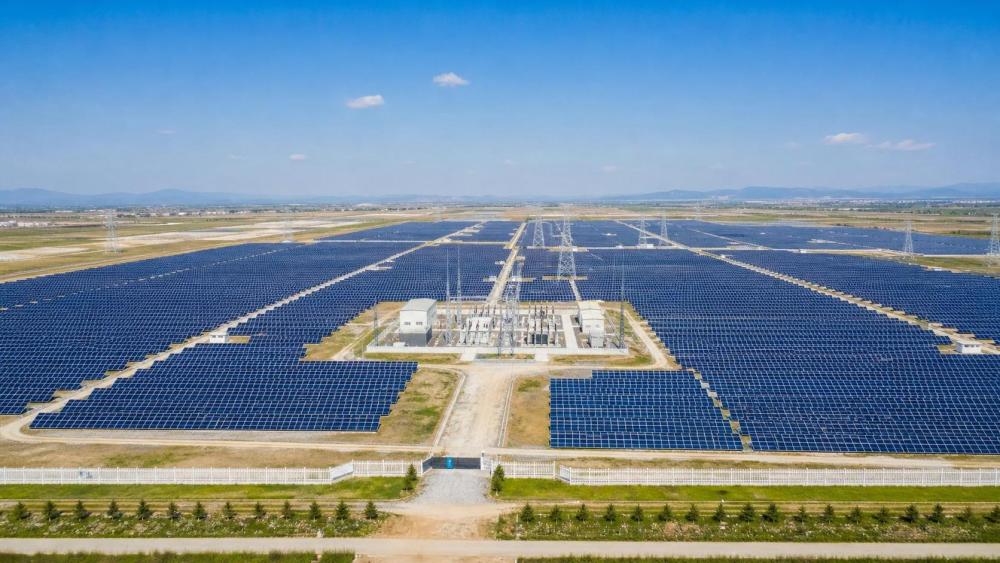
Understanding solar farm cost is essential for financial review. It shapes project feasibility, risk exposure, and long-term return assumptions.
A utility-scale project may look simple on paper. In practice, costs move across land, engineering, construction, grid access, and operating performance.
That is why a credible solar farm cost review goes beyond module prices. It must test every major capital and lifecycle assumption.
This guide breaks the budget into the four categories that most often change project economics: land, EPC, interconnection, and O&M.
The goal is practical. Better cost visibility supports cleaner approvals, stronger procurement logic, and fewer surprises after notice to proceed.
Why Solar Farm Cost Analysis Often Misses the Real Risk
Many early models focus on capex per watt. That metric is useful, but it hides where overruns usually begin.
Land may appear fixed, yet permitting delays, grading limits, and easement conditions can change usable acreage and construction scope.
EPC quotes may also look comparable while using different assumptions for civil works, contingency, tracker foundations, and owner-supplied equipment.
Interconnection creates another blind spot. A low preliminary estimate can later become a major balance-sheet issue.
O&M is often treated as a flat annual fee. Real operating cost depends on site conditions, spare parts, vegetation, cleaning needs, and availability targets.
A solid solar farm cost framework therefore links capital cost with energy yield, schedule certainty, and long-term asset performance.
Land Cost: More Than Purchase Price or Lease Rate
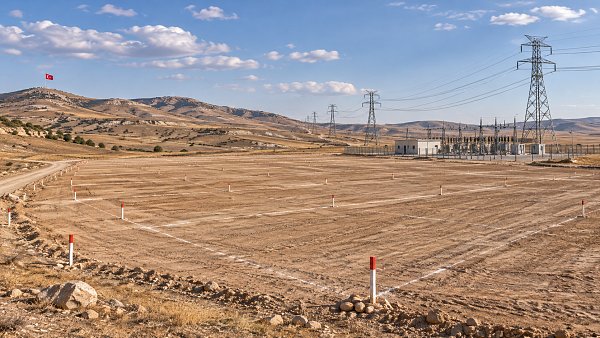
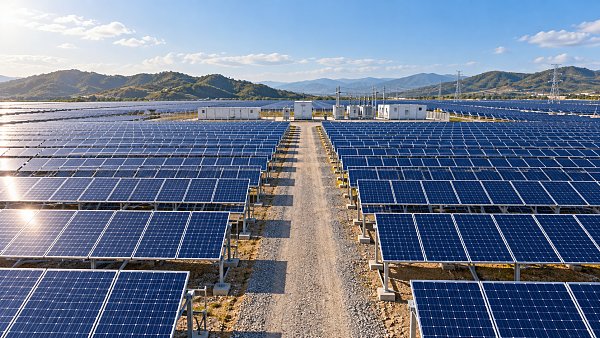
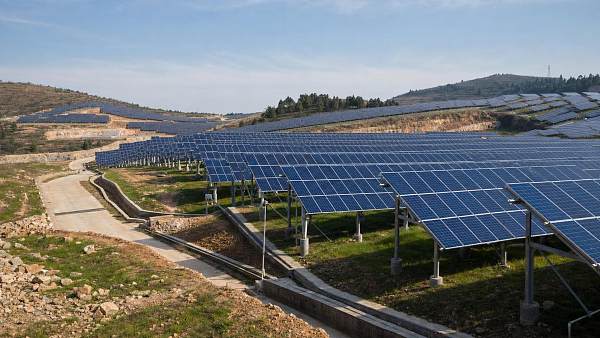
Land is the first visible line item in any solar farm cost estimate. It is rarely the simplest one.
The direct cost may be a purchase, a lease, or a staged option structure. Each model changes cash timing and project flexibility.
However, site suitability usually matters more than the headline land price. Cheap land can become expensive if development constraints are high.
Key land-related cost drivers
- Topography, grading, and drainage requirements
- Geotechnical conditions affecting pile design
- Wetlands, flood zones, and protected habitat restrictions
- Access roads and heavy equipment logistics
- Setbacks, easements, and right-of-way limitations
- Property taxes, escalation clauses, and restoration obligations
In actual procurement reviews, land should be tested by usable megawatt capacity, not by acreage alone.
A site with lower lease cost but higher civil complexity can weaken the overall solar farm cost profile.
It is also worth checking whether transmission proximity, water runoff rules, or community concerns may affect the schedule.
From a capital approval angle, land due diligence should happen before treating the site as bankable.
EPC Cost: The Largest Share of Solar Farm Cost
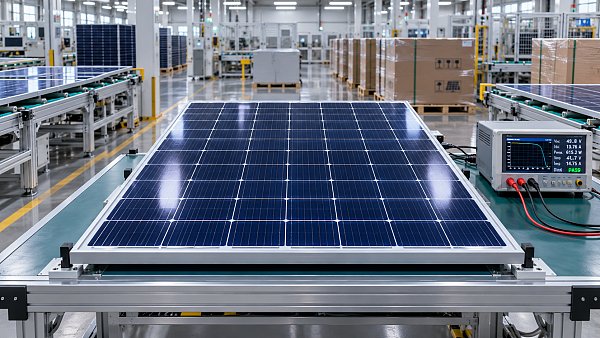
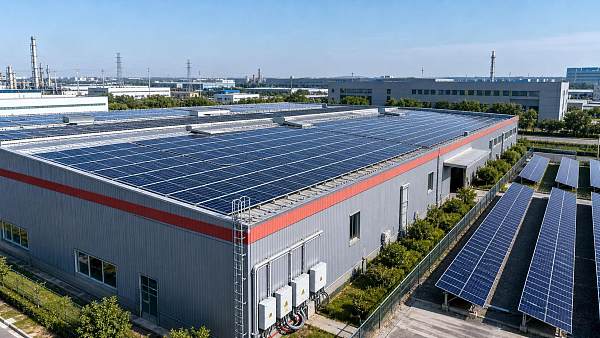
EPC usually represents the largest portion of solar farm cost. It combines engineering, procurement, and construction into one commercial package.
This is the line item most people compare first. It is also where quote structure can distort side-by-side evaluation.
Typical EPC components
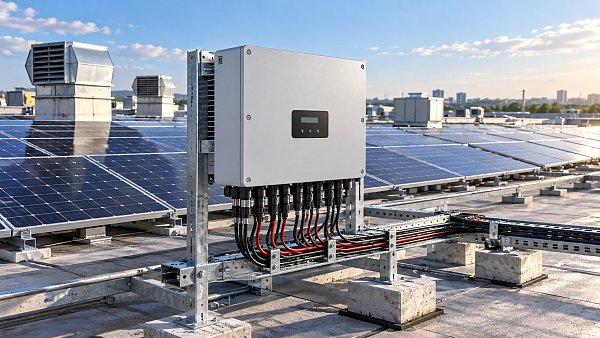
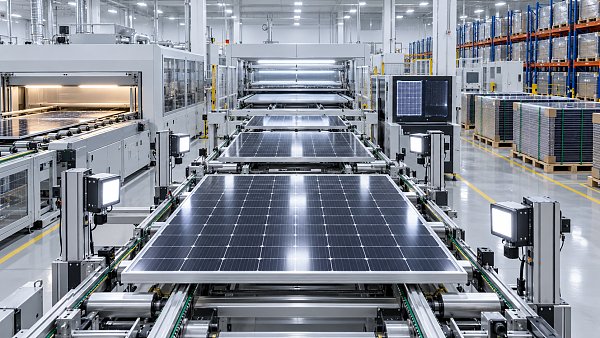
- PV modules, inverters, transformers, and combiner equipment
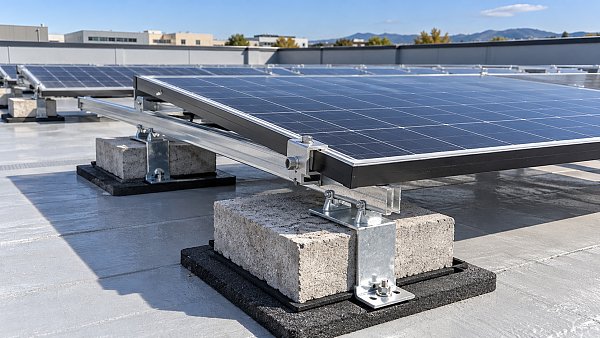
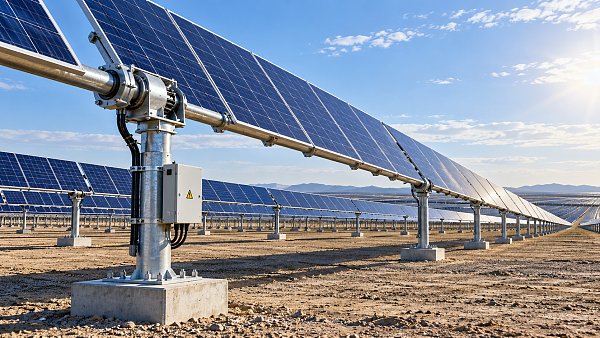
- Mounting structures or tracker systems
- DC and AC balance-of-system materials
- Civil works, fencing, roads, and drainage
- Substation scope and plant control systems
- Labor, commissioning, testing, and performance verification
The important question is not only total price. It is scope clarity.
For example, one EPC bid may exclude rock drilling, export cable trenching, spare inverter skids, or SCADA integration.
Another may include contingencies that make the quote look higher, while actually reducing delivery risk.
Procurement teams should also look at equipment bankability. Module degradation, inverter warranty terms, and tracker reliability all influence lifecycle solar farm cost.
A lower EPC number can lose value quickly if replacement cycles are short or availability guarantees are weak.
Questions worth asking in EPC review
- What design assumptions are fixed, and what remains provisional?
- Which owner costs sit outside the EPC boundary?
- How are schedule delay damages and performance guarantees defined?
- Are logistics, import duties, and inflation risks fully addressed?
These questions make the solar farm cost comparison much more reliable than using capex per watt alone.
Interconnection Cost: The Budget Item That Changes Late
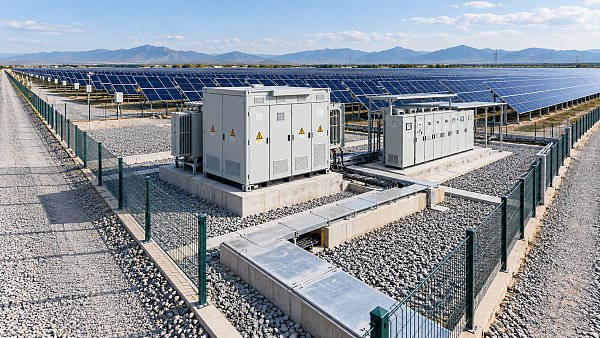
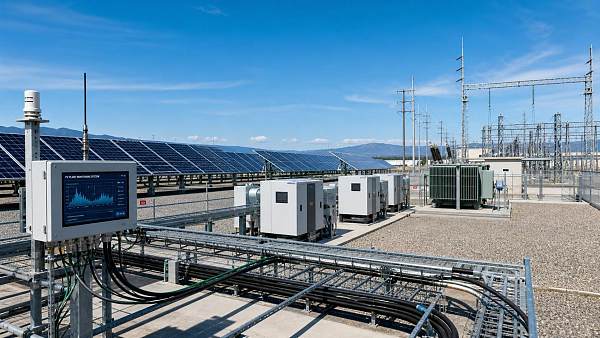
Interconnection is often the least predictable part of solar farm cost. It depends on grid conditions that are partly outside developer control.
At the concept stage, the project may only have rough assumptions for substation upgrades, protection schemes, network studies, and line extensions.
Later studies may require transformer replacement, breaker changes, reactive power equipment, or queue-driven transmission work.
Common interconnection cost elements
- Grid impact, facilities, and system studies
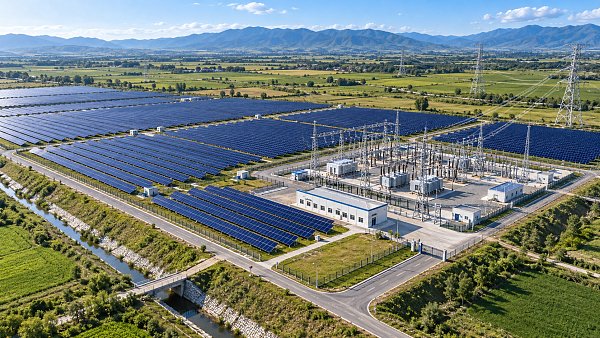
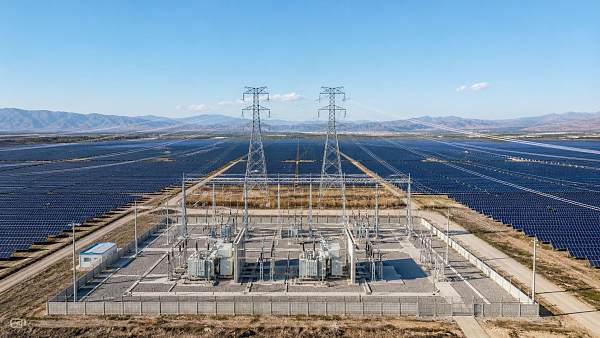
- Point-of-interconnection substation work
- Transmission or distribution line upgrades
- Protection, control, and telemetry integration
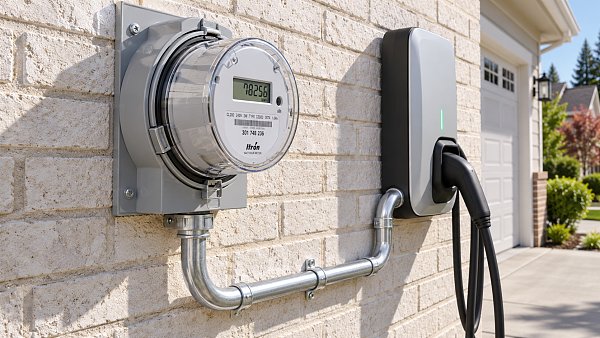
- Metering, compliance testing, and utility witness requirements
This part of solar farm cost also carries schedule risk. Delays in utility approvals can hold revenue even when plant construction is complete.
A disciplined review should ask whether the budget reflects the latest interconnection study, queue position, and utility construction timeline.
More importantly, sensitivity analysis should test upside cases. Interconnection overruns are rarely small enough to ignore.
O&M Cost: The Long-Tail Driver of Asset Performance
O&M may represent a smaller annual expense, but it shapes lifetime solar farm cost and revenue quality.
A weak operating plan can reduce availability, increase clipping losses, extend outage duration, and shorten equipment life.
O&M cost usually includes
- Preventive and corrective maintenance
- Remote monitoring and performance analytics
- Vegetation management and site security
- Module washing where soiling is material
- Spare parts, inverter service, and warranty administration
- Compliance inspections and high-voltage maintenance
The right benchmark is not the lowest annual fee. It is cost per megawatt supported by expected uptime and service depth.
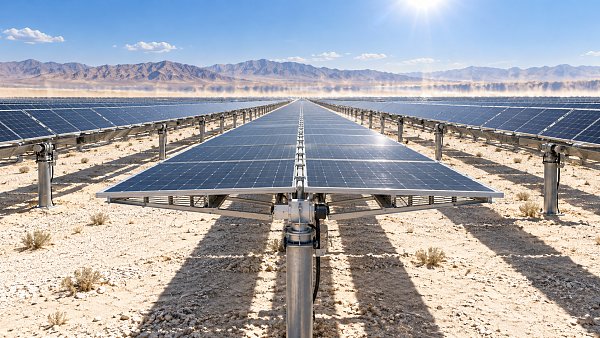
Sites with trackers, dusty climates, remote access, or frequent storms usually need a different O&M budget than clean, compact sites.
When the operating model looks too cheap, the missing cost often appears later through underperformance or unplanned repairs.
A Practical Solar Farm Cost Checklist for Approval Reviews
A good review process should convert estimates into decision-grade assumptions. That requires a structured checklist.
This type of review creates a more realistic solar farm cost picture. It also makes supplier comparisons easier to defend internally.
How to Compare Solar Farm Cost Assumptions with More Confidence
The strongest evaluations do not ask which bid is cheapest. They ask which cost structure is most credible over the asset life.
That means checking the relationship between capex, schedule, expected generation, and operating burden.
It also means challenging assumptions that look neat but unsupported, especially around interconnection timing and long-term maintenance.
In practical terms, solar farm cost should be reviewed through three filters: completeness, bankability, and resilience under downside scenarios.
When those filters are applied consistently, approvals become faster and post-award disputes become less common.
A solar project is a long-term infrastructure asset. The quality of the initial cost review usually determines whether it performs like one.
Before final approval, align the land file, EPC scope, interconnection status, and O&M plan into one investment view. That is where a reliable solar farm cost decision begins.
Questions about market trends? Contact Market Scope Live for deeper business insights.
We respect your privacy. Your information is strictly confidential.
Related News
 Solar PV SystemsIndustrial Parks in Vietnam: Comparing Locations, Costs and InfrastructureCompare industrial parks in Vietnam by location, costs, logistics and power infrastructure. Discover how to shortlist the right site for your business.MORE+
 Solar PV SystemsFloating Solar Systems: How to Assess Reservoir SuitabilityFloating solar systems need the right reservoir. Discover how to assess water levels, grid access, environmental risks, and costs before investing.MORE+
 Solar PV SystemsSmart Solar Tracking Systems: How to Evaluate Energy Gains and Site SuitabilityExplore how smart solar tracking systems can boost energy yield. Compare site suitability, lifecycle costs, and fixed-tilt alternatives to make a confident investment decision.MORE+
 Solar PV SystemsFloating Solar Projects on Industrial Ponds: How to Assess Site SuitabilityAssess floating solar projects on industrial ponds with a practical guide to water levels, mooring, electrical connections, and site risks.MORE+
 Solar PV SystemsTurkey Allocates 785 MW of Grid Capacity in YEKA Solar TenderTurkey's YEKA solar tender allocates 785 MW of grid capacity across 11 sites. Explore what the results could mean for developers and suppliers.MORE+
 Solar PV SystemsChoosing String Inverters for Solar PV: Sizing, MPPT and ShadingChoose string inverters with confidence. Compare DC-to-AC sizing, MPPT allocation and shading impacts to improve solar PV performance.MORE+
 Solar PV SystemsChoosing Solar Racking Systems for Rooftops: Roof Type and Load FactorsChoosing solar racking systems for rooftops? Compare roof types, load factors and mounting options to plan a safer, more reliable installation.MORE+
 Solar PV SystemsSolar Tracking System Pricing: What to Include in a Project BudgetUnderstand solar tracking systems pricing and build a reliable project budget. Compare supplier quotes, uncover hidden costs, and assess long-term value.MORE+
 Solar PV SystemsChina Adds 110.83 GW of Solar in First Nine Months of 2026, Down 53.9%China solar additions reportedly fell 53.9% to 110.83 GW in January–September 2026. Explore pricing reform impacts and practical insights for project planning and procurement.MORE+
 Solar PV SystemsHow to Vet Solar Equipment Manufacturers: Quality, Warranties, and Lead TimesSearching “renewable equipment manufacturers solar”? Learn how to verify quality, compare warranties, and validate lead times to shortlist reliable suppliers and reduce project risk.MORE+
 Solar PV SystemsCommercial Rooftop Solar in India: How to Calculate Costs and PaybackCommercial rooftop solar India guide: calculate installation costs, estimate realistic savings and payback, and compare EPC quotes to make a smarter business investment.MORE+
 Solar PV SystemsSolar EPC Contractor Pricing: How to Compare Quotes and Spot ExclusionsCompare solar EPC contractor pricing with confidence. Learn how to spot exclusions, assess allowances, and uncover hidden costs before choosing the right quote for your project.MORE+
 Solar PV SystemsHow to Assess Site and Grid Feasibility for Solar Power Generation ProjectsAssess solar power generation projects with practical guidance on site suitability, grid capacity, connection costs, and curtailment risks. Make smarter investment decisions before committing capital.MORE+
 Solar PV SystemsPepco Approves ConnectDER Meter Adapters for Solar, Storage and EV Charging in D.C.Pepco approves ConnectDER meter adapters in D.C. for solar, storage and EV charging. Discover how meter-level connections could simplify installation and reduce costs.MORE+
 Solar PV SystemsTOPCon Photovoltaic Modules: Selection Criteria for High-Temperature Utility ProjectsTOPCon photovoltaic modules for hot-climate utility projects: compare temperature performance, bifacial yield, reliability, and electrical compatibility for stronger lifetime returns.MORE+
 Solar PV SystemsHow to Verify PV Module Supplier Capability Before Utility-Scale ProcurementVerify PV module supplier capability before utility-scale procurement with a practical checklist for factory audits, certifications, traceability, capacity, warranties, and risk control.MORE+
 Solar PV SystemsHow to Size Solar Power Generation Systems for Commercial Sites and Peak LoadsSolar power generation systems for commercial sites: learn to size PV for load profiles, peak demand, grid limits, storage, and future growth.MORE+
 Solar PV SystemsSolar Farm Construction: How to Plan Site, Grid Access, and Build RiskSolar farm construction insights for smarter site planning, grid access, procurement, and build-risk control—helping projects reach energization with confidence.MORE+
 Solar PV SystemsWhich Solar Inverter Certifications Are Mandatory in North America?What certifications are mandatory for solar inverters in North American markets? Explore UL 1741, IEEE 1547, CSA rules, and utility approval essentials.MORE+
 Solar PV SystemsWhat Is the Typical Payback Period for Commercial Solar PV in 2026?What is the typical payback period for a commercial solar PV installation in 2026? Explore the key cost, tariff, incentive, and sizing factors that shape returns.MORE+
 Solar PV SystemsWhat Causes Voltage Fluctuations When Large PV Plants Connect to Weak Grids?What causes voltage fluctuation when large solar PV plants connect to weak grids? Explore root causes, diagnostics, and proven mitigation strategies.MORE+
 Solar PV SystemsWhat Determines Solar Power Generation Efficiency in Commercial PV Projects?Solar power generation efficiency in commercial PV projects depends on more than module ratings—explore site resource, design, grid, and O&M factors that maximize long-term energy yield.MORE+
 Solar PV SystemsCommercial Rooftop Solar Financing: Comparing Loans, Leases, and PPAsCommercial rooftop solar financing explained: compare loans, leases, and PPAs to choose the right balance of savings, ownership, flexibility, and risk.MORE+
 Solar PV SystemsPV Bid Evaluation: How to Compare EPC Proposals Beyond the Lowest PricePV bid evaluation helps procurement teams compare EPC proposals beyond price—assess scope, energy yield, schedule, supply chain, warranties, and contract risk to protect long-term solar asset value.MORE+
 Solar PV SystemsWhat Environmental Permits Are Needed for Floating Solar on Reservoirs?What environmental permits are needed for floating solar on reservoirs? Explore water-use, EIA, shoreline, biodiversity, and water-quality approvals for smarter FPV development.MORE+
 Solar PV SystemsHow Long Does Utility-Scale Solar Grid Approval Take in 2026?How long does utility scale solar grid approval typically take in 2026? Explore timelines, queue risks, upgrade costs, and strategies to accelerate project delivery.MORE+
 Solar PV SystemsDo Agrivoltaic Projects Significantly Reduce Crop Yields in Hot Climates?Do agrivoltaic projects reduce crop yield significantly in hot climates? Explore how smart shade, crop selection, irrigation, and solar design can protect yields, improve quality, and strengthen dual-use land value.MORE+
 Solar PV SystemsHow Predictive Solar Plant O&M Reduces Downtime and Protects Energy YieldPredictive solar plant O&M helps cut downtime, detect faults early, prioritize repairs, and protect long-term energy yield with actionable data insights.MORE+
 Solar PV SystemsWhat Grid Connection Requirements Apply to Solar-Powered EV Charging?Solar farm grid connection requirements for EV charging explained: explore import/export limits, protection, storage, grid codes, and smart design strategies.MORE+
 Solar PV SystemsHow Much Solar Farm Capacity Is Needed to Offset Charging Demand in 2026?How to plan solar farm capacity to offset charging station demand in 2026? Explore sizing formulas, grid limits, storage strategies, and scalable EV charging solutions.MORE+
 Solar PV SystemsWhat Are the Actual Maintenance Costs of Solar Canopy Inverters?What are the real maintenance costs of solar inverters on charging canopies? Explore service, monitoring, repairs, downtime, and smarter lifecycle budgeting.MORE+
 Solar PV SystemsWhat Should Building Owners Evaluate Before Installing Rooftop Solar Photovoltaic?Rooftop solar photovoltaic planning starts with the right questions. Learn how to assess roof strength, load profile, grid limits, permits, and ROI before investing.MORE+
 Solar PV SystemsChina’s First Compute-Power and Green Power Direct Supply Project Enters OperationChina’s first compute-power and green power direct supply project begins operation, linking 500 MW solar power with data center demand for higher efficiency and stronger green energy credibility.MORE+
 Solar PV SystemsWhat Should Be Included in Solar Plant Engineering Design for Utility-Scale Projects?Solar plant engineering design for utility-scale projects should cover site constraints, layout, electrical systems, grid compliance, safety, and O&M—see what a complete, bankable design package must include.MORE+
 Solar PV SystemsUSTR Opens CVD Review on Chinese PV ModulesUSTR opens a CVD review on Chinese PV modules, raising questions over tariffs, sourcing, and Southeast Asia supply chains. See what importers and developers should watch now.MORE+
 Solar PV SystemsHow to Evaluate Rooftop Solar EPC Contractors for Commercial PV ProjectsRooftop solar EPC contractors can make or break commercial PV success. Learn how to compare engineering, grid, safety, scope, and risk control before choosing the right partner.MORE+
 Solar PV SystemsFixed Tilt Solar Racking: How to Evaluate Wind Load, Site Layout, and ROIFixed tilt solar racking guide: learn how to assess wind load, site layout, grading, foundations, and ROI to avoid hidden costs and choose a smarter solar structure.MORE+
 Solar PV SystemsHow to Choose Solar Modules for Commercial and Industrial PV Projects?Solar modules for C&I PV projects: learn how to compare efficiency, temperature performance, site suitability, warranty, and bankability to choose the right solution with confidence.MORE+
 Solar PV SystemsUSTR Extends Tariff Relief for Chinese PV ModulesUSTR Extends Tariff Relief for Chinese PV Modules through Dec. 31, 2026. See how the update affects solar procurement costs, project timelines, compliance, and U.S. market planning.MORE+
 Solar PV SystemsHow to Evaluate Solar PV Equipment in USA for Commercial and Utility ProjectsSolar PV equipment in USA evaluation for commercial and utility projects: learn how to compare performance, compliance, reliability, and supplier strength for smarter project decisions.MORE+