
How to Evaluate Solar Plant O&M Services for Utility-Scale PV Performance
How to Evaluate Solar Plant O&M Services for Utility-Scale PV Performance
Choosing the right solar plant O&M services shapes energy yield, uptime, compliance, and asset value over many years.
For utility-scale PV plants, the decision goes far beyond grass cutting, module washing, and routine inspections.
A strong provider supports performance analytics, failure response, spare parts strategy, safety execution, and lifecycle planning.
That matters more now because projects face tighter margins, more grid constraints, and higher expectations from lenders and owners.
When evaluating solar plant O&M services, the practical question is simple: can this team protect long-term PV performance under real operating conditions?
Start With the Performance Risk Profile
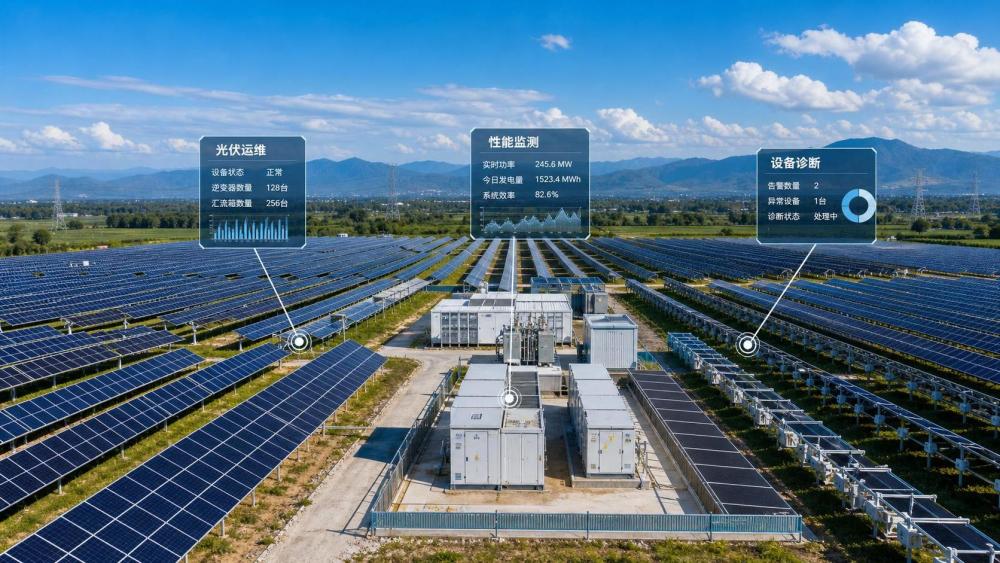
Every utility-scale plant has a different risk profile, so solar plant O&M services should be evaluated against plant-specific conditions first.
A desert site, coastal project, agrivoltaic plant, and tracker-based installation do not fail in the same way.
Begin with the main technical variables that influence production loss and operating complexity.
- Module technology, string design, inverter architecture, and tracker configuration
- Site weather, soiling rate, wind exposure, flooding risk, and temperature profile
- Grid curtailment patterns, interconnection requirements, and dispatch constraints
- Warranty status, equipment age, and known defect history
- Local labor availability, response logistics, and spare parts lead times
This step helps separate standard maintenance vendors from providers that can manage operational risk in context.
If a proposal looks generic, the provider probably has not understood the actual drivers of PV performance.
Check Whether the Scope Covers Real Utility-Scale Needs
Many solar plant O&M services look complete on paper, but the scope may still miss critical activities.
A utility-scale PV site needs both scheduled work and fast corrective action tied to measurable performance outcomes.
Review the service scope line by line, not just the summary page.
Core scope items to verify
- SCADA monitoring, alarm filtering, and remote diagnostics
- Preventive inspections for modules, inverters, combiner boxes, trackers, and protection systems
- Thermography, IV curve testing, string testing, and root cause analysis
- Vegetation control, cleaning strategy, drainage checks, and road maintenance
- Corrective maintenance with response times and escalation rules
- Spare parts stocking, warranty claim support, and vendor coordination
- HSE management, lockout-tagout procedures, and reporting compliance
The stronger providers explain what they do, how often they do it, and what triggers extra intervention.
That level of detail is a good indicator of whether the solar plant O&M services are built for asset performance, not just contract administration.
Evaluate Their Data and Diagnostics Capability
Today, utility-scale PV performance depends heavily on how well the operator uses plant data.
The best solar plant O&M services are not only maintenance teams. They are also diagnostic teams.
Ask how they detect underperformance before a major revenue loss appears in monthly reporting.
Useful questions to ask
- Do they analyze performance ratio, availability, clipping, and curtailment separately?
- Can they identify loss drivers at inverter, block, string, or tracker row level?
- How do they distinguish sensor errors from real production issues?
- Do they use trend analysis to predict inverter or tracker failure?
- Can they quantify lost generation and prioritize fixes by revenue impact?
This is where weaker providers become visible.
Some can acknowledge alarms, but cannot connect data signals to operational decisions.
For utility assets, solar plant O&M services should include clear diagnostic logic, not just dashboard access.
Compare Response Model, Staffing, and Field Execution
A good proposal can still fail in the field if the service model is thin.
So the next step is to test execution capacity, not only technical promises.
Look closely at crew structure, subcontracting dependence, and site coverage.
In actual operations, response quality often matters more than response speed alone.
Solar plant O&M services should restore performance reliably, not just arrive quickly and reopen the same issue later.
Review Spare Parts, Warranty Support, and Supply Risk
This area is often underestimated during procurement.
Yet many long outages come from missing components, slow OEM approvals, or unclear warranty ownership.
Ask providers how they plan critical spares for inverters, communications devices, tracker drives, fuses, and protection components.
A capable partner should define minimum stock, reorder points, storage conditions, and replacement lead times.
They should also explain who manages OEM communication, failure evidence, serial tracking, and claim follow-up.
Strong solar plant O&M services reduce supply-related downtime by combining technical planning with procurement discipline.
Look Beyond Price to Contract Structure
Low price can be attractive, but it often hides exclusions that later become operating costs.
When comparing solar plant O&M services, review the commercial structure as carefully as the technical scope.
Watch for these contract points
- Availability guarantees and how they are calculated
- Exclusions for grid events, weather damage, and OEM defects
- Caps on corrective work, truck rolls, and emergency callouts
- Reporting frequency, KPI definitions, and audit rights
- Termination rights, handover support, and data ownership
This is also the right point to check incentive alignment.
If the provider is rewarded only for routine tasks, plant performance may not improve much.
Better solar plant O&M services connect service quality to uptime, fault closure, and measurable PV performance outcomes.
Use a Practical Evaluation Framework
To make the final decision easier, score providers against the same operating criteria.
A simple weighted framework helps keep the process commercial, technical, and defensible.
- Define the plant risks that most affect revenue and compliance.
- Assign weights to diagnostics, field response, HSE, spares, and reporting.
- Request sample reports, incident logs, and maintenance records.
- Interview the operations manager, not only the sales team.
- Check at least two reference sites with similar scale and equipment mix.
- Model likely downtime costs from slower response or weaker spare support.
This approach creates a clearer basis for selecting solar plant O&M services under real utility-scale conditions.
It also helps internal stakeholders understand why one bid creates lower lifecycle risk than another.
In the end, the best provider is rarely the one with the shortest brochure or the cheapest annual fee.
It is the one that can protect PV performance, control downtime, and keep the asset bankable over time.
For utility-scale portfolios, evaluating solar plant O&M services with this level of rigor usually pays back well before the contract term ends.
Questions about market trends? Contact Market Scope Live for deeper business insights.
We respect your privacy. Your information is strictly confidential.
Related News
 Solar PV SystemsIndustrial Parks in Vietnam: Comparing Locations, Costs and InfrastructureCompare industrial parks in Vietnam by location, costs, logistics and power infrastructure. Discover how to shortlist the right site for your business.MORE+
 Solar PV SystemsFloating Solar Systems: How to Assess Reservoir SuitabilityFloating solar systems need the right reservoir. Discover how to assess water levels, grid access, environmental risks, and costs before investing.MORE+
 Solar PV SystemsSmart Solar Tracking Systems: How to Evaluate Energy Gains and Site SuitabilityExplore how smart solar tracking systems can boost energy yield. Compare site suitability, lifecycle costs, and fixed-tilt alternatives to make a confident investment decision.MORE+
 Solar PV SystemsFloating Solar Projects on Industrial Ponds: How to Assess Site SuitabilityAssess floating solar projects on industrial ponds with a practical guide to water levels, mooring, electrical connections, and site risks.MORE+
 Solar PV SystemsTurkey Allocates 785 MW of Grid Capacity in YEKA Solar TenderTurkey's YEKA solar tender allocates 785 MW of grid capacity across 11 sites. Explore what the results could mean for developers and suppliers.MORE+
 Solar PV SystemsChoosing String Inverters for Solar PV: Sizing, MPPT and ShadingChoose string inverters with confidence. Compare DC-to-AC sizing, MPPT allocation and shading impacts to improve solar PV performance.MORE+
 Solar PV SystemsChoosing Solar Racking Systems for Rooftops: Roof Type and Load FactorsChoosing solar racking systems for rooftops? Compare roof types, load factors and mounting options to plan a safer, more reliable installation.MORE+
 Solar PV SystemsSolar Tracking System Pricing: What to Include in a Project BudgetUnderstand solar tracking systems pricing and build a reliable project budget. Compare supplier quotes, uncover hidden costs, and assess long-term value.MORE+
 Solar PV SystemsChina Adds 110.83 GW of Solar in First Nine Months of 2026, Down 53.9%China solar additions reportedly fell 53.9% to 110.83 GW in January–September 2026. Explore pricing reform impacts and practical insights for project planning and procurement.MORE+
 Solar PV SystemsHow to Vet Solar Equipment Manufacturers: Quality, Warranties, and Lead TimesSearching “renewable equipment manufacturers solar”? Learn how to verify quality, compare warranties, and validate lead times to shortlist reliable suppliers and reduce project risk.MORE+
 Solar PV SystemsCommercial Rooftop Solar in India: How to Calculate Costs and PaybackCommercial rooftop solar India guide: calculate installation costs, estimate realistic savings and payback, and compare EPC quotes to make a smarter business investment.MORE+
 Solar PV SystemsSolar EPC Contractor Pricing: How to Compare Quotes and Spot ExclusionsCompare solar EPC contractor pricing with confidence. Learn how to spot exclusions, assess allowances, and uncover hidden costs before choosing the right quote for your project.MORE+
 Solar PV SystemsHow to Assess Site and Grid Feasibility for Solar Power Generation ProjectsAssess solar power generation projects with practical guidance on site suitability, grid capacity, connection costs, and curtailment risks. Make smarter investment decisions before committing capital.MORE+
 Solar PV SystemsPepco Approves ConnectDER Meter Adapters for Solar, Storage and EV Charging in D.C.Pepco approves ConnectDER meter adapters in D.C. for solar, storage and EV charging. Discover how meter-level connections could simplify installation and reduce costs.MORE+
 Solar PV SystemsTOPCon Photovoltaic Modules: Selection Criteria for High-Temperature Utility ProjectsTOPCon photovoltaic modules for hot-climate utility projects: compare temperature performance, bifacial yield, reliability, and electrical compatibility for stronger lifetime returns.MORE+
 Solar PV SystemsHow to Verify PV Module Supplier Capability Before Utility-Scale ProcurementVerify PV module supplier capability before utility-scale procurement with a practical checklist for factory audits, certifications, traceability, capacity, warranties, and risk control.MORE+
 Solar PV SystemsHow to Size Solar Power Generation Systems for Commercial Sites and Peak LoadsSolar power generation systems for commercial sites: learn to size PV for load profiles, peak demand, grid limits, storage, and future growth.MORE+
 Solar PV SystemsSolar Farm Construction: How to Plan Site, Grid Access, and Build RiskSolar farm construction insights for smarter site planning, grid access, procurement, and build-risk control—helping projects reach energization with confidence.MORE+
 Solar PV SystemsWhich Solar Inverter Certifications Are Mandatory in North America?What certifications are mandatory for solar inverters in North American markets? Explore UL 1741, IEEE 1547, CSA rules, and utility approval essentials.MORE+
 Solar PV SystemsWhat Is the Typical Payback Period for Commercial Solar PV in 2026?What is the typical payback period for a commercial solar PV installation in 2026? Explore the key cost, tariff, incentive, and sizing factors that shape returns.MORE+
 Solar PV SystemsWhat Causes Voltage Fluctuations When Large PV Plants Connect to Weak Grids?What causes voltage fluctuation when large solar PV plants connect to weak grids? Explore root causes, diagnostics, and proven mitigation strategies.MORE+
 Solar PV SystemsWhat Determines Solar Power Generation Efficiency in Commercial PV Projects?Solar power generation efficiency in commercial PV projects depends on more than module ratings—explore site resource, design, grid, and O&M factors that maximize long-term energy yield.MORE+
 Solar PV SystemsCommercial Rooftop Solar Financing: Comparing Loans, Leases, and PPAsCommercial rooftop solar financing explained: compare loans, leases, and PPAs to choose the right balance of savings, ownership, flexibility, and risk.MORE+
 Solar PV SystemsPV Bid Evaluation: How to Compare EPC Proposals Beyond the Lowest PricePV bid evaluation helps procurement teams compare EPC proposals beyond price—assess scope, energy yield, schedule, supply chain, warranties, and contract risk to protect long-term solar asset value.MORE+
 Solar PV SystemsWhat Environmental Permits Are Needed for Floating Solar on Reservoirs?What environmental permits are needed for floating solar on reservoirs? Explore water-use, EIA, shoreline, biodiversity, and water-quality approvals for smarter FPV development.MORE+
 Solar PV SystemsHow Long Does Utility-Scale Solar Grid Approval Take in 2026?How long does utility scale solar grid approval typically take in 2026? Explore timelines, queue risks, upgrade costs, and strategies to accelerate project delivery.MORE+
 Solar PV SystemsDo Agrivoltaic Projects Significantly Reduce Crop Yields in Hot Climates?Do agrivoltaic projects reduce crop yield significantly in hot climates? Explore how smart shade, crop selection, irrigation, and solar design can protect yields, improve quality, and strengthen dual-use land value.MORE+
 Solar PV SystemsHow Predictive Solar Plant O&M Reduces Downtime and Protects Energy YieldPredictive solar plant O&M helps cut downtime, detect faults early, prioritize repairs, and protect long-term energy yield with actionable data insights.MORE+
 Solar PV SystemsWhat Grid Connection Requirements Apply to Solar-Powered EV Charging?Solar farm grid connection requirements for EV charging explained: explore import/export limits, protection, storage, grid codes, and smart design strategies.MORE+
 Solar PV SystemsHow Much Solar Farm Capacity Is Needed to Offset Charging Demand in 2026?How to plan solar farm capacity to offset charging station demand in 2026? Explore sizing formulas, grid limits, storage strategies, and scalable EV charging solutions.MORE+
 Solar PV SystemsWhat Are the Actual Maintenance Costs of Solar Canopy Inverters?What are the real maintenance costs of solar inverters on charging canopies? Explore service, monitoring, repairs, downtime, and smarter lifecycle budgeting.MORE+
 Solar PV SystemsWhat Should Building Owners Evaluate Before Installing Rooftop Solar Photovoltaic?Rooftop solar photovoltaic planning starts with the right questions. Learn how to assess roof strength, load profile, grid limits, permits, and ROI before investing.MORE+
 Solar PV SystemsChina’s First Compute-Power and Green Power Direct Supply Project Enters OperationChina’s first compute-power and green power direct supply project begins operation, linking 500 MW solar power with data center demand for higher efficiency and stronger green energy credibility.MORE+
 Solar PV SystemsWhat Should Be Included in Solar Plant Engineering Design for Utility-Scale Projects?Solar plant engineering design for utility-scale projects should cover site constraints, layout, electrical systems, grid compliance, safety, and O&M—see what a complete, bankable design package must include.MORE+
 Solar PV SystemsUSTR Opens CVD Review on Chinese PV ModulesUSTR opens a CVD review on Chinese PV modules, raising questions over tariffs, sourcing, and Southeast Asia supply chains. See what importers and developers should watch now.MORE+
 Solar PV SystemsHow to Evaluate Rooftop Solar EPC Contractors for Commercial PV ProjectsRooftop solar EPC contractors can make or break commercial PV success. Learn how to compare engineering, grid, safety, scope, and risk control before choosing the right partner.MORE+
 Solar PV SystemsFixed Tilt Solar Racking: How to Evaluate Wind Load, Site Layout, and ROIFixed tilt solar racking guide: learn how to assess wind load, site layout, grading, foundations, and ROI to avoid hidden costs and choose a smarter solar structure.MORE+
 Solar PV SystemsHow to Choose Solar Modules for Commercial and Industrial PV Projects?Solar modules for C&I PV projects: learn how to compare efficiency, temperature performance, site suitability, warranty, and bankability to choose the right solution with confidence.MORE+
 Solar PV SystemsUSTR Extends Tariff Relief for Chinese PV ModulesUSTR Extends Tariff Relief for Chinese PV Modules through Dec. 31, 2026. See how the update affects solar procurement costs, project timelines, compliance, and U.S. market planning.MORE+
 Solar PV SystemsHow to Evaluate Solar PV Equipment in USA for Commercial and Utility ProjectsSolar PV equipment in USA evaluation for commercial and utility projects: learn how to compare performance, compliance, reliability, and supplier strength for smarter project decisions.MORE+


