Floating Solar Farm Design: Site Conditions, Mooring Choices, and Yield Factors Explained
Floating solar farm design has moved beyond a niche engineering topic. It now sits at the intersection of renewable generation, water use efficiency, grid expansion, and long-term asset performance.
That shift matters because floating PV is often evaluated where land is constrained, grid access is limited, or reservoir infrastructure already exists. In those cases, design quality directly affects feasibility.
A workable project is not defined by water surface alone. Site conditions, mooring behavior, electrical architecture, environmental stress, and energy yield assumptions all shape whether a concept becomes bankable.
For platforms such as EPEM, which connect technical and commercial energy intelligence, floating solar farm design is a useful example of how engineering choices influence project risk, procurement strategy, and lifecycle value.
Why Floating PV Is Drawing More Attention
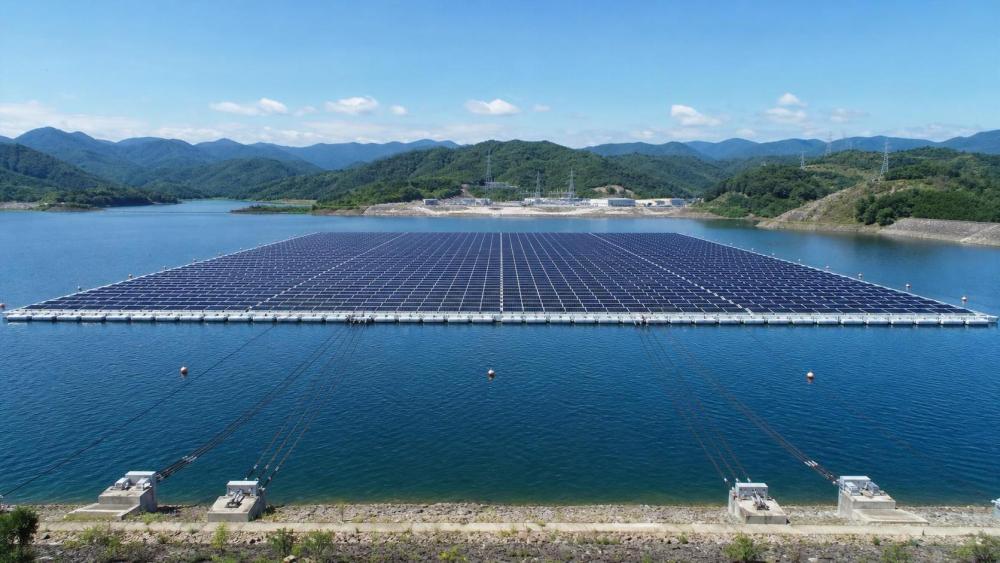
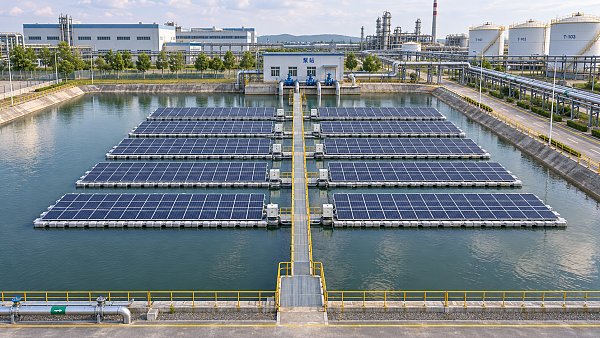
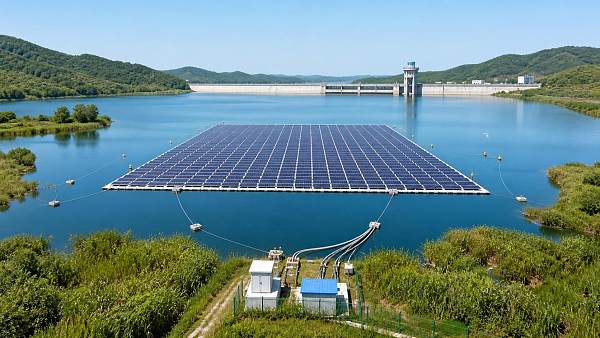
Floating PV answers several market pressures at once. It can unlock unused reservoirs, industrial ponds, quarry lakes, irrigation basins, and water treatment assets without competing directly with agricultural or urban land.
It also fits current power system trends. Utilities and developers are looking for solar capacity that can pair with storage, support distributed generation, and integrate into modernized grid infrastructure.
In some regions, floating systems also reduce evaporation and make use of existing substation links near pumping stations or hydro facilities. That combination improves project logic beyond simple module deployment.
Still, floating solar farm design introduces technical conditions that differ sharply from ground-mount arrays. Water level variation, wave motion, corrosion, anchoring loads, and maintenance access all become central design variables.
A Practical View of Floating Solar Farm Design
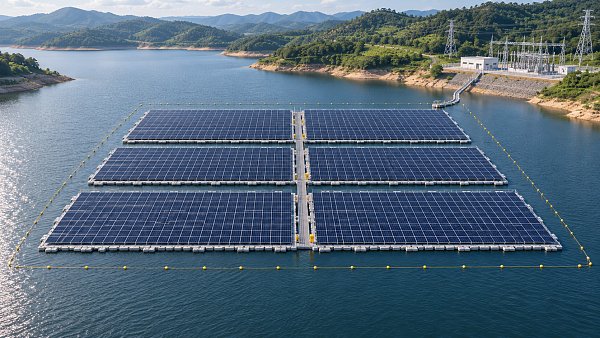
At its core, floating solar farm design is the coordinated design of the PV platform, buoyancy structure, anchoring and mooring system, electrical balance of plant, and operational access plan.
Those elements cannot be reviewed in isolation. A change in array size alters drag force. A change in mooring geometry affects platform movement. Electrical cable routing then has to accommodate that movement safely.
This is why early-stage screening should combine civil, mechanical, electrical, and environmental inputs. A promising irradiation profile can still fail under poor bathymetry, unstable banks, or difficult permitting conditions.
In practical terms, floating solar farm design is less about placing panels on water and more about managing dynamic conditions over a multi-decade operating period.
Site Conditions Set the Design Envelope
The most important design questions usually begin with the site. Water body type changes nearly every engineering assumption, from anchoring method to O&M logistics.
Hydrology and water level variation
Seasonal drawdown matters more than many early studies assume. Reservoirs with large level changes require mooring systems that tolerate movement without overstressing lines or damaging float assemblies.
Current flow, inflow points, spillway influence, and flood behavior also affect array positioning. Calm water during a site visit may not represent monsoon, storm, or discharge conditions.
Wind, waves, and fetch
Open-water fetch can generate significant wave loads even on inland sites. Wind direction frequency, gust intensity, and wave height should be linked to structural and mooring calculations.
Sites with irregular shorelines may create localized stress zones. Corners, narrow channels, and exposed edges often need different layout spacing or breakwater consideration.
Bathymetry and geotechnical constraints
Bottom profile determines whether driven piles, deadweights, screw anchors, or bank anchoring are realistic. Sediment stability, slope, and underwater obstructions can quickly change cost assumptions.
For technical review, this is where many conceptual designs become too optimistic. Mooring cost and installation complexity can rise sharply when subsurface data is weak.
Choosing Anchoring and Mooring Without Guesswork
Anchoring keeps the plant in place. Mooring manages how it moves. Good floating solar farm design balances both functions against water depth, level fluctuation, shoreline condition, and expected environmental loads.
The right choice depends on system behavior over time, not just initial installation cost. Line tension, abrasion, corrosion resistance, redundancy, and inspection access all deserve close review.
It is also useful to separate normal operation loads from extreme-event loads. Storm survival criteria often reveal whether the proposed mooring layout is conservative enough for financing and insurance review.
Platform Stability and Electrical Layout Affect More Than Safety
Mechanical stability influences electrical performance, maintenance efficiency, and component life. Excessive movement can stress cable terminations, increase connector failure risk, and complicate inverter or combiner placement.
Array spacing should consider shading, ventilation, service routes, and emergency access. Dense packing may improve water coverage ratios, but it can reduce maintainability and increase fault recovery time.
Electrical topology also changes on water. AC and DC cable routing must allow movement, resist moisture exposure, and minimize fatigue. Junction locations need protection without creating difficult maintenance islands.
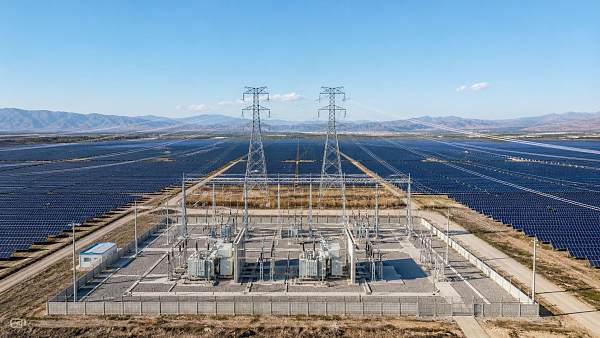
Where floating PV is linked with storage or nearby grid assets, design coordination becomes even more important. Inverter selection, transformer location, and export path can shape both capex and energy availability.
This is where broader energy intelligence becomes useful. EPEM’s cross-sector view of inverters, storage systems, grid modernization, and plant integration reflects the real decision environment around floating projects.
What Actually Drives Energy Yield
Yield assumptions for floating solar farm design should be evidence-based. The common expectation of improved performance from water cooling is directionally reasonable, but it is not a universal bankable uplift.
Local climate, module type, mounting density, albedo, wind exposure, and operating temperature determine whether cooling benefits are material. Some sites outperform ground-mount references. Others show only modest gains.
Three factors usually deserve the closest attention:
- Thermal behavior across seasons, especially at high humidity and low wind periods.
- Soiling, bird activity, and biofouling impacts on cleaning frequency and access planning.
- Availability losses from platform movement, cable faults, or difficult maintenance windows.
Long-term degradation should also reflect the floating environment. UV exposure, polymer aging, galvanic corrosion, and humid electrical conditions may affect real operating outcomes more than headline yield models suggest.
How to Review Feasibility in Real Projects
A credible floating solar farm design review usually combines technical screening with project execution logic. Strong resource conditions are helpful, but they do not replace disciplined due diligence.
Useful checkpoints include:
- Confirm hydrological records rather than relying on seasonal observation.
- Model mooring loads using credible wind, wave, and water level cases.
- Test electrical routing for movement, insulation durability, and serviceability.
- Check environmental permitting, water-use restrictions, and stakeholder constraints.
- Review O&M access, spare strategy, and inspection intervals before procurement.
It is also sensible to compare floating PV against nearby land-based alternatives, hybrid solar-plus-storage options, or reservoir-adjacent grid upgrades. The best answer is not always the most visually impressive concept.
Where the Next Decision Should Focus
Floating solar farm design is worth attention because it turns underused water assets into generation platforms, but only when environmental reality and engineering discipline stay aligned.
The next step is usually not a final technology choice. It is a sharper evaluation framework: site data quality, mooring suitability, electrical integration, yield realism, and lifecycle risk.
From there, comparison becomes more reliable. Options can be screened against grid needs, storage pairing, procurement timing, and long-term operating constraints, which is exactly where structured market and technical intelligence adds value.
When those inputs are organized early, floating PV moves from an interesting concept to an investable energy asset with clearer boundaries, better assumptions, and more defensible project economics.
Questions about market trends? Contact Market Scope Live for deeper business insights.
We respect your privacy. Your information is strictly confidential.
Related News
 Solar PV SystemsIndustrial Parks in Vietnam: Comparing Locations, Costs and InfrastructureCompare industrial parks in Vietnam by location, costs, logistics and power infrastructure. Discover how to shortlist the right site for your business.MORE+
 Solar PV SystemsFloating Solar Systems: How to Assess Reservoir SuitabilityFloating solar systems need the right reservoir. Discover how to assess water levels, grid access, environmental risks, and costs before investing.MORE+
 Solar PV SystemsSmart Solar Tracking Systems: How to Evaluate Energy Gains and Site SuitabilityExplore how smart solar tracking systems can boost energy yield. Compare site suitability, lifecycle costs, and fixed-tilt alternatives to make a confident investment decision.MORE+
 Solar PV SystemsFloating Solar Projects on Industrial Ponds: How to Assess Site SuitabilityAssess floating solar projects on industrial ponds with a practical guide to water levels, mooring, electrical connections, and site risks.MORE+
 Solar PV SystemsTurkey Allocates 785 MW of Grid Capacity in YEKA Solar TenderTurkey's YEKA solar tender allocates 785 MW of grid capacity across 11 sites. Explore what the results could mean for developers and suppliers.MORE+
 Solar PV SystemsChoosing String Inverters for Solar PV: Sizing, MPPT and ShadingChoose string inverters with confidence. Compare DC-to-AC sizing, MPPT allocation and shading impacts to improve solar PV performance.MORE+
 Solar PV SystemsChoosing Solar Racking Systems for Rooftops: Roof Type and Load FactorsChoosing solar racking systems for rooftops? Compare roof types, load factors and mounting options to plan a safer, more reliable installation.MORE+
 Solar PV SystemsSolar Tracking System Pricing: What to Include in a Project BudgetUnderstand solar tracking systems pricing and build a reliable project budget. Compare supplier quotes, uncover hidden costs, and assess long-term value.MORE+
 Solar PV SystemsChina Adds 110.83 GW of Solar in First Nine Months of 2026, Down 53.9%China solar additions reportedly fell 53.9% to 110.83 GW in January–September 2026. Explore pricing reform impacts and practical insights for project planning and procurement.MORE+
 Solar PV SystemsHow to Vet Solar Equipment Manufacturers: Quality, Warranties, and Lead TimesSearching “renewable equipment manufacturers solar”? Learn how to verify quality, compare warranties, and validate lead times to shortlist reliable suppliers and reduce project risk.MORE+
 Solar PV SystemsCommercial Rooftop Solar in India: How to Calculate Costs and PaybackCommercial rooftop solar India guide: calculate installation costs, estimate realistic savings and payback, and compare EPC quotes to make a smarter business investment.MORE+
 Solar PV SystemsSolar EPC Contractor Pricing: How to Compare Quotes and Spot ExclusionsCompare solar EPC contractor pricing with confidence. Learn how to spot exclusions, assess allowances, and uncover hidden costs before choosing the right quote for your project.MORE+
 Solar PV SystemsHow to Assess Site and Grid Feasibility for Solar Power Generation ProjectsAssess solar power generation projects with practical guidance on site suitability, grid capacity, connection costs, and curtailment risks. Make smarter investment decisions before committing capital.MORE+
 Solar PV SystemsPepco Approves ConnectDER Meter Adapters for Solar, Storage and EV Charging in D.C.Pepco approves ConnectDER meter adapters in D.C. for solar, storage and EV charging. Discover how meter-level connections could simplify installation and reduce costs.MORE+
 Solar PV SystemsTOPCon Photovoltaic Modules: Selection Criteria for High-Temperature Utility ProjectsTOPCon photovoltaic modules for hot-climate utility projects: compare temperature performance, bifacial yield, reliability, and electrical compatibility for stronger lifetime returns.MORE+
 Solar PV SystemsHow to Verify PV Module Supplier Capability Before Utility-Scale ProcurementVerify PV module supplier capability before utility-scale procurement with a practical checklist for factory audits, certifications, traceability, capacity, warranties, and risk control.MORE+
 Solar PV SystemsHow to Size Solar Power Generation Systems for Commercial Sites and Peak LoadsSolar power generation systems for commercial sites: learn to size PV for load profiles, peak demand, grid limits, storage, and future growth.MORE+
 Solar PV SystemsSolar Farm Construction: How to Plan Site, Grid Access, and Build RiskSolar farm construction insights for smarter site planning, grid access, procurement, and build-risk control—helping projects reach energization with confidence.MORE+
 Solar PV SystemsWhich Solar Inverter Certifications Are Mandatory in North America?What certifications are mandatory for solar inverters in North American markets? Explore UL 1741, IEEE 1547, CSA rules, and utility approval essentials.MORE+
 Solar PV SystemsWhat Is the Typical Payback Period for Commercial Solar PV in 2026?What is the typical payback period for a commercial solar PV installation in 2026? Explore the key cost, tariff, incentive, and sizing factors that shape returns.MORE+
 Solar PV SystemsWhat Causes Voltage Fluctuations When Large PV Plants Connect to Weak Grids?What causes voltage fluctuation when large solar PV plants connect to weak grids? Explore root causes, diagnostics, and proven mitigation strategies.MORE+
 Solar PV SystemsWhat Determines Solar Power Generation Efficiency in Commercial PV Projects?Solar power generation efficiency in commercial PV projects depends on more than module ratings—explore site resource, design, grid, and O&M factors that maximize long-term energy yield.MORE+
 Solar PV SystemsCommercial Rooftop Solar Financing: Comparing Loans, Leases, and PPAsCommercial rooftop solar financing explained: compare loans, leases, and PPAs to choose the right balance of savings, ownership, flexibility, and risk.MORE+
 Solar PV SystemsPV Bid Evaluation: How to Compare EPC Proposals Beyond the Lowest PricePV bid evaluation helps procurement teams compare EPC proposals beyond price—assess scope, energy yield, schedule, supply chain, warranties, and contract risk to protect long-term solar asset value.MORE+
 Solar PV SystemsWhat Environmental Permits Are Needed for Floating Solar on Reservoirs?What environmental permits are needed for floating solar on reservoirs? Explore water-use, EIA, shoreline, biodiversity, and water-quality approvals for smarter FPV development.MORE+
 Solar PV SystemsHow Long Does Utility-Scale Solar Grid Approval Take in 2026?How long does utility scale solar grid approval typically take in 2026? Explore timelines, queue risks, upgrade costs, and strategies to accelerate project delivery.MORE+
 Solar PV SystemsDo Agrivoltaic Projects Significantly Reduce Crop Yields in Hot Climates?Do agrivoltaic projects reduce crop yield significantly in hot climates? Explore how smart shade, crop selection, irrigation, and solar design can protect yields, improve quality, and strengthen dual-use land value.MORE+
 Solar PV SystemsHow Predictive Solar Plant O&M Reduces Downtime and Protects Energy YieldPredictive solar plant O&M helps cut downtime, detect faults early, prioritize repairs, and protect long-term energy yield with actionable data insights.MORE+
 Solar PV SystemsWhat Grid Connection Requirements Apply to Solar-Powered EV Charging?Solar farm grid connection requirements for EV charging explained: explore import/export limits, protection, storage, grid codes, and smart design strategies.MORE+
 Solar PV SystemsHow Much Solar Farm Capacity Is Needed to Offset Charging Demand in 2026?How to plan solar farm capacity to offset charging station demand in 2026? Explore sizing formulas, grid limits, storage strategies, and scalable EV charging solutions.MORE+
 Solar PV SystemsWhat Are the Actual Maintenance Costs of Solar Canopy Inverters?What are the real maintenance costs of solar inverters on charging canopies? Explore service, monitoring, repairs, downtime, and smarter lifecycle budgeting.MORE+
 Solar PV SystemsWhat Should Building Owners Evaluate Before Installing Rooftop Solar Photovoltaic?Rooftop solar photovoltaic planning starts with the right questions. Learn how to assess roof strength, load profile, grid limits, permits, and ROI before investing.MORE+
 Solar PV SystemsChina’s First Compute-Power and Green Power Direct Supply Project Enters OperationChina’s first compute-power and green power direct supply project begins operation, linking 500 MW solar power with data center demand for higher efficiency and stronger green energy credibility.MORE+
 Solar PV SystemsWhat Should Be Included in Solar Plant Engineering Design for Utility-Scale Projects?Solar plant engineering design for utility-scale projects should cover site constraints, layout, electrical systems, grid compliance, safety, and O&M—see what a complete, bankable design package must include.MORE+
 Solar PV SystemsUSTR Opens CVD Review on Chinese PV ModulesUSTR opens a CVD review on Chinese PV modules, raising questions over tariffs, sourcing, and Southeast Asia supply chains. See what importers and developers should watch now.MORE+
 Solar PV SystemsHow to Evaluate Rooftop Solar EPC Contractors for Commercial PV ProjectsRooftop solar EPC contractors can make or break commercial PV success. Learn how to compare engineering, grid, safety, scope, and risk control before choosing the right partner.MORE+
 Solar PV SystemsFixed Tilt Solar Racking: How to Evaluate Wind Load, Site Layout, and ROIFixed tilt solar racking guide: learn how to assess wind load, site layout, grading, foundations, and ROI to avoid hidden costs and choose a smarter solar structure.MORE+
 Solar PV SystemsHow to Choose Solar Modules for Commercial and Industrial PV Projects?Solar modules for C&I PV projects: learn how to compare efficiency, temperature performance, site suitability, warranty, and bankability to choose the right solution with confidence.MORE+
 Solar PV SystemsUSTR Extends Tariff Relief for Chinese PV ModulesUSTR Extends Tariff Relief for Chinese PV Modules through Dec. 31, 2026. See how the update affects solar procurement costs, project timelines, compliance, and U.S. market planning.MORE+
 Solar PV SystemsHow to Evaluate Solar PV Equipment in USA for Commercial and Utility ProjectsSolar PV equipment in USA evaluation for commercial and utility projects: learn how to compare performance, compliance, reliability, and supplier strength for smarter project decisions.MORE+