Fixed Tilt Solar Mounting Structures: How to Choose Materials, Wind Load, and Layout
Fixed tilt solar mounting structures look simple on the surface, yet they shape project performance in ways that reach far beyond steel tonnage or unit price.
Material choice, wind resistance, and array layout influence installation speed, structural stability, maintenance access, and long-term energy yield.
That is why fixed tilt solar mounting structures remain a practical focus across utility-scale plants, commercial rooftops, carports, and distributed energy assets.
Within the broader transition tracked by EPEM, mounting systems are not a minor accessory. They are part of the asset foundation that connects module performance, site conditions, and project economics.
Why this decision matters now
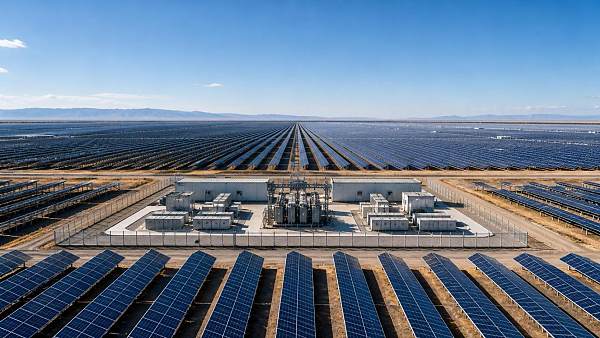
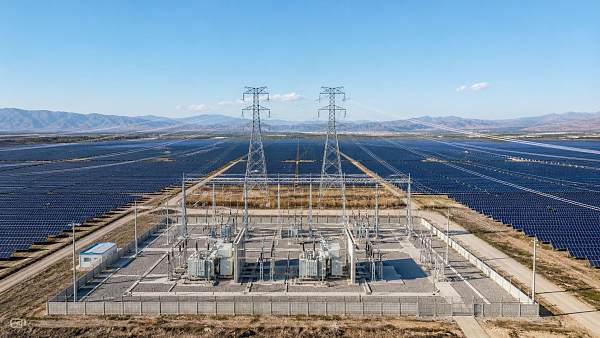
Solar deployment is expanding into harsher climates, tighter land parcels, and more diversified project models.
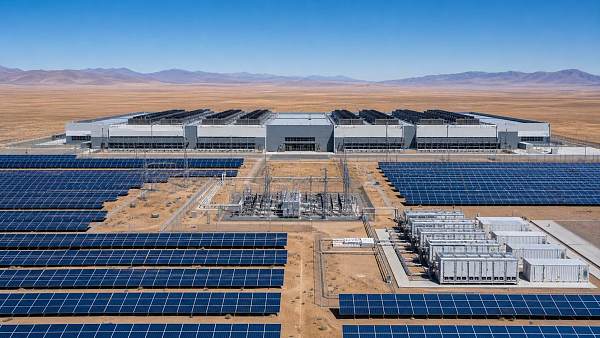
Developers are working with deserts, coastal zones, industrial rooftops, agrivoltaic layouts, and hybrid solar-plus-storage sites.
In these conditions, a weak support structure can reduce module reliability, increase construction delays, and raise lifecycle cost.
More attention is also going to bankability. Financiers and project owners increasingly want proof that key balance-of-system components match site-specific engineering assumptions.
Fixed tilt solar mounting structures often compete with tracker systems, but fixed tilt still wins in many cases.
The reasons are familiar: lower mechanical complexity, simpler O&M, easier installation, and better fit for regions where wind, terrain, or budget make tracking less attractive.
For grid-connected and distributed projects alike, the structure must support predictable output over decades, not just survive commissioning.
What fixed tilt solar mounting structures really include
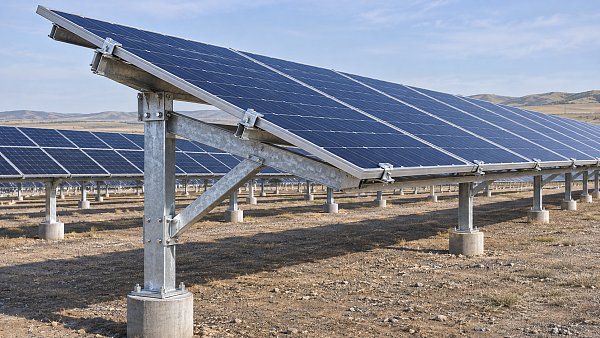
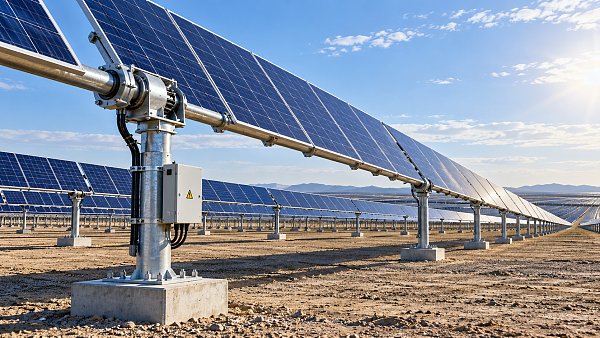
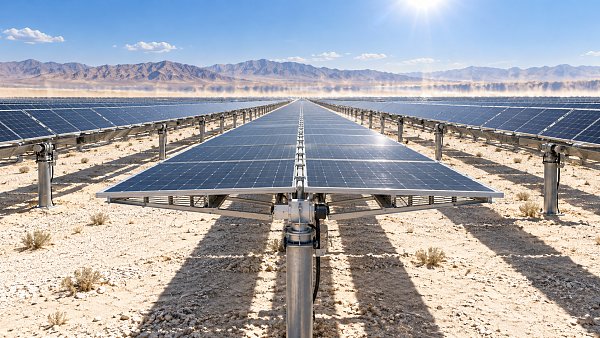
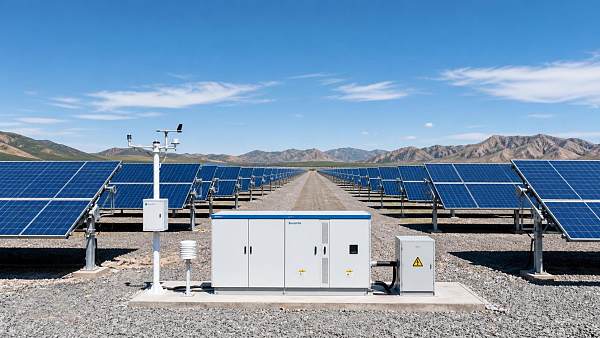
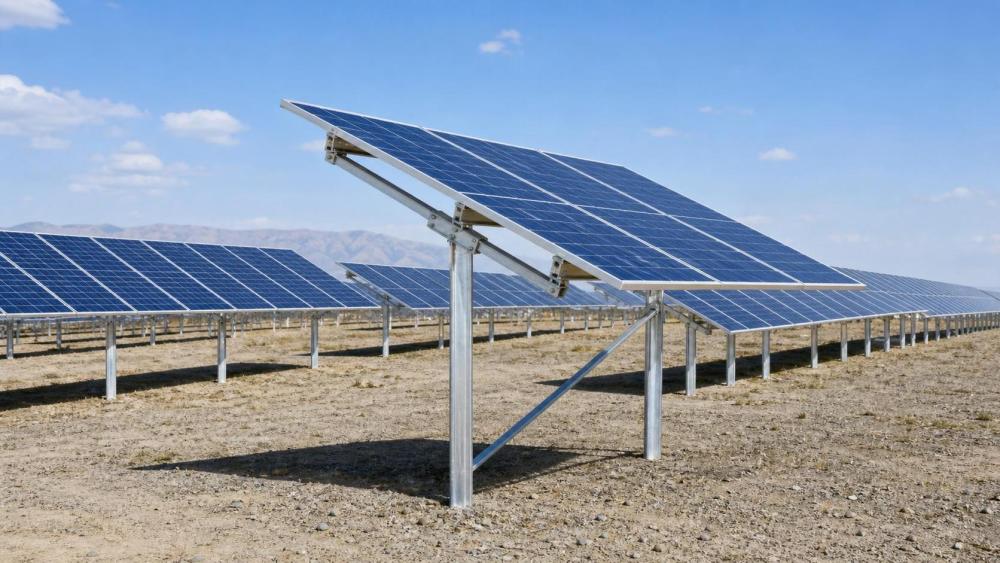
A fixed tilt system holds PV modules at a constant angle relative to the ground or roof surface.
Unlike trackers, it does not move during the day. That simplifies mechanical design but puts more pressure on getting the initial engineering right.
The full structure usually includes posts or foundations, beams, rails, bracing, clamps, fasteners, and grounding-related elements.
Its job is not only to carry static weight. It must resist uplift, vibration, thermal movement, corrosion, and installation tolerances.
In business terms, this is where structural engineering meets procurement discipline.
A mounting structure that appears equivalent on paper may behave very differently once soil variability, local wind maps, or module dimensions are applied.
Material selection is about environment, not preference
Material choice is one of the first filters when comparing fixed tilt solar mounting structures.
The common options are hot-dip galvanized steel, pre-galvanized steel, aluminum alloy, and combinations of both.
Steel is widely used in ground-mounted projects because it offers strong load capacity and cost efficiency at large scale.
Aluminum is lighter and often preferred for rooftops where dead load and handling matter more.
The better choice depends on corrosion category, structural span, installation method, and local supply capability.
Points that deserve closer review
- Galvanization thickness and coating consistency for steel components.
- Salt mist exposure near coastal sites or ports.
- Galvanic corrosion risk where aluminum and steel connect.
- Thermal expansion behavior across long rail sections.
- Availability of replacement fasteners with matching corrosion protection.
In practice, the wrong material decision usually does not fail immediately.
It shows up later through coating damage, loosened joints, water ingress, or repeated maintenance interventions.
That delayed risk is why material review should be linked to lifecycle assumptions, not only bill-of-material cost.
Wind load is the structural test that changes everything
For many sites, wind load is the decisive engineering variable in fixed tilt solar mounting structures.
Snow load matters in some regions, but uplift and dynamic pressure often drive the critical design cases.
Wind does not act evenly across a solar field. Edge rows, corner zones, and elevation changes can see very different forces.
Array height, table length, tilt angle, and terrain roughness all affect pressure distribution.
This is where generic supplier claims become less useful than verified calculations and code-based assumptions.
Questions that improve a wind review
- Which design code and return period were used?
- Are local topography and exposure categories included?
- Were module dimensions and clamp zones matched to the actual panel selection?
- Does the design cover both ultimate strength and serviceability?
- Were tunnel tests or computational studies used for unusual layouts?
A structure can meet nominal load requirements and still create field problems.
Excessive deflection may stress module frames, affect clamp security, or complicate alignment during installation.
So the evaluation should include stiffness, connection detailing, and tolerance control, not only ultimate load capacity.
Layout affects yield, constructability, and maintenance
Site layout decisions are often treated as energy-model questions, but they are also structural and operational decisions.
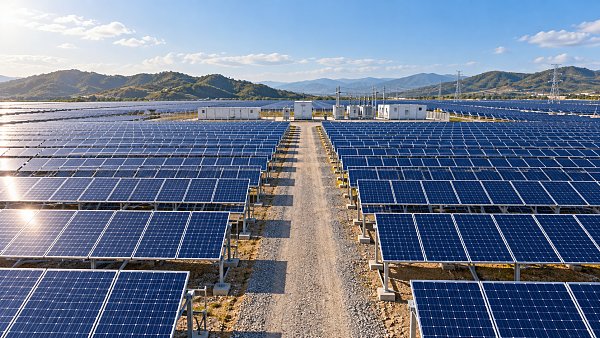
The spacing between rows, orientation, table size, and foundation pattern all influence how fixed tilt solar mounting structures perform on site.
A tighter layout may improve land-use intensity, yet it can also increase shading risk, reduce airflow, and complicate access roads or cable routing.
A wider layout may ease maintenance and lower some wind interactions, but it can increase civil works and site fencing requirements.
For sloped or irregular land, layout discipline becomes even more important.
Long rows across uneven terrain can create excessive grading cost or force structural adaptations that erase the expected savings of a standard design.
Different project settings need different priorities
Fixed tilt solar mounting structures are used across very different asset types, so evaluation criteria should shift with the use case.
Utility-scale ground mount
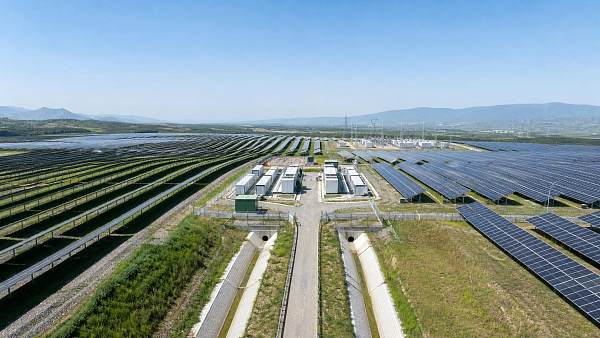
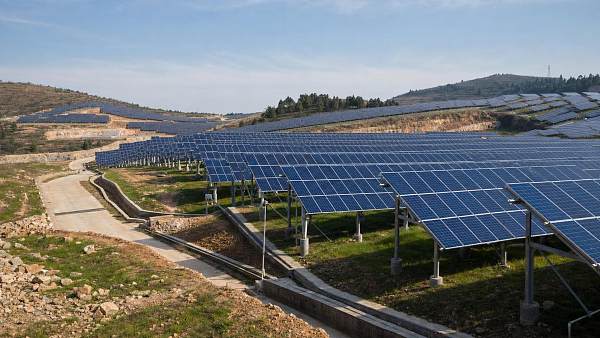
Here, foundation type, pile refusal risk, corrosion class, and installation productivity usually carry the most weight.
Small per-watt savings matter, but field rework can erase them quickly.
Commercial and industrial rooftops
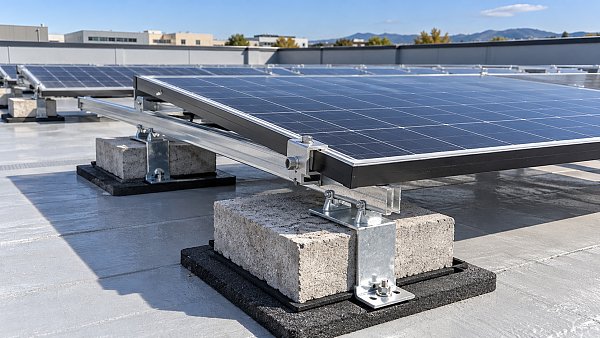
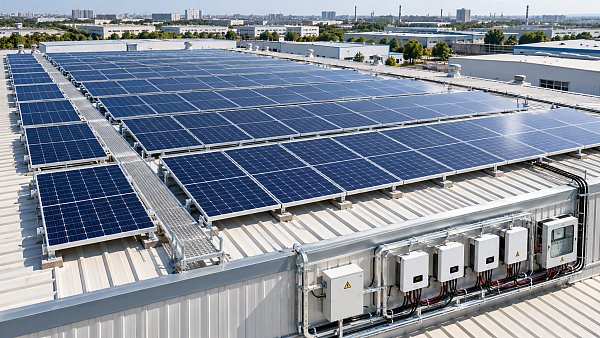
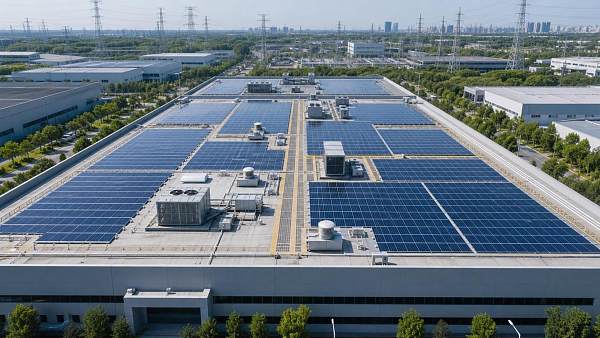
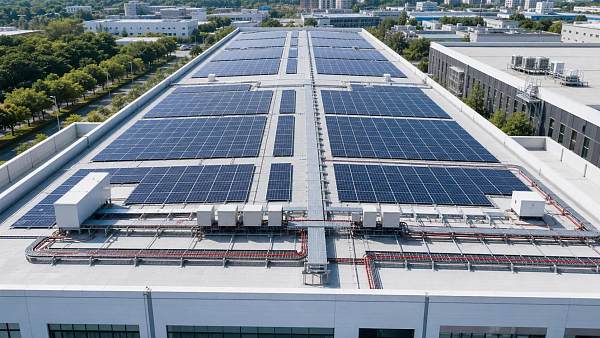
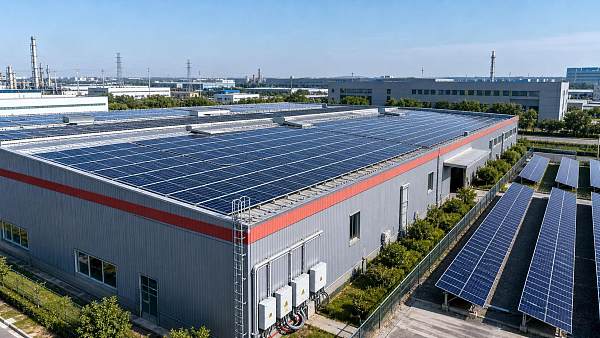
Roof load limits, waterproofing interfaces, ballast strategy, and wind edge zones become more sensitive than raw material price.
Lighter systems may reduce structural reinforcement needs.
Agrivoltaics and special land use
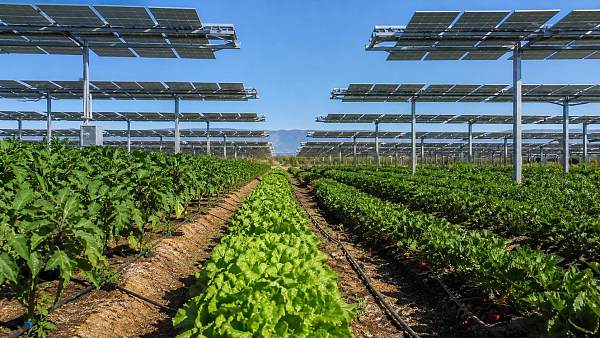
Clearance, spacing, and operational pathways matter because the structure must coexist with farming equipment, water flow, or livestock movement.
Hybrid energy sites
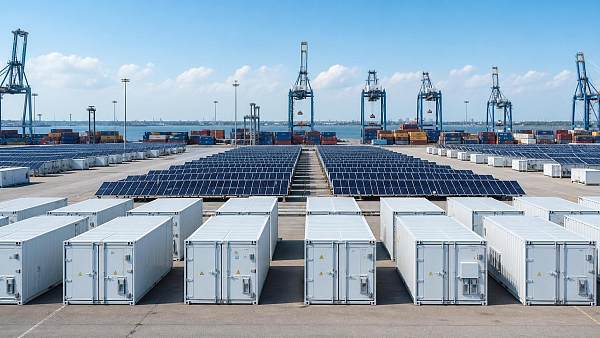
When solar is paired with storage, charging infrastructure, or smart control systems, layout coordination becomes part of the wider energy asset design.
That broader system perspective is central to the kind of integrated project analysis EPEM follows across renewable generation and grid modernization.
A practical framework for comparison
When several suppliers offer similar fixed tilt solar mounting structures, a structured comparison helps separate nominal compliance from project fit.
- Check the design basis first, including codes, site loads, and module assumptions.
- Review materials and coatings against the actual site environment.
- Compare foundation concepts with geotechnical data, not standard brochures.
- Look at installation sequence, tool requirements, and field adjustability.
- Confirm warranty terms, spare parts continuity, and documentation quality.
- Ask how the supplier handles drainage, tolerance buildup, and uneven terrain.
This process usually reveals whether a lower-priced system is genuinely efficient or simply underdesigned for the real site conditions.
What deserves attention before the next decision
The best fixed tilt solar mounting structures are not defined by one material or one geometry.
They are defined by how well the structure matches wind exposure, corrosion risk, foundation conditions, and operational priorities.
For any upcoming project, it is useful to align structural review with energy modeling, civil design, and long-term maintenance planning at the same time.
That creates a clearer basis for comparing suppliers, refining specifications, and avoiding late-stage design changes.
A solid next step is to build a site-specific checklist covering loads, materials, layout limits, and installation constraints before final procurement begins.
That approach turns fixed tilt solar mounting structures from a commodity line item into a better-controlled project decision.
Questions about market trends? Contact Market Scope Live for deeper business insights.
We respect your privacy. Your information is strictly confidential.
Related News
 Solar PV SystemsSolar Mounting Structures Pricing: What Drives Costs for PV Projects?Solar mounting structures pricing depends on design, materials and site conditions. Learn how to compare bids, uncover hidden costs and make smarter PV project decisions.MORE+
 Solar PV SystemsIndustrial Parks in Vietnam: Comparing Locations, Costs and InfrastructureCompare industrial parks in Vietnam by location, costs, logistics and power infrastructure. Discover how to shortlist the right site for your business.MORE+
 Solar PV SystemsFloating Solar Systems: How to Assess Reservoir SuitabilityFloating solar systems need the right reservoir. Discover how to assess water levels, grid access, environmental risks, and costs before investing.MORE+
 Solar PV SystemsSmart Solar Tracking Systems: How to Evaluate Energy Gains and Site SuitabilityExplore how smart solar tracking systems can boost energy yield. Compare site suitability, lifecycle costs, and fixed-tilt alternatives to make a confident investment decision.MORE+
 Solar PV SystemsFloating Solar Projects on Industrial Ponds: How to Assess Site SuitabilityAssess floating solar projects on industrial ponds with a practical guide to water levels, mooring, electrical connections, and site risks.MORE+
 Solar PV SystemsTurkey Allocates 785 MW of Grid Capacity in YEKA Solar TenderTurkey's YEKA solar tender allocates 785 MW of grid capacity across 11 sites. Explore what the results could mean for developers and suppliers.MORE+
 Solar PV SystemsChoosing String Inverters for Solar PV: Sizing, MPPT and ShadingChoose string inverters with confidence. Compare DC-to-AC sizing, MPPT allocation and shading impacts to improve solar PV performance.MORE+
 Solar PV SystemsChoosing Solar Racking Systems for Rooftops: Roof Type and Load FactorsChoosing solar racking systems for rooftops? Compare roof types, load factors and mounting options to plan a safer, more reliable installation.MORE+
 Solar PV SystemsSolar Tracking System Pricing: What to Include in a Project BudgetUnderstand solar tracking systems pricing and build a reliable project budget. Compare supplier quotes, uncover hidden costs, and assess long-term value.MORE+
 Solar PV SystemsChina Adds 110.83 GW of Solar in First Nine Months of 2026, Down 53.9%China solar additions reportedly fell 53.9% to 110.83 GW in January–September 2026. Explore pricing reform impacts and practical insights for project planning and procurement.MORE+
 Solar PV SystemsHow to Vet Solar Equipment Manufacturers: Quality, Warranties, and Lead TimesSearching “renewable equipment manufacturers solar”? Learn how to verify quality, compare warranties, and validate lead times to shortlist reliable suppliers and reduce project risk.MORE+
 Solar PV SystemsCommercial Rooftop Solar in India: How to Calculate Costs and PaybackCommercial rooftop solar India guide: calculate installation costs, estimate realistic savings and payback, and compare EPC quotes to make a smarter business investment.MORE+
 Solar PV SystemsSolar EPC Contractor Pricing: How to Compare Quotes and Spot ExclusionsCompare solar EPC contractor pricing with confidence. Learn how to spot exclusions, assess allowances, and uncover hidden costs before choosing the right quote for your project.MORE+
 Solar PV SystemsHow to Assess Site and Grid Feasibility for Solar Power Generation ProjectsAssess solar power generation projects with practical guidance on site suitability, grid capacity, connection costs, and curtailment risks. Make smarter investment decisions before committing capital.MORE+
 Solar PV SystemsPepco Approves ConnectDER Meter Adapters for Solar, Storage and EV Charging in D.C.Pepco approves ConnectDER meter adapters in D.C. for solar, storage and EV charging. Discover how meter-level connections could simplify installation and reduce costs.MORE+
 Solar PV SystemsTOPCon Photovoltaic Modules: Selection Criteria for High-Temperature Utility ProjectsTOPCon photovoltaic modules for hot-climate utility projects: compare temperature performance, bifacial yield, reliability, and electrical compatibility for stronger lifetime returns.MORE+
 Solar PV SystemsHow to Verify PV Module Supplier Capability Before Utility-Scale ProcurementVerify PV module supplier capability before utility-scale procurement with a practical checklist for factory audits, certifications, traceability, capacity, warranties, and risk control.MORE+
 Solar PV SystemsHow to Size Solar Power Generation Systems for Commercial Sites and Peak LoadsSolar power generation systems for commercial sites: learn to size PV for load profiles, peak demand, grid limits, storage, and future growth.MORE+
 Solar PV SystemsSolar Farm Construction: How to Plan Site, Grid Access, and Build RiskSolar farm construction insights for smarter site planning, grid access, procurement, and build-risk control—helping projects reach energization with confidence.MORE+
 Solar PV SystemsWhich Solar Inverter Certifications Are Mandatory in North America?What certifications are mandatory for solar inverters in North American markets? Explore UL 1741, IEEE 1547, CSA rules, and utility approval essentials.MORE+
 Solar PV SystemsWhat Is the Typical Payback Period for Commercial Solar PV in 2026?What is the typical payback period for a commercial solar PV installation in 2026? Explore the key cost, tariff, incentive, and sizing factors that shape returns.MORE+
 Solar PV SystemsWhat Causes Voltage Fluctuations When Large PV Plants Connect to Weak Grids?What causes voltage fluctuation when large solar PV plants connect to weak grids? Explore root causes, diagnostics, and proven mitigation strategies.MORE+
 Solar PV SystemsWhat Determines Solar Power Generation Efficiency in Commercial PV Projects?Solar power generation efficiency in commercial PV projects depends on more than module ratings—explore site resource, design, grid, and O&M factors that maximize long-term energy yield.MORE+
 Solar PV SystemsCommercial Rooftop Solar Financing: Comparing Loans, Leases, and PPAsCommercial rooftop solar financing explained: compare loans, leases, and PPAs to choose the right balance of savings, ownership, flexibility, and risk.MORE+
 Solar PV SystemsPV Bid Evaluation: How to Compare EPC Proposals Beyond the Lowest PricePV bid evaluation helps procurement teams compare EPC proposals beyond price—assess scope, energy yield, schedule, supply chain, warranties, and contract risk to protect long-term solar asset value.MORE+
 Solar PV SystemsWhat Environmental Permits Are Needed for Floating Solar on Reservoirs?What environmental permits are needed for floating solar on reservoirs? Explore water-use, EIA, shoreline, biodiversity, and water-quality approvals for smarter FPV development.MORE+
 Solar PV SystemsHow Long Does Utility-Scale Solar Grid Approval Take in 2026?How long does utility scale solar grid approval typically take in 2026? Explore timelines, queue risks, upgrade costs, and strategies to accelerate project delivery.MORE+
 Solar PV SystemsDo Agrivoltaic Projects Significantly Reduce Crop Yields in Hot Climates?Do agrivoltaic projects reduce crop yield significantly in hot climates? Explore how smart shade, crop selection, irrigation, and solar design can protect yields, improve quality, and strengthen dual-use land value.MORE+
 Solar PV SystemsHow Predictive Solar Plant O&M Reduces Downtime and Protects Energy YieldPredictive solar plant O&M helps cut downtime, detect faults early, prioritize repairs, and protect long-term energy yield with actionable data insights.MORE+
 Solar PV SystemsWhat Grid Connection Requirements Apply to Solar-Powered EV Charging?Solar farm grid connection requirements for EV charging explained: explore import/export limits, protection, storage, grid codes, and smart design strategies.MORE+
 Solar PV SystemsHow Much Solar Farm Capacity Is Needed to Offset Charging Demand in 2026?How to plan solar farm capacity to offset charging station demand in 2026? Explore sizing formulas, grid limits, storage strategies, and scalable EV charging solutions.MORE+
 Solar PV SystemsWhat Are the Actual Maintenance Costs of Solar Canopy Inverters?What are the real maintenance costs of solar inverters on charging canopies? Explore service, monitoring, repairs, downtime, and smarter lifecycle budgeting.MORE+
 Solar PV SystemsWhat Should Building Owners Evaluate Before Installing Rooftop Solar Photovoltaic?Rooftop solar photovoltaic planning starts with the right questions. Learn how to assess roof strength, load profile, grid limits, permits, and ROI before investing.MORE+
 Solar PV SystemsChina’s First Compute-Power and Green Power Direct Supply Project Enters OperationChina’s first compute-power and green power direct supply project begins operation, linking 500 MW solar power with data center demand for higher efficiency and stronger green energy credibility.MORE+
 Solar PV SystemsWhat Should Be Included in Solar Plant Engineering Design for Utility-Scale Projects?Solar plant engineering design for utility-scale projects should cover site constraints, layout, electrical systems, grid compliance, safety, and O&M—see what a complete, bankable design package must include.MORE+
 Solar PV SystemsUSTR Opens CVD Review on Chinese PV ModulesUSTR opens a CVD review on Chinese PV modules, raising questions over tariffs, sourcing, and Southeast Asia supply chains. See what importers and developers should watch now.MORE+
 Solar PV SystemsHow to Evaluate Rooftop Solar EPC Contractors for Commercial PV ProjectsRooftop solar EPC contractors can make or break commercial PV success. Learn how to compare engineering, grid, safety, scope, and risk control before choosing the right partner.MORE+
 Solar PV SystemsFixed Tilt Solar Racking: How to Evaluate Wind Load, Site Layout, and ROIFixed tilt solar racking guide: learn how to assess wind load, site layout, grading, foundations, and ROI to avoid hidden costs and choose a smarter solar structure.MORE+
 Solar PV SystemsHow to Choose Solar Modules for Commercial and Industrial PV Projects?Solar modules for C&I PV projects: learn how to compare efficiency, temperature performance, site suitability, warranty, and bankability to choose the right solution with confidence.MORE+
 Solar PV SystemsUSTR Extends Tariff Relief for Chinese PV ModulesUSTR Extends Tariff Relief for Chinese PV Modules through Dec. 31, 2026. See how the update affects solar procurement costs, project timelines, compliance, and U.S. market planning.MORE+