Commercial Rooftop Solar EPC: How to Compare Scope, Timelines, and Project Risks
Why is commercial rooftop solar EPC comparison more complex than a price check?
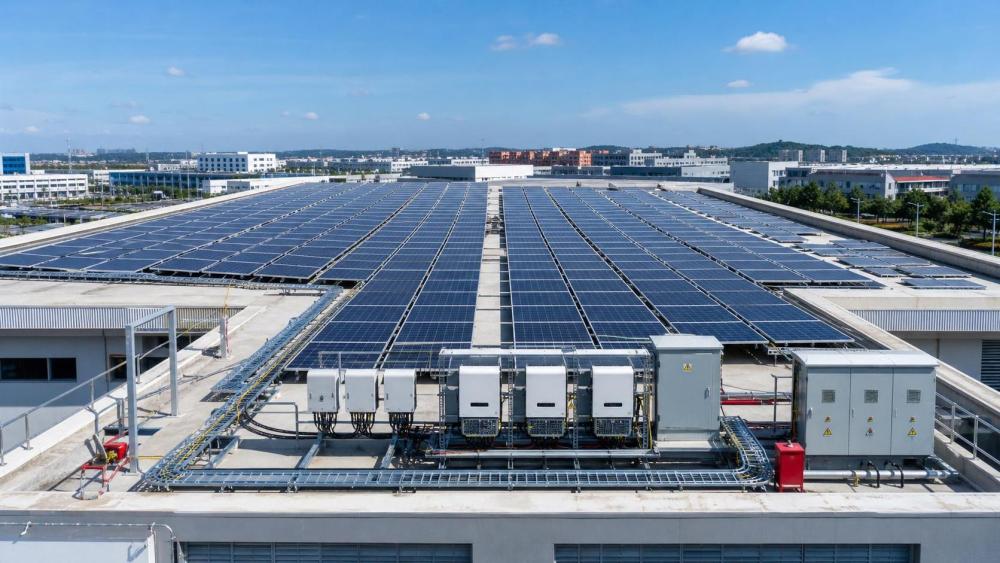
A commercial rooftop solar EPC proposal can look simple on the surface. One total price, one capacity figure, one delivery schedule.
In practice, the real difference sits inside scope detail. That is where cost overruns, timeline drift, and performance disputes usually begin.
A stronger comparison starts with one question: what exactly is the EPC contractor responsible for, and what remains with the building owner or another supplier?
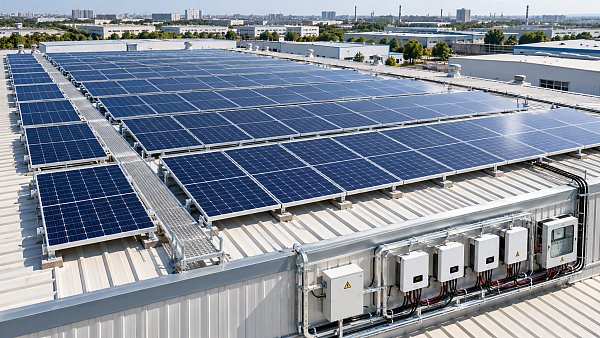
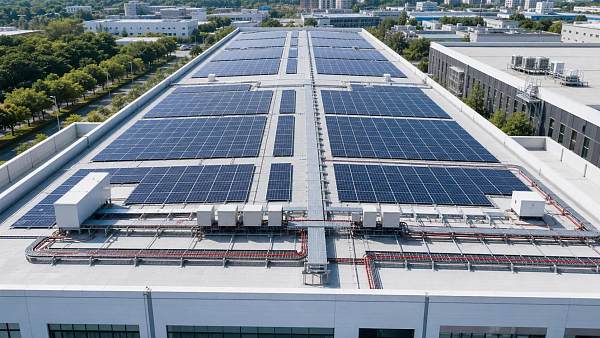
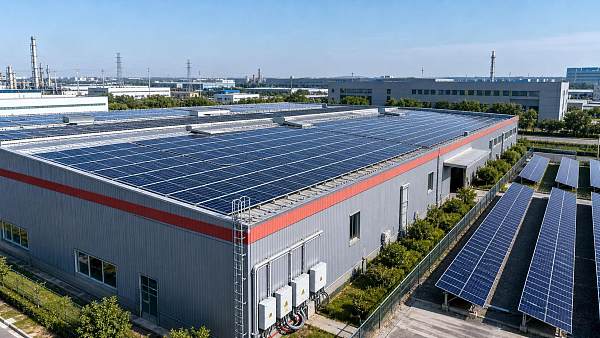
For commercial rooftop solar EPC projects, scope often stretches beyond panels and inverters. Roof assessment, structural reinforcement, grid application, shutdown planning, monitoring integration, and acceptance testing may all matter.
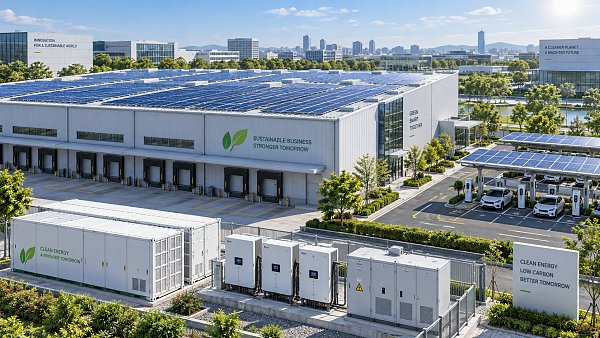
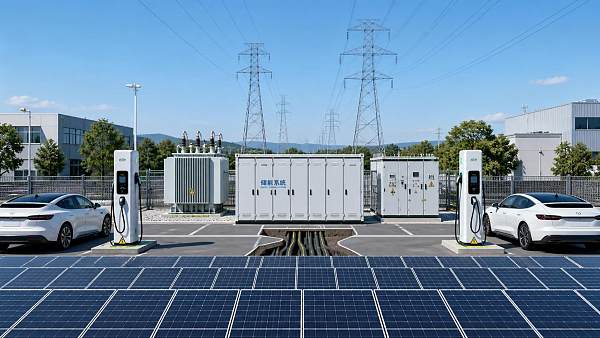
This matters even more as distributed energy becomes part of broader power infrastructure. Rooftop solar may later connect with storage, EV charging, or an energy management platform.
That wider system view is increasingly important in global energy markets. It is also why industry platforms such as EPEM emphasize both technical and commercial decision factors.
A low bid can still be expensive if it excludes temporary works, protection upgrades, cable rerouting, or utility coordination. Those items usually appear later as variations.
So the first filter is not price. It is scope transparency, responsibility clarity, and the quality of assumptions behind the offer.
What should be included in the scope of a commercial rooftop solar EPC contract?
The best way to compare proposals is to break scope into visible work packages. When every bidder uses different boundaries, the cheapest number becomes misleading.
A solid commercial rooftop solar EPC package usually covers engineering, procurement, construction, testing, and handover. But the detail inside each block is what decides risk.
It is worth asking for an exclusions list, not just an inclusions list. Exclusions reveal where hidden costs are most likely to appear.
Also confirm interface points. For example, who handles SCADA links, revenue metering, internet connectivity, or integration with a future battery system?
Commercial rooftop solar EPC decisions are increasingly tied to digital control and distributed energy planning. That broader context should shape scope review from the start.
How do you compare timelines without accepting unrealistic promises?
Fast delivery sounds attractive, but rooftop solar schedules often fail because early milestones are poorly defined. A short timeline is not useful if approvals or roof readiness are uncertain.
A reliable commercial rooftop solar EPC schedule should separate the project into design, permitting, procurement, mobilization, installation, commissioning, and utility energization.
More importantly, each stage should show dependencies. In many cases, the critical path is not panel installation. It is grid approval, switchgear lead time, or access restrictions.
Ask bidders to identify three dates clearly:
- Notice to proceed to design freeze
- Material release to site-ready installation
- Mechanical completion to utility acceptance
Those breakpoints expose whether the contractor understands the full execution path. They also make different commercial rooftop solar EPC proposals easier to compare side by side.
One practical warning: imported components can compress budgets but extend schedules. Module, inverter, and mounting lead times should be checked against local customs and logistics realities.
If the site operates continuously, roof access windows may be limited. Night work, safety controls, and production shutdown coordination can also reshape the timeline.
Which project risks are usually underestimated in commercial rooftop solar EPC deals?
Most visible risks are already priced. The more damaging ones are usually hidden inside assumptions that nobody challenges early enough.
Roof condition is a common example. A contractor may price for a standard mounting layout, then discover waterproofing issues, weak sections, or restricted anchor locations.
Grid interface is another frequent blind spot. Reverse power flow limits, export control requirements, relay updates, or transformer constraints can change design and commissioning effort.
In actual deployment, commercial rooftop solar EPC risk often appears in five areas:
- Structural uncertainty and roof warranty conflicts
- Utility approval delays and changing interconnection rules
- Equipment substitutions that weaken expected performance
- Poor coordination between civil, electrical, and operations teams
- Weak commissioning records that complicate handover and claims
These risks matter because rooftop solar is no longer an isolated asset. It may affect facility load management, charging infrastructure, storage planning, and broader energy resilience targets.
That systems perspective is now standard across distributed energy analysis. It is one reason structured project intelligence has become more valuable than generic installation experience alone.
When two EPC bids look similar, what details actually separate the better option?
This is where a scoring approach helps. Similar prices often hide very different execution quality and post-handover reliability.
Instead of comparing only capex, compare how each commercial rooftop solar EPC bidder handles design maturity, supply certainty, interface ownership, and performance accountability.
A simple decision table can keep the review grounded:
The better commercial rooftop solar EPC offer usually shows discipline in documentation. Good paperwork often reflects good field execution.
Also examine warranty language. Separate product warranty, workmanship warranty, and performance ratio assumptions. They protect different parts of project value.
What is the best next step before shortlisting a commercial rooftop solar EPC partner?
Before shortlisting, prepare a comparison sheet that forces every bidder onto the same basis. That single step improves decision quality more than another round of price negotiation.
Include roof data, target capacity, export conditions, operating constraints, preferred equipment standards, monitoring needs, and expected handover documents.
Then ask each bidder to confirm assumptions, exclusions, milestone dates, and utility responsibilities in writing. Verbal alignment is rarely enough on rooftop energy projects.
A useful review also looks beyond the immediate installation. Many sites now evaluate whether rooftop solar could later support storage, EV charging, or microgrid control.
That broader lens reflects how distributed energy assets are being planned across modern power systems. It also aligns with the market intelligence approach used by EPEM.
In short, commercial rooftop solar EPC selection works best when scope, timeline, and risk are compared together. Price only makes sense after those three are visible.
The next practical move is simple: standardize the bid review format, challenge unclear exclusions, and test whether the proposed schedule survives real site conditions.
That is how a commercial rooftop solar EPC contract becomes easier to execute, easier to hand over, and less likely to surprise the project team later.
Questions about market trends? Contact Market Scope Live for deeper business insights.
We respect your privacy. Your information is strictly confidential.
Related News
 Solar PV SystemsSolar Mounting Structures Pricing: What Drives Costs for PV Projects?Solar mounting structures pricing depends on design, materials and site conditions. Learn how to compare bids, uncover hidden costs and make smarter PV project decisions.MORE+
 Solar PV SystemsIndustrial Parks in Vietnam: Comparing Locations, Costs and InfrastructureCompare industrial parks in Vietnam by location, costs, logistics and power infrastructure. Discover how to shortlist the right site for your business.MORE+
 Solar PV SystemsFloating Solar Systems: How to Assess Reservoir SuitabilityFloating solar systems need the right reservoir. Discover how to assess water levels, grid access, environmental risks, and costs before investing.MORE+
 Solar PV SystemsSmart Solar Tracking Systems: How to Evaluate Energy Gains and Site SuitabilityExplore how smart solar tracking systems can boost energy yield. Compare site suitability, lifecycle costs, and fixed-tilt alternatives to make a confident investment decision.MORE+
 Solar PV SystemsFloating Solar Projects on Industrial Ponds: How to Assess Site SuitabilityAssess floating solar projects on industrial ponds with a practical guide to water levels, mooring, electrical connections, and site risks.MORE+
 Solar PV SystemsTurkey Allocates 785 MW of Grid Capacity in YEKA Solar TenderTurkey's YEKA solar tender allocates 785 MW of grid capacity across 11 sites. Explore what the results could mean for developers and suppliers.MORE+
 Solar PV SystemsChoosing String Inverters for Solar PV: Sizing, MPPT and ShadingChoose string inverters with confidence. Compare DC-to-AC sizing, MPPT allocation and shading impacts to improve solar PV performance.MORE+
 Solar PV SystemsChoosing Solar Racking Systems for Rooftops: Roof Type and Load FactorsChoosing solar racking systems for rooftops? Compare roof types, load factors and mounting options to plan a safer, more reliable installation.MORE+
 Solar PV SystemsSolar Tracking System Pricing: What to Include in a Project BudgetUnderstand solar tracking systems pricing and build a reliable project budget. Compare supplier quotes, uncover hidden costs, and assess long-term value.MORE+
 Solar PV SystemsChina Adds 110.83 GW of Solar in First Nine Months of 2026, Down 53.9%China solar additions reportedly fell 53.9% to 110.83 GW in January–September 2026. Explore pricing reform impacts and practical insights for project planning and procurement.MORE+
 Solar PV SystemsHow to Vet Solar Equipment Manufacturers: Quality, Warranties, and Lead TimesSearching “renewable equipment manufacturers solar”? Learn how to verify quality, compare warranties, and validate lead times to shortlist reliable suppliers and reduce project risk.MORE+
 Solar PV SystemsCommercial Rooftop Solar in India: How to Calculate Costs and PaybackCommercial rooftop solar India guide: calculate installation costs, estimate realistic savings and payback, and compare EPC quotes to make a smarter business investment.MORE+
 Solar PV SystemsSolar EPC Contractor Pricing: How to Compare Quotes and Spot ExclusionsCompare solar EPC contractor pricing with confidence. Learn how to spot exclusions, assess allowances, and uncover hidden costs before choosing the right quote for your project.MORE+
 Solar PV SystemsHow to Assess Site and Grid Feasibility for Solar Power Generation ProjectsAssess solar power generation projects with practical guidance on site suitability, grid capacity, connection costs, and curtailment risks. Make smarter investment decisions before committing capital.MORE+
 Solar PV SystemsPepco Approves ConnectDER Meter Adapters for Solar, Storage and EV Charging in D.C.Pepco approves ConnectDER meter adapters in D.C. for solar, storage and EV charging. Discover how meter-level connections could simplify installation and reduce costs.MORE+
 Solar PV SystemsTOPCon Photovoltaic Modules: Selection Criteria for High-Temperature Utility ProjectsTOPCon photovoltaic modules for hot-climate utility projects: compare temperature performance, bifacial yield, reliability, and electrical compatibility for stronger lifetime returns.MORE+
 Solar PV SystemsHow to Verify PV Module Supplier Capability Before Utility-Scale ProcurementVerify PV module supplier capability before utility-scale procurement with a practical checklist for factory audits, certifications, traceability, capacity, warranties, and risk control.MORE+
 Solar PV SystemsHow to Size Solar Power Generation Systems for Commercial Sites and Peak LoadsSolar power generation systems for commercial sites: learn to size PV for load profiles, peak demand, grid limits, storage, and future growth.MORE+
 Solar PV SystemsSolar Farm Construction: How to Plan Site, Grid Access, and Build RiskSolar farm construction insights for smarter site planning, grid access, procurement, and build-risk control—helping projects reach energization with confidence.MORE+
 Solar PV SystemsWhich Solar Inverter Certifications Are Mandatory in North America?What certifications are mandatory for solar inverters in North American markets? Explore UL 1741, IEEE 1547, CSA rules, and utility approval essentials.MORE+
 Solar PV SystemsWhat Is the Typical Payback Period for Commercial Solar PV in 2026?What is the typical payback period for a commercial solar PV installation in 2026? Explore the key cost, tariff, incentive, and sizing factors that shape returns.MORE+
 Solar PV SystemsWhat Causes Voltage Fluctuations When Large PV Plants Connect to Weak Grids?What causes voltage fluctuation when large solar PV plants connect to weak grids? Explore root causes, diagnostics, and proven mitigation strategies.MORE+
 Solar PV SystemsWhat Determines Solar Power Generation Efficiency in Commercial PV Projects?Solar power generation efficiency in commercial PV projects depends on more than module ratings—explore site resource, design, grid, and O&M factors that maximize long-term energy yield.MORE+
 Solar PV SystemsCommercial Rooftop Solar Financing: Comparing Loans, Leases, and PPAsCommercial rooftop solar financing explained: compare loans, leases, and PPAs to choose the right balance of savings, ownership, flexibility, and risk.MORE+
 Solar PV SystemsPV Bid Evaluation: How to Compare EPC Proposals Beyond the Lowest PricePV bid evaluation helps procurement teams compare EPC proposals beyond price—assess scope, energy yield, schedule, supply chain, warranties, and contract risk to protect long-term solar asset value.MORE+
 Solar PV SystemsWhat Environmental Permits Are Needed for Floating Solar on Reservoirs?What environmental permits are needed for floating solar on reservoirs? Explore water-use, EIA, shoreline, biodiversity, and water-quality approvals for smarter FPV development.MORE+
 Solar PV SystemsHow Long Does Utility-Scale Solar Grid Approval Take in 2026?How long does utility scale solar grid approval typically take in 2026? Explore timelines, queue risks, upgrade costs, and strategies to accelerate project delivery.MORE+
 Solar PV SystemsDo Agrivoltaic Projects Significantly Reduce Crop Yields in Hot Climates?Do agrivoltaic projects reduce crop yield significantly in hot climates? Explore how smart shade, crop selection, irrigation, and solar design can protect yields, improve quality, and strengthen dual-use land value.MORE+
 Solar PV SystemsHow Predictive Solar Plant O&M Reduces Downtime and Protects Energy YieldPredictive solar plant O&M helps cut downtime, detect faults early, prioritize repairs, and protect long-term energy yield with actionable data insights.MORE+
 Solar PV SystemsWhat Grid Connection Requirements Apply to Solar-Powered EV Charging?Solar farm grid connection requirements for EV charging explained: explore import/export limits, protection, storage, grid codes, and smart design strategies.MORE+
 Solar PV SystemsHow Much Solar Farm Capacity Is Needed to Offset Charging Demand in 2026?How to plan solar farm capacity to offset charging station demand in 2026? Explore sizing formulas, grid limits, storage strategies, and scalable EV charging solutions.MORE+
 Solar PV SystemsWhat Are the Actual Maintenance Costs of Solar Canopy Inverters?What are the real maintenance costs of solar inverters on charging canopies? Explore service, monitoring, repairs, downtime, and smarter lifecycle budgeting.MORE+
 Solar PV SystemsWhat Should Building Owners Evaluate Before Installing Rooftop Solar Photovoltaic?Rooftop solar photovoltaic planning starts with the right questions. Learn how to assess roof strength, load profile, grid limits, permits, and ROI before investing.MORE+
 Solar PV SystemsChina’s First Compute-Power and Green Power Direct Supply Project Enters OperationChina’s first compute-power and green power direct supply project begins operation, linking 500 MW solar power with data center demand for higher efficiency and stronger green energy credibility.MORE+
 Solar PV SystemsWhat Should Be Included in Solar Plant Engineering Design for Utility-Scale Projects?Solar plant engineering design for utility-scale projects should cover site constraints, layout, electrical systems, grid compliance, safety, and O&M—see what a complete, bankable design package must include.MORE+
 Solar PV SystemsUSTR Opens CVD Review on Chinese PV ModulesUSTR opens a CVD review on Chinese PV modules, raising questions over tariffs, sourcing, and Southeast Asia supply chains. See what importers and developers should watch now.MORE+
 Solar PV SystemsHow to Evaluate Rooftop Solar EPC Contractors for Commercial PV ProjectsRooftop solar EPC contractors can make or break commercial PV success. Learn how to compare engineering, grid, safety, scope, and risk control before choosing the right partner.MORE+
 Solar PV SystemsFixed Tilt Solar Racking: How to Evaluate Wind Load, Site Layout, and ROIFixed tilt solar racking guide: learn how to assess wind load, site layout, grading, foundations, and ROI to avoid hidden costs and choose a smarter solar structure.MORE+
 Solar PV SystemsHow to Choose Solar Modules for Commercial and Industrial PV Projects?Solar modules for C&I PV projects: learn how to compare efficiency, temperature performance, site suitability, warranty, and bankability to choose the right solution with confidence.MORE+
 Solar PV SystemsUSTR Extends Tariff Relief for Chinese PV ModulesUSTR Extends Tariff Relief for Chinese PV Modules through Dec. 31, 2026. See how the update affects solar procurement costs, project timelines, compliance, and U.S. market planning.MORE+