Commercial Property Owners Solar Financing: Lease, PPA, or Loan for Better Cash Flow?
What does commercial property owners solar financing really change?
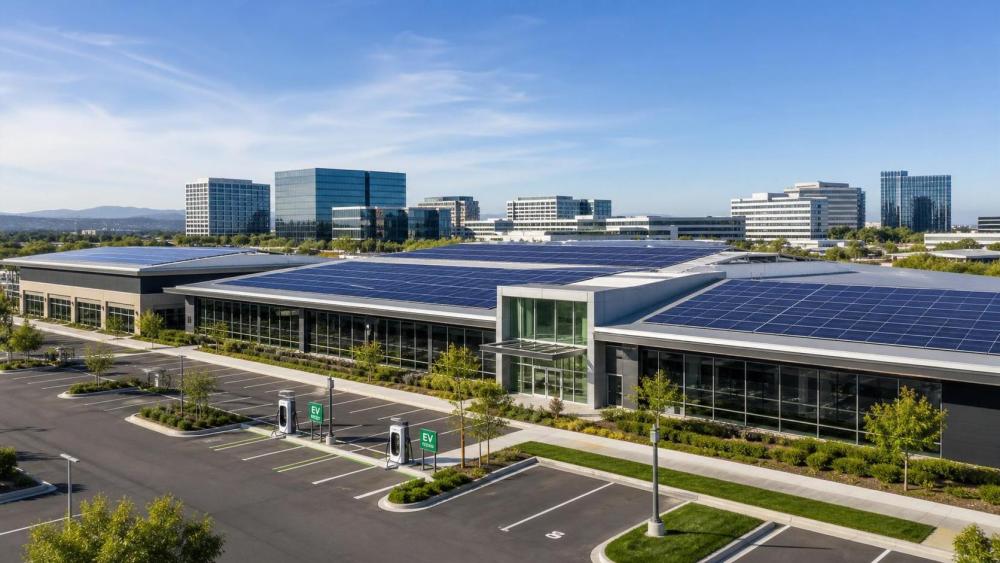
Commercial property owners solar financing is not only about paying for panels. It changes how energy costs appear on financial statements and how quickly savings show up.
For many buildings, electricity is a long-term operating cost with limited flexibility. Solar can turn part of that expense into a controlled contract structure.
The real decision is whether to preserve capital, capture tax value, or maximize lifetime savings. Lease, PPA, and loan options handle those priorities very differently.
That matters more now because distributed energy is becoming part of commercial real estate strategy. Rooftop solar, storage, EV charging, and demand management increasingly work together.
Industry platforms such as EPEM track this shift closely. The reason is practical: energy assets now affect property performance, tenant appeal, resilience, and future grid interaction.
In simple terms, the right financing structure can improve cash flow without creating avoidable balance-sheet pressure. The wrong one can delay payback or reduce flexibility later.
Lease, PPA, or loan: which structure fits the cash flow objective?
This is usually the first real search question behind commercial property owners solar financing. The answer depends less on technology and more on capital priorities.
A solar lease is often chosen when predictable payments matter more than ownership. The system provider owns the asset, while the building pays a fixed monthly amount.
A PPA, or power purchase agreement, ties payment to actual energy production. Instead of leasing equipment, the property buys solar electricity at an agreed rate.
A loan usually gives the best long-term economics when the site can use tax incentives and carry debt comfortably. Ownership also keeps future energy upside in-house.
A quick comparison makes the differences easier to judge.
If utility rates are high and rising, a PPA can create immediate operating savings. If tax appetite is strong, a loan often produces a better net present value.
Lease structures sit in the middle. They reduce complexity, but they also limit ownership benefits that may matter over a 15 to 25 year system life.
When does a PPA make more sense than a lease or loan?
A PPA becomes attractive when the main goal is lower electricity cost from day one, with minimal capital commitment and limited operational responsibility.
This is common in portfolios where cash must stay available for acquisitions, fit-outs, or tenant improvements. Solar then competes with many internal uses of capital.
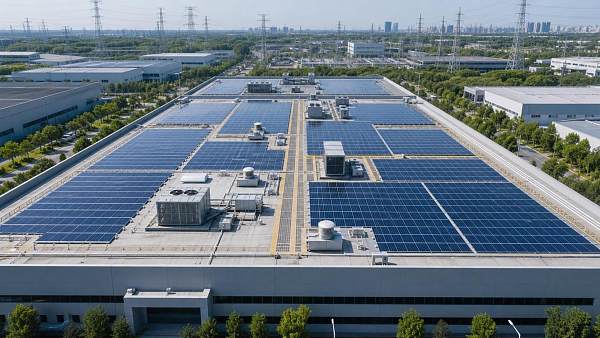
In actual projects, PPAs also work well when solar output is easy to match with daytime building load. Offices, logistics facilities, and retail centers often fit that pattern.
The caution point is pricing mechanics. A low starting PPA rate looks good, but annual escalators can erode savings if local utility prices flatten.
Another issue is contract length. If the building may be sold or refinanced soon, transfer terms and buyout formulas deserve close review.
Commercial property owners solar financing through a PPA should therefore be tested against three moving variables: utility tariff outlook, occupancy profile, and asset hold period.
Why do some owners still prefer loans despite higher upfront commitment?
The short answer is control. A loan can unlock more lifetime value because the asset, incentives, and energy savings stay with the owner.
For commercial property owners solar financing, this matters when the building is expected to remain in the portfolio for many years. Long hold periods reward ownership.
Loan-funded systems can also be paired more flexibly with battery storage, EV charging, or energy management upgrades later. That wider energy strategy is becoming more relevant.
EPEM often highlights this broader trend across distributed energy markets. Solar is increasingly evaluated alongside storage dispatch, grid services, and charging infrastructure expansion.
Still, loans are not automatically superior. Debt service timing, maintenance planning, insurance requirements, and performance guarantees need careful modeling before approval.
A practical rule is simple. If tax benefits are usable, financing cost is acceptable, and the property will likely be held long term, a loan deserves serious attention.
What gets missed when comparing commercial property owners solar financing options?
Many comparisons stop at monthly payment. That is too narrow. Better decisions usually come from looking at contract structure, site conditions, and asset strategy together.
The most common blind spots include the following.
- Escalation clauses that outpace expected utility inflation.
- Roof replacement timing that can trigger system removal costs.
- Interconnection delays that push savings later than forecast.
- Export limitations or curtailment risk in constrained grid areas.
- Performance assumptions based on ideal irradiation rather than actual load behavior.
- Transfer conditions during property sale, recapitalization, or tenant change.
Need-to-know details often sit outside the financing term sheet. Engineering design, inverter selection, monitoring capability, and O&M scope also affect financial performance.
That is why market intelligence matters. Grid rules, tariff structures, equipment pricing, and storage economics can materially shift the best financing choice by region.
How should the final decision be made before moving ahead?
A good approval process does not start with the cheapest quote. It starts with a shortlist of decision criteria tied to property strategy and energy cost exposure.
In practice, a useful evaluation sequence looks like this.
- Model current and future electricity spend by site, including demand charges.
- Check tax appetite, depreciation value, and accounting treatment.
- Estimate hold period, refinancing plans, and possible asset disposition timing.
- Review roof condition, interconnection path, and optional storage integration.
- Compare lease, PPA, and loan cases using NPV, IRR, and first-year cash impact.
- Stress-test escalators, production assumptions, and utility tariff scenarios.
If two options look close, the tie-breaker is usually flexibility. The better contract is often the one that handles future changes without expensive renegotiation.
Commercial property owners solar financing works best when it is treated as part of wider energy planning, not as a standalone procurement exercise.
That broader view is increasingly important as buildings add storage, charging hubs, and smarter load controls. Financing decisions made today can either support or restrict those upgrades.
The next useful step is to build one comparison model across all three structures, using the same production, tariff, and hold-period assumptions. That usually reveals the most practical path quickly.
Questions about market trends? Contact Market Scope Live for deeper business insights.
We respect your privacy. Your information is strictly confidential.
Related News
 Solar PV SystemsSolar Mounting Structures Pricing: What Drives Costs for PV Projects?Solar mounting structures pricing depends on design, materials and site conditions. Learn how to compare bids, uncover hidden costs and make smarter PV project decisions.MORE+
 Solar PV SystemsIndustrial Parks in Vietnam: Comparing Locations, Costs and InfrastructureCompare industrial parks in Vietnam by location, costs, logistics and power infrastructure. Discover how to shortlist the right site for your business.MORE+
 Solar PV SystemsFloating Solar Systems: How to Assess Reservoir SuitabilityFloating solar systems need the right reservoir. Discover how to assess water levels, grid access, environmental risks, and costs before investing.MORE+
 Solar PV SystemsSmart Solar Tracking Systems: How to Evaluate Energy Gains and Site SuitabilityExplore how smart solar tracking systems can boost energy yield. Compare site suitability, lifecycle costs, and fixed-tilt alternatives to make a confident investment decision.MORE+
 Solar PV SystemsFloating Solar Projects on Industrial Ponds: How to Assess Site SuitabilityAssess floating solar projects on industrial ponds with a practical guide to water levels, mooring, electrical connections, and site risks.MORE+
 Solar PV SystemsTurkey Allocates 785 MW of Grid Capacity in YEKA Solar TenderTurkey's YEKA solar tender allocates 785 MW of grid capacity across 11 sites. Explore what the results could mean for developers and suppliers.MORE+
 Solar PV SystemsChoosing String Inverters for Solar PV: Sizing, MPPT and ShadingChoose string inverters with confidence. Compare DC-to-AC sizing, MPPT allocation and shading impacts to improve solar PV performance.MORE+
 Solar PV SystemsChoosing Solar Racking Systems for Rooftops: Roof Type and Load FactorsChoosing solar racking systems for rooftops? Compare roof types, load factors and mounting options to plan a safer, more reliable installation.MORE+
 Solar PV SystemsSolar Tracking System Pricing: What to Include in a Project BudgetUnderstand solar tracking systems pricing and build a reliable project budget. Compare supplier quotes, uncover hidden costs, and assess long-term value.MORE+
 Solar PV SystemsChina Adds 110.83 GW of Solar in First Nine Months of 2026, Down 53.9%China solar additions reportedly fell 53.9% to 110.83 GW in January–September 2026. Explore pricing reform impacts and practical insights for project planning and procurement.MORE+
 Solar PV SystemsHow to Vet Solar Equipment Manufacturers: Quality, Warranties, and Lead TimesSearching “renewable equipment manufacturers solar”? Learn how to verify quality, compare warranties, and validate lead times to shortlist reliable suppliers and reduce project risk.MORE+
 Solar PV SystemsCommercial Rooftop Solar in India: How to Calculate Costs and PaybackCommercial rooftop solar India guide: calculate installation costs, estimate realistic savings and payback, and compare EPC quotes to make a smarter business investment.MORE+
 Solar PV SystemsSolar EPC Contractor Pricing: How to Compare Quotes and Spot ExclusionsCompare solar EPC contractor pricing with confidence. Learn how to spot exclusions, assess allowances, and uncover hidden costs before choosing the right quote for your project.MORE+
 Solar PV SystemsHow to Assess Site and Grid Feasibility for Solar Power Generation ProjectsAssess solar power generation projects with practical guidance on site suitability, grid capacity, connection costs, and curtailment risks. Make smarter investment decisions before committing capital.MORE+
 Solar PV SystemsPepco Approves ConnectDER Meter Adapters for Solar, Storage and EV Charging in D.C.Pepco approves ConnectDER meter adapters in D.C. for solar, storage and EV charging. Discover how meter-level connections could simplify installation and reduce costs.MORE+
 Solar PV SystemsTOPCon Photovoltaic Modules: Selection Criteria for High-Temperature Utility ProjectsTOPCon photovoltaic modules for hot-climate utility projects: compare temperature performance, bifacial yield, reliability, and electrical compatibility for stronger lifetime returns.MORE+
 Solar PV SystemsHow to Verify PV Module Supplier Capability Before Utility-Scale ProcurementVerify PV module supplier capability before utility-scale procurement with a practical checklist for factory audits, certifications, traceability, capacity, warranties, and risk control.MORE+
 Solar PV SystemsHow to Size Solar Power Generation Systems for Commercial Sites and Peak LoadsSolar power generation systems for commercial sites: learn to size PV for load profiles, peak demand, grid limits, storage, and future growth.MORE+
 Solar PV SystemsSolar Farm Construction: How to Plan Site, Grid Access, and Build RiskSolar farm construction insights for smarter site planning, grid access, procurement, and build-risk control—helping projects reach energization with confidence.MORE+
 Solar PV SystemsWhich Solar Inverter Certifications Are Mandatory in North America?What certifications are mandatory for solar inverters in North American markets? Explore UL 1741, IEEE 1547, CSA rules, and utility approval essentials.MORE+
 Solar PV SystemsWhat Is the Typical Payback Period for Commercial Solar PV in 2026?What is the typical payback period for a commercial solar PV installation in 2026? Explore the key cost, tariff, incentive, and sizing factors that shape returns.MORE+
 Solar PV SystemsWhat Causes Voltage Fluctuations When Large PV Plants Connect to Weak Grids?What causes voltage fluctuation when large solar PV plants connect to weak grids? Explore root causes, diagnostics, and proven mitigation strategies.MORE+
 Solar PV SystemsWhat Determines Solar Power Generation Efficiency in Commercial PV Projects?Solar power generation efficiency in commercial PV projects depends on more than module ratings—explore site resource, design, grid, and O&M factors that maximize long-term energy yield.MORE+
 Solar PV SystemsCommercial Rooftop Solar Financing: Comparing Loans, Leases, and PPAsCommercial rooftop solar financing explained: compare loans, leases, and PPAs to choose the right balance of savings, ownership, flexibility, and risk.MORE+
 Solar PV SystemsPV Bid Evaluation: How to Compare EPC Proposals Beyond the Lowest PricePV bid evaluation helps procurement teams compare EPC proposals beyond price—assess scope, energy yield, schedule, supply chain, warranties, and contract risk to protect long-term solar asset value.MORE+
 Solar PV SystemsWhat Environmental Permits Are Needed for Floating Solar on Reservoirs?What environmental permits are needed for floating solar on reservoirs? Explore water-use, EIA, shoreline, biodiversity, and water-quality approvals for smarter FPV development.MORE+
 Solar PV SystemsHow Long Does Utility-Scale Solar Grid Approval Take in 2026?How long does utility scale solar grid approval typically take in 2026? Explore timelines, queue risks, upgrade costs, and strategies to accelerate project delivery.MORE+
 Solar PV SystemsDo Agrivoltaic Projects Significantly Reduce Crop Yields in Hot Climates?Do agrivoltaic projects reduce crop yield significantly in hot climates? Explore how smart shade, crop selection, irrigation, and solar design can protect yields, improve quality, and strengthen dual-use land value.MORE+
 Solar PV SystemsHow Predictive Solar Plant O&M Reduces Downtime and Protects Energy YieldPredictive solar plant O&M helps cut downtime, detect faults early, prioritize repairs, and protect long-term energy yield with actionable data insights.MORE+
 Solar PV SystemsWhat Grid Connection Requirements Apply to Solar-Powered EV Charging?Solar farm grid connection requirements for EV charging explained: explore import/export limits, protection, storage, grid codes, and smart design strategies.MORE+
 Solar PV SystemsHow Much Solar Farm Capacity Is Needed to Offset Charging Demand in 2026?How to plan solar farm capacity to offset charging station demand in 2026? Explore sizing formulas, grid limits, storage strategies, and scalable EV charging solutions.MORE+
 Solar PV SystemsWhat Are the Actual Maintenance Costs of Solar Canopy Inverters?What are the real maintenance costs of solar inverters on charging canopies? Explore service, monitoring, repairs, downtime, and smarter lifecycle budgeting.MORE+
 Solar PV SystemsWhat Should Building Owners Evaluate Before Installing Rooftop Solar Photovoltaic?Rooftop solar photovoltaic planning starts with the right questions. Learn how to assess roof strength, load profile, grid limits, permits, and ROI before investing.MORE+
 Solar PV SystemsChina’s First Compute-Power and Green Power Direct Supply Project Enters OperationChina’s first compute-power and green power direct supply project begins operation, linking 500 MW solar power with data center demand for higher efficiency and stronger green energy credibility.MORE+
 Solar PV SystemsWhat Should Be Included in Solar Plant Engineering Design for Utility-Scale Projects?Solar plant engineering design for utility-scale projects should cover site constraints, layout, electrical systems, grid compliance, safety, and O&M—see what a complete, bankable design package must include.MORE+
 Solar PV SystemsUSTR Opens CVD Review on Chinese PV ModulesUSTR opens a CVD review on Chinese PV modules, raising questions over tariffs, sourcing, and Southeast Asia supply chains. See what importers and developers should watch now.MORE+
 Solar PV SystemsHow to Evaluate Rooftop Solar EPC Contractors for Commercial PV ProjectsRooftop solar EPC contractors can make or break commercial PV success. Learn how to compare engineering, grid, safety, scope, and risk control before choosing the right partner.MORE+
 Solar PV SystemsFixed Tilt Solar Racking: How to Evaluate Wind Load, Site Layout, and ROIFixed tilt solar racking guide: learn how to assess wind load, site layout, grading, foundations, and ROI to avoid hidden costs and choose a smarter solar structure.MORE+
 Solar PV SystemsHow to Choose Solar Modules for Commercial and Industrial PV Projects?Solar modules for C&I PV projects: learn how to compare efficiency, temperature performance, site suitability, warranty, and bankability to choose the right solution with confidence.MORE+
 Solar PV SystemsUSTR Extends Tariff Relief for Chinese PV ModulesUSTR Extends Tariff Relief for Chinese PV Modules through Dec. 31, 2026. See how the update affects solar procurement costs, project timelines, compliance, and U.S. market planning.MORE+