What Should a Partner Deliver Across a Multi-Site Distributed Energy Portfolio?
What Should a Partner Deliver Across a Multi-Site Distributed Energy Portfolio?
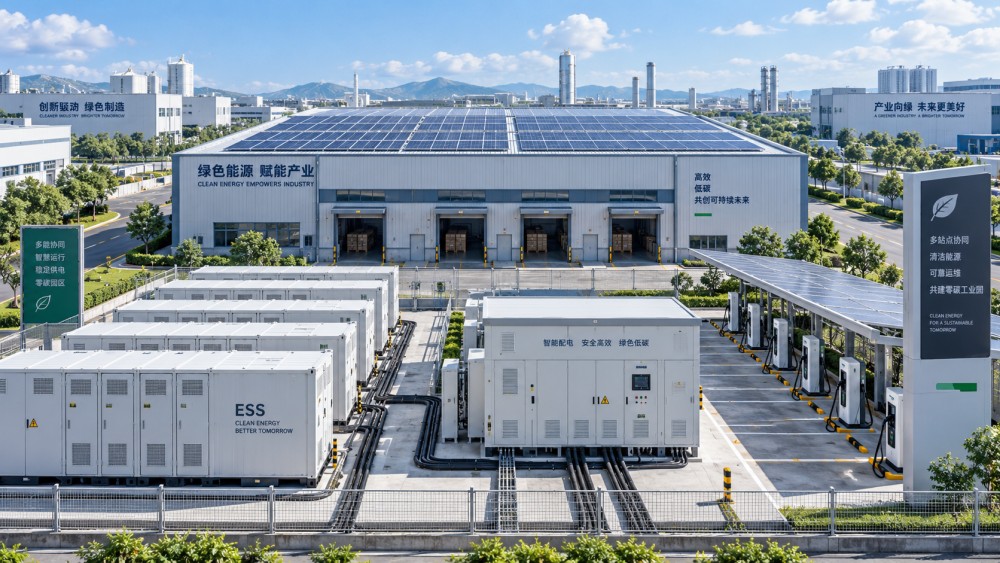
Managing distributed energy assets across several locations requires more than selecting reliable equipment. A portfolio may include rooftop solar at warehouses, battery systems at factories, EV chargers at depots, and microgrid controls at critical facilities. Each asset has a local purpose, but the owner needs the portfolio to perform as one coordinated energy program. That introduces practical questions around design consistency, utility interfaces, permitting, procurement, commissioning, data ownership, maintenance, and future expansion.
For project leaders asking, “best partners for distributed energy projects across a multi-site portfolio?”, the useful answer is not simply “a supplier with a broad catalog.” The right partner, or partner ecosystem, should reduce variation where standardization helps while retaining enough engineering flexibility for site-specific grid conditions, building constraints, operating loads, and local requirements. Its value is visible in the quality of decisions made before equipment is ordered, not only in the speed of installation.
A multi-site program can become fragmented surprisingly quickly. One region may select a different inverter platform, another may use separate monitoring software, and a third may procure storage without agreeing on dispatch logic or maintenance responsibility. None of those choices is automatically wrong. The problem arises when the portfolio owner cannot compare performance, identify recurring faults, enforce cybersecurity practices, or make credible investment decisions across locations.
Start with a Portfolio Delivery Model, Not a Site-by-Site Shopping List
The first deliverable should be a portfolio framework. This is the operating blueprint that defines what must be consistent across the estate and what can vary locally. It should cover project objectives, technical reference designs, approval gates, site-survey requirements, commercial assumptions, reporting rules, and escalation paths. Without this framework, every new site effectively becomes a new pilot project.
The framework should also distinguish between asset types. A solar-only retail site, a battery-backed manufacturing plant, and a fleet-charging depot do not have the same electrical behavior or commercial priorities. Solar generation may be primarily an energy-yield question; storage can depend on demand charges, resilience needs, export limits, or time-of-use tariffs; charging infrastructure may be constrained by vehicle schedules and distribution capacity. A capable partner does not force all sites into one technical template simply because it is easier to procure.
At the same time, a portfolio framework should specify a manageable set of approved architectures. This may include preferred communications protocols, protection philosophies, meter locations, naming conventions, commissioning records, spare-parts policies, and data fields. Standardization at this level is often more valuable than standardizing every component model. It allows project teams to compare sites without ignoring legitimate local differences.
Engineering Must Account for the Site, the Grid, and the Operating Business
Distributed energy engineering is not complete when PV capacity or battery duration has been selected. The partner should develop a site-specific understanding of electrical demand, load shape, roof or land constraints, interconnection conditions, transformer capacity, protection settings, backup loads, and operational continuity requirements. These factors determine whether the proposed system is buildable and whether it will behave as expected after energization.
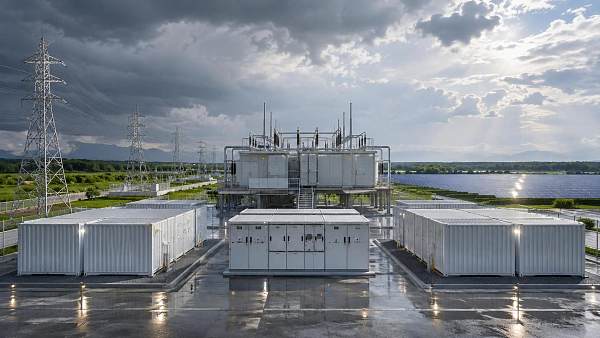
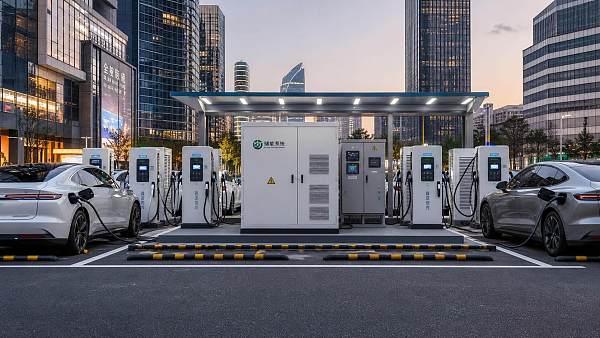
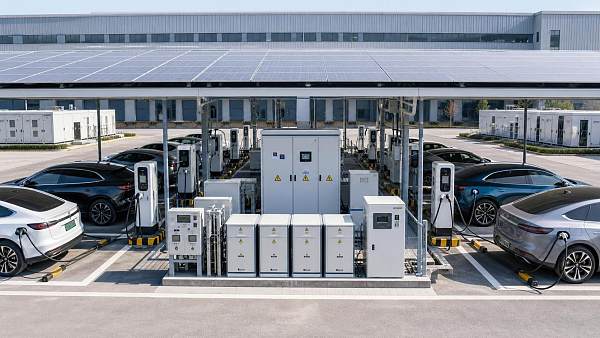
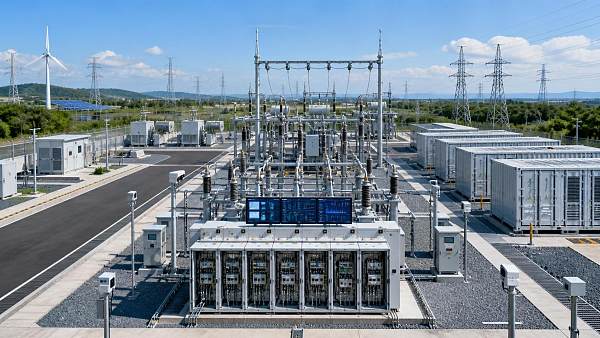
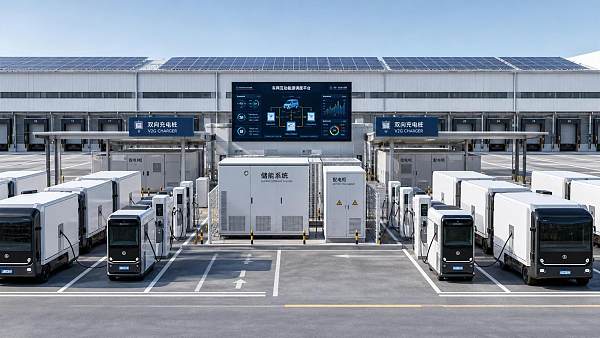
Grid integration deserves particular attention. A project may encounter voltage rise, reverse power flow, export limitations, fault-level constraints, harmonic concerns, or utility requirements for remote curtailment and reactive-power control. For battery systems, the design also needs clarity on power conversion, battery management, thermal management, fire-safety interfaces, control hierarchy, and emergency procedures. For charging hubs, the relevant questions include simultaneous charging demand, load management, available connection capacity, payment systems, and fleet operating windows.
A strong delivery partner brings these issues forward during feasibility, rather than treating them as construction-stage exceptions. It should state what has been confirmed, what remains an assumption, and which matters require utility feedback, structural assessment, landlord approval, or further study. Project managers need that transparency to sequence decisions and avoid approving a business case based on an untested connection assumption.
The design package should be usable by more than the engineering team. Procurement, operations, finance, legal, and site management all need clear information in a form relevant to their decisions. Drawings and single-line diagrams matter, but so do concise explanations of expected operating modes, curtailment risks, outage behavior, service boundaries, and the consequences of delaying a grid connection or equipment delivery.
Procurement Discipline Means Controlling Interfaces, Not Just Unit Prices
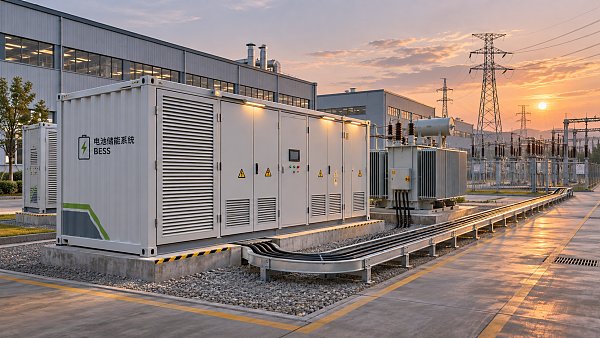
Portfolio procurement can create leverage, but buying power alone does not guarantee a dependable system. The partner should define technical acceptance criteria before tendering and make clear who carries responsibility at the interfaces between equipment packages. A battery container, for example, may involve cells, racks, cooling, fire detection or suppression arrangements, a power conversion system, controls, transformers, and site civil works. If responsibilities are blurred, the owner can be left managing disputes between otherwise competent vendors.
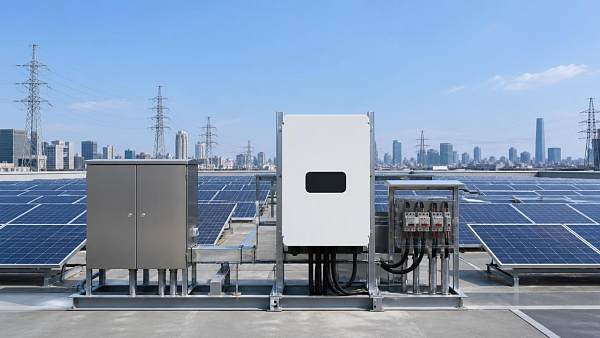
Equipment evaluation should look beyond nameplate ratings. Inverter selection affects grid-code functionality, monitoring access, safety shutdown, and serviceability. Mounting systems need to suit the roof, wind conditions, corrosion environment, drainage arrangement, and installation method. EV chargers must work with the intended vehicle mix and payment or access-control approach. The appropriate specification depends on the project, but the partner should document why a given choice fits the duty rather than relying on generic claims.
A useful procurement plan also considers substitution control. Supply-chain changes are common in renewable projects, particularly when multiple sites are moving through development at different speeds. The owner should know whether substitutions require engineering review, how compatibility will be tested, whether warranties and spare parts remain aligned, and what records will be updated. Uncontrolled substitutions are one of the quiet ways a standardized portfolio loses its consistency.
Construction Delivery Needs Repeatable Governance and Local Accountability
Repeatability in construction does not mean treating every site as identical. It means applying the same discipline to surveys, method statements, quality checks, safety coordination, document control, commissioning readiness, and handover. A partner should establish a common stage-gate process while assigning people who can resolve local issues with contractors, utilities, building owners, and facility teams.
The construction plan should make dependencies visible. Roof remediation, switchgear upgrades, transformer lead times, permit reviews, utility outage windows, and communications availability can each control the schedule more than the installation of the energy asset itself. A portfolio manager needs a realistic critical-path view across sites, including which delays are within the contractor’s control and which require external coordination.
Commissioning is where many weak delivery models reveal themselves. Mechanical completion is not operational acceptance. The partner should test protection functions, communications, metering, alarms, remote access, emergency shutdowns, charging load management where relevant, and the control behavior of solar-plus-storage assets under defined scenarios. Test evidence, as-built drawings, equipment serial records, operating manuals, and training records should be treated as project deliverables, not paperwork to be completed later.
One Data Strategy Is Essential for Lifecycle Control
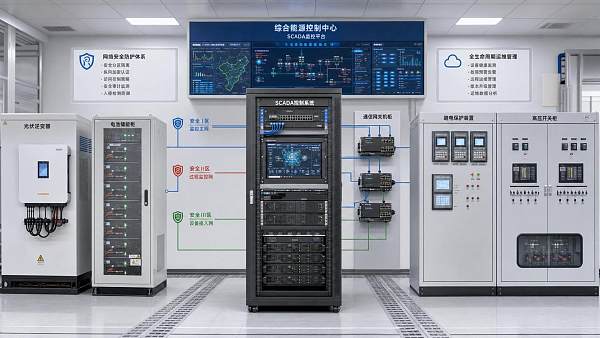
A multi-site portfolio becomes difficult to operate when each location has its own vendor portal, access rules, meter definitions, and performance dashboard. The partner should provide a digital architecture that defines how data will be collected, normalized, retained, protected, and made available to the asset owner. This does not necessarily require a single software vendor. It does require an agreed integration approach and clear ownership of operational data.
The most useful reporting does not stop at generation totals. Project teams need to see availability, curtailment, faults, battery state and dispatch history, charging utilization, communication failures, maintenance status, and exceptions against expected operating conditions. The metrics should match the commercial model. A resilience-focused microgrid may prioritize backup readiness; a behind-the-meter battery may prioritize dispatch accuracy and savings validation; a solar fleet may focus on energy yield, downtime, and unresolved alarms.
Cybersecurity and access control belong in the same conversation. Remote connectivity can improve diagnostics and reduce truck rolls, but it also adds operational exposure. Responsibilities for user access, software updates, incident response, network segmentation, and third-party support should be defined early. Exact requirements depend on the owner’s policies, local rules, and the systems involved, but leaving the question until after commissioning is rarely efficient.
Lifecycle Accountability Is the Real Test of a Partner
The partner’s role should not end when assets are energized. Distributed energy portfolios require planned maintenance, fault triage, warranty coordination, performance review, spare-parts planning, and a process for adapting controls as tariffs, load patterns, fleet operations, or grid requirements change. The owner should understand service response arrangements, exclusions, reporting cadence, and which party is authorized to alter settings.
This is especially important where systems interact. A battery dispatch strategy that appears sensible in a financial model may conflict with a site’s backup-power requirement. Charging load management may need revision as fleet utilization rises. Solar curtailment may change after a utility modifies operating conditions. The best partner is not the one that promises a fixed outcome under every future condition; it is the one that establishes a practical process for measuring, reviewing, and adjusting performance.
Before selecting a delivery partner, project leaders should ask for evidence of how the organization manages interfaces and exceptions. Who leads grid coordination? How are site surveys translated into design decisions? What commissioning evidence is required? Can data be exported in a usable format? What happens when one equipment vendor, local contractor, or utility misses a milestone? Direct answers to these questions are usually more revealing than a polished capability presentation.
Making the Portfolio Easier to Scale
A scalable distributed energy program combines central discipline with local technical judgment. It needs common standards, transparent project controls, fit-for-purpose design, reliable grid coordination, controlled procurement, verified commissioning, and a data structure that supports asset management over time. A partner that can deliver only one of these elements may still be useful, but the project owner must then manage the gaps between specialists.
For organizations expanding across solar, storage, charging, and grid-interactive systems, structured market and technical intelligence can help compare delivery models before contracts are issued. Global EcoPower & Energy Matrix Intelligence Network (EPEM) follows the equipment, grid modernization, distributed energy, and project-execution issues that shape these decisions, connecting technical choices with procurement and long-term asset performance.
The next practical step is to map the portfolio’s non-negotiables: operating objectives, local grid constraints, approved technical standards, data requirements, service expectations, and decision rights. Once these are explicit, it becomes far easier to judge whether a prospective partner can deliver a coordinated energy portfolio rather than a collection of disconnected installations.
Questions about market trends? Contact Market Scope Live for deeper business insights.
We respect your privacy. Your information is strictly confidential.
Related News
 Smart Grid TechnologiesPower System Automation Prices: What Drives Project Costs?Power system automation price depends on integration, software, testing, and support. Explore the key cost drivers and compare bids with confidence.MORE+
 Smart Grid TechnologiesGrid Flexibility Costs: Comparing Storage, Demand Response and Peaker PlantsCompare grid flexibility cost across battery storage, demand response and peaker plants. Discover key cost drivers and choose the right solution for your reliability needs.MORE+
 Smart Grid TechnologiesChoosing a Grid Monitoring Systems Supplier: Integration and Support CriteriaChoose a grid monitoring systems supplier with confidence. Compare integration, cybersecurity, lifecycle costs, commissioning, and support before you commit.MORE+
 Smart Grid TechnologiesUS Energy Department Announces $237 Million for Grid Supply ChainsUS Department of Energy announces $237 million for grid supply chains. Explore potential impacts on domestic manufacturing, sourcing and procurement.MORE+
 Smart Grid TechnologiesAdvanced Metering Systems in South Africa: Choosing Connectivity for MunicipalitiesExplore advanced metering systems in South Africa. Compare cellular, RF mesh and PLC to choose reliable municipal connectivity, control costs and plan a smarter rollout.MORE+
 Smart Grid TechnologiesVehicle-to-Grid Technology in Europe: EV, Charger and Grid RequirementsExplore vehicle to grid technology Europe-wide. Discover EV compatibility, charger standards and grid approval requirements to reduce risks and plan your V2G deployment with confidence.MORE+
 Smart Grid TechnologiesWhat Infrastructure Do Utility-Scale Renewables Need for Grid Connection?Explore utility renewable energy infrastructure for grid connection, from substations to controls and compliance. Learn how to spot connection risks and keep projects on track.MORE+
 Smart Grid TechnologiesHybrid Power Plants for Microgrids: Sizing Solar, Batteries, and DieselSize hybrid power plants for microgrids with confidence. Learn how to balance solar, batteries, and diesel to cut fuel use, protect critical loads, and meet reliability targets.MORE+
 Smart Grid TechnologiesRenewable Power Systems for Mining: Designing Reliable Off-Grid MicrogridsExplore renewable power systems for mining: design reliable off-grid microgrids with solar, storage, backup power, and smart controls to cut fuel use and protect uptime.MORE+
 Smart Grid TechnologiesCommercial Microgrids in Europe: When Do Energy Savings Justify the Investment?Considering commercial microgrids Europe-wide? Discover when energy savings justify investment, compare solar and storage returns, and avoid costly oversizing.MORE+
 Smart Grid TechnologiesMulti-Site Commercial Energy Planning: Balancing Load, Tariffs, and ResilienceMulti site commercial energy planning: balance load profiles, tariffs, EV charging, storage, and resilience to reduce costs, strengthen operations, and optimize every facility.MORE+
 Smart Grid TechnologiesWhat Should a Partner Deliver Across a Multi-Site Distributed Energy Portfolio?Best partners for distributed energy projects across a multi-site portfolio? Discover how to standardize design, data, commissioning, and lifecycle performance at scale.MORE+
 Smart Grid TechnologiesHow Can Multi-Site Owners Identify the Right Partners for Distributed Energy Projects?“Is it best partners for distributed energy projects across a multi-site portfolio?” Explore a practical framework to assess technical expertise, grid readiness, risk, data access, and lifecycle support.MORE+
 Smart Grid TechnologiesSmart Grid Technologies for Utilities: How to Prioritize Grid Modernization InvestmentsSmart grid technologies for utilities: learn how to prioritize modernization investments, reduce reliability risks, defer capital upgrades, and build a resilient, cost-effective grid.MORE+
 Smart Grid TechnologiesDigital Substations: How IEC 61850 Improves Protection, Control, and Data VisibilityDigital substations powered by IEC 61850 improve protection, flexible control, and data visibility. Explore the design principles that strengthen grid reliability.MORE+
 Smart Grid TechnologiesWhat Is Feeder Automation and How Does It Reduce Outages on Distribution Grids?Feeder automation helps utilities isolate faults, restore healthy sections faster, and reduce distribution grid outages. Explore how FLISR improves reliability.MORE+
 Smart Grid TechnologiesWhat Renewable Integration Studies Should Model Before a Grid Connection DecisionRenewable integration studies reveal grid connection risks before approval—from voltage and protection to curtailment, dynamic stability, and future network constraints.MORE+
 Smart Grid TechnologiesUtility Resilience Planning: How to Prioritize Grid Investments for Extreme WeatherUtility companies resilience planning: learn how to prioritize grid investments for extreme weather, protect critical services, speed restoration, and build a stronger, smarter energy network.MORE+
 Smart Grid TechnologiesWhat Drives Microgrid Controller Costs Across Commercial and Industrial Projects?Microgrid controllers cost depends on asset mix, islanding needs, legacy integration, software, and lifecycle support. Learn how to compare bids and reduce project risk.MORE+
 Smart Grid TechnologiesHow Does Demand Response Work with Battery Storage in Microgrids?How does demand response integrate with battery storage in microgrid operations? Explore coordinated dispatch, peak shaving, renewable use, and resilient backup strategies.MORE+
 Smart Grid TechnologiesWhich Energy Management Systems Integrate Best with Existing SCADA Platforms?Which energy management systems integrate best with existing SCADA platforms? Explore protocols, control authority, and practical selection insights for reliable energy optimization.MORE+
 Smart Grid TechnologiesHow to Plan Clean Energy Infrastructure for Reliable Industrial Power SupplyClean energy infrastructure planning for reliable industrial power: optimize loads, storage, controls, grid integration, and resilience.MORE+
 Smart Grid TechnologiesHow to Size Hybrid Microgrid Systems for Remote Sites With Variable LoadsHybrid microgrid systems for remote sites: learn how to size solar, batteries, inverters, and generators for variable loads, resilience, and lower fuel costs.MORE+
 Smart Grid TechnologiesGrid Resilience Technologies That Prevent Outages During Extreme WeatherGrid resilience technologies for outage prevention help utilities and facilities withstand extreme weather with automation, storage, microgrids, and demand flexibility. Explore practical strategies to protect critical loads and restore power faster.MORE+
 Smart Grid TechnologiesGrid Stability Solutions for Wind: Managing Variability and Power QualityGrid stability solutions for wind: explore practical strategies for voltage control, frequency response, power quality, storage, and reliable PCC compliance.MORE+
 Smart Grid TechnologiesWhich Grid Interconnection Standards Apply to Commercial Rooftop Solar?What grid interconnection standards apply to commercial rooftop solar? Explore utility rules, inverter certifications, export limits, and approval steps to avoid costly delays.MORE+
 Smart Grid TechnologiesHow Demand Response Supports Public EV Charging StationsSmart grid demand response for public charging stations helps operators control peak loads, protect costs, improve reliability, and deliver a clearer EV driver experience.MORE+
 Smart Grid TechnologiesDo Smart Grid Features Reduce Charging Station Electricity Bills?Do smart grid features actually reduce charging station electricity bills? Discover how load balancing, tariff scheduling, solar, and storage can cut peak costs.MORE+
 Smart Grid TechnologiesCan One Energy Management Platform Support Multiple Charger Brands?Can a single energy management platform handle multiple charger brands at one site? Discover how open integration enables scalable, reliable EV charging control.MORE+
 Smart Grid TechnologiesGrid Resilience Technologies Explained: Which Solutions Reduce Outage Risk?Grid resilience technologies explained clearly: compare batteries, microgrids, feeder automation, and digital controls to see which solutions truly reduce outage risk and protect critical loads.MORE+
 Smart Grid TechnologiesHow Utilities Evaluate Renewable Power Systems for Grid Stability and ROIRenewable power systems for utilities: learn how grids assess stability, storage, integration costs, and long-term ROI to choose resilient, high-value renewable investments.MORE+
 Smart Grid TechnologiesWhat Makes a Microgrid Energy Project Bankable for Investors and Lenders?Energy project bankability microgrids explained: learn what investors and lenders check most—revenue certainty, contract strength, risk allocation, and reliable performance.MORE+
 Smart Grid TechnologiesWhat Determines Grid Monitoring Price in Utility and Industrial Projects?Grid monitoring price depends on scope, accuracy, software, and integration complexity. Learn what drives costs in utility and industrial projects before you compare quotes.MORE+
 Smart Grid TechnologiesUrban Energy Infrastructure Planning: Key Factors for Resilient and Scalable CitiesUrban energy infrastructure planning for resilient, scalable cities: discover how grids, storage, EV charging, and smart forecasting reduce risk, cut costs, and support cleaner urban growth.MORE+
 Smart Grid TechnologiesHow Grid Infrastructure in the USA Is Evolving to Support Renewables and Grid ReliabilityGrid infrastructure USA is evolving fast to integrate renewables, storage, and EV charging while protecting reliability. Explore key trends, risks, and business opportunities shaping the market.MORE+
 Smart Grid TechnologiesGrid Power Infrastructure Investment: How to Compare ROI Across Utility-Scale ProjectsGrid power infrastructure investment explained: learn how to compare ROI across utility-scale projects using NPV, lifecycle cost, grid risk, and performance metrics to make smarter investment decisions.MORE+
 Smart Grid TechnologiesWhat Drives Substation Digitalization Cost? Hardware, Software, and Retrofit FactorsSubstation digitalization cost explained: compare hardware, software, retrofit risks, and lifecycle factors to budget smarter, avoid hidden costs, and choose higher-value upgrades.MORE+
 Smart Grid TechnologiesIndustrial Microgrids EMS Explained: Core Functions, Controls, and Use CasesIndustrial microgrids EMS explained: discover core functions, control priorities, and real-world use cases to improve resilience, cut energy costs, and evaluate platforms with confidence.MORE+
 Smart Grid TechnologiesSCADA for Power Systems Vendor Selection: Integration, Cybersecurity, and Lifecycle CostSCADA for power systems vendor selection made practical: compare integration, cybersecurity, and lifecycle cost to reduce risk, avoid hidden expenses, and choose a platform built to scale.MORE+
 Smart Grid TechnologiesVehicle-to-Grid Technology for Depots: How It Works and When It Makes Business SenseVehicle to grid technology for depots explained: learn how V2G works, where savings and revenue come from, and when it makes real business sense for fleet operators.MORE+