What Makes a Microgrid Energy Project Bankable for Investors and Lenders?
When people assess energy project bankability microgrids, they often start with technology: solar yield, battery duration, controller logic, islanding capability. That matters, but it is rarely the first reason a lender says yes. A microgrid becomes bankable when revenue is believable, operating risk is controlled, counterparties are credible, and the project can keep performing through contract changes, fuel price shifts, and equipment failures. If you are reviewing a project for procurement, investment, or credit approval, the real question is simple: can this asset produce dependable cash flow with risks that are visible, allocated, and manageable?
A short answer is this: investors and lenders back microgrids when the project is not just technically sound, but commercially disciplined. They want to see who pays, why they will keep paying, what happens if performance drops, and whether the project structure can survive normal operational problems without destroying returns.
Why bankability is harder for microgrids than for many other power assets
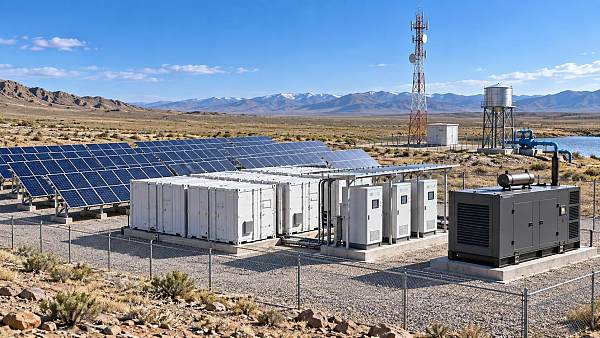
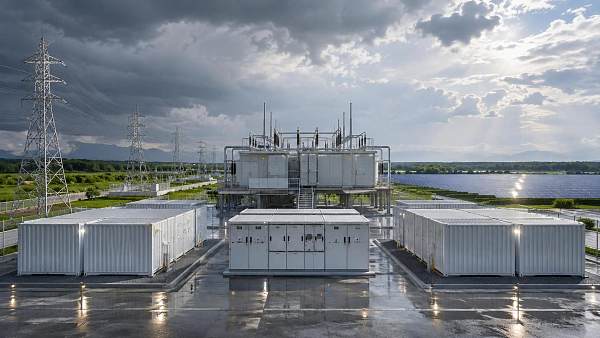
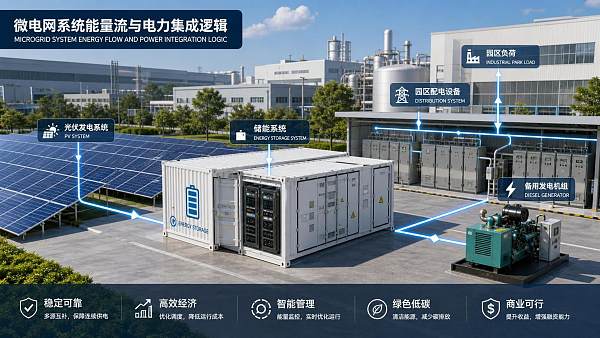
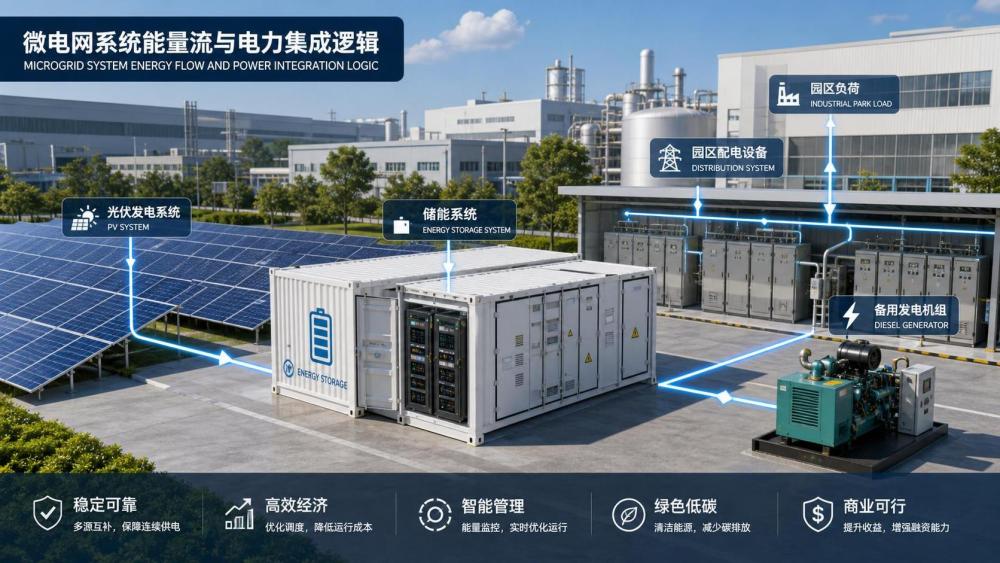
A utility-scale solar plant usually has a cleaner financing story. One generation source, one grid connection path, one offtaker, and a familiar contract structure. A microgrid is different. It may combine solar PV, batteries, diesel or gas backup, control software, switchgear, protection systems, and multiple load types. It may operate grid-connected part of the time and islanded during outages. It may also serve a campus, factory, data center, mine, island community, military site, or mixed-use commercial property. That operational flexibility is valuable, but it also makes due diligence more complex.
In practice, microgrid risk sits at the intersection of power engineering, software integration, and commercial contracting. If any one of those pieces is weak, financing becomes expensive or unavailable. A project can have excellent equipment and still be unbankable because the offtake arrangement is vague. It can also have a strong customer and still fail credit review because dispatch logic, O&M responsibility, or replacement reserves were not defined properly.
Bankable microgrids start with revenue that can be underwritten
This is the first screen. Lenders do not finance theoretical savings very well. They prefer contracted or highly predictable revenue streams. For microgrids, that usually means one or more of the following:
- Long-term energy service agreements with a creditworthy host customer
- Power purchase agreements tied to measurable delivered energy
- Capacity or resilience payments defined in contract terms
- Tariff-backed savings with a documented baseline and verification method
- Utility, public-sector, or institutional payment structures with clear budget backing
The weak version of a business case says, “the customer should save money because grid tariffs are high.” The stronger version says, “the customer has signed a 10- to 20-year agreement, with indexation terms, minimum payment obligations, outage performance definitions, and remedies if either side underperforms.” That difference matters a lot.
Many early-stage microgrid proposals rely too heavily on modeled savings from peak shaving, demand charge reduction, or fuel displacement. Those savings may be real, but lenders will discount them if the assumptions are aggressive, the baseline is unstable, or the host customer’s load profile is changing. For example, a manufacturing site planning production expansion can invalidate a carefully built load forecast within a year.
So the procurement question is not whether savings exist. It is whether those savings are contractable and durable enough to support debt.
Counterparty quality often matters more than the hardware list
A common mistake in procurement reviews is to spend weeks comparing batteries, inverters, and controllers while giving too little attention to the credit quality of the offtaker, EPC contractor, and O&M provider.
From an investor’s viewpoint, a bankable microgrid usually needs at least one strong counterparty and preferably several competent ones. If the host customer has weak credit, then the project may need stronger collateral, parent guarantees, public-sector backing, prepaid structures, or lower leverage. If the EPC contractor has little microgrid integration experience, the project may require higher contingency, stronger liquidated damages, and a more conservative schedule.
Hardware can be replaced. A failed commercial structure is much harder to repair after financial close.
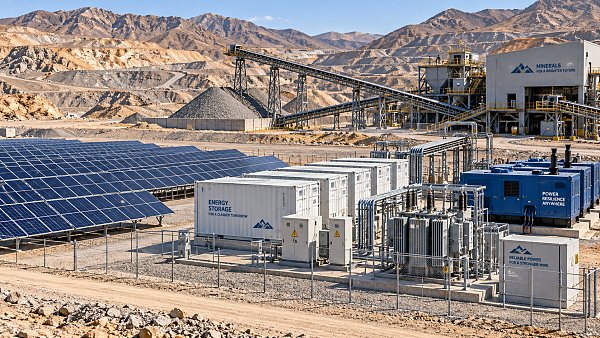
This is especially true in behind-the-meter projects. The host customer’s business health, occupancy outlook, electricity consumption pattern, and management commitment can all affect long-term revenue. A mine nearing reserve depletion, a commercial building with tenant turnover risk, or an industrial site exposed to unstable commodity markets will be viewed differently from a hospital campus, utility-backed critical facility, or public infrastructure site.
Technology bankability is really about system reliability, not spec-sheet performance
Procurement teams are often shown best-case equipment data. Finance teams should be more interested in failure modes, interoperability, maintainability, and replacement planning.
For microgrids, reliable integration is more important than any single component headline. A lender will ask questions such as:
- Has this controller architecture been deployed at similar scale and operating mode?
- Are inverter, battery, genset, and protection systems proven to work together?
- Is islanding and black-start functionality validated, not just promised?
- Who owns software updates, cybersecurity response, and communications troubleshooting?
- What are the warranty terms, exclusions, and response times?
Those are not engineering details in the narrow sense. They directly affect cash flow. If a microgrid cannot switch cleanly during disturbances, fails to deliver resilience when the host expects it, or suffers repeated downtime because controls integration is unstable, the project may face penalties, disputes, and expensive service calls.
Bankable projects usually use equipment with a traceable operating history, bankable suppliers, and service support that actually exists in the target region. Cheaper components may improve the EPC bid but weaken the financing case if spare parts, warranty execution, or local technical support are uncertain.
Risk allocation needs to be visible on paper
Many projects look acceptable in a presentation deck and fall apart in contract review. That happens when key risks are acknowledged but not allocated clearly.
A lender wants to know who carries construction delay risk, interconnection delay risk, performance shortfall risk, fuel supply risk if thermal generation is included, cyber risk, force majeure treatment, and major component replacement risk. If the answer to too many of these is “to be agreed later,” the project is not ready.
The best microgrid contracts do not try to eliminate every risk. They define them early, place them with the party best able to manage them, and create practical remedies. For instance, guaranteed completion dates, performance testing protocols, availability guarantees, reserve accounts for battery augmentation or major maintenance, and step-in rights for lenders can make a real difference.
This is also where experienced developers separate themselves from optimistic bidders. They understand that a project can still be attractive with moderate risk, as long as the documents do not hide that risk or leave it floating between parties.
Permitting, interconnection, and regulatory clarity are not side issues
Microgrids sit in a regulatory gray zone more often than people expect. Rules may differ depending on whether the system exports to grid, operates only behind the meter, serves multiple customers, crosses property lines, or includes backup generation. In some markets, resilience value is easy to explain commercially but hard to monetize under existing regulation.
If interconnection approval is uncertain, if export compensation is not defined, or if local rules limit private wire arrangements, bankability suffers quickly. The same is true when environmental permits, land rights, or fuel handling approvals are still unresolved.
Procurement teams sometimes treat these as legal follow-up items. That is risky. These issues affect schedule, capex, and whether the commercial model works at all. A microgrid with perfect technical design but unresolved permitting is not a financeable asset yet.
Where market rules are fragmented, structured industry intelligence becomes useful. Platforms such as EPEM can help teams compare technology pathways, project structures, and regional market signals across distributed energy, storage, and grid modernization topics before procurement assumptions get locked into a tender or investment memo.
Cost discipline is more than getting the lowest EPC price
For commercial reviewers, one of the most useful mindset shifts is this: low capex does not automatically improve bankability. In fact, overly compressed EPC pricing can be a warning sign. If the project budget ignores commissioning complexity, controls integration, spare parts, communications infrastructure, or long-term maintenance, the financing model may look better at first and worse later.
A more bankable cost structure usually includes:
- Realistic contingency for integration and commissioning
- Lifecycle maintenance assumptions, not just year-one service costs
- Battery degradation and augmentation planning where applicable
- Insurance costs aligned with actual operational profile
- Owner’s engineer, testing, and compliance costs
- Working capital or reserve provisions for critical replacements
That does not mean every project needs a large cost buffer. It means the model must reflect how microgrids actually behave over time. In procurement reviews, “cheap and underdefined” is usually a bigger problem than “moderately higher capex with lower execution risk.”
Where many bankability reviews go wrong
One recurring mistake is treating resilience as automatically financeable value. End users may care deeply about backup power, but lenders still ask how that value turns into contracted cash flow. If resilience is strategic but not contractually monetized, it may support equity appetite more than debt sizing.
Another mistake is assuming sophisticated software makes the asset safer for financiers. Advanced controls can improve dispatch and flexibility, but only if operating responsibility, data ownership, cybersecurity procedures, and vendor support obligations are defined. Software dependence without support discipline increases risk.
There is also a tendency to overestimate the transferability of one successful project to another. A microgrid serving a remote mine, a hospital campus, and a logistics depot may all use solar-plus-storage, but their load stability, outage costs, permitting frameworks, and contract structures are very different. Bankability does not travel by technology label alone.
What a procurement or investment reviewer should confirm before moving forward
If you are evaluating suppliers, developers, or project sponsors, a practical review should answer a few hard questions before commercial commitment:
- Is there a long-term payment mechanism that survives normal market volatility?
- Are forecast savings based on stable load data and realistic tariff assumptions?
- Do key equipment suppliers and integrators have bankable track records?
- Are performance guarantees measurable and enforceable?
- Have permitting, interconnection, and operating rights been substantially de-risked?
- Does the financial model include degradation, maintenance, and replacement realities?
- Can the project still function if one contractor underperforms or exits?
If several of those answers are weak, the project may still be interesting strategically, but it is not yet ready for conventional financing on attractive terms.
That is the practical lens for energy project bankability microgrids. Investors and lenders are not looking for perfect projects. They are looking for projects where revenue logic is credible, counterparties are dependable, technical integration is proven, and commercial documents do the hard work of assigning risk before operations begin. When those pieces line up, a microgrid stops looking like a complex engineering package and starts looking like a financeable infrastructure asset.
FAQ
Is a microgrid with strong technical performance automatically bankable?
No. Good technical design helps, but financing depends more on contracted revenue, counterparty strength, and clear risk allocation.
Do lenders prefer grid-connected microgrids over islanded systems?
Not automatically. Grid-connected projects may have more revenue options, but islanded systems can also be bankable if the customer need is critical and payments are contractually secure.
How important is the host customer’s credit profile?
Very important. In many behind-the-meter microgrids, host credit quality is one of the main drivers of debt availability and pricing.
Can projected energy savings support financing without a long-term contract?
Sometimes for internal investment decisions, rarely on strong debt terms. Uncontracted savings are usually discounted heavily by lenders.
What is the biggest procurement red flag?
An EPC or developer proposal that looks inexpensive but leaves controls integration, O&M responsibility, replacement planning, or performance remedies unclear.
Image Placeholder List
Suggested placement: After the section discussing revenue underwriteability and before the counterparty discussion.
Suggested image content: A simplified microgrid bankability review flow showing revenue contract, counterparties, technology integration, regulatory approvals, and lifecycle cost review.
Suggested alt text: Microgrid project bankability checklist for investors and lenders
Internal Link Anchor Text Suggestions
- microgrid project due diligence checklist: project evaluation guide page
- solar plus storage procurement considerations: buyer guide or solution page
- how battery energy storage affects project finance: educational article
- distributed energy contract risk review: legal or commercial insights page
- grid modernization and behind-the-meter energy systems: industry knowledge hub page
External Authority Source Suggestions
- Government energy regulator or utility commission pages on interconnection and private wire rules
- Multilateral development bank or energy finance institution reports on distributed energy project risk
- OEM or integrator official technical documentation for microgrid controllers, storage systems, and performance warranties
Questions about market trends? Contact Market Scope Live for deeper business insights.
We respect your privacy. Your information is strictly confidential.
Related News
 Smart Grid TechnologiesPower System Automation Prices: What Drives Project Costs?Power system automation price depends on integration, software, testing, and support. Explore the key cost drivers and compare bids with confidence.MORE+
 Smart Grid TechnologiesGrid Flexibility Costs: Comparing Storage, Demand Response and Peaker PlantsCompare grid flexibility cost across battery storage, demand response and peaker plants. Discover key cost drivers and choose the right solution for your reliability needs.MORE+
 Smart Grid TechnologiesChoosing a Grid Monitoring Systems Supplier: Integration and Support CriteriaChoose a grid monitoring systems supplier with confidence. Compare integration, cybersecurity, lifecycle costs, commissioning, and support before you commit.MORE+
 Smart Grid TechnologiesUS Energy Department Announces $237 Million for Grid Supply ChainsUS Department of Energy announces $237 million for grid supply chains. Explore potential impacts on domestic manufacturing, sourcing and procurement.MORE+
 Smart Grid TechnologiesAdvanced Metering Systems in South Africa: Choosing Connectivity for MunicipalitiesExplore advanced metering systems in South Africa. Compare cellular, RF mesh and PLC to choose reliable municipal connectivity, control costs and plan a smarter rollout.MORE+
 Smart Grid TechnologiesVehicle-to-Grid Technology in Europe: EV, Charger and Grid RequirementsExplore vehicle to grid technology Europe-wide. Discover EV compatibility, charger standards and grid approval requirements to reduce risks and plan your V2G deployment with confidence.MORE+
 Smart Grid TechnologiesWhat Infrastructure Do Utility-Scale Renewables Need for Grid Connection?Explore utility renewable energy infrastructure for grid connection, from substations to controls and compliance. Learn how to spot connection risks and keep projects on track.MORE+
 Smart Grid TechnologiesHybrid Power Plants for Microgrids: Sizing Solar, Batteries, and DieselSize hybrid power plants for microgrids with confidence. Learn how to balance solar, batteries, and diesel to cut fuel use, protect critical loads, and meet reliability targets.MORE+
 Smart Grid TechnologiesRenewable Power Systems for Mining: Designing Reliable Off-Grid MicrogridsExplore renewable power systems for mining: design reliable off-grid microgrids with solar, storage, backup power, and smart controls to cut fuel use and protect uptime.MORE+
 Smart Grid TechnologiesCommercial Microgrids in Europe: When Do Energy Savings Justify the Investment?Considering commercial microgrids Europe-wide? Discover when energy savings justify investment, compare solar and storage returns, and avoid costly oversizing.MORE+
 Smart Grid TechnologiesMulti-Site Commercial Energy Planning: Balancing Load, Tariffs, and ResilienceMulti site commercial energy planning: balance load profiles, tariffs, EV charging, storage, and resilience to reduce costs, strengthen operations, and optimize every facility.MORE+
 Smart Grid TechnologiesWhat Should a Partner Deliver Across a Multi-Site Distributed Energy Portfolio?Best partners for distributed energy projects across a multi-site portfolio? Discover how to standardize design, data, commissioning, and lifecycle performance at scale.MORE+
 Smart Grid TechnologiesHow Can Multi-Site Owners Identify the Right Partners for Distributed Energy Projects?“Is it best partners for distributed energy projects across a multi-site portfolio?” Explore a practical framework to assess technical expertise, grid readiness, risk, data access, and lifecycle support.MORE+
 Smart Grid TechnologiesSmart Grid Technologies for Utilities: How to Prioritize Grid Modernization InvestmentsSmart grid technologies for utilities: learn how to prioritize modernization investments, reduce reliability risks, defer capital upgrades, and build a resilient, cost-effective grid.MORE+
 Smart Grid TechnologiesDigital Substations: How IEC 61850 Improves Protection, Control, and Data VisibilityDigital substations powered by IEC 61850 improve protection, flexible control, and data visibility. Explore the design principles that strengthen grid reliability.MORE+
 Smart Grid TechnologiesWhat Is Feeder Automation and How Does It Reduce Outages on Distribution Grids?Feeder automation helps utilities isolate faults, restore healthy sections faster, and reduce distribution grid outages. Explore how FLISR improves reliability.MORE+
 Smart Grid TechnologiesWhat Renewable Integration Studies Should Model Before a Grid Connection DecisionRenewable integration studies reveal grid connection risks before approval—from voltage and protection to curtailment, dynamic stability, and future network constraints.MORE+
 Smart Grid TechnologiesUtility Resilience Planning: How to Prioritize Grid Investments for Extreme WeatherUtility companies resilience planning: learn how to prioritize grid investments for extreme weather, protect critical services, speed restoration, and build a stronger, smarter energy network.MORE+
 Smart Grid TechnologiesWhat Drives Microgrid Controller Costs Across Commercial and Industrial Projects?Microgrid controllers cost depends on asset mix, islanding needs, legacy integration, software, and lifecycle support. Learn how to compare bids and reduce project risk.MORE+
 Smart Grid TechnologiesHow Does Demand Response Work with Battery Storage in Microgrids?How does demand response integrate with battery storage in microgrid operations? Explore coordinated dispatch, peak shaving, renewable use, and resilient backup strategies.MORE+
 Smart Grid TechnologiesWhich Energy Management Systems Integrate Best with Existing SCADA Platforms?Which energy management systems integrate best with existing SCADA platforms? Explore protocols, control authority, and practical selection insights for reliable energy optimization.MORE+
 Smart Grid TechnologiesHow to Plan Clean Energy Infrastructure for Reliable Industrial Power SupplyClean energy infrastructure planning for reliable industrial power: optimize loads, storage, controls, grid integration, and resilience.MORE+
 Smart Grid TechnologiesHow to Size Hybrid Microgrid Systems for Remote Sites With Variable LoadsHybrid microgrid systems for remote sites: learn how to size solar, batteries, inverters, and generators for variable loads, resilience, and lower fuel costs.MORE+
 Smart Grid TechnologiesGrid Resilience Technologies That Prevent Outages During Extreme WeatherGrid resilience technologies for outage prevention help utilities and facilities withstand extreme weather with automation, storage, microgrids, and demand flexibility. Explore practical strategies to protect critical loads and restore power faster.MORE+
 Smart Grid TechnologiesGrid Stability Solutions for Wind: Managing Variability and Power QualityGrid stability solutions for wind: explore practical strategies for voltage control, frequency response, power quality, storage, and reliable PCC compliance.MORE+
 Smart Grid TechnologiesWhich Grid Interconnection Standards Apply to Commercial Rooftop Solar?What grid interconnection standards apply to commercial rooftop solar? Explore utility rules, inverter certifications, export limits, and approval steps to avoid costly delays.MORE+
 Smart Grid TechnologiesHow Demand Response Supports Public EV Charging StationsSmart grid demand response for public charging stations helps operators control peak loads, protect costs, improve reliability, and deliver a clearer EV driver experience.MORE+
 Smart Grid TechnologiesDo Smart Grid Features Reduce Charging Station Electricity Bills?Do smart grid features actually reduce charging station electricity bills? Discover how load balancing, tariff scheduling, solar, and storage can cut peak costs.MORE+
 Smart Grid TechnologiesCan One Energy Management Platform Support Multiple Charger Brands?Can a single energy management platform handle multiple charger brands at one site? Discover how open integration enables scalable, reliable EV charging control.MORE+
 Smart Grid TechnologiesGrid Resilience Technologies Explained: Which Solutions Reduce Outage Risk?Grid resilience technologies explained clearly: compare batteries, microgrids, feeder automation, and digital controls to see which solutions truly reduce outage risk and protect critical loads.MORE+
 Smart Grid TechnologiesHow Utilities Evaluate Renewable Power Systems for Grid Stability and ROIRenewable power systems for utilities: learn how grids assess stability, storage, integration costs, and long-term ROI to choose resilient, high-value renewable investments.MORE+
 Smart Grid TechnologiesWhat Makes a Microgrid Energy Project Bankable for Investors and Lenders?Energy project bankability microgrids explained: learn what investors and lenders check most—revenue certainty, contract strength, risk allocation, and reliable performance.MORE+
 Smart Grid TechnologiesWhat Determines Grid Monitoring Price in Utility and Industrial Projects?Grid monitoring price depends on scope, accuracy, software, and integration complexity. Learn what drives costs in utility and industrial projects before you compare quotes.MORE+
 Smart Grid TechnologiesUrban Energy Infrastructure Planning: Key Factors for Resilient and Scalable CitiesUrban energy infrastructure planning for resilient, scalable cities: discover how grids, storage, EV charging, and smart forecasting reduce risk, cut costs, and support cleaner urban growth.MORE+
 Smart Grid TechnologiesHow Grid Infrastructure in the USA Is Evolving to Support Renewables and Grid ReliabilityGrid infrastructure USA is evolving fast to integrate renewables, storage, and EV charging while protecting reliability. Explore key trends, risks, and business opportunities shaping the market.MORE+
 Smart Grid TechnologiesGrid Power Infrastructure Investment: How to Compare ROI Across Utility-Scale ProjectsGrid power infrastructure investment explained: learn how to compare ROI across utility-scale projects using NPV, lifecycle cost, grid risk, and performance metrics to make smarter investment decisions.MORE+
 Smart Grid TechnologiesWhat Drives Substation Digitalization Cost? Hardware, Software, and Retrofit FactorsSubstation digitalization cost explained: compare hardware, software, retrofit risks, and lifecycle factors to budget smarter, avoid hidden costs, and choose higher-value upgrades.MORE+
 Smart Grid TechnologiesIndustrial Microgrids EMS Explained: Core Functions, Controls, and Use CasesIndustrial microgrids EMS explained: discover core functions, control priorities, and real-world use cases to improve resilience, cut energy costs, and evaluate platforms with confidence.MORE+
 Smart Grid TechnologiesSCADA for Power Systems Vendor Selection: Integration, Cybersecurity, and Lifecycle CostSCADA for power systems vendor selection made practical: compare integration, cybersecurity, and lifecycle cost to reduce risk, avoid hidden expenses, and choose a platform built to scale.MORE+
 Smart Grid TechnologiesVehicle-to-Grid Technology for Depots: How It Works and When It Makes Business SenseVehicle to grid technology for depots explained: learn how V2G works, where savings and revenue come from, and when it makes real business sense for fleet operators.MORE+