Smart Grid Technologies for Grid Stability: Key Functions and Deployment Scenarios
Smart Grid Technologies for Grid Stability: Key Functions and Deployment Scenarios
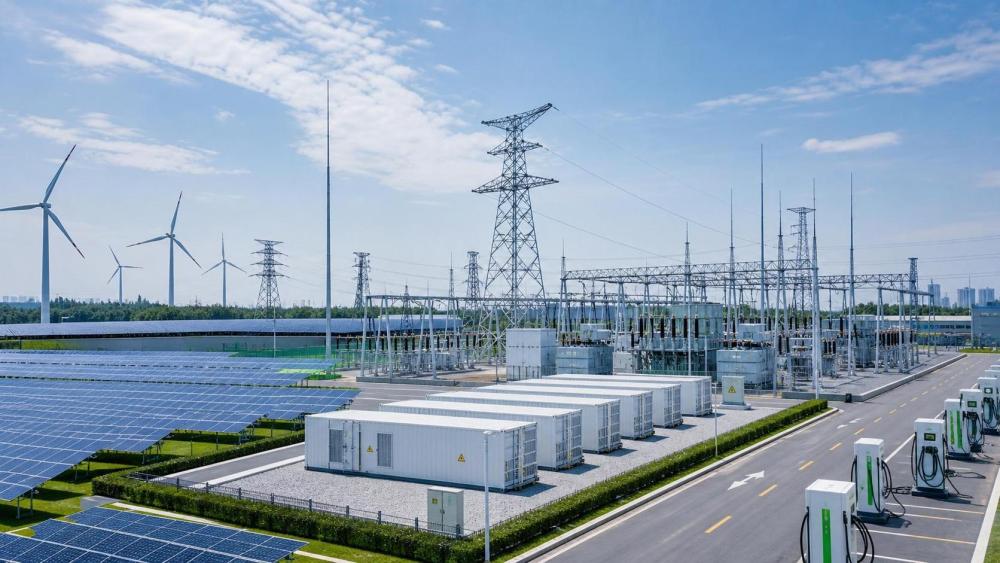
As renewable energy penetration grows, grid stability is becoming a daily engineering challenge.
Solar and wind output can change quickly, while demand patterns are also becoming less predictable.
That is why smart grid technologies for grid stability now matter far beyond pilot projects.
They support voltage control, frequency response, congestion management, visibility, and faster operating decisions.
In practical terms, they help grids absorb more distributed and renewable energy without losing reliability.
For technical review work, the key question is not whether digitalization is needed.
The real issue is which smart grid technologies for grid stability solve specific operating risks.
This also means evaluation should connect control functions, communication quality, and deployment conditions.
Why Grid Stability Has Become Harder to Maintain
Traditional grids were designed around predictable central generation and one-way power flow.
Modern networks look very different.
Utility-scale PV, wind farms, rooftop solar, battery systems, EV charging, and flexible industrial loads now interact constantly.
As a result, several stability risks appear more often:
- Short-term voltage fluctuation in weak or remote feeders
- Frequency deviation caused by lower system inertia
- Congestion near renewable generation clusters
- Reverse power flow in distribution networks
- Sharp demand spikes from fleet or public fast charging
- Reduced operator visibility at the edge of the grid
These risks do not always require major new transmission assets.
In many cases, smart grid technologies for grid stability can unlock existing network capacity first.
Core Functions of Smart Grid Technologies for Grid Stability
A useful evaluation starts with functions, not with devices alone.
Different technologies may look separate, but they usually serve a linked control purpose.
1. Real-Time Monitoring and Situational Awareness
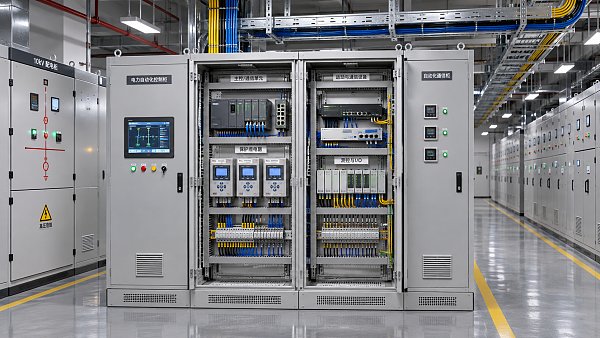
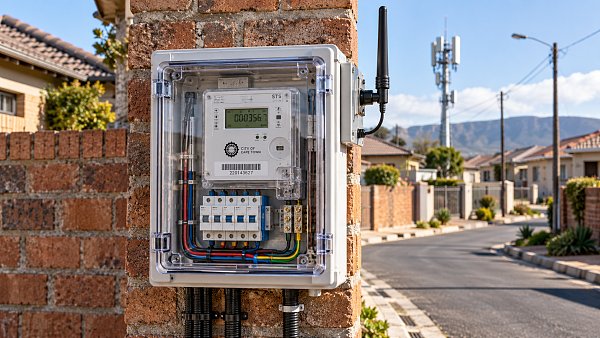
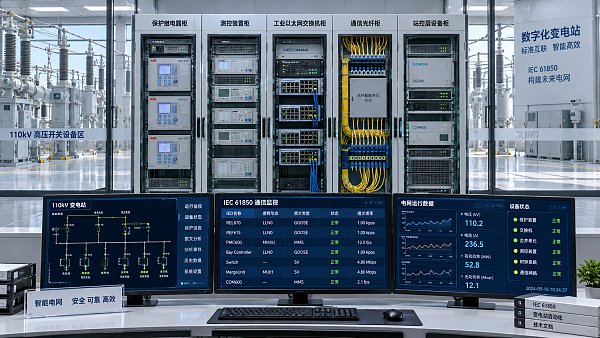
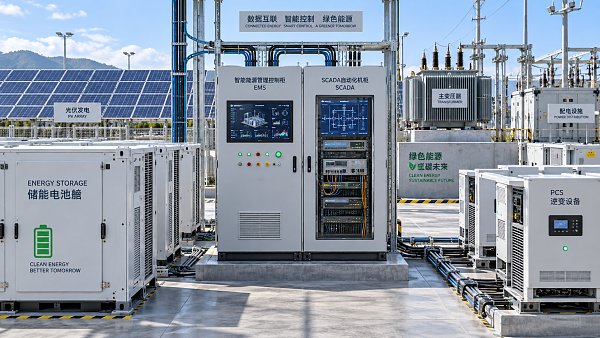
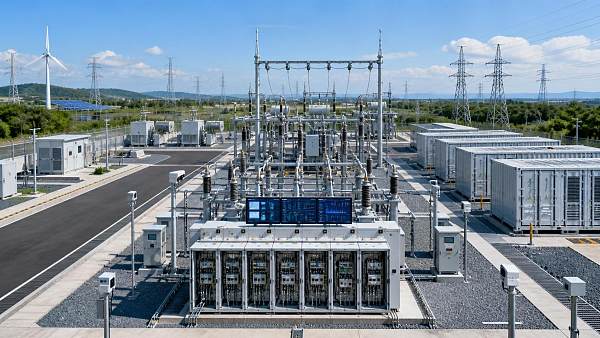
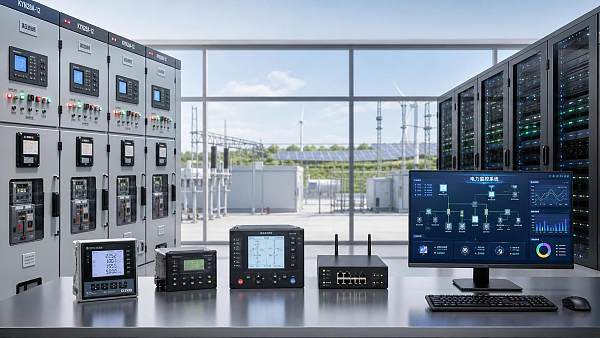
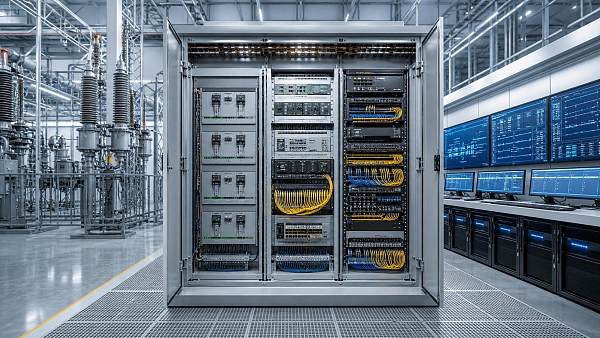
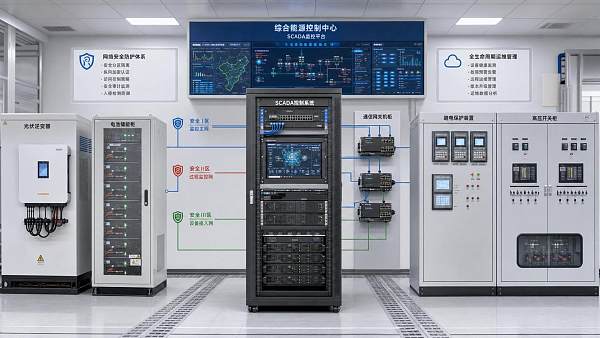
Smart meters, PMUs, line sensors, digital substations, and SCADA upgrades improve system visibility.
They detect abnormal voltage, loading, harmonics, outages, and asset stress much earlier.
Without this layer, automated control decisions are slow or poorly targeted.
2. Automated Voltage and Reactive Power Control
Voltage stability is one of the most direct use cases.
Advanced inverters, capacitor banks, on-load tap changers, STATCOM systems, and feeder automation work together.
They keep voltage within acceptable limits even when renewable output shifts rapidly.
3. Fast Frequency Support and Flexible Dispatch
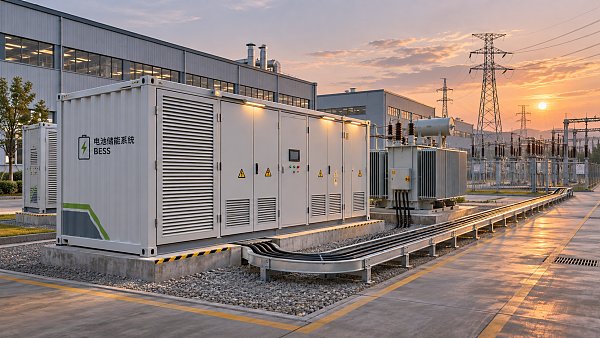
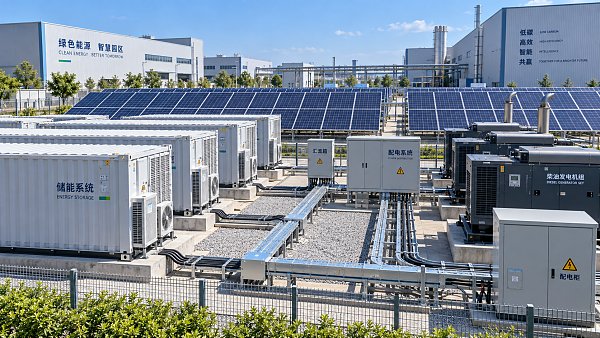
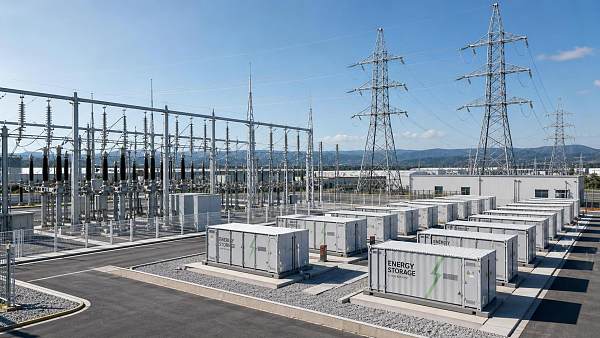
Battery energy storage systems, responsive loads, and grid-forming inverters increasingly support frequency control.
This matters in systems with high inverter-based resource penetration.
Fast dispatch reduces reliance on slower thermal balancing assets.
4. Demand Response and Load Orchestration
Demand response shifts flexible consumption away from stressed hours or constrained feeders.
It is especially relevant for industrial cooling, pumping, charging, and commercial building loads.
For many utilities, this is one of the lowest-cost smart grid technologies for grid stability.
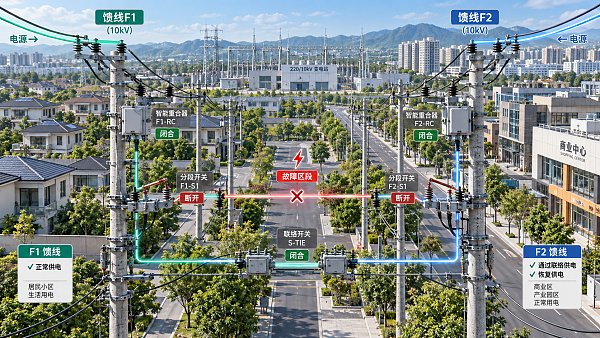
5. Fault Detection, Isolation, and Service Restoration
Distribution automation shortens outages and prevents fault propagation.
That improves reliability metrics and protects sensitive industrial operations.
It also supports stable integration of distributed energy resources after disturbance events.
Technology Building Blocks to Review
When comparing solutions, it helps to break the stack into several technical layers.
A strong project usually combines all five layers.
Buying one device category without control integration rarely delivers full grid stability value.
Key Deployment Scenarios
The best smart grid technologies for grid stability depend on where the problem appears.
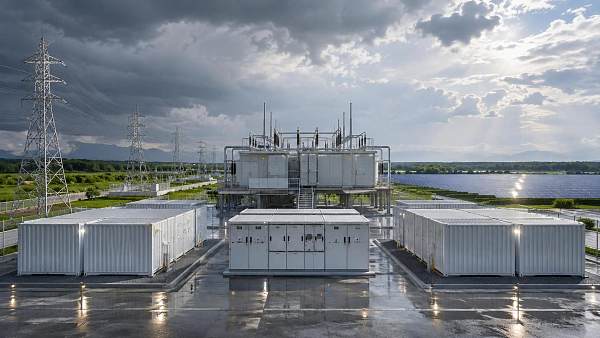
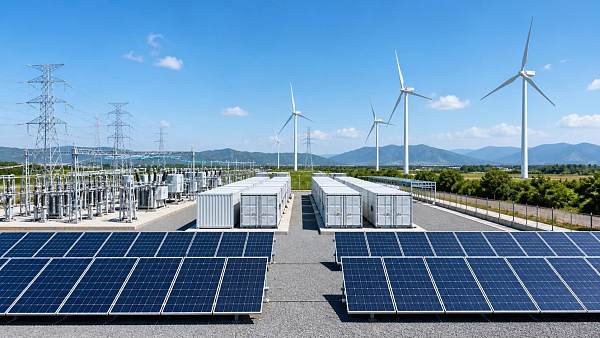
Utility-Scale Renewable Interconnection
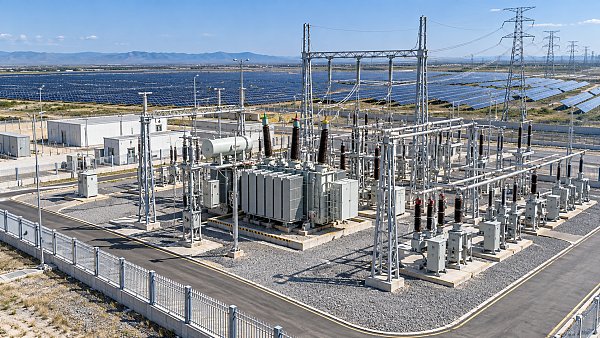
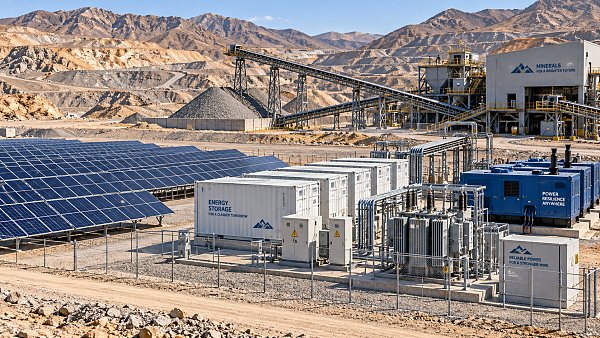
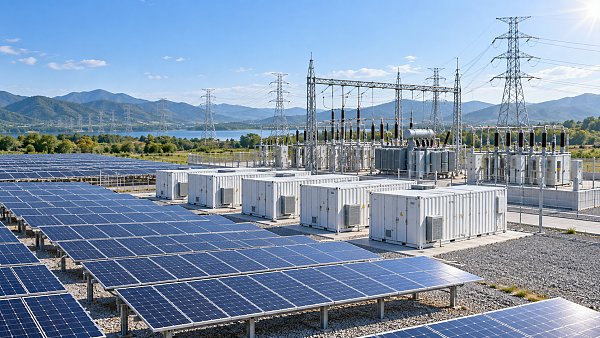
Large solar and wind plants often connect in areas with limited short-circuit strength.
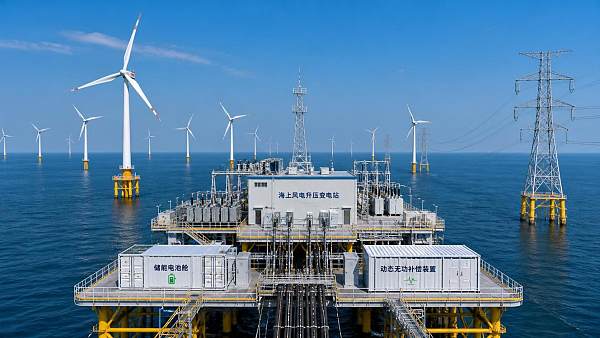
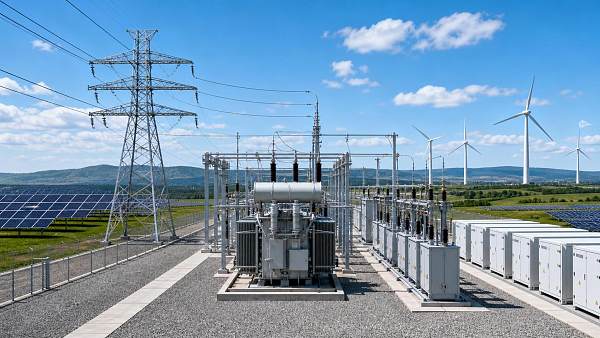
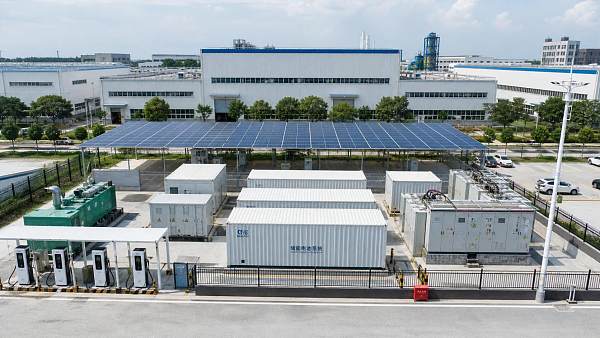
Typical needs include plant-level controllers, dynamic reactive power support, and coordinated storage dispatch.
Grid code compliance is critical here, especially for ride-through and voltage support.
Distribution Networks with High Rooftop Solar
This scenario often faces daytime overvoltage and reverse power flow.
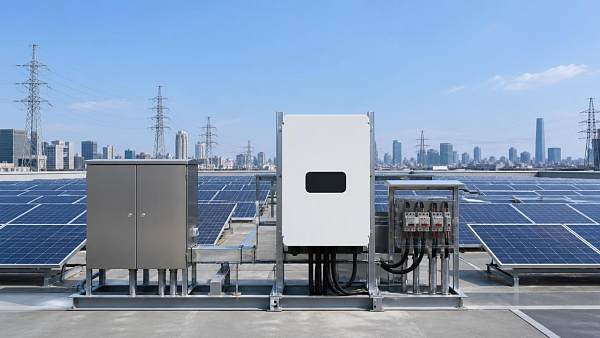
Relevant solutions include smart inverter settings, feeder monitoring, transformer tap optimization, and local storage.
DERMS platforms become important as connection density increases.
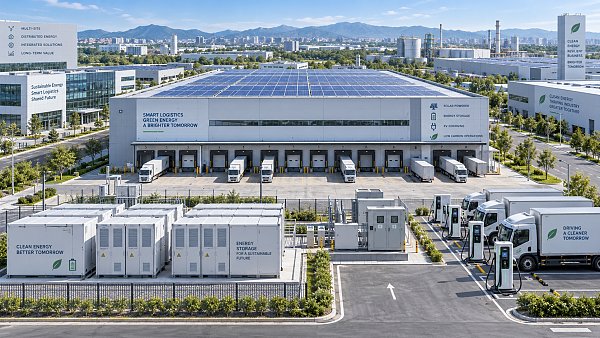
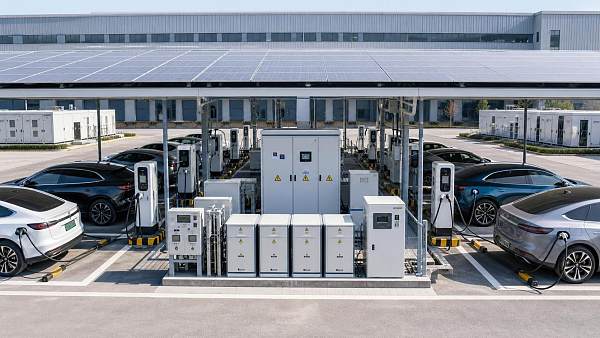
EV Charging Clusters and Fleet Depots
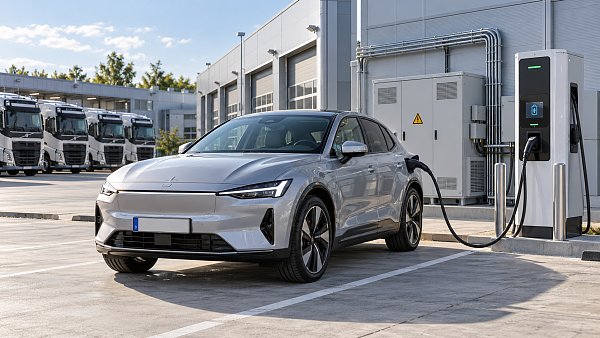
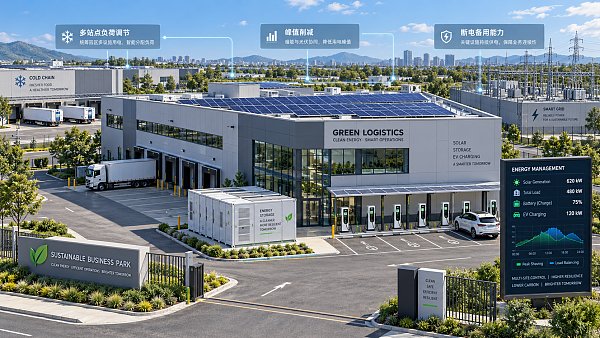
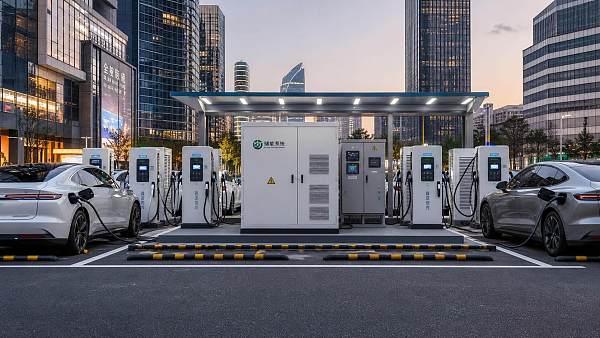
Fast charging can create steep local demand ramps and transformer overload risk.
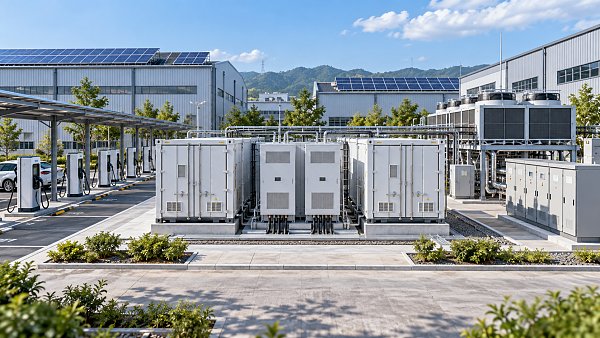
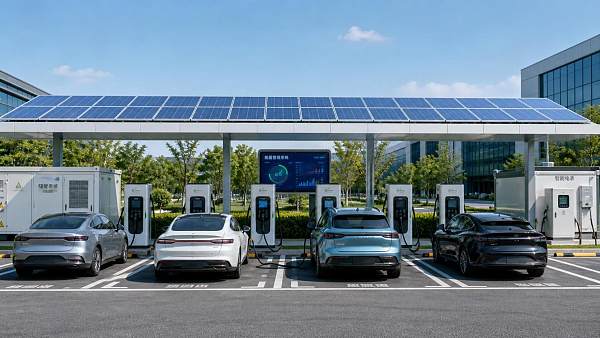
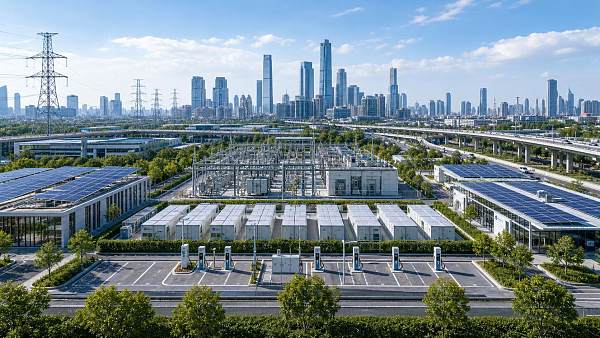
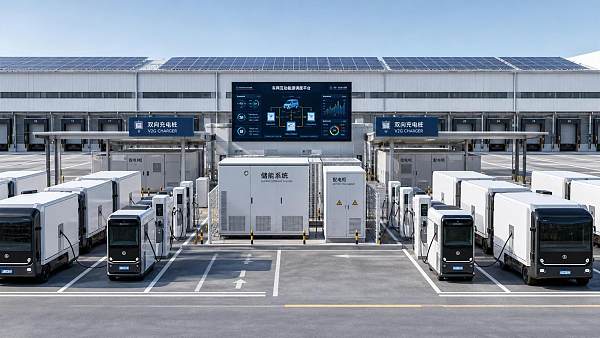
Load management software, charging orchestration, behind-the-meter storage, and price-based control are effective tools.
In some markets, vehicle-to-grid functions will become part of future smart grid technologies for grid stability.
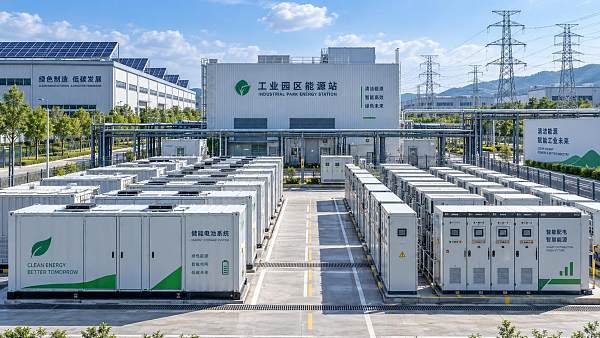
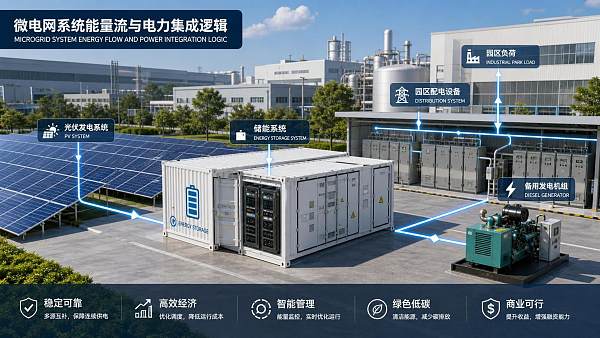
Industrial Microgrids and Critical Facilities
Industrial sites need both resilience and power quality.
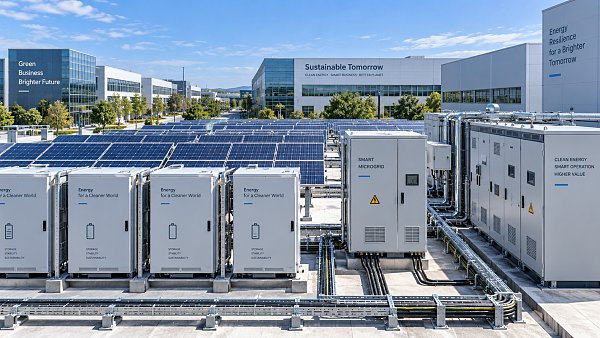
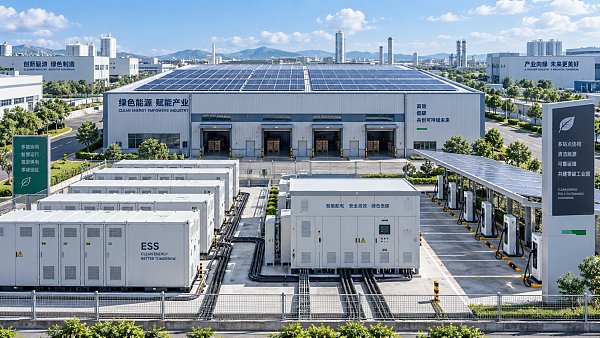
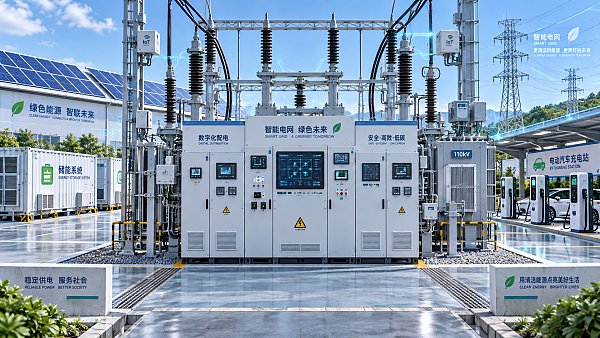
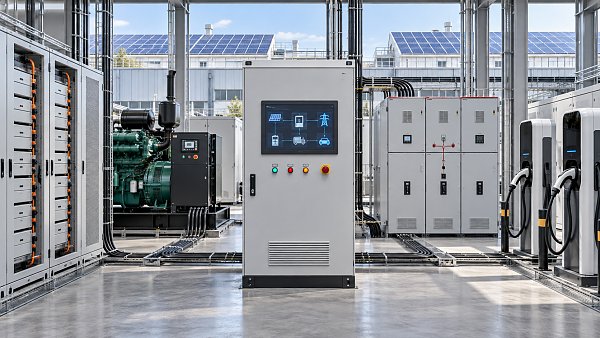
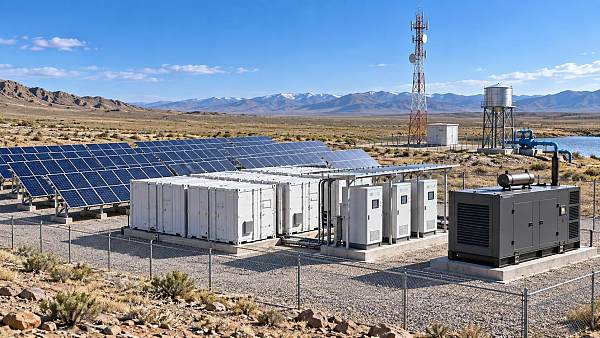
Microgrid controllers, storage, dispatchable generation, and intelligent switchgear help maintain continuity during upstream disturbance.
This is especially relevant for data centers, process plants, logistics hubs, and large campuses.
What to Check During Technical Evaluation
Not every digital platform or smart device improves grid stability in the same way.
A practical review should focus on measurable performance and integration risk.
- Response speed under real disturbance conditions
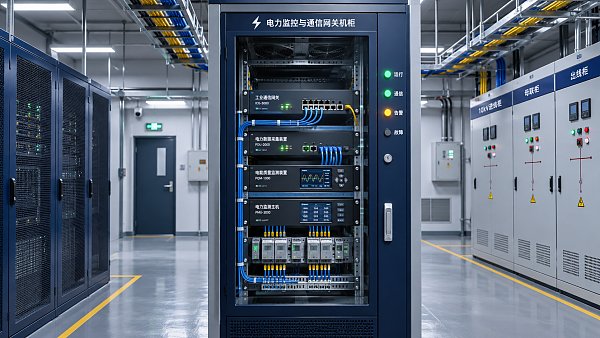
- Interoperability with SCADA, EMS, DERMS, and inverter vendors
- Support for IEC 61850, Modbus, DNP3, and local grid code requirements
- Cybersecurity design, update policy, and access control
- Scalability from pilot feeder to network-wide deployment
- Model accuracy for forecasting, state estimation, and dispatch logic
- Lifecycle serviceability, spare parts, and vendor support capability
One common mistake is evaluating hardware and software in separate silos.
For smart grid technologies for grid stability, coordinated system behavior matters more than individual component ratings.
Common Deployment Risks
From recent projects, several issues appear repeatedly.
- Too little field data before selecting a control strategy
- Communication latency that weakens fast control performance
- Poor coordination between inverter settings and feeder equipment
- Limited cybersecurity planning for distributed endpoints
- Pilot success that does not scale operationally
These problems are manageable, but only if they are addressed early in design review.
A Practical Selection Approach
A clear selection path can simplify decision-making.
Start by defining the actual stability problem at feeder, substation, plant, or site level.
Then map the problem to control functions, response time, and required visibility.
After that, compare smart grid technologies for grid stability by interoperability, field maturity, and operating cost.
Finally, validate the architecture with simulation, staged commissioning, and performance testing.
Grid modernization is no longer only about adding equipment.
It is about making assets observable, controllable, and flexible under changing operating conditions.
That is where smart grid technologies for grid stability deliver their real value across utility, industrial, and distributed energy scenarios.
- renewable energy
- battery energy storage systems
- grid modernization
- microgrids
- smart grid
- digital substations
- smart meters
- demand response
- rooftop solar
- energy storage
- distribution automation
- frequency control
- distributed energy resources
- load management
- power quality
- switchgear
- microgrid controllers
- industrial microgrids
- smart grid technologies
- feeder automation
- grid code compliance
- distributed energy
- smart grid technologies for grid stability
Questions about market trends? Contact Market Scope Live for deeper business insights.
We respect your privacy. Your information is strictly confidential.
Related News
 Smart Grid TechnologiesPower System Automation Prices: What Drives Project Costs?Power system automation price depends on integration, software, testing, and support. Explore the key cost drivers and compare bids with confidence.MORE+
 Smart Grid TechnologiesGrid Flexibility Costs: Comparing Storage, Demand Response and Peaker PlantsCompare grid flexibility cost across battery storage, demand response and peaker plants. Discover key cost drivers and choose the right solution for your reliability needs.MORE+
 Smart Grid TechnologiesChoosing a Grid Monitoring Systems Supplier: Integration and Support CriteriaChoose a grid monitoring systems supplier with confidence. Compare integration, cybersecurity, lifecycle costs, commissioning, and support before you commit.MORE+
 Smart Grid TechnologiesUS Energy Department Announces $237 Million for Grid Supply ChainsUS Department of Energy announces $237 million for grid supply chains. Explore potential impacts on domestic manufacturing, sourcing and procurement.MORE+
 Smart Grid TechnologiesAdvanced Metering Systems in South Africa: Choosing Connectivity for MunicipalitiesExplore advanced metering systems in South Africa. Compare cellular, RF mesh and PLC to choose reliable municipal connectivity, control costs and plan a smarter rollout.MORE+
 Smart Grid TechnologiesVehicle-to-Grid Technology in Europe: EV, Charger and Grid RequirementsExplore vehicle to grid technology Europe-wide. Discover EV compatibility, charger standards and grid approval requirements to reduce risks and plan your V2G deployment with confidence.MORE+
 Smart Grid TechnologiesWhat Infrastructure Do Utility-Scale Renewables Need for Grid Connection?Explore utility renewable energy infrastructure for grid connection, from substations to controls and compliance. Learn how to spot connection risks and keep projects on track.MORE+
 Smart Grid TechnologiesHybrid Power Plants for Microgrids: Sizing Solar, Batteries, and DieselSize hybrid power plants for microgrids with confidence. Learn how to balance solar, batteries, and diesel to cut fuel use, protect critical loads, and meet reliability targets.MORE+
 Smart Grid TechnologiesRenewable Power Systems for Mining: Designing Reliable Off-Grid MicrogridsExplore renewable power systems for mining: design reliable off-grid microgrids with solar, storage, backup power, and smart controls to cut fuel use and protect uptime.MORE+
 Smart Grid TechnologiesCommercial Microgrids in Europe: When Do Energy Savings Justify the Investment?Considering commercial microgrids Europe-wide? Discover when energy savings justify investment, compare solar and storage returns, and avoid costly oversizing.MORE+
 Smart Grid TechnologiesMulti-Site Commercial Energy Planning: Balancing Load, Tariffs, and ResilienceMulti site commercial energy planning: balance load profiles, tariffs, EV charging, storage, and resilience to reduce costs, strengthen operations, and optimize every facility.MORE+
 Smart Grid TechnologiesWhat Should a Partner Deliver Across a Multi-Site Distributed Energy Portfolio?Best partners for distributed energy projects across a multi-site portfolio? Discover how to standardize design, data, commissioning, and lifecycle performance at scale.MORE+
 Smart Grid TechnologiesHow Can Multi-Site Owners Identify the Right Partners for Distributed Energy Projects?“Is it best partners for distributed energy projects across a multi-site portfolio?” Explore a practical framework to assess technical expertise, grid readiness, risk, data access, and lifecycle support.MORE+
 Smart Grid TechnologiesSmart Grid Technologies for Utilities: How to Prioritize Grid Modernization InvestmentsSmart grid technologies for utilities: learn how to prioritize modernization investments, reduce reliability risks, defer capital upgrades, and build a resilient, cost-effective grid.MORE+
 Smart Grid TechnologiesDigital Substations: How IEC 61850 Improves Protection, Control, and Data VisibilityDigital substations powered by IEC 61850 improve protection, flexible control, and data visibility. Explore the design principles that strengthen grid reliability.MORE+
 Smart Grid TechnologiesWhat Is Feeder Automation and How Does It Reduce Outages on Distribution Grids?Feeder automation helps utilities isolate faults, restore healthy sections faster, and reduce distribution grid outages. Explore how FLISR improves reliability.MORE+
 Smart Grid TechnologiesWhat Renewable Integration Studies Should Model Before a Grid Connection DecisionRenewable integration studies reveal grid connection risks before approval—from voltage and protection to curtailment, dynamic stability, and future network constraints.MORE+
 Smart Grid TechnologiesUtility Resilience Planning: How to Prioritize Grid Investments for Extreme WeatherUtility companies resilience planning: learn how to prioritize grid investments for extreme weather, protect critical services, speed restoration, and build a stronger, smarter energy network.MORE+
 Smart Grid TechnologiesWhat Drives Microgrid Controller Costs Across Commercial and Industrial Projects?Microgrid controllers cost depends on asset mix, islanding needs, legacy integration, software, and lifecycle support. Learn how to compare bids and reduce project risk.MORE+
 Smart Grid TechnologiesHow Does Demand Response Work with Battery Storage in Microgrids?How does demand response integrate with battery storage in microgrid operations? Explore coordinated dispatch, peak shaving, renewable use, and resilient backup strategies.MORE+
 Smart Grid TechnologiesWhich Energy Management Systems Integrate Best with Existing SCADA Platforms?Which energy management systems integrate best with existing SCADA platforms? Explore protocols, control authority, and practical selection insights for reliable energy optimization.MORE+
 Smart Grid TechnologiesHow to Plan Clean Energy Infrastructure for Reliable Industrial Power SupplyClean energy infrastructure planning for reliable industrial power: optimize loads, storage, controls, grid integration, and resilience.MORE+
 Smart Grid TechnologiesHow to Size Hybrid Microgrid Systems for Remote Sites With Variable LoadsHybrid microgrid systems for remote sites: learn how to size solar, batteries, inverters, and generators for variable loads, resilience, and lower fuel costs.MORE+
 Smart Grid TechnologiesGrid Resilience Technologies That Prevent Outages During Extreme WeatherGrid resilience technologies for outage prevention help utilities and facilities withstand extreme weather with automation, storage, microgrids, and demand flexibility. Explore practical strategies to protect critical loads and restore power faster.MORE+
 Smart Grid TechnologiesGrid Stability Solutions for Wind: Managing Variability and Power QualityGrid stability solutions for wind: explore practical strategies for voltage control, frequency response, power quality, storage, and reliable PCC compliance.MORE+
 Smart Grid TechnologiesWhich Grid Interconnection Standards Apply to Commercial Rooftop Solar?What grid interconnection standards apply to commercial rooftop solar? Explore utility rules, inverter certifications, export limits, and approval steps to avoid costly delays.MORE+
 Smart Grid TechnologiesHow Demand Response Supports Public EV Charging StationsSmart grid demand response for public charging stations helps operators control peak loads, protect costs, improve reliability, and deliver a clearer EV driver experience.MORE+
 Smart Grid TechnologiesDo Smart Grid Features Reduce Charging Station Electricity Bills?Do smart grid features actually reduce charging station electricity bills? Discover how load balancing, tariff scheduling, solar, and storage can cut peak costs.MORE+
 Smart Grid TechnologiesCan One Energy Management Platform Support Multiple Charger Brands?Can a single energy management platform handle multiple charger brands at one site? Discover how open integration enables scalable, reliable EV charging control.MORE+
 Smart Grid TechnologiesGrid Resilience Technologies Explained: Which Solutions Reduce Outage Risk?Grid resilience technologies explained clearly: compare batteries, microgrids, feeder automation, and digital controls to see which solutions truly reduce outage risk and protect critical loads.MORE+
 Smart Grid TechnologiesHow Utilities Evaluate Renewable Power Systems for Grid Stability and ROIRenewable power systems for utilities: learn how grids assess stability, storage, integration costs, and long-term ROI to choose resilient, high-value renewable investments.MORE+
 Smart Grid TechnologiesWhat Makes a Microgrid Energy Project Bankable for Investors and Lenders?Energy project bankability microgrids explained: learn what investors and lenders check most—revenue certainty, contract strength, risk allocation, and reliable performance.MORE+
 Smart Grid TechnologiesWhat Determines Grid Monitoring Price in Utility and Industrial Projects?Grid monitoring price depends on scope, accuracy, software, and integration complexity. Learn what drives costs in utility and industrial projects before you compare quotes.MORE+
 Smart Grid TechnologiesUrban Energy Infrastructure Planning: Key Factors for Resilient and Scalable CitiesUrban energy infrastructure planning for resilient, scalable cities: discover how grids, storage, EV charging, and smart forecasting reduce risk, cut costs, and support cleaner urban growth.MORE+
 Smart Grid TechnologiesHow Grid Infrastructure in the USA Is Evolving to Support Renewables and Grid ReliabilityGrid infrastructure USA is evolving fast to integrate renewables, storage, and EV charging while protecting reliability. Explore key trends, risks, and business opportunities shaping the market.MORE+
 Smart Grid TechnologiesGrid Power Infrastructure Investment: How to Compare ROI Across Utility-Scale ProjectsGrid power infrastructure investment explained: learn how to compare ROI across utility-scale projects using NPV, lifecycle cost, grid risk, and performance metrics to make smarter investment decisions.MORE+
 Smart Grid TechnologiesWhat Drives Substation Digitalization Cost? Hardware, Software, and Retrofit FactorsSubstation digitalization cost explained: compare hardware, software, retrofit risks, and lifecycle factors to budget smarter, avoid hidden costs, and choose higher-value upgrades.MORE+
 Smart Grid TechnologiesIndustrial Microgrids EMS Explained: Core Functions, Controls, and Use CasesIndustrial microgrids EMS explained: discover core functions, control priorities, and real-world use cases to improve resilience, cut energy costs, and evaluate platforms with confidence.MORE+
 Smart Grid TechnologiesSCADA for Power Systems Vendor Selection: Integration, Cybersecurity, and Lifecycle CostSCADA for power systems vendor selection made practical: compare integration, cybersecurity, and lifecycle cost to reduce risk, avoid hidden expenses, and choose a platform built to scale.MORE+
 Smart Grid TechnologiesVehicle-to-Grid Technology for Depots: How It Works and When It Makes Business SenseVehicle to grid technology for depots explained: learn how V2G works, where savings and revenue come from, and when it makes real business sense for fleet operators.MORE+