Smart Grid Technologies Explained: Which Functions Matter Most for Utilities and C&I Sites?
Smart Grid Technologies Explained: Which Functions Matter Most for Utilities and C&I Sites?
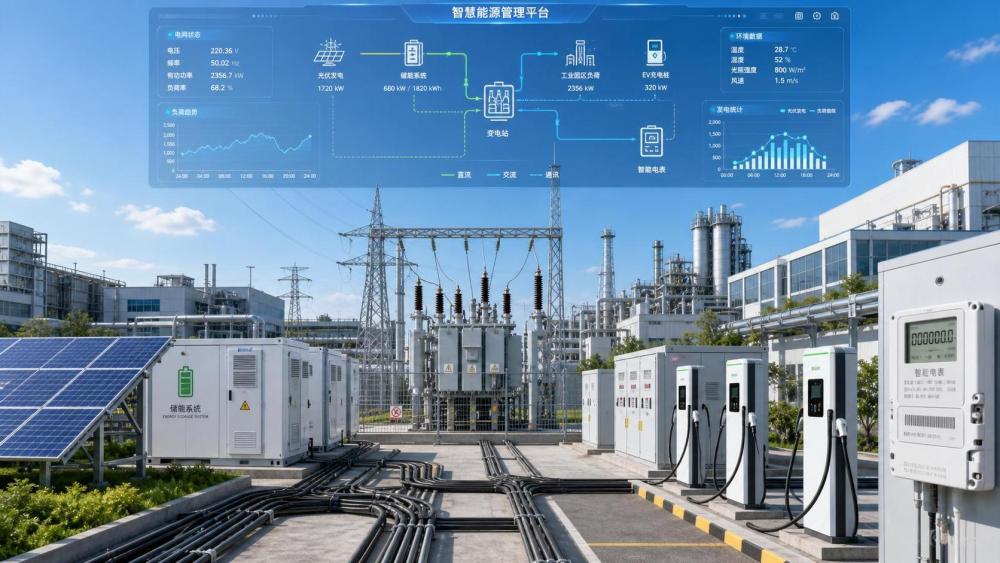
Smart grid technologies are changing power systems from static networks into responsive, data-driven operating environments.
That shift matters for utilities and commercial and industrial sites facing tighter reliability, cost, and decarbonization targets.
In practical terms, the value is not in the label itself.
It comes from specific functions that improve visibility, control, flexibility, and decision speed.
For utilities, this means managing distributed solar, EV charging, storage, voltage, congestion, and outage response more effectively.
For C&I sites, it means reducing peaks, protecting operations, integrating onsite energy assets, and understanding where power costs really come from.
The most useful smart grid technologies are the ones that solve those real operating problems without adding unnecessary complexity.
Why Smart Grid Technologies Matter More Now
Power systems used to be easier to predict.
Generation was centralized, loads were more stable, and grid operators had fewer moving parts to coordinate.
That model is fading fast.
Solar output can swing with weather.
Battery systems can charge or discharge in minutes.
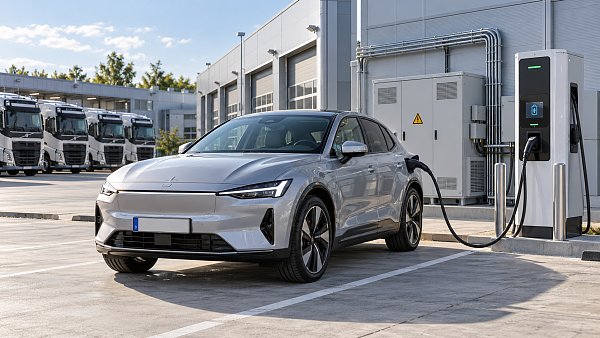
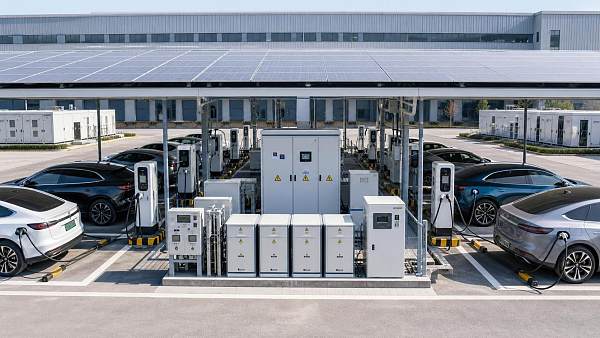
EV charging creates new peaks that do not always match traditional demand patterns.
More sites are also becoming both consumers and producers of electricity.
This is exactly where smart grid technologies become essential.
They help operators see what is happening across the network, respond faster, and coordinate devices that were once isolated.
The stronger signal is that grid modernization is no longer only a utility issue.
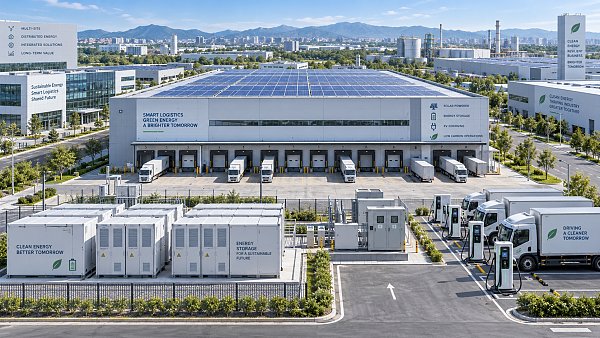
Large factories, logistics hubs, data centers, campuses, and charging depots now need many of the same digital energy functions.
The Core Functions That Matter Most
Not every feature has equal value.
The strongest smart grid technologies usually center on six functions.
1. Real-Time Visibility
Operators cannot manage what they cannot see.
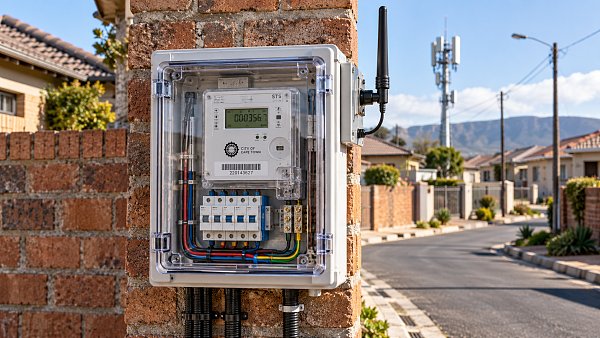
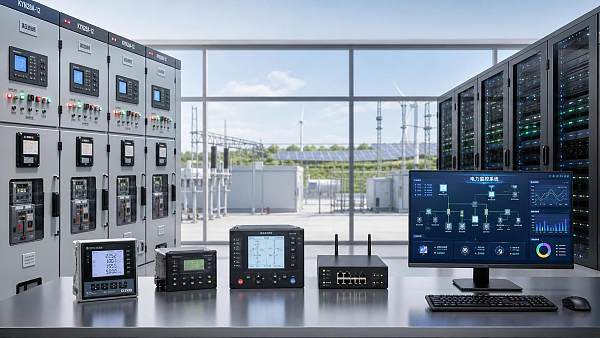
Advanced metering infrastructure, sensors, feeder monitoring, and digital dashboards provide the operating picture.
Utilities use this for load trends, losses, outage detection, and distributed energy behavior.
C&I sites use it to track demand spikes, power quality, equipment loads, and tariff exposure.
2. Automated Control
Visibility alone is not enough.
Smart grid technologies create value when systems can react quickly through automated switching, voltage regulation, or asset dispatch.
This reduces manual intervention and shortens response time during abnormal conditions.
3. Distributed Energy Integration
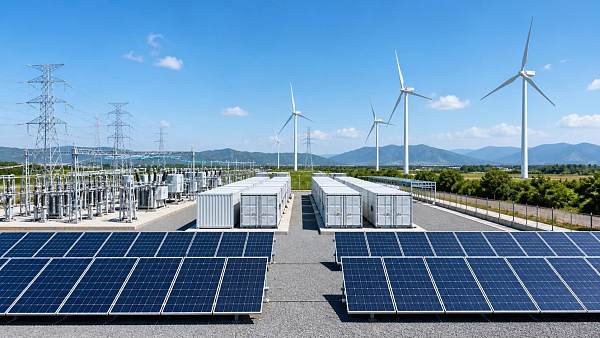
Solar, storage, backup generation, and EV charging all affect local grid behavior.
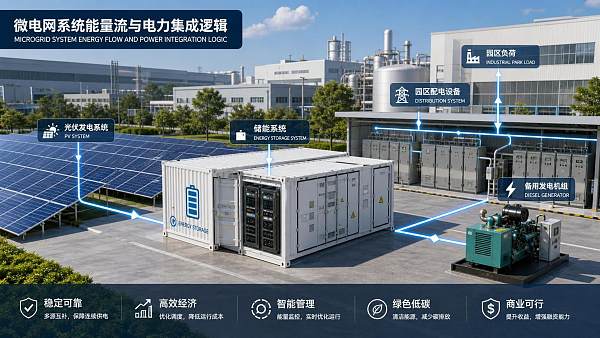
The right smart grid technologies coordinate these resources rather than treating them as separate assets.
That is increasingly important for feeder stability and behind-the-meter energy optimization.
4. Demand Flexibility
Demand response and flexible load management are becoming central functions.
They allow utilities to manage peaks without immediate grid expansion.
They also help C&I operators shift loads, reduce demand charges, and support grid programs.
5. Power Quality and Reliability
Modern operations depend on stable voltage, frequency, and continuity.
Smart grid technologies help identify disturbances early and support faster corrective action.
For sensitive facilities, that function often matters more than headline energy savings.
6. Decision Support
The best platforms turn raw data into usable decisions.
Forecasting, alarms, benchmarking, and scenario analysis help teams act with more confidence.
This also improves planning for capex, procurement, and operational risk.
Which Smart Grid Technologies Deliver These Functions
Several technologies support the functions above, but they do not contribute in the same way.
- Advanced metering infrastructure gives interval data, usage patterns, and remote meter communication.
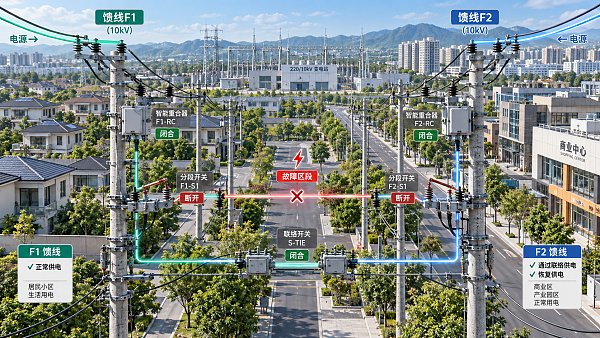
- Distribution automation supports fault location, isolation, service restoration, and feeder efficiency.
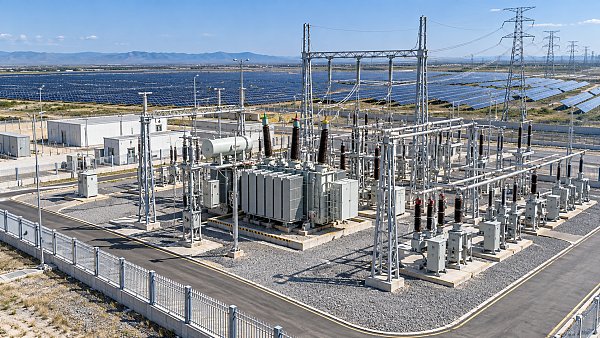
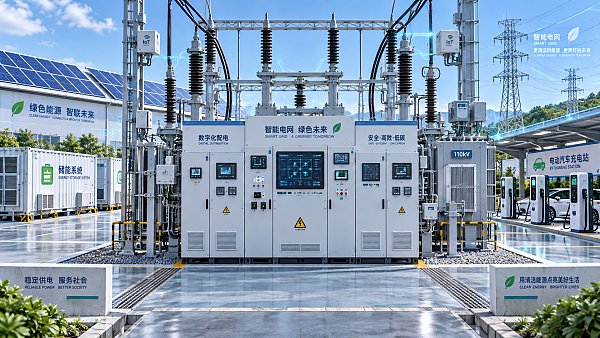
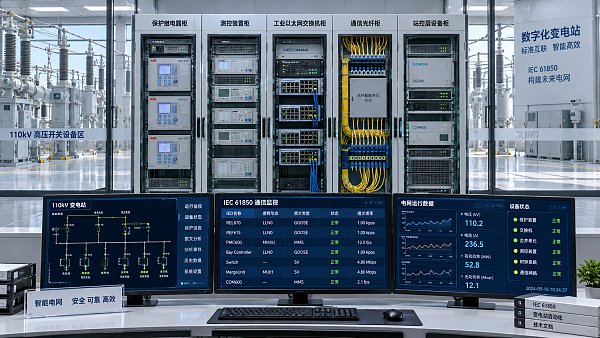
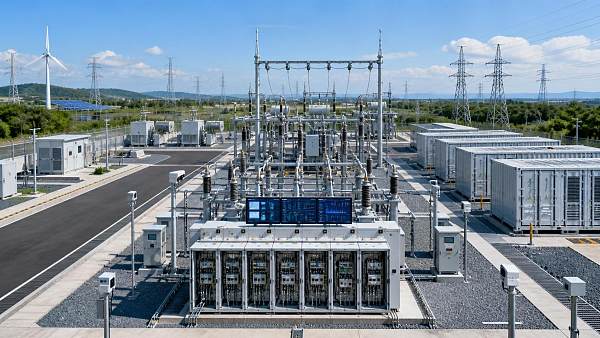
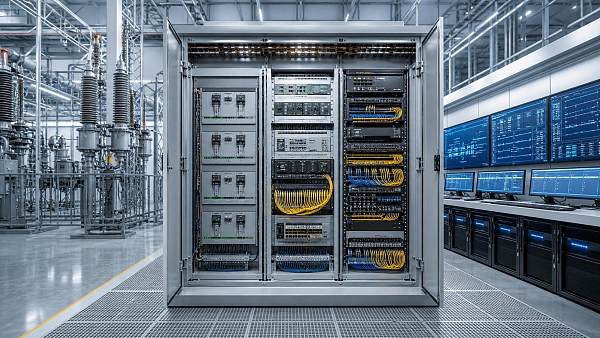
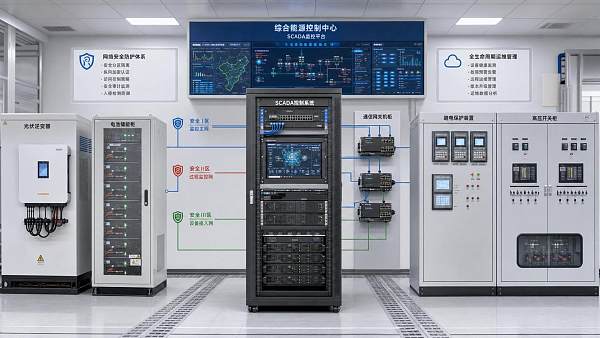
- Supervisory control and digital substations strengthen remote monitoring and switching coordination.
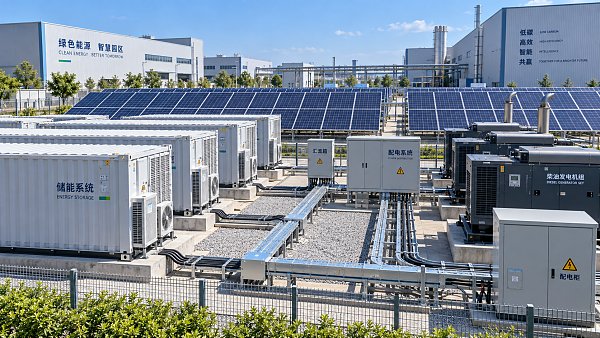
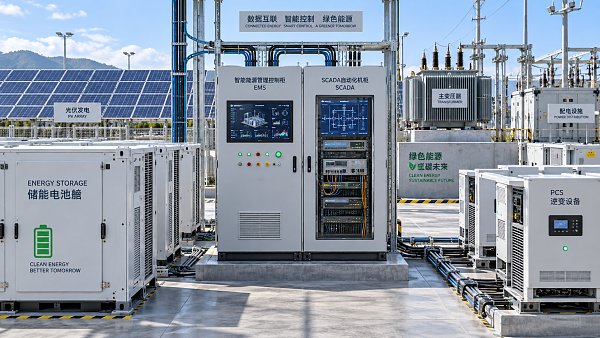
- Energy management systems optimize onsite generation, storage, and controllable loads.
- Demand response platforms connect flexible loads to tariffs, market signals, or utility programs.
- DER management systems help utilities orchestrate solar, batteries, inverters, and aggregated distributed assets.
- Power quality monitoring tools detect sags, harmonics, transients, and equipment stress.
In actual deployment, these tools work best as a connected stack rather than a collection of standalone products.
That is one reason smart grid technologies now overlap with digital energy platforms and industrial control systems.
How Priorities Differ for Utilities and C&I Sites
The same smart grid technologies can serve different business priorities.
For Utilities
- Improve outage management and restoration speed.
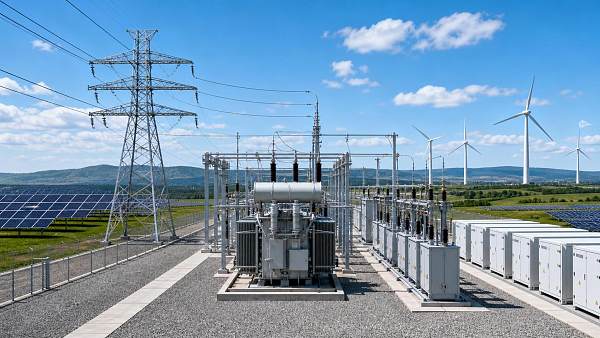
- Handle voltage fluctuation from distributed renewables.
- Manage feeder congestion and reverse power flow.
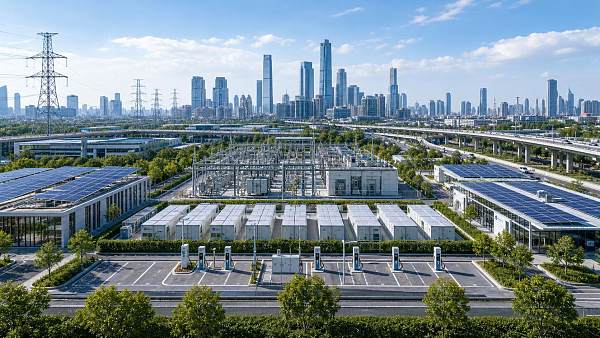
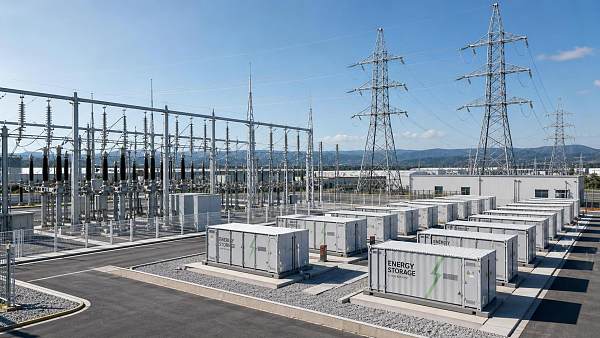
- Prepare networks for EV charging growth and storage interconnection.
- Delay unnecessary grid reinforcement through better flexibility tools.
For Commercial and Industrial Sites
- Reduce peak demand and electricity bills.
- Protect critical production from outages or power quality problems.
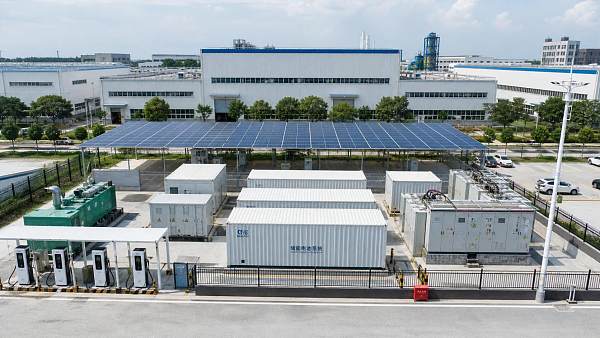
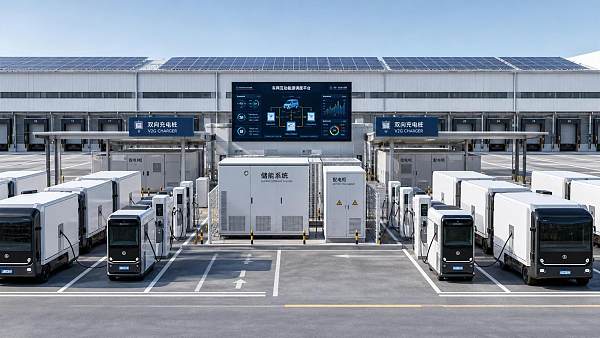
- Coordinate rooftop solar, storage, gensets, and EV chargers.
- Support sustainability targets with measurable performance data.
- Improve energy procurement timing and tariff strategy.
So the question is rarely whether smart grid technologies matter.
The real question is which functions solve the highest-cost constraint first.
Common Deployment Risks to Watch
Grid modernization projects often underperform for familiar reasons.
- Too much focus on hardware, not enough on data quality and integration.
- Poor alignment between operations teams, IT teams, and asset owners.
- Systems that create dashboards but do not support decisions or action.
- Control strategies that ignore tariff structures or local grid constraints.
- Cybersecurity treated as an afterthought in connected power infrastructure.
These issues can erode the value of smart grid technologies even when the equipment itself is technically sound.
A better approach starts with use cases, measurable outcomes, and a clear operating model.
A Practical Way to Evaluate Smart Grid Technologies
A useful evaluation process is usually straightforward.
- Map the biggest operational pain points first.
- Identify which assets need visibility, control, or flexibility.
- Check whether existing meters, SCADA, or EMS platforms can be expanded.
- Define a few high-value metrics such as outage minutes, demand peaks, or avoided curtailment.
- Test interoperability before scaling across multiple sites or feeders.
This keeps smart grid technologies tied to business performance, not just modernization language.
It also helps compare vendors based on functional fit, not feature volume.
What Matters Most in the End
The most important smart grid technologies are the ones that make power systems easier to understand and faster to operate.
For utilities, that usually means better network visibility, automation, DER coordination, and reliability control.
For C&I sites, it often means demand management, resilience, power quality, and integrated energy control.
As renewable energy, storage, and EV infrastructure expand, these functions move from optional upgrades to core infrastructure capability.
That makes now the right time to assess where smart grid technologies can deliver the clearest operational gain.
- renewable energy
- grid modernization
- energy management systems
- smart grid
- digital substations
- demand response
- rooftop solar
- advanced metering infrastructure
- distribution automation
- voltage regulation
- energy procurement
- load management
- digital energy platforms
- power infrastructure
- power quality
- smart grid technologies
- grid operators
- distributed energy
- distributed energy integration
Questions about market trends? Contact Market Scope Live for deeper business insights.
We respect your privacy. Your information is strictly confidential.
Related News
 Smart Grid TechnologiesPower System Automation Prices: What Drives Project Costs?Power system automation price depends on integration, software, testing, and support. Explore the key cost drivers and compare bids with confidence.MORE+
 Smart Grid TechnologiesGrid Flexibility Costs: Comparing Storage, Demand Response and Peaker PlantsCompare grid flexibility cost across battery storage, demand response and peaker plants. Discover key cost drivers and choose the right solution for your reliability needs.MORE+
 Smart Grid TechnologiesChoosing a Grid Monitoring Systems Supplier: Integration and Support CriteriaChoose a grid monitoring systems supplier with confidence. Compare integration, cybersecurity, lifecycle costs, commissioning, and support before you commit.MORE+
 Smart Grid TechnologiesUS Energy Department Announces $237 Million for Grid Supply ChainsUS Department of Energy announces $237 million for grid supply chains. Explore potential impacts on domestic manufacturing, sourcing and procurement.MORE+
 Smart Grid TechnologiesAdvanced Metering Systems in South Africa: Choosing Connectivity for MunicipalitiesExplore advanced metering systems in South Africa. Compare cellular, RF mesh and PLC to choose reliable municipal connectivity, control costs and plan a smarter rollout.MORE+
 Smart Grid TechnologiesVehicle-to-Grid Technology in Europe: EV, Charger and Grid RequirementsExplore vehicle to grid technology Europe-wide. Discover EV compatibility, charger standards and grid approval requirements to reduce risks and plan your V2G deployment with confidence.MORE+
 Smart Grid TechnologiesWhat Infrastructure Do Utility-Scale Renewables Need for Grid Connection?Explore utility renewable energy infrastructure for grid connection, from substations to controls and compliance. Learn how to spot connection risks and keep projects on track.MORE+
 Smart Grid TechnologiesHybrid Power Plants for Microgrids: Sizing Solar, Batteries, and DieselSize hybrid power plants for microgrids with confidence. Learn how to balance solar, batteries, and diesel to cut fuel use, protect critical loads, and meet reliability targets.MORE+
 Smart Grid TechnologiesRenewable Power Systems for Mining: Designing Reliable Off-Grid MicrogridsExplore renewable power systems for mining: design reliable off-grid microgrids with solar, storage, backup power, and smart controls to cut fuel use and protect uptime.MORE+
 Smart Grid TechnologiesCommercial Microgrids in Europe: When Do Energy Savings Justify the Investment?Considering commercial microgrids Europe-wide? Discover when energy savings justify investment, compare solar and storage returns, and avoid costly oversizing.MORE+
 Smart Grid TechnologiesMulti-Site Commercial Energy Planning: Balancing Load, Tariffs, and ResilienceMulti site commercial energy planning: balance load profiles, tariffs, EV charging, storage, and resilience to reduce costs, strengthen operations, and optimize every facility.MORE+
 Smart Grid TechnologiesWhat Should a Partner Deliver Across a Multi-Site Distributed Energy Portfolio?Best partners for distributed energy projects across a multi-site portfolio? Discover how to standardize design, data, commissioning, and lifecycle performance at scale.MORE+
 Smart Grid TechnologiesHow Can Multi-Site Owners Identify the Right Partners for Distributed Energy Projects?“Is it best partners for distributed energy projects across a multi-site portfolio?” Explore a practical framework to assess technical expertise, grid readiness, risk, data access, and lifecycle support.MORE+
 Smart Grid TechnologiesSmart Grid Technologies for Utilities: How to Prioritize Grid Modernization InvestmentsSmart grid technologies for utilities: learn how to prioritize modernization investments, reduce reliability risks, defer capital upgrades, and build a resilient, cost-effective grid.MORE+
 Smart Grid TechnologiesDigital Substations: How IEC 61850 Improves Protection, Control, and Data VisibilityDigital substations powered by IEC 61850 improve protection, flexible control, and data visibility. Explore the design principles that strengthen grid reliability.MORE+
 Smart Grid TechnologiesWhat Is Feeder Automation and How Does It Reduce Outages on Distribution Grids?Feeder automation helps utilities isolate faults, restore healthy sections faster, and reduce distribution grid outages. Explore how FLISR improves reliability.MORE+
 Smart Grid TechnologiesWhat Renewable Integration Studies Should Model Before a Grid Connection DecisionRenewable integration studies reveal grid connection risks before approval—from voltage and protection to curtailment, dynamic stability, and future network constraints.MORE+
 Smart Grid TechnologiesUtility Resilience Planning: How to Prioritize Grid Investments for Extreme WeatherUtility companies resilience planning: learn how to prioritize grid investments for extreme weather, protect critical services, speed restoration, and build a stronger, smarter energy network.MORE+
 Smart Grid TechnologiesWhat Drives Microgrid Controller Costs Across Commercial and Industrial Projects?Microgrid controllers cost depends on asset mix, islanding needs, legacy integration, software, and lifecycle support. Learn how to compare bids and reduce project risk.MORE+
 Smart Grid TechnologiesHow Does Demand Response Work with Battery Storage in Microgrids?How does demand response integrate with battery storage in microgrid operations? Explore coordinated dispatch, peak shaving, renewable use, and resilient backup strategies.MORE+
 Smart Grid TechnologiesWhich Energy Management Systems Integrate Best with Existing SCADA Platforms?Which energy management systems integrate best with existing SCADA platforms? Explore protocols, control authority, and practical selection insights for reliable energy optimization.MORE+
 Smart Grid TechnologiesHow to Plan Clean Energy Infrastructure for Reliable Industrial Power SupplyClean energy infrastructure planning for reliable industrial power: optimize loads, storage, controls, grid integration, and resilience.MORE+
 Smart Grid TechnologiesHow to Size Hybrid Microgrid Systems for Remote Sites With Variable LoadsHybrid microgrid systems for remote sites: learn how to size solar, batteries, inverters, and generators for variable loads, resilience, and lower fuel costs.MORE+
 Smart Grid TechnologiesGrid Resilience Technologies That Prevent Outages During Extreme WeatherGrid resilience technologies for outage prevention help utilities and facilities withstand extreme weather with automation, storage, microgrids, and demand flexibility. Explore practical strategies to protect critical loads and restore power faster.MORE+
 Smart Grid TechnologiesGrid Stability Solutions for Wind: Managing Variability and Power QualityGrid stability solutions for wind: explore practical strategies for voltage control, frequency response, power quality, storage, and reliable PCC compliance.MORE+
 Smart Grid TechnologiesWhich Grid Interconnection Standards Apply to Commercial Rooftop Solar?What grid interconnection standards apply to commercial rooftop solar? Explore utility rules, inverter certifications, export limits, and approval steps to avoid costly delays.MORE+
 Smart Grid TechnologiesHow Demand Response Supports Public EV Charging StationsSmart grid demand response for public charging stations helps operators control peak loads, protect costs, improve reliability, and deliver a clearer EV driver experience.MORE+
 Smart Grid TechnologiesDo Smart Grid Features Reduce Charging Station Electricity Bills?Do smart grid features actually reduce charging station electricity bills? Discover how load balancing, tariff scheduling, solar, and storage can cut peak costs.MORE+
 Smart Grid TechnologiesCan One Energy Management Platform Support Multiple Charger Brands?Can a single energy management platform handle multiple charger brands at one site? Discover how open integration enables scalable, reliable EV charging control.MORE+
 Smart Grid TechnologiesGrid Resilience Technologies Explained: Which Solutions Reduce Outage Risk?Grid resilience technologies explained clearly: compare batteries, microgrids, feeder automation, and digital controls to see which solutions truly reduce outage risk and protect critical loads.MORE+
 Smart Grid TechnologiesHow Utilities Evaluate Renewable Power Systems for Grid Stability and ROIRenewable power systems for utilities: learn how grids assess stability, storage, integration costs, and long-term ROI to choose resilient, high-value renewable investments.MORE+
 Smart Grid TechnologiesWhat Makes a Microgrid Energy Project Bankable for Investors and Lenders?Energy project bankability microgrids explained: learn what investors and lenders check most—revenue certainty, contract strength, risk allocation, and reliable performance.MORE+
 Smart Grid TechnologiesWhat Determines Grid Monitoring Price in Utility and Industrial Projects?Grid monitoring price depends on scope, accuracy, software, and integration complexity. Learn what drives costs in utility and industrial projects before you compare quotes.MORE+
 Smart Grid TechnologiesUrban Energy Infrastructure Planning: Key Factors for Resilient and Scalable CitiesUrban energy infrastructure planning for resilient, scalable cities: discover how grids, storage, EV charging, and smart forecasting reduce risk, cut costs, and support cleaner urban growth.MORE+
 Smart Grid TechnologiesHow Grid Infrastructure in the USA Is Evolving to Support Renewables and Grid ReliabilityGrid infrastructure USA is evolving fast to integrate renewables, storage, and EV charging while protecting reliability. Explore key trends, risks, and business opportunities shaping the market.MORE+
 Smart Grid TechnologiesGrid Power Infrastructure Investment: How to Compare ROI Across Utility-Scale ProjectsGrid power infrastructure investment explained: learn how to compare ROI across utility-scale projects using NPV, lifecycle cost, grid risk, and performance metrics to make smarter investment decisions.MORE+
 Smart Grid TechnologiesWhat Drives Substation Digitalization Cost? Hardware, Software, and Retrofit FactorsSubstation digitalization cost explained: compare hardware, software, retrofit risks, and lifecycle factors to budget smarter, avoid hidden costs, and choose higher-value upgrades.MORE+
 Smart Grid TechnologiesIndustrial Microgrids EMS Explained: Core Functions, Controls, and Use CasesIndustrial microgrids EMS explained: discover core functions, control priorities, and real-world use cases to improve resilience, cut energy costs, and evaluate platforms with confidence.MORE+
 Smart Grid TechnologiesSCADA for Power Systems Vendor Selection: Integration, Cybersecurity, and Lifecycle CostSCADA for power systems vendor selection made practical: compare integration, cybersecurity, and lifecycle cost to reduce risk, avoid hidden expenses, and choose a platform built to scale.MORE+
 Smart Grid TechnologiesVehicle-to-Grid Technology for Depots: How It Works and When It Makes Business SenseVehicle to grid technology for depots explained: learn how V2G works, where savings and revenue come from, and when it makes real business sense for fleet operators.MORE+