SCADA for Power Systems Vendor Selection: Integration, Cybersecurity, and Lifecycle Cost
Why does choosing an SCADA for power systems vendor carry so much long-term weight?
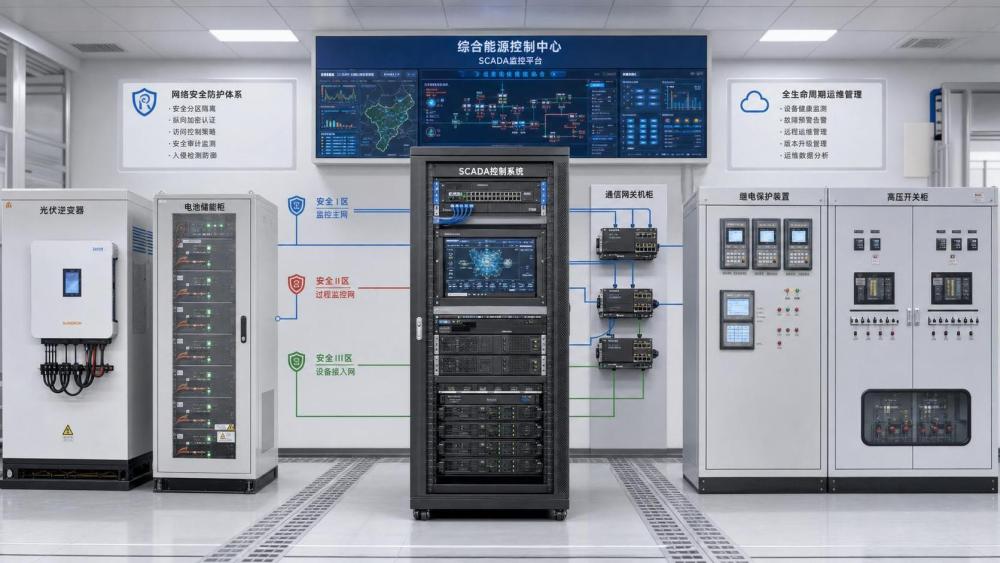
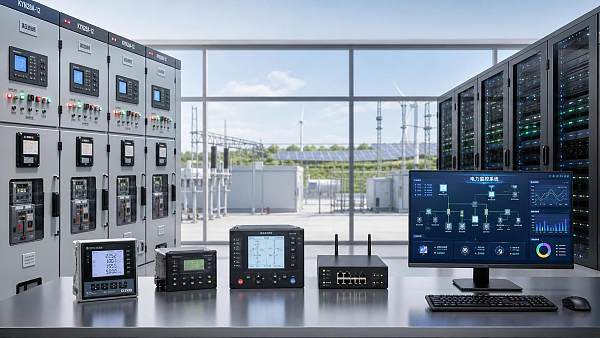
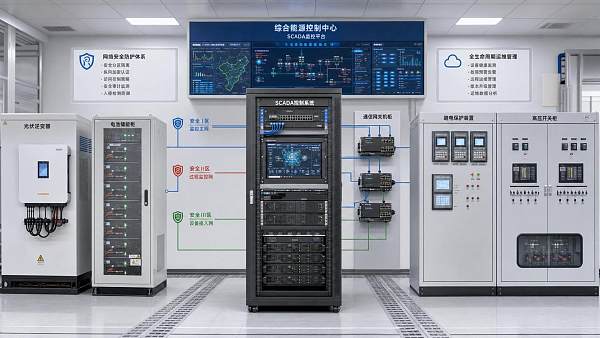
A SCADA platform sits at the center of operational visibility, control logic, alarms, and reporting. In power projects, that makes vendor selection a business decision, not only a software comparison.
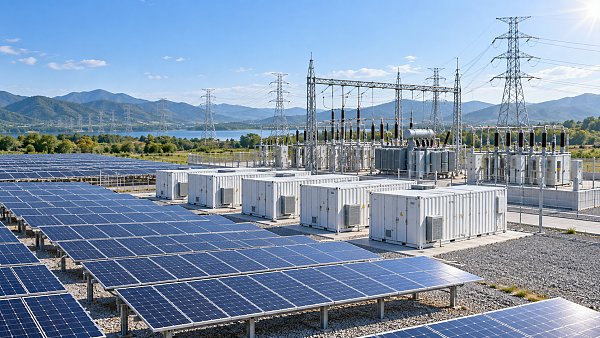
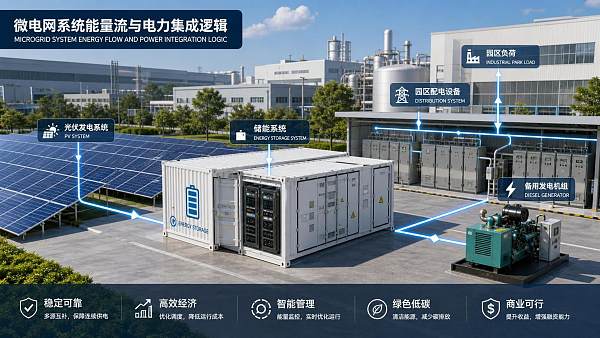
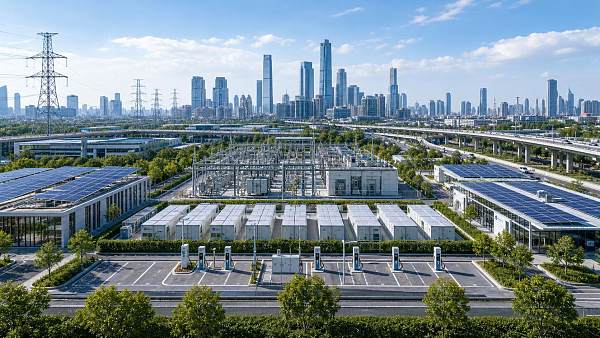
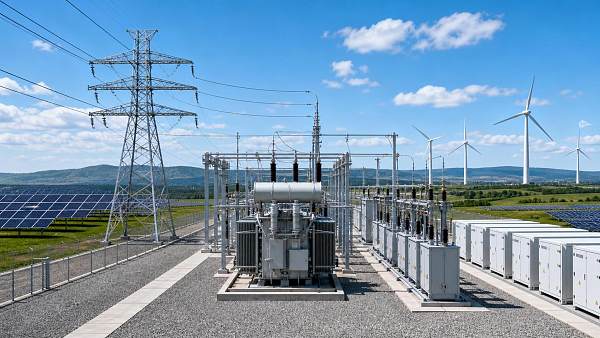
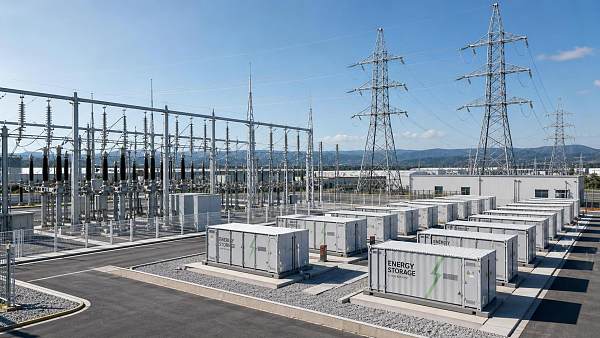
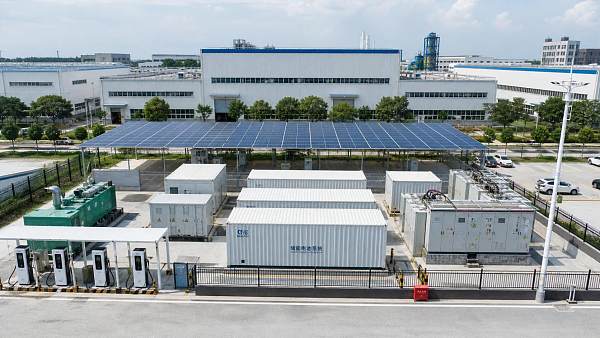
This is especially true in modern energy infrastructure. Solar plants, substations, battery systems, EV charging networks, and microgrids rarely operate as isolated assets anymore.
They exchange data with inverters, meters, relays, EMS platforms, cloud dashboards, and utility interfaces. A weak SCADA for power systems vendor can create integration delays, cyber exposure, and expensive support dependence.
A stronger vendor usually helps teams standardize communication, reduce downtime, and keep expansion options open. That matters when assets are expected to run for fifteen years or longer.
Across the energy transition, EPEM often highlights the same pattern. Digital control layers increasingly shape project economics because availability, data quality, compliance, and remote service all depend on them.
So the practical question is not just which interface looks better. It is which SCADA for power systems vendor can support integration, cybersecurity, and lifecycle performance without turning every change into a custom engineering project.
What should be checked first before comparing vendors?
Start with system boundaries. Many evaluations fail because teams compare proposals before defining what the SCADA layer must actually monitor, control, archive, and exchange.
In practical terms, four questions usually clarify the shortlist:
- Which assets need direct control, and which only need monitoring?
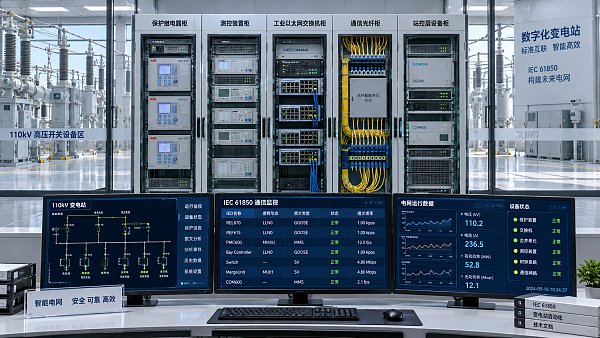
- Which protocols are already present, such as IEC 61850, Modbus, DNP3, OPC UA, or IEC 60870?
- Will the project expand into storage, distributed energy, or EV charging later?
- What data must be retained for compliance, warranty, analytics, or settlement?
Without that baseline, the cheapest offer may only be the cheapest on paper. Later, extra gateways, custom tags, additional historian licenses, and field engineering can change the cost picture completely.
The more diverse the power environment, the more important this step becomes. Grid modernization projects often combine legacy substations with new renewable assets, which makes integration scope easy to underestimate.
How do you judge integration capability without relying on marketing claims?
A capable SCADA for power systems vendor should prove integration depth, not just list supported protocols. There is a big difference between nominal compatibility and field-proven interoperability.
Ask for reference architectures close to your use case. A utility substation, solar-plus-storage site, or charging hub each has different control and latency expectations.
Then verify whether the vendor has done these tasks before:
- Mapping alarms across mixed devices without losing event priority
- Coordinating time synchronization for fault analysis and sequence-of-events records
- Integrating historian data with EMS, CMMS, or enterprise reporting tools
- Handling remote firmware updates and device diagnostics across multi-vendor fleets
- Supporting future additions without major license restructuring
A useful comparison table can make this easier:
In real projects, integration maturity often separates a workable platform from a costly one. That is why the best SCADA for power systems vendor is often the one with fewer surprises during commissioning.
Is cybersecurity now a deciding factor rather than a technical add-on?
In power systems, yes. SCADA sits close to operational technology, which means a security gap can affect availability, dispatch, compliance, and safety response.
The issue is not only external attack. Weak access control, poor patch management, and unclear remote support practices create risk inside normal maintenance workflows as well.
A reliable SCADA for power systems vendor should answer security questions in operational terms. That includes authentication methods, role-based permissions, network segmentation guidance, logging, backup recovery, and patch release discipline.
Useful questions include:
- How are remote sessions approved, recorded, and terminated?
- How quickly are vulnerabilities assessed and patched?
- Can the platform support least-privilege access by role and location?
- What happens if a server fails during a cyber incident or update?
This matters even more in renewable portfolios. Solar, storage, and charging sites are often geographically distributed, heavily networked, and expected to support remote operations with minimal onsite staff.
A vendor that treats cybersecurity as an optional module usually becomes a risk multiplier later.
Where do lifecycle costs usually hide when selecting a SCADA for power systems vendor?
Upfront license price is only one layer. The bigger cost differences often appear after commissioning, when the platform starts interacting with real operational demands.
Common hidden cost areas include engineering customization, annual support tiers, cybersecurity updates, historian storage growth, third-party connectors, and operator retraining after version changes.
A practical evaluation should look across the full asset life:
- Initial design and commissioning cost
- Cost of adding new feeders, sites, or DER assets
- Support response and spare engineering capacity
- Migration cost when servers, operating systems, or standards change
- Downtime cost during troubleshooting or upgrade windows
In many projects, the most expensive SCADA for power systems vendor is the one that appears flexible early but depends on recurring custom work later.
That is why lifecycle cost should be tied to maintainability. If every modification requires vendor intervention, long-term cost control becomes weak, even when initial capex looks attractive.
What mistakes tend to distort vendor evaluation?
One common mistake is treating all power applications as equivalent. A platform suitable for a single industrial site may not fit multi-site renewable fleets or utility-grade control environments.
Another mistake is overvaluing interface appearance. Good screens matter, but operational resilience, event handling, auditability, and service structure matter more over time.
There is also a tendency to ignore internal workload. Some vendors offer low entry pricing but shift configuration, testing, and long-term data governance onto the owner side.
More careful evaluations usually test vendors against a realistic scenario, such as:
- A substation gateway replacement
- A solar-plus-storage expansion
- An EV charging cluster with load control
- A multi-site alarm management requirement
This approach aligns well with how EPEM frames digital energy systems. Technology value becomes clearer when measured against actual operating conditions, not broad feature lists.
What is a sensible next step when narrowing the shortlist?
Move from broad comparison to structured validation. A short request matrix usually works better than a long generic questionnaire.
The matrix should cover integration requirements, cyber controls, support model, upgrade path, and five-year cost assumptions. Ask each SCADA for power systems vendor to respond against the same scenarios.
Then score answers based on evidence, not promises. Site references, documented architecture, response commitments, and migration examples are more useful than polished slides.
If the project involves renewables, storage, charging, or distributed assets, include future expansion in the scoring model from the start. That is where many digital control decisions either hold value or lose it.
A sound selection process usually ends with a clearer picture of which SCADA for power systems vendor can support operations, not just installation. That is the decision that tends to age well.
Questions about market trends? Contact Market Scope Live for deeper business insights.
We respect your privacy. Your information is strictly confidential.
Related News
 Smart Grid TechnologiesPower System Automation Prices: What Drives Project Costs?Power system automation price depends on integration, software, testing, and support. Explore the key cost drivers and compare bids with confidence.MORE+
 Smart Grid TechnologiesGrid Flexibility Costs: Comparing Storage, Demand Response and Peaker PlantsCompare grid flexibility cost across battery storage, demand response and peaker plants. Discover key cost drivers and choose the right solution for your reliability needs.MORE+
 Smart Grid TechnologiesChoosing a Grid Monitoring Systems Supplier: Integration and Support CriteriaChoose a grid monitoring systems supplier with confidence. Compare integration, cybersecurity, lifecycle costs, commissioning, and support before you commit.MORE+
 Smart Grid TechnologiesUS Energy Department Announces $237 Million for Grid Supply ChainsUS Department of Energy announces $237 million for grid supply chains. Explore potential impacts on domestic manufacturing, sourcing and procurement.MORE+
 Smart Grid TechnologiesAdvanced Metering Systems in South Africa: Choosing Connectivity for MunicipalitiesExplore advanced metering systems in South Africa. Compare cellular, RF mesh and PLC to choose reliable municipal connectivity, control costs and plan a smarter rollout.MORE+
 Smart Grid TechnologiesVehicle-to-Grid Technology in Europe: EV, Charger and Grid RequirementsExplore vehicle to grid technology Europe-wide. Discover EV compatibility, charger standards and grid approval requirements to reduce risks and plan your V2G deployment with confidence.MORE+
 Smart Grid TechnologiesWhat Infrastructure Do Utility-Scale Renewables Need for Grid Connection?Explore utility renewable energy infrastructure for grid connection, from substations to controls and compliance. Learn how to spot connection risks and keep projects on track.MORE+
 Smart Grid TechnologiesHybrid Power Plants for Microgrids: Sizing Solar, Batteries, and DieselSize hybrid power plants for microgrids with confidence. Learn how to balance solar, batteries, and diesel to cut fuel use, protect critical loads, and meet reliability targets.MORE+
 Smart Grid TechnologiesRenewable Power Systems for Mining: Designing Reliable Off-Grid MicrogridsExplore renewable power systems for mining: design reliable off-grid microgrids with solar, storage, backup power, and smart controls to cut fuel use and protect uptime.MORE+
 Smart Grid TechnologiesCommercial Microgrids in Europe: When Do Energy Savings Justify the Investment?Considering commercial microgrids Europe-wide? Discover when energy savings justify investment, compare solar and storage returns, and avoid costly oversizing.MORE+
 Smart Grid TechnologiesMulti-Site Commercial Energy Planning: Balancing Load, Tariffs, and ResilienceMulti site commercial energy planning: balance load profiles, tariffs, EV charging, storage, and resilience to reduce costs, strengthen operations, and optimize every facility.MORE+
 Smart Grid TechnologiesWhat Should a Partner Deliver Across a Multi-Site Distributed Energy Portfolio?Best partners for distributed energy projects across a multi-site portfolio? Discover how to standardize design, data, commissioning, and lifecycle performance at scale.MORE+
 Smart Grid TechnologiesHow Can Multi-Site Owners Identify the Right Partners for Distributed Energy Projects?“Is it best partners for distributed energy projects across a multi-site portfolio?” Explore a practical framework to assess technical expertise, grid readiness, risk, data access, and lifecycle support.MORE+
 Smart Grid TechnologiesSmart Grid Technologies for Utilities: How to Prioritize Grid Modernization InvestmentsSmart grid technologies for utilities: learn how to prioritize modernization investments, reduce reliability risks, defer capital upgrades, and build a resilient, cost-effective grid.MORE+
 Smart Grid TechnologiesDigital Substations: How IEC 61850 Improves Protection, Control, and Data VisibilityDigital substations powered by IEC 61850 improve protection, flexible control, and data visibility. Explore the design principles that strengthen grid reliability.MORE+
 Smart Grid TechnologiesWhat Is Feeder Automation and How Does It Reduce Outages on Distribution Grids?Feeder automation helps utilities isolate faults, restore healthy sections faster, and reduce distribution grid outages. Explore how FLISR improves reliability.MORE+
 Smart Grid TechnologiesWhat Renewable Integration Studies Should Model Before a Grid Connection DecisionRenewable integration studies reveal grid connection risks before approval—from voltage and protection to curtailment, dynamic stability, and future network constraints.MORE+
 Smart Grid TechnologiesUtility Resilience Planning: How to Prioritize Grid Investments for Extreme WeatherUtility companies resilience planning: learn how to prioritize grid investments for extreme weather, protect critical services, speed restoration, and build a stronger, smarter energy network.MORE+
 Smart Grid TechnologiesWhat Drives Microgrid Controller Costs Across Commercial and Industrial Projects?Microgrid controllers cost depends on asset mix, islanding needs, legacy integration, software, and lifecycle support. Learn how to compare bids and reduce project risk.MORE+
 Smart Grid TechnologiesHow Does Demand Response Work with Battery Storage in Microgrids?How does demand response integrate with battery storage in microgrid operations? Explore coordinated dispatch, peak shaving, renewable use, and resilient backup strategies.MORE+
 Smart Grid TechnologiesWhich Energy Management Systems Integrate Best with Existing SCADA Platforms?Which energy management systems integrate best with existing SCADA platforms? Explore protocols, control authority, and practical selection insights for reliable energy optimization.MORE+
 Smart Grid TechnologiesHow to Plan Clean Energy Infrastructure for Reliable Industrial Power SupplyClean energy infrastructure planning for reliable industrial power: optimize loads, storage, controls, grid integration, and resilience.MORE+
 Smart Grid TechnologiesHow to Size Hybrid Microgrid Systems for Remote Sites With Variable LoadsHybrid microgrid systems for remote sites: learn how to size solar, batteries, inverters, and generators for variable loads, resilience, and lower fuel costs.MORE+
 Smart Grid TechnologiesGrid Resilience Technologies That Prevent Outages During Extreme WeatherGrid resilience technologies for outage prevention help utilities and facilities withstand extreme weather with automation, storage, microgrids, and demand flexibility. Explore practical strategies to protect critical loads and restore power faster.MORE+
 Smart Grid TechnologiesGrid Stability Solutions for Wind: Managing Variability and Power QualityGrid stability solutions for wind: explore practical strategies for voltage control, frequency response, power quality, storage, and reliable PCC compliance.MORE+
 Smart Grid TechnologiesWhich Grid Interconnection Standards Apply to Commercial Rooftop Solar?What grid interconnection standards apply to commercial rooftop solar? Explore utility rules, inverter certifications, export limits, and approval steps to avoid costly delays.MORE+
 Smart Grid TechnologiesHow Demand Response Supports Public EV Charging StationsSmart grid demand response for public charging stations helps operators control peak loads, protect costs, improve reliability, and deliver a clearer EV driver experience.MORE+
 Smart Grid TechnologiesDo Smart Grid Features Reduce Charging Station Electricity Bills?Do smart grid features actually reduce charging station electricity bills? Discover how load balancing, tariff scheduling, solar, and storage can cut peak costs.MORE+
 Smart Grid TechnologiesCan One Energy Management Platform Support Multiple Charger Brands?Can a single energy management platform handle multiple charger brands at one site? Discover how open integration enables scalable, reliable EV charging control.MORE+
 Smart Grid TechnologiesGrid Resilience Technologies Explained: Which Solutions Reduce Outage Risk?Grid resilience technologies explained clearly: compare batteries, microgrids, feeder automation, and digital controls to see which solutions truly reduce outage risk and protect critical loads.MORE+
 Smart Grid TechnologiesHow Utilities Evaluate Renewable Power Systems for Grid Stability and ROIRenewable power systems for utilities: learn how grids assess stability, storage, integration costs, and long-term ROI to choose resilient, high-value renewable investments.MORE+
 Smart Grid TechnologiesWhat Makes a Microgrid Energy Project Bankable for Investors and Lenders?Energy project bankability microgrids explained: learn what investors and lenders check most—revenue certainty, contract strength, risk allocation, and reliable performance.MORE+
 Smart Grid TechnologiesWhat Determines Grid Monitoring Price in Utility and Industrial Projects?Grid monitoring price depends on scope, accuracy, software, and integration complexity. Learn what drives costs in utility and industrial projects before you compare quotes.MORE+
 Smart Grid TechnologiesUrban Energy Infrastructure Planning: Key Factors for Resilient and Scalable CitiesUrban energy infrastructure planning for resilient, scalable cities: discover how grids, storage, EV charging, and smart forecasting reduce risk, cut costs, and support cleaner urban growth.MORE+
 Smart Grid TechnologiesHow Grid Infrastructure in the USA Is Evolving to Support Renewables and Grid ReliabilityGrid infrastructure USA is evolving fast to integrate renewables, storage, and EV charging while protecting reliability. Explore key trends, risks, and business opportunities shaping the market.MORE+
 Smart Grid TechnologiesGrid Power Infrastructure Investment: How to Compare ROI Across Utility-Scale ProjectsGrid power infrastructure investment explained: learn how to compare ROI across utility-scale projects using NPV, lifecycle cost, grid risk, and performance metrics to make smarter investment decisions.MORE+
 Smart Grid TechnologiesWhat Drives Substation Digitalization Cost? Hardware, Software, and Retrofit FactorsSubstation digitalization cost explained: compare hardware, software, retrofit risks, and lifecycle factors to budget smarter, avoid hidden costs, and choose higher-value upgrades.MORE+
 Smart Grid TechnologiesIndustrial Microgrids EMS Explained: Core Functions, Controls, and Use CasesIndustrial microgrids EMS explained: discover core functions, control priorities, and real-world use cases to improve resilience, cut energy costs, and evaluate platforms with confidence.MORE+
 Smart Grid TechnologiesSCADA for Power Systems Vendor Selection: Integration, Cybersecurity, and Lifecycle CostSCADA for power systems vendor selection made practical: compare integration, cybersecurity, and lifecycle cost to reduce risk, avoid hidden expenses, and choose a platform built to scale.MORE+
 Smart Grid TechnologiesVehicle-to-Grid Technology for Depots: How It Works and When It Makes Business SenseVehicle to grid technology for depots explained: learn how V2G works, where savings and revenue come from, and when it makes real business sense for fleet operators.MORE+