Project Owner Substation Checklist: What to Review Before Design Approval
What should be checked first in a project owners substation review?
A design package can look complete and still hide expensive gaps. That is why a project owners substation review should begin with scope clarity, not drawings alone.
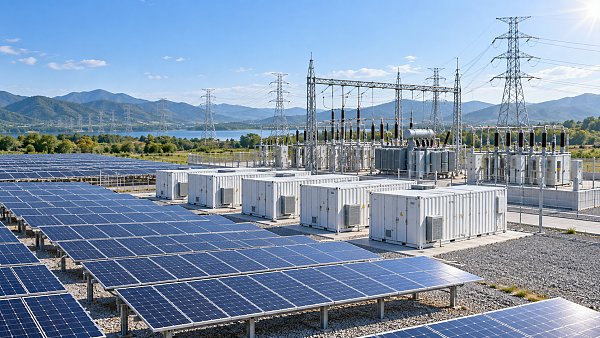
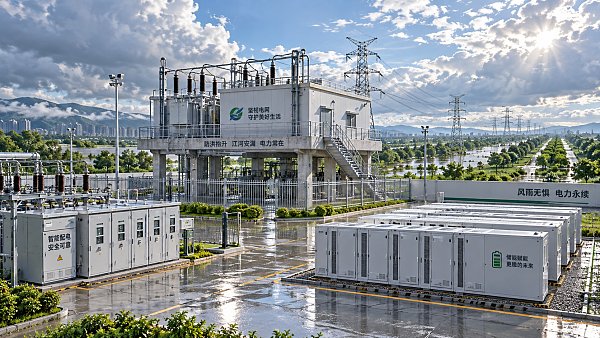
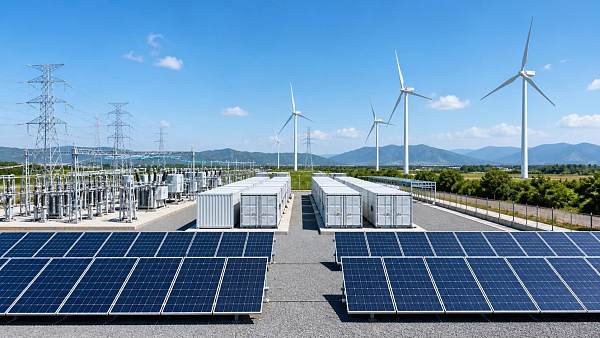
Before design approval, confirm the substation duty in the wider power system. Is it serving a solar plant, battery storage site, wind farm, charging hub, or mixed distributed energy project?
That answer changes almost everything. Protection philosophy, transformer sizing, reactive power strategy, metering, and future expansion needs are different for each use case.
In practical terms, the first review should answer four basic questions. If these are still vague, detailed approval is usually premature.
- What grid code and utility interconnection requirements govern the substation?
- What is the real operating profile, including peak export, import, cycling, and contingency mode?
- Which equipment is owner-supplied, EPC-supplied, or utility-supplied?
- What parts of the design must stay open for later procurement decisions?
This early discipline matters more now because substations are no longer isolated assets. They sit inside a digital, renewable-heavy network shaped by storage, smart controls, charging loads, and variable generation.
Industry intelligence platforms such as EPEM often frame this well. The useful lesson is simple: technical approval and commercial readiness have to be reviewed together.
Which design documents deserve the closest attention before approval?
Not every document carries the same decision weight. Some pages explain the design. A smaller set actually defines whether the substation will be buildable, compliant, and maintainable.
A solid project owners substation checklist should focus on the documents that lock in risk. Those typically include the single-line diagram, protection philosophy, general arrangement, grounding design, control architecture, and utility interface documents.
The single-line diagram should be read as a commercial document as much as a technical one. It fixes major equipment count, switching arrangement, redundancy level, and future extension options.
The general arrangement deserves equal care. Clearance, cable routing, access roads, crane space, fire separation, and drainage problems often appear there long before site works begin.
Protection and control documents should also be tested against realistic operating states. A battery project with fast ramping and grid services needs a different review mindset than a straightforward step-up substation.
The table below helps separate high-priority review items from documents that can still evolve later.
When a design team says details will be solved during procurement, check whether the unresolved item changes layout, ratings, or interfaces. If yes, it should not stay vague.
How do you judge whether the proposed substation is sized correctly?
Oversizing looks conservative, but it can weaken project economics. Undersizing is worse because it may limit output, trigger redesign, or create hidden thermal stress during operation.
The better question is not whether the substation is large enough today. It is whether the selected ratings match the expected operating envelope over the asset life.
For project owners substation decisions, three sizing checks are especially useful. They go beyond the nameplate rating shown in summary documents.
- Check transformer loading against seasonal ambient conditions, reactive power duty, and overload assumptions.
- Review breaker, busbar, and cable ratings against future fault level, not only current calculations.
- Confirm auxiliary power capacity for cooling, controls, communications, security, and emergency systems.
This becomes more important in renewable and storage projects. Export can be variable, but short-duration peaks, fast response, and curtailment logic can create demanding operating sequences.
A common mistake is reviewing the substation separately from plant controls. Inverter behavior, battery dispatch, EV charging simultaneity, and reactive support can all reshape substation duty.
Useful market analysis from EPEM often shows why this matters commercially. A small design assumption can ripple into transformer procurement, spare philosophy, losses, and grid compliance costs.
Where do project owners substation reviews most often miss risk?
The biggest misses are usually not electrical fundamentals. They sit in coordination gaps between engineering, procurement, utility approvals, and construction sequencing.
For example, a design may meet technical intent but still fail the schedule because long-lead equipment was specified without realistic supplier availability.
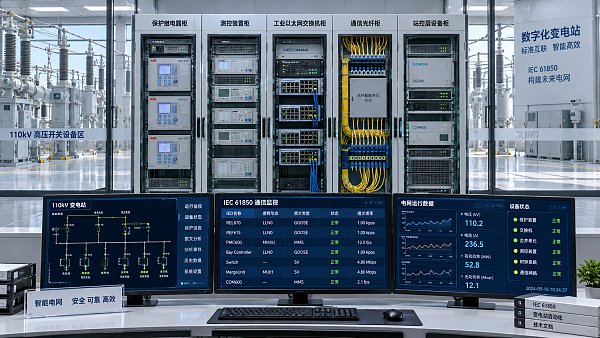
Another frequent problem is interface ownership. If the metering panel, RTU, telecom cabinet, and protection relays touch several contracts, responsibility can become blurred very quickly.
There is also a recurring compliance risk in modern substations. Utility standards, cybersecurity expectations, and digital communication requirements are evolving faster than many legacy review checklists.
The most reliable way to catch these issues is to review the design through a risk lens, not only a drawing lens.
- Ask which assumptions depend on third-party approvals still pending.
- Flag any equipment with lead times longer than the design freeze window.
- Check whether site conditions, soil data, flood levels, or seismic criteria have been finalized.
- Review maintainability, including access for testing, transformer replacement, and safe isolation.
- Confirm spare parts logic for relays, communication modules, and critical auxiliary systems.
If the substation will support future storage, charging, or distributed expansion, leave room in both the yard and the control system. Retrofitting later is usually far more expensive.
What commercial and procurement signals should influence design approval?
Technical approval should not ignore the market. In energy infrastructure, design choices can quickly become procurement risks when supply chains tighten or local compliance rules change.
That is especially true for transformers, GIS equipment, switchgear, relays, control hardware, and specialized balance-of-plant components. Lead time can reshape the design path.
A practical project owners substation review should therefore compare at least two procurement scenarios. One reflects the preferred specification. The other reflects an acceptable alternate path.
This does not mean weakening the technical basis. It means identifying where equivalent options exist, and where the design depends on a very narrow supply choice.
Questions worth asking include whether factory testing slots are realistic, whether transport constraints have been checked, and whether local standards affect vendor eligibility.
EPEM’s broader coverage of grid modernization and renewable infrastructure is relevant here. Market shifts in storage, charging, and digital control are changing equipment demand across substations too.
Design approval is stronger when it includes a short procurement note covering these points:
- Long-lead items and current lead-time assumption.
- Approved technical alternates, if the first-choice vendor slips.
- Items with high change-order risk after award.
- Local content, certification, or testing constraints.
What does a practical pre-approval checklist look like?
A useful checklist is short enough to apply, but detailed enough to stop weak approvals. It should connect engineering integrity with schedule and procurement reality.
Before signing off, make sure the project owners substation review can answer yes, no, or pending on each of the following points.
A careful review at this stage usually saves more than it costs. It reduces redesign loops, protects schedule, and makes later vendor comparison more credible.
The best next step is to turn this checklist into a formal approval sheet tied to drawings, assumptions, and open issues. That creates a clearer record before construction starts.
Questions about market trends? Contact Market Scope Live for deeper business insights.
We respect your privacy. Your information is strictly confidential.
Related News
 Smart Grid TechnologiesPower System Automation Prices: What Drives Project Costs?Power system automation price depends on integration, software, testing, and support. Explore the key cost drivers and compare bids with confidence.MORE+
 Smart Grid TechnologiesGrid Flexibility Costs: Comparing Storage, Demand Response and Peaker PlantsCompare grid flexibility cost across battery storage, demand response and peaker plants. Discover key cost drivers and choose the right solution for your reliability needs.MORE+
 Smart Grid TechnologiesChoosing a Grid Monitoring Systems Supplier: Integration and Support CriteriaChoose a grid monitoring systems supplier with confidence. Compare integration, cybersecurity, lifecycle costs, commissioning, and support before you commit.MORE+
 Smart Grid TechnologiesUS Energy Department Announces $237 Million for Grid Supply ChainsUS Department of Energy announces $237 million for grid supply chains. Explore potential impacts on domestic manufacturing, sourcing and procurement.MORE+
 Smart Grid TechnologiesAdvanced Metering Systems in South Africa: Choosing Connectivity for MunicipalitiesExplore advanced metering systems in South Africa. Compare cellular, RF mesh and PLC to choose reliable municipal connectivity, control costs and plan a smarter rollout.MORE+
 Smart Grid TechnologiesVehicle-to-Grid Technology in Europe: EV, Charger and Grid RequirementsExplore vehicle to grid technology Europe-wide. Discover EV compatibility, charger standards and grid approval requirements to reduce risks and plan your V2G deployment with confidence.MORE+
 Smart Grid TechnologiesWhat Infrastructure Do Utility-Scale Renewables Need for Grid Connection?Explore utility renewable energy infrastructure for grid connection, from substations to controls and compliance. Learn how to spot connection risks and keep projects on track.MORE+
 Smart Grid TechnologiesHybrid Power Plants for Microgrids: Sizing Solar, Batteries, and DieselSize hybrid power plants for microgrids with confidence. Learn how to balance solar, batteries, and diesel to cut fuel use, protect critical loads, and meet reliability targets.MORE+
 Smart Grid TechnologiesRenewable Power Systems for Mining: Designing Reliable Off-Grid MicrogridsExplore renewable power systems for mining: design reliable off-grid microgrids with solar, storage, backup power, and smart controls to cut fuel use and protect uptime.MORE+
 Smart Grid TechnologiesCommercial Microgrids in Europe: When Do Energy Savings Justify the Investment?Considering commercial microgrids Europe-wide? Discover when energy savings justify investment, compare solar and storage returns, and avoid costly oversizing.MORE+
 Smart Grid TechnologiesMulti-Site Commercial Energy Planning: Balancing Load, Tariffs, and ResilienceMulti site commercial energy planning: balance load profiles, tariffs, EV charging, storage, and resilience to reduce costs, strengthen operations, and optimize every facility.MORE+
 Smart Grid TechnologiesWhat Should a Partner Deliver Across a Multi-Site Distributed Energy Portfolio?Best partners for distributed energy projects across a multi-site portfolio? Discover how to standardize design, data, commissioning, and lifecycle performance at scale.MORE+
 Smart Grid TechnologiesHow Can Multi-Site Owners Identify the Right Partners for Distributed Energy Projects?“Is it best partners for distributed energy projects across a multi-site portfolio?” Explore a practical framework to assess technical expertise, grid readiness, risk, data access, and lifecycle support.MORE+
 Smart Grid TechnologiesSmart Grid Technologies for Utilities: How to Prioritize Grid Modernization InvestmentsSmart grid technologies for utilities: learn how to prioritize modernization investments, reduce reliability risks, defer capital upgrades, and build a resilient, cost-effective grid.MORE+
 Smart Grid TechnologiesDigital Substations: How IEC 61850 Improves Protection, Control, and Data VisibilityDigital substations powered by IEC 61850 improve protection, flexible control, and data visibility. Explore the design principles that strengthen grid reliability.MORE+
 Smart Grid TechnologiesWhat Is Feeder Automation and How Does It Reduce Outages on Distribution Grids?Feeder automation helps utilities isolate faults, restore healthy sections faster, and reduce distribution grid outages. Explore how FLISR improves reliability.MORE+
 Smart Grid TechnologiesWhat Renewable Integration Studies Should Model Before a Grid Connection DecisionRenewable integration studies reveal grid connection risks before approval—from voltage and protection to curtailment, dynamic stability, and future network constraints.MORE+
 Smart Grid TechnologiesUtility Resilience Planning: How to Prioritize Grid Investments for Extreme WeatherUtility companies resilience planning: learn how to prioritize grid investments for extreme weather, protect critical services, speed restoration, and build a stronger, smarter energy network.MORE+
 Smart Grid TechnologiesWhat Drives Microgrid Controller Costs Across Commercial and Industrial Projects?Microgrid controllers cost depends on asset mix, islanding needs, legacy integration, software, and lifecycle support. Learn how to compare bids and reduce project risk.MORE+
 Smart Grid TechnologiesHow Does Demand Response Work with Battery Storage in Microgrids?How does demand response integrate with battery storage in microgrid operations? Explore coordinated dispatch, peak shaving, renewable use, and resilient backup strategies.MORE+
 Smart Grid TechnologiesWhich Energy Management Systems Integrate Best with Existing SCADA Platforms?Which energy management systems integrate best with existing SCADA platforms? Explore protocols, control authority, and practical selection insights for reliable energy optimization.MORE+
 Smart Grid TechnologiesHow to Plan Clean Energy Infrastructure for Reliable Industrial Power SupplyClean energy infrastructure planning for reliable industrial power: optimize loads, storage, controls, grid integration, and resilience.MORE+
 Smart Grid TechnologiesHow to Size Hybrid Microgrid Systems for Remote Sites With Variable LoadsHybrid microgrid systems for remote sites: learn how to size solar, batteries, inverters, and generators for variable loads, resilience, and lower fuel costs.MORE+
 Smart Grid TechnologiesGrid Resilience Technologies That Prevent Outages During Extreme WeatherGrid resilience technologies for outage prevention help utilities and facilities withstand extreme weather with automation, storage, microgrids, and demand flexibility. Explore practical strategies to protect critical loads and restore power faster.MORE+
 Smart Grid TechnologiesGrid Stability Solutions for Wind: Managing Variability and Power QualityGrid stability solutions for wind: explore practical strategies for voltage control, frequency response, power quality, storage, and reliable PCC compliance.MORE+
 Smart Grid TechnologiesWhich Grid Interconnection Standards Apply to Commercial Rooftop Solar?What grid interconnection standards apply to commercial rooftop solar? Explore utility rules, inverter certifications, export limits, and approval steps to avoid costly delays.MORE+
 Smart Grid TechnologiesHow Demand Response Supports Public EV Charging StationsSmart grid demand response for public charging stations helps operators control peak loads, protect costs, improve reliability, and deliver a clearer EV driver experience.MORE+
 Smart Grid TechnologiesDo Smart Grid Features Reduce Charging Station Electricity Bills?Do smart grid features actually reduce charging station electricity bills? Discover how load balancing, tariff scheduling, solar, and storage can cut peak costs.MORE+
 Smart Grid TechnologiesCan One Energy Management Platform Support Multiple Charger Brands?Can a single energy management platform handle multiple charger brands at one site? Discover how open integration enables scalable, reliable EV charging control.MORE+
 Smart Grid TechnologiesGrid Resilience Technologies Explained: Which Solutions Reduce Outage Risk?Grid resilience technologies explained clearly: compare batteries, microgrids, feeder automation, and digital controls to see which solutions truly reduce outage risk and protect critical loads.MORE+
 Smart Grid TechnologiesHow Utilities Evaluate Renewable Power Systems for Grid Stability and ROIRenewable power systems for utilities: learn how grids assess stability, storage, integration costs, and long-term ROI to choose resilient, high-value renewable investments.MORE+
 Smart Grid TechnologiesWhat Makes a Microgrid Energy Project Bankable for Investors and Lenders?Energy project bankability microgrids explained: learn what investors and lenders check most—revenue certainty, contract strength, risk allocation, and reliable performance.MORE+
 Smart Grid TechnologiesWhat Determines Grid Monitoring Price in Utility and Industrial Projects?Grid monitoring price depends on scope, accuracy, software, and integration complexity. Learn what drives costs in utility and industrial projects before you compare quotes.MORE+
 Smart Grid TechnologiesUrban Energy Infrastructure Planning: Key Factors for Resilient and Scalable CitiesUrban energy infrastructure planning for resilient, scalable cities: discover how grids, storage, EV charging, and smart forecasting reduce risk, cut costs, and support cleaner urban growth.MORE+
 Smart Grid TechnologiesHow Grid Infrastructure in the USA Is Evolving to Support Renewables and Grid ReliabilityGrid infrastructure USA is evolving fast to integrate renewables, storage, and EV charging while protecting reliability. Explore key trends, risks, and business opportunities shaping the market.MORE+
 Smart Grid TechnologiesGrid Power Infrastructure Investment: How to Compare ROI Across Utility-Scale ProjectsGrid power infrastructure investment explained: learn how to compare ROI across utility-scale projects using NPV, lifecycle cost, grid risk, and performance metrics to make smarter investment decisions.MORE+
 Smart Grid TechnologiesWhat Drives Substation Digitalization Cost? Hardware, Software, and Retrofit FactorsSubstation digitalization cost explained: compare hardware, software, retrofit risks, and lifecycle factors to budget smarter, avoid hidden costs, and choose higher-value upgrades.MORE+
 Smart Grid TechnologiesIndustrial Microgrids EMS Explained: Core Functions, Controls, and Use CasesIndustrial microgrids EMS explained: discover core functions, control priorities, and real-world use cases to improve resilience, cut energy costs, and evaluate platforms with confidence.MORE+
 Smart Grid TechnologiesSCADA for Power Systems Vendor Selection: Integration, Cybersecurity, and Lifecycle CostSCADA for power systems vendor selection made practical: compare integration, cybersecurity, and lifecycle cost to reduce risk, avoid hidden expenses, and choose a platform built to scale.MORE+
 Smart Grid TechnologiesVehicle-to-Grid Technology for Depots: How It Works and When It Makes Business SenseVehicle to grid technology for depots explained: learn how V2G works, where savings and revenue come from, and when it makes real business sense for fleet operators.MORE+