Medium Voltage Switchgear Pricing Explained: What Drives Cost in Project Bids?
Why does medium voltage switchgear pricing vary so much from one bid to another?

Medium voltage switchgear pricing rarely changes for one simple reason. In most project bids, the enclosure is only the visible part of a much larger engineering decision.
The same rated voltage can still produce very different costs. Protection philosophy, fault level, busbar arrangement, arc resistance, and site conditions all reshape the offer.
That is why two suppliers may quote very different numbers while both appear technically compliant. One may price a basic lineup. Another may price for tighter operational risk.
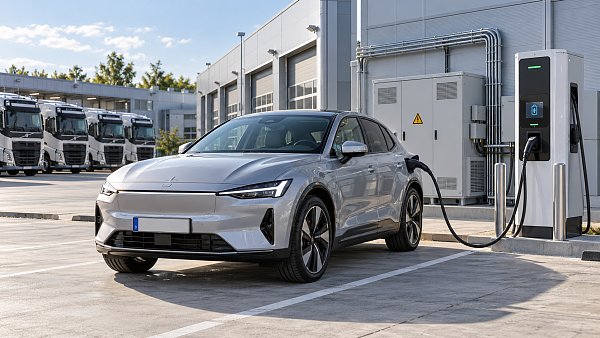
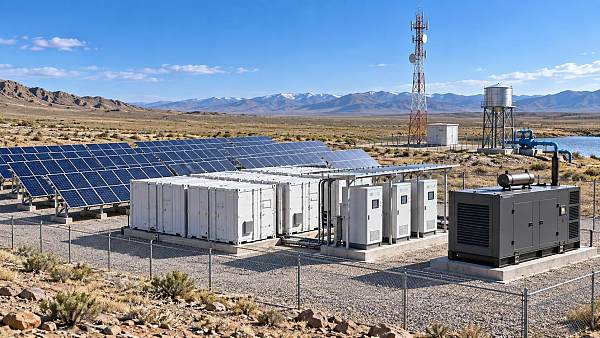
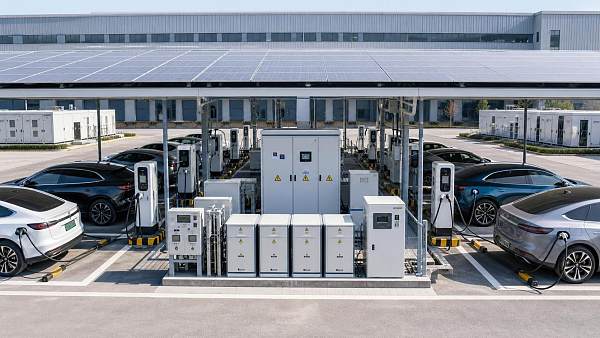
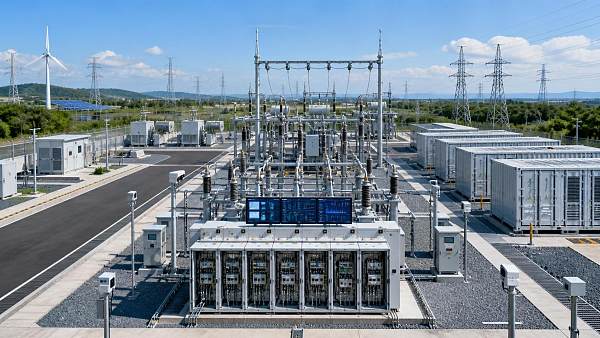
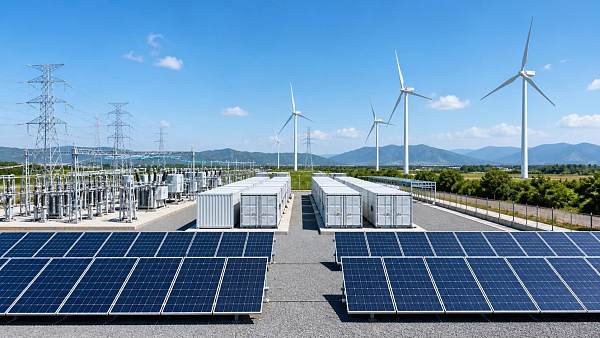
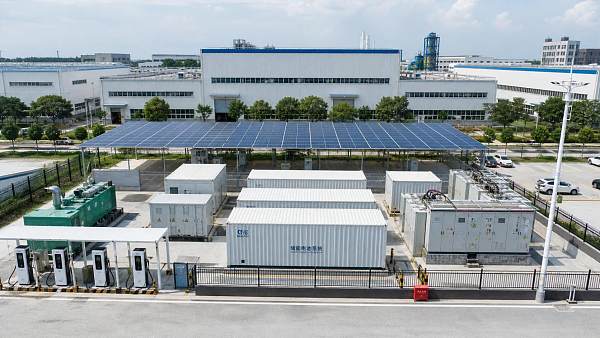
In renewable and grid modernization projects, this happens even more often. Solar plants, battery storage sites, EV charging hubs, and digital substations each create different switching duties.
EPEM often frames this issue as a link between technology choice and commercial clarity. That perspective matters because medium voltage switchgear pricing is rarely just equipment pricing.
It usually includes assumptions about safety, uptime, integration effort, compliance risk, and future expansion. If those assumptions are hidden, bid comparisons become misleading.
What technical specifications usually push switchgear cost up the fastest?
The fastest cost drivers are normally short-circuit rating, internal arc classification, protection complexity, and the number of functional panels.
A lineup for a compact industrial feeder is not priced like a lineup serving a utility substation or a large storage project with demanding interconnection rules.
Breaking capacity matters because it directly affects interrupter design and mechanical strength. Higher fault duty usually means more robust components and stricter testing requirements.
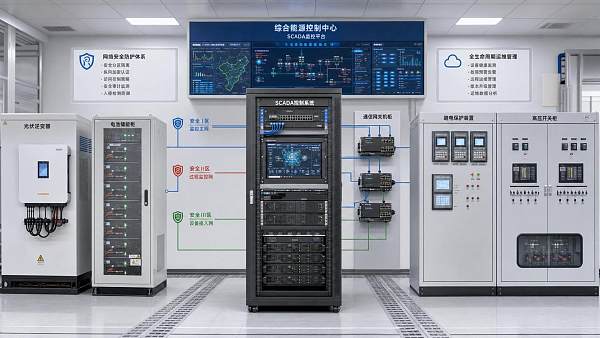
Relay scope also changes the commercial picture. Basic overcurrent protection is cheaper than schemes involving differential protection, transfer logic, SCADA integration, and cybersecurity-related communication needs.
Bus configuration adds another layer. A single bus system is simpler. Double bus, bus sectionalizing, tie breakers, and future extension panels quickly increase engineering and manufacturing effort.
More common cost escalators include:
- Withdrawable breakers instead of fixed-mounted units
- Metal-clad designs instead of simpler metal-enclosed arrangements
- Higher ingress protection for dusty, humid, or coastal environments
- Arc-resistant construction for operator-facing areas
- More metering, more CTs and VTs, and tighter control wiring requirements
In practice, medium voltage switchgear pricing climbs when specification detail increases faster than project standardization. Bespoke switchgear nearly always costs more than repeatable architecture.
Are certifications and standards a hidden pricing factor?
Yes, and they are often underestimated during early budgeting. Compliance is not just a document package. It can affect materials, testing scope, lead time, and factory workload.
Projects may require IEC, ANSI, utility-specific approvals, local grid code alignment, seismic qualification, or internal arc testing under defined accessibility classes.
Each added requirement narrows the supplier pool. When fewer factories can meet the exact bid basis, medium voltage switchgear pricing usually moves upward.
This is especially relevant in cross-border energy projects. A battery site in one market may need certifications very different from those for a wind interconnection point elsewhere.
The table below helps separate common pricing triggers from the questions worth asking before comparing bids.
How do project conditions outside the switchgear room affect medium voltage switchgear pricing?
Quite a lot. The physical site can change the bid almost as much as the electrical single-line diagram.
Outdoor containerized substations, coastal installations, desert solar projects, and congested urban retrofits all create different engineering burdens. Those burdens show up in switchgear cost.
Temperature and altitude are common examples. Derating, insulation coordination, ventilation design, and space heater requirements can all change once the real environment is known.
Installation access also matters. If equipment must be split for transport, craned into a tight building, or assembled in phases, the quote may include extra packaging and site labor assumptions.
For modern energy assets, integration requirements are another big factor. A switchgear lineup serving solar-plus-storage may need communications with inverters, EMS platforms, or substation automation systems.
That is why EPEM regularly treats switchgear as part of a wider infrastructure stack. In real projects, hardware cost and integration cost are often separated on paper but linked in practice.
When is a low bid on medium voltage switchgear pricing actually a risk?
A low number becomes risky when it depends on assumptions that were never made explicit. This is one of the most common causes of post-award cost growth.
Sometimes the supplier excludes relays, communications gateways, factory tests, spare parts, supervision, or site commissioning. The headline price looks attractive, but the total installed cost does not.
Another warning sign is a quote based on substitute standards. A bid may be technically close, yet still fail local utility approval or owner specifications.
Lead time should also be checked carefully. Short schedules may hide dependence on unconfirmed component availability, especially for breakers, relays, and instrument transformers.
Useful questions before accepting a low offer include:
- What exactly is included in factory acceptance testing?
- Are protection settings and logic design part of the scope?
- Does the quote include all required certifications and documentation?
- Which components are named, and which remain open for later selection?
- What commercial exposure appears if the grid study changes?
More often than not, the safest comparison is total project fit, not the lowest line-item amount.
How can bid comparisons become more accurate and easier to defend?
The strongest approach is to normalize the bid basis before final comparison. That means forcing hidden assumptions into visible checklists.
A good comparison sheet should align electrical ratings, panel count, relay functions, communication protocols, mechanical features, certifications, testing scope, delivery terms, and commissioning responsibilities.
It also helps to separate one-time capex differences from lifecycle implications. A slightly higher upfront offer may reduce outage exposure, retrofit cost, or maintenance complexity later.
This matters in sectors followed closely by EPEM, where switchgear supports assets expected to operate for decades under changing grid conditions.
A practical review structure usually includes:
- Electrical compliance against the latest system study
- Commercial inclusions and exclusions in plain language
- Factory test scope and witness requirements
- Delivery credibility based on component sourcing
- Service support during installation and energization
- Expandability for future feeders, storage blocks, or charging loads
That process makes medium voltage switchgear pricing easier to explain internally, and much harder to distort through incomplete quoting.
What is the smartest next step before requesting or evaluating a quote?
Start by tightening the input package. Many pricing problems begin with vague specifications, outdated studies, or missing installation details.
The next step is to decide which requirements are truly non-negotiable. Safety class, utility acceptance, communication architecture, and environmental conditions should be settled early.
Then compare bids against a structured matrix, not just a price column. Medium voltage switchgear pricing becomes more useful when it is tied to performance, schedule, and project risk.
For energy infrastructure projects, the better question is not only, “What does the switchgear cost?” It is also, “What does this bid assume about the asset we are building?”
That is where a market-intelligence view helps. EPEM’s broader focus on renewables, storage, EV charging, and grid modernization reflects a practical truth: switchgear value depends on the system around it.
Before moving forward, align technical studies, clarify scope boundaries, and test each quote for missing obligations. That is usually the most reliable way to control cost without buying hidden risk.
Questions about market trends? Contact Market Scope Live for deeper business insights.
We respect your privacy. Your information is strictly confidential.
Related News
 Smart Grid TechnologiesPower System Automation Prices: What Drives Project Costs?Power system automation price depends on integration, software, testing, and support. Explore the key cost drivers and compare bids with confidence.MORE+
 Smart Grid TechnologiesGrid Flexibility Costs: Comparing Storage, Demand Response and Peaker PlantsCompare grid flexibility cost across battery storage, demand response and peaker plants. Discover key cost drivers and choose the right solution for your reliability needs.MORE+
 Smart Grid TechnologiesChoosing a Grid Monitoring Systems Supplier: Integration and Support CriteriaChoose a grid monitoring systems supplier with confidence. Compare integration, cybersecurity, lifecycle costs, commissioning, and support before you commit.MORE+
 Smart Grid TechnologiesUS Energy Department Announces $237 Million for Grid Supply ChainsUS Department of Energy announces $237 million for grid supply chains. Explore potential impacts on domestic manufacturing, sourcing and procurement.MORE+
 Smart Grid TechnologiesAdvanced Metering Systems in South Africa: Choosing Connectivity for MunicipalitiesExplore advanced metering systems in South Africa. Compare cellular, RF mesh and PLC to choose reliable municipal connectivity, control costs and plan a smarter rollout.MORE+
 Smart Grid TechnologiesVehicle-to-Grid Technology in Europe: EV, Charger and Grid RequirementsExplore vehicle to grid technology Europe-wide. Discover EV compatibility, charger standards and grid approval requirements to reduce risks and plan your V2G deployment with confidence.MORE+
 Smart Grid TechnologiesWhat Infrastructure Do Utility-Scale Renewables Need for Grid Connection?Explore utility renewable energy infrastructure for grid connection, from substations to controls and compliance. Learn how to spot connection risks and keep projects on track.MORE+
 Smart Grid TechnologiesHybrid Power Plants for Microgrids: Sizing Solar, Batteries, and DieselSize hybrid power plants for microgrids with confidence. Learn how to balance solar, batteries, and diesel to cut fuel use, protect critical loads, and meet reliability targets.MORE+
 Smart Grid TechnologiesRenewable Power Systems for Mining: Designing Reliable Off-Grid MicrogridsExplore renewable power systems for mining: design reliable off-grid microgrids with solar, storage, backup power, and smart controls to cut fuel use and protect uptime.MORE+
 Smart Grid TechnologiesCommercial Microgrids in Europe: When Do Energy Savings Justify the Investment?Considering commercial microgrids Europe-wide? Discover when energy savings justify investment, compare solar and storage returns, and avoid costly oversizing.MORE+
 Smart Grid TechnologiesMulti-Site Commercial Energy Planning: Balancing Load, Tariffs, and ResilienceMulti site commercial energy planning: balance load profiles, tariffs, EV charging, storage, and resilience to reduce costs, strengthen operations, and optimize every facility.MORE+
 Smart Grid TechnologiesWhat Should a Partner Deliver Across a Multi-Site Distributed Energy Portfolio?Best partners for distributed energy projects across a multi-site portfolio? Discover how to standardize design, data, commissioning, and lifecycle performance at scale.MORE+
 Smart Grid TechnologiesHow Can Multi-Site Owners Identify the Right Partners for Distributed Energy Projects?“Is it best partners for distributed energy projects across a multi-site portfolio?” Explore a practical framework to assess technical expertise, grid readiness, risk, data access, and lifecycle support.MORE+
 Smart Grid TechnologiesSmart Grid Technologies for Utilities: How to Prioritize Grid Modernization InvestmentsSmart grid technologies for utilities: learn how to prioritize modernization investments, reduce reliability risks, defer capital upgrades, and build a resilient, cost-effective grid.MORE+
 Smart Grid TechnologiesDigital Substations: How IEC 61850 Improves Protection, Control, and Data VisibilityDigital substations powered by IEC 61850 improve protection, flexible control, and data visibility. Explore the design principles that strengthen grid reliability.MORE+
 Smart Grid TechnologiesWhat Is Feeder Automation and How Does It Reduce Outages on Distribution Grids?Feeder automation helps utilities isolate faults, restore healthy sections faster, and reduce distribution grid outages. Explore how FLISR improves reliability.MORE+
 Smart Grid TechnologiesWhat Renewable Integration Studies Should Model Before a Grid Connection DecisionRenewable integration studies reveal grid connection risks before approval—from voltage and protection to curtailment, dynamic stability, and future network constraints.MORE+
 Smart Grid TechnologiesUtility Resilience Planning: How to Prioritize Grid Investments for Extreme WeatherUtility companies resilience planning: learn how to prioritize grid investments for extreme weather, protect critical services, speed restoration, and build a stronger, smarter energy network.MORE+
 Smart Grid TechnologiesWhat Drives Microgrid Controller Costs Across Commercial and Industrial Projects?Microgrid controllers cost depends on asset mix, islanding needs, legacy integration, software, and lifecycle support. Learn how to compare bids and reduce project risk.MORE+
 Smart Grid TechnologiesHow Does Demand Response Work with Battery Storage in Microgrids?How does demand response integrate with battery storage in microgrid operations? Explore coordinated dispatch, peak shaving, renewable use, and resilient backup strategies.MORE+
 Smart Grid TechnologiesWhich Energy Management Systems Integrate Best with Existing SCADA Platforms?Which energy management systems integrate best with existing SCADA platforms? Explore protocols, control authority, and practical selection insights for reliable energy optimization.MORE+
 Smart Grid TechnologiesHow to Plan Clean Energy Infrastructure for Reliable Industrial Power SupplyClean energy infrastructure planning for reliable industrial power: optimize loads, storage, controls, grid integration, and resilience.MORE+
 Smart Grid TechnologiesHow to Size Hybrid Microgrid Systems for Remote Sites With Variable LoadsHybrid microgrid systems for remote sites: learn how to size solar, batteries, inverters, and generators for variable loads, resilience, and lower fuel costs.MORE+
 Smart Grid TechnologiesGrid Resilience Technologies That Prevent Outages During Extreme WeatherGrid resilience technologies for outage prevention help utilities and facilities withstand extreme weather with automation, storage, microgrids, and demand flexibility. Explore practical strategies to protect critical loads and restore power faster.MORE+
 Smart Grid TechnologiesGrid Stability Solutions for Wind: Managing Variability and Power QualityGrid stability solutions for wind: explore practical strategies for voltage control, frequency response, power quality, storage, and reliable PCC compliance.MORE+
 Smart Grid TechnologiesWhich Grid Interconnection Standards Apply to Commercial Rooftop Solar?What grid interconnection standards apply to commercial rooftop solar? Explore utility rules, inverter certifications, export limits, and approval steps to avoid costly delays.MORE+
 Smart Grid TechnologiesHow Demand Response Supports Public EV Charging StationsSmart grid demand response for public charging stations helps operators control peak loads, protect costs, improve reliability, and deliver a clearer EV driver experience.MORE+
 Smart Grid TechnologiesDo Smart Grid Features Reduce Charging Station Electricity Bills?Do smart grid features actually reduce charging station electricity bills? Discover how load balancing, tariff scheduling, solar, and storage can cut peak costs.MORE+
 Smart Grid TechnologiesCan One Energy Management Platform Support Multiple Charger Brands?Can a single energy management platform handle multiple charger brands at one site? Discover how open integration enables scalable, reliable EV charging control.MORE+
 Smart Grid TechnologiesGrid Resilience Technologies Explained: Which Solutions Reduce Outage Risk?Grid resilience technologies explained clearly: compare batteries, microgrids, feeder automation, and digital controls to see which solutions truly reduce outage risk and protect critical loads.MORE+
 Smart Grid TechnologiesHow Utilities Evaluate Renewable Power Systems for Grid Stability and ROIRenewable power systems for utilities: learn how grids assess stability, storage, integration costs, and long-term ROI to choose resilient, high-value renewable investments.MORE+
 Smart Grid TechnologiesWhat Makes a Microgrid Energy Project Bankable for Investors and Lenders?Energy project bankability microgrids explained: learn what investors and lenders check most—revenue certainty, contract strength, risk allocation, and reliable performance.MORE+
 Smart Grid TechnologiesWhat Determines Grid Monitoring Price in Utility and Industrial Projects?Grid monitoring price depends on scope, accuracy, software, and integration complexity. Learn what drives costs in utility and industrial projects before you compare quotes.MORE+
 Smart Grid TechnologiesUrban Energy Infrastructure Planning: Key Factors for Resilient and Scalable CitiesUrban energy infrastructure planning for resilient, scalable cities: discover how grids, storage, EV charging, and smart forecasting reduce risk, cut costs, and support cleaner urban growth.MORE+
 Smart Grid TechnologiesHow Grid Infrastructure in the USA Is Evolving to Support Renewables and Grid ReliabilityGrid infrastructure USA is evolving fast to integrate renewables, storage, and EV charging while protecting reliability. Explore key trends, risks, and business opportunities shaping the market.MORE+
 Smart Grid TechnologiesGrid Power Infrastructure Investment: How to Compare ROI Across Utility-Scale ProjectsGrid power infrastructure investment explained: learn how to compare ROI across utility-scale projects using NPV, lifecycle cost, grid risk, and performance metrics to make smarter investment decisions.MORE+
 Smart Grid TechnologiesWhat Drives Substation Digitalization Cost? Hardware, Software, and Retrofit FactorsSubstation digitalization cost explained: compare hardware, software, retrofit risks, and lifecycle factors to budget smarter, avoid hidden costs, and choose higher-value upgrades.MORE+
 Smart Grid TechnologiesIndustrial Microgrids EMS Explained: Core Functions, Controls, and Use CasesIndustrial microgrids EMS explained: discover core functions, control priorities, and real-world use cases to improve resilience, cut energy costs, and evaluate platforms with confidence.MORE+
 Smart Grid TechnologiesSCADA for Power Systems Vendor Selection: Integration, Cybersecurity, and Lifecycle CostSCADA for power systems vendor selection made practical: compare integration, cybersecurity, and lifecycle cost to reduce risk, avoid hidden expenses, and choose a platform built to scale.MORE+
 Smart Grid TechnologiesVehicle-to-Grid Technology for Depots: How It Works and When It Makes Business SenseVehicle to grid technology for depots explained: learn how V2G works, where savings and revenue come from, and when it makes real business sense for fleet operators.MORE+