How to Choose Switchgear for Medium-Voltage Distribution in Industrial Facilities
How to Choose Switchgear for Medium-Voltage Distribution in Industrial Facilities
Choosing the right switchgear for medium-voltage distribution is critical to industrial safety, power continuity, and compliance. For quality and safety decisions, the choice shapes fault protection, maintenance exposure, reliability, and lifecycle cost.
In practice, buying switchgear is not only about voltage and current ratings. It is also about operating conditions, arc risk, service access, digital monitoring, and how the equipment fits long-term plant plans.
Industrial facilities now face tighter uptime targets, stricter safety expectations, and more complex loads. That makes medium-voltage switchgear selection a real procurement decision, not a routine catalog exercise.
Start with the Real Operating Context
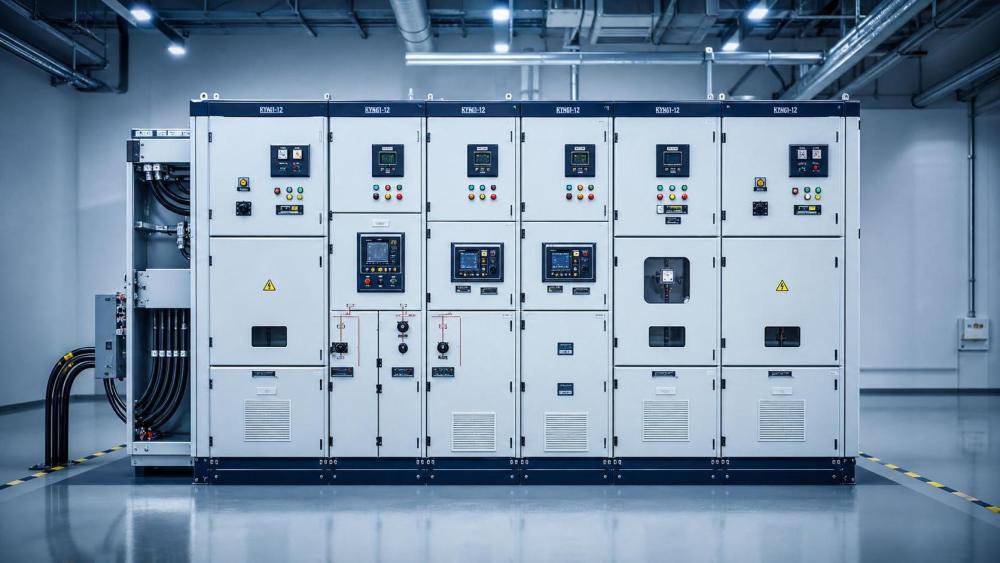
A good switchgear purchase starts with the facility, not the product brochure. Medium-voltage distribution in mining, chemicals, manufacturing, data centers, and water treatment does not behave the same way.
Load profile matters first. Large motors, frequent starts, harmonic sources, and distributed generation can change the duty placed on switchgear, protection relays, and breakers.
Environmental conditions also matter more than many buyers expect. Dust, humidity, salt exposure, corrosive gases, altitude, and ambient temperature all influence insulation performance and maintenance intervals.
This is where many procurement errors begin. A switchgear lineup that performs well in a clean indoor substation may struggle in a harsh industrial enclosure.
Before comparing suppliers, define the application in operational terms. That creates a better basis for both technical review and cost evaluation.
- Nominal voltage, insulation level, and short-circuit duty
- Continuous load, peak load, and motor starting behavior
- Indoor or outdoor installation conditions
- Required continuity during maintenance or fault events
- Future expansion, feeder additions, or renewable integration
Choose the Right Switchgear Type
Once the operating context is clear, the next step is selecting the right switchgear architecture. The main options usually include air-insulated switchgear, gas-insulated switchgear, and metal-clad switchgear arrangements.
Air-insulated switchgear often offers easier visual inspection and lower upfront cost. It can be a practical fit where space is available and environmental conditions are reasonably controlled.
Gas-insulated switchgear is attractive where footprint is tight or contamination is a concern. It can improve compactness and reliability, but buyers should examine gas handling, environmental policy, and service support.
Metal-clad switchgear remains common in industrial facilities because it supports compartmentalization, safer maintenance access, and better fault containment. For medium-voltage distribution, that often improves risk control.
There is no universal best option. The right switchgear is the one that matches risk profile, installation limits, and service capability at site.
Questions That Help Narrow the Choice
- How much floor space is available for the switchgear room?
- Will the switchgear require front-only or front-and-rear access?
- How often will isolation, testing, or breaker replacement occur?
- Does the facility need rapid restoration after feeder faults?
- Are there local restrictions on insulating gases or disposal practices?
Focus on Safety Features, Not Just Ratings
For industrial medium-voltage switchgear, safety performance should carry real weight in procurement scoring. Nameplate ratings alone do not show how well the equipment protects people during abnormal events.
Arc-resistant construction is one of the first points to review. Internal arc events are rare, but when they happen, the consequences can be severe for operators and nearby assets.
Interlocks, shutter mechanisms, grounding switches, and compartment segregation also matter. These features reduce human error during switching, isolation, and maintenance procedures.
Protection relays should be assessed as part of the switchgear package. Better relay coordination can shorten fault clearing time and reduce equipment damage across the medium-voltage distribution system.
Remote operation is becoming more important as well. It lowers operator exposure during breaker switching and fault investigation, especially in higher-risk industrial zones.
Safety Review Checklist
- Arc-resistant certification and accessibility type
- Mechanical and electrical interlock logic
- Visible isolation or verified position indication
- Grounding switch design and operating sequence
- Remote racking, remote switching, or digital supervision
Look Beyond Purchase Price to Lifecycle Cost
A lower switchgear quote can be attractive, especially under budget pressure. But medium-voltage switchgear should be compared on total cost of ownership, not only initial purchase cost.
Maintenance frequency changes real operating cost. So do spare parts availability, breaker overhaul intervals, relay software support, and the supplier’s field service network.
Downtime cost is often the hidden driver. In process industries, one switchgear fault or one long maintenance outage can cost far more than the price difference between two suppliers.
From a procurement view, it helps to compare switchgear using a five-to-fifteen-year horizon. That usually reveals whether a cheaper lineup is really economical.
Check Standards, Testing, and Quality Evidence
Quality review should move beyond supplier claims. For switchgear, documented testing, manufacturing consistency, and traceable compliance records are essential procurement controls.
Ask for type test certificates, routine test procedures, and factory acceptance protocols. These documents help confirm that the switchgear can perform under expected fault and insulation conditions.
Relevant standards may include IEC or ANSI frameworks, depending on project region and utility requirements. The key point is alignment between site specification, local rules, and actual delivered equipment.
Factory quality systems also deserve attention. Consistent assembly, compartment sealing, busbar workmanship, and relay panel integration can strongly influence medium-voltage switchgear reliability in service.
When possible, review reference installations in similar industrial settings. That gives more practical insight than generic sales presentations.
Plan for Maintenance, Monitoring, and Expansion
The best switchgear decision supports operations long after commissioning. That means maintenance access, condition monitoring, and upgrade flexibility should be discussed before purchase.
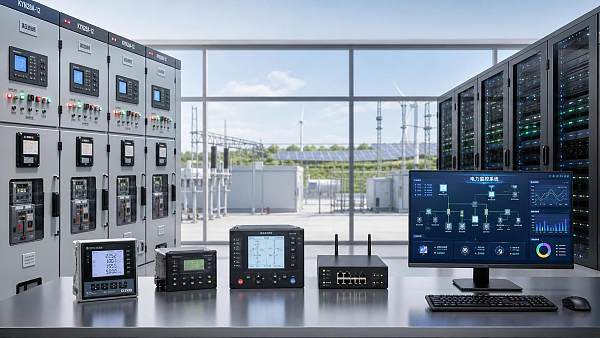
Modern industrial facilities increasingly connect switchgear to digital monitoring systems. Breaker health data, temperature sensing, event logs, and relay diagnostics can improve maintenance planning and reduce unexpected outages.
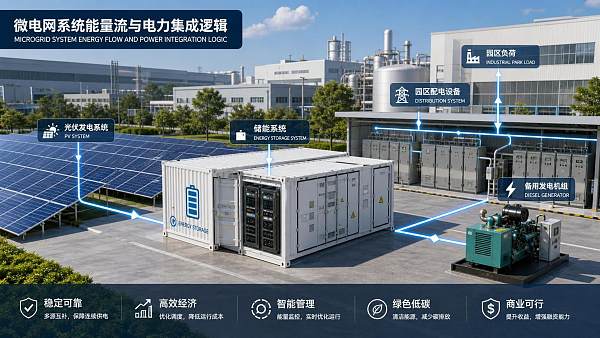
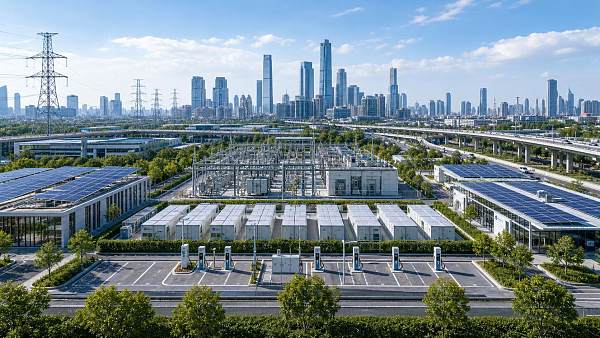
This is especially relevant where facilities are adding rooftop solar, battery storage, EV charging, or microgrid functions. Those changes can affect fault levels, load flow, and protection settings.
A medium-voltage switchgear lineup that cannot adapt may become a bottleneck. On the other hand, modular sections and relay upgrade paths can protect the investment.
Practical Procurement Questions
- Can the switchgear be expanded without major shutdowns?
- Are spare breakers and parts locally available?
- What digital monitoring features are included by default?
- How fast can the supplier provide field service support?
- Will future distributed energy assets affect protection coordination?
How to Compare Suppliers More Effectively
Supplier comparison works better when the switchgear evaluation is structured. A weighted matrix can make technical and commercial trade-offs easier to defend internally.
Typical scoring areas include safety design, standards compliance, service access, delivery schedule, project references, digital capability, and lifecycle cost. That creates a more balanced procurement outcome.
It also helps to ask suppliers to clarify exclusions. Some switchgear quotes appear competitive only because testing, accessories, monitoring, or training are listed as optional extras.
In actual projects, the strongest offer is often the one with fewer execution surprises, not simply the lowest number on page one.
Final Decision Framework for Industrial Switchgear
Choosing switchgear for medium-voltage distribution should balance safety, reliability, maintainability, and total cost. The right decision usually comes from a disciplined review of plant conditions, fault risk, service strategy, and future expansion.
For industrial procurement, the most useful question is simple: which switchgear option reduces operational risk while staying cost-effective across its working life?
That approach leads to better supplier discussions, stronger quality control, and safer medium-voltage distribution performance. It also helps facilities prepare for modernization, electrification, and tighter reliability demands.
If the buying team defines operating conditions clearly, reviews switchgear safety features carefully, and compares lifecycle cost honestly, the final selection becomes much more confident and practical.
Questions about market trends? Contact Market Scope Live for deeper business insights.
We respect your privacy. Your information is strictly confidential.
Related News
 Smart Grid TechnologiesPower System Automation Prices: What Drives Project Costs?Power system automation price depends on integration, software, testing, and support. Explore the key cost drivers and compare bids with confidence.MORE+
 Smart Grid TechnologiesGrid Flexibility Costs: Comparing Storage, Demand Response and Peaker PlantsCompare grid flexibility cost across battery storage, demand response and peaker plants. Discover key cost drivers and choose the right solution for your reliability needs.MORE+
 Smart Grid TechnologiesChoosing a Grid Monitoring Systems Supplier: Integration and Support CriteriaChoose a grid monitoring systems supplier with confidence. Compare integration, cybersecurity, lifecycle costs, commissioning, and support before you commit.MORE+
 Smart Grid TechnologiesUS Energy Department Announces $237 Million for Grid Supply ChainsUS Department of Energy announces $237 million for grid supply chains. Explore potential impacts on domestic manufacturing, sourcing and procurement.MORE+
 Smart Grid TechnologiesAdvanced Metering Systems in South Africa: Choosing Connectivity for MunicipalitiesExplore advanced metering systems in South Africa. Compare cellular, RF mesh and PLC to choose reliable municipal connectivity, control costs and plan a smarter rollout.MORE+
 Smart Grid TechnologiesVehicle-to-Grid Technology in Europe: EV, Charger and Grid RequirementsExplore vehicle to grid technology Europe-wide. Discover EV compatibility, charger standards and grid approval requirements to reduce risks and plan your V2G deployment with confidence.MORE+
 Smart Grid TechnologiesWhat Infrastructure Do Utility-Scale Renewables Need for Grid Connection?Explore utility renewable energy infrastructure for grid connection, from substations to controls and compliance. Learn how to spot connection risks and keep projects on track.MORE+
 Smart Grid TechnologiesHybrid Power Plants for Microgrids: Sizing Solar, Batteries, and DieselSize hybrid power plants for microgrids with confidence. Learn how to balance solar, batteries, and diesel to cut fuel use, protect critical loads, and meet reliability targets.MORE+
 Smart Grid TechnologiesRenewable Power Systems for Mining: Designing Reliable Off-Grid MicrogridsExplore renewable power systems for mining: design reliable off-grid microgrids with solar, storage, backup power, and smart controls to cut fuel use and protect uptime.MORE+
 Smart Grid TechnologiesCommercial Microgrids in Europe: When Do Energy Savings Justify the Investment?Considering commercial microgrids Europe-wide? Discover when energy savings justify investment, compare solar and storage returns, and avoid costly oversizing.MORE+
 Smart Grid TechnologiesMulti-Site Commercial Energy Planning: Balancing Load, Tariffs, and ResilienceMulti site commercial energy planning: balance load profiles, tariffs, EV charging, storage, and resilience to reduce costs, strengthen operations, and optimize every facility.MORE+
 Smart Grid TechnologiesWhat Should a Partner Deliver Across a Multi-Site Distributed Energy Portfolio?Best partners for distributed energy projects across a multi-site portfolio? Discover how to standardize design, data, commissioning, and lifecycle performance at scale.MORE+
 Smart Grid TechnologiesHow Can Multi-Site Owners Identify the Right Partners for Distributed Energy Projects?“Is it best partners for distributed energy projects across a multi-site portfolio?” Explore a practical framework to assess technical expertise, grid readiness, risk, data access, and lifecycle support.MORE+
 Smart Grid TechnologiesSmart Grid Technologies for Utilities: How to Prioritize Grid Modernization InvestmentsSmart grid technologies for utilities: learn how to prioritize modernization investments, reduce reliability risks, defer capital upgrades, and build a resilient, cost-effective grid.MORE+
 Smart Grid TechnologiesDigital Substations: How IEC 61850 Improves Protection, Control, and Data VisibilityDigital substations powered by IEC 61850 improve protection, flexible control, and data visibility. Explore the design principles that strengthen grid reliability.MORE+
 Smart Grid TechnologiesWhat Is Feeder Automation and How Does It Reduce Outages on Distribution Grids?Feeder automation helps utilities isolate faults, restore healthy sections faster, and reduce distribution grid outages. Explore how FLISR improves reliability.MORE+
 Smart Grid TechnologiesWhat Renewable Integration Studies Should Model Before a Grid Connection DecisionRenewable integration studies reveal grid connection risks before approval—from voltage and protection to curtailment, dynamic stability, and future network constraints.MORE+
 Smart Grid TechnologiesUtility Resilience Planning: How to Prioritize Grid Investments for Extreme WeatherUtility companies resilience planning: learn how to prioritize grid investments for extreme weather, protect critical services, speed restoration, and build a stronger, smarter energy network.MORE+
 Smart Grid TechnologiesWhat Drives Microgrid Controller Costs Across Commercial and Industrial Projects?Microgrid controllers cost depends on asset mix, islanding needs, legacy integration, software, and lifecycle support. Learn how to compare bids and reduce project risk.MORE+
 Smart Grid TechnologiesHow Does Demand Response Work with Battery Storage in Microgrids?How does demand response integrate with battery storage in microgrid operations? Explore coordinated dispatch, peak shaving, renewable use, and resilient backup strategies.MORE+
 Smart Grid TechnologiesWhich Energy Management Systems Integrate Best with Existing SCADA Platforms?Which energy management systems integrate best with existing SCADA platforms? Explore protocols, control authority, and practical selection insights for reliable energy optimization.MORE+
 Smart Grid TechnologiesHow to Plan Clean Energy Infrastructure for Reliable Industrial Power SupplyClean energy infrastructure planning for reliable industrial power: optimize loads, storage, controls, grid integration, and resilience.MORE+
 Smart Grid TechnologiesHow to Size Hybrid Microgrid Systems for Remote Sites With Variable LoadsHybrid microgrid systems for remote sites: learn how to size solar, batteries, inverters, and generators for variable loads, resilience, and lower fuel costs.MORE+
 Smart Grid TechnologiesGrid Resilience Technologies That Prevent Outages During Extreme WeatherGrid resilience technologies for outage prevention help utilities and facilities withstand extreme weather with automation, storage, microgrids, and demand flexibility. Explore practical strategies to protect critical loads and restore power faster.MORE+
 Smart Grid TechnologiesGrid Stability Solutions for Wind: Managing Variability and Power QualityGrid stability solutions for wind: explore practical strategies for voltage control, frequency response, power quality, storage, and reliable PCC compliance.MORE+
 Smart Grid TechnologiesWhich Grid Interconnection Standards Apply to Commercial Rooftop Solar?What grid interconnection standards apply to commercial rooftop solar? Explore utility rules, inverter certifications, export limits, and approval steps to avoid costly delays.MORE+
 Smart Grid TechnologiesHow Demand Response Supports Public EV Charging StationsSmart grid demand response for public charging stations helps operators control peak loads, protect costs, improve reliability, and deliver a clearer EV driver experience.MORE+
 Smart Grid TechnologiesDo Smart Grid Features Reduce Charging Station Electricity Bills?Do smart grid features actually reduce charging station electricity bills? Discover how load balancing, tariff scheduling, solar, and storage can cut peak costs.MORE+
 Smart Grid TechnologiesCan One Energy Management Platform Support Multiple Charger Brands?Can a single energy management platform handle multiple charger brands at one site? Discover how open integration enables scalable, reliable EV charging control.MORE+
 Smart Grid TechnologiesGrid Resilience Technologies Explained: Which Solutions Reduce Outage Risk?Grid resilience technologies explained clearly: compare batteries, microgrids, feeder automation, and digital controls to see which solutions truly reduce outage risk and protect critical loads.MORE+
 Smart Grid TechnologiesHow Utilities Evaluate Renewable Power Systems for Grid Stability and ROIRenewable power systems for utilities: learn how grids assess stability, storage, integration costs, and long-term ROI to choose resilient, high-value renewable investments.MORE+
 Smart Grid TechnologiesWhat Makes a Microgrid Energy Project Bankable for Investors and Lenders?Energy project bankability microgrids explained: learn what investors and lenders check most—revenue certainty, contract strength, risk allocation, and reliable performance.MORE+
 Smart Grid TechnologiesWhat Determines Grid Monitoring Price in Utility and Industrial Projects?Grid monitoring price depends on scope, accuracy, software, and integration complexity. Learn what drives costs in utility and industrial projects before you compare quotes.MORE+
 Smart Grid TechnologiesUrban Energy Infrastructure Planning: Key Factors for Resilient and Scalable CitiesUrban energy infrastructure planning for resilient, scalable cities: discover how grids, storage, EV charging, and smart forecasting reduce risk, cut costs, and support cleaner urban growth.MORE+
 Smart Grid TechnologiesHow Grid Infrastructure in the USA Is Evolving to Support Renewables and Grid ReliabilityGrid infrastructure USA is evolving fast to integrate renewables, storage, and EV charging while protecting reliability. Explore key trends, risks, and business opportunities shaping the market.MORE+
 Smart Grid TechnologiesGrid Power Infrastructure Investment: How to Compare ROI Across Utility-Scale ProjectsGrid power infrastructure investment explained: learn how to compare ROI across utility-scale projects using NPV, lifecycle cost, grid risk, and performance metrics to make smarter investment decisions.MORE+
 Smart Grid TechnologiesWhat Drives Substation Digitalization Cost? Hardware, Software, and Retrofit FactorsSubstation digitalization cost explained: compare hardware, software, retrofit risks, and lifecycle factors to budget smarter, avoid hidden costs, and choose higher-value upgrades.MORE+
 Smart Grid TechnologiesIndustrial Microgrids EMS Explained: Core Functions, Controls, and Use CasesIndustrial microgrids EMS explained: discover core functions, control priorities, and real-world use cases to improve resilience, cut energy costs, and evaluate platforms with confidence.MORE+
 Smart Grid TechnologiesSCADA for Power Systems Vendor Selection: Integration, Cybersecurity, and Lifecycle CostSCADA for power systems vendor selection made practical: compare integration, cybersecurity, and lifecycle cost to reduce risk, avoid hidden expenses, and choose a platform built to scale.MORE+
 Smart Grid TechnologiesVehicle-to-Grid Technology for Depots: How It Works and When It Makes Business SenseVehicle to grid technology for depots explained: learn how V2G works, where savings and revenue come from, and when it makes real business sense for fleet operators.MORE+