How Renewable Energy Developers Use Microgrids for Remote Sites and Energy Resilience
How Renewable Energy Developers Use Microgrids for Remote Sites and Energy Resilience
For renewable energy developers, microgrids are moving from niche systems to practical project tools. They solve a very specific problem in remote and weak-grid locations.
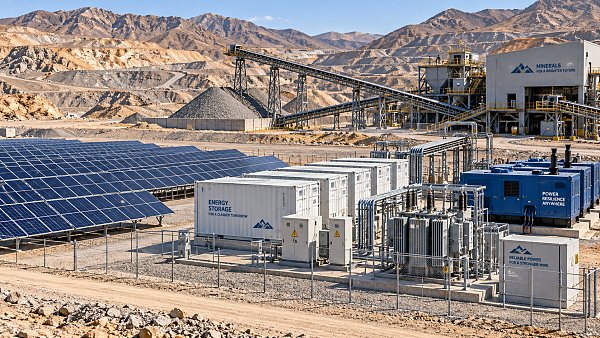
A remote mine, island facility, rural industrial plant, or isolated community cannot rely on unstable power. Diesel-only supply is expensive, exposed to fuel logistics, and difficult to scale.
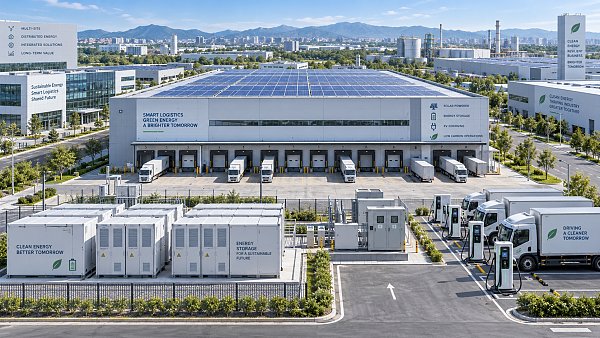
That is why renewable energy developers microgrids strategies are gaining attention. They combine local generation, storage, and controls into one operating system for resilience.
In practical terms, developers use microgrids to cut diesel consumption, stabilize energy supply, and protect project uptime. The value is technical, commercial, and operational at the same time.
Why Remote Sites Need Microgrids Now
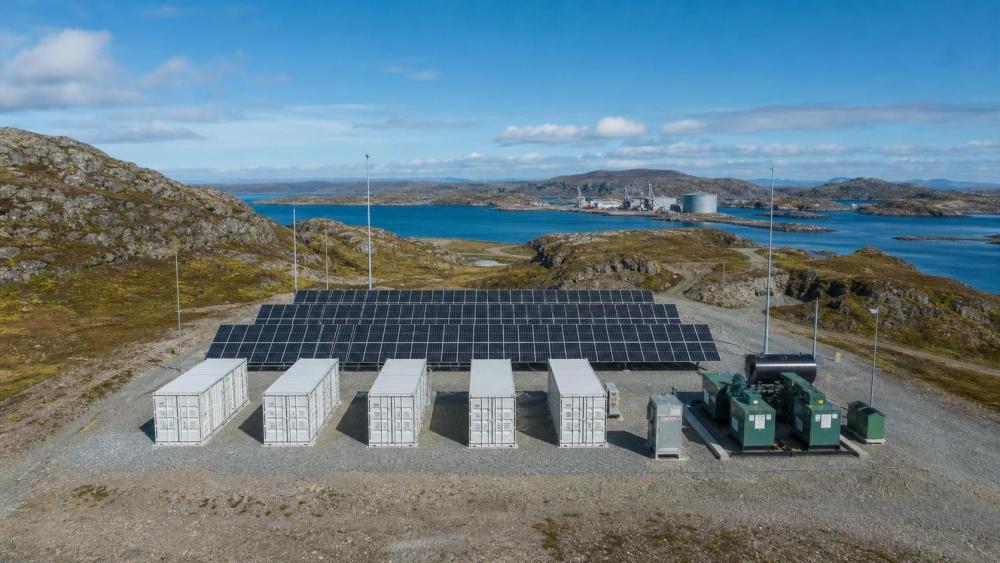
Remote sites face a different risk profile from grid-connected assets. Energy cost is only one part of the equation. Reliability often matters more than the lowest headline tariff.
A short outage can stop production, damage equipment, interrupt communications, or reduce safety. In some sectors, even planned downtime creates a high financial penalty.
From a recent market perspective, fuel volatility is another driver. Transporting diesel to remote areas adds logistics cost, theft risk, weather exposure, and procurement uncertainty.
This is where renewable energy developers microgrids planning becomes practical. Instead of treating solar, batteries, and generators as separate assets, developers design them as one coordinated system.
That coordinated approach improves dispatch logic, reserve margins, and fault response. It also creates a better foundation for long-term asset management.
How Renewable Energy Developers Microgrids Typically Work
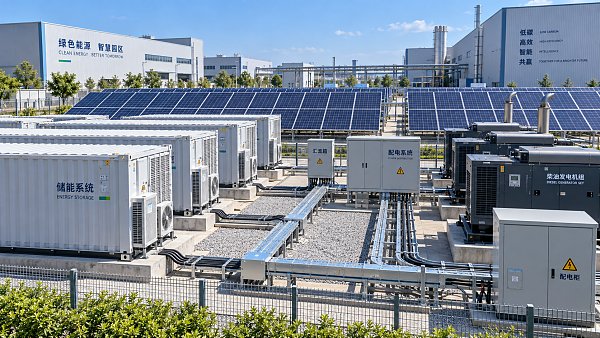
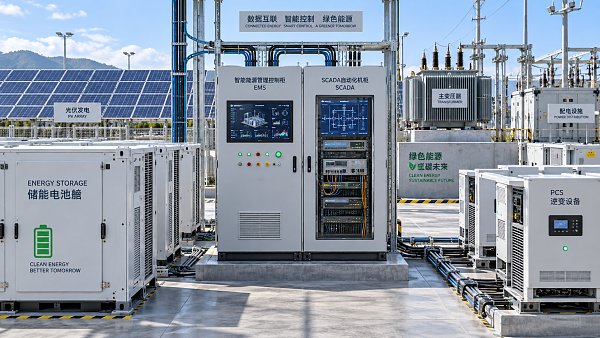
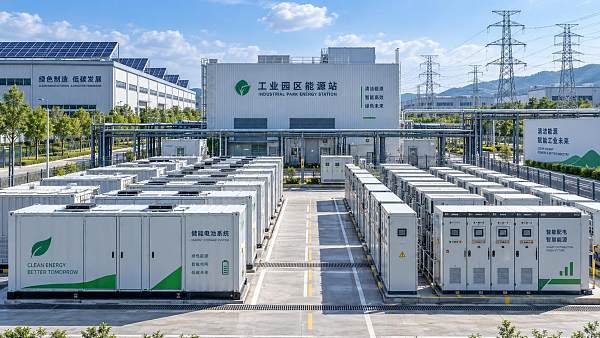
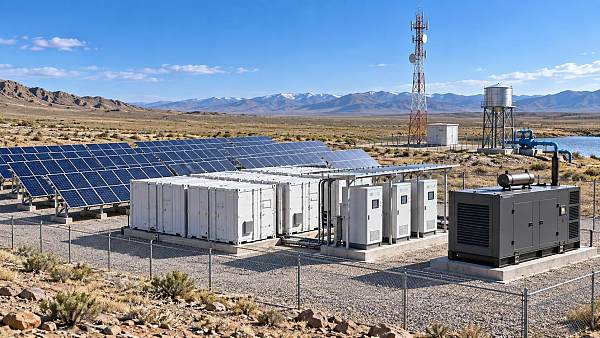
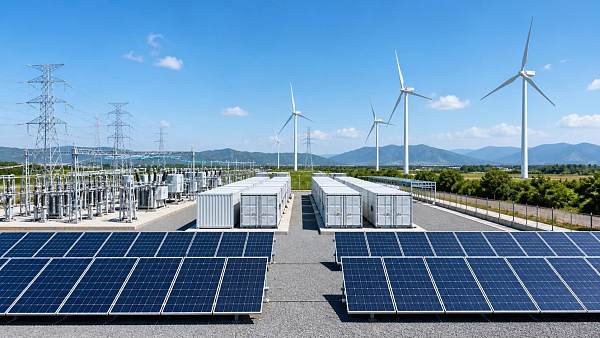
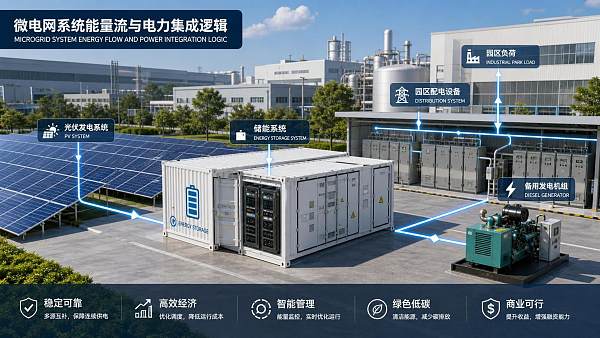
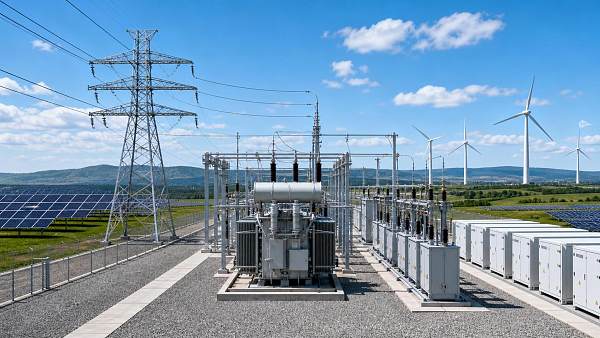
Most microgrids for remote projects include four core layers. Each one has a clear role in balancing resilience, economics, and controllability.
1. On-site generation
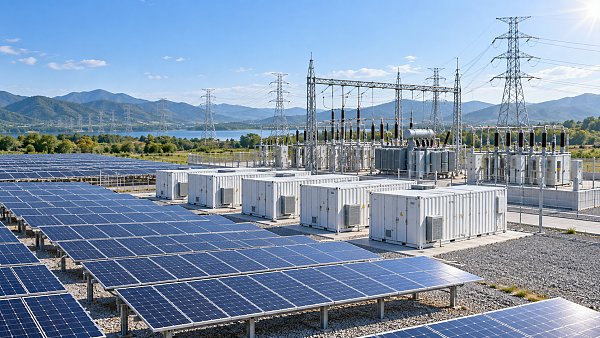
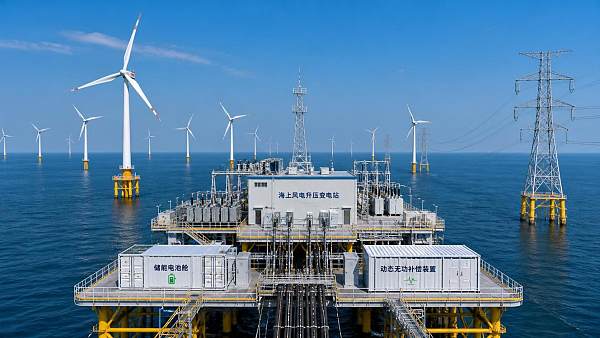
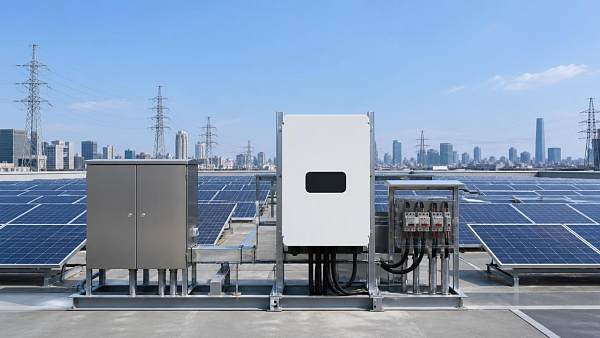
Solar PV is often the first building block because it lowers daytime fuel use. In suitable locations, wind can add night-time or seasonal diversity.
2. Battery energy storage
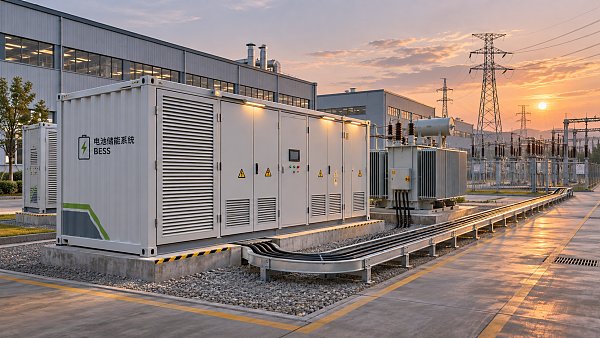
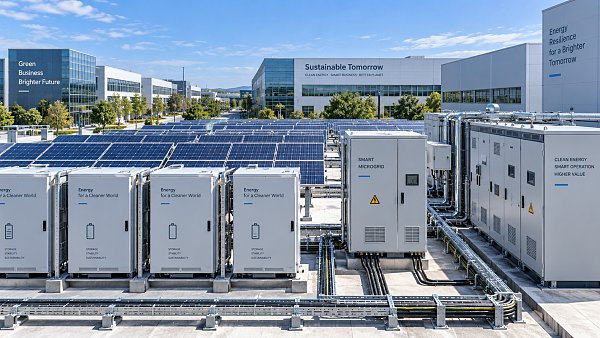
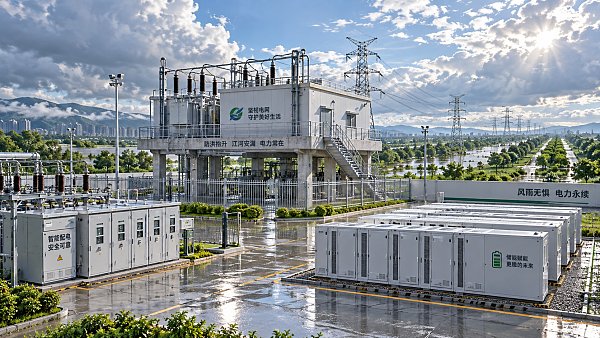
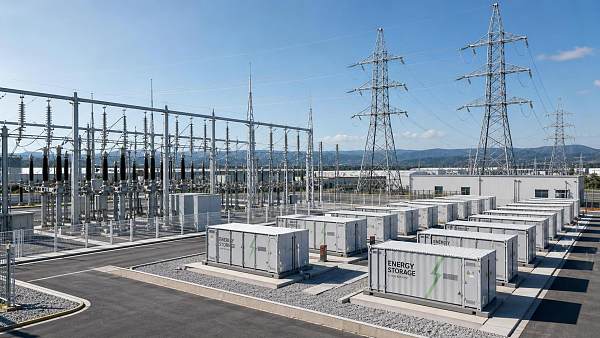
Battery systems absorb surplus generation, support fast ramping, and improve power quality. They also reduce generator cycling and increase renewable penetration.
3. Dispatchable backup
Diesel or gas generators are still common in remote microgrids. The difference is that they move from primary supply to strategic support.
4. Energy management and controls
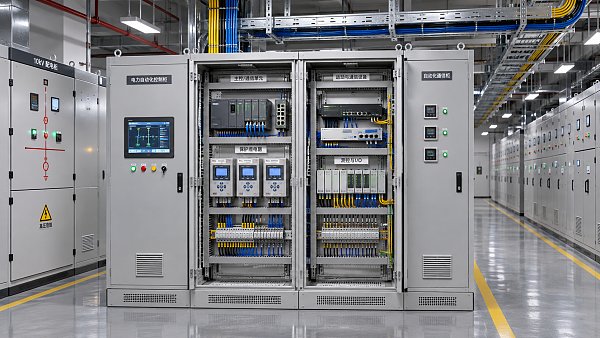
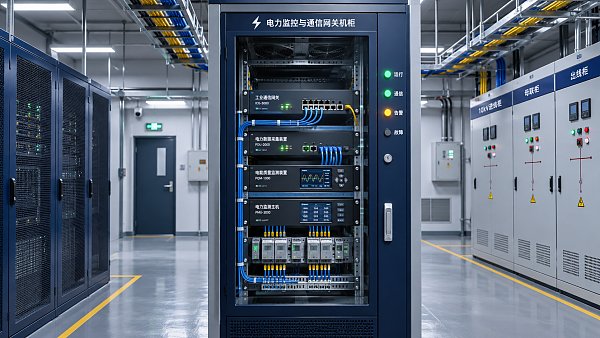
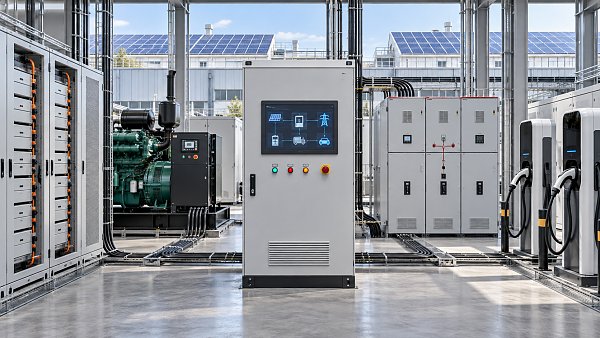
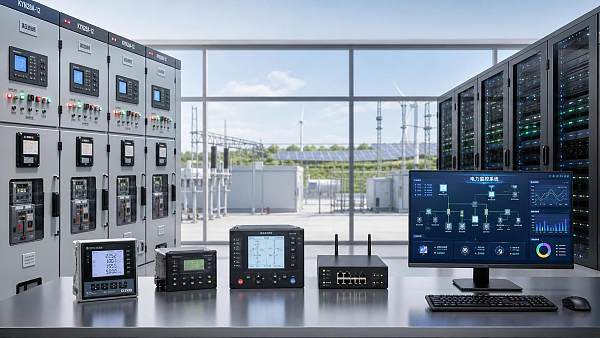
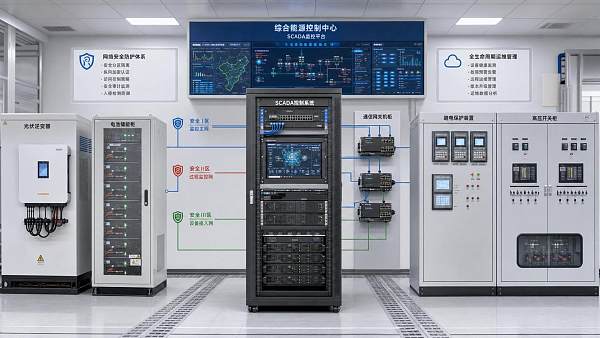
The controller is what turns separate devices into a true microgrid. It manages load priority, storage dispatch, generator sequencing, and islanded operation.
In real projects, this control layer is where performance is won or lost. Developers that understand this usually achieve stronger resilience outcomes.
Key Use Cases for Remote Sites
Renewable energy developers microgrids projects do not follow one fixed template. The final architecture depends on load profile, weather, logistics, and uptime requirements.
- Mining and extraction sites that need continuous process power and lower diesel exposure.
- Islands where imported fuel is costly and grid reinforcement is limited.
- Telecom or data relay assets that require stable electricity in isolated terrain.
- Agricultural or water infrastructure using pumps, cold storage, and treatment systems.
- Remote communities and social infrastructure where energy resilience has a public service role.
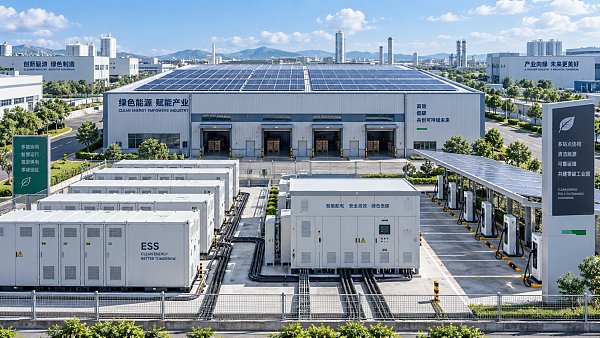
More developers are also using microgrids in weak-grid industrial zones. These sites are connected, but voltage instability and outages still create major operating risks.
What Business Value Developers Are Actually Targeting
The decision to build a microgrid is rarely based on sustainability messaging alone. Developers usually move when several business drivers align.
- Lower fuel consumption and reduced transport dependence.
- Better uptime for production, communications, or critical services.
- Improved cost visibility over the asset lifecycle.
- Easier compliance with decarbonization, ESG, or customer supply requirements.
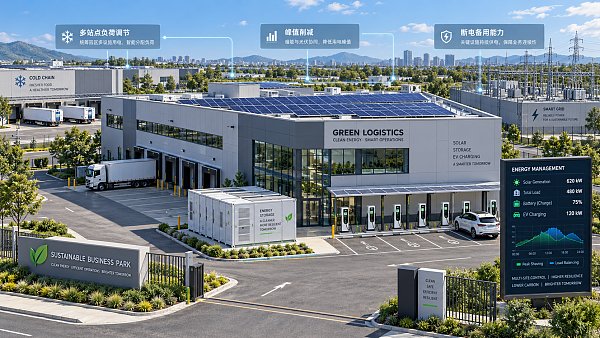
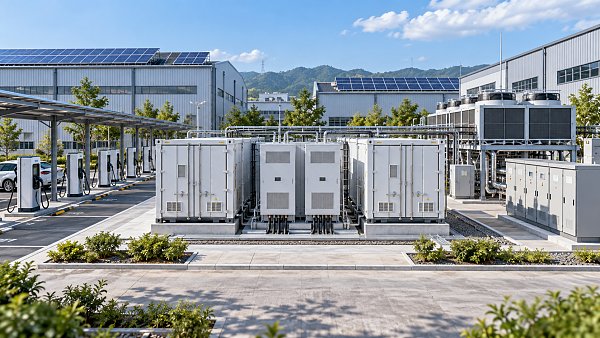
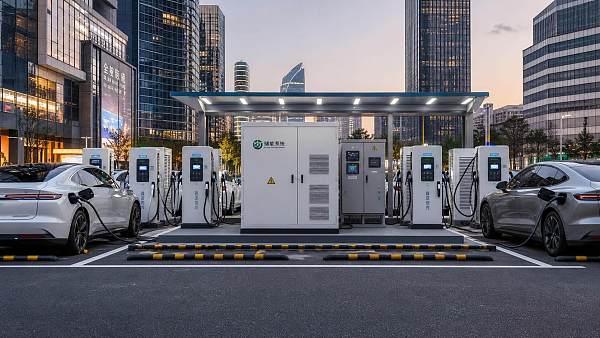
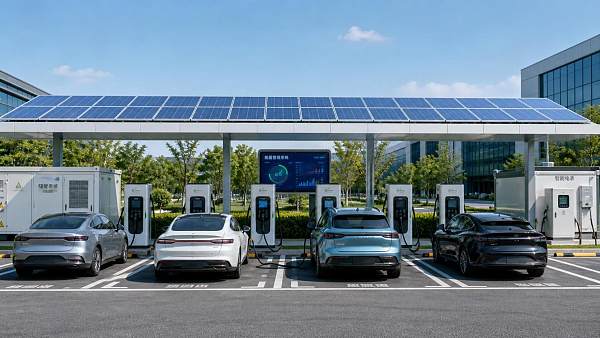
- A scalable platform for future loads such as EV charging or process electrification.
That last point is becoming more important. A remote site may start with basic operations, then add workshops, electric fleets, or expanded accommodation over time.
A well-designed microgrid gives renewable energy developers a flexible base for that growth. It prevents expensive redesign later.
Critical Design Questions Before Deployment
Microgrid success depends on front-end design quality. Many problems that appear during operation were actually created during early planning.
Developers should pressure-test several points before procurement begins.
- What is the hourly and seasonal load pattern, not just the peak number?
- Which loads are critical, deferrable, or interruptible during disturbances?
- How many hours of storage are required for resilience, not only arbitrage?
- What level of generator redundancy is acceptable for this site?
- Can the controls support black start, islanding, and future equipment additions?
- How will dust, heat, humidity, altitude, or salt exposure affect equipment selection?
These questions sound basic, but they directly affect project economics. Oversizing storage adds cost. Undersizing controls or backup capacity creates risk.
Common Risks in Renewable Energy Developers Microgrids Projects
The strongest microgrid business case can still weaken during execution. In practice, several risk areas show up repeatedly.
The bigger lesson is simple. Renewable energy developers microgrids projects need stronger systems thinking than standard generation projects.
How to Build a More Bankable Microgrid Strategy
Developers looking for reliable outcomes usually follow a phased path. It reduces surprises and gives investors clearer confidence in long-term performance.
- Start with site-specific load and resource data.
- Model several system mixes, not only the lowest CAPEX option.
- Quantify resilience value using downtime and fuel-risk scenarios.
- Select equipment with proven communication and control compatibility.
- Define O&M responsibilities, spare parts, and remote monitoring early.
- Leave room for future expansion, especially storage and electrified loads.
This also helps procurement teams compare offers more accurately. A cheaper component can become expensive if it complicates integration or service support.
What This Means for Long-Term Energy Resilience
Energy resilience is no longer a secondary feature for remote projects. It is becoming part of core project bankability and operating strategy.
That is the real reason renewable energy developers microgrids deployment is expanding. Developers need systems that perform under fuel shocks, grid weakness, and rising electrification demands.
The most effective microgrids are not built around a single technology. They are built around a clear operating objective, disciplined controls, and realistic lifecycle planning.
For teams evaluating remote energy assets, the next step is straightforward. Review the site load, resilience target, fuel exposure, and expansion path together, then design the microgrid around those realities.
Questions about market trends? Contact Market Scope Live for deeper business insights.
We respect your privacy. Your information is strictly confidential.
Related News
 Smart Grid TechnologiesPower System Automation Prices: What Drives Project Costs?Power system automation price depends on integration, software, testing, and support. Explore the key cost drivers and compare bids with confidence.MORE+
 Smart Grid TechnologiesGrid Flexibility Costs: Comparing Storage, Demand Response and Peaker PlantsCompare grid flexibility cost across battery storage, demand response and peaker plants. Discover key cost drivers and choose the right solution for your reliability needs.MORE+
 Smart Grid TechnologiesChoosing a Grid Monitoring Systems Supplier: Integration and Support CriteriaChoose a grid monitoring systems supplier with confidence. Compare integration, cybersecurity, lifecycle costs, commissioning, and support before you commit.MORE+
 Smart Grid TechnologiesUS Energy Department Announces $237 Million for Grid Supply ChainsUS Department of Energy announces $237 million for grid supply chains. Explore potential impacts on domestic manufacturing, sourcing and procurement.MORE+
 Smart Grid TechnologiesAdvanced Metering Systems in South Africa: Choosing Connectivity for MunicipalitiesExplore advanced metering systems in South Africa. Compare cellular, RF mesh and PLC to choose reliable municipal connectivity, control costs and plan a smarter rollout.MORE+
 Smart Grid TechnologiesVehicle-to-Grid Technology in Europe: EV, Charger and Grid RequirementsExplore vehicle to grid technology Europe-wide. Discover EV compatibility, charger standards and grid approval requirements to reduce risks and plan your V2G deployment with confidence.MORE+
 Smart Grid TechnologiesWhat Infrastructure Do Utility-Scale Renewables Need for Grid Connection?Explore utility renewable energy infrastructure for grid connection, from substations to controls and compliance. Learn how to spot connection risks and keep projects on track.MORE+
 Smart Grid TechnologiesHybrid Power Plants for Microgrids: Sizing Solar, Batteries, and DieselSize hybrid power plants for microgrids with confidence. Learn how to balance solar, batteries, and diesel to cut fuel use, protect critical loads, and meet reliability targets.MORE+
 Smart Grid TechnologiesRenewable Power Systems for Mining: Designing Reliable Off-Grid MicrogridsExplore renewable power systems for mining: design reliable off-grid microgrids with solar, storage, backup power, and smart controls to cut fuel use and protect uptime.MORE+
 Smart Grid TechnologiesCommercial Microgrids in Europe: When Do Energy Savings Justify the Investment?Considering commercial microgrids Europe-wide? Discover when energy savings justify investment, compare solar and storage returns, and avoid costly oversizing.MORE+
 Smart Grid TechnologiesMulti-Site Commercial Energy Planning: Balancing Load, Tariffs, and ResilienceMulti site commercial energy planning: balance load profiles, tariffs, EV charging, storage, and resilience to reduce costs, strengthen operations, and optimize every facility.MORE+
 Smart Grid TechnologiesWhat Should a Partner Deliver Across a Multi-Site Distributed Energy Portfolio?Best partners for distributed energy projects across a multi-site portfolio? Discover how to standardize design, data, commissioning, and lifecycle performance at scale.MORE+
 Smart Grid TechnologiesHow Can Multi-Site Owners Identify the Right Partners for Distributed Energy Projects?“Is it best partners for distributed energy projects across a multi-site portfolio?” Explore a practical framework to assess technical expertise, grid readiness, risk, data access, and lifecycle support.MORE+
 Smart Grid TechnologiesSmart Grid Technologies for Utilities: How to Prioritize Grid Modernization InvestmentsSmart grid technologies for utilities: learn how to prioritize modernization investments, reduce reliability risks, defer capital upgrades, and build a resilient, cost-effective grid.MORE+
 Smart Grid TechnologiesDigital Substations: How IEC 61850 Improves Protection, Control, and Data VisibilityDigital substations powered by IEC 61850 improve protection, flexible control, and data visibility. Explore the design principles that strengthen grid reliability.MORE+
 Smart Grid TechnologiesWhat Is Feeder Automation and How Does It Reduce Outages on Distribution Grids?Feeder automation helps utilities isolate faults, restore healthy sections faster, and reduce distribution grid outages. Explore how FLISR improves reliability.MORE+
 Smart Grid TechnologiesWhat Renewable Integration Studies Should Model Before a Grid Connection DecisionRenewable integration studies reveal grid connection risks before approval—from voltage and protection to curtailment, dynamic stability, and future network constraints.MORE+
 Smart Grid TechnologiesUtility Resilience Planning: How to Prioritize Grid Investments for Extreme WeatherUtility companies resilience planning: learn how to prioritize grid investments for extreme weather, protect critical services, speed restoration, and build a stronger, smarter energy network.MORE+
 Smart Grid TechnologiesWhat Drives Microgrid Controller Costs Across Commercial and Industrial Projects?Microgrid controllers cost depends on asset mix, islanding needs, legacy integration, software, and lifecycle support. Learn how to compare bids and reduce project risk.MORE+
 Smart Grid TechnologiesHow Does Demand Response Work with Battery Storage in Microgrids?How does demand response integrate with battery storage in microgrid operations? Explore coordinated dispatch, peak shaving, renewable use, and resilient backup strategies.MORE+
 Smart Grid TechnologiesWhich Energy Management Systems Integrate Best with Existing SCADA Platforms?Which energy management systems integrate best with existing SCADA platforms? Explore protocols, control authority, and practical selection insights for reliable energy optimization.MORE+
 Smart Grid TechnologiesHow to Plan Clean Energy Infrastructure for Reliable Industrial Power SupplyClean energy infrastructure planning for reliable industrial power: optimize loads, storage, controls, grid integration, and resilience.MORE+
 Smart Grid TechnologiesHow to Size Hybrid Microgrid Systems for Remote Sites With Variable LoadsHybrid microgrid systems for remote sites: learn how to size solar, batteries, inverters, and generators for variable loads, resilience, and lower fuel costs.MORE+
 Smart Grid TechnologiesGrid Resilience Technologies That Prevent Outages During Extreme WeatherGrid resilience technologies for outage prevention help utilities and facilities withstand extreme weather with automation, storage, microgrids, and demand flexibility. Explore practical strategies to protect critical loads and restore power faster.MORE+
 Smart Grid TechnologiesGrid Stability Solutions for Wind: Managing Variability and Power QualityGrid stability solutions for wind: explore practical strategies for voltage control, frequency response, power quality, storage, and reliable PCC compliance.MORE+
 Smart Grid TechnologiesWhich Grid Interconnection Standards Apply to Commercial Rooftop Solar?What grid interconnection standards apply to commercial rooftop solar? Explore utility rules, inverter certifications, export limits, and approval steps to avoid costly delays.MORE+
 Smart Grid TechnologiesHow Demand Response Supports Public EV Charging StationsSmart grid demand response for public charging stations helps operators control peak loads, protect costs, improve reliability, and deliver a clearer EV driver experience.MORE+
 Smart Grid TechnologiesDo Smart Grid Features Reduce Charging Station Electricity Bills?Do smart grid features actually reduce charging station electricity bills? Discover how load balancing, tariff scheduling, solar, and storage can cut peak costs.MORE+
 Smart Grid TechnologiesCan One Energy Management Platform Support Multiple Charger Brands?Can a single energy management platform handle multiple charger brands at one site? Discover how open integration enables scalable, reliable EV charging control.MORE+
 Smart Grid TechnologiesGrid Resilience Technologies Explained: Which Solutions Reduce Outage Risk?Grid resilience technologies explained clearly: compare batteries, microgrids, feeder automation, and digital controls to see which solutions truly reduce outage risk and protect critical loads.MORE+
 Smart Grid TechnologiesHow Utilities Evaluate Renewable Power Systems for Grid Stability and ROIRenewable power systems for utilities: learn how grids assess stability, storage, integration costs, and long-term ROI to choose resilient, high-value renewable investments.MORE+
 Smart Grid TechnologiesWhat Makes a Microgrid Energy Project Bankable for Investors and Lenders?Energy project bankability microgrids explained: learn what investors and lenders check most—revenue certainty, contract strength, risk allocation, and reliable performance.MORE+
 Smart Grid TechnologiesWhat Determines Grid Monitoring Price in Utility and Industrial Projects?Grid monitoring price depends on scope, accuracy, software, and integration complexity. Learn what drives costs in utility and industrial projects before you compare quotes.MORE+
 Smart Grid TechnologiesUrban Energy Infrastructure Planning: Key Factors for Resilient and Scalable CitiesUrban energy infrastructure planning for resilient, scalable cities: discover how grids, storage, EV charging, and smart forecasting reduce risk, cut costs, and support cleaner urban growth.MORE+
 Smart Grid TechnologiesHow Grid Infrastructure in the USA Is Evolving to Support Renewables and Grid ReliabilityGrid infrastructure USA is evolving fast to integrate renewables, storage, and EV charging while protecting reliability. Explore key trends, risks, and business opportunities shaping the market.MORE+
 Smart Grid TechnologiesGrid Power Infrastructure Investment: How to Compare ROI Across Utility-Scale ProjectsGrid power infrastructure investment explained: learn how to compare ROI across utility-scale projects using NPV, lifecycle cost, grid risk, and performance metrics to make smarter investment decisions.MORE+
 Smart Grid TechnologiesWhat Drives Substation Digitalization Cost? Hardware, Software, and Retrofit FactorsSubstation digitalization cost explained: compare hardware, software, retrofit risks, and lifecycle factors to budget smarter, avoid hidden costs, and choose higher-value upgrades.MORE+
 Smart Grid TechnologiesIndustrial Microgrids EMS Explained: Core Functions, Controls, and Use CasesIndustrial microgrids EMS explained: discover core functions, control priorities, and real-world use cases to improve resilience, cut energy costs, and evaluate platforms with confidence.MORE+
 Smart Grid TechnologiesSCADA for Power Systems Vendor Selection: Integration, Cybersecurity, and Lifecycle CostSCADA for power systems vendor selection made practical: compare integration, cybersecurity, and lifecycle cost to reduce risk, avoid hidden expenses, and choose a platform built to scale.MORE+
 Smart Grid TechnologiesVehicle-to-Grid Technology for Depots: How It Works and When It Makes Business SenseVehicle to grid technology for depots explained: learn how V2G works, where savings and revenue come from, and when it makes real business sense for fleet operators.MORE+