How Grid Infrastructure in the USA Is Evolving to Support Renewables and Grid Reliability
The shift toward cleaner electricity is changing how power systems are planned across the country. In that context, grid infrastructure USA has moved from a technical back-office topic to a central business issue.
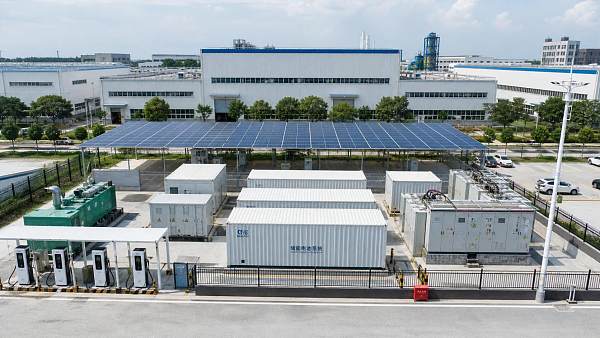
Solar, wind, storage, EV charging, and digital energy platforms are expanding faster than many legacy networks were designed to handle. Reliability still matters every hour, but flexibility now matters almost as much.
That is why utilities, developers, investors, EPC teams, and equipment suppliers are watching how transmission, distribution, control systems, and interconnection rules are evolving. The real question is no longer whether change is needed.
It is how grid infrastructure USA is being rebuilt to absorb renewable growth without weakening stability, affordability, or project bankability.
Why the Grid Has Become a Strategic Constraint
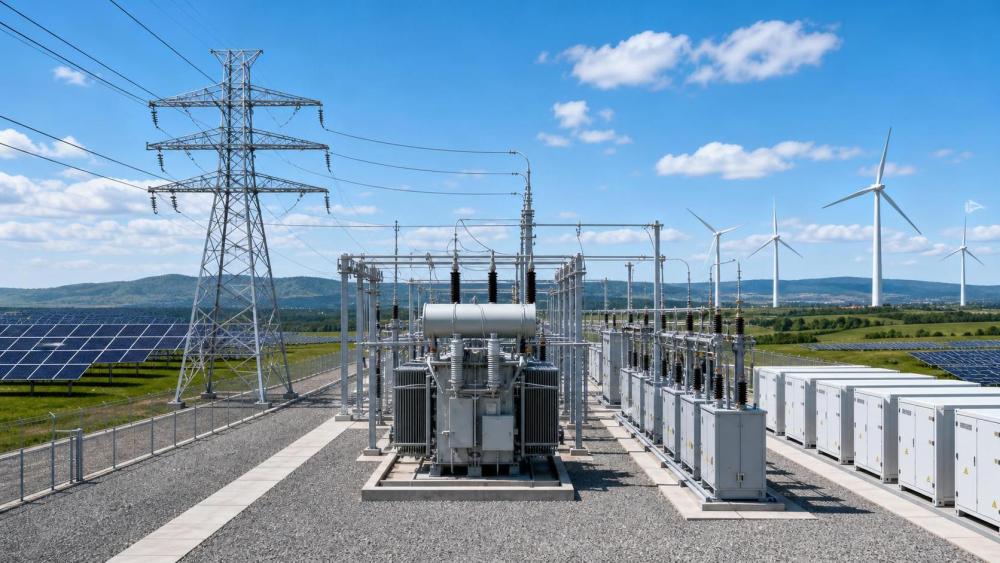
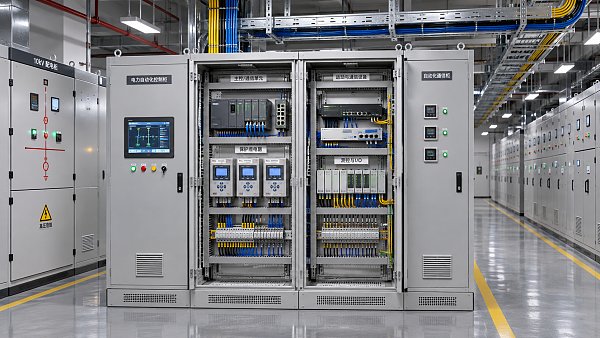
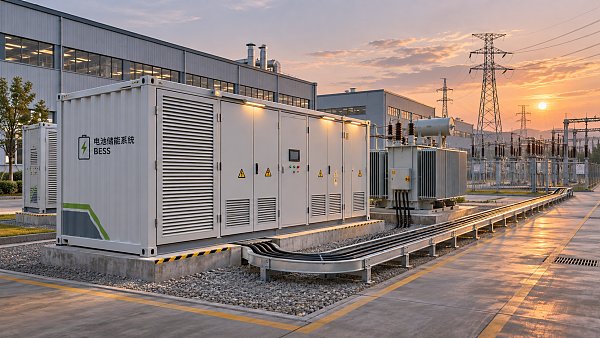
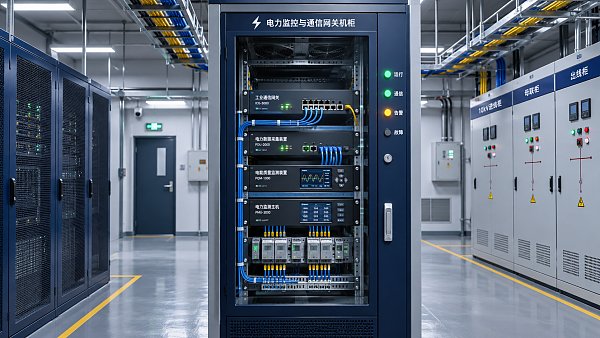
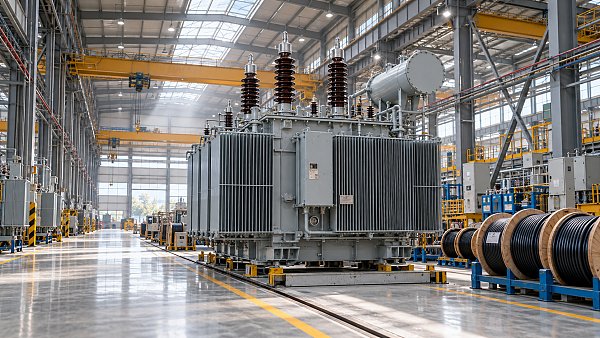
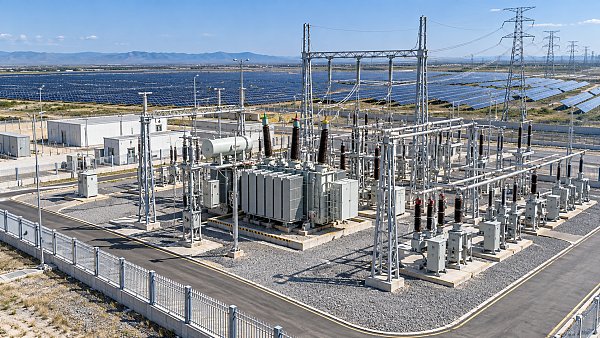
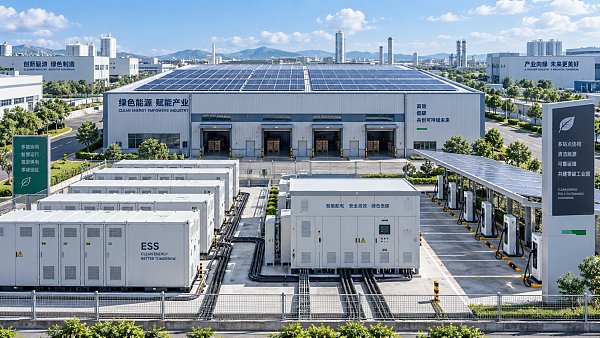
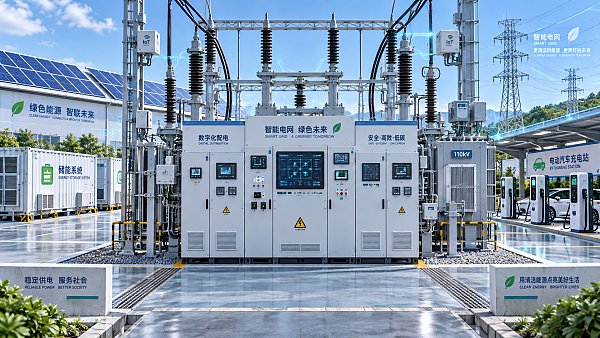
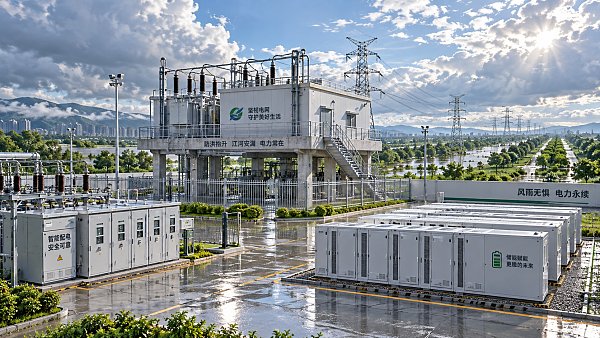
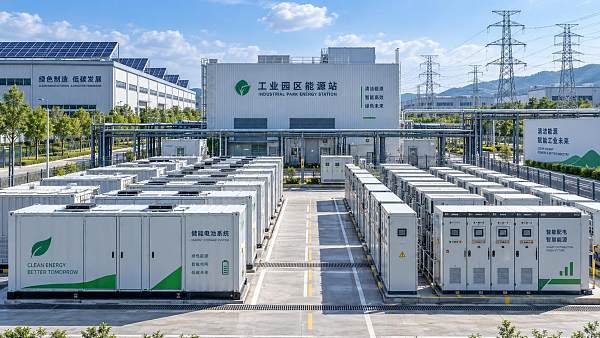
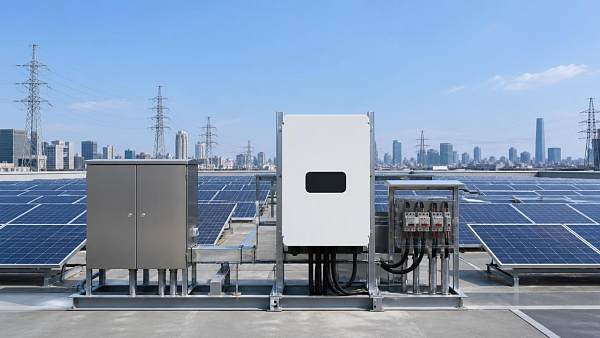
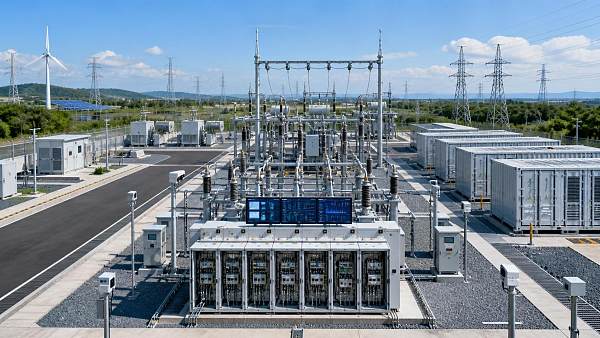
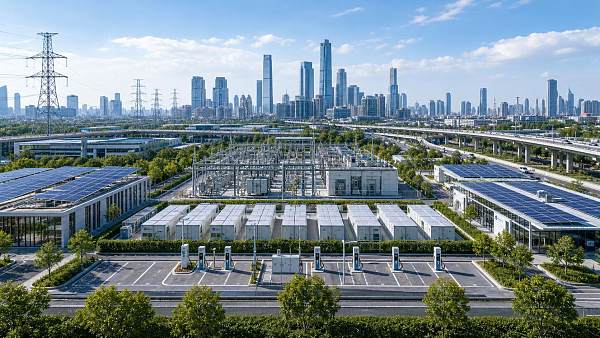
The image here reflects the physical layer behind the transition: wires, substations, transformers, and control assets.
For decades, the US grid was built around large centralized plants sending power one way to consumers. Renewable energy changes that operating logic.
Generation is now more distributed. Output can rise or fall with weather. Demand is also becoming less predictable as data centers, electric vehicles, and electrified buildings increase load.
This creates pressure at several levels. Transmission must move power across regions. Distribution feeders must handle rooftop solar and storage. Control systems must react faster to changing conditions.
In practical terms, grid infrastructure USA is no longer only about adding poles and wires. It now includes digital visibility, flexible capacity, faster balancing resources, and more resilient asset planning.
What Modernization Really Means in Operational Terms
Grid modernization is often discussed broadly, but the business implications become clearer when the components are separated.
Transmission expansion
Large renewable projects are frequently located far from high-demand load centers. New transmission corridors, reconductoring, dynamic line rating, and advanced power flow controls are becoming more important.
Distribution system upgrades
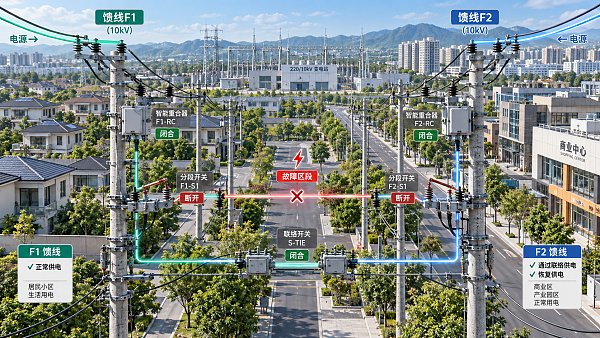
At the local level, utilities are reinforcing feeders, replacing aging transformers, upgrading substations, and adding automation. These steps support distributed solar, community energy projects, and growing EV charging loads.
Digital grid intelligence
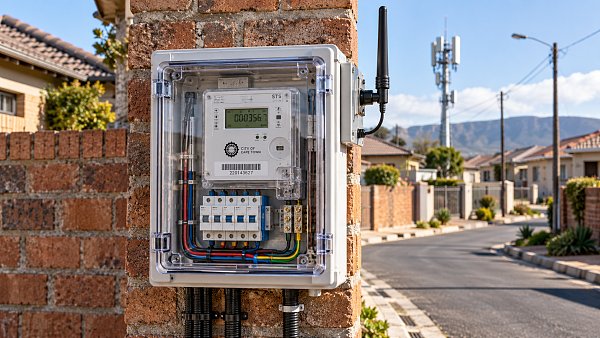
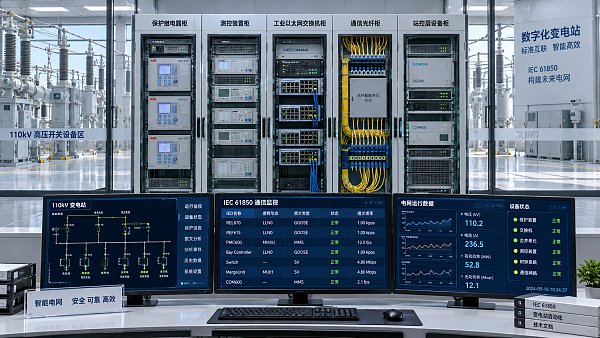
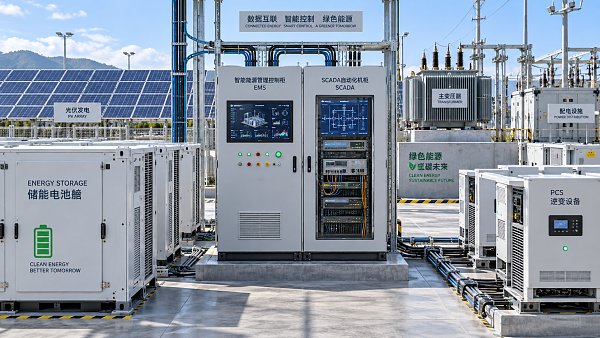
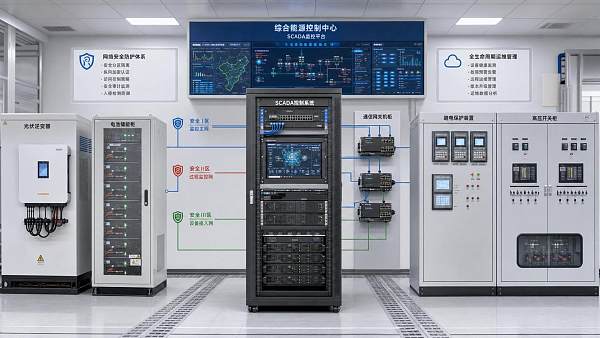
Smart meters, sensors, digital substations, SCADA upgrades, and energy management software are improving situational awareness. Better data helps operators detect congestion, voltage issues, and outage risks earlier.
Flexible balancing capacity
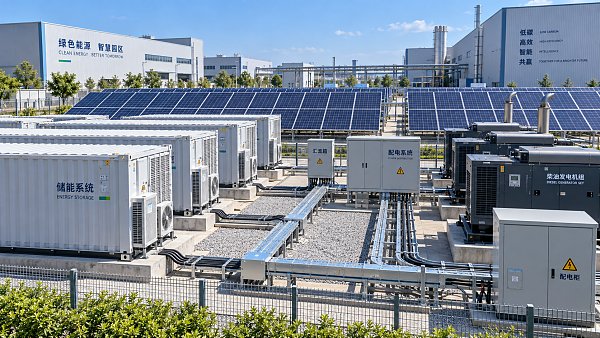
Battery storage, demand response, and virtual power plants are increasingly used to balance intermittent resources. They also help defer some network upgrades when designed around local constraints.
This wider view matches how platforms such as EPEM frame the market. The grid is not a single asset class. It is a connected system where equipment, software, project design, and market structure affect each other.
Why Renewables Put New Pressure on Grid Reliability
Reliability is still measured by whether power stays available when needed. What has changed is the source of operational stress.
Traditional planning focused heavily on generation adequacy and mechanical failures. Today, grid infrastructure USA must also manage volatility, congestion, reverse power flow, ramping needs, and inverter-based resource behavior.
Solar output may drop with cloud cover. Wind production can peak when local demand is low. EV charging clusters can create sharp evening loads. Extreme weather adds another layer of complexity.
That does not mean renewable growth weakens reliability by default. It means reliability now depends more on coordination.
- Interconnection studies must reflect real local constraints, not only nameplate capacity.
- Inverters, storage controls, and protection settings must align with grid codes.
- Dispatch strategies must consider both energy value and network support value.
- Asset owners need lifecycle visibility, not just construction-stage visibility.
This is one reason the market is paying closer attention to grid services, not only generation output. Voltage support, frequency response, ride-through capability, and congestion management are becoming commercial considerations.
Where Business Value Is Emerging
The evolution of grid infrastructure USA is creating value beyond utilities alone. The opportunities are spread across project development, equipment supply, financing, and system integration.
Seen this way, grid reliability and renewable integration are not separate topics. They shape procurement priorities, project schedules, and capital allocation decisions across the energy value chain.
Typical Scenarios Driving Investment Decisions
Several recurring scenarios explain where grid investment is moving and why decision quality depends on good system-level information.
Utility-scale solar and wind projects
The major issue is often not resource quality but interconnection timing. A strong project pipeline can still face delay if nearby transmission capacity is constrained.
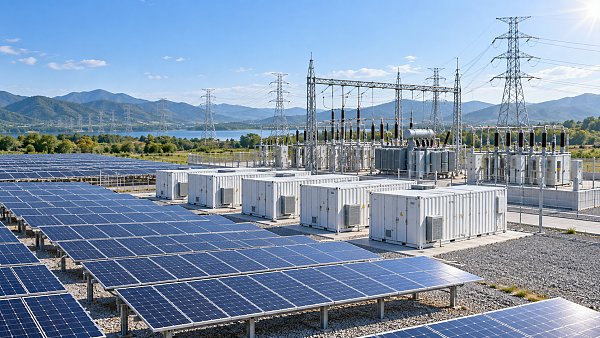
Solar-plus-storage and standalone BESS
Storage is increasingly selected for more than arbitrage. It is used to smooth output, manage curtailment, support ramping, and improve local reliability performance.
Commercial and industrial energy systems
Behind-the-meter solar, storage, and microgrids are expanding where tariff structures, resilience needs, or capacity constraints justify local control.
Fleet and corridor charging
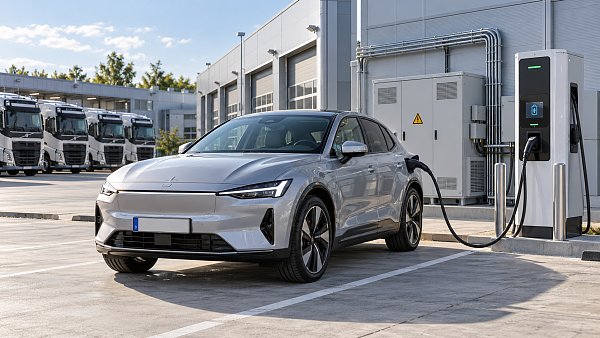
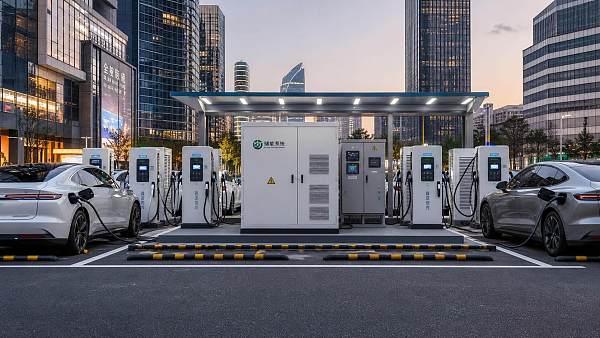
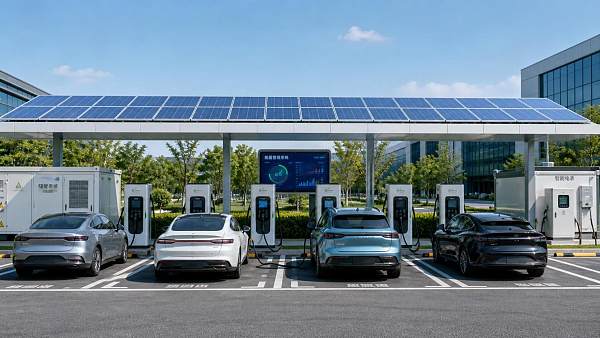
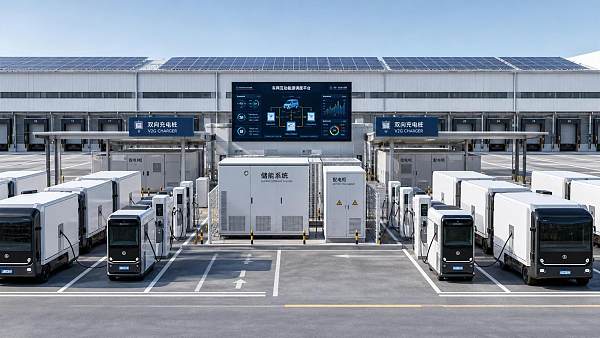
Large charging sites can trigger costly upgrades unless load profiles, charger mix, and storage integration are assessed early. Grid infrastructure USA planning is becoming inseparable from mobility planning.
Across these scenarios, EPEM-style intelligence becomes useful because technical choices are linked to market access, grid compliance, and long-term asset performance.
How to Assess the Market More Practically
A practical reading of grid infrastructure USA starts with a simple point: not all megawatts have equal grid value, and not all upgrade costs are visible at the concept stage.
That makes early screening more important than broad market enthusiasm. A useful evaluation framework usually includes the following:
- Check local interconnection queue conditions, not just regional renewable targets.
- Review substation capacity, feeder strength, and expected upgrade responsibilities.
- Compare equipment options through grid compliance, controllability, and maintenance needs.
- Model storage and demand flexibility as grid assets, not only energy assets.
- Track policy and tariff design because revenue structure can change project logic quickly.
This is also where structured market intelligence matters. Grid decisions now sit at the intersection of engineering, procurement, policy, and finance. A narrow view can miss the actual risk driver.
What to Watch Next
The next phase of grid infrastructure USA will likely be defined by speed, not only by scale. The market already knows upgrades are needed. The harder issue is how quickly planning, permitting, equipment supply, and deployment can align.
Several signals deserve close attention: transmission reform, utility investment cycles, storage duration requirements, digital grid software adoption, transformer supply constraints, and EV charging load management standards.
For any organization evaluating projects or market entry, the most useful next step is to map business goals against actual grid conditions. That means linking location, technology choice, compliance needs, and operating strategy before capital is committed.
A clear view of grid infrastructure USA supports better decisions across renewable development, storage deployment, charging network design, and equipment positioning. In a market shaped by both decarbonization and reliability pressure, that clarity is becoming a competitive advantage.
- renewable energy
- EV charging infrastructure
- grid modernization
- microgrids
- virtual power plants
- digital substations
- smart meters
- demand response
- rooftop solar
- peak shaving
- commercial and industrial energy
- project development
- grid compliance
- load management
- industrial energy systems
- digital energy platforms
- switchgear
- renewable integration
- charging load management
- grid infrastructure
- grid infrastructure USA
Questions about market trends? Contact Market Scope Live for deeper business insights.
We respect your privacy. Your information is strictly confidential.
Related News
 Smart Grid TechnologiesPower System Automation Prices: What Drives Project Costs?Power system automation price depends on integration, software, testing, and support. Explore the key cost drivers and compare bids with confidence.MORE+
 Smart Grid TechnologiesGrid Flexibility Costs: Comparing Storage, Demand Response and Peaker PlantsCompare grid flexibility cost across battery storage, demand response and peaker plants. Discover key cost drivers and choose the right solution for your reliability needs.MORE+
 Smart Grid TechnologiesChoosing a Grid Monitoring Systems Supplier: Integration and Support CriteriaChoose a grid monitoring systems supplier with confidence. Compare integration, cybersecurity, lifecycle costs, commissioning, and support before you commit.MORE+
 Smart Grid TechnologiesUS Energy Department Announces $237 Million for Grid Supply ChainsUS Department of Energy announces $237 million for grid supply chains. Explore potential impacts on domestic manufacturing, sourcing and procurement.MORE+
 Smart Grid TechnologiesAdvanced Metering Systems in South Africa: Choosing Connectivity for MunicipalitiesExplore advanced metering systems in South Africa. Compare cellular, RF mesh and PLC to choose reliable municipal connectivity, control costs and plan a smarter rollout.MORE+
 Smart Grid TechnologiesVehicle-to-Grid Technology in Europe: EV, Charger and Grid RequirementsExplore vehicle to grid technology Europe-wide. Discover EV compatibility, charger standards and grid approval requirements to reduce risks and plan your V2G deployment with confidence.MORE+
 Smart Grid TechnologiesWhat Infrastructure Do Utility-Scale Renewables Need for Grid Connection?Explore utility renewable energy infrastructure for grid connection, from substations to controls and compliance. Learn how to spot connection risks and keep projects on track.MORE+
 Smart Grid TechnologiesHybrid Power Plants for Microgrids: Sizing Solar, Batteries, and DieselSize hybrid power plants for microgrids with confidence. Learn how to balance solar, batteries, and diesel to cut fuel use, protect critical loads, and meet reliability targets.MORE+
 Smart Grid TechnologiesRenewable Power Systems for Mining: Designing Reliable Off-Grid MicrogridsExplore renewable power systems for mining: design reliable off-grid microgrids with solar, storage, backup power, and smart controls to cut fuel use and protect uptime.MORE+
 Smart Grid TechnologiesCommercial Microgrids in Europe: When Do Energy Savings Justify the Investment?Considering commercial microgrids Europe-wide? Discover when energy savings justify investment, compare solar and storage returns, and avoid costly oversizing.MORE+
 Smart Grid TechnologiesMulti-Site Commercial Energy Planning: Balancing Load, Tariffs, and ResilienceMulti site commercial energy planning: balance load profiles, tariffs, EV charging, storage, and resilience to reduce costs, strengthen operations, and optimize every facility.MORE+
 Smart Grid TechnologiesWhat Should a Partner Deliver Across a Multi-Site Distributed Energy Portfolio?Best partners for distributed energy projects across a multi-site portfolio? Discover how to standardize design, data, commissioning, and lifecycle performance at scale.MORE+
 Smart Grid TechnologiesHow Can Multi-Site Owners Identify the Right Partners for Distributed Energy Projects?“Is it best partners for distributed energy projects across a multi-site portfolio?” Explore a practical framework to assess technical expertise, grid readiness, risk, data access, and lifecycle support.MORE+
 Smart Grid TechnologiesSmart Grid Technologies for Utilities: How to Prioritize Grid Modernization InvestmentsSmart grid technologies for utilities: learn how to prioritize modernization investments, reduce reliability risks, defer capital upgrades, and build a resilient, cost-effective grid.MORE+
 Smart Grid TechnologiesDigital Substations: How IEC 61850 Improves Protection, Control, and Data VisibilityDigital substations powered by IEC 61850 improve protection, flexible control, and data visibility. Explore the design principles that strengthen grid reliability.MORE+
 Smart Grid TechnologiesWhat Is Feeder Automation and How Does It Reduce Outages on Distribution Grids?Feeder automation helps utilities isolate faults, restore healthy sections faster, and reduce distribution grid outages. Explore how FLISR improves reliability.MORE+
 Smart Grid TechnologiesWhat Renewable Integration Studies Should Model Before a Grid Connection DecisionRenewable integration studies reveal grid connection risks before approval—from voltage and protection to curtailment, dynamic stability, and future network constraints.MORE+
 Smart Grid TechnologiesUtility Resilience Planning: How to Prioritize Grid Investments for Extreme WeatherUtility companies resilience planning: learn how to prioritize grid investments for extreme weather, protect critical services, speed restoration, and build a stronger, smarter energy network.MORE+
 Smart Grid TechnologiesWhat Drives Microgrid Controller Costs Across Commercial and Industrial Projects?Microgrid controllers cost depends on asset mix, islanding needs, legacy integration, software, and lifecycle support. Learn how to compare bids and reduce project risk.MORE+
 Smart Grid TechnologiesHow Does Demand Response Work with Battery Storage in Microgrids?How does demand response integrate with battery storage in microgrid operations? Explore coordinated dispatch, peak shaving, renewable use, and resilient backup strategies.MORE+
 Smart Grid TechnologiesWhich Energy Management Systems Integrate Best with Existing SCADA Platforms?Which energy management systems integrate best with existing SCADA platforms? Explore protocols, control authority, and practical selection insights for reliable energy optimization.MORE+
 Smart Grid TechnologiesHow to Plan Clean Energy Infrastructure for Reliable Industrial Power SupplyClean energy infrastructure planning for reliable industrial power: optimize loads, storage, controls, grid integration, and resilience.MORE+
 Smart Grid TechnologiesHow to Size Hybrid Microgrid Systems for Remote Sites With Variable LoadsHybrid microgrid systems for remote sites: learn how to size solar, batteries, inverters, and generators for variable loads, resilience, and lower fuel costs.MORE+
 Smart Grid TechnologiesGrid Resilience Technologies That Prevent Outages During Extreme WeatherGrid resilience technologies for outage prevention help utilities and facilities withstand extreme weather with automation, storage, microgrids, and demand flexibility. Explore practical strategies to protect critical loads and restore power faster.MORE+
 Smart Grid TechnologiesGrid Stability Solutions for Wind: Managing Variability and Power QualityGrid stability solutions for wind: explore practical strategies for voltage control, frequency response, power quality, storage, and reliable PCC compliance.MORE+
 Smart Grid TechnologiesWhich Grid Interconnection Standards Apply to Commercial Rooftop Solar?What grid interconnection standards apply to commercial rooftop solar? Explore utility rules, inverter certifications, export limits, and approval steps to avoid costly delays.MORE+
 Smart Grid TechnologiesHow Demand Response Supports Public EV Charging StationsSmart grid demand response for public charging stations helps operators control peak loads, protect costs, improve reliability, and deliver a clearer EV driver experience.MORE+
 Smart Grid TechnologiesDo Smart Grid Features Reduce Charging Station Electricity Bills?Do smart grid features actually reduce charging station electricity bills? Discover how load balancing, tariff scheduling, solar, and storage can cut peak costs.MORE+
 Smart Grid TechnologiesCan One Energy Management Platform Support Multiple Charger Brands?Can a single energy management platform handle multiple charger brands at one site? Discover how open integration enables scalable, reliable EV charging control.MORE+
 Smart Grid TechnologiesGrid Resilience Technologies Explained: Which Solutions Reduce Outage Risk?Grid resilience technologies explained clearly: compare batteries, microgrids, feeder automation, and digital controls to see which solutions truly reduce outage risk and protect critical loads.MORE+
 Smart Grid TechnologiesHow Utilities Evaluate Renewable Power Systems for Grid Stability and ROIRenewable power systems for utilities: learn how grids assess stability, storage, integration costs, and long-term ROI to choose resilient, high-value renewable investments.MORE+
 Smart Grid TechnologiesWhat Makes a Microgrid Energy Project Bankable for Investors and Lenders?Energy project bankability microgrids explained: learn what investors and lenders check most—revenue certainty, contract strength, risk allocation, and reliable performance.MORE+
 Smart Grid TechnologiesWhat Determines Grid Monitoring Price in Utility and Industrial Projects?Grid monitoring price depends on scope, accuracy, software, and integration complexity. Learn what drives costs in utility and industrial projects before you compare quotes.MORE+
 Smart Grid TechnologiesUrban Energy Infrastructure Planning: Key Factors for Resilient and Scalable CitiesUrban energy infrastructure planning for resilient, scalable cities: discover how grids, storage, EV charging, and smart forecasting reduce risk, cut costs, and support cleaner urban growth.MORE+
 Smart Grid TechnologiesHow Grid Infrastructure in the USA Is Evolving to Support Renewables and Grid ReliabilityGrid infrastructure USA is evolving fast to integrate renewables, storage, and EV charging while protecting reliability. Explore key trends, risks, and business opportunities shaping the market.MORE+
 Smart Grid TechnologiesGrid Power Infrastructure Investment: How to Compare ROI Across Utility-Scale ProjectsGrid power infrastructure investment explained: learn how to compare ROI across utility-scale projects using NPV, lifecycle cost, grid risk, and performance metrics to make smarter investment decisions.MORE+
 Smart Grid TechnologiesWhat Drives Substation Digitalization Cost? Hardware, Software, and Retrofit FactorsSubstation digitalization cost explained: compare hardware, software, retrofit risks, and lifecycle factors to budget smarter, avoid hidden costs, and choose higher-value upgrades.MORE+
 Smart Grid TechnologiesIndustrial Microgrids EMS Explained: Core Functions, Controls, and Use CasesIndustrial microgrids EMS explained: discover core functions, control priorities, and real-world use cases to improve resilience, cut energy costs, and evaluate platforms with confidence.MORE+
 Smart Grid TechnologiesSCADA for Power Systems Vendor Selection: Integration, Cybersecurity, and Lifecycle CostSCADA for power systems vendor selection made practical: compare integration, cybersecurity, and lifecycle cost to reduce risk, avoid hidden expenses, and choose a platform built to scale.MORE+
 Smart Grid TechnologiesVehicle-to-Grid Technology for Depots: How It Works and When It Makes Business SenseVehicle to grid technology for depots explained: learn how V2G works, where savings and revenue come from, and when it makes real business sense for fleet operators.MORE+