
Grid Compliance Checklist for Solar Project Developers: Key Rules and Approval Risks
Grid compliance can decide whether a solar project moves smoothly toward energization or stalls in review. For solar project developers, grid compliance sits at the intersection of engineering, permitting, commercial risk, and long-term asset performance. Approval delays rarely come from one dramatic failure. More often, they result from small gaps in studies, settings, documentation, or coordination with the network operator. In a market shaped by grid modernization, storage integration, and rising interconnection pressure, a practical checklist helps reduce redesign risk and protect project schedules.
Why grid compliance has become a strategic issue
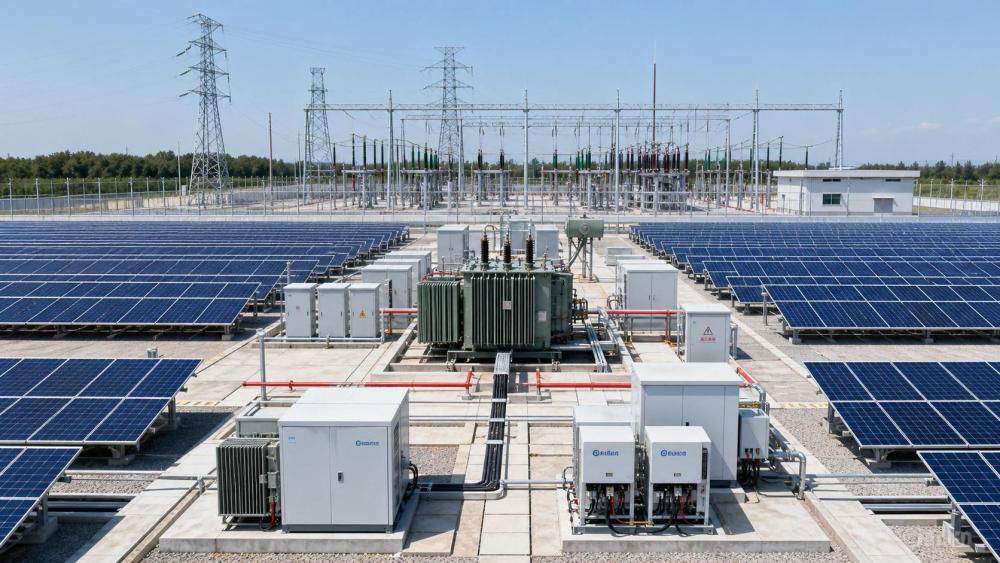
Solar plants no longer connect to passive networks with wide spare capacity. Many grids now manage congestion, reverse power flow, weak nodes, and growing volumes of inverter-based resources.
That shift changes the meaning of compliance. It is not only about passing a technical test. It is about proving that a project will behave predictably under normal conditions, disturbances, and dispatch constraints.
This is why solar project developers grid compliance work now reaches beyond protection settings. It affects connection agreements, curtailment exposure, commissioning plans, financing assumptions, and even equipment selection.
Platforms such as EPEM track these changes because modern power systems are becoming more digital, distributed, and tightly coordinated. A solar plant may also interact with storage, EV charging demand, microgrids, or virtual power plant controls.
What grid compliance usually covers in practice
The exact rules vary by country and utility. Still, most reviews look at the same operational questions.
- Can the plant maintain voltage and reactive power within required ranges?
- Will inverter controls support ride-through during faults and disturbances?
- Does the protection scheme coordinate with substation and feeder settings?
- Can the project meet power quality limits for harmonics, flicker, and ramp rate?
- Will telemetry, SCADA, and communications support utility visibility and dispatch?
- Are transformer, cable, and point of interconnection designs aligned with fault levels?
In utility-scale projects, compliance often includes detailed grid impact studies and model validation. In distributed solar, the same issues appear in simpler form, especially where feeders already host large amounts of rooftop or commercial PV.
The checklist starts before formal application
Many approval risks are locked in early. By the time the interconnection package is submitted, key assumptions may already be difficult to reverse.
Site and grid screening
A promising site can still be a poor connection candidate. Grid capacity, feeder strength, substation loading, outage constraints, and available land for connection assets should be checked together.
Technology alignment
Inverter capabilities must match local code requirements. That includes reactive power control modes, fault ride-through, frequency response, power factor range, and communications compatibility.
Design basis consistency
Single-line diagrams, plant controller logic, protection philosophy, and study assumptions need to tell the same story. Reviewers often flag mismatches before they question the design itself.
Documents that often determine approval speed
A technically sound plant can still face delays if the application file is incomplete or inconsistent. Solar project developers grid compliance performance is often judged through documents before equipment is ever seen on site.
Keeping these documents under revision control sounds basic, but it often separates fast approvals from repeated resubmissions.
Key rules that deserve close attention
Some requirements appear routinely across markets, even where standards use different terminology.
Voltage and reactive power performance
Utilities want confidence that the plant will support local voltage conditions rather than destabilize them. This may involve fixed power factor, Volt-VAR control, or centralized plant controller functions.
Frequency response and ride-through
Modern grid codes often require plants to stay connected through specified voltage or frequency excursions. Trip settings that are too conservative can trigger rejection or mandatory reconfiguration.
Power quality limits
Harmonics, flicker, imbalance, and ramp-rate behavior matter, especially in weak grids. These issues can become more visible when multiple inverter-based projects share one connection area.
Communication and controllability
Remote active power limitation, status reporting, event logs, and cybersecurity-ready communication paths are now common expectations, not optional extras.
Where approval risks usually emerge
Grid reviews rarely fail because a team ignored compliance completely. Problems usually appear in the handoff points between design, procurement, modeling, and construction.
- Vendor data sheets promise functions that certified firmware does not yet support.
- Plant controller logic is defined late, after studies assumed different operating behavior.
- Protection settings are copied from a previous project with different fault levels.
- The point of interconnection changes, but studies are not refreshed.
- Construction substitutions create gaps between approved documents and installed equipment.
- Commissioning tests are planned too late to prove compliance before energization windows close.
This is where solar project developers grid compliance becomes a project controls issue as much as an electrical one.
How the checklist changes by project type
Not every project faces the same review depth. Still, the logic stays consistent: the stronger the system impact, the deeper the compliance burden.
EPEM’s broader coverage of storage, digital controls, and distributed energy is useful here because interconnection questions increasingly cut across technologies rather than staying within one equipment category.
A practical review framework before submission
Before filing the final package, it helps to run a structured internal review.
- Check that all equipment certificates match the exact model and firmware proposed.
- Confirm study assumptions against the latest single-line diagram and site layout.
- Verify utility communication requirements, protocol details, and telemetry point lists.
- Review protection settings with both EPC and utility interface conditions in mind.
- Make sure factory settings will not conflict with approved operating modes.
- Tie commissioning tests directly to the compliance obligations in the connection agreement.
This approach makes solar project developers grid compliance easier to manage because the checklist is linked to project milestones, not treated as a late-stage paperwork task.
What to watch next
Grid codes will keep evolving as more renewable generation, storage assets, and controllable loads connect to the same networks. Approval expectations are likely to become more data-driven, especially around dynamic performance, remote controllability, and cyber-secure communications.
The next useful step is to turn compliance requirements into an early project decision matrix. Compare site options by connection risk, map equipment choices to local code obligations, and identify which studies or tests could become schedule-critical. That makes grid compliance a design input from day one, not a problem discovered at the edge of commercial operation.
Questions about market trends? Contact Market Scope Live for deeper business insights.
We respect your privacy. Your information is strictly confidential.
Related News
 Smart Grid TechnologiesChoosing a Grid Monitoring Systems Supplier: Integration and Support CriteriaChoose a grid monitoring systems supplier with confidence. Compare integration, cybersecurity, lifecycle costs, commissioning, and support before you commit.MORE+
 Smart Grid TechnologiesUS Energy Department Announces $237 Million for Grid Supply ChainsUS Department of Energy announces $237 million for grid supply chains. Explore potential impacts on domestic manufacturing, sourcing and procurement.MORE+
 Smart Grid TechnologiesAdvanced Metering Systems in South Africa: Choosing Connectivity for MunicipalitiesExplore advanced metering systems in South Africa. Compare cellular, RF mesh and PLC to choose reliable municipal connectivity, control costs and plan a smarter rollout.MORE+
 Smart Grid TechnologiesVehicle-to-Grid Technology in Europe: EV, Charger and Grid RequirementsExplore vehicle to grid technology Europe-wide. Discover EV compatibility, charger standards and grid approval requirements to reduce risks and plan your V2G deployment with confidence.MORE+
 Smart Grid TechnologiesWhat Infrastructure Do Utility-Scale Renewables Need for Grid Connection?Explore utility renewable energy infrastructure for grid connection, from substations to controls and compliance. Learn how to spot connection risks and keep projects on track.MORE+
 Smart Grid TechnologiesHybrid Power Plants for Microgrids: Sizing Solar, Batteries, and DieselSize hybrid power plants for microgrids with confidence. Learn how to balance solar, batteries, and diesel to cut fuel use, protect critical loads, and meet reliability targets.MORE+
 Smart Grid TechnologiesRenewable Power Systems for Mining: Designing Reliable Off-Grid MicrogridsExplore renewable power systems for mining: design reliable off-grid microgrids with solar, storage, backup power, and smart controls to cut fuel use and protect uptime.MORE+
 Smart Grid TechnologiesCommercial Microgrids in Europe: When Do Energy Savings Justify the Investment?Considering commercial microgrids Europe-wide? Discover when energy savings justify investment, compare solar and storage returns, and avoid costly oversizing.MORE+
 Smart Grid TechnologiesMulti-Site Commercial Energy Planning: Balancing Load, Tariffs, and ResilienceMulti site commercial energy planning: balance load profiles, tariffs, EV charging, storage, and resilience to reduce costs, strengthen operations, and optimize every facility.MORE+
 Smart Grid TechnologiesWhat Should a Partner Deliver Across a Multi-Site Distributed Energy Portfolio?Best partners for distributed energy projects across a multi-site portfolio? Discover how to standardize design, data, commissioning, and lifecycle performance at scale.MORE+
 Smart Grid TechnologiesHow Can Multi-Site Owners Identify the Right Partners for Distributed Energy Projects?“Is it best partners for distributed energy projects across a multi-site portfolio?” Explore a practical framework to assess technical expertise, grid readiness, risk, data access, and lifecycle support.MORE+
 Smart Grid TechnologiesSmart Grid Technologies for Utilities: How to Prioritize Grid Modernization InvestmentsSmart grid technologies for utilities: learn how to prioritize modernization investments, reduce reliability risks, defer capital upgrades, and build a resilient, cost-effective grid.MORE+
 Smart Grid TechnologiesDigital Substations: How IEC 61850 Improves Protection, Control, and Data VisibilityDigital substations powered by IEC 61850 improve protection, flexible control, and data visibility. Explore the design principles that strengthen grid reliability.MORE+
 Smart Grid TechnologiesWhat Is Feeder Automation and How Does It Reduce Outages on Distribution Grids?Feeder automation helps utilities isolate faults, restore healthy sections faster, and reduce distribution grid outages. Explore how FLISR improves reliability.MORE+
 Smart Grid TechnologiesWhat Renewable Integration Studies Should Model Before a Grid Connection DecisionRenewable integration studies reveal grid connection risks before approval—from voltage and protection to curtailment, dynamic stability, and future network constraints.MORE+
 Smart Grid TechnologiesUtility Resilience Planning: How to Prioritize Grid Investments for Extreme WeatherUtility companies resilience planning: learn how to prioritize grid investments for extreme weather, protect critical services, speed restoration, and build a stronger, smarter energy network.MORE+
 Smart Grid TechnologiesWhat Drives Microgrid Controller Costs Across Commercial and Industrial Projects?Microgrid controllers cost depends on asset mix, islanding needs, legacy integration, software, and lifecycle support. Learn how to compare bids and reduce project risk.MORE+
 Smart Grid TechnologiesHow Does Demand Response Work with Battery Storage in Microgrids?How does demand response integrate with battery storage in microgrid operations? Explore coordinated dispatch, peak shaving, renewable use, and resilient backup strategies.MORE+
 Smart Grid TechnologiesWhich Energy Management Systems Integrate Best with Existing SCADA Platforms?Which energy management systems integrate best with existing SCADA platforms? Explore protocols, control authority, and practical selection insights for reliable energy optimization.MORE+
 Smart Grid TechnologiesHow to Plan Clean Energy Infrastructure for Reliable Industrial Power SupplyClean energy infrastructure planning for reliable industrial power: optimize loads, storage, controls, grid integration, and resilience.MORE+
 Smart Grid TechnologiesHow to Size Hybrid Microgrid Systems for Remote Sites With Variable LoadsHybrid microgrid systems for remote sites: learn how to size solar, batteries, inverters, and generators for variable loads, resilience, and lower fuel costs.MORE+
 Smart Grid TechnologiesGrid Resilience Technologies That Prevent Outages During Extreme WeatherGrid resilience technologies for outage prevention help utilities and facilities withstand extreme weather with automation, storage, microgrids, and demand flexibility. Explore practical strategies to protect critical loads and restore power faster.MORE+
 Smart Grid TechnologiesGrid Stability Solutions for Wind: Managing Variability and Power QualityGrid stability solutions for wind: explore practical strategies for voltage control, frequency response, power quality, storage, and reliable PCC compliance.MORE+
 Smart Grid TechnologiesWhich Grid Interconnection Standards Apply to Commercial Rooftop Solar?What grid interconnection standards apply to commercial rooftop solar? Explore utility rules, inverter certifications, export limits, and approval steps to avoid costly delays.MORE+
 Smart Grid TechnologiesHow Demand Response Supports Public EV Charging StationsSmart grid demand response for public charging stations helps operators control peak loads, protect costs, improve reliability, and deliver a clearer EV driver experience.MORE+
 Smart Grid TechnologiesDo Smart Grid Features Reduce Charging Station Electricity Bills?Do smart grid features actually reduce charging station electricity bills? Discover how load balancing, tariff scheduling, solar, and storage can cut peak costs.MORE+
 Smart Grid TechnologiesCan One Energy Management Platform Support Multiple Charger Brands?Can a single energy management platform handle multiple charger brands at one site? Discover how open integration enables scalable, reliable EV charging control.MORE+
 Smart Grid TechnologiesGrid Resilience Technologies Explained: Which Solutions Reduce Outage Risk?Grid resilience technologies explained clearly: compare batteries, microgrids, feeder automation, and digital controls to see which solutions truly reduce outage risk and protect critical loads.MORE+
 Smart Grid TechnologiesHow Utilities Evaluate Renewable Power Systems for Grid Stability and ROIRenewable power systems for utilities: learn how grids assess stability, storage, integration costs, and long-term ROI to choose resilient, high-value renewable investments.MORE+
 Smart Grid TechnologiesWhat Makes a Microgrid Energy Project Bankable for Investors and Lenders?Energy project bankability microgrids explained: learn what investors and lenders check most—revenue certainty, contract strength, risk allocation, and reliable performance.MORE+
 Smart Grid TechnologiesWhat Determines Grid Monitoring Price in Utility and Industrial Projects?Grid monitoring price depends on scope, accuracy, software, and integration complexity. Learn what drives costs in utility and industrial projects before you compare quotes.MORE+
 Smart Grid TechnologiesUrban Energy Infrastructure Planning: Key Factors for Resilient and Scalable CitiesUrban energy infrastructure planning for resilient, scalable cities: discover how grids, storage, EV charging, and smart forecasting reduce risk, cut costs, and support cleaner urban growth.MORE+
 Smart Grid TechnologiesHow Grid Infrastructure in the USA Is Evolving to Support Renewables and Grid ReliabilityGrid infrastructure USA is evolving fast to integrate renewables, storage, and EV charging while protecting reliability. Explore key trends, risks, and business opportunities shaping the market.MORE+
 Smart Grid TechnologiesGrid Power Infrastructure Investment: How to Compare ROI Across Utility-Scale ProjectsGrid power infrastructure investment explained: learn how to compare ROI across utility-scale projects using NPV, lifecycle cost, grid risk, and performance metrics to make smarter investment decisions.MORE+
 Smart Grid TechnologiesWhat Drives Substation Digitalization Cost? Hardware, Software, and Retrofit FactorsSubstation digitalization cost explained: compare hardware, software, retrofit risks, and lifecycle factors to budget smarter, avoid hidden costs, and choose higher-value upgrades.MORE+
 Smart Grid TechnologiesIndustrial Microgrids EMS Explained: Core Functions, Controls, and Use CasesIndustrial microgrids EMS explained: discover core functions, control priorities, and real-world use cases to improve resilience, cut energy costs, and evaluate platforms with confidence.MORE+
 Smart Grid TechnologiesSCADA for Power Systems Vendor Selection: Integration, Cybersecurity, and Lifecycle CostSCADA for power systems vendor selection made practical: compare integration, cybersecurity, and lifecycle cost to reduce risk, avoid hidden expenses, and choose a platform built to scale.MORE+
 Smart Grid TechnologiesVehicle-to-Grid Technology for Depots: How It Works and When It Makes Business SenseVehicle to grid technology for depots explained: learn how V2G works, where savings and revenue come from, and when it makes real business sense for fleet operators.MORE+
 Smart Grid TechnologiesSmart Digital Energy for Commercial Sites: When Integrated Control Improves Load ManagementSmart digital energy helps commercial sites cut peak demand, optimize solar, storage, EV charging, and HVAC, while improving resilience, visibility, and ROI through integrated control.MORE+
 Smart Grid TechnologiesWhat Are Digital Grid Technologies for Substations and Which Functions Matter Most?Digital grid technologies for substations explained: discover the functions that matter most for reliability, renewable integration, cybersecurity, and smarter asset decisions.MORE+


