Choosing a Grid Monitoring Systems Supplier: Integration and Support Criteria
The right grid monitoring systems supplier is the one that can connect the assets you already operate, deliver usable data to the people who need it, and support the system after commissioning. A competitive equipment price matters, but it is a poor basis for selection if integration work, software licenses, or ongoing support are left undefined.
Before comparing proposals, establish what the system must monitor, where the information needs to go, and who will act on it. A solution for viewing power quality at one industrial site has different requirements from a platform collecting operational data across substations, renewable plants, and storage facilities. Those differences affect the architecture, contract scope, and total cost.
Define the monitoring job before requesting prices
Start with the decisions the system must support. An operations team may need alarms for equipment status and loss of communication. A facility manager may need demand and power-quality trends. A renewable energy operator may need to compare grid connection measurements with inverter and battery data. These uses may overlap, but they do not necessarily require the same instruments, data resolution, or availability.
Separate monitoring from control in the specification. Viewing a breaker status is not the same as issuing a command to operate it. If control is required, define command authorization, interlocks, operating procedures, and testing separately. A supplier’s ability to display a point should not be treated as evidence that remote control is included or appropriate.
Build an asset and interface schedule covering the sites, meters, protection devices, controllers, communications networks, and existing software involved. Identify which equipment is already installed, which will be supplied under another contract, and which has limited documentation. This schedule gives bidders a common basis for pricing and exposes gaps before they become change orders.
Test integration at the data-point level
A supplier may advertise compatibility with common industrial protocols, including Modbus, IEC 61850, or DNP3. That is a useful starting point, not a complete integration commitment. Two devices can support the same protocol and still require configuration, mapping, gateways, or interpretation of vendor-specific data.
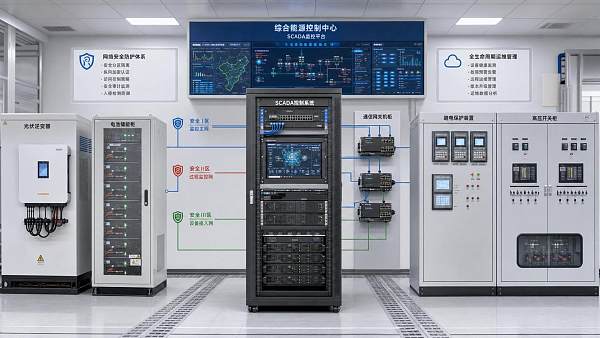
Ask bidders to provide an interface matrix for each equipment type and receiving system. It should identify the protocol and version where relevant, connection method, data owner, implementation responsibility, and any required hardware or software license. For an existing SCADA system, include the party responsible for changes at both ends of the interface.
Then move from protocols to individual data points. Specify the measurements, statuses, alarms, units, scaling, timestamps, and quality flags that need to reach the operator. A displayed voltage value is of limited use if its unit is wrong, its timestamp is stale, or a communication failure looks like a normal reading. Agree on how missing, invalid, and delayed values will be presented.
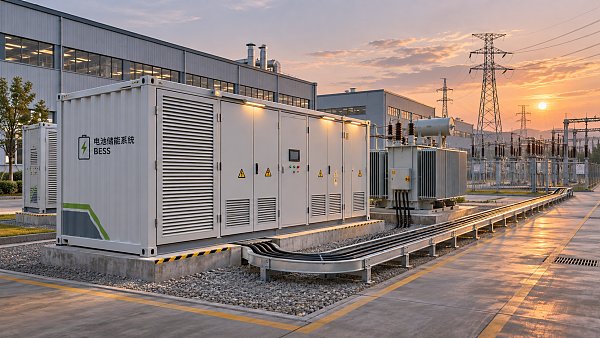
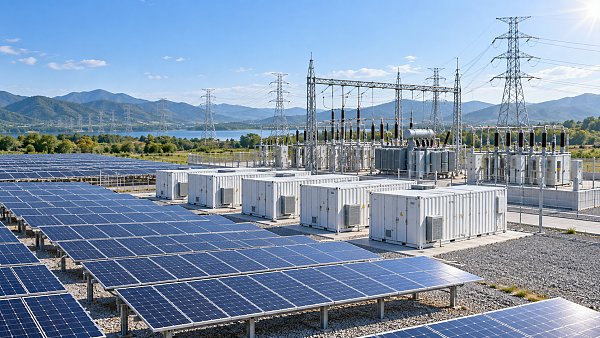
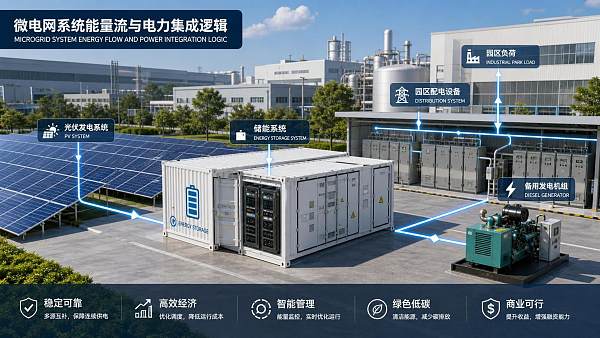
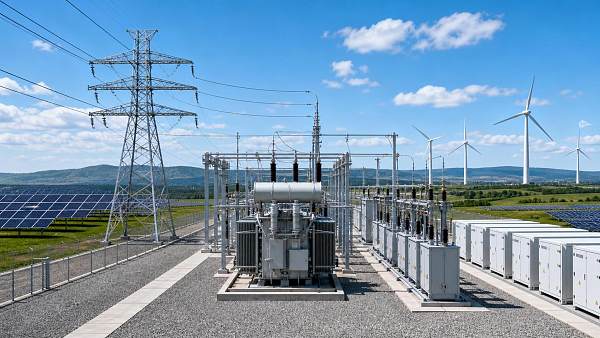
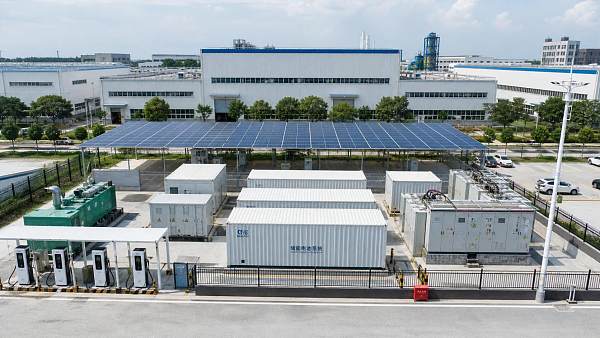
For example, a solar-plus-storage site may need to bring inverter output, battery operating status, and grid connection measurements into an existing control room. The interface list should show which controller supplies each value and whether the monitoring platform is reading the original device or a plant-level controller. That distinction affects troubleshooting: a missing value could originate in the device, the controller, the network, or the monitoring software.
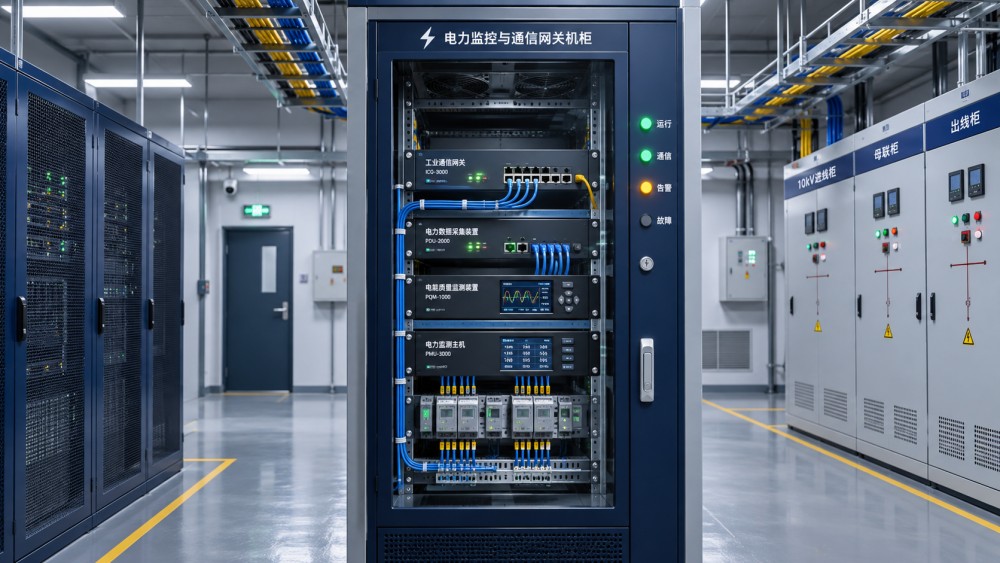
Where legacy devices are involved, request a representative integration demonstration or a defined proof of concept. Include at least one difficult interface, not just a device the supplier already knows well. The test should show the actual data path, point mapping, alarm behavior, and what happens when communications are interrupted and restored.
Specify data access, ownership, and deployment
A dashboard is only one use for monitoring data. Engineering teams may need historical trends for fault investigation, while commercial teams may export measurements for reporting or reconciliation. State who can access raw and processed data, what formats and interfaces are available, and whether extraction depends on a separate license or professional services engagement.
Define retention periods according to the intended use of each dataset. High-frequency operational records may have different storage requirements from longer-term energy summaries. Ask how timestamps are synchronized, how gaps are identified, and whether historical data can be retrieved after a communications outage. Local buffering can be useful at sites with unreliable links, but its value depends on the devices involved, available storage, and recovery configuration.
Cloud, on-premises, and hybrid deployments can all be appropriate. Cloud hosting may simplify access across multiple sites, provided network availability, data location, and remote access arrangements meet the organization’s requirements. On-premises deployment can give the owner more direct control over infrastructure, but it also requires an agreed approach to servers, backups, updates, and recovery. A hybrid design may keep some functions local while sharing selected data centrally; its interfaces and support responsibilities still need to be priced.
Include an exit provision in the contract. It should describe the data to be delivered when the agreement ends, its format, the associated export charges, and the time allowed for retrieval. Also establish whether configuration files, point lists, and system documentation will be provided in a form the owner or a replacement service provider can use.
Make cybersecurity part of the procurement scope
Grid monitoring often connects operational technology with corporate networks or remote support services. The security review should therefore cover the complete connection, not just the monitoring application. Ask for a proposed network architecture showing device connections, remote access routes, hosting, and the boundaries between operational and business systems.
Evaluate how the solution handles user roles, authentication, logging, software updates, backups, and vulnerability management. Clarify whether supplier technicians require persistent access or use an approved access process when support is needed. Where legacy devices cannot support the desired security controls, identify the compensating measures and the party responsible for implementing them.
Security requirements should also be workable in operation. A system that receives updates only through a specialist visit, for example, may create a recurring service dependency. Define who assesses and approves patches, who installs them, how changes are tested, and how the system can be restored if an update causes a problem.
Compare the full cost, not just the initial quote
Ask suppliers to break out one-time and recurring charges using the same scope and evaluation period. Without that structure, a low hardware quotation can appear more attractive simply because engineering, licensing, or maintenance has been moved elsewhere.
Pay attention to the pricing basis for expansion. A per-device or per-point model can be straightforward for a stable installation, but it may become costly when additional feeders, meters, or renewable assets are connected. Site-based or enterprise licensing may fit a broader rollout, although minimum commitments and included capacity still matter. Request a priced expansion scenario using a realistic future scope so that bidders reveal how their commercial models behave.
Allow for owner-side costs too. Internal network changes, server capacity, site access, device upgrades, and support from the incumbent SCADA provider may sit outside the supplier’s offer. List these separately rather than assuming they are included. The purpose is not to predict every future expense; it is to compare proposals on the same boundaries.
Turn commissioning promises into acceptance criteria
Commissioning is where an apparently complete solution must prove it works with the actual installation. The contract should identify the tests, responsible parties, required site conditions, evidence, and process for correcting failures. Distinguish factory testing from site acceptance: a successful demonstration in a controlled environment does not establish that field wiring, network routes, and live data mapping are correct.
Acceptance should cover a representative set of normal and abnormal conditions, with the final scope matched to project risk. Useful checks include point-to-point verification, correct scaling and timestamps, alarm delivery, user permissions, loss and restoration of communications, and retrieval of historical data. If the system issues control commands, those functions require separately authorized tests and operating safeguards.
Specify the handover package as a deliverable. It should include the final architecture, interface and point lists, configurations, backup and restore procedures, operating instructions, license details, and an unresolved-defects list. Training should be tailored to the people who will operate and maintain the system: an operator needs to respond to alarms, while an administrator needs to manage users, diagnostics, backups, and routine configuration.
Assess support as an operating arrangement
A support agreement should state when assistance is available, how incidents are classified, how quickly the supplier will respond, and how issues are escalated. Response time is not the same as resolution time. Ask what happens after the initial response, including whether remote diagnosis, site attendance, replacement parts, and third-party coordination are included.
Review the boundary between warranty and paid support. A software defect, a failed gateway, a network outage, and a change to a third-party device may be handled under different terms. Define who owns the investigation when the source is initially unknown; otherwise, an integration fault can pass between contractors while operations remain affected.
For a multi-site project, match support coverage to site locations, operating hours, language needs, and access restrictions. Check the availability of training for replacement staff and the process for obtaining updates and technical documentation. Also ask how long the proposed hardware and software are expected to remain supported under the offer, and what happens when a component is replaced or retired.
Make the final comparison evidence-based
Use the requirements schedule to distinguish mandatory conditions from features that add value but are not essential. A bidder that cannot meet a required interface, security condition, or support obligation should not be rescued by an attractive dashboard score. For the remaining proposals, compare integration evidence, lifecycle cost, commissioning scope, and support commitments against the same project assumptions.
Before award, resolve exclusions and dependencies in writing. The most useful final documents are a priced scope, an interface responsibility matrix, an acceptance plan, and a support agreement that names the services included. Together, they turn a supplier’s technical proposal into a system the owner can install, operate, and maintain with fewer costly surprises.
Questions about market trends? Contact Market Scope Live for deeper business insights.
We respect your privacy. Your information is strictly confidential.
Related News
 Smart Grid TechnologiesPower System Automation Prices: What Drives Project Costs?Power system automation price depends on integration, software, testing, and support. Explore the key cost drivers and compare bids with confidence.MORE+
 Smart Grid TechnologiesGrid Flexibility Costs: Comparing Storage, Demand Response and Peaker PlantsCompare grid flexibility cost across battery storage, demand response and peaker plants. Discover key cost drivers and choose the right solution for your reliability needs.MORE+
 Smart Grid TechnologiesChoosing a Grid Monitoring Systems Supplier: Integration and Support CriteriaChoose a grid monitoring systems supplier with confidence. Compare integration, cybersecurity, lifecycle costs, commissioning, and support before you commit.MORE+
 Smart Grid TechnologiesUS Energy Department Announces $237 Million for Grid Supply ChainsUS Department of Energy announces $237 million for grid supply chains. Explore potential impacts on domestic manufacturing, sourcing and procurement.MORE+
 Smart Grid TechnologiesAdvanced Metering Systems in South Africa: Choosing Connectivity for MunicipalitiesExplore advanced metering systems in South Africa. Compare cellular, RF mesh and PLC to choose reliable municipal connectivity, control costs and plan a smarter rollout.MORE+
 Smart Grid TechnologiesVehicle-to-Grid Technology in Europe: EV, Charger and Grid RequirementsExplore vehicle to grid technology Europe-wide. Discover EV compatibility, charger standards and grid approval requirements to reduce risks and plan your V2G deployment with confidence.MORE+
 Smart Grid TechnologiesWhat Infrastructure Do Utility-Scale Renewables Need for Grid Connection?Explore utility renewable energy infrastructure for grid connection, from substations to controls and compliance. Learn how to spot connection risks and keep projects on track.MORE+
 Smart Grid TechnologiesHybrid Power Plants for Microgrids: Sizing Solar, Batteries, and DieselSize hybrid power plants for microgrids with confidence. Learn how to balance solar, batteries, and diesel to cut fuel use, protect critical loads, and meet reliability targets.MORE+
 Smart Grid TechnologiesRenewable Power Systems for Mining: Designing Reliable Off-Grid MicrogridsExplore renewable power systems for mining: design reliable off-grid microgrids with solar, storage, backup power, and smart controls to cut fuel use and protect uptime.MORE+
 Smart Grid TechnologiesCommercial Microgrids in Europe: When Do Energy Savings Justify the Investment?Considering commercial microgrids Europe-wide? Discover when energy savings justify investment, compare solar and storage returns, and avoid costly oversizing.MORE+
 Smart Grid TechnologiesMulti-Site Commercial Energy Planning: Balancing Load, Tariffs, and ResilienceMulti site commercial energy planning: balance load profiles, tariffs, EV charging, storage, and resilience to reduce costs, strengthen operations, and optimize every facility.MORE+
 Smart Grid TechnologiesWhat Should a Partner Deliver Across a Multi-Site Distributed Energy Portfolio?Best partners for distributed energy projects across a multi-site portfolio? Discover how to standardize design, data, commissioning, and lifecycle performance at scale.MORE+
 Smart Grid TechnologiesHow Can Multi-Site Owners Identify the Right Partners for Distributed Energy Projects?“Is it best partners for distributed energy projects across a multi-site portfolio?” Explore a practical framework to assess technical expertise, grid readiness, risk, data access, and lifecycle support.MORE+
 Smart Grid TechnologiesSmart Grid Technologies for Utilities: How to Prioritize Grid Modernization InvestmentsSmart grid technologies for utilities: learn how to prioritize modernization investments, reduce reliability risks, defer capital upgrades, and build a resilient, cost-effective grid.MORE+
 Smart Grid TechnologiesDigital Substations: How IEC 61850 Improves Protection, Control, and Data VisibilityDigital substations powered by IEC 61850 improve protection, flexible control, and data visibility. Explore the design principles that strengthen grid reliability.MORE+
 Smart Grid TechnologiesWhat Is Feeder Automation and How Does It Reduce Outages on Distribution Grids?Feeder automation helps utilities isolate faults, restore healthy sections faster, and reduce distribution grid outages. Explore how FLISR improves reliability.MORE+
 Smart Grid TechnologiesWhat Renewable Integration Studies Should Model Before a Grid Connection DecisionRenewable integration studies reveal grid connection risks before approval—from voltage and protection to curtailment, dynamic stability, and future network constraints.MORE+
 Smart Grid TechnologiesUtility Resilience Planning: How to Prioritize Grid Investments for Extreme WeatherUtility companies resilience planning: learn how to prioritize grid investments for extreme weather, protect critical services, speed restoration, and build a stronger, smarter energy network.MORE+
 Smart Grid TechnologiesWhat Drives Microgrid Controller Costs Across Commercial and Industrial Projects?Microgrid controllers cost depends on asset mix, islanding needs, legacy integration, software, and lifecycle support. Learn how to compare bids and reduce project risk.MORE+
 Smart Grid TechnologiesHow Does Demand Response Work with Battery Storage in Microgrids?How does demand response integrate with battery storage in microgrid operations? Explore coordinated dispatch, peak shaving, renewable use, and resilient backup strategies.MORE+
 Smart Grid TechnologiesWhich Energy Management Systems Integrate Best with Existing SCADA Platforms?Which energy management systems integrate best with existing SCADA platforms? Explore protocols, control authority, and practical selection insights for reliable energy optimization.MORE+
 Smart Grid TechnologiesHow to Plan Clean Energy Infrastructure for Reliable Industrial Power SupplyClean energy infrastructure planning for reliable industrial power: optimize loads, storage, controls, grid integration, and resilience.MORE+
 Smart Grid TechnologiesHow to Size Hybrid Microgrid Systems for Remote Sites With Variable LoadsHybrid microgrid systems for remote sites: learn how to size solar, batteries, inverters, and generators for variable loads, resilience, and lower fuel costs.MORE+
 Smart Grid TechnologiesGrid Resilience Technologies That Prevent Outages During Extreme WeatherGrid resilience technologies for outage prevention help utilities and facilities withstand extreme weather with automation, storage, microgrids, and demand flexibility. Explore practical strategies to protect critical loads and restore power faster.MORE+
 Smart Grid TechnologiesGrid Stability Solutions for Wind: Managing Variability and Power QualityGrid stability solutions for wind: explore practical strategies for voltage control, frequency response, power quality, storage, and reliable PCC compliance.MORE+
 Smart Grid TechnologiesWhich Grid Interconnection Standards Apply to Commercial Rooftop Solar?What grid interconnection standards apply to commercial rooftop solar? Explore utility rules, inverter certifications, export limits, and approval steps to avoid costly delays.MORE+
 Smart Grid TechnologiesHow Demand Response Supports Public EV Charging StationsSmart grid demand response for public charging stations helps operators control peak loads, protect costs, improve reliability, and deliver a clearer EV driver experience.MORE+
 Smart Grid TechnologiesDo Smart Grid Features Reduce Charging Station Electricity Bills?Do smart grid features actually reduce charging station electricity bills? Discover how load balancing, tariff scheduling, solar, and storage can cut peak costs.MORE+
 Smart Grid TechnologiesCan One Energy Management Platform Support Multiple Charger Brands?Can a single energy management platform handle multiple charger brands at one site? Discover how open integration enables scalable, reliable EV charging control.MORE+
 Smart Grid TechnologiesGrid Resilience Technologies Explained: Which Solutions Reduce Outage Risk?Grid resilience technologies explained clearly: compare batteries, microgrids, feeder automation, and digital controls to see which solutions truly reduce outage risk and protect critical loads.MORE+
 Smart Grid TechnologiesHow Utilities Evaluate Renewable Power Systems for Grid Stability and ROIRenewable power systems for utilities: learn how grids assess stability, storage, integration costs, and long-term ROI to choose resilient, high-value renewable investments.MORE+
 Smart Grid TechnologiesWhat Makes a Microgrid Energy Project Bankable for Investors and Lenders?Energy project bankability microgrids explained: learn what investors and lenders check most—revenue certainty, contract strength, risk allocation, and reliable performance.MORE+
 Smart Grid TechnologiesWhat Determines Grid Monitoring Price in Utility and Industrial Projects?Grid monitoring price depends on scope, accuracy, software, and integration complexity. Learn what drives costs in utility and industrial projects before you compare quotes.MORE+
 Smart Grid TechnologiesUrban Energy Infrastructure Planning: Key Factors for Resilient and Scalable CitiesUrban energy infrastructure planning for resilient, scalable cities: discover how grids, storage, EV charging, and smart forecasting reduce risk, cut costs, and support cleaner urban growth.MORE+
 Smart Grid TechnologiesHow Grid Infrastructure in the USA Is Evolving to Support Renewables and Grid ReliabilityGrid infrastructure USA is evolving fast to integrate renewables, storage, and EV charging while protecting reliability. Explore key trends, risks, and business opportunities shaping the market.MORE+
 Smart Grid TechnologiesGrid Power Infrastructure Investment: How to Compare ROI Across Utility-Scale ProjectsGrid power infrastructure investment explained: learn how to compare ROI across utility-scale projects using NPV, lifecycle cost, grid risk, and performance metrics to make smarter investment decisions.MORE+
 Smart Grid TechnologiesWhat Drives Substation Digitalization Cost? Hardware, Software, and Retrofit FactorsSubstation digitalization cost explained: compare hardware, software, retrofit risks, and lifecycle factors to budget smarter, avoid hidden costs, and choose higher-value upgrades.MORE+
 Smart Grid TechnologiesIndustrial Microgrids EMS Explained: Core Functions, Controls, and Use CasesIndustrial microgrids EMS explained: discover core functions, control priorities, and real-world use cases to improve resilience, cut energy costs, and evaluate platforms with confidence.MORE+
 Smart Grid TechnologiesSCADA for Power Systems Vendor Selection: Integration, Cybersecurity, and Lifecycle CostSCADA for power systems vendor selection made practical: compare integration, cybersecurity, and lifecycle cost to reduce risk, avoid hidden expenses, and choose a platform built to scale.MORE+
 Smart Grid TechnologiesVehicle-to-Grid Technology for Depots: How It Works and When It Makes Business SenseVehicle to grid technology for depots explained: learn how V2G works, where savings and revenue come from, and when it makes real business sense for fleet operators.MORE+