Which Decarbonization Technologies for Industry Deliver the Best ROI by Process Type?
Choosing the right decarbonization technologies for industry is no longer just a sustainability decision. It is a capital allocation decision shaped by energy prices, process temperature, uptime requirements, retrofit constraints, and the cost of disruption. The phrase decarbonization technologies for industry covers a wide range of options, but ROI is rarely determined by carbon reduction alone. In most industrial settings, the best-return projects are the ones that reduce fuel use, avoid peak electricity charges, recover wasted energy, or delay larger infrastructure upgrades.
That is why process type matters more than broad ambition. A food plant with large refrigeration loads will evaluate very different options from a cement producer or a metals processor. Some technologies pay back because they cut controllable losses. Others depend on carbon pricing, incentives, or long-term power purchase economics. For procurement and operations teams, the real question is not which technology looks most advanced, but which one fits the thermal profile, load shape, and operational risk tolerance of the site.
ROI starts with the process, not the technology list
Industrial decarbonization often gets discussed in categories such as electrification, hydrogen, carbon capture, or digitalization. That is useful at a high level, but it can mislead investment decisions. A better way to think about ROI is by matching the technology to three process realities: required temperature, energy intensity, and flexibility of operation.
Low- and medium-temperature processes usually provide the fastest path to attractive returns because commercially available electric alternatives already exist. High-temperature processes are harder. They often require major equipment replacement, grid upgrades, or fuels that are not yet cost-competitive in every region. Continuous processes add another layer of caution because downtime risk can outweigh energy savings if the retrofit is poorly planned.
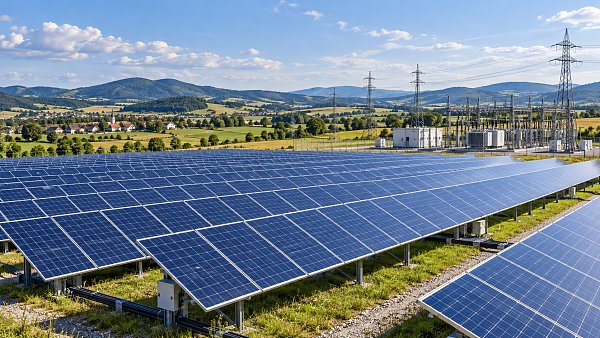
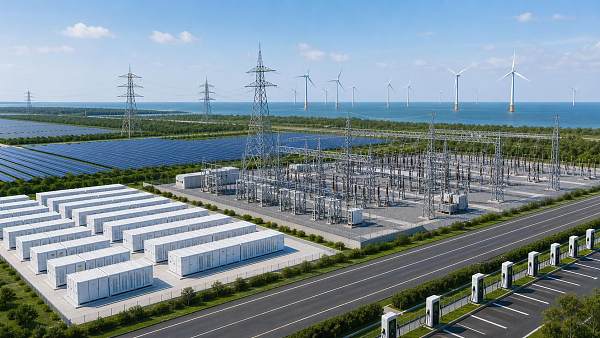
This is also where energy market context matters. EPEM’s coverage of renewable generation, storage, distributed energy systems, and grid modernization is relevant because many industrial projects now depend on what happens beyond the factory fence. An electrification project may look weak under today’s tariff structure, then become highly attractive when paired with onsite solar, storage, demand response, or a different grid connection strategy.
Where electrification usually delivers the strongest commercial return
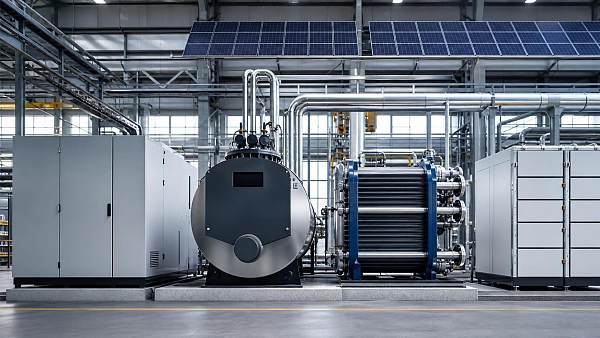
Electrification tends to produce the best ROI in processes below roughly the high-temperature threshold where heat pumps, electric boilers, electric dryers, induction systems, or infrared technologies can be integrated without redesigning the entire production line. The strongest candidates are often plants using steam, hot water, hot air, or controlled drying rather than direct flame at very high temperatures.
Typical examples include food and beverage, pharmaceuticals, textiles, paper converting, some chemical processes, and parts of light manufacturing. In these environments, the business case is often driven by efficiency gains, lower maintenance, and better controllability rather than emissions reporting alone. Electric systems can also reduce local air permitting complexity and improve product consistency where precise temperature control matters.
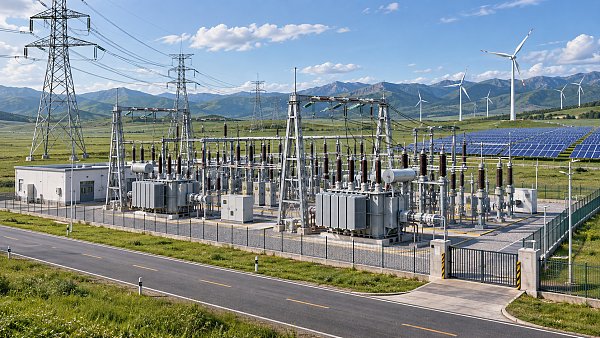
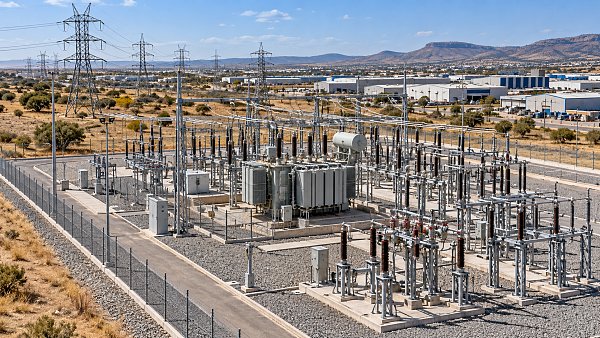
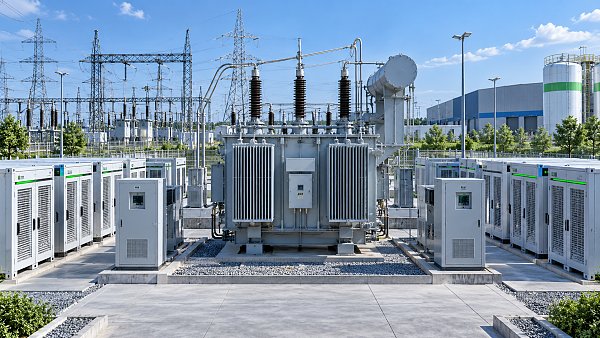
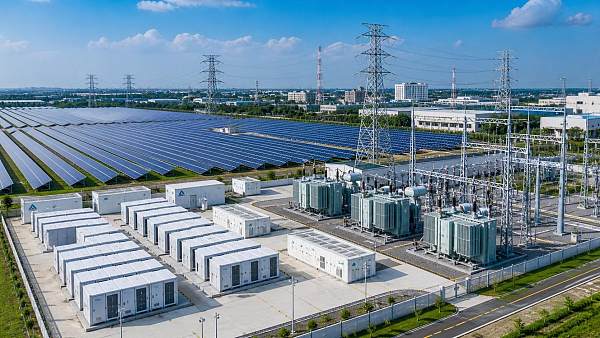
The caution point is grid capacity. A plant can easily underestimate the cost of transformers, switchgear, power quality management, or connection upgrades. If electrification requires a major utility-side reinforcement, the payback period changes quickly. That is why the best procurement decisions do not evaluate equipment in isolation. They look at the full power architecture, including substations, controls, storage, backup strategy, and tariff exposure.
Waste heat recovery is often the least controversial high-ROI move
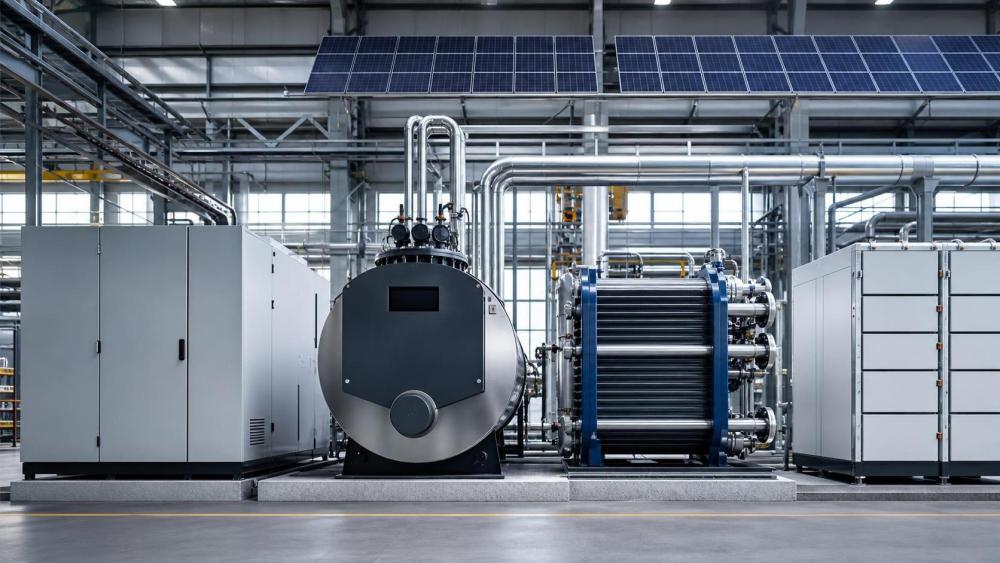
If there is one category that frequently outperforms expectations, it is waste heat recovery. Plants that vent hot exhaust, reject condenser heat, or run cooling-intensive systems often have a decarbonization option hiding in plain sight. The reason ROI can be strong is simple: the process already consumes the energy, so the project is about recovering value from losses rather than changing core production chemistry.
The best applications are site-specific. A ceramics plant, glass operation, steel reheating line, chemicals facility, or large food processor may use recovered heat for preheating combustion air, feedwater, process water, or nearby thermal loads. In colder regions, some sites also evaluate internal district heating loops or seasonal load matching. In many cases, these projects avoid the operational resistance that comes with full fuel switching because they do not force the plant to bet on a new primary energy source on day one.
Still, waste heat projects are not automatically cheap wins. Fouling, corrosion, variable load profiles, and poor heat sink matching can erode actual savings. Procurement teams should ask early whether the available waste heat is stable enough in temperature and flow to justify recovery equipment. The answer is sometimes no, especially where production batches swing widely.
Fuel switching works best when it avoids stranded assets
Fuel switching can mean moving from coal or oil to natural gas, from fossil gas to biomethane, from combustion to electric heat, or in some sectors evaluating hydrogen-ready equipment. ROI here depends less on the headline fuel and more on infrastructure compatibility. A fuel switch that uses much of the existing balance of plant can make sense. A switch that requires new burners, storage systems, safety redesign, operator retraining, and uncertain fuel supply may not.
For medium-temperature operations, biomethane or renewable electricity can sometimes provide a lower-friction path than hydrogen. For very high-temperature industries such as cement, steel, lime, and certain chemicals, the fuel question becomes more complicated because process conditions are harder to substitute without performance impacts. In these sectors, procurement teams should be careful not to confuse technical feasibility with near-term commercial readiness.
A practical screen is whether the switch improves optionality. If it makes the plant less exposed to fuel price volatility, carbon compliance risk, or supply interruptions, the project may deserve a stronger ROI score than the simple energy-cost comparison suggests.
Carbon capture can be strategic, but rarely the first cost winner
Carbon capture has a clear role in sectors with unavoidable process emissions, especially cement, lime, refining, and some chemicals. But from a pure procurement and cost perspective, it is usually not the first project that delivers the best return unless there is a strong policy driver, a transport and storage pathway, or a customer premium attached to low-carbon output.
The challenge is that capture systems add capital cost, energy penalty, integration complexity, and long-term liability questions. If a plant still has obvious efficiency gaps, unrecovered heat, poor controls, or straightforward electrification opportunities, those will typically be reviewed first. Carbon capture becomes more compelling when the site has already exhausted lower-cost abatement options or when process emissions dominate total emissions and cannot be addressed by fuel change alone.
Digital optimization often has the fastest payback, but not the biggest carbon reduction
Many industrial operators overlook digital optimization because it does not look like heavy decarbonization hardware. Yet controls, advanced metering, energy management systems, load scheduling, and predictive maintenance often produce the fastest financial return. They can cut compressed air losses, reduce idle consumption, smooth power demand, optimize chiller and boiler sequencing, and improve the performance of existing assets.
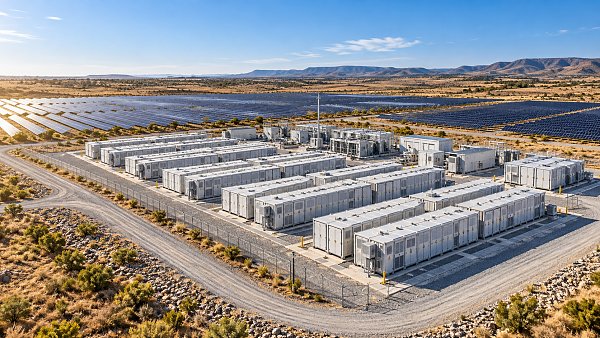
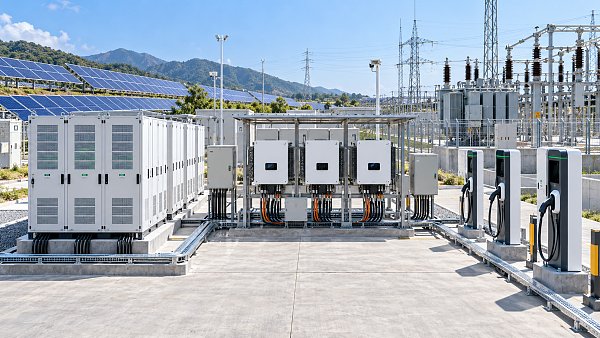
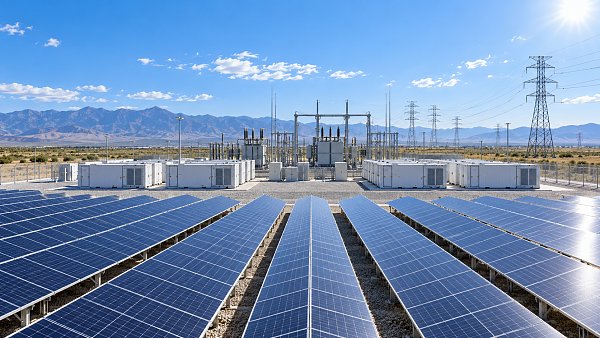
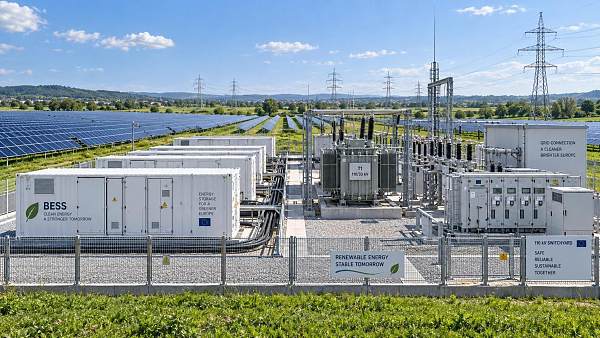
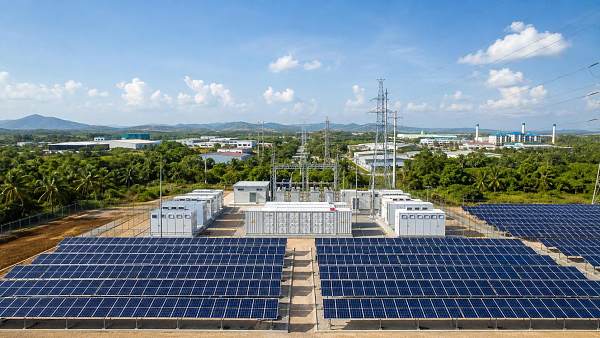
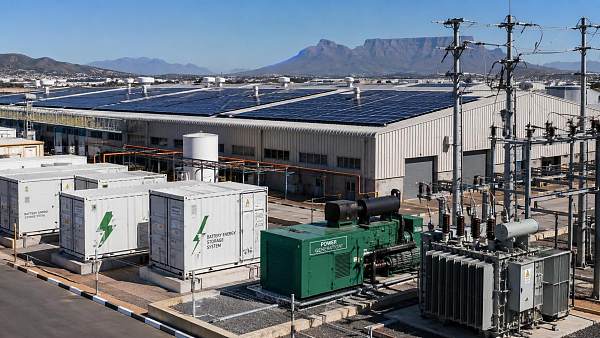
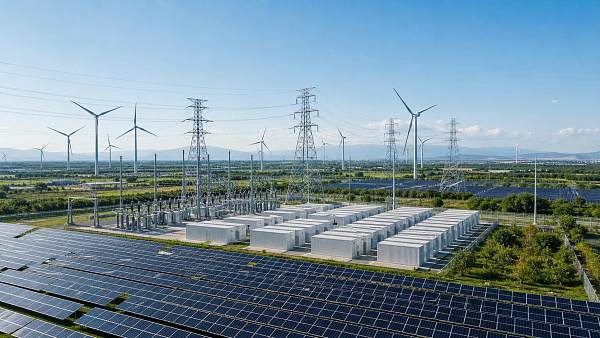
This is particularly relevant as facilities add rooftop solar, behind-the-meter storage, EV charging, or flexible loads. EPEM’s focus on smart grids, digital substations, storage integration, and virtual power plant logic reflects a market reality: industrial decarbonization is increasingly linked to power system coordination. A battery is not just an energy asset. It can also reshape tariff exposure, support peak shaving, and make electrification more bankable.
The limitation is that software cannot rescue a fundamentally inefficient thermal process. It is usually a first layer, not the whole strategy.
A practical view by process type
What procurement teams should check before comparing bids
The most expensive mistake is comparing proposals that are not based on the same operating assumptions. A serious evaluation usually needs clarity on annual operating hours, part-load performance, utility tariff structure, maintenance intervals, integration scope, and required outage window. It also helps to separate direct ROI from strategic value. Some projects reduce operating cost immediately. Others mainly reduce compliance exposure or preserve market access.
A few checks matter more than glossy presentations:
- Is the savings model based on actual site load data or generic assumptions?
- Does the proposal include grid upgrades, controls integration, and commissioning support?
- What happens to production during installation and ramp-up?
- Are spare parts, service capability, and operator training available in the target region?
- If the technology depends on renewable power, storage, or demand response, has that commercial structure been validated?
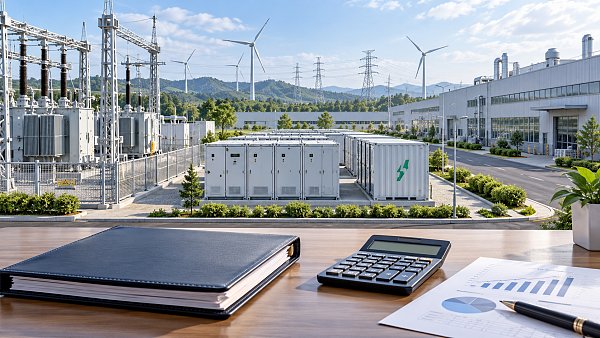
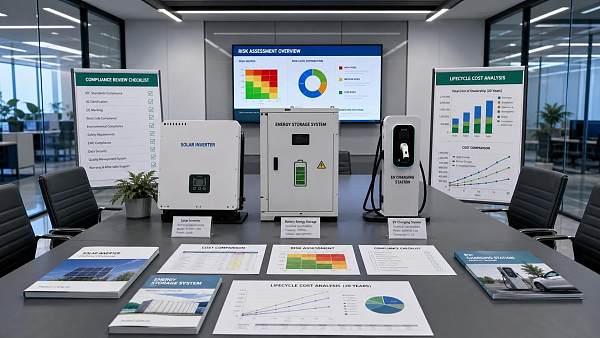
That broader system view is increasingly important. Industrial buyers are no longer selecting standalone equipment only. They are buying into an energy architecture that may include solar PV, inverters, batteries, grid controls, microgrids, smart metering, charging infrastructure, and flexible demand. Platforms such as EPEM are useful in this context because they connect equipment decisions with project execution, grid constraints, supply chain realities, and lifecycle performance rather than treating each technology as a separate story.
If there is a consistent lesson across sectors, it is this: the best ROI usually comes from sequencing. Start with measurement and controls, remove obvious thermal waste, electrify where process conditions allow, and only then move toward harder options such as large-scale fuel transitions or carbon capture. The right answer is rarely the most ambitious technology on the slide. It is the one that fits the process, survives procurement scrutiny, and still looks credible after you account for installation risk, grid impact, and real operating behavior.
- solar PV
- grid modernization
- microgrids
- energy management systems
- distributed energy systems
- digital substations
- demand response
- grid connection
- rooftop solar
- peak shaving
- solar plus storage
- smart metering
- power quality
- switchgear
- power quality management
- decarbonization technologies
- distributed energy
- decarbonization technologies for industry
Questions about market trends? Contact Market Scope Live for deeper business insights.
We respect your privacy. Your information is strictly confidential.
Related News
 Global Energy Policy & SourcingEBRD Plans $6 Billion for Turkish Clean Energy Projects Over Five YearsEBRD plans $6 billion for Turkish clean energy projects over five years. Explore potential supply chain opportunities and what businesses should watch.MORE+
 Global Energy Policy & SourcingCOP31 Focuses on Grid Upgrades as Aging Networks Hinder Clean Energy TransitionCOP31 grid upgrades could reshape the clean energy transition. Explore how aging networks and cross-border connections may affect renewable energy projects and suppliers.MORE+
 Global Energy Policy & SourcingIndia Approves 145 Billion Rupee Plan to Support 92 GWh of Energy StorageIndia's energy storage plan commits 145 billion rupees to support 92 GWh by 2030–31. Explore the funding and what it could mean for projects.MORE+
 Global Energy Policy & SourcingChina's Wind and Solar Capacity Reaches 2 Billion kW; 170 Million kW AddedChina's wind and solar capacity reportedly reached 2 billion kW. Explore what the milestone could mean for project procurement, grid integration and suppliers.MORE+
 Global Energy Policy & SourcingSolarPower Europe Urges EU Ministers to Address Root Causes of High Energy PricesSolarPower Europe urges EU ministers to tackle high energy prices through consumer relief, electrification and renewables. Explore its call for action.MORE+
 Global Energy Policy & SourcingAustralia’s Clean Energy Investment Surges as H1 2026 Storage and Generation Hit RecordsAustralia’s clean energy investment hits H1 2026 records in generation financing and battery storage operations. Explore what this means for procurement, project delivery and suppliers.MORE+
 Global Energy Policy & SourcingHow Variable Steam Demand Affects Turbine Sizing in Process PlantsChoosing a steam turbine supplier? Learn how variable steam demand, pressure limits, and part-load efficiency affect turbine sizing—and avoid costly oversizing in your process plant.MORE+
 Global Energy Policy & SourcingSteam Turbine Lifecycle Costs: What to Include Beyond Purchase PriceCompare steam turbine supplier offers beyond purchase price. Explore installation, energy, maintenance and downtime costs to make a smarter lifecycle investment.MORE+
 Global Energy Policy & SourcingGrid Operators in South Africa: Who Runs Transmission and Distribution?Discover the grid operators South Africa relies on, from NTCSA to Eskom and municipalities. Find the right connection route and avoid costly project delays with this practical guide.MORE+
 Global Energy Policy & SourcingChoosing a Medium Voltage Switchgear Factory: Quality Checks Before OrderingChoosing a medium voltage switchgear factory? Discover essential quality checks, test evidence, and acceptance terms to reduce procurement risks before you order.MORE+
 Global Energy Policy & SourcingK9 Ductile Iron Pipe Specifications: Pressure Class and Buyer ChecksBuying K9 ductile iron pipe? Learn how thickness differs from pressure class and which standards, joints, and quality checks to verify before ordering. Avoid costly procurement mistakes.MORE+
 Global Energy Policy & SourcingRenewable Energy Project Procurement: A Practical Bid Evaluation ChecklistRenewable energy project procurement: use this practical bid evaluation checklist to compare compliance, grid readiness, delivery risk, lifecycle cost, and warranties before award.MORE+
 Global Energy Policy & SourcingStrategic Energy Procurement: Which Contract Terms Reduce Price Volatility?Strategic energy procurement insights on contract terms that reduce price volatility, protect budgets, and strengthen financial control. Explore practical risk-management strategies.MORE+
 Global Energy Policy & SourcingEnergy Strategic Sourcing Frameworks for Cost Control and Supply SecurityEnergy strategic sourcing frameworks help control lifetime costs, strengthen supply security, qualify resilient suppliers, and protect energy projects from delays and operational risk.MORE+
 Global Energy Policy & SourcingIOU Strategic Sourcing: Managing Supplier Risk in Utility Energy ContractsIOU strategic sourcing helps investor-owned utilities manage supplier risk, strengthen energy contracts, and protect long-term grid reliability.MORE+
 Global Energy Policy & SourcingPublic Power Strategic Sourcing: Building Transparent Energy Procurement ProgramsPublic power strategic sourcing guide for transparent, resilient energy procurement—improve lifecycle value, supplier accountability, and grid-ready decisions.MORE+
 Global Energy Policy & SourcingU.S. Infrastructure Investors in Clean Energy: Who Funds What Projects?Infrastructure investors in USA are reshaping clean energy funding. Discover who finances solar, storage, grid modernization, and EV charging—and what makes projects investable.MORE+
 Global Energy Policy & SourcingDistribution Transformer Efficiency Regulation Updates: Compliance Steps for UtilitiesDistribution transformer energy efficiency regulation update: learn practical compliance steps, loss-test requirements, and procurement controls for utilities.MORE+
 Global Energy Policy & SourcingEU Grid Code Compliance for Solar and BESS Projects: Key Tests and RequirementsGrid code compliance Europe for solar and BESS projects: discover essential voltage, frequency, ride-through, protection, telemetry and testing requirements for faster connection approval.MORE+
 Global Energy Policy & SourcingKey Technical Parameters That Determine Steam Turbine Suitability for Industrial Cogeneration Projectssteam turbine supplier? Discover the 5 critical technical parameters—exhaust pressure, steam quality tolerance, part-load efficiency & more—that truly determine suitability for industrial cogeneration projects.MORE+
 Global Energy Policy & SourcingSoutheast Asia Energy Project Pipeline: Key Markets, Timelines, and Investment SignalsExplore the energy project pipeline Southeast Asia: key markets, project timelines, grid risks, and investment signals for smarter renewable energy decisions.MORE+
 Global Energy Policy & SourcingIndustrial Energy Users in South Africa: Costs, Supply Risks and TrendsIndustrial energy users in South Africa: explore cost pressures, supply risks, solar, storage and practical strategies to improve resilience and control energy spend.MORE+
 Global Energy Policy & SourcingSteam Turbine Maintenance Checks to Confirm Before Finalizing a PurchaseSteam turbine supplier checklist: confirm maintenance access, spares, oil systems, controls, and service support before purchase to reduce outage risk.MORE+
 Global Energy Policy & SourcingDoes EPEM Provide Regional Data on Clean Energy Project Financing?Does EPEM cover clean energy project financing data by region? Explore regional market, grid, policy, and risk insights to support smarter clean energy investment screening.MORE+
 Global Energy Policy & SourcingDuctile Iron Pipe Acceptance Testing for Water Infrastructure ProjectsDuctile iron pipe acceptance testing guide for water projects: verify standards, traceability, coatings, joints, and hydrostatic tests for reliable compliance.MORE+
 Global Energy Policy & SourcingShould Fleet Charging Depots Use On-Site Solar or Buy Green Power?Should I integrate solar generation directly at a fleet charging depot or buy green power? Explore costs, reliability, storage, and smarter charging strategies.MORE+
 Global Energy Policy & SourcingGlobal Energy Project Pipeline: Where Investment Is Moving Across Solar, Wind, BESS, and EV ChargingGlobal energy project pipeline insights: see where investment is shifting across solar, wind, BESS, and EV charging, and what makes projects bankable, grid-ready, and worth backing.MORE+
 Global Energy Policy & SourcingWhat Does Grid Decarbonization Consulting Cover for Utility-Scale Power Projects?Grid decarbonization consulting helps utility-scale power projects cut emissions, stay grid-compliant, and improve long-term returns. Discover how it supports planning, flexibility, and execution.MORE+
 Global Energy Policy & SourcingWhich Decarbonization Technologies for Industry Deliver the Best ROI by Process Type?Decarbonization technologies for industry deliver the best ROI when matched to process type. Explore electrification, waste heat recovery, fuel switching, and digital upgrades.MORE+
 Global Energy Policy & SourcingChina Launches Green Certificate Price IndexChina Launches Green Certificate Price Index: learn how the new benchmark affects CBAM, ESG compliance, green electricity tracing, and carbon reporting for exporters and global buyers.MORE+
 Global Energy Policy & SourcingHow to Evaluate Renewable Equipment Tenders for Risk, Compliance, and Total CostRenewable equipment tenders require more than price checks. Learn how to assess risk, compliance, and total cost to avoid hidden project issues and choose smarter bids.MORE+
 Global Energy Policy & SourcingCommon Water Waste and Hygiene Issues in Poultry Nipple Drinking SystemsNipple drinking system poultry issues often start with leaks, pressure errors, and hidden biofilm. Learn how to cut water waste, improve hygiene, and protect flock performance.MORE+
 Global Energy Policy & SourcingRenewable Energy Infrastructure Development: Key Policy, Grid, and Financing TrendsRenewable energy infrastructure development is being reshaped by policy reform, grid constraints, and smarter financing—discover the trends driving bankable, future-ready projects.MORE+
 Global Energy Policy & SourcingEquipment Bankability Supplier Review: What Buyers Should Check Before ShortlistingEquipment bankability supplier review: learn what buyers should check before shortlisting, from financial strength and certifications to service support, warranty risk, and real project performance.MORE+
 Global Energy Policy & SourcingPower Project Permitting in Saudi Arabia: Key Approvals, Timelines, and Common DelaysPower project permitting Saudi Arabia explained: key approvals, realistic timelines, and the most common delay risks—plus practical steps to keep energy projects bankable and on schedule.MORE+
 Global Energy Policy & SourcingHow to Evaluate Clean Energy Investment Utility Scale Projects Before Committing CapitalClean energy investment utility scale decisions require more than headline capacity. Discover how to assess grid access, revenue quality, execution risk, and long-term returns before committing capital.MORE+
 Global Energy Policy & SourcingUtility Renewable Energy Infrastructure Explained: Key Assets, Risks, and Build-Out PrioritiesUtility renewable energy infrastructure explained: explore key assets, grid and storage risks, and build-out priorities to improve project bankability, resilience, and long-term value.MORE+
 Global Energy Policy & SourcingAgrivoltaic Systems in France: Land Use Rules, Crop Fit, and Project Planning BasicsAgrivoltaic systems France explained: learn land use rules, crop fit, permitting, and grid basics to assess smarter, more bankable solar-agriculture projects.MORE+
![]() Global Energy Policy & SourcingMicrogrid Project Permitting Checklist: Key Approvals, Studies, and Common DelaysMicrogrid project permitting made practical: explore key approvals, required studies, and the most common delays to keep projects bankable, compliant, and on schedule.MORE+
 Global Energy Policy & SourcingProject Owners Financing Options for Energy Projects: Loans, Leasing, or EPC Credit?Project owners financing options explained: compare loans, leasing, and EPC credit for energy projects to reduce risk, protect cash flow, and choose the smartest funding path.MORE+