U.S. Infrastructure Investors in Clean Energy: Who Funds What Projects?
U.S. Infrastructure Investors in Clean Energy: Who Funds What Projects?
Understanding how infrastructure investors in USA allocate capital has become a practical requirement for clean energy project teams. Funding priorities affect more than valuation and financial close. They influence whether a project is designed around a long-term power purchase agreement, merchant revenue, capacity payments, regulated utility recovery, customer energy savings, or a combination of those models. They also shape equipment selection, interconnection strategy, construction sequencing, operating assumptions, and the amount of development risk a sponsor must carry.
The U.S. market does not have one clean energy investor profile. A utility seeking rate-based grid assets evaluates projects differently from an infrastructure fund acquiring contracted solar portfolios. Tax-equity participants focus on eligible tax attributes and compliance evidence. Corporate energy buyers may care most about price certainty, location, emissions accounting, and delivery dates. Private credit providers, meanwhile, often look closely at contracted cash flow, lender protections, and the ability to step into a troubled project.
For project managers and engineering leaders, the central question is not simply “Is there capital?” It is: Which type of capital is suited to this asset at its present stage, in this market, with this revenue structure and risk profile?
The Investor Landscape Is Broad, but Capital Is Selective
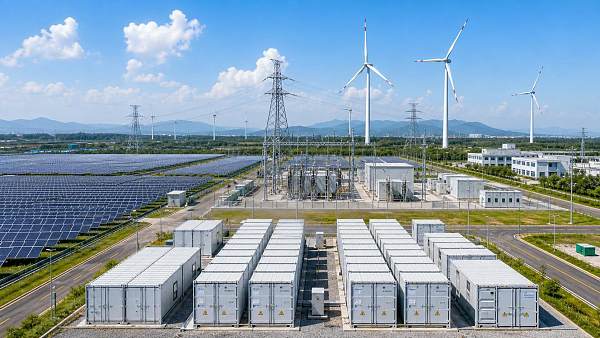
Clean energy financing in the United States commonly involves several layers of capital. Developers may fund early land control, permitting, environmental work, interconnection deposits, and design through sponsor equity or development capital. Once a project has stronger contractual support, construction lenders, infrastructure funds, strategic investors, and tax-equity structures may become relevant. After commissioning, long-term owners may acquire operating assets or portfolios with predictable performance and contracted revenues.
This sequence matters because many infrastructure investors are not designed to absorb early-stage uncertainty. A fund that is comfortable owning an operational battery project may have little appetite for an interconnection queue position with uncertain upgrade costs. Conversely, a specialist development investor may accept that uncertainty but expect higher return potential and meaningful control rights.
The major capital groups generally include utilities and utility affiliates, dedicated infrastructure funds, pension and insurance investors, strategic energy companies, private equity sponsors, banks and project-finance lenders, tax-equity investors, corporate offtakers, and public or quasi-public financing programs. Their mandates overlap, but they rarely evaluate the same project in exactly the same way.
Utility-Scale Solar Still Attracts Capital—With Important Conditions
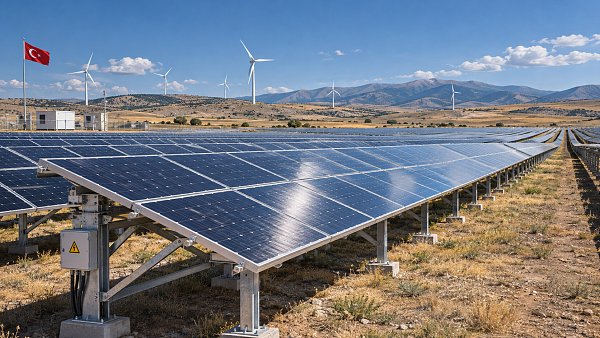
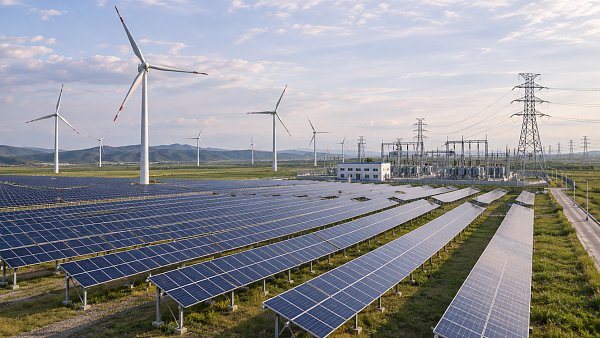
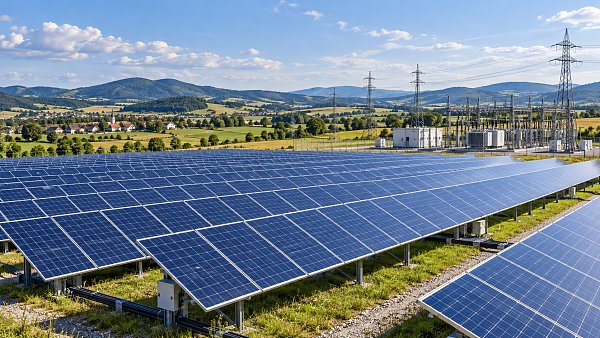
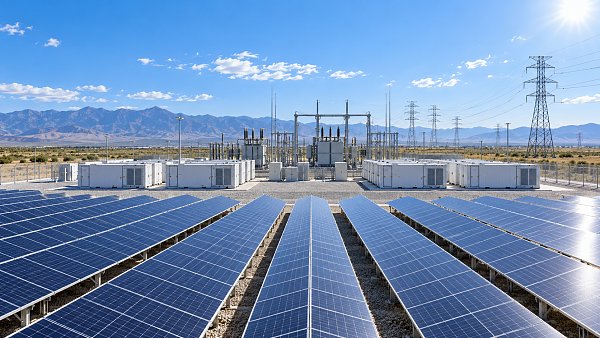
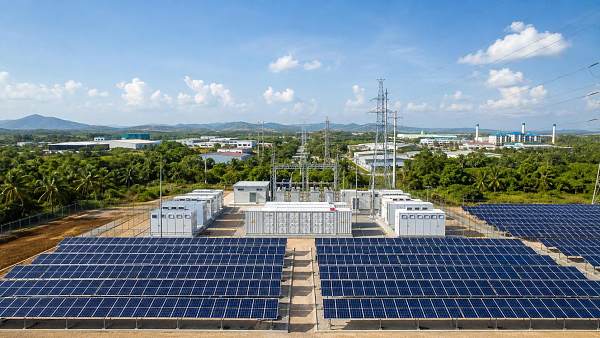
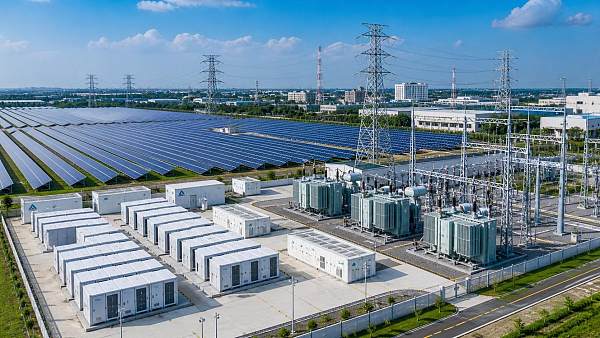
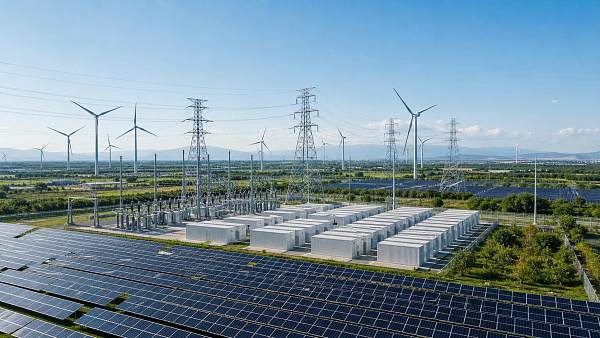
Utility-scale solar remains familiar territory for many infrastructure investors in USA because the technology, construction methods, and operating model are well understood. That does not mean every solar project is financeable. The project’s value increasingly depends on its grid position and commercial structure rather than installed capacity alone.
A solar plant with a credible interconnection path, site control, realistic production assessment, bankable equipment warranties, and an executed offtake arrangement generally presents a clearer investment case than a larger project facing unresolved network upgrades. Curtailment exposure, basis risk, negative price periods, congestion, and transmission availability are now material questions in many locations. Investors may ask whether the energy model reflects hourly or seasonal price behavior rather than relying only on annual generation figures.
For EPC and project management teams, this shifts attention toward early coordination. Tracker selection, inverter loading ratio, collector-system design, protection settings, SCADA architecture, meteorological data, and commissioning plans all feed into the technical assumptions behind financing. A late change to grid requirements can alter both the construction budget and the expected revenue profile.
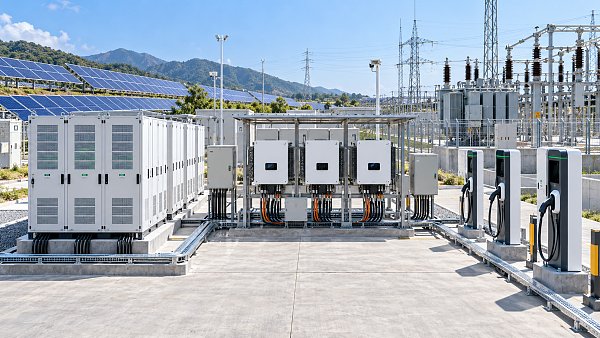
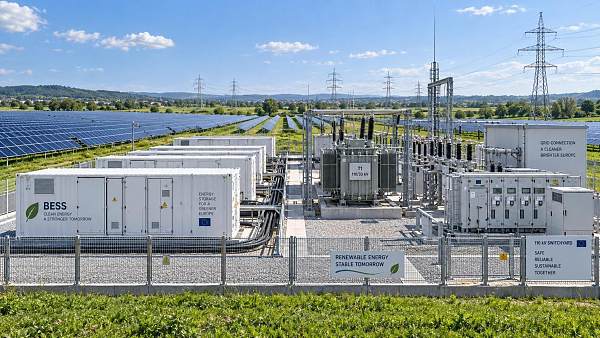
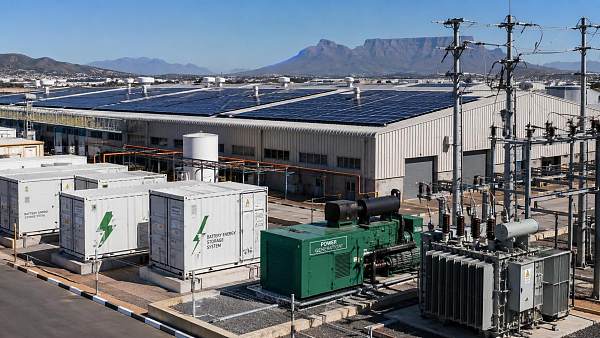
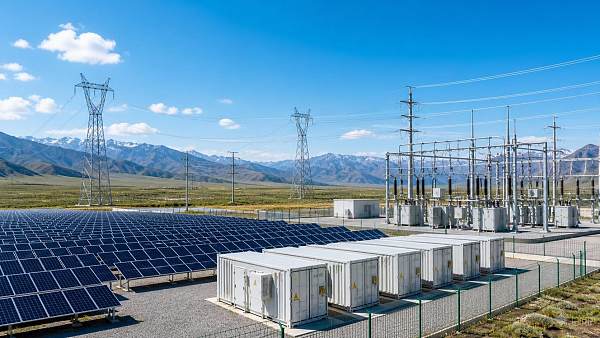
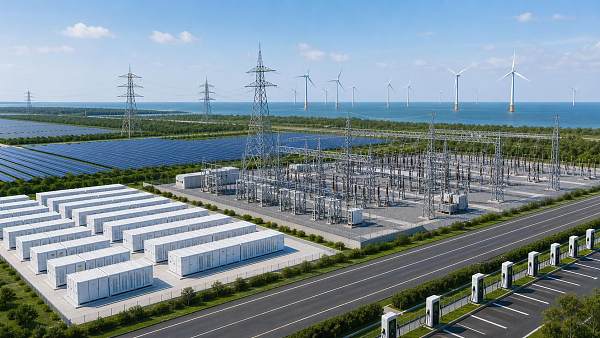
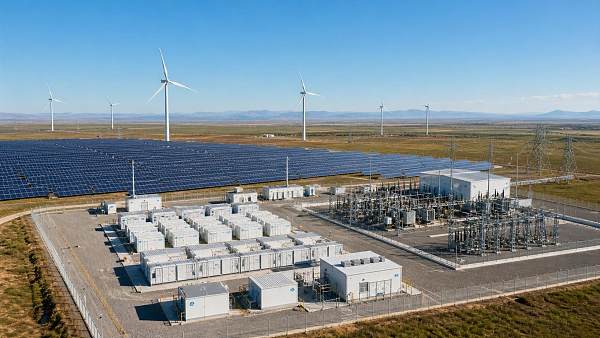
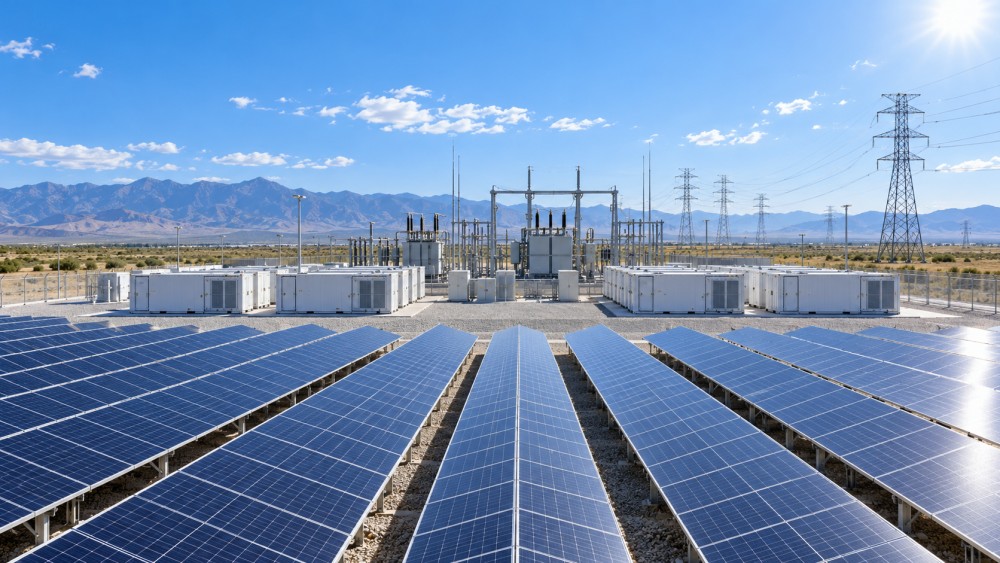
Solar-plus-storage configurations are receiving closer attention where storage can improve dispatch flexibility or support a stronger commercial proposition. But “adding a battery” is not automatically a financing solution. The revenue stack, charging source assumptions, augmentation plan, warranty terms, controls strategy, and availability guarantees need to be internally consistent.
Why Battery Storage Draws Interest—and More Technical Scrutiny
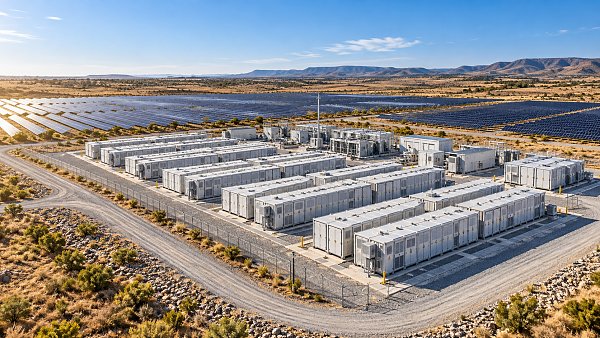
Battery energy storage is increasingly viewed as power infrastructure rather than a niche add-on. It can support renewable integration, capacity needs, peak management, congestion relief, backup power, and ancillary grid services. Yet storage is also one of the areas where investor interest is paired with unusually detailed diligence.
The investor will want to know what the battery is expected to do, not merely its nameplate power and energy rating. Is it primarily contracted for capacity? Is it exposed to merchant market revenues? Will it be dispatched by the asset owner, an optimizer, a utility, or an offtaker? Can its operational logic manage cycling limits, state-of-charge requirements, grid instructions, and warranty constraints simultaneously?
Project teams should be ready to explain the full system boundary: cells, racks, battery management system, power conversion system, transformer, thermal management, fire detection and suppression approach, communications, EMS, and site-level controls. A containerized unit is only one element of an operating plant. Interface responsibility between the battery supplier, integrator, EPC contractor, controls provider, and owner must be clear before financing reaches its final stages.
Storage projects also require disciplined treatment of degradation. Financial models often depend on assumptions about usable capacity over time, augmentation timing, availability, and cycling behavior. Those assumptions should be checked against the intended dispatch strategy and the actual warranty language. A mismatch may not become obvious during procurement, but it can become expensive after commercial operation begins.
Grid Modernization Is a Different Investment Story
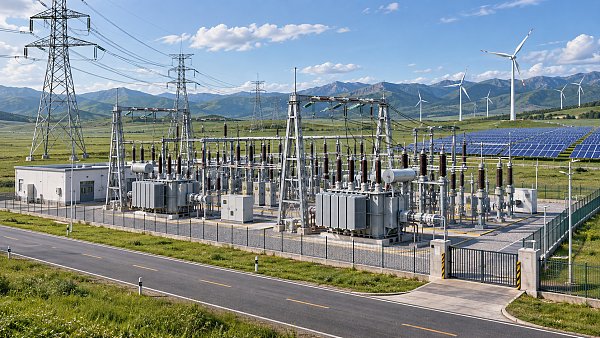
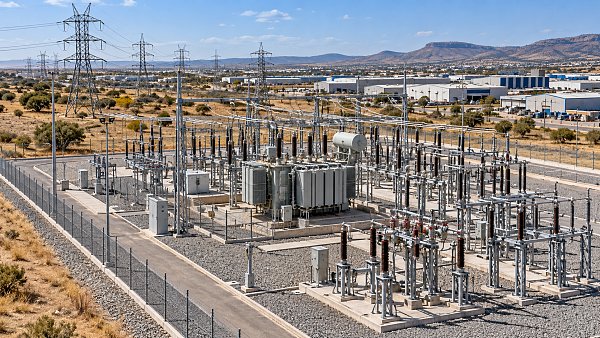
Transmission, substations, advanced metering, distribution automation, digital protection systems, and grid control platforms are essential to the energy transition, but they are financed through different channels from a standalone solar farm. Much of this investment sits within utility capital plans and regulated recovery frameworks, where the key questions involve prudence, reliability, planning approval, procurement discipline, and execution risk.
Private capital can participate in selected grid-related assets, particularly where projects have defined contractual structures, long-term service arrangements, or public-private delivery models. Still, grid modernization is not a uniform asset class. A new transmission line, a digital substation retrofit, a demand-response platform, and a virtual power plant have different ownership models, revenue mechanics, cyber-risk profiles, and regulatory dependencies.
Engineering leaders should avoid presenting digital grid systems as simple software purchases. Investors and owners increasingly assess interoperability, data ownership, communications resilience, cybersecurity responsibilities, vendor support duration, and integration with legacy operational technology. A technically capable platform that cannot fit the utility’s control environment or maintenance model may struggle to move beyond pilot status.
EV Charging Capital Follows Utilization, Not Hardware Alone
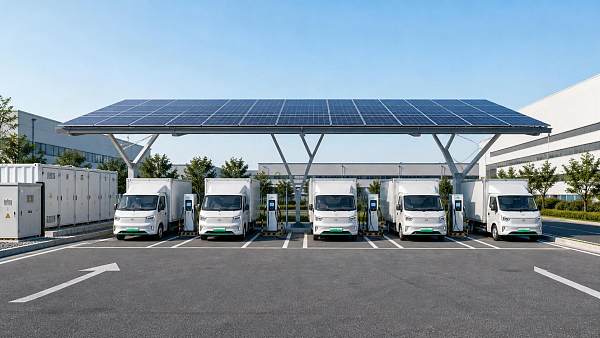
EV charging infrastructure receives significant attention, but investors tend to distinguish sharply between charging use cases. Fleet depots, logistics yards, transit operations, workplace charging, multifamily sites, public corridors, and retail locations each have different load shapes and operating risks. A high-power DC charging site may look attractive on a map while remaining difficult to finance if traffic, dwell time, utility capacity, or service responsibility is uncertain.
Fleet and depot charging can offer a more visible demand profile when vehicle schedules, route planning, and energy consumption are known. Public charging may depend more heavily on location quality, utilization ramp-up, retail partnerships, roaming arrangements, payment systems, and maintenance response. In either case, the electrical upgrade may be a bigger schedule risk than the charger installation itself.
Projects seeking capital should show how charging hardware, switchgear, transformer capacity, utility interconnection, load management software, billing, and field service fit together. Investors do not fund a charger in isolation; they fund an operating network with a credible path to use, uptime, and revenue.
What Makes a Clean Energy Project Investable
There is no universal investment checklist, but most funders look for a coherent link between technical design and commercial assumptions. A project can have strong equipment suppliers and still be difficult to finance if the grid connection is unresolved. It can have an attractive revenue forecast and still fail diligence if EPC scope boundaries are vague or long-lead equipment has no credible delivery plan.
Project managers can improve the quality of investor discussions by organizing the evidence early: land and site status, permits and environmental requirements, interconnection milestones, design basis, energy yield or load forecast, procurement strategy, EPC responsibilities, operating plan, insurance approach, revenue contracts, and a transparent register of open risks. The objective is not to suggest that all risks have disappeared. It is to show who owns each risk, how it is being managed, and what event would change the schedule or cost base.
Bankability also extends into operations. Spare-parts access, remote monitoring, cybersecurity, warranty enforcement, performance testing, and maintenance capability matter because investors are underwriting years of asset behavior, not just the date of mechanical completion.
A Market Where Technical and Financial Decisions Can No Longer Be Separated
The clean energy market is moving toward more integrated assets: solar paired with storage, charging linked to on-site generation and load control, and distribution networks supported by flexible demand and digital coordination. That makes it harder to treat engineering, procurement, interconnection, and financing as separate workstreams. A control strategy can influence revenue. An interconnection requirement can change equipment selection. A warranty condition can affect the financial model.
Global EcoPower & Energy Matrix Intelligence Network (EPEM) follows these links across renewable generation, storage, EV charging, grid modernization, and distributed energy systems. For development and delivery teams, structured market intelligence is most useful when it helps test a project’s assumptions before they become embedded in a tender package, financing model, or construction contract.
The practical next step is to match the project to the capital likely to understand it: regulated infrastructure for grid assets, contracted infrastructure capital for stable operating cash flow, specialist development capital for earlier risk, and site-level investors for projects driven by customer energy economics. Before approaching any investor, confirm the few issues that most often decide credibility—interconnection, revenue quality, scope boundaries, operating responsibility, and the evidence supporting each technical assumption.
- EV charging infrastructure
- grid modernization
- microgrids
- distributed energy systems
- grid connection
- energy transition
- rooftop solar
- energy storage
- fleet charging
- depot charging
- distribution automation
- load management
- power infrastructure
- switchgear
- renewable integration
- workplace charging
- infrastructure investors
- distributed energy
- solar farm
- infrastructure investors in USA
Questions about market trends? Contact Market Scope Live for deeper business insights.
We respect your privacy. Your information is strictly confidential.
Related News
 Global Energy Policy & SourcingEBRD Plans $6 Billion for Turkish Clean Energy Projects Over Five YearsEBRD plans $6 billion for Turkish clean energy projects over five years. Explore potential supply chain opportunities and what businesses should watch.MORE+
 Global Energy Policy & SourcingCOP31 Focuses on Grid Upgrades as Aging Networks Hinder Clean Energy TransitionCOP31 grid upgrades could reshape the clean energy transition. Explore how aging networks and cross-border connections may affect renewable energy projects and suppliers.MORE+
 Global Energy Policy & SourcingIndia Approves 145 Billion Rupee Plan to Support 92 GWh of Energy StorageIndia's energy storage plan commits 145 billion rupees to support 92 GWh by 2030–31. Explore the funding and what it could mean for projects.MORE+
 Global Energy Policy & SourcingChina's Wind and Solar Capacity Reaches 2 Billion kW; 170 Million kW AddedChina's wind and solar capacity reportedly reached 2 billion kW. Explore what the milestone could mean for project procurement, grid integration and suppliers.MORE+
 Global Energy Policy & SourcingSolarPower Europe Urges EU Ministers to Address Root Causes of High Energy PricesSolarPower Europe urges EU ministers to tackle high energy prices through consumer relief, electrification and renewables. Explore its call for action.MORE+
 Global Energy Policy & SourcingAustralia’s Clean Energy Investment Surges as H1 2026 Storage and Generation Hit RecordsAustralia’s clean energy investment hits H1 2026 records in generation financing and battery storage operations. Explore what this means for procurement, project delivery and suppliers.MORE+
 Global Energy Policy & SourcingHow Variable Steam Demand Affects Turbine Sizing in Process PlantsChoosing a steam turbine supplier? Learn how variable steam demand, pressure limits, and part-load efficiency affect turbine sizing—and avoid costly oversizing in your process plant.MORE+
 Global Energy Policy & SourcingSteam Turbine Lifecycle Costs: What to Include Beyond Purchase PriceCompare steam turbine supplier offers beyond purchase price. Explore installation, energy, maintenance and downtime costs to make a smarter lifecycle investment.MORE+
 Global Energy Policy & SourcingGrid Operators in South Africa: Who Runs Transmission and Distribution?Discover the grid operators South Africa relies on, from NTCSA to Eskom and municipalities. Find the right connection route and avoid costly project delays with this practical guide.MORE+
 Global Energy Policy & SourcingChoosing a Medium Voltage Switchgear Factory: Quality Checks Before OrderingChoosing a medium voltage switchgear factory? Discover essential quality checks, test evidence, and acceptance terms to reduce procurement risks before you order.MORE+
 Global Energy Policy & SourcingK9 Ductile Iron Pipe Specifications: Pressure Class and Buyer ChecksBuying K9 ductile iron pipe? Learn how thickness differs from pressure class and which standards, joints, and quality checks to verify before ordering. Avoid costly procurement mistakes.MORE+
 Global Energy Policy & SourcingRenewable Energy Project Procurement: A Practical Bid Evaluation ChecklistRenewable energy project procurement: use this practical bid evaluation checklist to compare compliance, grid readiness, delivery risk, lifecycle cost, and warranties before award.MORE+
 Global Energy Policy & SourcingStrategic Energy Procurement: Which Contract Terms Reduce Price Volatility?Strategic energy procurement insights on contract terms that reduce price volatility, protect budgets, and strengthen financial control. Explore practical risk-management strategies.MORE+
 Global Energy Policy & SourcingEnergy Strategic Sourcing Frameworks for Cost Control and Supply SecurityEnergy strategic sourcing frameworks help control lifetime costs, strengthen supply security, qualify resilient suppliers, and protect energy projects from delays and operational risk.MORE+
 Global Energy Policy & SourcingIOU Strategic Sourcing: Managing Supplier Risk in Utility Energy ContractsIOU strategic sourcing helps investor-owned utilities manage supplier risk, strengthen energy contracts, and protect long-term grid reliability.MORE+
 Global Energy Policy & SourcingPublic Power Strategic Sourcing: Building Transparent Energy Procurement ProgramsPublic power strategic sourcing guide for transparent, resilient energy procurement—improve lifecycle value, supplier accountability, and grid-ready decisions.MORE+
 Global Energy Policy & SourcingU.S. Infrastructure Investors in Clean Energy: Who Funds What Projects?Infrastructure investors in USA are reshaping clean energy funding. Discover who finances solar, storage, grid modernization, and EV charging—and what makes projects investable.MORE+
 Global Energy Policy & SourcingDistribution Transformer Efficiency Regulation Updates: Compliance Steps for UtilitiesDistribution transformer energy efficiency regulation update: learn practical compliance steps, loss-test requirements, and procurement controls for utilities.MORE+
 Global Energy Policy & SourcingEU Grid Code Compliance for Solar and BESS Projects: Key Tests and RequirementsGrid code compliance Europe for solar and BESS projects: discover essential voltage, frequency, ride-through, protection, telemetry and testing requirements for faster connection approval.MORE+
 Global Energy Policy & SourcingKey Technical Parameters That Determine Steam Turbine Suitability for Industrial Cogeneration Projectssteam turbine supplier? Discover the 5 critical technical parameters—exhaust pressure, steam quality tolerance, part-load efficiency & more—that truly determine suitability for industrial cogeneration projects.MORE+
 Global Energy Policy & SourcingSoutheast Asia Energy Project Pipeline: Key Markets, Timelines, and Investment SignalsExplore the energy project pipeline Southeast Asia: key markets, project timelines, grid risks, and investment signals for smarter renewable energy decisions.MORE+
 Global Energy Policy & SourcingIndustrial Energy Users in South Africa: Costs, Supply Risks and TrendsIndustrial energy users in South Africa: explore cost pressures, supply risks, solar, storage and practical strategies to improve resilience and control energy spend.MORE+
 Global Energy Policy & SourcingSteam Turbine Maintenance Checks to Confirm Before Finalizing a PurchaseSteam turbine supplier checklist: confirm maintenance access, spares, oil systems, controls, and service support before purchase to reduce outage risk.MORE+
 Global Energy Policy & SourcingDoes EPEM Provide Regional Data on Clean Energy Project Financing?Does EPEM cover clean energy project financing data by region? Explore regional market, grid, policy, and risk insights to support smarter clean energy investment screening.MORE+
 Global Energy Policy & SourcingDuctile Iron Pipe Acceptance Testing for Water Infrastructure ProjectsDuctile iron pipe acceptance testing guide for water projects: verify standards, traceability, coatings, joints, and hydrostatic tests for reliable compliance.MORE+
 Global Energy Policy & SourcingShould Fleet Charging Depots Use On-Site Solar or Buy Green Power?Should I integrate solar generation directly at a fleet charging depot or buy green power? Explore costs, reliability, storage, and smarter charging strategies.MORE+
 Global Energy Policy & SourcingGlobal Energy Project Pipeline: Where Investment Is Moving Across Solar, Wind, BESS, and EV ChargingGlobal energy project pipeline insights: see where investment is shifting across solar, wind, BESS, and EV charging, and what makes projects bankable, grid-ready, and worth backing.MORE+
 Global Energy Policy & SourcingWhat Does Grid Decarbonization Consulting Cover for Utility-Scale Power Projects?Grid decarbonization consulting helps utility-scale power projects cut emissions, stay grid-compliant, and improve long-term returns. Discover how it supports planning, flexibility, and execution.MORE+
 Global Energy Policy & SourcingWhich Decarbonization Technologies for Industry Deliver the Best ROI by Process Type?Decarbonization technologies for industry deliver the best ROI when matched to process type. Explore electrification, waste heat recovery, fuel switching, and digital upgrades.MORE+
 Global Energy Policy & SourcingChina Launches Green Certificate Price IndexChina Launches Green Certificate Price Index: learn how the new benchmark affects CBAM, ESG compliance, green electricity tracing, and carbon reporting for exporters and global buyers.MORE+
 Global Energy Policy & SourcingHow to Evaluate Renewable Equipment Tenders for Risk, Compliance, and Total CostRenewable equipment tenders require more than price checks. Learn how to assess risk, compliance, and total cost to avoid hidden project issues and choose smarter bids.MORE+
 Global Energy Policy & SourcingCommon Water Waste and Hygiene Issues in Poultry Nipple Drinking SystemsNipple drinking system poultry issues often start with leaks, pressure errors, and hidden biofilm. Learn how to cut water waste, improve hygiene, and protect flock performance.MORE+
 Global Energy Policy & SourcingRenewable Energy Infrastructure Development: Key Policy, Grid, and Financing TrendsRenewable energy infrastructure development is being reshaped by policy reform, grid constraints, and smarter financing—discover the trends driving bankable, future-ready projects.MORE+
 Global Energy Policy & SourcingEquipment Bankability Supplier Review: What Buyers Should Check Before ShortlistingEquipment bankability supplier review: learn what buyers should check before shortlisting, from financial strength and certifications to service support, warranty risk, and real project performance.MORE+
 Global Energy Policy & SourcingPower Project Permitting in Saudi Arabia: Key Approvals, Timelines, and Common DelaysPower project permitting Saudi Arabia explained: key approvals, realistic timelines, and the most common delay risks—plus practical steps to keep energy projects bankable and on schedule.MORE+
 Global Energy Policy & SourcingHow to Evaluate Clean Energy Investment Utility Scale Projects Before Committing CapitalClean energy investment utility scale decisions require more than headline capacity. Discover how to assess grid access, revenue quality, execution risk, and long-term returns before committing capital.MORE+
 Global Energy Policy & SourcingUtility Renewable Energy Infrastructure Explained: Key Assets, Risks, and Build-Out PrioritiesUtility renewable energy infrastructure explained: explore key assets, grid and storage risks, and build-out priorities to improve project bankability, resilience, and long-term value.MORE+
 Global Energy Policy & SourcingAgrivoltaic Systems in France: Land Use Rules, Crop Fit, and Project Planning BasicsAgrivoltaic systems France explained: learn land use rules, crop fit, permitting, and grid basics to assess smarter, more bankable solar-agriculture projects.MORE+
![]() Global Energy Policy & SourcingMicrogrid Project Permitting Checklist: Key Approvals, Studies, and Common DelaysMicrogrid project permitting made practical: explore key approvals, required studies, and the most common delays to keep projects bankable, compliant, and on schedule.MORE+
 Global Energy Policy & SourcingProject Owners Financing Options for Energy Projects: Loans, Leasing, or EPC Credit?Project owners financing options explained: compare loans, leasing, and EPC credit for energy projects to reduce risk, protect cash flow, and choose the smartest funding path.MORE+