Steam Turbine Lifecycle Costs: What to Include Beyond Purchase Price
Steam Turbine Lifecycle Costs: What to Include Beyond Purchase Price
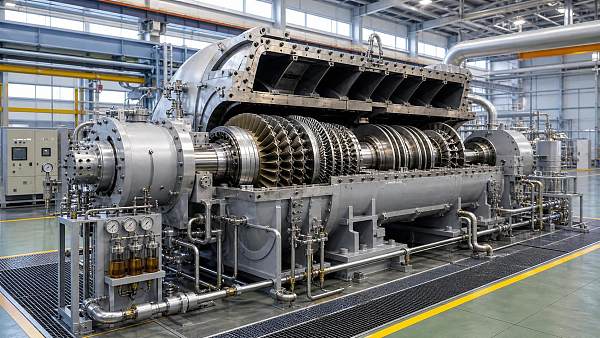
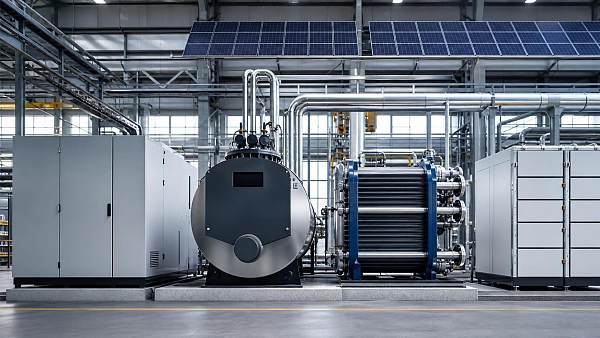
A steam turbine can appear financially attractive when the equipment quotation is compared with the available capital budget. That comparison is incomplete. For a captive power plant, the turbine is part of a wider operating system that includes steam generation, piping, valves, electrical equipment, cooling, water treatment, controls, installation, maintenance, and planned outages. A low purchase price may lose its advantage if the selected unit requires extensive site modifications, consumes more steam than expected, or creates long and costly production interruptions.
Financial approval should therefore be based on a lifecycle cost model rather than a supplier quotation alone. The model should connect technical assumptions with cash flow: how much power and process steam the unit will deliver, under which operating conditions, for how many operating hours, and at what maintenance and availability risk.
Start with the plant’s operating case, not the equipment brochure
The first cost question is not “What does the turbine cost?” It is “What duty must the turbine perform throughout its expected operating life?” A captive plant may operate as a base-load generator, a back-pressure unit serving a process, a condensing turbine for maximum electricity production, or a flexible machine that follows variable steam demand. Each duty changes the cost profile.
A back-pressure turbine may be appropriate where exhaust steam has a dependable process use. Its value depends on the plant being able to use that steam. If process demand falls frequently, the financial model should account for bypass operation, reduced electricity output, or the need for additional condensing equipment. A condensing arrangement can provide greater electrical flexibility, but it may require more cooling capacity, stronger vacuum systems, and additional water or auxiliary power.
Steam conditions also deserve careful treatment. Inlet pressure and temperature, exhaust pressure, extraction requirements, steam purity, load range, and expected start-stop frequency influence the turbine’s performance and maintenance exposure. A quotation based on nominal conditions should not be used as the sole basis for approval when the actual plant will operate far from those conditions.
The cost categories that are often missed
Balance-of-plant and site integration
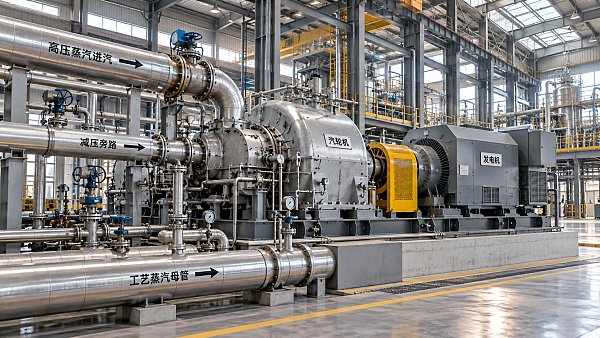
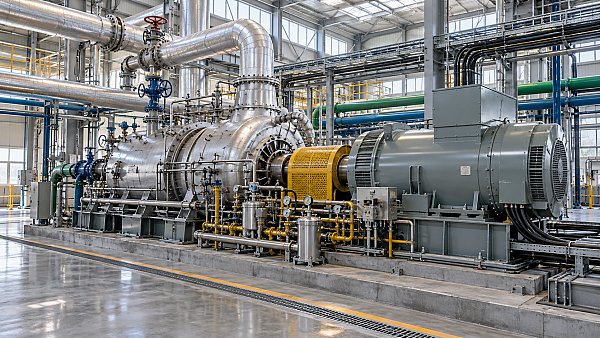
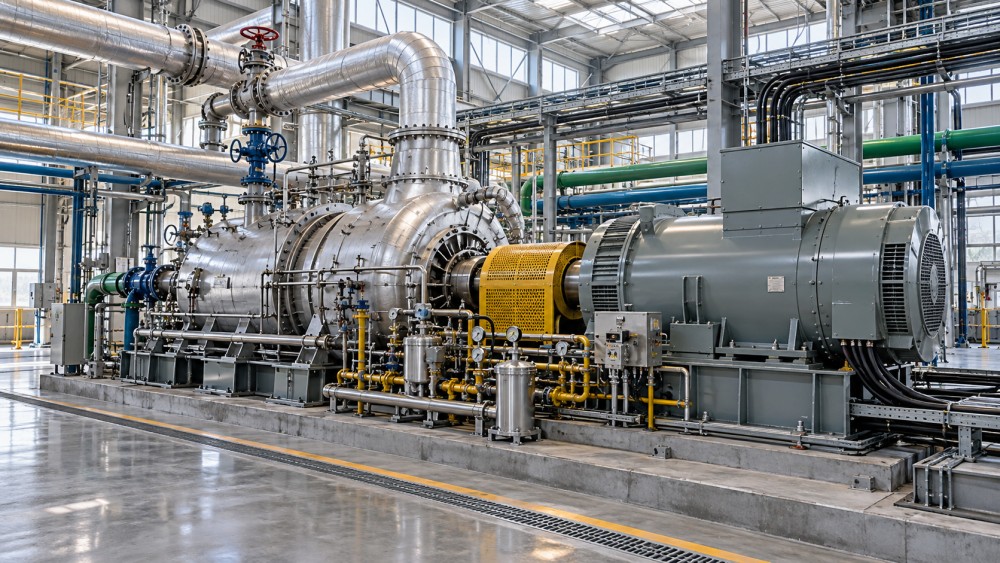
The turbine package is only one component of the investment. A realistic budget may need to include the steam inlet and exhaust piping, isolation and control valves, lubrication systems, gland sealing, drains, condensate equipment, cooling systems, generators, switchgear, transformers, protection systems, instrumentation, foundations, acoustic treatment, and fire protection measures.
Existing infrastructure can reduce some of these costs, but it can also create compatibility issues. An older boiler may not provide stable steam conditions. Existing foundations may not suit the new skid or casing arrangement. Electrical protection and synchronization equipment may need modification before the generator can operate safely with the site network. These conditions should be confirmed during technical due diligence rather than treated as minor installation details.
Engineering, construction, and commissioning
Engineering hours, civil work, lifting, temporary facilities, site supervision, alignment, piping fabrication, testing, operator training, and commissioning are frequently separated from the headline turbine price. They still belong in the project cost.
Commissioning risk has a financial dimension. Delayed synchronization can postpone energy savings or captive generation. Poor alignment, inadequate flushing, contaminated oil, incorrect valve settings, or incomplete control logic can create repeat work and extend the outage window. A budget should distinguish between routine commissioning activities and contingency allowances for site-specific uncertainty.
Steam consumption and energy conversion
The largest operating cost may not appear as a separate turbine invoice. It can arise from the steam required to produce each unit of electricity. The financial model should use performance information applicable to the intended inlet and exhaust conditions, not a generic efficiency figure.
Steam cost should be connected to boiler fuel cost, boiler efficiency, water treatment, blowdown, and the opportunity value of steam used elsewhere in the plant. In a process facility, electricity generation can compete with direct steam use. The correct comparison is not simply power output; it is the value of the complete steam-and-power balance.
Performance should also be examined at part load. A turbine that performs well near its design point may have a different economic result when the plant regularly operates at reduced load. Ask for a clear performance map or contractual guarantee structure covering the operating points that matter financially.
Availability, maintenance, and the price of an outage
Maintenance costs include more than routine inspections. They may involve oil and filter replacement, vibration monitoring, valve servicing, control-system support, coupling inspection, bearing work, balancing, rotor inspection, and major overhauls. The timing of each intervention matters because a planned outage may be scheduled during a low-production period, while an unplanned failure can interrupt both electricity generation and the process using the steam.
For financial review, the expected outage cost should be separated into several parts:
- lost electricity that must be purchased from the grid or replaced by another generator;
- lost process production caused by reduced or unavailable steam service;
- labor, contractor, crane, and emergency logistics costs;
- expedited spare-parts charges and possible import or customs delays;
- restart losses, including fuel, materials, and additional commissioning time.
The same mechanical failure can have very different financial effects at different sites. A plant with grid backup may mainly experience higher electricity costs. A remote industrial facility with limited backup may face a much larger production interruption. Approval models should use the site’s actual fallback arrangements instead of assigning a generic downtime value.
Maintenance planning should also consider parts availability. A technically suitable turbine can become an operational liability if critical bearings, seals, valves, instrumentation, or control components have uncertain lead times. The buyer should clarify which items are standard, which are custom, and which can be sourced or repaired locally.
How to evaluate a supplier without reducing the decision to price
A capable steam turbine supplier should be assessed against the plant’s complete duty and risk profile, not only against the lowest equipment quotation. The review can begin with the supplier’s ability to define performance at the required steam conditions, explain operating limits, identify interface requirements, and provide documentation that supports engineering and financial assumptions.
For a captive power plant, the procurement file should normally request or verify:
- performance data for the specified inlet, exhaust, extraction, and load conditions;
- equipment scope boundaries, including exclusions and owner-supplied items;
- foundation, piping, electrical, cooling, and control interfaces;
- quality documentation for materials, machining, balancing, pressure-related components, and final inspection;
- factory testing and site acceptance procedures appropriate to the equipment scope;
- recommended spare parts, maintenance intervals, special tools, and service requirements;
- delivery milestones, packaging arrangements, installation support, and commissioning responsibilities;
- warranty terms, performance remedies, and procedures for handling defects.
These documents help the finance team identify cost transfer between the quotation and the owner’s budget. For example, a lower equipment price may exclude controls, generator coupling work, field alignment, or commissioning labor. A higher quotation may include a more complete package and reduce integration uncertainty. The comparison should normalize scope before comparing totals.
Contract terms can change the financial outcome
Commercial terms deserve the same attention as technical specifications. Payment milestones affect financing costs and working capital. Currency exposure can affect the final installed cost when equipment, engineering, or spare parts are priced in different currencies. Delivery terms should be checked against packaging, transport, insurance, customs responsibility, and site readiness.
Performance guarantees should be written around measurable conditions. A guarantee that applies only at one ideal operating point may provide limited protection if the plant normally runs at part load or with variable exhaust pressure. The contract should define how testing will be conducted, what instruments and correction methods will be used, and what remedy applies if the agreed performance is not achieved.
Warranty duration alone is not a complete risk indicator. Clarify whether labor, travel, replacement parts, removal, reinstallation, and transport are covered. Also examine exclusions related to steam quality, operating conditions, control-system changes, and maintenance performed by third parties. These details influence the expected cost of ownership even when they do not appear in the initial purchase price.
Build a risk-adjusted lifecycle model
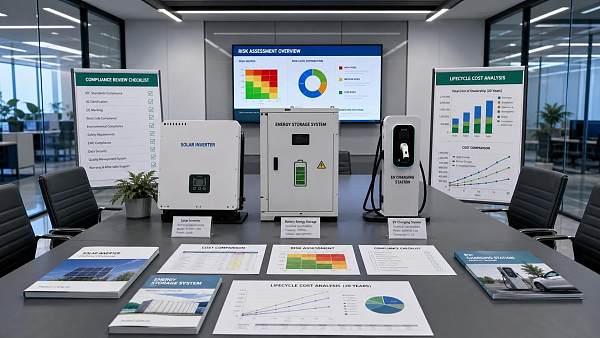
A useful financial model can be organized into five stages: acquisition, installation, operation, maintenance, and end of life. Each stage should contain a base estimate and, where uncertainty is material, a range rather than a single number.
Financial reviewers can then test the project under different conditions: lower operating hours, reduced steam availability, delayed commissioning, higher fuel cost, longer spare-part lead times, or a major overhaul occurring earlier than planned. The purpose is not to predict every event. It is to reveal which assumptions have the greatest influence on the investment case.
Useful decision metrics may include total cost of ownership, levelized cost of generated electricity, payback period, net present value, and cost per operating hour. These metrics should be calculated from transparent assumptions. A short payback based on maximum annual utilization may be misleading if the plant’s steam demand is seasonal or if the turbine is expected to run intermittently.
Questions that should be resolved before approval
Before the investment moves to final authorization, finance and engineering teams should be able to answer several practical questions. What happens to the process if the turbine is unavailable? Is grid power available at a known cost? Can the boiler maintain the required steam quality and pressure? Does the site have the cooling, water, electrical, and foundation capacity needed for the proposed configuration? Which performance assumptions are guaranteed, and which are estimates?
The team should also identify the cost of waiting. A longer procurement process may allow better engineering definition and reduce integration risk, but it can also delay savings or expose the plant to continued electricity purchases. Similarly, choosing a simpler configuration may reduce capital expenditure while increasing dependence on a specific operating pattern. These trade-offs belong in the approval discussion.
The strongest lifecycle evaluation does not seek the lowest initial price in isolation. It selects the option whose technical scope, operating cost, serviceability, documentation, and contractual protection are consistent with the plant’s real duty. When those elements are documented together, the purchase price becomes one input in a broader and more defensible investment decision.
Questions about market trends? Contact Market Scope Live for deeper business insights.
We respect your privacy. Your information is strictly confidential.
Related News
 Global Energy Policy & SourcingEBRD Plans $6 Billion for Turkish Clean Energy Projects Over Five YearsEBRD plans $6 billion for Turkish clean energy projects over five years. Explore potential supply chain opportunities and what businesses should watch.MORE+
 Global Energy Policy & SourcingCOP31 Focuses on Grid Upgrades as Aging Networks Hinder Clean Energy TransitionCOP31 grid upgrades could reshape the clean energy transition. Explore how aging networks and cross-border connections may affect renewable energy projects and suppliers.MORE+
 Global Energy Policy & SourcingIndia Approves 145 Billion Rupee Plan to Support 92 GWh of Energy StorageIndia's energy storage plan commits 145 billion rupees to support 92 GWh by 2030–31. Explore the funding and what it could mean for projects.MORE+
 Global Energy Policy & SourcingChina's Wind and Solar Capacity Reaches 2 Billion kW; 170 Million kW AddedChina's wind and solar capacity reportedly reached 2 billion kW. Explore what the milestone could mean for project procurement, grid integration and suppliers.MORE+
 Global Energy Policy & SourcingSolarPower Europe Urges EU Ministers to Address Root Causes of High Energy PricesSolarPower Europe urges EU ministers to tackle high energy prices through consumer relief, electrification and renewables. Explore its call for action.MORE+
 Global Energy Policy & SourcingAustralia’s Clean Energy Investment Surges as H1 2026 Storage and Generation Hit RecordsAustralia’s clean energy investment hits H1 2026 records in generation financing and battery storage operations. Explore what this means for procurement, project delivery and suppliers.MORE+
 Global Energy Policy & SourcingHow Variable Steam Demand Affects Turbine Sizing in Process PlantsChoosing a steam turbine supplier? Learn how variable steam demand, pressure limits, and part-load efficiency affect turbine sizing—and avoid costly oversizing in your process plant.MORE+
 Global Energy Policy & SourcingSteam Turbine Lifecycle Costs: What to Include Beyond Purchase PriceCompare steam turbine supplier offers beyond purchase price. Explore installation, energy, maintenance and downtime costs to make a smarter lifecycle investment.MORE+
 Global Energy Policy & SourcingGrid Operators in South Africa: Who Runs Transmission and Distribution?Discover the grid operators South Africa relies on, from NTCSA to Eskom and municipalities. Find the right connection route and avoid costly project delays with this practical guide.MORE+
 Global Energy Policy & SourcingChoosing a Medium Voltage Switchgear Factory: Quality Checks Before OrderingChoosing a medium voltage switchgear factory? Discover essential quality checks, test evidence, and acceptance terms to reduce procurement risks before you order.MORE+
 Global Energy Policy & SourcingK9 Ductile Iron Pipe Specifications: Pressure Class and Buyer ChecksBuying K9 ductile iron pipe? Learn how thickness differs from pressure class and which standards, joints, and quality checks to verify before ordering. Avoid costly procurement mistakes.MORE+
 Global Energy Policy & SourcingRenewable Energy Project Procurement: A Practical Bid Evaluation ChecklistRenewable energy project procurement: use this practical bid evaluation checklist to compare compliance, grid readiness, delivery risk, lifecycle cost, and warranties before award.MORE+
 Global Energy Policy & SourcingStrategic Energy Procurement: Which Contract Terms Reduce Price Volatility?Strategic energy procurement insights on contract terms that reduce price volatility, protect budgets, and strengthen financial control. Explore practical risk-management strategies.MORE+
 Global Energy Policy & SourcingEnergy Strategic Sourcing Frameworks for Cost Control and Supply SecurityEnergy strategic sourcing frameworks help control lifetime costs, strengthen supply security, qualify resilient suppliers, and protect energy projects from delays and operational risk.MORE+
 Global Energy Policy & SourcingIOU Strategic Sourcing: Managing Supplier Risk in Utility Energy ContractsIOU strategic sourcing helps investor-owned utilities manage supplier risk, strengthen energy contracts, and protect long-term grid reliability.MORE+
 Global Energy Policy & SourcingPublic Power Strategic Sourcing: Building Transparent Energy Procurement ProgramsPublic power strategic sourcing guide for transparent, resilient energy procurement—improve lifecycle value, supplier accountability, and grid-ready decisions.MORE+
 Global Energy Policy & SourcingU.S. Infrastructure Investors in Clean Energy: Who Funds What Projects?Infrastructure investors in USA are reshaping clean energy funding. Discover who finances solar, storage, grid modernization, and EV charging—and what makes projects investable.MORE+
 Global Energy Policy & SourcingDistribution Transformer Efficiency Regulation Updates: Compliance Steps for UtilitiesDistribution transformer energy efficiency regulation update: learn practical compliance steps, loss-test requirements, and procurement controls for utilities.MORE+
 Global Energy Policy & SourcingEU Grid Code Compliance for Solar and BESS Projects: Key Tests and RequirementsGrid code compliance Europe for solar and BESS projects: discover essential voltage, frequency, ride-through, protection, telemetry and testing requirements for faster connection approval.MORE+
 Global Energy Policy & SourcingKey Technical Parameters That Determine Steam Turbine Suitability for Industrial Cogeneration Projectssteam turbine supplier? Discover the 5 critical technical parameters—exhaust pressure, steam quality tolerance, part-load efficiency & more—that truly determine suitability for industrial cogeneration projects.MORE+
 Global Energy Policy & SourcingSoutheast Asia Energy Project Pipeline: Key Markets, Timelines, and Investment SignalsExplore the energy project pipeline Southeast Asia: key markets, project timelines, grid risks, and investment signals for smarter renewable energy decisions.MORE+
 Global Energy Policy & SourcingIndustrial Energy Users in South Africa: Costs, Supply Risks and TrendsIndustrial energy users in South Africa: explore cost pressures, supply risks, solar, storage and practical strategies to improve resilience and control energy spend.MORE+
 Global Energy Policy & SourcingSteam Turbine Maintenance Checks to Confirm Before Finalizing a PurchaseSteam turbine supplier checklist: confirm maintenance access, spares, oil systems, controls, and service support before purchase to reduce outage risk.MORE+
 Global Energy Policy & SourcingDoes EPEM Provide Regional Data on Clean Energy Project Financing?Does EPEM cover clean energy project financing data by region? Explore regional market, grid, policy, and risk insights to support smarter clean energy investment screening.MORE+
 Global Energy Policy & SourcingDuctile Iron Pipe Acceptance Testing for Water Infrastructure ProjectsDuctile iron pipe acceptance testing guide for water projects: verify standards, traceability, coatings, joints, and hydrostatic tests for reliable compliance.MORE+
 Global Energy Policy & SourcingShould Fleet Charging Depots Use On-Site Solar or Buy Green Power?Should I integrate solar generation directly at a fleet charging depot or buy green power? Explore costs, reliability, storage, and smarter charging strategies.MORE+
 Global Energy Policy & SourcingGlobal Energy Project Pipeline: Where Investment Is Moving Across Solar, Wind, BESS, and EV ChargingGlobal energy project pipeline insights: see where investment is shifting across solar, wind, BESS, and EV charging, and what makes projects bankable, grid-ready, and worth backing.MORE+
 Global Energy Policy & SourcingWhat Does Grid Decarbonization Consulting Cover for Utility-Scale Power Projects?Grid decarbonization consulting helps utility-scale power projects cut emissions, stay grid-compliant, and improve long-term returns. Discover how it supports planning, flexibility, and execution.MORE+
 Global Energy Policy & SourcingWhich Decarbonization Technologies for Industry Deliver the Best ROI by Process Type?Decarbonization technologies for industry deliver the best ROI when matched to process type. Explore electrification, waste heat recovery, fuel switching, and digital upgrades.MORE+
 Global Energy Policy & SourcingChina Launches Green Certificate Price IndexChina Launches Green Certificate Price Index: learn how the new benchmark affects CBAM, ESG compliance, green electricity tracing, and carbon reporting for exporters and global buyers.MORE+
 Global Energy Policy & SourcingHow to Evaluate Renewable Equipment Tenders for Risk, Compliance, and Total CostRenewable equipment tenders require more than price checks. Learn how to assess risk, compliance, and total cost to avoid hidden project issues and choose smarter bids.MORE+
 Global Energy Policy & SourcingCommon Water Waste and Hygiene Issues in Poultry Nipple Drinking SystemsNipple drinking system poultry issues often start with leaks, pressure errors, and hidden biofilm. Learn how to cut water waste, improve hygiene, and protect flock performance.MORE+
 Global Energy Policy & SourcingRenewable Energy Infrastructure Development: Key Policy, Grid, and Financing TrendsRenewable energy infrastructure development is being reshaped by policy reform, grid constraints, and smarter financing—discover the trends driving bankable, future-ready projects.MORE+
 Global Energy Policy & SourcingEquipment Bankability Supplier Review: What Buyers Should Check Before ShortlistingEquipment bankability supplier review: learn what buyers should check before shortlisting, from financial strength and certifications to service support, warranty risk, and real project performance.MORE+
 Global Energy Policy & SourcingPower Project Permitting in Saudi Arabia: Key Approvals, Timelines, and Common DelaysPower project permitting Saudi Arabia explained: key approvals, realistic timelines, and the most common delay risks—plus practical steps to keep energy projects bankable and on schedule.MORE+
 Global Energy Policy & SourcingHow to Evaluate Clean Energy Investment Utility Scale Projects Before Committing CapitalClean energy investment utility scale decisions require more than headline capacity. Discover how to assess grid access, revenue quality, execution risk, and long-term returns before committing capital.MORE+
 Global Energy Policy & SourcingUtility Renewable Energy Infrastructure Explained: Key Assets, Risks, and Build-Out PrioritiesUtility renewable energy infrastructure explained: explore key assets, grid and storage risks, and build-out priorities to improve project bankability, resilience, and long-term value.MORE+
 Global Energy Policy & SourcingAgrivoltaic Systems in France: Land Use Rules, Crop Fit, and Project Planning BasicsAgrivoltaic systems France explained: learn land use rules, crop fit, permitting, and grid basics to assess smarter, more bankable solar-agriculture projects.MORE+
![]() Global Energy Policy & SourcingMicrogrid Project Permitting Checklist: Key Approvals, Studies, and Common DelaysMicrogrid project permitting made practical: explore key approvals, required studies, and the most common delays to keep projects bankable, compliant, and on schedule.MORE+
 Global Energy Policy & SourcingProject Owners Financing Options for Energy Projects: Loans, Leasing, or EPC Credit?Project owners financing options explained: compare loans, leasing, and EPC credit for energy projects to reduce risk, protect cash flow, and choose the smartest funding path.MORE+