Renewable Energy Infrastructure Development: Key Policy, Grid, and Financing Trends
Renewable Energy Infrastructure Development Is Shifting From Capacity Expansion to System Integration
Renewable energy infrastructure development is no longer defined mainly by how many gigawatts of solar and wind can be announced each quarter. The more consequential shift is happening one layer deeper: governments are rewriting market rules around grid access, utilities are prioritizing flexibility alongside generation, and financiers are treating interconnection, curtailment, storage duration, and offtake quality as first-order variables rather than secondary project details.
That change matters because the industry has moved beyond a phase where adding low-cost renewable capacity alone could carry the transition story. In many active markets, project pipelines now collide with slower transmission build-out, transformer shortages, permitting complexity, local content requirements, and the rising need for controllable power. The result is a market where headline installation growth can coexist with tighter project selection and more disciplined capital allocation.
For developers, EPC firms, utilities, equipment suppliers, and investors, the practical question is no longer simply where demand for clean power exists. It is where policy design, grid capability, and financing structures are aligned enough to turn demand into bankable infrastructure.
Policy Is Becoming More Selective, Not Just More Supportive
A few years ago, many renewable policy discussions were still framed around target setting: net-zero dates, renewable portfolio goals, auction volumes, and investment incentives. Those still matter, but they are no longer sufficient indicators of project opportunity. The stronger signal now is whether policy frameworks can support actual system integration.
This is visible across several policy directions already in play globally. Governments are tying incentives more closely to domestic manufacturing or supply-chain resilience. Grid connection queues are being reformed because speculative applications have clogged access. Capacity markets and ancillary service reforms are giving storage and flexible demand a clearer revenue role. In some regions, renewable tenders increasingly favor hybrid projects or dispatchable clean energy profiles rather than standalone generation with weak delivery certainty.
These are not cosmetic adjustments. They change who can compete. A developer with land and module supply is not in the same position as one with land, interconnection progress, storage integration capability, and a credible strategy for local permitting and community acceptance. Policy support is becoming conditional on execution quality.
The US Inflation Reduction Act, the EU’s grid and industrial policy responses, India’s domestic manufacturing push, and ongoing auction redesign in parts of Latin America and the Middle East all point in the same direction: policymakers want clean energy investment, but they increasingly want it paired with industrial capacity, grid reliability, and system value. That creates opportunity, but it also narrows the room for purely opportunistic project development.
The Grid Has Become the Real Pace Setter
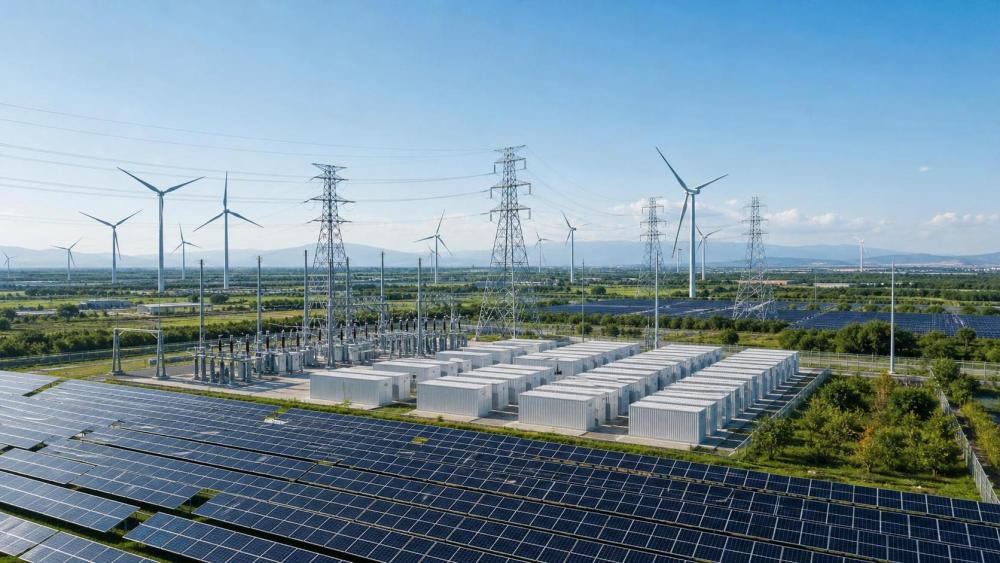
The most underestimated constraint in renewable energy infrastructure development is still the grid. Public discussion often treats generation, storage, EV charging, and distributed energy as separate markets. In practice, they are converging on the same physical network, and that network was not designed for high volumes of variable, bidirectional, digitally controlled power flows.
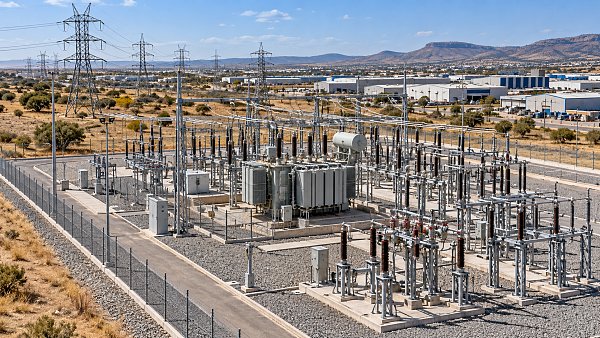
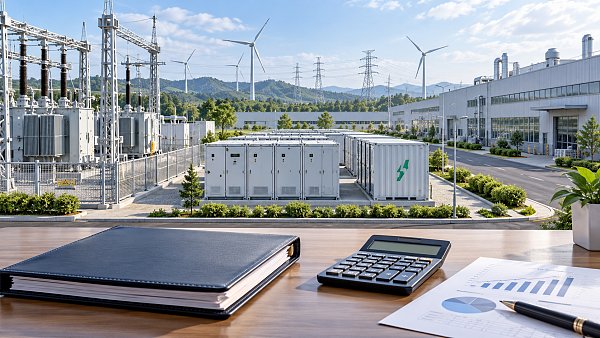
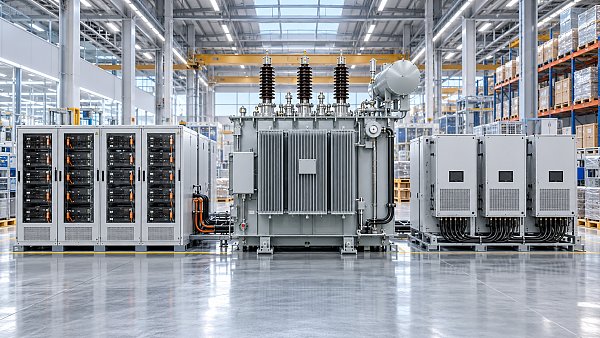
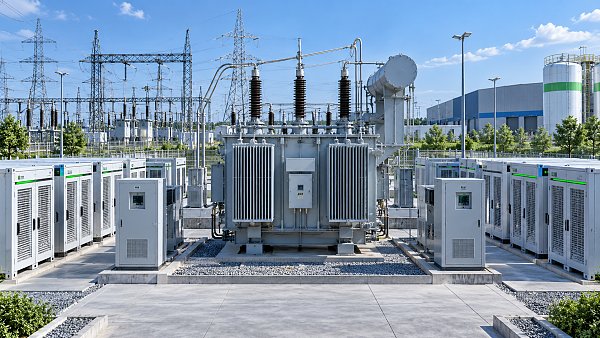
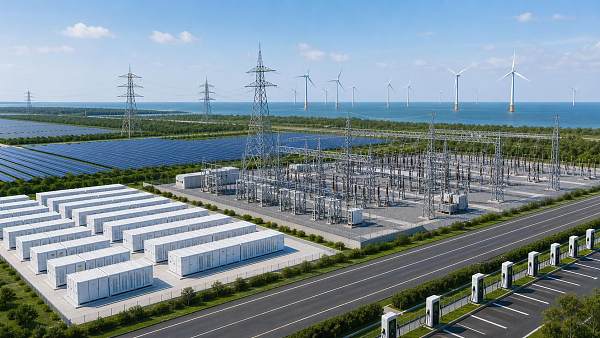
This is why transmission corridors, substation upgrades, power electronics, advanced transformers, protection systems, and grid software are attracting more strategic attention. The issue is not only congestion in large renewable zones. Distribution networks are also under pressure from rooftop solar, commercial storage, heat electrification, fleet charging, and new industrial loads such as data centers. In some markets, the bottleneck has shifted from generation economics to hosting capacity.
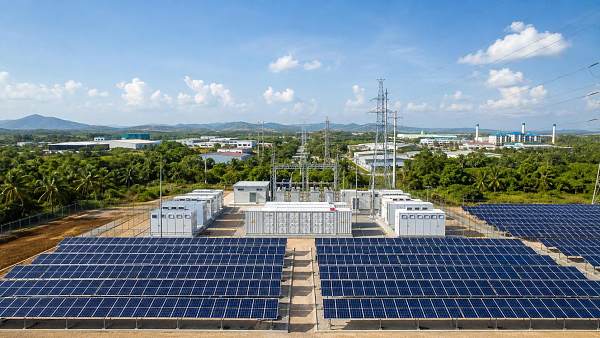
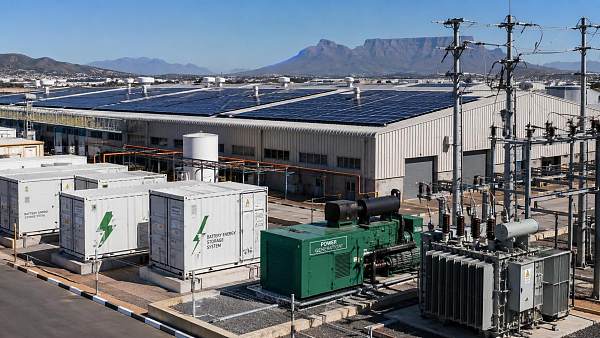
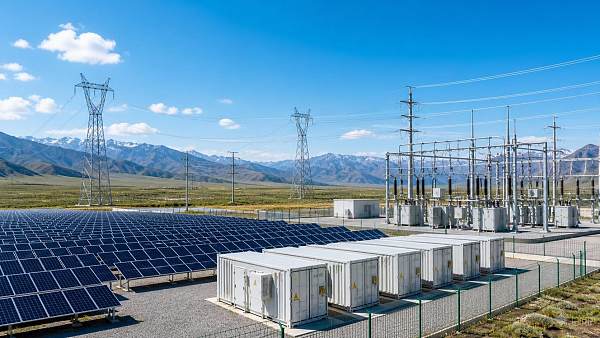
For business decision-makers, one implication stands out: projects that can reduce grid stress or operate around it may clear faster than projects that simply add more megawatts. Co-located storage, demand response, microgrids, flexible interconnection arrangements, and energy management platforms are becoming commercially relevant because they solve a system problem, not just a technology problem.
There is also a procurement consequence. Utilities and project owners are scrutinizing inverter performance, grid-forming capability, controls interoperability, reactive power management, cybersecurity, and dispatch visibility more closely than they did when renewables were still a smaller share of the generation mix. Equipment is being judged less as an isolated hardware purchase and more as part of a controllable network asset.
Financing Is More Available, but Less Forgiving
Capital still wants exposure to energy transition infrastructure, but the terms have changed. Higher interest rates over the past cycle, more volatile equipment pricing, merchant power uncertainty in some markets, and construction delays have made investors more sensitive to project fundamentals. The easy assumption that renewable assets are always straightforward to finance has weakened.
Lenders and equity partners are paying closer attention to revenue stacking assumptions in battery storage, interconnection timing risk, curtailment exposure, EPC wrap strength, and the bankability of new technology choices. Even where clean energy remains politically favored, financiers want better evidence that policy support will survive election cycles, permitting disputes, or supply-chain interruptions.
That does not mean the market is closing. It means the winning profile is changing. Projects linked to long-term offtake, grid-constrained demand centers, utility procurement programs, or industrial decarbonization loads may attract stronger financing interest than merchant-heavy developments in crowded renewable zones. The same is true for portfolios that combine generation with storage or controlled consumption, because they tend to offer a clearer operational logic.
There is a second-order effect here for suppliers. Buyers are asking harder questions about lifecycle performance, warranty structure, spare parts availability, fire safety integration, SCADA compatibility, and long-term service capability. In a tighter financing environment, technical uncertainty translates more directly into cost of capital.
Storage, Charging, and Distributed Energy Are Moving Into the Core Infrastructure Conversation
One of the clearest market changes is that battery storage, EV charging infrastructure, and distributed energy systems are no longer peripheral add-ons to renewable generation. They are increasingly part of the same infrastructure planning logic.
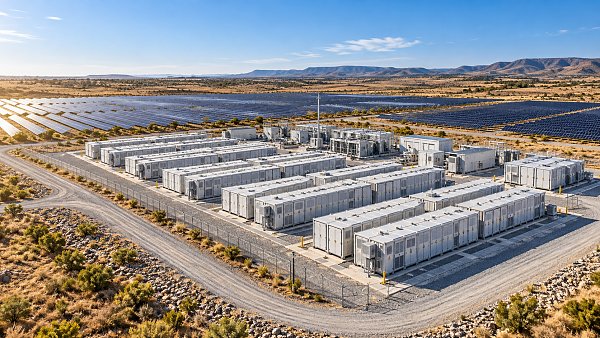
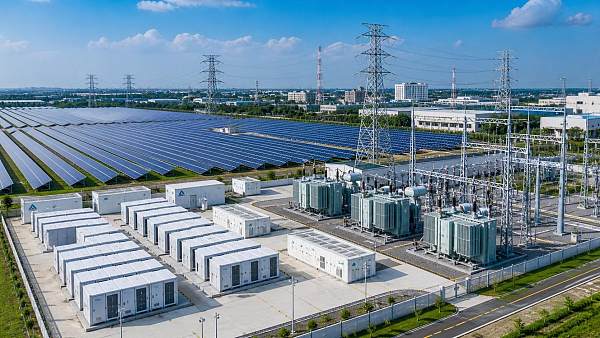
Battery energy storage has moved beyond a simple arbitrage narrative. In many markets, its strongest value lies in congestion relief, ancillary services, renewable firming, capacity adequacy, and deferral of network upgrades. That is why storage procurement is expanding not only from independent power producers but also from utilities, transmission-linked programs, and commercial users seeking resilience or peak demand control.
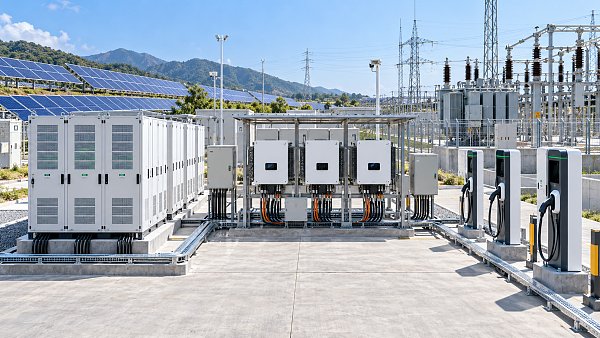
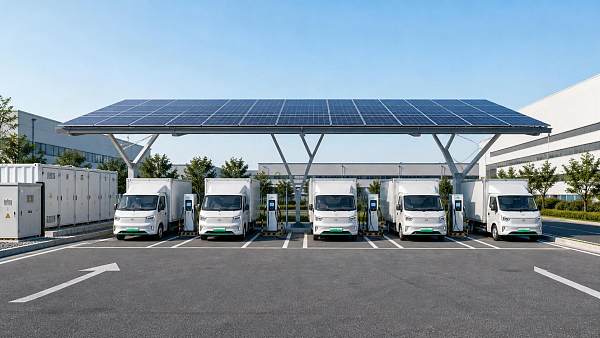
EV charging is following a similar path. Fast-charging hubs, fleet depots, logistics yards, and highway corridors cannot be evaluated as stand-alone real estate deployments anymore. Their economics depend heavily on transformer access, demand charges, utilization ramp, software control, and in some cases on-site solar or battery integration. The strongest charging infrastructure models are increasingly those designed as managed energy assets rather than isolated charging points.
Distributed energy is also becoming more strategic for commercial and industrial users. Where grid power is expensive, unreliable, carbon-sensitive, or constrained by expansion delays, behind-the-meter solar-plus-storage, microgrids, and energy management systems are attracting more serious board-level attention. This demand is not uniform globally, but it is broad enough to matter. It reflects a deeper market preference for controllability.
What Decision-Makers Should Watch Now
The next phase of renewable infrastructure growth will likely be decided less by ambition statements and more by operational signals. Several are worth tracking closely:
Watching these signals gives a better read on market direction than tracking renewable targets alone. Ambition without grid access, bankable contracts, or equipment availability does not build infrastructure.
A More Disciplined Market, Not a Slower One
The current phase of renewable energy infrastructure development is more demanding than the last one, but not weaker. Demand for electrification, decarbonization, and resilient power systems is still expanding. What has changed is the standard for turning demand into investable assets.
The strongest positions over the next few years are likely to belong to companies that understand infrastructure as a connected stack: policy compliance, grid fit, digital controls, delivery capability, and financing readiness. Businesses that still evaluate solar, storage, charging, and grid modernization as separate verticals may miss where value is actually moving.
A useful question for the next planning cycle is simple: which projects in the pipeline solve a real power-system constraint, and which only assume the system will adapt around them? In the current market, that distinction is becoming commercially decisive.
- renewable energy
- EV charging infrastructure
- grid modernization
- microgrids
- energy management systems
- distributed energy systems
- demand response
- grid connection
- energy transition
- rooftop solar
- energy storage
- fleet charging
- project development
- switchgear
- energy management platforms
- renewable energy infrastructure
- clean energy investment
- project owners
- distributed energy
- charging hubs
- power electronics
- renewable energy infrastructure development
Questions about market trends? Contact Market Scope Live for deeper business insights.
We respect your privacy. Your information is strictly confidential.
Related News
 Global Energy Policy & SourcingEBRD Plans $6 Billion for Turkish Clean Energy Projects Over Five YearsEBRD plans $6 billion for Turkish clean energy projects over five years. Explore potential supply chain opportunities and what businesses should watch.MORE+
 Global Energy Policy & SourcingCOP31 Focuses on Grid Upgrades as Aging Networks Hinder Clean Energy TransitionCOP31 grid upgrades could reshape the clean energy transition. Explore how aging networks and cross-border connections may affect renewable energy projects and suppliers.MORE+
 Global Energy Policy & SourcingIndia Approves 145 Billion Rupee Plan to Support 92 GWh of Energy StorageIndia's energy storage plan commits 145 billion rupees to support 92 GWh by 2030–31. Explore the funding and what it could mean for projects.MORE+
 Global Energy Policy & SourcingChina's Wind and Solar Capacity Reaches 2 Billion kW; 170 Million kW AddedChina's wind and solar capacity reportedly reached 2 billion kW. Explore what the milestone could mean for project procurement, grid integration and suppliers.MORE+
 Global Energy Policy & SourcingSolarPower Europe Urges EU Ministers to Address Root Causes of High Energy PricesSolarPower Europe urges EU ministers to tackle high energy prices through consumer relief, electrification and renewables. Explore its call for action.MORE+
 Global Energy Policy & SourcingAustralia’s Clean Energy Investment Surges as H1 2026 Storage and Generation Hit RecordsAustralia’s clean energy investment hits H1 2026 records in generation financing and battery storage operations. Explore what this means for procurement, project delivery and suppliers.MORE+
 Global Energy Policy & SourcingHow Variable Steam Demand Affects Turbine Sizing in Process PlantsChoosing a steam turbine supplier? Learn how variable steam demand, pressure limits, and part-load efficiency affect turbine sizing—and avoid costly oversizing in your process plant.MORE+
 Global Energy Policy & SourcingSteam Turbine Lifecycle Costs: What to Include Beyond Purchase PriceCompare steam turbine supplier offers beyond purchase price. Explore installation, energy, maintenance and downtime costs to make a smarter lifecycle investment.MORE+
 Global Energy Policy & SourcingGrid Operators in South Africa: Who Runs Transmission and Distribution?Discover the grid operators South Africa relies on, from NTCSA to Eskom and municipalities. Find the right connection route and avoid costly project delays with this practical guide.MORE+
 Global Energy Policy & SourcingChoosing a Medium Voltage Switchgear Factory: Quality Checks Before OrderingChoosing a medium voltage switchgear factory? Discover essential quality checks, test evidence, and acceptance terms to reduce procurement risks before you order.MORE+
 Global Energy Policy & SourcingK9 Ductile Iron Pipe Specifications: Pressure Class and Buyer ChecksBuying K9 ductile iron pipe? Learn how thickness differs from pressure class and which standards, joints, and quality checks to verify before ordering. Avoid costly procurement mistakes.MORE+
 Global Energy Policy & SourcingRenewable Energy Project Procurement: A Practical Bid Evaluation ChecklistRenewable energy project procurement: use this practical bid evaluation checklist to compare compliance, grid readiness, delivery risk, lifecycle cost, and warranties before award.MORE+
 Global Energy Policy & SourcingStrategic Energy Procurement: Which Contract Terms Reduce Price Volatility?Strategic energy procurement insights on contract terms that reduce price volatility, protect budgets, and strengthen financial control. Explore practical risk-management strategies.MORE+
 Global Energy Policy & SourcingEnergy Strategic Sourcing Frameworks for Cost Control and Supply SecurityEnergy strategic sourcing frameworks help control lifetime costs, strengthen supply security, qualify resilient suppliers, and protect energy projects from delays and operational risk.MORE+
 Global Energy Policy & SourcingIOU Strategic Sourcing: Managing Supplier Risk in Utility Energy ContractsIOU strategic sourcing helps investor-owned utilities manage supplier risk, strengthen energy contracts, and protect long-term grid reliability.MORE+
 Global Energy Policy & SourcingPublic Power Strategic Sourcing: Building Transparent Energy Procurement ProgramsPublic power strategic sourcing guide for transparent, resilient energy procurement—improve lifecycle value, supplier accountability, and grid-ready decisions.MORE+
 Global Energy Policy & SourcingU.S. Infrastructure Investors in Clean Energy: Who Funds What Projects?Infrastructure investors in USA are reshaping clean energy funding. Discover who finances solar, storage, grid modernization, and EV charging—and what makes projects investable.MORE+
 Global Energy Policy & SourcingDistribution Transformer Efficiency Regulation Updates: Compliance Steps for UtilitiesDistribution transformer energy efficiency regulation update: learn practical compliance steps, loss-test requirements, and procurement controls for utilities.MORE+
 Global Energy Policy & SourcingEU Grid Code Compliance for Solar and BESS Projects: Key Tests and RequirementsGrid code compliance Europe for solar and BESS projects: discover essential voltage, frequency, ride-through, protection, telemetry and testing requirements for faster connection approval.MORE+
 Global Energy Policy & SourcingKey Technical Parameters That Determine Steam Turbine Suitability for Industrial Cogeneration Projectssteam turbine supplier? Discover the 5 critical technical parameters—exhaust pressure, steam quality tolerance, part-load efficiency & more—that truly determine suitability for industrial cogeneration projects.MORE+
 Global Energy Policy & SourcingSoutheast Asia Energy Project Pipeline: Key Markets, Timelines, and Investment SignalsExplore the energy project pipeline Southeast Asia: key markets, project timelines, grid risks, and investment signals for smarter renewable energy decisions.MORE+
 Global Energy Policy & SourcingIndustrial Energy Users in South Africa: Costs, Supply Risks and TrendsIndustrial energy users in South Africa: explore cost pressures, supply risks, solar, storage and practical strategies to improve resilience and control energy spend.MORE+
 Global Energy Policy & SourcingSteam Turbine Maintenance Checks to Confirm Before Finalizing a PurchaseSteam turbine supplier checklist: confirm maintenance access, spares, oil systems, controls, and service support before purchase to reduce outage risk.MORE+
 Global Energy Policy & SourcingDoes EPEM Provide Regional Data on Clean Energy Project Financing?Does EPEM cover clean energy project financing data by region? Explore regional market, grid, policy, and risk insights to support smarter clean energy investment screening.MORE+
 Global Energy Policy & SourcingDuctile Iron Pipe Acceptance Testing for Water Infrastructure ProjectsDuctile iron pipe acceptance testing guide for water projects: verify standards, traceability, coatings, joints, and hydrostatic tests for reliable compliance.MORE+
 Global Energy Policy & SourcingShould Fleet Charging Depots Use On-Site Solar or Buy Green Power?Should I integrate solar generation directly at a fleet charging depot or buy green power? Explore costs, reliability, storage, and smarter charging strategies.MORE+
 Global Energy Policy & SourcingGlobal Energy Project Pipeline: Where Investment Is Moving Across Solar, Wind, BESS, and EV ChargingGlobal energy project pipeline insights: see where investment is shifting across solar, wind, BESS, and EV charging, and what makes projects bankable, grid-ready, and worth backing.MORE+
 Global Energy Policy & SourcingWhat Does Grid Decarbonization Consulting Cover for Utility-Scale Power Projects?Grid decarbonization consulting helps utility-scale power projects cut emissions, stay grid-compliant, and improve long-term returns. Discover how it supports planning, flexibility, and execution.MORE+
 Global Energy Policy & SourcingWhich Decarbonization Technologies for Industry Deliver the Best ROI by Process Type?Decarbonization technologies for industry deliver the best ROI when matched to process type. Explore electrification, waste heat recovery, fuel switching, and digital upgrades.MORE+
 Global Energy Policy & SourcingChina Launches Green Certificate Price IndexChina Launches Green Certificate Price Index: learn how the new benchmark affects CBAM, ESG compliance, green electricity tracing, and carbon reporting for exporters and global buyers.MORE+
 Global Energy Policy & SourcingHow to Evaluate Renewable Equipment Tenders for Risk, Compliance, and Total CostRenewable equipment tenders require more than price checks. Learn how to assess risk, compliance, and total cost to avoid hidden project issues and choose smarter bids.MORE+
 Global Energy Policy & SourcingCommon Water Waste and Hygiene Issues in Poultry Nipple Drinking SystemsNipple drinking system poultry issues often start with leaks, pressure errors, and hidden biofilm. Learn how to cut water waste, improve hygiene, and protect flock performance.MORE+
 Global Energy Policy & SourcingRenewable Energy Infrastructure Development: Key Policy, Grid, and Financing TrendsRenewable energy infrastructure development is being reshaped by policy reform, grid constraints, and smarter financing—discover the trends driving bankable, future-ready projects.MORE+
 Global Energy Policy & SourcingEquipment Bankability Supplier Review: What Buyers Should Check Before ShortlistingEquipment bankability supplier review: learn what buyers should check before shortlisting, from financial strength and certifications to service support, warranty risk, and real project performance.MORE+
 Global Energy Policy & SourcingPower Project Permitting in Saudi Arabia: Key Approvals, Timelines, and Common DelaysPower project permitting Saudi Arabia explained: key approvals, realistic timelines, and the most common delay risks—plus practical steps to keep energy projects bankable and on schedule.MORE+
 Global Energy Policy & SourcingHow to Evaluate Clean Energy Investment Utility Scale Projects Before Committing CapitalClean energy investment utility scale decisions require more than headline capacity. Discover how to assess grid access, revenue quality, execution risk, and long-term returns before committing capital.MORE+
 Global Energy Policy & SourcingUtility Renewable Energy Infrastructure Explained: Key Assets, Risks, and Build-Out PrioritiesUtility renewable energy infrastructure explained: explore key assets, grid and storage risks, and build-out priorities to improve project bankability, resilience, and long-term value.MORE+
 Global Energy Policy & SourcingAgrivoltaic Systems in France: Land Use Rules, Crop Fit, and Project Planning BasicsAgrivoltaic systems France explained: learn land use rules, crop fit, permitting, and grid basics to assess smarter, more bankable solar-agriculture projects.MORE+
![]() Global Energy Policy & SourcingMicrogrid Project Permitting Checklist: Key Approvals, Studies, and Common DelaysMicrogrid project permitting made practical: explore key approvals, required studies, and the most common delays to keep projects bankable, compliant, and on schedule.MORE+
 Global Energy Policy & SourcingProject Owners Financing Options for Energy Projects: Loans, Leasing, or EPC Credit?Project owners financing options explained: compare loans, leasing, and EPC credit for energy projects to reduce risk, protect cash flow, and choose the smartest funding path.MORE+