
Key Technical Parameters That Determine Steam Turbine Suitability for Industrial Cogeneration Projects
steam turbine supplier? Discover the 5 critical technical parameters—exhaust pressure, steam quality tolerance, part-load efficiency & more—that truly determine suitability for industrial cogeneration projects.
Steam Turbine Suitability in Industrial Cogeneration: What Technical Parameters Actually Matter
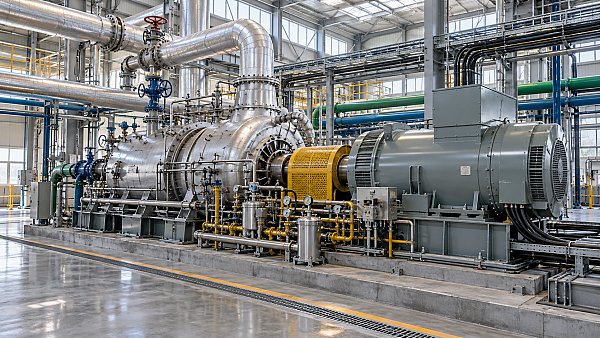
Industrial cogeneration—simultaneous production of electricity and usable thermal energy—is increasingly central to energy efficiency mandates, carbon reduction targets, and operational cost control. Yet many projects stall not at the feasibility stage, but during equipment selection—particularly when evaluating steam turbines for integration into process heat recovery loops, biomass-fired boiler systems, or waste-heat-to-power configurations. Technical assessment isn’t about maximizing rated output; it’s about matching turbine behavior to dynamic plant conditions over decades of operation.
Exhaust Pressure and Backpressure Stability Define Thermal Integration
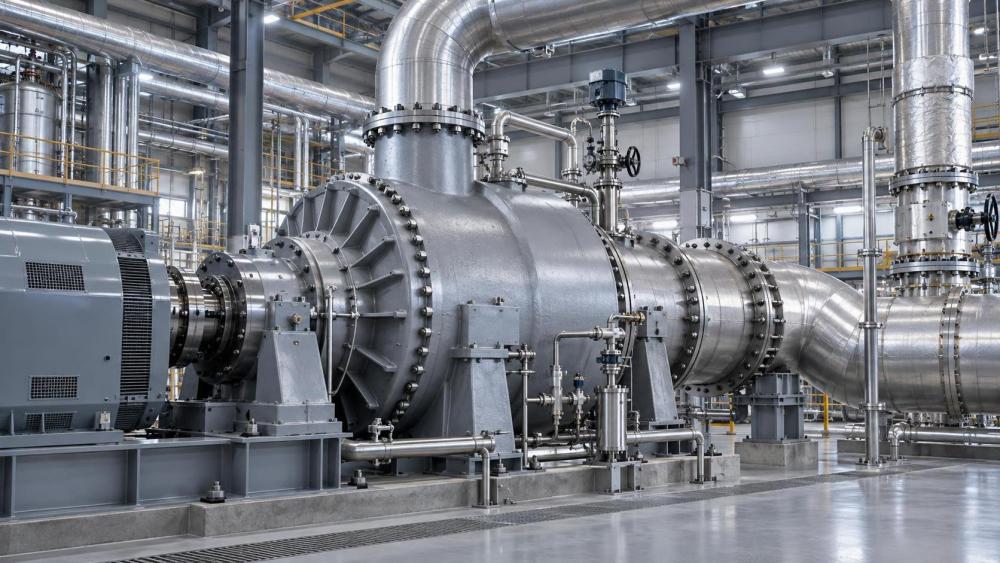
Unlike utility-scale condensing turbines optimized for vacuum exhaust, industrial cogeneration units often operate under backpressure or controlled extraction. The exhaust pressure must align precisely with downstream thermal loads—e.g., steam required for drying, distillation, or district heating networks. A 0.2 bar deviation can force bypass valves into continuous modulation, degrading cycle efficiency and accelerating valve wear. More critically, turbine response to load fluctuations matters: if exhaust pressure rises rapidly during a process steam demand dip, uncontrolled backpressure may trigger safety trips—or worse, induce thermal shock in connected piping. Turbines with narrow operating bands around design backpressure require tighter control logic and more robust governor tuning. Assessment should include full-load to 30% partial-load exhaust pressure curves—not just nameplate values—and verify whether the unit maintains stable operation across expected steam flow variations without excessive throttling or recirculation.
Steam Quality Tolerance Determines Long-Term Reliability
Industrial sources rarely deliver utility-grade steam. Biomass boilers produce steam with higher moisture content and alkaline carryover; waste-heat recovery units generate low-pressure steam prone to temperature instability and particulate ingress. Blade erosion, nozzle clogging, and corrosion fatigue accelerate when turbine materials and geometry aren’t matched to actual inlet conditions. Standard stainless steel blades tolerate dryness fractions ≥0.95; below that, nickel-alloy rotor components or hydrophobic coating on stationary nozzles become necessary—not optional upgrades. Similarly, solid particle erosion (SPE) resistance depends less on nominal steam purity than on the frequency and duration of transient wet-steam events. A turbine rated for 40 bar/400°C may fail prematurely if its last-stage blade profile lacks adequate water separation geometry—even with identical thermodynamic specs. Reviewing material certifications (ASTM A470, ISO 15643), surface finish reports, and documented field performance in similar steam quality environments carries more weight than catalogued efficiency figures.
Part-Load Efficiency Curve Impacts Annual Energy Yield
Cogeneration plants rarely run at constant base load. Batch processes, seasonal demand shifts, and intermittent feedstock availability mean turbines spend significant time between 40% and 80% of rated capacity. Yet most published efficiency data refers only to full-load ISO conditions—masking steep drops at partial load. A turbine achieving 78% isentropic efficiency at 100% may fall to 62% at 50%, while another design holds 71% across the same range. That difference translates directly into avoided fuel consumption and lower emissions per MWh generated. The shape of the efficiency curve depends on blade design (reaction vs. impulse staging), reheat capability, and whether governing is achieved via nozzle control or throttle valves. For plants with frequent load cycling, variable-speed drive compatibility and low-flow stability thresholds matter more than peak efficiency. Verify manufacturer-provided part-load maps—not interpolated estimates—and cross-check against real-world site data where available.
Startup and Transient Response Time Affects Operational Flexibility
Modern industrial facilities prioritize responsiveness. A turbine requiring 45 minutes to reach full load from cold start limits plant agility during shift changes or feedstock transitions. But “startup time” alone is misleading. Critical metrics include time to safe mechanical synchronization (rotor thermal gradient ≤50°C/mm), time to stable exhaust pressure (±0.05 bar tolerance), and time to rated electrical output within ±2% regulation band. These depend on rotor mass distribution, bearing cooling design, and governor loop latency—not just control system firmware. In combined heat and power (CHP) applications, mismatched startup profiles between turbine and boiler can cause dangerous pressure surges or extended periods of suboptimal steam utilization. Assess transient behavior using documented cold/hot/warm start protocols—not marketing claims—and confirm whether control logic allows staged ramping to avoid thermal stress accumulation in critical components.
Mechanical Interface Requirements Shape Installation Feasibility
Turbine selection extends beyond thermodynamics. Shaft alignment tolerances, foundation bolt patterns, coupling specifications, and oil system interconnections dictate civil works scope and commissioning complexity. A compact, single-casing turbine may reduce footprint but impose stricter alignment requirements than a two-casing unit with independent bearing supports. Similarly, integrated lube oil skids simplify piping but limit maintenance access—especially where space constraints prevent crane coverage. Exhaust ducting geometry affects backpressure losses; non-standard flange dimensions may require custom expansion joints, increasing both cost and leak risk. Technical evaluation must include dimensional drawings, piping stress analysis inputs, and interface documentation—not just performance sheets—to avoid costly field modifications or schedule delays.
Selecting a Steam Turbine Supplier Requires Technical Continuity
Technical parameters don’t exist in isolation. They reflect design choices made during mechanical engineering, materials selection, and control architecture development. A supplier’s ability to deliver consistent performance hinges on traceable manufacturing practices, validated test protocols, and field service depth—not just cataloged specifications. When reviewing proposals, examine whether the steam turbine supplier provides full thermodynamic models—not just point-data tables—enabling independent verification of part-load behavior. Check if rotor balancing reports, blade modal analysis summaries, and vibration signature baselines are included in standard documentation packages. Confirm whether spare parts for critical wear components (governor valves, thrust bearings, labyrinth seals) are held in regional inventory—not just sourced on demand. These elements determine whether a technically suitable turbine remains operationally viable over its lifecycle.
Risk Mitigation Starts Before Procurement
Common oversights include treating turbine selection as a standalone procurement rather than an integrated system decision. Ignoring condensate return temperature impact on boiler efficiency, underestimating piping pressure drop contributions to exhaust backpressure, or assuming standard insulation thickness suffices for low-pressure exhaust lines all introduce hidden performance penalties. A turbine meeting all technical parameters on paper may underperform by 8–12% annually if interface assumptions prove inaccurate. Pre-bid site surveys should include steam quality sampling (not just pressure/temperature logging), thermal imaging of existing piping routes, and verification of grid connection voltage regulation capability. Where possible, require suppliers to submit dynamic simulation outputs—not static snapshots—for load-following scenarios relevant to the specific process.
The suitability of a steam turbine for industrial cogeneration isn’t determined by any single parameter. It emerges from how exhaust pressure stability interacts with process variability, how material selection accommodates real-world steam quality, and how mechanical interfaces support long-term maintainability. Technical assessment must move beyond spec sheet comparisons to examine behavior under transient conditions, interface constraints, and lifecycle serviceability. Only then does selection become predictive—not reactive.
Questions about market trends? Contact Market Scope Live for deeper business insights.
We respect your privacy. Your information is strictly confidential.
Related News
 Global Energy Policy & SourcingEBRD Plans $6 Billion for Turkish Clean Energy Projects Over Five YearsEBRD plans $6 billion for Turkish clean energy projects over five years. Explore potential supply chain opportunities and what businesses should watch.MORE+
 Global Energy Policy & SourcingCOP31 Focuses on Grid Upgrades as Aging Networks Hinder Clean Energy TransitionCOP31 grid upgrades could reshape the clean energy transition. Explore how aging networks and cross-border connections may affect renewable energy projects and suppliers.MORE+
 Global Energy Policy & SourcingIndia Approves 145 Billion Rupee Plan to Support 92 GWh of Energy StorageIndia's energy storage plan commits 145 billion rupees to support 92 GWh by 2030–31. Explore the funding and what it could mean for projects.MORE+
 Global Energy Policy & SourcingChina's Wind and Solar Capacity Reaches 2 Billion kW; 170 Million kW AddedChina's wind and solar capacity reportedly reached 2 billion kW. Explore what the milestone could mean for project procurement, grid integration and suppliers.MORE+
 Global Energy Policy & SourcingSolarPower Europe Urges EU Ministers to Address Root Causes of High Energy PricesSolarPower Europe urges EU ministers to tackle high energy prices through consumer relief, electrification and renewables. Explore its call for action.MORE+
 Global Energy Policy & SourcingAustralia’s Clean Energy Investment Surges as H1 2026 Storage and Generation Hit RecordsAustralia’s clean energy investment hits H1 2026 records in generation financing and battery storage operations. Explore what this means for procurement, project delivery and suppliers.MORE+
 Global Energy Policy & SourcingHow Variable Steam Demand Affects Turbine Sizing in Process PlantsChoosing a steam turbine supplier? Learn how variable steam demand, pressure limits, and part-load efficiency affect turbine sizing—and avoid costly oversizing in your process plant.MORE+
 Global Energy Policy & SourcingSteam Turbine Lifecycle Costs: What to Include Beyond Purchase PriceCompare steam turbine supplier offers beyond purchase price. Explore installation, energy, maintenance and downtime costs to make a smarter lifecycle investment.MORE+
 Global Energy Policy & SourcingGrid Operators in South Africa: Who Runs Transmission and Distribution?Discover the grid operators South Africa relies on, from NTCSA to Eskom and municipalities. Find the right connection route and avoid costly project delays with this practical guide.MORE+
 Global Energy Policy & SourcingChoosing a Medium Voltage Switchgear Factory: Quality Checks Before OrderingChoosing a medium voltage switchgear factory? Discover essential quality checks, test evidence, and acceptance terms to reduce procurement risks before you order.MORE+
 Global Energy Policy & SourcingK9 Ductile Iron Pipe Specifications: Pressure Class and Buyer ChecksBuying K9 ductile iron pipe? Learn how thickness differs from pressure class and which standards, joints, and quality checks to verify before ordering. Avoid costly procurement mistakes.MORE+
 Global Energy Policy & SourcingRenewable Energy Project Procurement: A Practical Bid Evaluation ChecklistRenewable energy project procurement: use this practical bid evaluation checklist to compare compliance, grid readiness, delivery risk, lifecycle cost, and warranties before award.MORE+
 Global Energy Policy & SourcingStrategic Energy Procurement: Which Contract Terms Reduce Price Volatility?Strategic energy procurement insights on contract terms that reduce price volatility, protect budgets, and strengthen financial control. Explore practical risk-management strategies.MORE+
 Global Energy Policy & SourcingEnergy Strategic Sourcing Frameworks for Cost Control and Supply SecurityEnergy strategic sourcing frameworks help control lifetime costs, strengthen supply security, qualify resilient suppliers, and protect energy projects from delays and operational risk.MORE+
 Global Energy Policy & SourcingIOU Strategic Sourcing: Managing Supplier Risk in Utility Energy ContractsIOU strategic sourcing helps investor-owned utilities manage supplier risk, strengthen energy contracts, and protect long-term grid reliability.MORE+
 Global Energy Policy & SourcingPublic Power Strategic Sourcing: Building Transparent Energy Procurement ProgramsPublic power strategic sourcing guide for transparent, resilient energy procurement—improve lifecycle value, supplier accountability, and grid-ready decisions.MORE+
 Global Energy Policy & SourcingU.S. Infrastructure Investors in Clean Energy: Who Funds What Projects?Infrastructure investors in USA are reshaping clean energy funding. Discover who finances solar, storage, grid modernization, and EV charging—and what makes projects investable.MORE+
 Global Energy Policy & SourcingDistribution Transformer Efficiency Regulation Updates: Compliance Steps for UtilitiesDistribution transformer energy efficiency regulation update: learn practical compliance steps, loss-test requirements, and procurement controls for utilities.MORE+
 Global Energy Policy & SourcingEU Grid Code Compliance for Solar and BESS Projects: Key Tests and RequirementsGrid code compliance Europe for solar and BESS projects: discover essential voltage, frequency, ride-through, protection, telemetry and testing requirements for faster connection approval.MORE+
 Global Energy Policy & SourcingKey Technical Parameters That Determine Steam Turbine Suitability for Industrial Cogeneration Projectssteam turbine supplier? Discover the 5 critical technical parameters—exhaust pressure, steam quality tolerance, part-load efficiency & more—that truly determine suitability for industrial cogeneration projects.MORE+
 Global Energy Policy & SourcingSoutheast Asia Energy Project Pipeline: Key Markets, Timelines, and Investment SignalsExplore the energy project pipeline Southeast Asia: key markets, project timelines, grid risks, and investment signals for smarter renewable energy decisions.MORE+
 Global Energy Policy & SourcingIndustrial Energy Users in South Africa: Costs, Supply Risks and TrendsIndustrial energy users in South Africa: explore cost pressures, supply risks, solar, storage and practical strategies to improve resilience and control energy spend.MORE+
 Global Energy Policy & SourcingSteam Turbine Maintenance Checks to Confirm Before Finalizing a PurchaseSteam turbine supplier checklist: confirm maintenance access, spares, oil systems, controls, and service support before purchase to reduce outage risk.MORE+
 Global Energy Policy & SourcingDoes EPEM Provide Regional Data on Clean Energy Project Financing?Does EPEM cover clean energy project financing data by region? Explore regional market, grid, policy, and risk insights to support smarter clean energy investment screening.MORE+
 Global Energy Policy & SourcingDuctile Iron Pipe Acceptance Testing for Water Infrastructure ProjectsDuctile iron pipe acceptance testing guide for water projects: verify standards, traceability, coatings, joints, and hydrostatic tests for reliable compliance.MORE+
 Global Energy Policy & SourcingShould Fleet Charging Depots Use On-Site Solar or Buy Green Power?Should I integrate solar generation directly at a fleet charging depot or buy green power? Explore costs, reliability, storage, and smarter charging strategies.MORE+
 Global Energy Policy & SourcingGlobal Energy Project Pipeline: Where Investment Is Moving Across Solar, Wind, BESS, and EV ChargingGlobal energy project pipeline insights: see where investment is shifting across solar, wind, BESS, and EV charging, and what makes projects bankable, grid-ready, and worth backing.MORE+
 Global Energy Policy & SourcingWhat Does Grid Decarbonization Consulting Cover for Utility-Scale Power Projects?Grid decarbonization consulting helps utility-scale power projects cut emissions, stay grid-compliant, and improve long-term returns. Discover how it supports planning, flexibility, and execution.MORE+
 Global Energy Policy & SourcingWhich Decarbonization Technologies for Industry Deliver the Best ROI by Process Type?Decarbonization technologies for industry deliver the best ROI when matched to process type. Explore electrification, waste heat recovery, fuel switching, and digital upgrades.MORE+
 Global Energy Policy & SourcingChina Launches Green Certificate Price IndexChina Launches Green Certificate Price Index: learn how the new benchmark affects CBAM, ESG compliance, green electricity tracing, and carbon reporting for exporters and global buyers.MORE+
 Global Energy Policy & SourcingHow to Evaluate Renewable Equipment Tenders for Risk, Compliance, and Total CostRenewable equipment tenders require more than price checks. Learn how to assess risk, compliance, and total cost to avoid hidden project issues and choose smarter bids.MORE+
 Global Energy Policy & SourcingCommon Water Waste and Hygiene Issues in Poultry Nipple Drinking SystemsNipple drinking system poultry issues often start with leaks, pressure errors, and hidden biofilm. Learn how to cut water waste, improve hygiene, and protect flock performance.MORE+
 Global Energy Policy & SourcingRenewable Energy Infrastructure Development: Key Policy, Grid, and Financing TrendsRenewable energy infrastructure development is being reshaped by policy reform, grid constraints, and smarter financing—discover the trends driving bankable, future-ready projects.MORE+
 Global Energy Policy & SourcingEquipment Bankability Supplier Review: What Buyers Should Check Before ShortlistingEquipment bankability supplier review: learn what buyers should check before shortlisting, from financial strength and certifications to service support, warranty risk, and real project performance.MORE+
 Global Energy Policy & SourcingPower Project Permitting in Saudi Arabia: Key Approvals, Timelines, and Common DelaysPower project permitting Saudi Arabia explained: key approvals, realistic timelines, and the most common delay risks—plus practical steps to keep energy projects bankable and on schedule.MORE+
 Global Energy Policy & SourcingHow to Evaluate Clean Energy Investment Utility Scale Projects Before Committing CapitalClean energy investment utility scale decisions require more than headline capacity. Discover how to assess grid access, revenue quality, execution risk, and long-term returns before committing capital.MORE+
 Global Energy Policy & SourcingUtility Renewable Energy Infrastructure Explained: Key Assets, Risks, and Build-Out PrioritiesUtility renewable energy infrastructure explained: explore key assets, grid and storage risks, and build-out priorities to improve project bankability, resilience, and long-term value.MORE+
 Global Energy Policy & SourcingAgrivoltaic Systems in France: Land Use Rules, Crop Fit, and Project Planning BasicsAgrivoltaic systems France explained: learn land use rules, crop fit, permitting, and grid basics to assess smarter, more bankable solar-agriculture projects.MORE+
![]() Global Energy Policy & SourcingMicrogrid Project Permitting Checklist: Key Approvals, Studies, and Common DelaysMicrogrid project permitting made practical: explore key approvals, required studies, and the most common delays to keep projects bankable, compliant, and on schedule.MORE+
 Global Energy Policy & SourcingProject Owners Financing Options for Energy Projects: Loans, Leasing, or EPC Credit?Project owners financing options explained: compare loans, leasing, and EPC credit for energy projects to reduce risk, protect cash flow, and choose the smartest funding path.MORE+
















{item.catname}
{item.title}
{item.description}
MORE+