Industrial Energy Users in South Africa: Costs, Supply Risks and Trends
Industrial energy users in South Africa are dealing with more than a high electricity bill. A factory, mine, cold-storage facility, warehouse, water-treatment plant, or processing site may face a combination of tariff pressure, supply interruptions, constrained grid capacity, voltage disturbances, fuel costs, and uncertainty about future energy availability. The most reliable response is not to install one technology in isolation, but to treat energy as an operational risk that must be measured, controlled, and diversified.
For business decision-makers, the practical direction is clear: establish the real cost of electricity and interruptions, reduce avoidable demand, strengthen on-site resilience, and then compare solar generation, battery storage, backup generation, flexible loads, and contracted renewable supply against the site’s production requirements. The right mix depends on operating hours, process sensitivity, available grid capacity, land or roof area, financing conditions, and the cost of downtime.
Why the energy problem is difficult to price
The invoice rarely shows the full financial effect of energy use. Electricity charges may vary according to consumption volume, time of use, maximum demand, connection level, network charges, and the rules of the supplying utility or municipality. Two facilities with similar annual consumption can therefore have very different energy costs if one creates a high short-duration peak or operates during expensive periods.
Industrial sites also incur indirect costs. A short interruption may stop a production line, interrupt a batch process, reset control equipment, spoil temperature-sensitive goods, or create a long restart sequence. Some operations can continue at reduced output, while others require a complete shutdown. The business impact should be calculated separately from the electricity tariff rather than hidden inside a general operating-cost estimate.
A useful internal assessment separates the energy bill into four parts:
- Energy consumption: the electricity used by motors, furnaces, compressors, pumps, refrigeration, lighting, and process equipment.
- Demand and network charges: costs associated with the site’s highest demand, connection arrangement, and use of the electricity network.
- Backup energy: diesel, maintenance, testing, operator time, and replacement costs for generators or other resilience equipment.
- Operational disruption: lost production, delayed deliveries, quality losses, labour inefficiency, and restart or recovery work.
This breakdown helps avoid a common mistake: judging a solar or battery project only by the reduction in monthly grid consumption. A project that reduces peak demand or avoids repeated shutdowns may have value even when the visible energy saving is not the largest part of the business case.
Supply risks that deserve operational attention
Grid interruptions are only one category of risk. Industrial users also need to consider how quickly the network can restore supply, whether the site’s connection has sufficient capacity, and whether the incoming power is stable enough for sensitive equipment. A facility may have electricity available most of the time but still experience nuisance trips, voltage variation, harmonics, or phase imbalance that affect drives, automation systems, refrigeration, and production controls.
Network constraints can become more important when a company wants to add generation, storage, electric vehicle charging, or a new production line. The existing connection may not support simultaneous import and export, a large charging load, or the planned expansion. A project that looks technically simple on the site may require studies, protection changes, metering adjustments, or a revised connection arrangement.
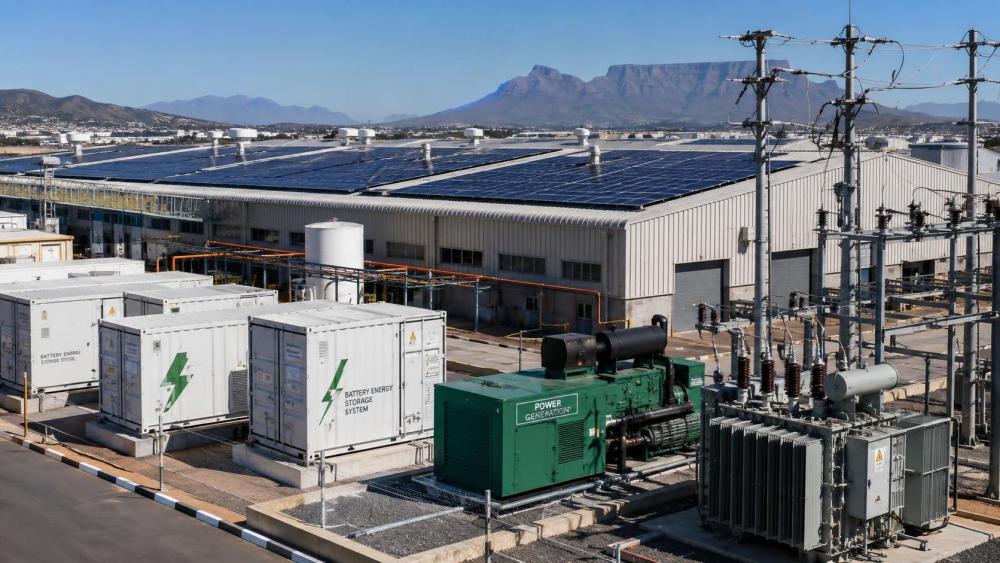
Fuel-based backup also has limits. Generators provide dispatchable power, but their performance depends on fuel availability, storage, maintenance, starting reliability, ventilation, emissions management, and safe operation. Running them for extended periods can expose the business to fuel-price movements and mechanical failure. A backup generator should therefore be assessed as one layer in a resilience plan, not as proof that the site has solved its energy problem.
Supply risk becomes especially serious when several systems depend on the same electrical condition. For example, a refrigeration plant, compressed-air system, process control network, and water pump may all restart at once after an interruption. The resulting inrush current can trip the backup system or create a second outage. Recovery sequencing and load prioritisation are often as important as the nameplate capacity of the backup equipment.
Start with an operating profile, not a technology preference
Before comparing equipment, decision-makers should build an energy profile that reflects actual production. Monthly utility bills are useful, but they do not show enough detail for selecting storage, controlling demand, or identifying the cause of a peak. Interval data, generator logs, production schedules, and maintenance records provide a more useful picture.
The assessment should capture:
- Half-hourly or similarly detailed import demand where available;
- Production shifts, planned shutdowns, cleaning cycles, and seasonal changes;
- Loads that must remain powered and loads that can be delayed or curtailed;
- Generator start events, fuel consumption, runtime, and failed starts;
- Power-quality complaints, equipment trips, and restart delays;
- Roof, ground, or carport areas suitable for solar generation;
- Available connection capacity and any planned facility expansion.
The result should show when electricity is used, how much power is required at each stage of production, and which loads create the highest risk. A battery sized only from annual consumption may be poorly matched to a site that needs high power for a short period. Conversely, a large battery may be unnecessary if the main opportunity is shifting a flexible process away from a peak period.
Separate critical loads from flexible loads
Critical loads normally include safety systems, control equipment, communications, selected pumps, refrigeration protection, data systems, and processes that cannot be interrupted without material damage. Flexible loads may include water pumping, thermal storage, charging, air compression, non-urgent batch work, and certain maintenance activities.
This distinction supports a more precise design. The objective may be to maintain the entire factory during an interruption, or it may be to keep a smaller critical bus operating while production is safely paused. The second approach can require less equipment and may deliver better economic value, provided the operating team accepts the process changes.
Where renewable energy fits into the industrial strategy
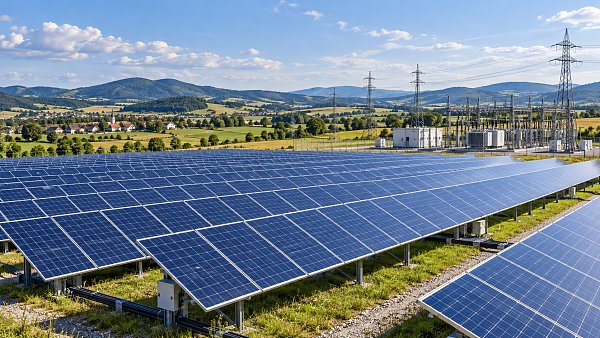
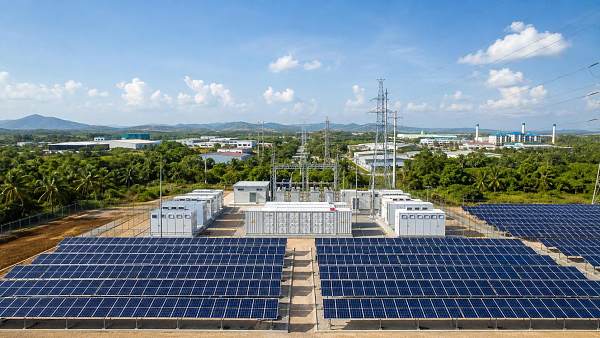
Solar PV is often attractive for facilities with daytime demand, suitable roof or ground space, and a connection arrangement that can absorb the generation. Its value is strongest when the electricity is consumed on site rather than curtailed or exported under uncertain conditions. The analysis should account for roof loading, shading, dust, cleaning access, fire separation, inverter placement, cable routes, and the effect of planned roof maintenance.
Solar does not remove every supply risk. It produces according to available sunlight and may not cover evening shifts, overnight operations, or sudden grid interruptions. It also cannot automatically support a facility during an outage unless the electrical architecture includes suitable controls, islanding protection, storage, or another source that can establish and maintain the local power system.
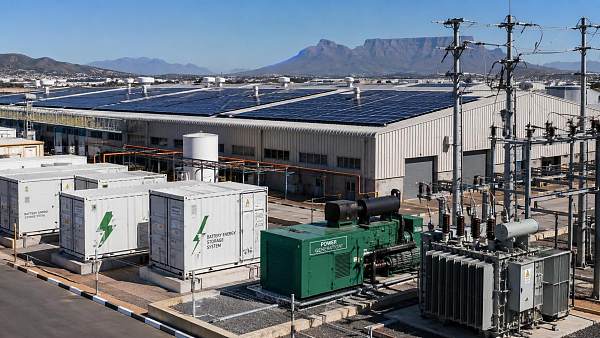
Battery energy storage can serve several different purposes, and these should not be mixed in the financial model:
- Peak reduction: supplying part of a short high-demand period to reduce the site’s grid peak.
- Load shifting: storing lower-cost or surplus energy for use during a later operating period.
- Backup support: maintaining selected loads during an interruption.
- Solar capture: using more on-site solar after the generation peak has passed.
- Power-quality support: responding rapidly to certain voltage or supply disturbances when the system is designed for that function.
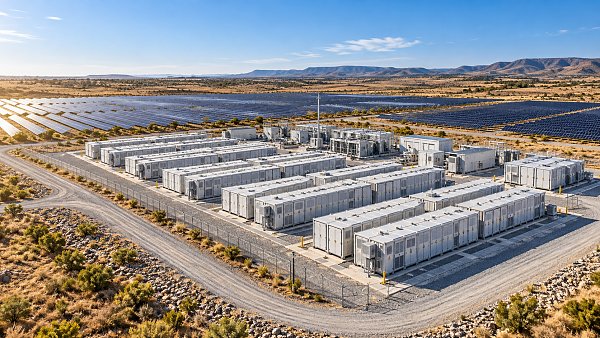
A storage system should be specified by both power and energy. Power determines which loads can operate simultaneously; energy determines how long they can run. The design also needs a clear operating hierarchy. If the battery is reserved for outages, it may not be available for daily peak management. If it is heavily cycled for bill reduction, the operator must understand how that affects available backup capacity and asset life.
Comparing the main supply options
The table is not a ranking. A high-value industrial strategy may combine grid supply with on-site solar, a smaller battery for critical loads, and a generator for extended interruptions. Another site may gain more from automation and production scheduling than from additional generation. The correct choice follows the operating profile and risk tolerance.
How market trends are changing procurement decisions
Industrial energy procurement in South Africa is moving toward greater diversification. Businesses are no longer asking only how much electricity a supplier can provide. They are also examining supply timing, price exposure, environmental objectives, network limitations, backup arrangements, and the ability to expand the system later.
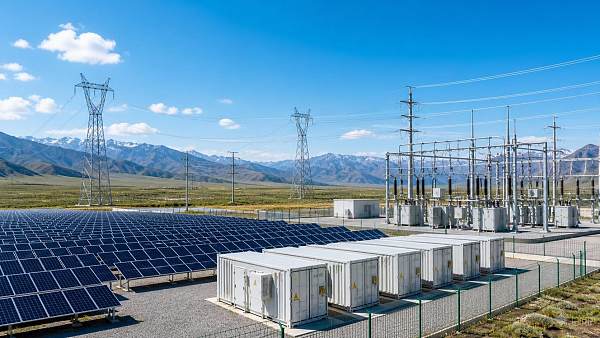
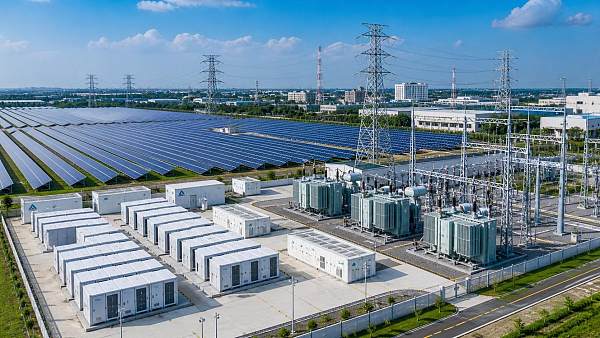
Distributed generation is becoming more relevant where grid access is constrained or where a company wants greater control over daytime energy use. Storage is being considered not only for emergency backup but also for demand management and integration with variable renewable generation. Energy management software is gaining importance because multiple assets must be coordinated: solar inverters, batteries, generators, meters, charging equipment, and controllable loads cannot be operated efficiently through isolated manual decisions.
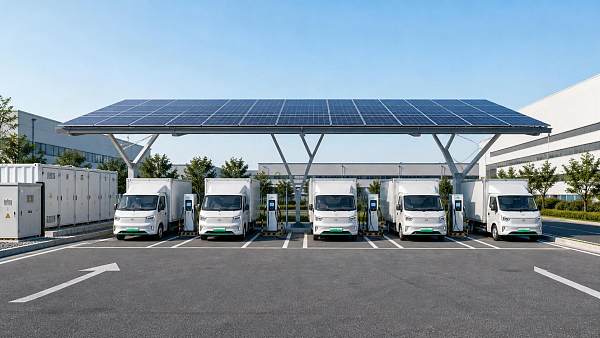
Electrification adds another layer. Industrial fleets, forklifts, delivery vehicles, and heavy-duty transport can create new peaks if charging is unmanaged. A depot or factory that adds chargers should study the combined load with existing motors, compressors, and process equipment. Smart charging, staged connection, and battery-supported charging may defer an expensive capacity upgrade, but only if the charging schedule matches vehicle availability and operational requirements.
Procurement teams should also look beyond equipment price. A lower-cost system may create greater risk if monitoring is weak, integration responsibility is unclear, spare parts are difficult to obtain, or the supplier has not defined performance boundaries. Tender documents should identify the required operating modes, critical loads, response time, metering points, protection interface, cybersecurity expectations, maintenance scope, and acceptance tests.
A practical decision path for industrial sites
- Quantify exposure. Combine electricity bills, interval demand, outage records, generator costs, and production-loss estimates.
- Map the electrical system. Confirm transformers, switchboards, protection settings, critical feeders, spare capacity, and the point where new equipment would connect.
- Define the operating objective. Decide whether the priority is lower energy cost, lower peak demand, outage resilience, emissions reduction, expansion capacity, or a combination.
- Test load flexibility. Identify processes that can be shifted, slowed, sequenced, or temporarily disconnected without affecting safety or product quality.
- Model several configurations. Compare grid-only improvements, solar, solar plus storage, generator plus storage, and flexible-load measures using the same assumptions.
- Review the connection and operating constraints. Confirm import, export, protection, metering, islanding, and network requirements before selecting final equipment.
- Plan for operation after commissioning. Assign responsibility for dispatch settings, alarms, maintenance, fuel, battery state of charge, and periodic resilience testing.
The financial model should include more than simple payback. It should show capital cost, financing, maintenance, fuel, expected degradation, equipment replacement, downtime avoided, tariff sensitivity, and the value of future expansion capacity. Scenarios are particularly useful because industrial energy decisions are exposed to changes in production volume, electricity pricing, fuel availability, and connection conditions.
For complex facilities, electrical protection, fire safety, structural capacity, and grid-interface design should be reviewed by appropriately qualified engineers. These are not paperwork details: a poorly coordinated system can fail to isolate faults, damage equipment, or prevent the intended backup mode from operating.
The strongest energy plan is usually the one that connects commercial priorities with electrical reality. Industrial energy users in South Africa can reduce exposure by measuring the right costs, separating critical and flexible demand, combining supply options where appropriate, and specifying controls and operating responsibilities from the beginning. That approach gives decision-makers a clearer basis for investing in resilience while preserving the flexibility to adapt as grid conditions, production needs, and energy-market arrangements change.
Questions about market trends? Contact Market Scope Live for deeper business insights.
We respect your privacy. Your information is strictly confidential.
Related News
 Global Energy Policy & SourcingEBRD Plans $6 Billion for Turkish Clean Energy Projects Over Five YearsEBRD plans $6 billion for Turkish clean energy projects over five years. Explore potential supply chain opportunities and what businesses should watch.MORE+
 Global Energy Policy & SourcingCOP31 Focuses on Grid Upgrades as Aging Networks Hinder Clean Energy TransitionCOP31 grid upgrades could reshape the clean energy transition. Explore how aging networks and cross-border connections may affect renewable energy projects and suppliers.MORE+
 Global Energy Policy & SourcingIndia Approves 145 Billion Rupee Plan to Support 92 GWh of Energy StorageIndia's energy storage plan commits 145 billion rupees to support 92 GWh by 2030–31. Explore the funding and what it could mean for projects.MORE+
 Global Energy Policy & SourcingChina's Wind and Solar Capacity Reaches 2 Billion kW; 170 Million kW AddedChina's wind and solar capacity reportedly reached 2 billion kW. Explore what the milestone could mean for project procurement, grid integration and suppliers.MORE+
 Global Energy Policy & SourcingSolarPower Europe Urges EU Ministers to Address Root Causes of High Energy PricesSolarPower Europe urges EU ministers to tackle high energy prices through consumer relief, electrification and renewables. Explore its call for action.MORE+
 Global Energy Policy & SourcingAustralia’s Clean Energy Investment Surges as H1 2026 Storage and Generation Hit RecordsAustralia’s clean energy investment hits H1 2026 records in generation financing and battery storage operations. Explore what this means for procurement, project delivery and suppliers.MORE+
 Global Energy Policy & SourcingHow Variable Steam Demand Affects Turbine Sizing in Process PlantsChoosing a steam turbine supplier? Learn how variable steam demand, pressure limits, and part-load efficiency affect turbine sizing—and avoid costly oversizing in your process plant.MORE+
 Global Energy Policy & SourcingSteam Turbine Lifecycle Costs: What to Include Beyond Purchase PriceCompare steam turbine supplier offers beyond purchase price. Explore installation, energy, maintenance and downtime costs to make a smarter lifecycle investment.MORE+
 Global Energy Policy & SourcingGrid Operators in South Africa: Who Runs Transmission and Distribution?Discover the grid operators South Africa relies on, from NTCSA to Eskom and municipalities. Find the right connection route and avoid costly project delays with this practical guide.MORE+
 Global Energy Policy & SourcingChoosing a Medium Voltage Switchgear Factory: Quality Checks Before OrderingChoosing a medium voltage switchgear factory? Discover essential quality checks, test evidence, and acceptance terms to reduce procurement risks before you order.MORE+
 Global Energy Policy & SourcingK9 Ductile Iron Pipe Specifications: Pressure Class and Buyer ChecksBuying K9 ductile iron pipe? Learn how thickness differs from pressure class and which standards, joints, and quality checks to verify before ordering. Avoid costly procurement mistakes.MORE+
 Global Energy Policy & SourcingRenewable Energy Project Procurement: A Practical Bid Evaluation ChecklistRenewable energy project procurement: use this practical bid evaluation checklist to compare compliance, grid readiness, delivery risk, lifecycle cost, and warranties before award.MORE+
 Global Energy Policy & SourcingStrategic Energy Procurement: Which Contract Terms Reduce Price Volatility?Strategic energy procurement insights on contract terms that reduce price volatility, protect budgets, and strengthen financial control. Explore practical risk-management strategies.MORE+
 Global Energy Policy & SourcingEnergy Strategic Sourcing Frameworks for Cost Control and Supply SecurityEnergy strategic sourcing frameworks help control lifetime costs, strengthen supply security, qualify resilient suppliers, and protect energy projects from delays and operational risk.MORE+
 Global Energy Policy & SourcingIOU Strategic Sourcing: Managing Supplier Risk in Utility Energy ContractsIOU strategic sourcing helps investor-owned utilities manage supplier risk, strengthen energy contracts, and protect long-term grid reliability.MORE+
 Global Energy Policy & SourcingPublic Power Strategic Sourcing: Building Transparent Energy Procurement ProgramsPublic power strategic sourcing guide for transparent, resilient energy procurement—improve lifecycle value, supplier accountability, and grid-ready decisions.MORE+
 Global Energy Policy & SourcingU.S. Infrastructure Investors in Clean Energy: Who Funds What Projects?Infrastructure investors in USA are reshaping clean energy funding. Discover who finances solar, storage, grid modernization, and EV charging—and what makes projects investable.MORE+
 Global Energy Policy & SourcingDistribution Transformer Efficiency Regulation Updates: Compliance Steps for UtilitiesDistribution transformer energy efficiency regulation update: learn practical compliance steps, loss-test requirements, and procurement controls for utilities.MORE+
 Global Energy Policy & SourcingEU Grid Code Compliance for Solar and BESS Projects: Key Tests and RequirementsGrid code compliance Europe for solar and BESS projects: discover essential voltage, frequency, ride-through, protection, telemetry and testing requirements for faster connection approval.MORE+
 Global Energy Policy & SourcingKey Technical Parameters That Determine Steam Turbine Suitability for Industrial Cogeneration Projectssteam turbine supplier? Discover the 5 critical technical parameters—exhaust pressure, steam quality tolerance, part-load efficiency & more—that truly determine suitability for industrial cogeneration projects.MORE+
 Global Energy Policy & SourcingSoutheast Asia Energy Project Pipeline: Key Markets, Timelines, and Investment SignalsExplore the energy project pipeline Southeast Asia: key markets, project timelines, grid risks, and investment signals for smarter renewable energy decisions.MORE+
 Global Energy Policy & SourcingIndustrial Energy Users in South Africa: Costs, Supply Risks and TrendsIndustrial energy users in South Africa: explore cost pressures, supply risks, solar, storage and practical strategies to improve resilience and control energy spend.MORE+
 Global Energy Policy & SourcingSteam Turbine Maintenance Checks to Confirm Before Finalizing a PurchaseSteam turbine supplier checklist: confirm maintenance access, spares, oil systems, controls, and service support before purchase to reduce outage risk.MORE+
 Global Energy Policy & SourcingDoes EPEM Provide Regional Data on Clean Energy Project Financing?Does EPEM cover clean energy project financing data by region? Explore regional market, grid, policy, and risk insights to support smarter clean energy investment screening.MORE+
 Global Energy Policy & SourcingDuctile Iron Pipe Acceptance Testing for Water Infrastructure ProjectsDuctile iron pipe acceptance testing guide for water projects: verify standards, traceability, coatings, joints, and hydrostatic tests for reliable compliance.MORE+
 Global Energy Policy & SourcingShould Fleet Charging Depots Use On-Site Solar or Buy Green Power?Should I integrate solar generation directly at a fleet charging depot or buy green power? Explore costs, reliability, storage, and smarter charging strategies.MORE+
 Global Energy Policy & SourcingGlobal Energy Project Pipeline: Where Investment Is Moving Across Solar, Wind, BESS, and EV ChargingGlobal energy project pipeline insights: see where investment is shifting across solar, wind, BESS, and EV charging, and what makes projects bankable, grid-ready, and worth backing.MORE+
 Global Energy Policy & SourcingWhat Does Grid Decarbonization Consulting Cover for Utility-Scale Power Projects?Grid decarbonization consulting helps utility-scale power projects cut emissions, stay grid-compliant, and improve long-term returns. Discover how it supports planning, flexibility, and execution.MORE+
 Global Energy Policy & SourcingWhich Decarbonization Technologies for Industry Deliver the Best ROI by Process Type?Decarbonization technologies for industry deliver the best ROI when matched to process type. Explore electrification, waste heat recovery, fuel switching, and digital upgrades.MORE+
 Global Energy Policy & SourcingChina Launches Green Certificate Price IndexChina Launches Green Certificate Price Index: learn how the new benchmark affects CBAM, ESG compliance, green electricity tracing, and carbon reporting for exporters and global buyers.MORE+
 Global Energy Policy & SourcingHow to Evaluate Renewable Equipment Tenders for Risk, Compliance, and Total CostRenewable equipment tenders require more than price checks. Learn how to assess risk, compliance, and total cost to avoid hidden project issues and choose smarter bids.MORE+
 Global Energy Policy & SourcingCommon Water Waste and Hygiene Issues in Poultry Nipple Drinking SystemsNipple drinking system poultry issues often start with leaks, pressure errors, and hidden biofilm. Learn how to cut water waste, improve hygiene, and protect flock performance.MORE+
 Global Energy Policy & SourcingRenewable Energy Infrastructure Development: Key Policy, Grid, and Financing TrendsRenewable energy infrastructure development is being reshaped by policy reform, grid constraints, and smarter financing—discover the trends driving bankable, future-ready projects.MORE+
 Global Energy Policy & SourcingEquipment Bankability Supplier Review: What Buyers Should Check Before ShortlistingEquipment bankability supplier review: learn what buyers should check before shortlisting, from financial strength and certifications to service support, warranty risk, and real project performance.MORE+
 Global Energy Policy & SourcingPower Project Permitting in Saudi Arabia: Key Approvals, Timelines, and Common DelaysPower project permitting Saudi Arabia explained: key approvals, realistic timelines, and the most common delay risks—plus practical steps to keep energy projects bankable and on schedule.MORE+
 Global Energy Policy & SourcingHow to Evaluate Clean Energy Investment Utility Scale Projects Before Committing CapitalClean energy investment utility scale decisions require more than headline capacity. Discover how to assess grid access, revenue quality, execution risk, and long-term returns before committing capital.MORE+
 Global Energy Policy & SourcingUtility Renewable Energy Infrastructure Explained: Key Assets, Risks, and Build-Out PrioritiesUtility renewable energy infrastructure explained: explore key assets, grid and storage risks, and build-out priorities to improve project bankability, resilience, and long-term value.MORE+
 Global Energy Policy & SourcingAgrivoltaic Systems in France: Land Use Rules, Crop Fit, and Project Planning BasicsAgrivoltaic systems France explained: learn land use rules, crop fit, permitting, and grid basics to assess smarter, more bankable solar-agriculture projects.MORE+
![]() Global Energy Policy & SourcingMicrogrid Project Permitting Checklist: Key Approvals, Studies, and Common DelaysMicrogrid project permitting made practical: explore key approvals, required studies, and the most common delays to keep projects bankable, compliant, and on schedule.MORE+
 Global Energy Policy & SourcingProject Owners Financing Options for Energy Projects: Loans, Leasing, or EPC Credit?Project owners financing options explained: compare loans, leasing, and EPC credit for energy projects to reduce risk, protect cash flow, and choose the smartest funding path.MORE+