How Variable Steam Demand Affects Turbine Sizing in Process Plants
A process plant rarely consumes steam at one steady rate. Batch heating, production changes, cleaning cycles, and seasonal loads can move demand well above or below the normal operating point. Those variations change how much steam can pass through a turbine, how much electricity it can generate, and whether its exhaust still meets process requirements.
Sizing against maximum steam demand alone can produce a machine that spends much of its life at inefficient part load. Sizing only for average demand can leave valuable pressure-reduction duty unused during sustained high-load periods. The practical task is to match the turbine’s operating envelope to the plant’s steam balance, while preserving heat supply when demand changes or the turbine is unavailable.
Start with the steam balance, not the generator rating
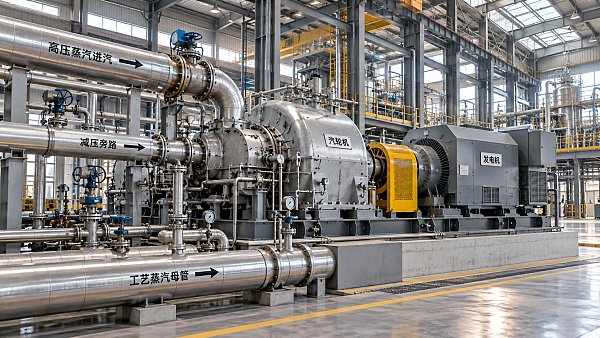
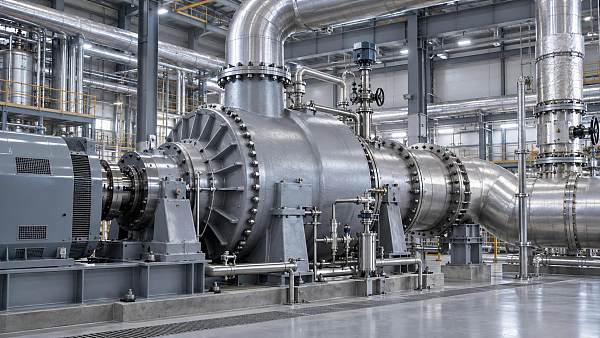
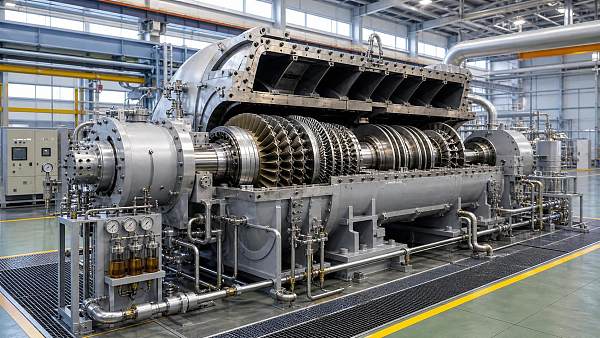
In a back-pressure installation, high-pressure steam expands through the turbine before entering a lower-pressure process header. Electricity is recovered from a pressure reduction that might otherwise occur across a pressure-reducing valve. The available turbine flow is therefore constrained by both the upstream steam supply and the downstream demand for usable exhaust steam. This relationship underpins the U.S. Department of Energy’s guidance on replacing pressure-reducing valves with back-pressure turbogenerators. [1]
A simplified relationship helps explain the sizing problem:
Electrical output ≈ steam mass flow × isentropic enthalpy drop × turbine isentropic efficiency × mechanical and generator efficiencies.
This is a screening relationship, not a performance guarantee. The enthalpy drop depends on inlet steam conditions and exhaust pressure; efficiency also changes with operating point. For a fixed inlet condition, a higher required process exhaust pressure generally reduces the available expansion work. A nominal steam flow alone cannot establish a defensible generator rating. The EPA’s steam-turbine technology review describes these dependencies and the distinction between back-pressure and condensing service. [2]
The project team should establish which constraint dominates: boiler capacity, process steam consumption, header pressure, electrical demand, or permitted heat rejection. Increasing the turbine rating does not remove any of those constraints.
Turn demand records into operating cases
A single average steam figure conceals the conditions that usually determine whether a turbine is well matched. Two plants can have the same annual steam consumption but very different opportunities: one may maintain a stable base load, while another alternates between short peaks and long periods of low demand.
Use a representative operating history covering production campaigns, shutdowns, seasonal effects, and foreseeable changes. Where measurements are incomplete, distinguish measured flows from estimates and reconcile them against boiler production and major consumers. Do not treat the total low-pressure header demand as automatically available turbine flow: other steam sources, existing turbine exhausts, and unavoidable bypass duties may already supply part of it.
The design basis should distinguish:
- Minimum sustained demand: the lowest credible process requirement during normal production, excluding complete shutdown.
- Frequent operating demand: the flow range in which the machine is expected to spend most of its running hours.
- Peak demand: its magnitude, duration, and coincidence with available high-pressure steam.
- Demand ramps: how quickly consumers start, stop, or change load.
- Abnormal configurations: operation with a boiler, production line, or turbine unavailable.
A load-duration curve shows how many hours demand exceeds a given flow. It is useful for comparing turbine capacities, but it removes chronology. A time-series profile is still needed to identify rapid changes, repeated starts, and interactions between batches. Both views belong in the sizing study.
Back-pressure versus condensing: where does the steam go?
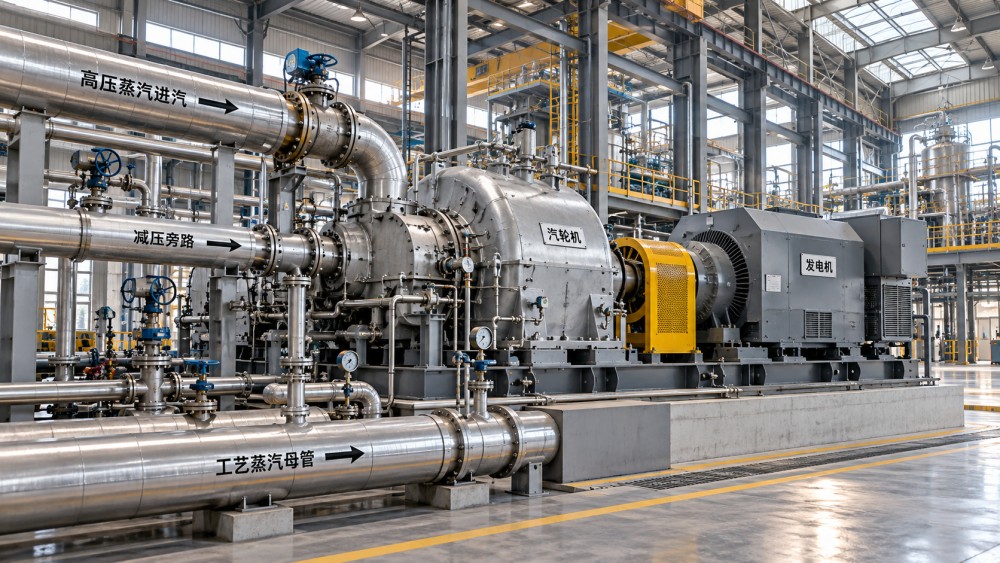
The central distinction is the destination of the exhaust. A back-pressure turbine discharges steam at a pressure suitable for a downstream process or steam network. A condensing turbine exhausts into a condenser, allowing further expansion but requiring a heat-rejection system. An extraction-condensing arrangement can supply process steam from an intermediate extraction while passing remaining steam toward the condenser. These configurations serve different heat-and-power balances. [2]
A back-pressure machine is often attractive where a substantial, reasonably persistent pressure-reduction duty already exists. However, falling process demand limits its useful steam throughput unless another legitimate heat sink is available. Producing unwanted low-pressure steam simply to maintain generation can undermine the project’s energy balance.
Condensing capability can provide greater separation between process heat demand and generation, but that flexibility has a cost. The condenser, cooling equipment, vacuum system, water requirements, and auxiliary electricity must be included in the comparison. Extraction-condensing arrangements also require evaluation across an operating map rather than at one rated extraction point. [2]
Why peak-flow sizing can disappoint
A turbine selected for a brief production peak may operate far below its design flow during most of the year. Part-load efficiency depends on the machine and governing arrangement, so scaling rated output directly in proportion to flow can misstate annual generation. Obtain performance predictions at the actual operating cases, including the expected inlet and exhaust conditions. [2]
A smaller turbine can be a better economic fit if it covers a persistent base load while a pressure-reducing station supplies additional process demand. This deliberately leaves some peak pressure-reduction energy unrecovered. The trade-off may be reasonable when the larger machine’s incremental output occurs too infrequently to justify its additional installed cost.
The reverse can also happen. A capacity chosen from today’s minimum demand may constrain a plant with documented, funded production expansion. Treat future demand as a separate scenario with a defined commissioning date and confidence level, rather than adding an unexplained capacity margin.
Compare candidate sizes using time-weighted net output, not nameplate megawatts. Account for generator losses, configuration-specific auxiliaries, expected availability, and steam diverted around the turbine. Where boiler operation changes, include the associated fuel and operating consequences rather than treating recovered electricity as automatically cost-free.
Pressure requirements and controls can set the real limit
Process consumers need steam at acceptable pressure and condition, not merely sufficient mass flow. The turbine exhaust flange pressure must account for downstream piping and control losses. A design based on an unrealistically low exhaust pressure can overstate power recovery while leaving insufficient pressure at remote users.
Demand variability also raises a control question: which variable has priority? Depending on the installation, the turbine may regulate inlet pressure, exhaust-header pressure, speed, or electrical load. Those objectives cannot always be maintained independently across the full demand range. The control philosophy must state what happens when steam availability and process requirements conflict.
For example, when process demand falls suddenly, an exhaust-pressure controller may need to reduce turbine admission. Electrical output then falls as a consequence. A constant-power requirement cannot override the need to prevent excess steam entering a header without an acceptable destination.
The bypass pressure-reducing station therefore belongs in the initial system design. Its duty may include startup steam supply, turbine-outage coverage, and peak demand above turbine capacity. Where temperature conditioning is required, that duty must also be defined. DOE guidance treats the turbine and pressure-reduction arrangement as parts of the same steam-system opportunity. [1]
Rapid disturbances require a dynamic review, not just a steady-state balance. The engineering team should assess header pressure response, valve interaction, boiler response, and turbine-trip behavior. Protection settings and acceptance criteria must come from the machine documentation and the project’s applicable engineering requirements; a general sizing article cannot establish safe limits for an individual installation.
Write the enquiry around an operating envelope
A procurement enquiry should give a steam turbine supplier a coordinated set of steam and electrical duties, rather than one maximum flow and one desired output. That allows the proposed turbine configuration, governing arrangement, and generator rating to be evaluated against actual plant operation.
The technical schedule should identify inlet pressure and temperature ranges, required exhaust conditions, steam quality assumptions, and the flow associated with each operating case. Extraction duties need their own pressure and flow combinations. Include site cooling conditions where condensation is involved, together with electrical operating mode and expected annual hours.
Request enough information to distinguish a feasible operating point from a guaranteed one:
- Predicted output and steam consumption at normal, minimum, and peak duties, with the guarantee points clearly identified.
- Permitted continuous operating limits, including any minimum-flow or exhaust-condition restrictions.
- Part-load performance and the assumptions used to estimate annual generation.
- Control responsibilities, bypass coordination, and behavior during loss of electrical load or turbine trip.
- Battery limits covering valves, instrumentation, lubrication equipment, auxiliaries, and installation interfaces.
Keep thermal performance, mechanical integrity, and control acceptance distinct. A machine may achieve its rated output without proving that the complete steam system handles a production-line shutdown as intended. Conversely, a factory test cannot necessarily reproduce every site steam condition. The purchase specification should define the test boundary, correction methods, instrumentation, and treatment of deviations before bids are compared.
Choose the capacity that survives the downside case
The final comparison should test more than the expected production year. Examine lower process demand, delayed expansion, reduced inlet pressure, higher required exhaust pressure, and extended turbine unavailability. For condensing options, include adverse cooling conditions and the resulting auxiliary and output effects.
A useful decision record shows why the selected size is preferable to the next smaller and larger alternatives. It should connect annual operating hours to net generation, explain unrecovered bypass duty, and identify which assumptions would change the decision. This is more informative than a payback calculation built around continuous rated operation.
The strongest sizing basis is not the highest steam demand the plant can reach. It is the combination of flows, pressures, durations, and transitions that the turbine can handle economically while the process continues to receive reliable steam. Freeze that operating envelope before freezing the generator rating.
Sources
[1] U.S. Department of Energy, Advanced Manufacturing Office. Replace Pressure-Reducing Valves with Backpressure Turbogenerators, Steam Tip Sheet #20. Reference for recovering power from process steam pressure reduction and assessing the associated steam-system duty.
[2] U.S. Environmental Protection Agency, Combined Heat and Power Partnership. Catalog of CHP Technologies, Section 4: Technology Characterization—Steam Turbines, 2017. Reference for turbine configurations, thermodynamic performance, part-load behavior, and condensing-system requirements.
Questions about market trends? Contact Market Scope Live for deeper business insights.
We respect your privacy. Your information is strictly confidential.
Related News
 Global Energy Policy & SourcingEBRD Plans $6 Billion for Turkish Clean Energy Projects Over Five YearsEBRD plans $6 billion for Turkish clean energy projects over five years. Explore potential supply chain opportunities and what businesses should watch.MORE+
 Global Energy Policy & SourcingCOP31 Focuses on Grid Upgrades as Aging Networks Hinder Clean Energy TransitionCOP31 grid upgrades could reshape the clean energy transition. Explore how aging networks and cross-border connections may affect renewable energy projects and suppliers.MORE+
 Global Energy Policy & SourcingIndia Approves 145 Billion Rupee Plan to Support 92 GWh of Energy StorageIndia's energy storage plan commits 145 billion rupees to support 92 GWh by 2030–31. Explore the funding and what it could mean for projects.MORE+
 Global Energy Policy & SourcingChina's Wind and Solar Capacity Reaches 2 Billion kW; 170 Million kW AddedChina's wind and solar capacity reportedly reached 2 billion kW. Explore what the milestone could mean for project procurement, grid integration and suppliers.MORE+
 Global Energy Policy & SourcingSolarPower Europe Urges EU Ministers to Address Root Causes of High Energy PricesSolarPower Europe urges EU ministers to tackle high energy prices through consumer relief, electrification and renewables. Explore its call for action.MORE+
 Global Energy Policy & SourcingAustralia’s Clean Energy Investment Surges as H1 2026 Storage and Generation Hit RecordsAustralia’s clean energy investment hits H1 2026 records in generation financing and battery storage operations. Explore what this means for procurement, project delivery and suppliers.MORE+
 Global Energy Policy & SourcingHow Variable Steam Demand Affects Turbine Sizing in Process PlantsChoosing a steam turbine supplier? Learn how variable steam demand, pressure limits, and part-load efficiency affect turbine sizing—and avoid costly oversizing in your process plant.MORE+
 Global Energy Policy & SourcingSteam Turbine Lifecycle Costs: What to Include Beyond Purchase PriceCompare steam turbine supplier offers beyond purchase price. Explore installation, energy, maintenance and downtime costs to make a smarter lifecycle investment.MORE+
 Global Energy Policy & SourcingGrid Operators in South Africa: Who Runs Transmission and Distribution?Discover the grid operators South Africa relies on, from NTCSA to Eskom and municipalities. Find the right connection route and avoid costly project delays with this practical guide.MORE+
 Global Energy Policy & SourcingChoosing a Medium Voltage Switchgear Factory: Quality Checks Before OrderingChoosing a medium voltage switchgear factory? Discover essential quality checks, test evidence, and acceptance terms to reduce procurement risks before you order.MORE+
 Global Energy Policy & SourcingK9 Ductile Iron Pipe Specifications: Pressure Class and Buyer ChecksBuying K9 ductile iron pipe? Learn how thickness differs from pressure class and which standards, joints, and quality checks to verify before ordering. Avoid costly procurement mistakes.MORE+
 Global Energy Policy & SourcingRenewable Energy Project Procurement: A Practical Bid Evaluation ChecklistRenewable energy project procurement: use this practical bid evaluation checklist to compare compliance, grid readiness, delivery risk, lifecycle cost, and warranties before award.MORE+
 Global Energy Policy & SourcingStrategic Energy Procurement: Which Contract Terms Reduce Price Volatility?Strategic energy procurement insights on contract terms that reduce price volatility, protect budgets, and strengthen financial control. Explore practical risk-management strategies.MORE+
 Global Energy Policy & SourcingEnergy Strategic Sourcing Frameworks for Cost Control and Supply SecurityEnergy strategic sourcing frameworks help control lifetime costs, strengthen supply security, qualify resilient suppliers, and protect energy projects from delays and operational risk.MORE+
 Global Energy Policy & SourcingIOU Strategic Sourcing: Managing Supplier Risk in Utility Energy ContractsIOU strategic sourcing helps investor-owned utilities manage supplier risk, strengthen energy contracts, and protect long-term grid reliability.MORE+
 Global Energy Policy & SourcingPublic Power Strategic Sourcing: Building Transparent Energy Procurement ProgramsPublic power strategic sourcing guide for transparent, resilient energy procurement—improve lifecycle value, supplier accountability, and grid-ready decisions.MORE+
 Global Energy Policy & SourcingU.S. Infrastructure Investors in Clean Energy: Who Funds What Projects?Infrastructure investors in USA are reshaping clean energy funding. Discover who finances solar, storage, grid modernization, and EV charging—and what makes projects investable.MORE+
 Global Energy Policy & SourcingDistribution Transformer Efficiency Regulation Updates: Compliance Steps for UtilitiesDistribution transformer energy efficiency regulation update: learn practical compliance steps, loss-test requirements, and procurement controls for utilities.MORE+
 Global Energy Policy & SourcingEU Grid Code Compliance for Solar and BESS Projects: Key Tests and RequirementsGrid code compliance Europe for solar and BESS projects: discover essential voltage, frequency, ride-through, protection, telemetry and testing requirements for faster connection approval.MORE+
 Global Energy Policy & SourcingKey Technical Parameters That Determine Steam Turbine Suitability for Industrial Cogeneration Projectssteam turbine supplier? Discover the 5 critical technical parameters—exhaust pressure, steam quality tolerance, part-load efficiency & more—that truly determine suitability for industrial cogeneration projects.MORE+
 Global Energy Policy & SourcingSoutheast Asia Energy Project Pipeline: Key Markets, Timelines, and Investment SignalsExplore the energy project pipeline Southeast Asia: key markets, project timelines, grid risks, and investment signals for smarter renewable energy decisions.MORE+
 Global Energy Policy & SourcingIndustrial Energy Users in South Africa: Costs, Supply Risks and TrendsIndustrial energy users in South Africa: explore cost pressures, supply risks, solar, storage and practical strategies to improve resilience and control energy spend.MORE+
 Global Energy Policy & SourcingSteam Turbine Maintenance Checks to Confirm Before Finalizing a PurchaseSteam turbine supplier checklist: confirm maintenance access, spares, oil systems, controls, and service support before purchase to reduce outage risk.MORE+
 Global Energy Policy & SourcingDoes EPEM Provide Regional Data on Clean Energy Project Financing?Does EPEM cover clean energy project financing data by region? Explore regional market, grid, policy, and risk insights to support smarter clean energy investment screening.MORE+
 Global Energy Policy & SourcingDuctile Iron Pipe Acceptance Testing for Water Infrastructure ProjectsDuctile iron pipe acceptance testing guide for water projects: verify standards, traceability, coatings, joints, and hydrostatic tests for reliable compliance.MORE+
 Global Energy Policy & SourcingShould Fleet Charging Depots Use On-Site Solar or Buy Green Power?Should I integrate solar generation directly at a fleet charging depot or buy green power? Explore costs, reliability, storage, and smarter charging strategies.MORE+
 Global Energy Policy & SourcingGlobal Energy Project Pipeline: Where Investment Is Moving Across Solar, Wind, BESS, and EV ChargingGlobal energy project pipeline insights: see where investment is shifting across solar, wind, BESS, and EV charging, and what makes projects bankable, grid-ready, and worth backing.MORE+
 Global Energy Policy & SourcingWhat Does Grid Decarbonization Consulting Cover for Utility-Scale Power Projects?Grid decarbonization consulting helps utility-scale power projects cut emissions, stay grid-compliant, and improve long-term returns. Discover how it supports planning, flexibility, and execution.MORE+
 Global Energy Policy & SourcingWhich Decarbonization Technologies for Industry Deliver the Best ROI by Process Type?Decarbonization technologies for industry deliver the best ROI when matched to process type. Explore electrification, waste heat recovery, fuel switching, and digital upgrades.MORE+
 Global Energy Policy & SourcingChina Launches Green Certificate Price IndexChina Launches Green Certificate Price Index: learn how the new benchmark affects CBAM, ESG compliance, green electricity tracing, and carbon reporting for exporters and global buyers.MORE+
 Global Energy Policy & SourcingHow to Evaluate Renewable Equipment Tenders for Risk, Compliance, and Total CostRenewable equipment tenders require more than price checks. Learn how to assess risk, compliance, and total cost to avoid hidden project issues and choose smarter bids.MORE+
 Global Energy Policy & SourcingCommon Water Waste and Hygiene Issues in Poultry Nipple Drinking SystemsNipple drinking system poultry issues often start with leaks, pressure errors, and hidden biofilm. Learn how to cut water waste, improve hygiene, and protect flock performance.MORE+
 Global Energy Policy & SourcingRenewable Energy Infrastructure Development: Key Policy, Grid, and Financing TrendsRenewable energy infrastructure development is being reshaped by policy reform, grid constraints, and smarter financing—discover the trends driving bankable, future-ready projects.MORE+
 Global Energy Policy & SourcingEquipment Bankability Supplier Review: What Buyers Should Check Before ShortlistingEquipment bankability supplier review: learn what buyers should check before shortlisting, from financial strength and certifications to service support, warranty risk, and real project performance.MORE+
 Global Energy Policy & SourcingPower Project Permitting in Saudi Arabia: Key Approvals, Timelines, and Common DelaysPower project permitting Saudi Arabia explained: key approvals, realistic timelines, and the most common delay risks—plus practical steps to keep energy projects bankable and on schedule.MORE+
 Global Energy Policy & SourcingHow to Evaluate Clean Energy Investment Utility Scale Projects Before Committing CapitalClean energy investment utility scale decisions require more than headline capacity. Discover how to assess grid access, revenue quality, execution risk, and long-term returns before committing capital.MORE+
 Global Energy Policy & SourcingUtility Renewable Energy Infrastructure Explained: Key Assets, Risks, and Build-Out PrioritiesUtility renewable energy infrastructure explained: explore key assets, grid and storage risks, and build-out priorities to improve project bankability, resilience, and long-term value.MORE+
 Global Energy Policy & SourcingAgrivoltaic Systems in France: Land Use Rules, Crop Fit, and Project Planning BasicsAgrivoltaic systems France explained: learn land use rules, crop fit, permitting, and grid basics to assess smarter, more bankable solar-agriculture projects.MORE+
![]() Global Energy Policy & SourcingMicrogrid Project Permitting Checklist: Key Approvals, Studies, and Common DelaysMicrogrid project permitting made practical: explore key approvals, required studies, and the most common delays to keep projects bankable, compliant, and on schedule.MORE+
 Global Energy Policy & SourcingProject Owners Financing Options for Energy Projects: Loans, Leasing, or EPC Credit?Project owners financing options explained: compare loans, leasing, and EPC credit for energy projects to reduce risk, protect cash flow, and choose the smartest funding path.MORE+