How Germany's Grid Operators Affect Renewable Project Connection Timelines and Costs
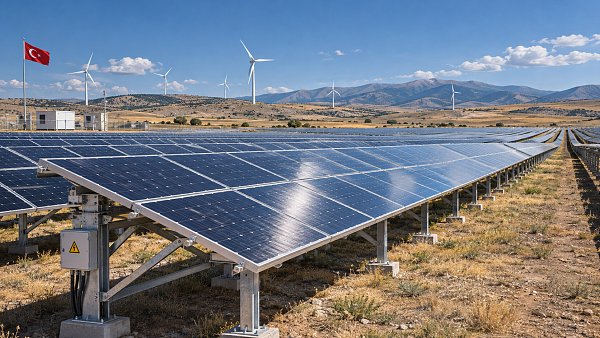
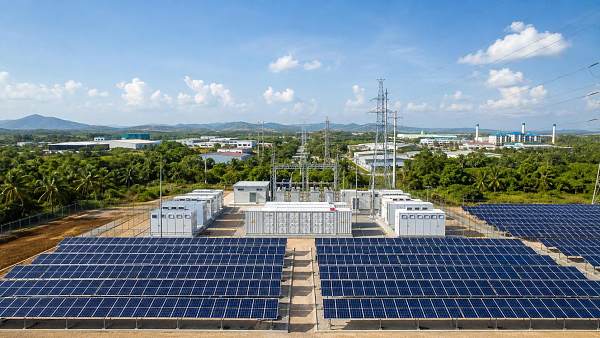
In Germany, renewable project economics are shaped long before equipment arrives on site. The grid operators Germany projects depend on often determine whether a solar plant, wind farm, battery system, or charging hub connects quickly, waits in a queue, or requires expensive upgrades.
That makes grid connection more than a technical formality. It affects development schedules, financing drawdown, EPC sequencing, revenue start dates, and the credibility of business cases built around power sales or flexibility services.
For anyone assessing opportunity in the German energy market, connection risk now sits alongside land, permitting, and equipment supply. A project may look strong on paper, yet still underperform if the local grid operator imposes long study periods, curtailment conditions, or reinforcement costs.
Why grid operators sit at the center of project timing
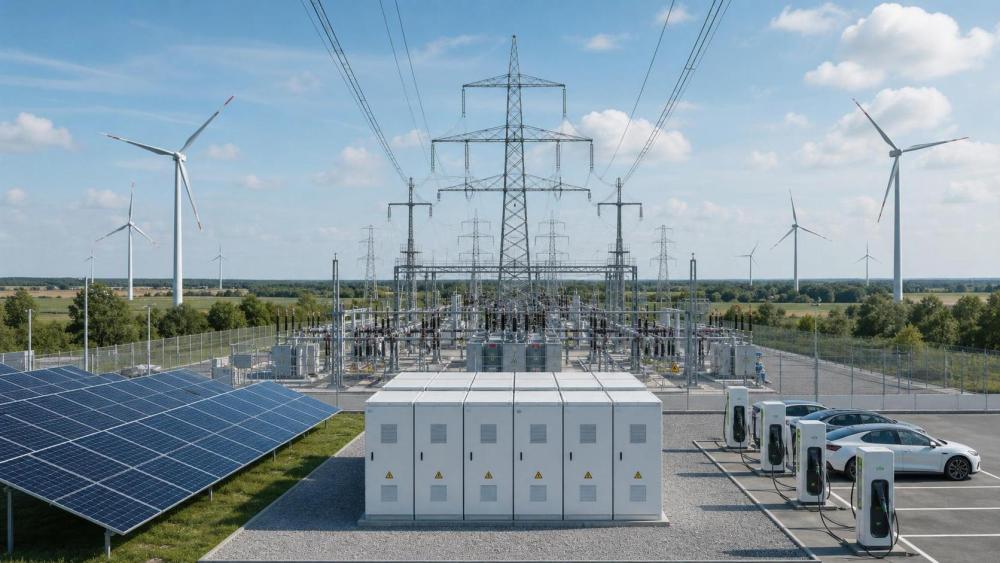
Germany has a layered power system with transmission and distribution responsibilities split across different entities. In practice, the relevant grid operators Germany developers face depend on project size, voltage level, location, and the intended connection point.
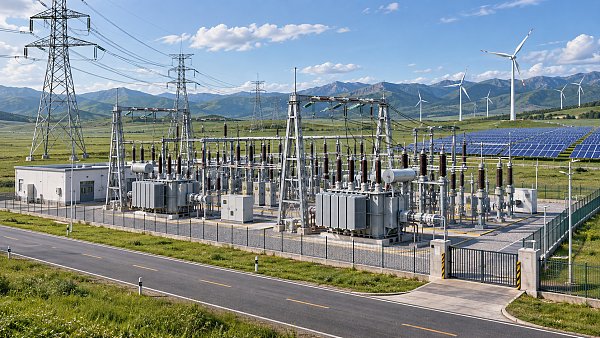
Their role is not limited to approving a cable route. They evaluate network capacity, short-circuit strength, protection settings, voltage behavior, congestion risk, and compliance with grid codes.
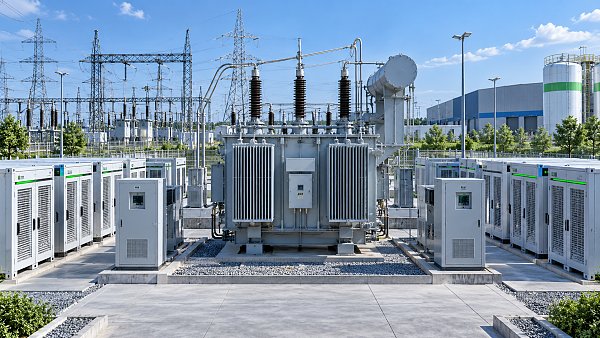
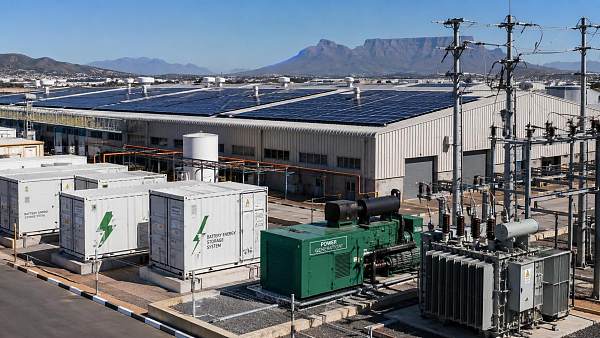
A connection offer can therefore become a major turning point. It may confirm a straightforward tie-in, or reveal that the project needs transformer upgrades, substation expansion, reactive power capability, telemetry integration, or coordinated works with other queued assets.
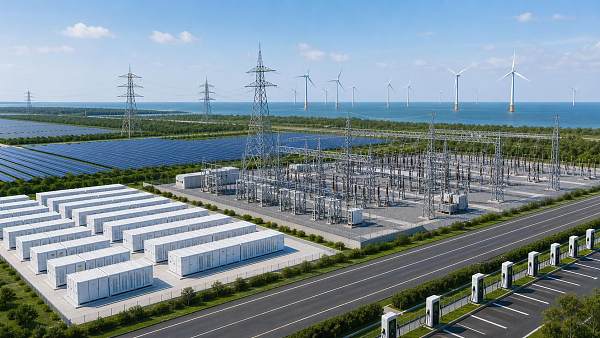
This is especially relevant as Germany adds more solar PV, onshore wind, storage, distributed generation, and EV charging infrastructure. Grid modernization is advancing, but capacity is not growing evenly across all regions.
What usually drives delays in the connection process
Connection timelines are often extended by a mix of engineering and administrative factors. The issue is rarely one single approval step.
Capacity is local, not national
Germany may have strong renewable targets, yet local feeders and substations can still be constrained. Two similar projects can face very different outcomes simply because one sits near available capacity and the other lands in a congested zone.
Study queues can change the calendar
Grid studies take time, and timing becomes harder when many applications cluster in the same region. The grid operators Germany market participants work with may also need to coordinate across network boundaries or higher voltage levels.
Technical data quality matters early
Incomplete single-line diagrams, missing inverter settings, vague storage operating assumptions, or unclear charging profiles can slow review. A project that enters the process with weak data often loses time before formal engineering even begins.
Network upgrades add another layer
When reinforcement is required, timelines move beyond the project fence line. Procurement for transformers, switchgear, protection systems, and civil works can add months, sometimes longer if supply chains are tight.
How connection decisions influence total project cost
The commercial effect of grid decisions is broader than the visible connection fee. Delay and redesign can reshape the entire financial model.
This is why early assumptions about connection cost often prove too optimistic. A project may still be viable, but only after adjusting schedule, energy yield expectations, and contingency reserves.
Different project types face different grid questions
Not every asset interacts with the grid in the same way. The questions asked by grid operators Germany stakeholders engage with will vary by technology and dispatch profile.
- Utility-scale solar often raises midday export and voltage management issues, especially in distribution-heavy regions.
- Onshore wind can trigger more complex studies around network stability, reactive power, and upstream capacity.
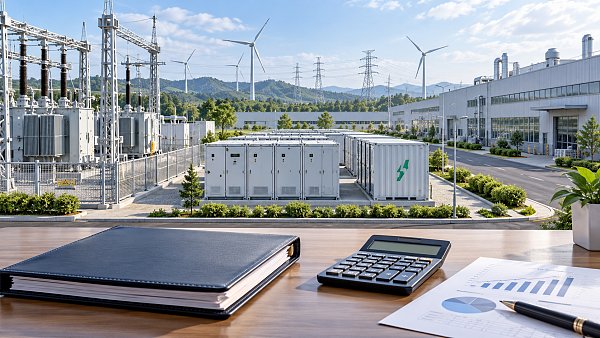
- Battery storage is attractive because it can support flexibility, yet its charging and discharging logic must be defined clearly.
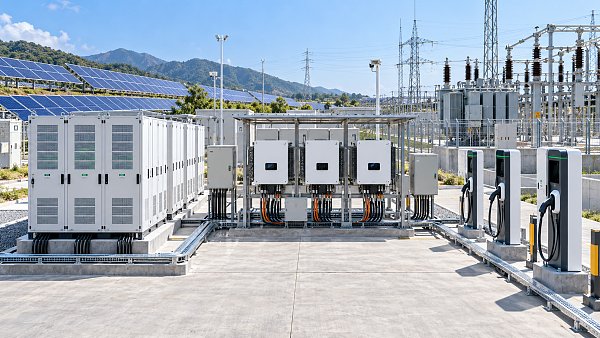
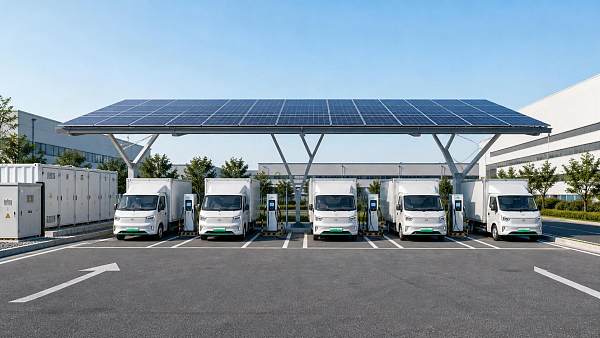
- EV charging hubs may look smaller than power plants, but clustered fast charging can create sharp local demand peaks.
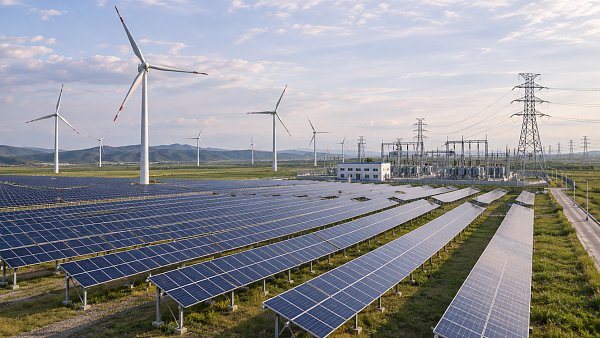
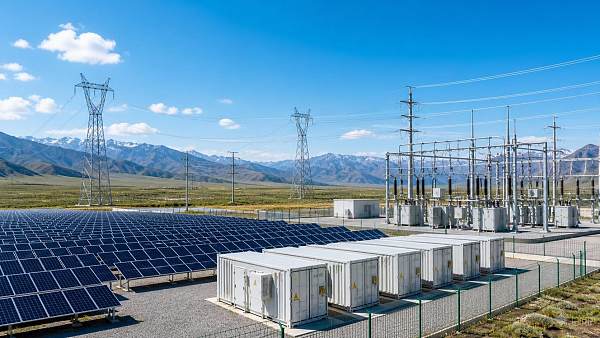
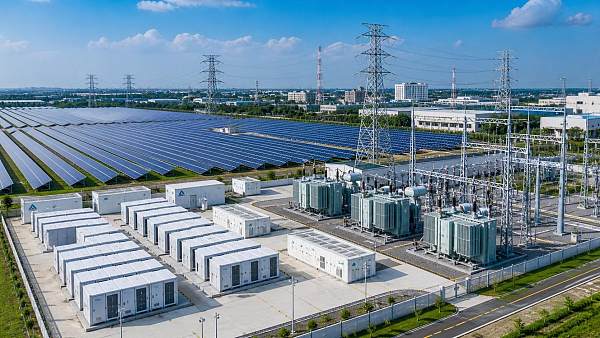
- Hybrid projects combine generation and storage, which can improve connection strategy if export control is designed well.
From an energy transition perspective, this variation matters. Germany is not only adding generation. It is also digitizing networks, electrifying transport, and integrating distributed energy assets that behave very differently on the grid.
What to examine before relying on a connection assumption
A practical review should look beyond headline capacity. Strong assessment starts with how the local network actually operates.
Check the connection level and boundary
Determine whether the likely tie-in is low, medium, high, or extra-high voltage. That alone can shift equipment scope, studies, and permitting interfaces.
Test the operating profile
For storage and charging projects, a connection is not just about rated power. Charging windows, export controls, and coincident peaks may be more important than nameplate capacity.
Separate fixed costs from conditional costs
Some connection charges are predictable. Others depend on studies, reinforcement triggers, or third-party works. Those conditional items deserve specific sensitivity analysis.
Review curtailment and compliance obligations
Grid code compliance, communication systems, metering architecture, and controllability requirements can alter both capex and operating flexibility.
Why this matters more in a modernized energy system
EPEM tracks the shift from centralized power toward distributed, digital, and renewable-based infrastructure. In that setting, interconnection decisions reveal far more than whether a project can connect.
They show how ready a local network is for new solar output, storage dispatch, smart charging, or flexible demand. They also show where value may move from pure generation toward integrated energy models.
A battery paired with solar may secure a better commercial pathway than a standalone export-heavy project. A charging depot with managed load may outperform a simpler but less controllable design. The grid operators Germany market participants assess are therefore shaping technology choices, not just timelines.
A workable approach to decision-making
The most useful approach is to treat grid connection as a commercial workstream from the beginning. That means linking technical assumptions with schedule realism and downside scenarios.
- Map the responsible grid operator and voltage level before locking site value assumptions.
- Ask whether available capacity is confirmed, indicative, or still subject to queue movement.
- Stress-test project returns against delayed energization and higher interconnection scope.
- Compare standalone and hybrid configurations where export constraints are likely.
- Track regional signals on reinforcement cycles, digital substations, and network expansion priorities.
For deeper review, it helps to combine engineering detail with market intelligence. That is where structured sector coverage becomes useful, especially across solar, storage, EV infrastructure, grid modernization, and distributed energy systems that increasingly interact on the same network.
In practical terms, the next step is not simply to ask whether a project can connect. It is to test how the relevant grid operators Germany assign capacity, timing, technical obligations, and upgrade costs, then translate those answers into a clearer investment decision.
Questions about market trends? Contact Market Scope Live for deeper business insights.
We respect your privacy. Your information is strictly confidential.
Related News
 Global Energy Policy & SourcingEBRD Plans $6 Billion for Turkish Clean Energy Projects Over Five YearsEBRD plans $6 billion for Turkish clean energy projects over five years. Explore potential supply chain opportunities and what businesses should watch.MORE+
 Global Energy Policy & SourcingCOP31 Focuses on Grid Upgrades as Aging Networks Hinder Clean Energy TransitionCOP31 grid upgrades could reshape the clean energy transition. Explore how aging networks and cross-border connections may affect renewable energy projects and suppliers.MORE+
 Global Energy Policy & SourcingIndia Approves 145 Billion Rupee Plan to Support 92 GWh of Energy StorageIndia's energy storage plan commits 145 billion rupees to support 92 GWh by 2030–31. Explore the funding and what it could mean for projects.MORE+
 Global Energy Policy & SourcingChina's Wind and Solar Capacity Reaches 2 Billion kW; 170 Million kW AddedChina's wind and solar capacity reportedly reached 2 billion kW. Explore what the milestone could mean for project procurement, grid integration and suppliers.MORE+
 Global Energy Policy & SourcingSolarPower Europe Urges EU Ministers to Address Root Causes of High Energy PricesSolarPower Europe urges EU ministers to tackle high energy prices through consumer relief, electrification and renewables. Explore its call for action.MORE+
 Global Energy Policy & SourcingAustralia’s Clean Energy Investment Surges as H1 2026 Storage and Generation Hit RecordsAustralia’s clean energy investment hits H1 2026 records in generation financing and battery storage operations. Explore what this means for procurement, project delivery and suppliers.MORE+
 Global Energy Policy & SourcingHow Variable Steam Demand Affects Turbine Sizing in Process PlantsChoosing a steam turbine supplier? Learn how variable steam demand, pressure limits, and part-load efficiency affect turbine sizing—and avoid costly oversizing in your process plant.MORE+
 Global Energy Policy & SourcingSteam Turbine Lifecycle Costs: What to Include Beyond Purchase PriceCompare steam turbine supplier offers beyond purchase price. Explore installation, energy, maintenance and downtime costs to make a smarter lifecycle investment.MORE+
 Global Energy Policy & SourcingGrid Operators in South Africa: Who Runs Transmission and Distribution?Discover the grid operators South Africa relies on, from NTCSA to Eskom and municipalities. Find the right connection route and avoid costly project delays with this practical guide.MORE+
 Global Energy Policy & SourcingChoosing a Medium Voltage Switchgear Factory: Quality Checks Before OrderingChoosing a medium voltage switchgear factory? Discover essential quality checks, test evidence, and acceptance terms to reduce procurement risks before you order.MORE+
 Global Energy Policy & SourcingK9 Ductile Iron Pipe Specifications: Pressure Class and Buyer ChecksBuying K9 ductile iron pipe? Learn how thickness differs from pressure class and which standards, joints, and quality checks to verify before ordering. Avoid costly procurement mistakes.MORE+
 Global Energy Policy & SourcingRenewable Energy Project Procurement: A Practical Bid Evaluation ChecklistRenewable energy project procurement: use this practical bid evaluation checklist to compare compliance, grid readiness, delivery risk, lifecycle cost, and warranties before award.MORE+
 Global Energy Policy & SourcingStrategic Energy Procurement: Which Contract Terms Reduce Price Volatility?Strategic energy procurement insights on contract terms that reduce price volatility, protect budgets, and strengthen financial control. Explore practical risk-management strategies.MORE+
 Global Energy Policy & SourcingEnergy Strategic Sourcing Frameworks for Cost Control and Supply SecurityEnergy strategic sourcing frameworks help control lifetime costs, strengthen supply security, qualify resilient suppliers, and protect energy projects from delays and operational risk.MORE+
 Global Energy Policy & SourcingIOU Strategic Sourcing: Managing Supplier Risk in Utility Energy ContractsIOU strategic sourcing helps investor-owned utilities manage supplier risk, strengthen energy contracts, and protect long-term grid reliability.MORE+
 Global Energy Policy & SourcingPublic Power Strategic Sourcing: Building Transparent Energy Procurement ProgramsPublic power strategic sourcing guide for transparent, resilient energy procurement—improve lifecycle value, supplier accountability, and grid-ready decisions.MORE+
 Global Energy Policy & SourcingU.S. Infrastructure Investors in Clean Energy: Who Funds What Projects?Infrastructure investors in USA are reshaping clean energy funding. Discover who finances solar, storage, grid modernization, and EV charging—and what makes projects investable.MORE+
 Global Energy Policy & SourcingDistribution Transformer Efficiency Regulation Updates: Compliance Steps for UtilitiesDistribution transformer energy efficiency regulation update: learn practical compliance steps, loss-test requirements, and procurement controls for utilities.MORE+
 Global Energy Policy & SourcingEU Grid Code Compliance for Solar and BESS Projects: Key Tests and RequirementsGrid code compliance Europe for solar and BESS projects: discover essential voltage, frequency, ride-through, protection, telemetry and testing requirements for faster connection approval.MORE+
 Global Energy Policy & SourcingKey Technical Parameters That Determine Steam Turbine Suitability for Industrial Cogeneration Projectssteam turbine supplier? Discover the 5 critical technical parameters—exhaust pressure, steam quality tolerance, part-load efficiency & more—that truly determine suitability for industrial cogeneration projects.MORE+
 Global Energy Policy & SourcingSoutheast Asia Energy Project Pipeline: Key Markets, Timelines, and Investment SignalsExplore the energy project pipeline Southeast Asia: key markets, project timelines, grid risks, and investment signals for smarter renewable energy decisions.MORE+
 Global Energy Policy & SourcingIndustrial Energy Users in South Africa: Costs, Supply Risks and TrendsIndustrial energy users in South Africa: explore cost pressures, supply risks, solar, storage and practical strategies to improve resilience and control energy spend.MORE+
 Global Energy Policy & SourcingSteam Turbine Maintenance Checks to Confirm Before Finalizing a PurchaseSteam turbine supplier checklist: confirm maintenance access, spares, oil systems, controls, and service support before purchase to reduce outage risk.MORE+
 Global Energy Policy & SourcingDoes EPEM Provide Regional Data on Clean Energy Project Financing?Does EPEM cover clean energy project financing data by region? Explore regional market, grid, policy, and risk insights to support smarter clean energy investment screening.MORE+
 Global Energy Policy & SourcingDuctile Iron Pipe Acceptance Testing for Water Infrastructure ProjectsDuctile iron pipe acceptance testing guide for water projects: verify standards, traceability, coatings, joints, and hydrostatic tests for reliable compliance.MORE+
 Global Energy Policy & SourcingShould Fleet Charging Depots Use On-Site Solar or Buy Green Power?Should I integrate solar generation directly at a fleet charging depot or buy green power? Explore costs, reliability, storage, and smarter charging strategies.MORE+
 Global Energy Policy & SourcingGlobal Energy Project Pipeline: Where Investment Is Moving Across Solar, Wind, BESS, and EV ChargingGlobal energy project pipeline insights: see where investment is shifting across solar, wind, BESS, and EV charging, and what makes projects bankable, grid-ready, and worth backing.MORE+
 Global Energy Policy & SourcingWhat Does Grid Decarbonization Consulting Cover for Utility-Scale Power Projects?Grid decarbonization consulting helps utility-scale power projects cut emissions, stay grid-compliant, and improve long-term returns. Discover how it supports planning, flexibility, and execution.MORE+
 Global Energy Policy & SourcingWhich Decarbonization Technologies for Industry Deliver the Best ROI by Process Type?Decarbonization technologies for industry deliver the best ROI when matched to process type. Explore electrification, waste heat recovery, fuel switching, and digital upgrades.MORE+
 Global Energy Policy & SourcingChina Launches Green Certificate Price IndexChina Launches Green Certificate Price Index: learn how the new benchmark affects CBAM, ESG compliance, green electricity tracing, and carbon reporting for exporters and global buyers.MORE+
 Global Energy Policy & SourcingHow to Evaluate Renewable Equipment Tenders for Risk, Compliance, and Total CostRenewable equipment tenders require more than price checks. Learn how to assess risk, compliance, and total cost to avoid hidden project issues and choose smarter bids.MORE+
 Global Energy Policy & SourcingCommon Water Waste and Hygiene Issues in Poultry Nipple Drinking SystemsNipple drinking system poultry issues often start with leaks, pressure errors, and hidden biofilm. Learn how to cut water waste, improve hygiene, and protect flock performance.MORE+
 Global Energy Policy & SourcingRenewable Energy Infrastructure Development: Key Policy, Grid, and Financing TrendsRenewable energy infrastructure development is being reshaped by policy reform, grid constraints, and smarter financing—discover the trends driving bankable, future-ready projects.MORE+
 Global Energy Policy & SourcingEquipment Bankability Supplier Review: What Buyers Should Check Before ShortlistingEquipment bankability supplier review: learn what buyers should check before shortlisting, from financial strength and certifications to service support, warranty risk, and real project performance.MORE+
 Global Energy Policy & SourcingPower Project Permitting in Saudi Arabia: Key Approvals, Timelines, and Common DelaysPower project permitting Saudi Arabia explained: key approvals, realistic timelines, and the most common delay risks—plus practical steps to keep energy projects bankable and on schedule.MORE+
 Global Energy Policy & SourcingHow to Evaluate Clean Energy Investment Utility Scale Projects Before Committing CapitalClean energy investment utility scale decisions require more than headline capacity. Discover how to assess grid access, revenue quality, execution risk, and long-term returns before committing capital.MORE+
 Global Energy Policy & SourcingUtility Renewable Energy Infrastructure Explained: Key Assets, Risks, and Build-Out PrioritiesUtility renewable energy infrastructure explained: explore key assets, grid and storage risks, and build-out priorities to improve project bankability, resilience, and long-term value.MORE+
 Global Energy Policy & SourcingAgrivoltaic Systems in France: Land Use Rules, Crop Fit, and Project Planning BasicsAgrivoltaic systems France explained: learn land use rules, crop fit, permitting, and grid basics to assess smarter, more bankable solar-agriculture projects.MORE+
![]() Global Energy Policy & SourcingMicrogrid Project Permitting Checklist: Key Approvals, Studies, and Common DelaysMicrogrid project permitting made practical: explore key approvals, required studies, and the most common delays to keep projects bankable, compliant, and on schedule.MORE+
 Global Energy Policy & SourcingProject Owners Financing Options for Energy Projects: Loans, Leasing, or EPC Credit?Project owners financing options explained: compare loans, leasing, and EPC credit for energy projects to reduce risk, protect cash flow, and choose the smartest funding path.MORE+