Equipment Bankability Supplier Review: What Buyers Should Check Before Shortlisting
Why does an equipment bankability supplier review matter before any shortlist is made?
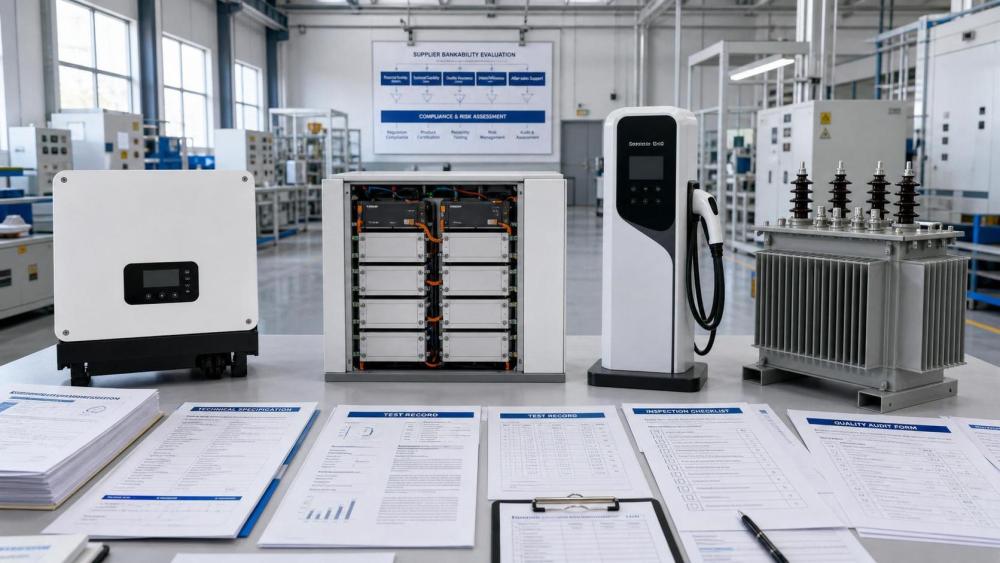
An equipment bankability supplier review is the step that separates a low bid from a reliable project asset.
In power infrastructure, equipment is expected to perform for years, often under financing, compliance, and availability pressure.
That is why buyers rarely stop at price, brochure claims, or brand familiarity.
A proper review asks a broader question: can this supplier support delivery, performance, warranty, and service through the asset life?
This matters across solar PV, battery storage, EV charging, transformers, inverters, control systems, and grid automation components.
The risk profile changes by product, but the logic stays similar.
Bankability is not only about finance.
It also reflects manufacturing discipline, quality records, certification scope, field performance, and the supplier’s ability to handle problems after commissioning.
In practical terms, an equipment bankability supplier review helps reduce late-stage surprises during technical due diligence, lender review, and contract negotiation.
This is especially relevant in renewable energy, where system uptime, grid compliance, and lifecycle cost are tightly connected.
EPEM follows these links closely, showing how equipment choice affects project economics, risk allocation, and long-term operating confidence.
What should be checked first when reviewing a supplier’s bankability?
The first pass should focus on whether the supplier is stable enough to stay relevant through procurement, installation, and warranty years.
That means looking at a few signals together instead of relying on one headline indicator.
- Financial resilience: audited statements, debt exposure, profitability trends, and access to working capital.
- Manufacturing maturity: factory scale, automation level, yield control, traceability, and capacity utilization.
- Certification depth: product certificates, factory audits, grid-code compliance, and market-specific approvals.
- Project references: installed base, similar climate conditions, and performance history in comparable applications.
- After-sales structure: spare parts policy, response time, field engineers, and remote diagnostic capability.
A supplier can look impressive on one dimension and still fail the overall review.
For example, a strong shipment volume does not automatically prove consistent quality.
Likewise, a complete certificate pack may say little about service readiness in the target region.
More common problems appear when documents are technically valid but too narrow for the project use case.
A battery system may be certified, yet fire safety assumptions, thermal controls, or EMS interfaces may differ from site requirements.
An EV charger may meet one market standard, but local grid connection rules or payment integration can still become obstacles.
A quick screening table for early shortlisting
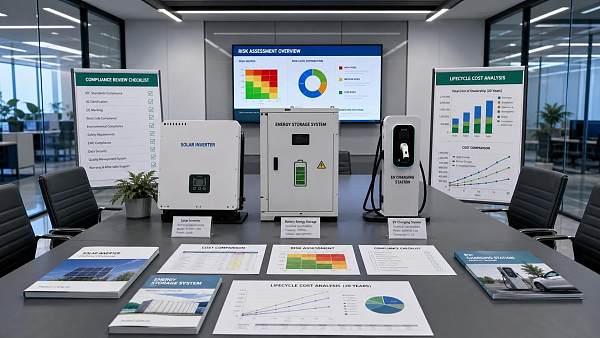
Before deep due diligence, a structured screen helps remove weak candidates without wasting engineering time.
When does bankability become different from a normal technical comparison?
A normal technical comparison asks which product fits the specification.
An equipment bankability supplier review asks whether that fit remains credible over the full project lifecycle.
That difference becomes important in three situations.
- The project depends on external financing and lenders need supplier confidence.
- The equipment is deeply integrated, such as BESS, PCS, EMS, or fast-charging systems.
- The asset will operate in harsh conditions or under demanding grid rules.
Take solar inverters as an example.
A datasheet may show competitive efficiency, but that alone says little about reactive power behavior, firmware stability, or field replacement speed.
The same applies to battery containers.
Cell chemistry, BMS architecture, cooling logic, and fire suppression integration can all look acceptable on paper.
What the bankability review adds is confidence that these functions have been validated in real projects and supported over time.
EPEM often frames this issue well: power equipment should be viewed as part of an operating system, not as isolated hardware.
That perspective helps explain why commercial and technical bankability often move together.
Which red flags usually appear too late in the process?
Some problems are obvious early.
Others remain hidden until contract drafting, FAT, commissioning, or the first fault event.
Those late-stage issues are usually the most expensive.
One red flag is inconsistent documentation.
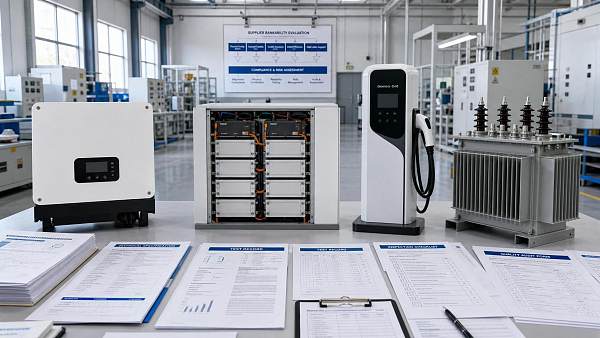
If test reports, certifications, and technical files describe different configurations, the approval path can slow down quickly.
Another is weak warranty language.
A long warranty period sounds attractive, but exclusions, claim procedures, and remedy limits often matter more.
Need to replace parts at the buyer’s cost?
Does labor coverage end after commissioning?
Is performance degradation handled clearly or left open to interpretation?
Regional service overstatement is another frequent issue.
A supplier may list global presence, yet actual service could depend on a third party without spare stock or response commitments.
In grid modernization and distributed energy projects, interface risk should also be treated as a bankability issue.
If communication protocols, SCADA mapping, cybersecurity handling, or EMS integration are vague, later delays are likely.
A careful equipment bankability supplier review should bring these issues forward before anyone reaches final shortlist approval.
How deep should the review go for solar, storage, charging, and grid equipment?
The depth should match system criticality, contract size, and replacement difficulty.
Not every category needs the same level of scrutiny, but none should be screened only by price.
For solar and inverter packages
Focus on degradation evidence, PID resistance, grid-code history, firmware management, and replacement logistics.
Factory audit findings are usually more useful than polished presentations.
For battery storage systems
Go deeper on cell sourcing, thermal design, fire safety, controls integration, round-trip performance assumptions, and augmentation strategy.
This is where an equipment bankability supplier review often needs cross-functional input.
For EV charging infrastructure
Check connector standards, uptime history, software maintenance, payment compatibility, load management, and field service response.
A charger is both power equipment and a digital service endpoint.
For grid and control equipment
Review communication reliability, cybersecurity approach, spare strategy, compliance with utility requirements, and long-term support commitments.
In these segments, interface performance can be as important as hardware durability.
What is a practical way to turn review findings into a shortlist decision?
The most practical approach is to score bankability and technical fit separately, then compare the combined result.
That prevents one attractive price from hiding structural risk.
A simple decision flow usually works better than a complex model that nobody trusts.
- Define must-have requirements: certifications, ratings, grid compliance, and application fit.
- Set bankability screens: finance, factory quality, warranty, references, and service footprint.
- Mark unresolved items clearly: pending tests, unsupported claims, or weak contract language.
- Use site-specific weighting where needed, especially for climate, duty cycle, and integration complexity.
- Keep evidence attached to each score, not only comments from meetings.
Where external intelligence is useful, structured sector coverage can help validate market position and reference credibility.
That is where platforms such as EPEM add value without replacing technical due diligence.
They help connect supplier claims with broader market patterns in renewable generation, storage, charging, and grid modernization.
In the end, the goal is not to find a perfect supplier.
It is to shortlist candidates whose product, execution, and support profile match the asset risk you are taking on.
If the next step is unclear, start by building a review sheet around the issues above.
Then compare documents, references, and warranty terms before moving into final negotiation.
That makes the equipment bankability supplier review a decision tool, not just a compliance exercise.
Questions about market trends? Contact Market Scope Live for deeper business insights.
We respect your privacy. Your information is strictly confidential.
Related News
 Global Energy Policy & SourcingEBRD Plans $6 Billion for Turkish Clean Energy Projects Over Five YearsEBRD plans $6 billion for Turkish clean energy projects over five years. Explore potential supply chain opportunities and what businesses should watch.MORE+
 Global Energy Policy & SourcingCOP31 Focuses on Grid Upgrades as Aging Networks Hinder Clean Energy TransitionCOP31 grid upgrades could reshape the clean energy transition. Explore how aging networks and cross-border connections may affect renewable energy projects and suppliers.MORE+
 Global Energy Policy & SourcingIndia Approves 145 Billion Rupee Plan to Support 92 GWh of Energy StorageIndia's energy storage plan commits 145 billion rupees to support 92 GWh by 2030–31. Explore the funding and what it could mean for projects.MORE+
 Global Energy Policy & SourcingChina's Wind and Solar Capacity Reaches 2 Billion kW; 170 Million kW AddedChina's wind and solar capacity reportedly reached 2 billion kW. Explore what the milestone could mean for project procurement, grid integration and suppliers.MORE+
 Global Energy Policy & SourcingSolarPower Europe Urges EU Ministers to Address Root Causes of High Energy PricesSolarPower Europe urges EU ministers to tackle high energy prices through consumer relief, electrification and renewables. Explore its call for action.MORE+
 Global Energy Policy & SourcingAustralia’s Clean Energy Investment Surges as H1 2026 Storage and Generation Hit RecordsAustralia’s clean energy investment hits H1 2026 records in generation financing and battery storage operations. Explore what this means for procurement, project delivery and suppliers.MORE+
 Global Energy Policy & SourcingHow Variable Steam Demand Affects Turbine Sizing in Process PlantsChoosing a steam turbine supplier? Learn how variable steam demand, pressure limits, and part-load efficiency affect turbine sizing—and avoid costly oversizing in your process plant.MORE+
 Global Energy Policy & SourcingSteam Turbine Lifecycle Costs: What to Include Beyond Purchase PriceCompare steam turbine supplier offers beyond purchase price. Explore installation, energy, maintenance and downtime costs to make a smarter lifecycle investment.MORE+
 Global Energy Policy & SourcingGrid Operators in South Africa: Who Runs Transmission and Distribution?Discover the grid operators South Africa relies on, from NTCSA to Eskom and municipalities. Find the right connection route and avoid costly project delays with this practical guide.MORE+
 Global Energy Policy & SourcingChoosing a Medium Voltage Switchgear Factory: Quality Checks Before OrderingChoosing a medium voltage switchgear factory? Discover essential quality checks, test evidence, and acceptance terms to reduce procurement risks before you order.MORE+
 Global Energy Policy & SourcingK9 Ductile Iron Pipe Specifications: Pressure Class and Buyer ChecksBuying K9 ductile iron pipe? Learn how thickness differs from pressure class and which standards, joints, and quality checks to verify before ordering. Avoid costly procurement mistakes.MORE+
 Global Energy Policy & SourcingRenewable Energy Project Procurement: A Practical Bid Evaluation ChecklistRenewable energy project procurement: use this practical bid evaluation checklist to compare compliance, grid readiness, delivery risk, lifecycle cost, and warranties before award.MORE+
 Global Energy Policy & SourcingStrategic Energy Procurement: Which Contract Terms Reduce Price Volatility?Strategic energy procurement insights on contract terms that reduce price volatility, protect budgets, and strengthen financial control. Explore practical risk-management strategies.MORE+
 Global Energy Policy & SourcingEnergy Strategic Sourcing Frameworks for Cost Control and Supply SecurityEnergy strategic sourcing frameworks help control lifetime costs, strengthen supply security, qualify resilient suppliers, and protect energy projects from delays and operational risk.MORE+
 Global Energy Policy & SourcingIOU Strategic Sourcing: Managing Supplier Risk in Utility Energy ContractsIOU strategic sourcing helps investor-owned utilities manage supplier risk, strengthen energy contracts, and protect long-term grid reliability.MORE+
 Global Energy Policy & SourcingPublic Power Strategic Sourcing: Building Transparent Energy Procurement ProgramsPublic power strategic sourcing guide for transparent, resilient energy procurement—improve lifecycle value, supplier accountability, and grid-ready decisions.MORE+
 Global Energy Policy & SourcingU.S. Infrastructure Investors in Clean Energy: Who Funds What Projects?Infrastructure investors in USA are reshaping clean energy funding. Discover who finances solar, storage, grid modernization, and EV charging—and what makes projects investable.MORE+
 Global Energy Policy & SourcingDistribution Transformer Efficiency Regulation Updates: Compliance Steps for UtilitiesDistribution transformer energy efficiency regulation update: learn practical compliance steps, loss-test requirements, and procurement controls for utilities.MORE+
 Global Energy Policy & SourcingEU Grid Code Compliance for Solar and BESS Projects: Key Tests and RequirementsGrid code compliance Europe for solar and BESS projects: discover essential voltage, frequency, ride-through, protection, telemetry and testing requirements for faster connection approval.MORE+
 Global Energy Policy & SourcingKey Technical Parameters That Determine Steam Turbine Suitability for Industrial Cogeneration Projectssteam turbine supplier? Discover the 5 critical technical parameters—exhaust pressure, steam quality tolerance, part-load efficiency & more—that truly determine suitability for industrial cogeneration projects.MORE+
 Global Energy Policy & SourcingSoutheast Asia Energy Project Pipeline: Key Markets, Timelines, and Investment SignalsExplore the energy project pipeline Southeast Asia: key markets, project timelines, grid risks, and investment signals for smarter renewable energy decisions.MORE+
 Global Energy Policy & SourcingIndustrial Energy Users in South Africa: Costs, Supply Risks and TrendsIndustrial energy users in South Africa: explore cost pressures, supply risks, solar, storage and practical strategies to improve resilience and control energy spend.MORE+
 Global Energy Policy & SourcingSteam Turbine Maintenance Checks to Confirm Before Finalizing a PurchaseSteam turbine supplier checklist: confirm maintenance access, spares, oil systems, controls, and service support before purchase to reduce outage risk.MORE+
 Global Energy Policy & SourcingDoes EPEM Provide Regional Data on Clean Energy Project Financing?Does EPEM cover clean energy project financing data by region? Explore regional market, grid, policy, and risk insights to support smarter clean energy investment screening.MORE+
 Global Energy Policy & SourcingDuctile Iron Pipe Acceptance Testing for Water Infrastructure ProjectsDuctile iron pipe acceptance testing guide for water projects: verify standards, traceability, coatings, joints, and hydrostatic tests for reliable compliance.MORE+
 Global Energy Policy & SourcingShould Fleet Charging Depots Use On-Site Solar or Buy Green Power?Should I integrate solar generation directly at a fleet charging depot or buy green power? Explore costs, reliability, storage, and smarter charging strategies.MORE+
 Global Energy Policy & SourcingGlobal Energy Project Pipeline: Where Investment Is Moving Across Solar, Wind, BESS, and EV ChargingGlobal energy project pipeline insights: see where investment is shifting across solar, wind, BESS, and EV charging, and what makes projects bankable, grid-ready, and worth backing.MORE+
 Global Energy Policy & SourcingWhat Does Grid Decarbonization Consulting Cover for Utility-Scale Power Projects?Grid decarbonization consulting helps utility-scale power projects cut emissions, stay grid-compliant, and improve long-term returns. Discover how it supports planning, flexibility, and execution.MORE+
 Global Energy Policy & SourcingWhich Decarbonization Technologies for Industry Deliver the Best ROI by Process Type?Decarbonization technologies for industry deliver the best ROI when matched to process type. Explore electrification, waste heat recovery, fuel switching, and digital upgrades.MORE+
 Global Energy Policy & SourcingChina Launches Green Certificate Price IndexChina Launches Green Certificate Price Index: learn how the new benchmark affects CBAM, ESG compliance, green electricity tracing, and carbon reporting for exporters and global buyers.MORE+
 Global Energy Policy & SourcingHow to Evaluate Renewable Equipment Tenders for Risk, Compliance, and Total CostRenewable equipment tenders require more than price checks. Learn how to assess risk, compliance, and total cost to avoid hidden project issues and choose smarter bids.MORE+
 Global Energy Policy & SourcingCommon Water Waste and Hygiene Issues in Poultry Nipple Drinking SystemsNipple drinking system poultry issues often start with leaks, pressure errors, and hidden biofilm. Learn how to cut water waste, improve hygiene, and protect flock performance.MORE+
 Global Energy Policy & SourcingRenewable Energy Infrastructure Development: Key Policy, Grid, and Financing TrendsRenewable energy infrastructure development is being reshaped by policy reform, grid constraints, and smarter financing—discover the trends driving bankable, future-ready projects.MORE+
 Global Energy Policy & SourcingEquipment Bankability Supplier Review: What Buyers Should Check Before ShortlistingEquipment bankability supplier review: learn what buyers should check before shortlisting, from financial strength and certifications to service support, warranty risk, and real project performance.MORE+
 Global Energy Policy & SourcingPower Project Permitting in Saudi Arabia: Key Approvals, Timelines, and Common DelaysPower project permitting Saudi Arabia explained: key approvals, realistic timelines, and the most common delay risks—plus practical steps to keep energy projects bankable and on schedule.MORE+
 Global Energy Policy & SourcingHow to Evaluate Clean Energy Investment Utility Scale Projects Before Committing CapitalClean energy investment utility scale decisions require more than headline capacity. Discover how to assess grid access, revenue quality, execution risk, and long-term returns before committing capital.MORE+
 Global Energy Policy & SourcingUtility Renewable Energy Infrastructure Explained: Key Assets, Risks, and Build-Out PrioritiesUtility renewable energy infrastructure explained: explore key assets, grid and storage risks, and build-out priorities to improve project bankability, resilience, and long-term value.MORE+
 Global Energy Policy & SourcingAgrivoltaic Systems in France: Land Use Rules, Crop Fit, and Project Planning BasicsAgrivoltaic systems France explained: learn land use rules, crop fit, permitting, and grid basics to assess smarter, more bankable solar-agriculture projects.MORE+
![]() Global Energy Policy & SourcingMicrogrid Project Permitting Checklist: Key Approvals, Studies, and Common DelaysMicrogrid project permitting made practical: explore key approvals, required studies, and the most common delays to keep projects bankable, compliant, and on schedule.MORE+
 Global Energy Policy & SourcingProject Owners Financing Options for Energy Projects: Loans, Leasing, or EPC Credit?Project owners financing options explained: compare loans, leasing, and EPC credit for energy projects to reduce risk, protect cash flow, and choose the smartest funding path.MORE+