When Do Commercial Property Owners Face Peak Demand for On-Site Energy?
Commercial property owners face peak demand for on-site energy when several operating pressures arrive at the same time: occupied buildings need heating or cooling, tenants run equipment, lifts and ventilation systems operate at full capacity, and new electrical loads such as EV chargers draw power from the same connection. The problem is rarely that a building uses too much energy over an entire year. It is that it needs a high volume of power during a small number of critical intervals.
For office campuses, retail centers, logistics facilities, hotels, hospitals, mixed-use developments, and data-intensive commercial sites, these intervals can influence utility costs, transformer sizing, grid-connection requirements, resilience planning, and investment decisions. As electrification expands, commercial property owners peak demand is becoming a board-level issue rather than a facilities-management detail.
The timing of the peak depends on the building, climate, tariff structure, and local grid conditions. Yet a clear pattern is emerging: energy demand is becoming more variable, more difficult to predict from monthly bills alone, and more closely tied to operational choices made on site.
Peak Demand Is About the Highest Interval, Not Just Total Consumption
Energy consumption is commonly measured in kilowatt-hours, while peak demand is typically the highest rate of electricity use during a metered interval. Depending on the utility and market, that interval may be measured over a short period such as 15, 30, or 60 minutes. A property can have moderate annual consumption but still create a costly peak if several major systems start or operate together.
This distinction matters because demand-related charges, capacity constraints, and connection upgrades are often driven by the maximum draw rather than annual energy volume. It also explains why a building manager may see little change in total electricity use after introducing energy-saving measures, yet still face high bills if the site’s largest demand events remain unchanged.
A typical example is a commercial building on a hot weekday. Cooling equipment ramps up before or during tenant arrival. Lighting, plug loads, elevators, kitchen equipment, server rooms, and ventilation are already active. If several EVs begin high-power charging in the parking area at the same time, the resulting load may exceed the building’s usual profile by a meaningful margin. The energy use may be legitimate and unavoidable; the issue is its coincidence.
When Do the Most Common Peak Events Occur?
There is no universal peak hour, but commercial demand generally clusters around a limited set of conditions. Property owners should look beyond a single “busy time” and examine the interaction between weather, occupancy, equipment schedules, and local tariff windows.
The most consequential peaks often occur at the intersection of these conditions. A winter morning can be challenging when heat pumps, electric water heating, tenant equipment, and EV charging all begin before solar production is meaningful. A summer peak may arrive later, when cooling remains high but rooftop PV output begins to decline. This is why a solar project alone does not automatically solve a demand problem, even when it reduces annual grid purchases.
Electrification Changes the Load Profile Faster Than Many Buildings Expect
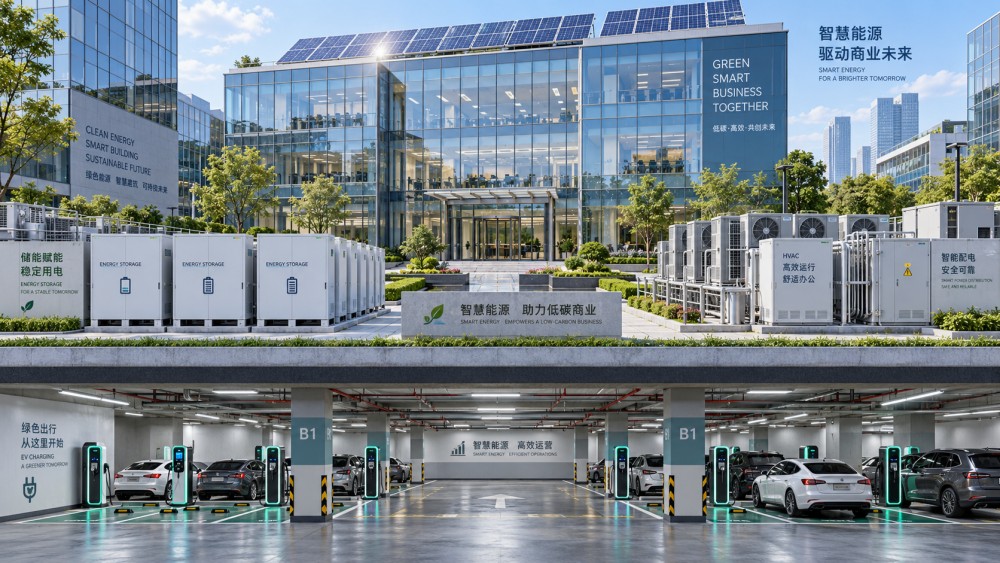
Commercial real estate is adding electric loads for sensible reasons: replacing fossil-fuel heating, meeting emissions targets, improving tenant amenities, supporting electric fleets, and preparing for future regulation or customer expectations. But electrification is not simply a fuel switch. It changes when power is required, how quickly load can rise, and whether the existing electrical infrastructure remains adequate.
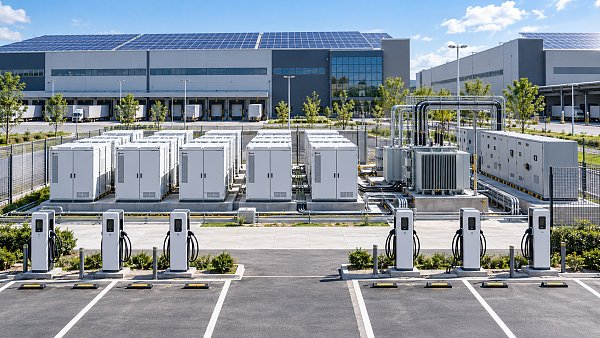
EV charging is a particularly visible example. A property may have enough electrical capacity for a small number of chargers operating at different times. The same connection may become constrained when tenants, visitors, or fleet vehicles expect to charge simultaneously. Charging demand also has a behavioral element: drivers often plug in immediately after arriving, which can align charging with the building’s existing morning or early-evening demand.
Heat pumps create a different planning challenge. Their electrical demand can be highest precisely when outdoor temperatures are most severe and building heating needs are elevated. A property owner evaluating heat-pump conversion should therefore assess the winter design load, control strategy, backup configuration where applicable, and transformer capacity—not merely compare annual energy forecasts.
Data rooms, commercial kitchens, refrigeration, automated warehousing, and tenant-specific production equipment can have similarly sharp load signatures. In leased properties, the complication is often governance. Owners may carry the cost and technical risk of electrical upgrades while tenants control much of the load growth. Lease provisions, fit-out approval processes, and submetering arrangements deserve attention before capacity becomes a constraint.
Why Solar Helps, but Does Not Always Match the Peak
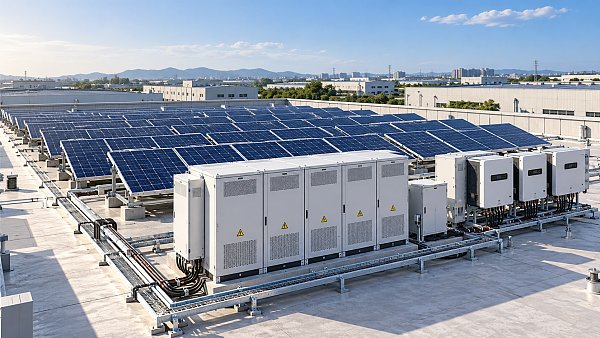
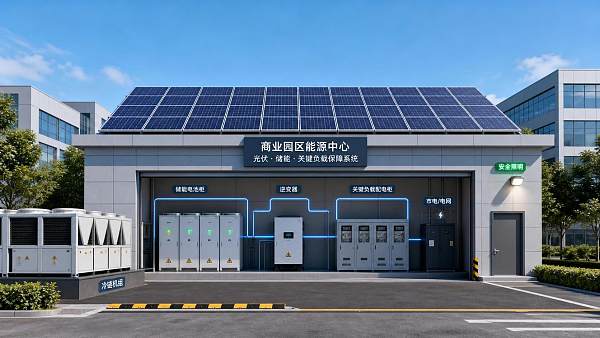
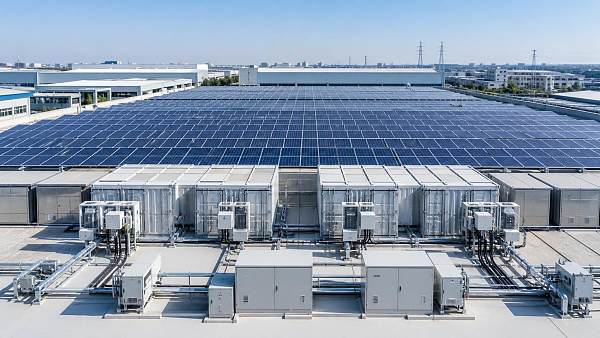
Rooftop solar can lower daytime grid imports and improve the economics of on-site energy, particularly where a building has substantial daytime consumption. Its output, however, follows irradiance rather than the property’s exact load curve. The strongest solar generation may occur before a late-afternoon cooling peak, while early winter heating demand may develop well before production reaches useful levels.
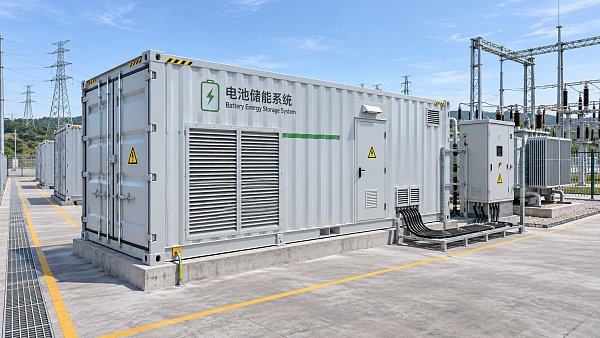
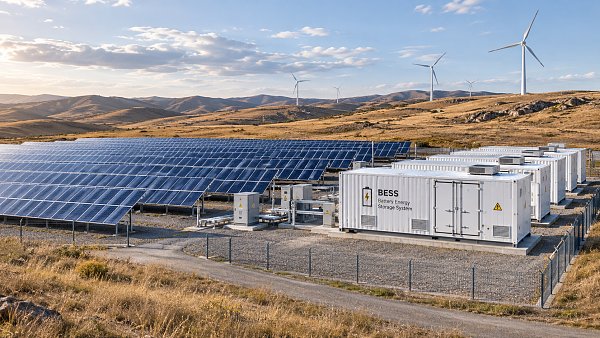
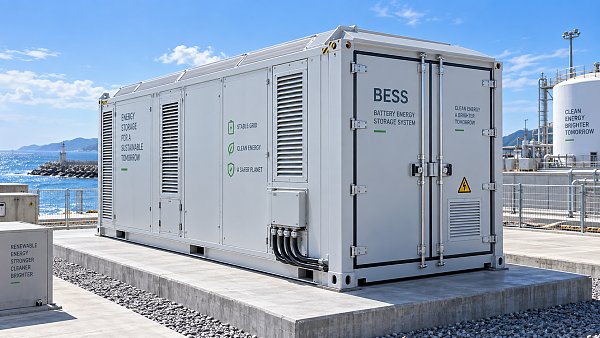
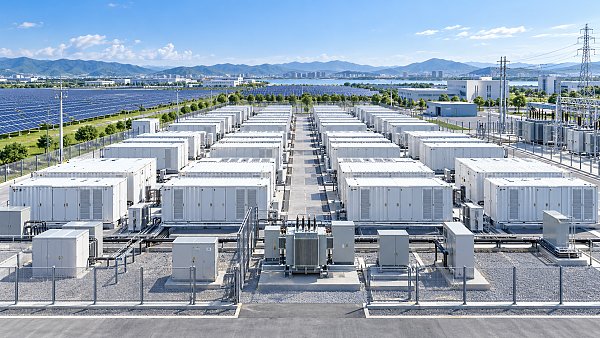
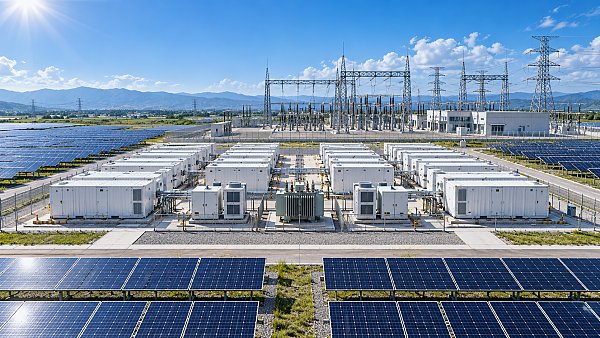
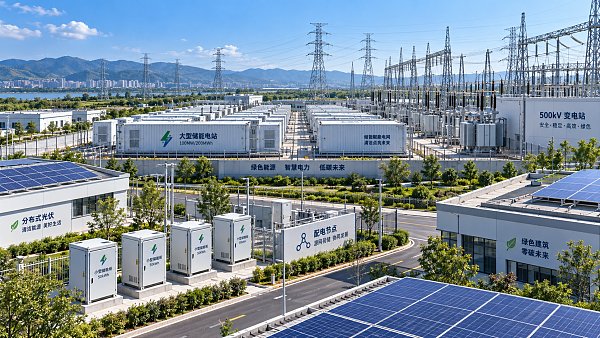
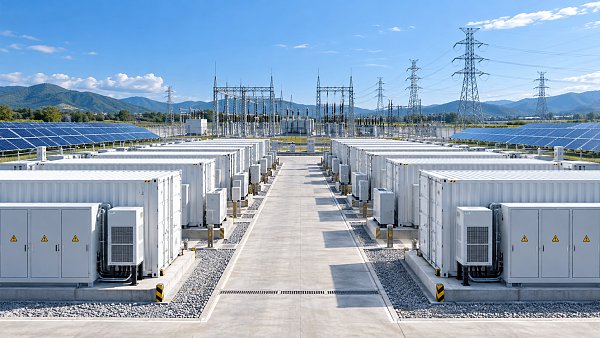
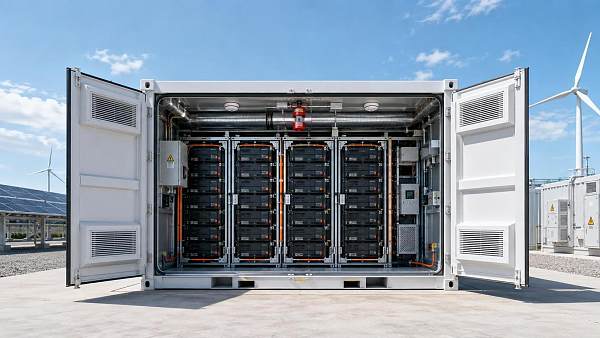
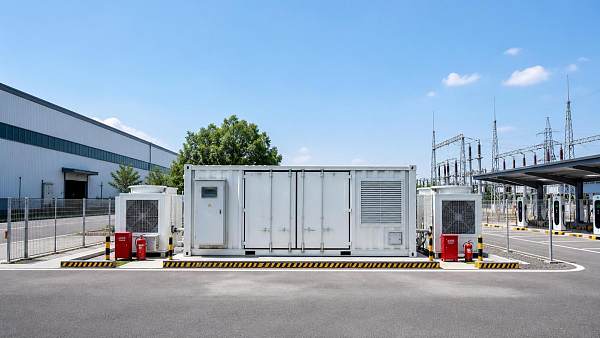
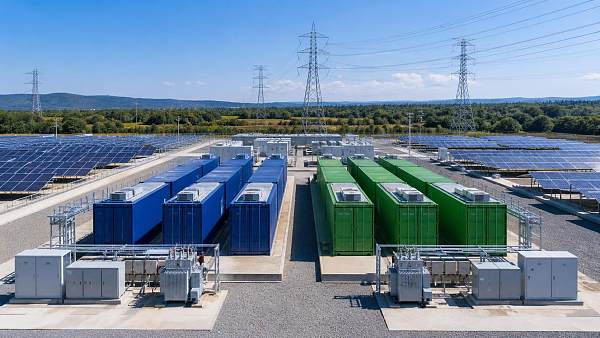
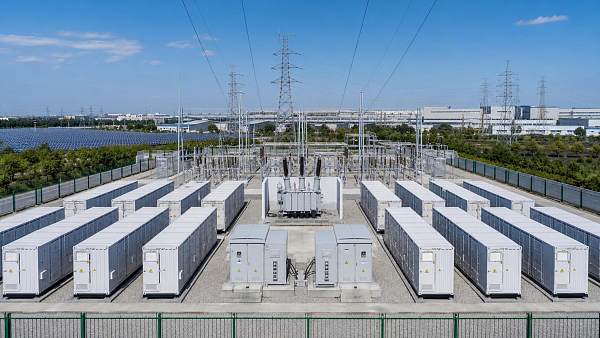
This mismatch is one reason solar-plus-storage projects are attracting attention in commercial real estate. A battery may store some excess on-site generation or charge from the grid under a defined operating strategy, then discharge during a demand event. Whether this works economically depends on local tariffs, interconnection rules, battery cycling needs, demand-charge structure, resilience goals, and the site’s actual interval data. It should not be assumed from a monthly electricity bill.
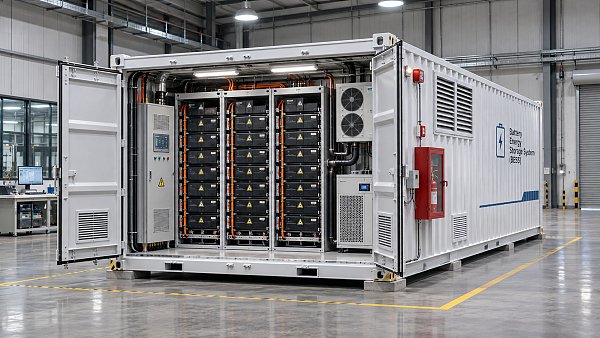
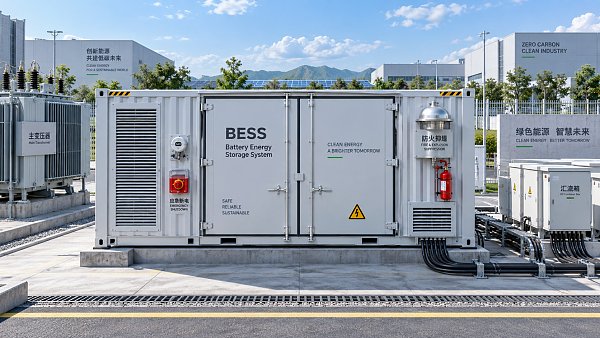
Battery sizing is also more nuanced than selecting a large energy capacity. Peak shaving depends on both power and duration. A short, steep load spike may require substantial battery power for a limited time. A longer afternoon peak requires enough usable energy to sustain discharge. In addition, controls must preserve state of charge for backup power if resilience is part of the investment case.
The First Decision Is Usually Better Visibility, Not New Hardware
Many commercial sites still make energy decisions using monthly invoices, annual benchmarks, or nameplate equipment ratings. Those sources are useful, but they cannot reveal which systems created the peak, whether it was recurring, or whether it could have been avoided through operational coordination.
A more useful starting point is interval-level load analysis over a representative period that includes seasonal extremes. Owners should compare whole-building demand with weather conditions, occupancy, HVAC schedules, major tenant loads, EV charging sessions, and on-site generation. They should also confirm how the utility calculates billed demand and whether separate rules apply to time-of-use periods, reactive power, export limits, or contracted capacity.
Submetering can turn a difficult conversation into a manageable one. If an office tower’s demand peak comes from base-building cooling, the response will differ from a case where a tenant’s fit-out, refrigerated retail unit, or charging bank is responsible. The objective is not to assign blame. It is to identify controllable load, fixed load, and load that could move without affecting operations.
Questions that should be answered before selecting a solution
- At what time and under what weather conditions does the site’s highest demand occur?
- Is the peak caused by a recurring operational pattern or an isolated event?
- Which loads are essential, flexible, tenant-controlled, or suitable for automated curtailment?
- Does the property have spare transformer, switchgear, and grid-connection capacity for planned electrification?
- Will solar generation be available when the peak occurs, or is storage and control logic needed?
- What electrical safety, fire protection, permitting, and interconnection requirements apply locally?
Demand Management Is an Operational Strategy
Not every site needs a battery immediately. In many cases, a building energy management system can reduce avoidable coincidence by staggering equipment starts, pre-cooling or pre-heating within comfort limits, adjusting ventilation schedules, limiting charger output during critical periods, or coordinating standby generation where permitted and appropriate. The best response is often a combination of controls and targeted hardware rather than a single major asset.
Smart charging deserves particular attention. A charging network designed around dynamic load management can allocate available capacity across vehicles instead of allowing every charger to operate at its maximum rated output. For fleet operators, charging schedules can also reflect route requirements, departure times, and tariff periods. This is a planning exercise involving operations, not merely a decision about charger quantity.
For larger portfolios, demand response and virtual power plant participation may become relevant where market structures permit them. These models can create value from flexible load or storage, but they introduce performance obligations, communications requirements, and operational risk. Owners should understand dispatch rules, baseline methodology, penalties, control authority, and tenant impacts before treating flexibility revenue as a core financial assumption.
A Market Shift Toward Integrated On-Site Energy Planning
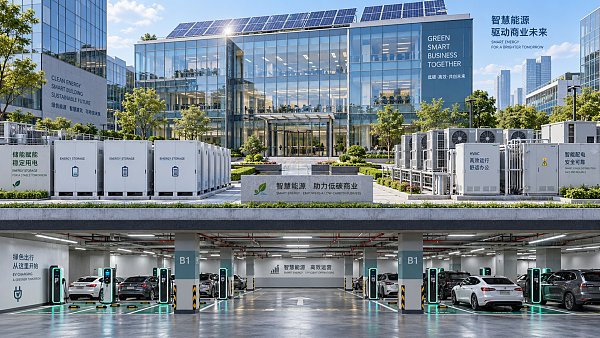
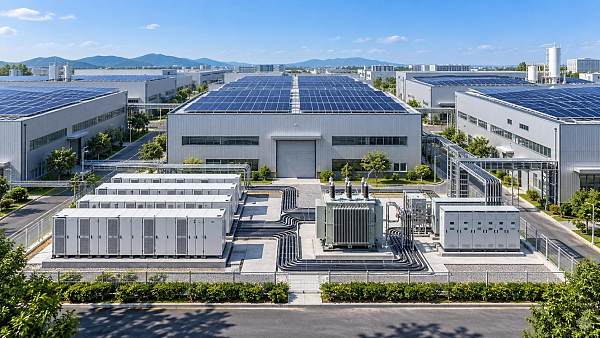
The market is moving away from isolated energy projects. Rooftop PV, battery storage, chargers, building controls, meters, inverters, and grid interfaces increasingly need to operate as one system. This does not mean every commercial property should become a microgrid. It means that each new asset should be evaluated against the property’s existing load profile and its likely future demand.
Grid conditions are adding urgency. In some locations, obtaining additional connection capacity can involve long lead times, technical studies, or costly upstream reinforcement. In others, tariff design makes a high peak financially material even where physical capacity remains available. The commercial case will therefore differ by jurisdiction, utility territory, building use, and project timeline.
This is where structured market and technical intelligence becomes practical. Global EcoPower & Energy Matrix Intelligence Network (EPEM) follows the intersection of distributed solar, energy storage, EV charging, grid modernization, and digital energy controls. For property owners and project teams, the useful question is not which technology is most fashionable. It is which combination can meet a specific site’s demand profile, electrical constraints, operating priorities, and lifecycle requirements.
Treat the Next Peak as a Planning Signal
A demand spike is not automatically evidence of poor building management. It may reveal that the property is evolving faster than its original electrical design: more tenants, more cooling, cleaner heating, new logistics activity, or rising charging demand. Ignoring that signal can lead to reactive upgrades, uncomfortable operating restrictions, or poorly matched investments.
Before committing to solar, storage, charger expansion, or a grid-capacity upgrade, owners should establish a credible baseline from interval data and test future-load scenarios. The relevant peak is not only the one seen last month. It is the one the site may face after the next tenant fit-out, fleet transition, heating upgrade, or extreme-weather event. That is the demand profile an on-site energy strategy should be designed to handle.
Questions about market trends? Contact Market Scope Live for deeper business insights.
We respect your privacy. Your information is strictly confidential.
Related News
 Energy Storage Systems / BESSNYSERDA Opens Second 2026 Bulk Storage Solicitation Targeting 1 GWNYSERDA’s second 2026 bulk energy storage solicitation targets 1 GW. Explore the opportunity for developers, investors and New York’s grid.MORE+
 Energy Storage Systems / BESSCroatia’s First Transmission-Connected Standalone Battery Project Enters OperationCroatia’s first transmission-connected standalone battery project is operational. Discover how the 60 MW Šibenik facility could support grid flexibility.MORE+
 Energy Storage Systems / BESSAustralia's NEM Battery Storage Hits Record 20.17 GWh, Up 203% Year on YearAustralia's NEM battery storage reportedly hits 20.17 GWh, up 203% year on year. Explore what the record could mean for grid-scale projects and procurement.MORE+
 Energy Storage Systems / BESSC&I Energy Storage in Germany: What Drives Project ROI?C&I energy storage in Germany: discover what drives project ROI, from peak shaving and solar savings to costs, tariffs and smarter battery sizing.MORE+
 Energy Storage Systems / BESSChoosing Energy Storage Containers: Capacity, Power and Safety CriteriaCompare energy storage containers by usable capacity, power, safety and grid integration. Learn what to ask suppliers before choosing a system.MORE+
 Energy Storage Systems / BESSNeoen, Frontier Energy and Lightyears Secure Funding for Renewable ProjectsNeoen, Frontier Energy and Lightyears secure renewable energy financing. Explore what the funding means for solar, wind and battery storage projects.MORE+
 Energy Storage Systems / BESSChoosing a Battery Energy Storage Container Manufacturer: Key Supplier ChecksChoosing a battery energy storage containers manufacturer? Learn how to assess safety, integration, warranties and total costs before you buy.MORE+
 Energy Storage Systems / BESSCATL Introduces Grid Connection and Financing Commitments in AustraliaCATL introduces energy storage with 25-year grid connection and financing commitments in Australia. Explore what the proposed model means for projects.MORE+
 Energy Storage Systems / BESSPortugal Mandates Grid-Forming Capability for Large Storage and Launches 1 GW TenderPortugal grid-forming rules target large standalone energy storage projects as a 1 GW tender launches. Explore the implications for developers and suppliers.MORE+
 Energy Storage Systems / BESSAdding Battery Storage to Rooftop Solar: When to Use AC vs. DC CouplingExplore rooftop solar storage integration: compare AC vs. DC coupling, inverter compatibility, backup power, and lifecycle costs to choose the right battery setup.MORE+
 Energy Storage Systems / BESSHeron Power and NiSource Announce US Data Center Deals Involving BESSHeron Power and NiSource announce US data center deals involving BESS. Explore how transformer integration and long-term power supply are shaping data center energy plans.MORE+
 Energy Storage Systems / BESSPeak Energy Raises $108 Million as GM Ventures Leads Sodium-Ion Storage RoundPeak Energy raises $108 million in a GM Ventures-led round to scale sodium-ion storage for grids and AI data centers. Explore what buyers should assess before committing.MORE+
 Energy Storage Systems / BESSRondo Energy and Rio Tinto Begin Design of Australia's Largest Thermal Storage ProjectRondo Energy and Rio Tinto begin design of a 30 MW/360 MWh thermal storage project at Yarwun. Explore its potential for industrial decarbonization and future procurement.MORE+
 Energy Storage Systems / BESSCATL Nine-Month Net Profit Rises 31.6% as Energy Storage Emerges as a Growth DriverCATL’s reported nine-month net profit rose 31.6% as energy storage gains momentum. Explore what this shift could mean for battery buyers, overseas orders and procurement planning.MORE+
 Energy Storage Systems / BESSScalable Power Solutions for Commercial Facilities with Uneven Site DemandScalable power solutions for multi-site commercial facilities: optimize uneven demand, resilience, storage, solar, and controls with a repeatable portfolio strategy.MORE+
 Energy Storage Systems / BESSWhen Do Commercial Property Owners Face Peak Demand for On-Site Energy?Commercial property owners peak demand often occurs when HVAC, occupancy, EV charging, and equipment loads coincide. Discover practical strategies to manage costs, capacity, and on-site energy resilience.MORE+
 Energy Storage Systems / BESSWhen Does a Containerized Hybrid Solar-Storage System Make Sense for Remote Sites?containerized hybrid solar storage for remote sites: discover when it cuts diesel costs, improves reliability, and simplifies deployment with smarter sizing and design.MORE+
 Energy Storage Systems / BESSHow to Specify Steel Battery Enclosures for Outdoor BESS Fire and Corrosion RisksSteel battery enclosures: learn how to specify corrosion protection, fire-ready interfaces, drainage, and durable outdoor BESS performance.MORE+
 Energy Storage Systems / BESSBattery Energy Storage Cost: What Drives $/kWh and Project ROI?Battery energy storage cost explained: compare usable $/kWh, system scope, grid connection, warranty, and lifecycle factors to build a stronger storage ROI.MORE+
 Energy Storage Systems / BESSWhat Drives BESS Fire Protection Costs in Utility-Scale Storage Projects?Energy storage fire protection cost drivers explained: compare BESS safety systems, site design, compliance, and integration to budget smarter.MORE+
 Energy Storage Systems / BESSHow to Size Grid-Scale Energy Storage for Peak Shaving and Renewable FirmingGrid scale energy storage sizing guide for peak shaving and renewable firming—learn how to model MW, MWh, dispatch, degradation, and grid limits.MORE+
 Energy Storage Systems / BESSWhat Drives Battery Energy Management System Costs in BESS Projects?Battery energy management systems cost depends on controls, integration, grid compliance, cybersecurity, and lifecycle support. Learn how to evaluate BESS EMS proposals wisely.MORE+
 Energy Storage Systems / BESSHow to Size a Commercial Microgrid Battery System for Peak Shaving and Backup PowerCommercial microgrid battery system sizing guide for peak shaving and backup power—optimize kW, kWh, reserve SOC, controls, and resilience.MORE+
 Energy Storage Systems / BESSHow to Select a Battery Storage EPC Partner for Utility-Scale Projects in EuropeBattery storage EPC Europe: choose the right utility-scale partner with proven grid expertise, safety leadership, supply-chain control, and reliable commissioning.MORE+
 Energy Storage Systems / BESSHow to Evaluate a Stationary Battery Storage Manufacturer for Critical Backup PowerStationary battery storage manufacturer evaluation guide: compare safety, usable capacity, integration, warranties, lifecycle cost, and service support for reliable critical backup power.MORE+
 Energy Storage Systems / BESSDo Utilities Prefer Centralized or Distributed Energy Storage Models?Do utility companies prefer centralized or distributed energy storage models? Explore how grid constraints, costs, resilience, and control shape the best storage strategy.MORE+
 Energy Storage Systems / BESSWhat Fire Safety Requirements Apply to Containerized Battery Storage?What are the fire safety requirements for containerized battery storage systems? Explore codes, detection, suppression, ventilation, shutdown, and site design essentials.MORE+
 Energy Storage Systems / BESSIs EPEM Useful for Benchmarking Energy Storage Project Performance?Is EPEM useful for benchmarking energy storage project performance data? Explore how it helps normalize efficiency, availability, degradation, dispatch, and lifecycle risks.MORE+
 Energy Storage Systems / BESSBehind-the-Meter Energy Systems for Industrial Parks: Sizing Solar, Storage, and LoadsBehind the meter energy systems for industrial parks: learn how to size solar, storage, and loads for lower costs, resilient operations, and scalable growth.MORE+
 Energy Storage Systems / BESSAerosol Fire Protection for Energy Storage: Key Design Factors for BESS SafetyAerosol fire protection for energy storage: explore key BESS design factors for detection, ventilation, thermal runaway risk, and safer system integration.MORE+
 Energy Storage Systems / BESSHow to Size Solar Backup Energy Systems for Critical Commercial LoadsBackup energy systems with solar: learn how to size critical commercial loads, balance battery power and runtime, and build resilient operations.MORE+
 Energy Storage Systems / BESSWhat Criteria Should You Use to Shortlist Battery Storage EPC Contractors?What criteria should be used to shortlist battery storage EPC contractors? Explore essential checks for engineering, safety, grid integration, delivery, and lifecycle value.MORE+
 Energy Storage Systems / BESSCan Battery Storage Be Added to Existing Solar Farms Without Replacing Inverters?Can battery storage be integrated into existing solar farms without replacing inverters? Explore AC-coupled retrofits, grid limits, controls, costs, and value.MORE+
 Energy Storage Systems / BESSAre Containerized Battery Storage Systems Safe for Urban Deployment?Are containerized battery storage systems safe for urban deployment? Explore key safety factors, fire planning, standards, and site design for reliable urban BESS projects.MORE+
 Energy Storage Systems / BESSSodium-Ion vs Lithium-Ion: Which Is Better for Long-Duration Storage?Is sodium-ion battery better than lithium-ion for long duration storage? Explore cost, safety, energy density, warranties, and the best fit for your storage project.MORE+
 Energy Storage Systems / BESSHow to Size Grid-Scale Battery Energy Storage for Peak Shaving and Grid SupportGrid scale battery energy storage sizing made practical: learn how to match MW, MWh, dispatch, degradation, and grid constraints for reliable peak shaving and grid support.MORE+
 Energy Storage Systems / BESSHow to Integrate Solar and Battery Storage for Reliable Commercial Power ProjectsSolar storage project integration for commercial sites: learn to align load analysis, battery sizing, controls, safety, and grid compliance for reliable power.MORE+
 Energy Storage Systems / BESSHow Does Battery Thermal Management Affect Charger Uptime in Hot Climates?How does battery thermal management affect charger uptime in hot climates? Explore cooling strategies that reduce derating, protect assets, and keep EV charging reliable.MORE+
 Energy Storage Systems / BESSAre Sodium-Ion Batteries Ready for Commercial Charging Storage in 2026?Are sodium-ion batteries ready for commercial charging station storage in 2026? Explore costs, safety, footprint trade-offs, and project-fit insights.MORE+
 Energy Storage Systems / BESSHow to Size Energy Storage Containers for Reliable Microgrid PerformanceEnergy storage containers for microgrids: learn how to size capacity, power, backup duration, and reserve margins to improve reliability, cut costs, and support smarter project decisions.MORE+