What Fire Safety Requirements Apply to Containerized Battery Storage?
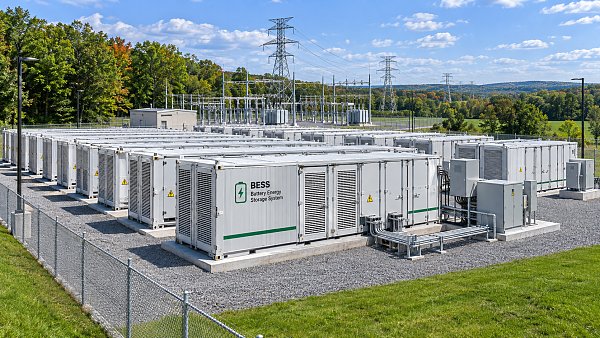
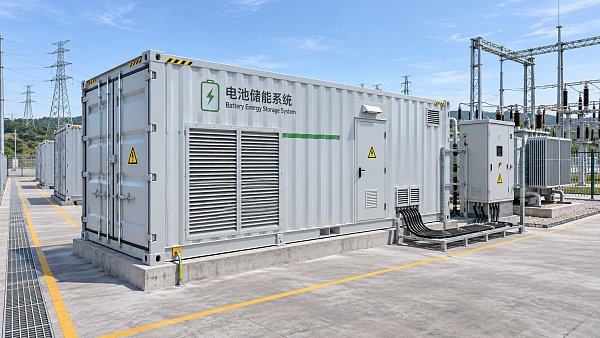
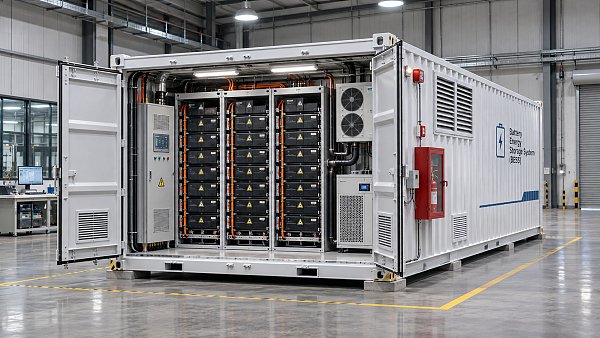
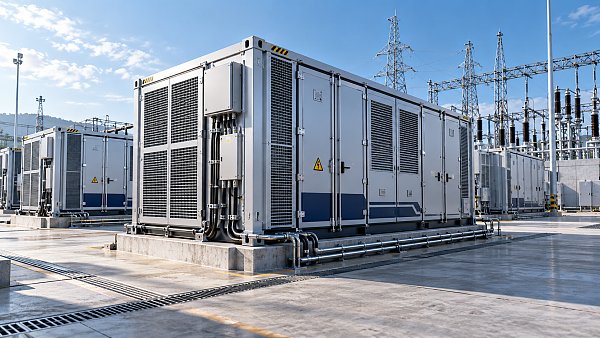
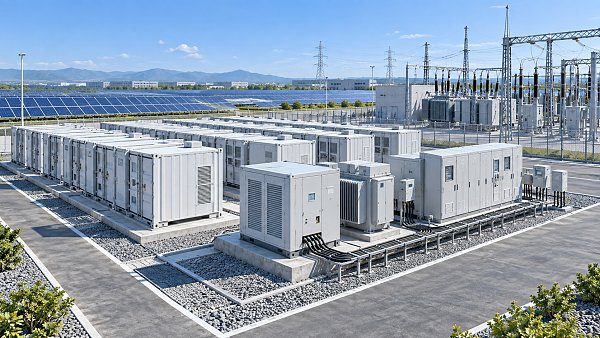
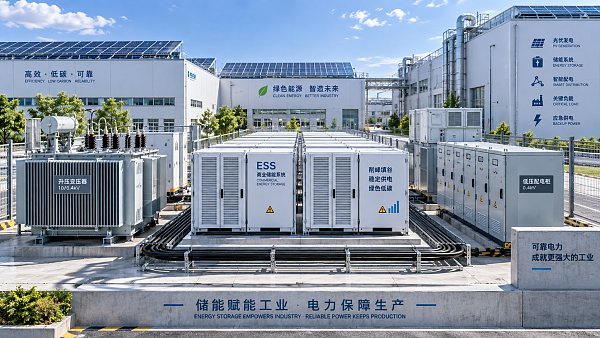
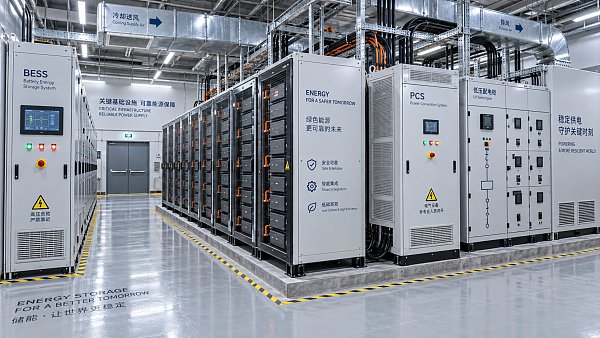
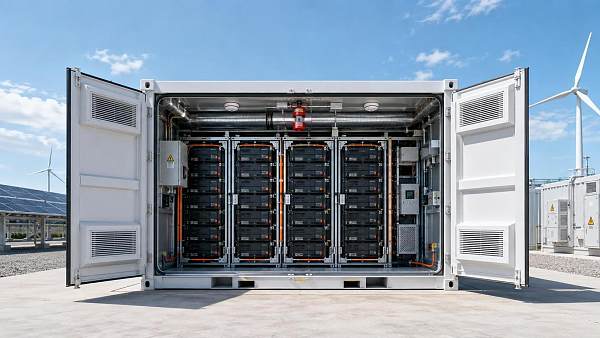
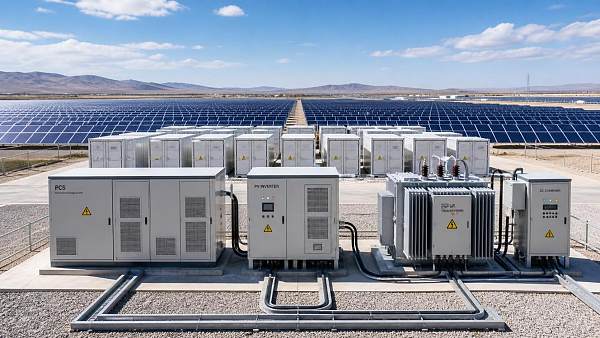
A containerized battery energy storage system can appear straightforward on a site plan: a steel enclosure, power conversion equipment, cables, and a grid connection. The fire-safety challenge is inside the enclosure, where cells, racks, busbars, battery controls, cooling equipment, and electrical protection operate in a tightly integrated space. A fault that begins in one cell can generate heat and flammable gases quickly, while the sealed or semi-sealed nature of a container can allow pressure and hazardous concentrations to build up.
So, what are the fire safety requirements for containerized battery storage systems? The short answer is that the system must be designed, tested, installed, and operated as a coordinated safety system—not as a battery container with a fire extinguisher added afterward. Requirements normally address the listed battery system, thermal runaway mitigation, gas and smoke detection, ventilation or deflagration protection, fire suppression or exposure protection, emergency shutdown, equipment spacing, access for responders, monitoring, and compliance with the applicable local fire, building, electrical, and zoning rules.
Start with the applicable code pathway, not a generic equipment specification
Fire requirements vary by jurisdiction, project size, battery chemistry, indoor or outdoor placement, occupancy type, and whether the installation is connected to a utility, commercial facility, renewable plant, or microgrid. A procurement document that simply asks for “fire protection included” leaves major questions unresolved. The project team needs to identify which authority has jurisdiction and which codes, standards, permits, and utility rules will govern the site.
In many projects, the review may involve local fire and building codes, electrical codes, land-use conditions, and adopted energy-storage provisions. Standards often referenced in this process include UL 9540 for energy storage systems and equipment, UL 9540A for evaluating thermal runaway fire propagation characteristics, NFPA 855 for stationary energy storage systems, and relevant provisions of fire and electrical codes. Depending on the design and local requirements, standards related to explosion protection, fire alarm systems, ventilation, and emergency response may also apply.
These references should not be treated as interchangeable labels. UL 9540 addresses the energy storage system as an integrated product or assembly. UL 9540A is a test method that can provide information about thermal runaway behavior and fire propagation under specified conditions. A container using cells with test data is not automatically acceptable at a particular site. The authority having jurisdiction may still require a review of container layout, separation distances, fire department access, exposure hazards, emergency controls, and the project’s emergency response plan.
The battery enclosure must limit fault escalation
The central fire scenario for lithium-ion storage is thermal runaway: an exothermic failure within a battery cell that may produce intense heat, smoke, toxic compounds, and flammable gases. It can be initiated by internal cell defects, mechanical damage, overcharge, external heating, inadequate cooling, electrical faults, or a failure that is not detected early enough. The key safety objective is not merely to detect flames. It is to prevent abnormal operating conditions, identify an event at its earliest stage, isolate affected equipment, reduce the chance of propagation, and protect people and adjacent assets.
Battery chemistry and cell format affect the hazard profile, but chemistry alone does not determine the safety outcome. Cell selection, module construction, rack configuration, battery management settings, fuse coordination, cable routing, cooling design, enclosure materials, and control logic all influence how an event develops. A project should therefore review the actual integrated container design rather than relying on a chemistry-level statement such as “this battery type is safe.”
Thermal management is part of fire safety. Air-cooled or liquid-cooled systems must keep cells within their intended operating range during charging, discharging, standby conditions, and high ambient temperatures. The design should account for loss of cooling power, blocked airflow, refrigerant or coolant faults where applicable, sensor failure, and control-system communication loss. Temperature sensors should be placed where they can identify abnormal conditions at cell, module, rack, or compartment level according to the system design. A single enclosure temperature reading is rarely enough to provide meaningful early warning.
Detection must recognize more than visible fire
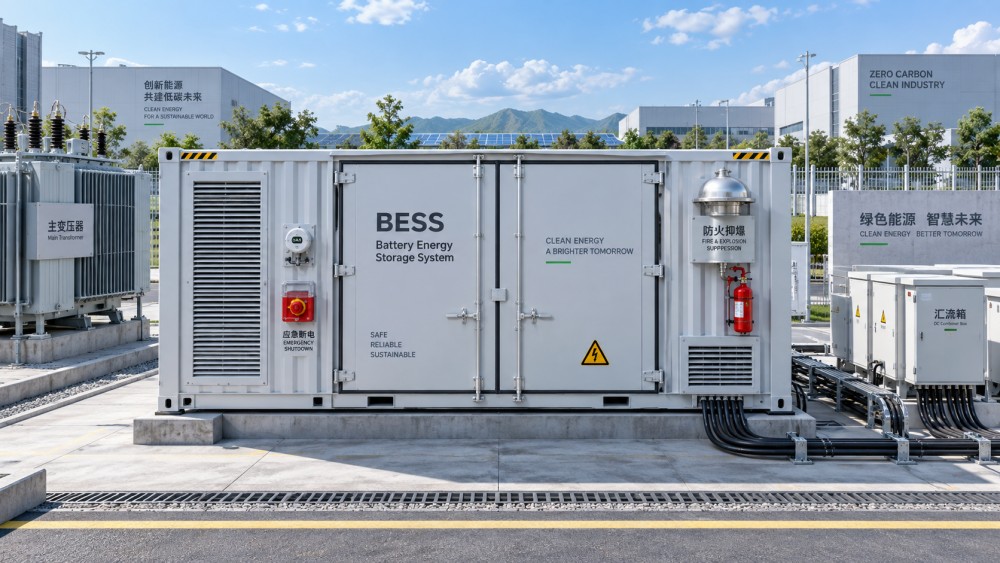
By the time open flame is visible outside a battery container, the event may already be advanced. Effective detection usually combines several signals because no single sensor is suitable for every failure sequence. Depending on the validated system design, this may include smoke detection, heat detection, off-gas detection, carbon monoxide monitoring, hydrogen or other flammable-gas sensing, battery voltage and temperature alarms, insulation monitoring, and fault signals from the battery management system.
The purpose of gas detection is especially important in enclosed battery systems. Thermal runaway can release flammable gases before a sustained external flame occurs. If those gases accumulate and find an ignition source, the risk may shift from a localized battery event to a deflagration or explosion hazard. Detection must therefore be connected to a defined response sequence, such as stopping charge and discharge, opening contactors, isolating the power conversion system, activating ventilation where the design permits, sending remote alarms, and initiating the site emergency procedure.
False alarms also deserve attention. Sensors exposed to dust, moisture, changing ambient conditions, or maintenance activities can create nuisance signals. Operators should not solve that problem by disabling alarms or widening thresholds without engineering review. Instead, verify sensor placement, calibration intervals, environmental protection, alarm logic, and the distinction between advisory, warning, trip, and emergency states.
Alarm logic should be understandable under pressure
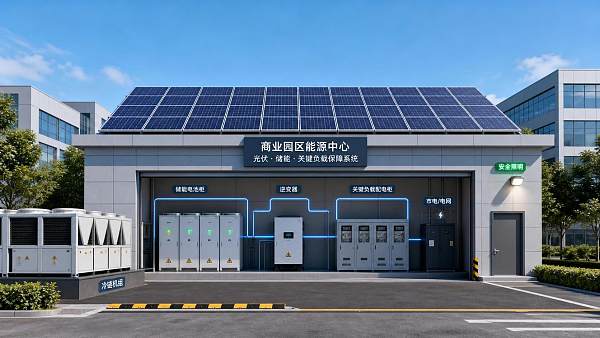
A container may have several control layers: the battery management system, thermal management controller, power conversion system, fire detection panel, site SCADA platform, and utility or plant controller. Safety functions must remain coherent when communications fail. A critical shutdown should not depend solely on a cloud connection or an operator noticing a dashboard alert.
- Define which signals generate an operator warning and which signals trigger automatic isolation.
- Confirm that loss of auxiliary power, loss of communications, or a damaged cable does not leave the battery in an unsafe energized state.
- Provide local indication and remote notification appropriate to the site’s staffing model.
- Record alarms, trips, temperatures, gas readings, and system states so that an event can be investigated before the unit returns to service.
Suppression, ventilation, and explosion protection have different jobs
A frequent design mistake is assuming that a suppression system alone resolves container fire risk. Suppression may cool equipment, control an external fire, delay fire spread, or protect exposures, but it may not stop thermal runaway inside every battery cell. Some battery events can continue to generate heat and gases after electrical isolation and agent discharge. The selected approach must be supported by the container’s tested configuration and the site-specific fire strategy.
Water-based systems, clean-agent systems, aerosol systems, water mist, and other methods have different roles, limitations, maintenance needs, and compatibility considerations. The appropriate method depends on the enclosure design, battery technology, test evidence, local code requirements, water availability, drainage planning, and the fire service’s operational approach. It is not enough to name an extinguishing agent in a bid document; the project should define the initiating conditions, coverage area, release sequence, manual controls, reset process, and how the system behaves after activation.
Ventilation should likewise be evaluated as an engineered safety function, not simply as an opening in the container wall. Normal HVAC equipment is intended to manage operating temperature. Emergency ventilation may be intended to dilute gases, but its use during a battery event can be restricted by fire conditions, gas composition, pressure behavior, or the need to avoid spreading smoke. Where flammable-gas accumulation is credible, the enclosure may need a coordinated approach involving gas detection, pressure relief, deflagration venting, isolation of ignition sources, and controls designed for the assessed hazard.
Pressure relief panels or vents must discharge in a direction that does not endanger personnel, public areas, adjacent equipment, access routes, or other containers. Their location needs to match the final site layout, not just the manufacturer’s standard container drawing. A vent facing a service aisle, transformer, building opening, or emergency access point can create a serious secondary hazard.
Site layout affects whether an incident remains contained
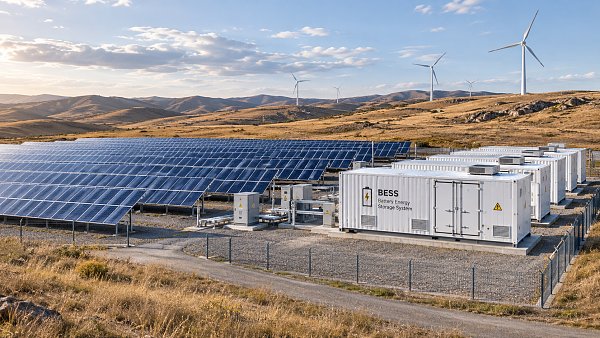
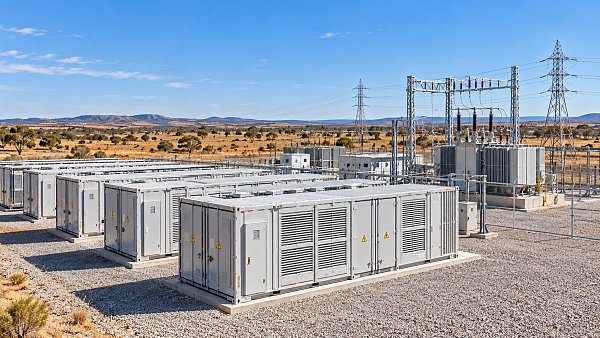
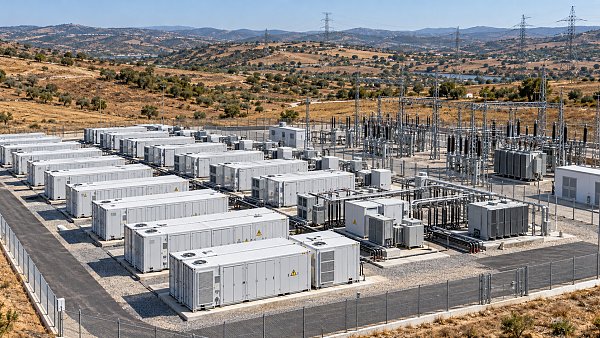
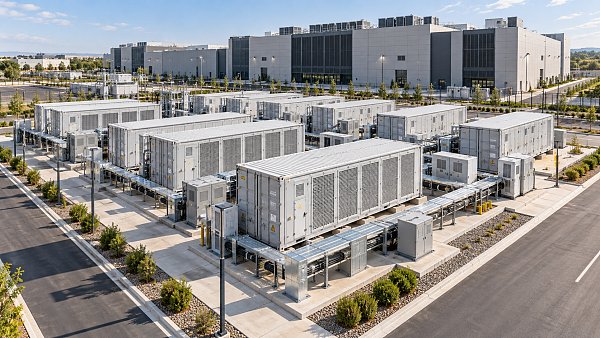
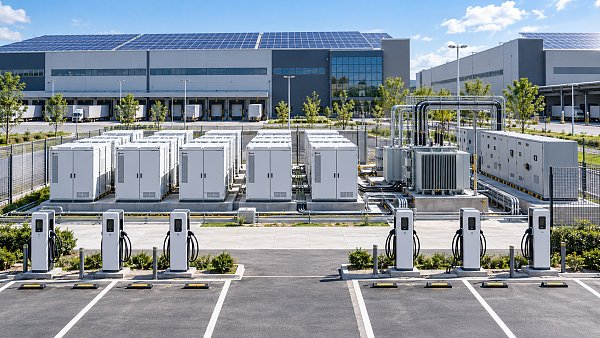
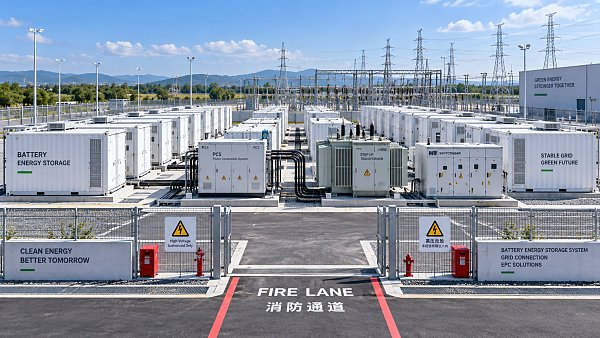
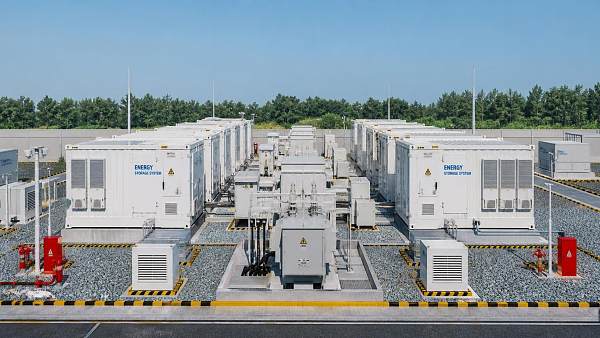
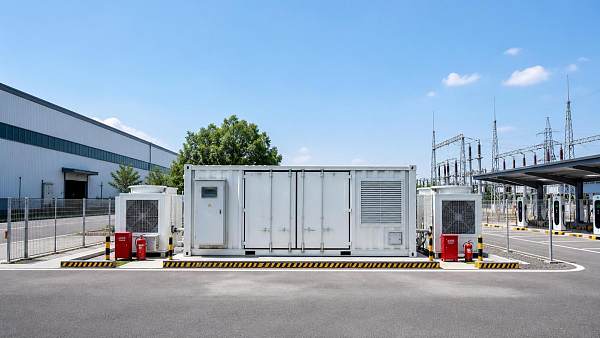
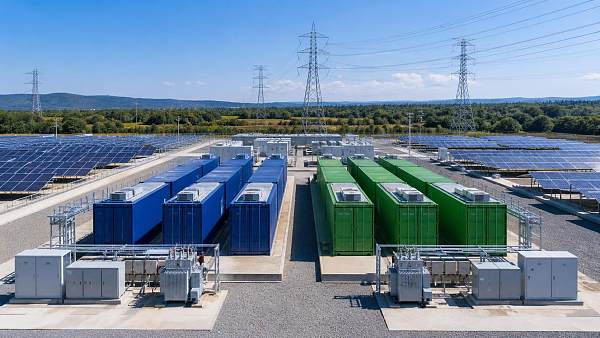
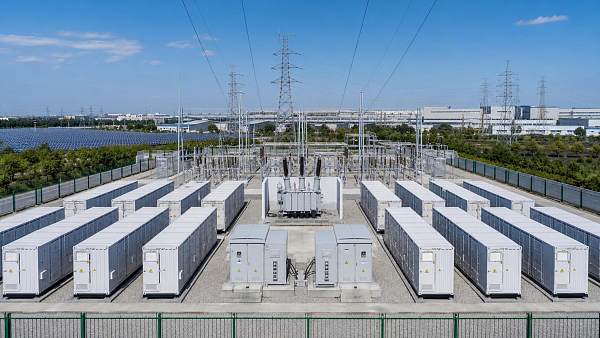
Outdoor container placement is often safer to manage than placing storage inside an occupied building, but outdoor installation is not automatically low risk. Separation between containers, buildings, transformers, parking areas, property lines, and critical electrical equipment may be required by the applicable code or by the fire authority. The exact distances and protective measures should be confirmed for the adopted rules and the equipment’s test documentation rather than copied from another project.
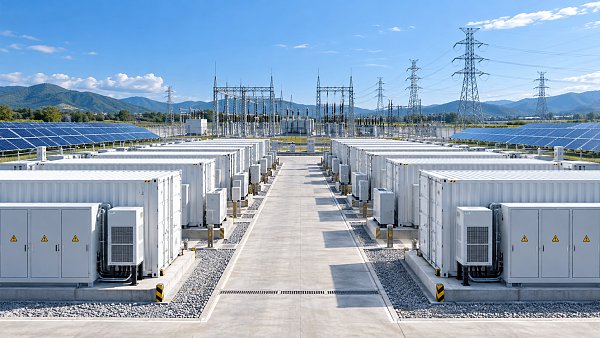
Layout decisions should consider how fire can spread through radiant heat, flame exposure, smoke movement, vent discharge, and emergency vehicle access. Closely packed containers may improve land use but can make inspection, hose deployment, equipment replacement, and exposure protection more difficult. A design also needs space for doors to open, technicians to evacuate, responders to approach safely, and damaged equipment to be isolated from unaffected units.
Emergency shutdown must isolate energy safely
Emergency stop buttons are useful only when their function is unambiguous. A button may stop conversion equipment without fully isolating battery strings, or it may create a shutdown sequence that differs from the fire alarm response. The project documentation should state exactly what each emergency control does: whether it stops charging and discharging, opens battery contactors, trips AC breakers, isolates DC circuits, disables HVAC, activates alarms, or sends a command to a remote control system.
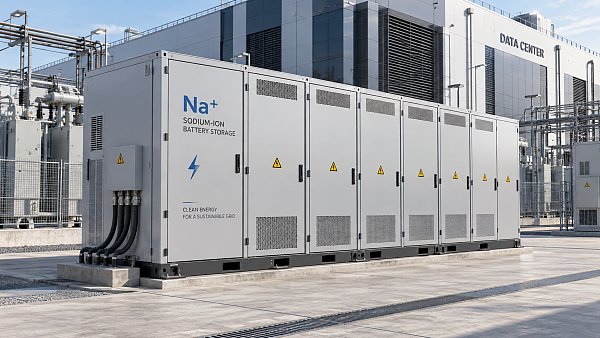
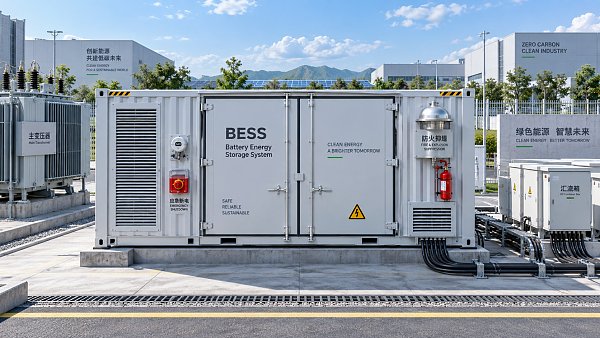
Labels should identify container hazards, electrical disconnects, emergency shutoffs, battery chemistry where required, and any post-incident restrictions. Responders need information that is usable at the gate and at the equipment, including a site plan, equipment identification, contact details, isolation points, and hazards associated with damaged batteries. Locked enclosures, key systems, and access-control procedures should be coordinated with emergency response needs.
An emergency response plan should address more than evacuation. It should establish who receives alarms, who has authority to isolate the plant, what information is provided to responders, how nearby equipment is secured, and what conditions must be met before re-entry. After a thermal event, the container may remain hazardous because of stranded energy, damaged insulation, hot cells, reignition potential, or accumulated gases. Re-entry and restart require a controlled assessment, not a routine reset.
Commissioning and maintenance are part of the requirement
A well-designed container can become unsafe when safety systems are not tested or maintained. Before energization, commissioning should verify the cause-and-effect sequence from detectors and battery alarms through contactor opening, power conversion shutdown, remote notification, ventilation or suppression actions, and local annunciation. The team should test realistic fault signals where safe and permitted, including communication loss and auxiliary-power failure.
Operations personnel need documented procedures for alarm response, inspection, isolation, return to service, and incident escalation. Maintenance should cover detector calibration, fire panel health, suppression-system inspections, battery management firmware control, cooling-system service, door seals, cable entries, grounding, corrosion, water ingress, and physical damage. Changes to rack configuration, replacement modules, control settings, or fire-protection hardware should be reviewed carefully because they can invalidate assumptions used in the original safety assessment.
Questions that often arise during design review
Is UL 9540A testing required for every containerized battery system?
Requirements depend on the local code pathway and the authority having jurisdiction. UL 9540A results are commonly used to understand thermal runaway and propagation behavior and may support decisions on installation conditions or mitigation measures. The relevant question is whether the available test evidence applies to the proposed cell, module, rack, enclosure, and installation arrangement.
Can a fire extinguisher outside the container satisfy the requirement?
No. Portable extinguishers may be required for ordinary site hazards, but they are not a substitute for an engineered battery fire-safety design. They do not address early off-gas detection, internal propagation, electrical isolation, pressure relief, responder information, or exposure protection.
Can a container be returned to operation after a fire alarm?
Not automatically. A minor alarm may result from a sensor fault, but an overtemperature, gas event, smoke signal, or battery-management fault should be investigated according to the approved procedure. Restart should occur only after the underlying cause, affected equipment condition, and safety-system status have been evaluated and documented.
Questions about market trends? Contact Market Scope Live for deeper business insights.
We respect your privacy. Your information is strictly confidential.
Related News
 Energy Storage Systems / BESSNYSERDA Opens Second 2026 Bulk Storage Solicitation Targeting 1 GWNYSERDA’s second 2026 bulk energy storage solicitation targets 1 GW. Explore the opportunity for developers, investors and New York’s grid.MORE+
 Energy Storage Systems / BESSCroatia’s First Transmission-Connected Standalone Battery Project Enters OperationCroatia’s first transmission-connected standalone battery project is operational. Discover how the 60 MW Šibenik facility could support grid flexibility.MORE+
 Energy Storage Systems / BESSAustralia's NEM Battery Storage Hits Record 20.17 GWh, Up 203% Year on YearAustralia's NEM battery storage reportedly hits 20.17 GWh, up 203% year on year. Explore what the record could mean for grid-scale projects and procurement.MORE+
 Energy Storage Systems / BESSC&I Energy Storage in Germany: What Drives Project ROI?C&I energy storage in Germany: discover what drives project ROI, from peak shaving and solar savings to costs, tariffs and smarter battery sizing.MORE+
 Energy Storage Systems / BESSChoosing Energy Storage Containers: Capacity, Power and Safety CriteriaCompare energy storage containers by usable capacity, power, safety and grid integration. Learn what to ask suppliers before choosing a system.MORE+
 Energy Storage Systems / BESSNeoen, Frontier Energy and Lightyears Secure Funding for Renewable ProjectsNeoen, Frontier Energy and Lightyears secure renewable energy financing. Explore what the funding means for solar, wind and battery storage projects.MORE+
 Energy Storage Systems / BESSChoosing a Battery Energy Storage Container Manufacturer: Key Supplier ChecksChoosing a battery energy storage containers manufacturer? Learn how to assess safety, integration, warranties and total costs before you buy.MORE+
 Energy Storage Systems / BESSCATL Introduces Grid Connection and Financing Commitments in AustraliaCATL introduces energy storage with 25-year grid connection and financing commitments in Australia. Explore what the proposed model means for projects.MORE+
 Energy Storage Systems / BESSPortugal Mandates Grid-Forming Capability for Large Storage and Launches 1 GW TenderPortugal grid-forming rules target large standalone energy storage projects as a 1 GW tender launches. Explore the implications for developers and suppliers.MORE+
 Energy Storage Systems / BESSAdding Battery Storage to Rooftop Solar: When to Use AC vs. DC CouplingExplore rooftop solar storage integration: compare AC vs. DC coupling, inverter compatibility, backup power, and lifecycle costs to choose the right battery setup.MORE+
 Energy Storage Systems / BESSHeron Power and NiSource Announce US Data Center Deals Involving BESSHeron Power and NiSource announce US data center deals involving BESS. Explore how transformer integration and long-term power supply are shaping data center energy plans.MORE+
 Energy Storage Systems / BESSPeak Energy Raises $108 Million as GM Ventures Leads Sodium-Ion Storage RoundPeak Energy raises $108 million in a GM Ventures-led round to scale sodium-ion storage for grids and AI data centers. Explore what buyers should assess before committing.MORE+
 Energy Storage Systems / BESSRondo Energy and Rio Tinto Begin Design of Australia's Largest Thermal Storage ProjectRondo Energy and Rio Tinto begin design of a 30 MW/360 MWh thermal storage project at Yarwun. Explore its potential for industrial decarbonization and future procurement.MORE+
 Energy Storage Systems / BESSCATL Nine-Month Net Profit Rises 31.6% as Energy Storage Emerges as a Growth DriverCATL’s reported nine-month net profit rose 31.6% as energy storage gains momentum. Explore what this shift could mean for battery buyers, overseas orders and procurement planning.MORE+
 Energy Storage Systems / BESSScalable Power Solutions for Commercial Facilities with Uneven Site DemandScalable power solutions for multi-site commercial facilities: optimize uneven demand, resilience, storage, solar, and controls with a repeatable portfolio strategy.MORE+
 Energy Storage Systems / BESSWhen Do Commercial Property Owners Face Peak Demand for On-Site Energy?Commercial property owners peak demand often occurs when HVAC, occupancy, EV charging, and equipment loads coincide. Discover practical strategies to manage costs, capacity, and on-site energy resilience.MORE+
 Energy Storage Systems / BESSWhen Does a Containerized Hybrid Solar-Storage System Make Sense for Remote Sites?containerized hybrid solar storage for remote sites: discover when it cuts diesel costs, improves reliability, and simplifies deployment with smarter sizing and design.MORE+
 Energy Storage Systems / BESSHow to Specify Steel Battery Enclosures for Outdoor BESS Fire and Corrosion RisksSteel battery enclosures: learn how to specify corrosion protection, fire-ready interfaces, drainage, and durable outdoor BESS performance.MORE+
 Energy Storage Systems / BESSBattery Energy Storage Cost: What Drives $/kWh and Project ROI?Battery energy storage cost explained: compare usable $/kWh, system scope, grid connection, warranty, and lifecycle factors to build a stronger storage ROI.MORE+
 Energy Storage Systems / BESSWhat Drives BESS Fire Protection Costs in Utility-Scale Storage Projects?Energy storage fire protection cost drivers explained: compare BESS safety systems, site design, compliance, and integration to budget smarter.MORE+
 Energy Storage Systems / BESSHow to Size Grid-Scale Energy Storage for Peak Shaving and Renewable FirmingGrid scale energy storage sizing guide for peak shaving and renewable firming—learn how to model MW, MWh, dispatch, degradation, and grid limits.MORE+
 Energy Storage Systems / BESSWhat Drives Battery Energy Management System Costs in BESS Projects?Battery energy management systems cost depends on controls, integration, grid compliance, cybersecurity, and lifecycle support. Learn how to evaluate BESS EMS proposals wisely.MORE+
 Energy Storage Systems / BESSHow to Size a Commercial Microgrid Battery System for Peak Shaving and Backup PowerCommercial microgrid battery system sizing guide for peak shaving and backup power—optimize kW, kWh, reserve SOC, controls, and resilience.MORE+
 Energy Storage Systems / BESSHow to Select a Battery Storage EPC Partner for Utility-Scale Projects in EuropeBattery storage EPC Europe: choose the right utility-scale partner with proven grid expertise, safety leadership, supply-chain control, and reliable commissioning.MORE+
 Energy Storage Systems / BESSHow to Evaluate a Stationary Battery Storage Manufacturer for Critical Backup PowerStationary battery storage manufacturer evaluation guide: compare safety, usable capacity, integration, warranties, lifecycle cost, and service support for reliable critical backup power.MORE+
 Energy Storage Systems / BESSDo Utilities Prefer Centralized or Distributed Energy Storage Models?Do utility companies prefer centralized or distributed energy storage models? Explore how grid constraints, costs, resilience, and control shape the best storage strategy.MORE+
 Energy Storage Systems / BESSWhat Fire Safety Requirements Apply to Containerized Battery Storage?What are the fire safety requirements for containerized battery storage systems? Explore codes, detection, suppression, ventilation, shutdown, and site design essentials.MORE+
 Energy Storage Systems / BESSIs EPEM Useful for Benchmarking Energy Storage Project Performance?Is EPEM useful for benchmarking energy storage project performance data? Explore how it helps normalize efficiency, availability, degradation, dispatch, and lifecycle risks.MORE+
 Energy Storage Systems / BESSBehind-the-Meter Energy Systems for Industrial Parks: Sizing Solar, Storage, and LoadsBehind the meter energy systems for industrial parks: learn how to size solar, storage, and loads for lower costs, resilient operations, and scalable growth.MORE+
 Energy Storage Systems / BESSAerosol Fire Protection for Energy Storage: Key Design Factors for BESS SafetyAerosol fire protection for energy storage: explore key BESS design factors for detection, ventilation, thermal runaway risk, and safer system integration.MORE+
 Energy Storage Systems / BESSHow to Size Solar Backup Energy Systems for Critical Commercial LoadsBackup energy systems with solar: learn how to size critical commercial loads, balance battery power and runtime, and build resilient operations.MORE+
 Energy Storage Systems / BESSWhat Criteria Should You Use to Shortlist Battery Storage EPC Contractors?What criteria should be used to shortlist battery storage EPC contractors? Explore essential checks for engineering, safety, grid integration, delivery, and lifecycle value.MORE+
 Energy Storage Systems / BESSCan Battery Storage Be Added to Existing Solar Farms Without Replacing Inverters?Can battery storage be integrated into existing solar farms without replacing inverters? Explore AC-coupled retrofits, grid limits, controls, costs, and value.MORE+
 Energy Storage Systems / BESSAre Containerized Battery Storage Systems Safe for Urban Deployment?Are containerized battery storage systems safe for urban deployment? Explore key safety factors, fire planning, standards, and site design for reliable urban BESS projects.MORE+
 Energy Storage Systems / BESSSodium-Ion vs Lithium-Ion: Which Is Better for Long-Duration Storage?Is sodium-ion battery better than lithium-ion for long duration storage? Explore cost, safety, energy density, warranties, and the best fit for your storage project.MORE+
 Energy Storage Systems / BESSHow to Size Grid-Scale Battery Energy Storage for Peak Shaving and Grid SupportGrid scale battery energy storage sizing made practical: learn how to match MW, MWh, dispatch, degradation, and grid constraints for reliable peak shaving and grid support.MORE+
 Energy Storage Systems / BESSHow to Integrate Solar and Battery Storage for Reliable Commercial Power ProjectsSolar storage project integration for commercial sites: learn to align load analysis, battery sizing, controls, safety, and grid compliance for reliable power.MORE+
 Energy Storage Systems / BESSHow Does Battery Thermal Management Affect Charger Uptime in Hot Climates?How does battery thermal management affect charger uptime in hot climates? Explore cooling strategies that reduce derating, protect assets, and keep EV charging reliable.MORE+
 Energy Storage Systems / BESSAre Sodium-Ion Batteries Ready for Commercial Charging Storage in 2026?Are sodium-ion batteries ready for commercial charging station storage in 2026? Explore costs, safety, footprint trade-offs, and project-fit insights.MORE+
 Energy Storage Systems / BESSHow to Size Energy Storage Containers for Reliable Microgrid PerformanceEnergy storage containers for microgrids: learn how to size capacity, power, backup duration, and reserve margins to improve reliability, cut costs, and support smarter project decisions.MORE+