What Drives BESS Fire Protection Costs in Utility-Scale Storage Projects?
In utility-scale battery energy storage systems (BESS), fire protection cost is not a single equipment line item. It is the combined cost of preventing thermal events, detecting abnormal conditions early, limiting fire spread, supporting emergency response, satisfying authority requirements, and preserving insurability. A project can appear economical at the container procurement stage yet become materially more expensive when fire-safety requirements are clarified during detailed engineering, permitting, or insurer review.
The largest budgeting mistake is to treat fire protection as an accessory package added after battery containers, inverters, and civil works have already been selected. By that point, choices about battery chemistry, enclosure architecture, ventilation, spacing, access roads, drainage, control integration, and site footprint may already constrain the available safety design. The resulting redesign can affect both direct CAPEX and the project schedule.
Fire protection begins with the battery system architecture
Battery chemistry and cell behavior establish the baseline hazard profile. Most utility-scale projects use lithium-ion batteries, but lithium-ion is not a single fire-risk category. Cell chemistry, cell format, energy density, module configuration, state-of-charge operating window, and battery management system design all influence thermal runaway behavior and propagation potential.
A system with higher energy density may reduce container count and some balance-of-plant costs, but it can require more stringent controls around thermal propagation, gas management, detection, and separation. A lower-density configuration may require more containers, foundations, cabling, and land, while creating a different fire-protection design challenge. Neither option is automatically cheaper once the full safety scope is included.
The relevant procurement question is not simply whether a battery container includes a fire suppression system. It is whether the complete system has a credible, documented strategy for:
- preventing abusive electrical or thermal conditions from escalating;
- detecting off-gas, smoke, heat, and electrical abnormalities at the appropriate stage;
- isolating affected battery sections and stopping energy flow where required;
- managing combustible or toxic gases generated during a failure;
- reducing the likelihood of module-to-module or container-to-container propagation; and
- supporting safe intervention by site personnel and emergency responders.
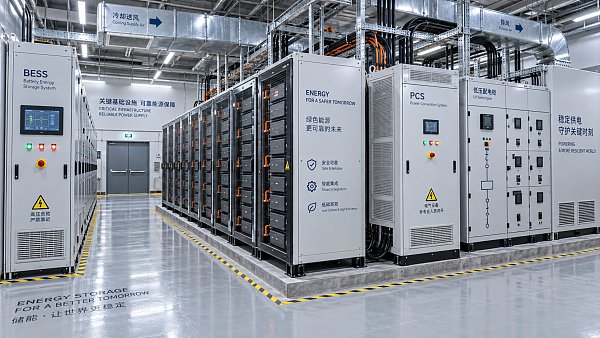
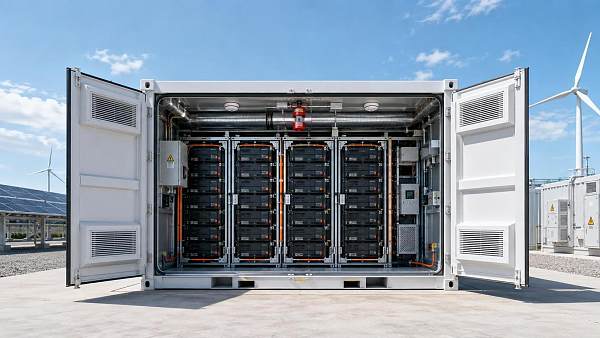
These functions may be distributed across the battery management system (BMS), thermal management system, fire detection panel, suppression equipment, HVAC controls, container venting devices, energy management system (EMS), plant controller, and supervisory control and data acquisition (SCADA) platform. Cost increases when these interfaces are poorly defined because each supplier may price its own scope narrowly while leaving integration responsibility unresolved.
Suppression equipment is only one layer of the budget
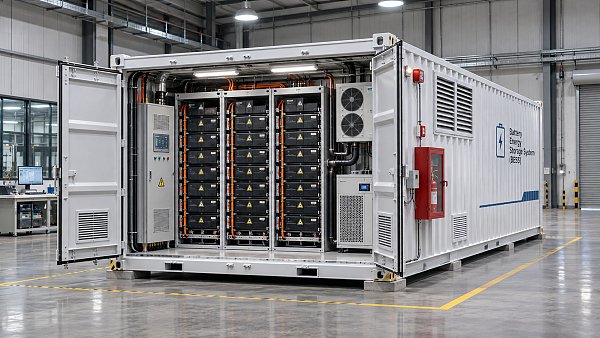
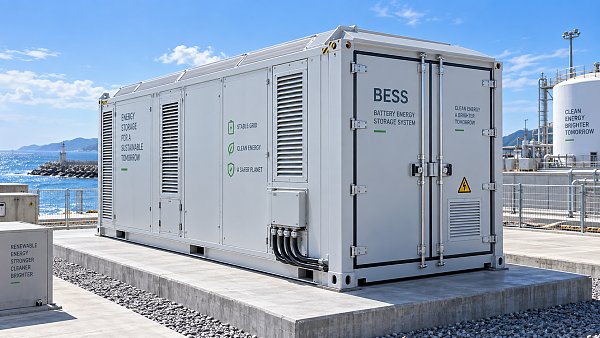
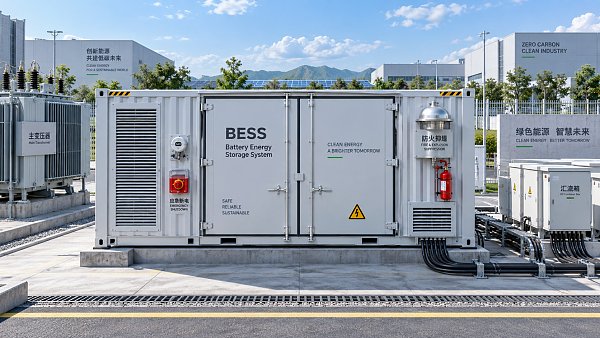
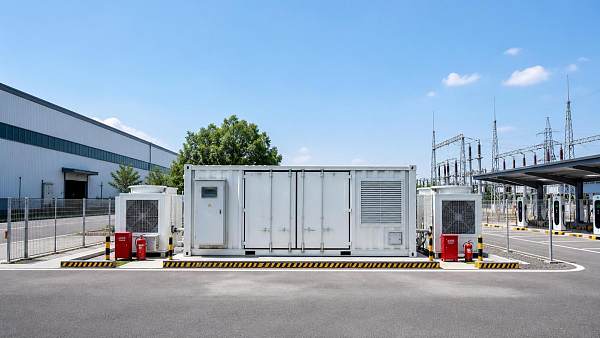
Fixed suppression systems attract attention because they are visible and easy to identify in a bill of materials. However, the installed cost of suppression is usually broader than the cylinders, piping, nozzles, or aerosol units themselves. It can include engineering, enclosure modifications, mounting hardware, release panels, alarms, electrical interlocks, commissioning, periodic inspection provisions, and coordination with local fire authorities.
The selected suppression approach must match the failure scenario being addressed. Certain agents can help control external flames or protect adjacent equipment, but no suppression medium should be assumed to reverse thermal runaway inside lithium-ion cells. In many BESS designs, the purpose of a suppression system is to control secondary fire, reduce exposure, or delay escalation rather than extinguish the electrochemical reaction at its source.
This distinction matters commercially. A lower initial quote may reflect a simplified suppression package that does not include the detection, ventilation, isolation logic, or engineering evidence required by the project’s authority having jurisdiction. Conversely, a more expensive battery enclosure may include integrated safety hardware but still require site-level water supply, access provisions, or alarm interfaces.
Fire protection pricing should therefore be separated into at least two procurement views: the container-level safety package and the site-level fire protection scope. Combining them under one generic “fire system” allowance makes comparison difficult and can conceal important exclusions.
Detection and gas management can materially change installed cost
Early detection is central to a defensible BESS safety design. Conventional smoke detection alone may not provide sufficient warning for all battery failure pathways. Depending on the enclosure and safety concept, suppliers may offer combinations of smoke detection, temperature monitoring, off-gas detection, flame detection, pressure monitoring, and battery-level diagnostic alarms.
Each added sensing method has a cost beyond the device itself. Sensors require power, communication pathways, calibration or maintenance planning, alarm logic, environmental protection, and integration with the BMS and plant controls. The project team must also determine how signals are prioritized. A gas detection alarm, for example, should not be treated as merely another SCADA point. It may trigger ventilation changes, emergency shutdown commands, battery isolation, notification procedures, or site access restrictions.
Ventilation and deflagration management are frequently underestimated. Where a battery failure can release flammable gases, the enclosure design may need pressure-relief features, controlled vent paths, mechanical ventilation, gas detection, electrical equipment suitable for the intended environment, and separation from occupied or critical infrastructure. The required design depends on the battery system, enclosure construction, local rules, and hazard analysis. It is not appropriate to assume that one container supplier’s approach transfers unchanged to another project.
These elements can create significant differences between a factory-delivered container specification and an installed project solution. If the safety strategy relies on ventilation discharge, the civil and layout design must ensure that discharged gases or flames do not endanger personnel routes, control buildings, transformers, adjacent containers, or neighboring property.
Site layout affects both safety performance and project economics
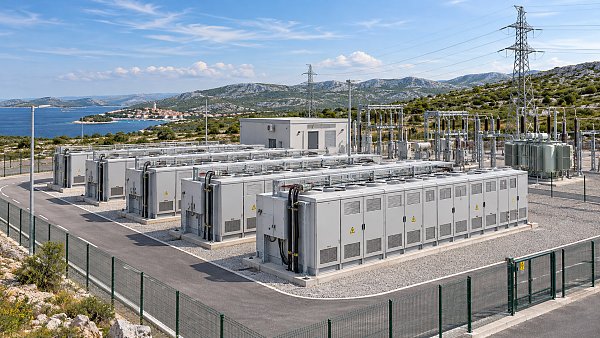
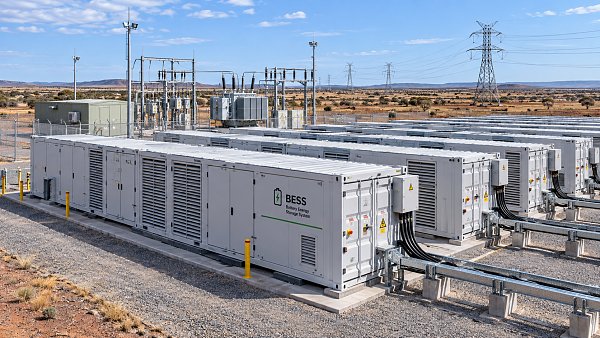
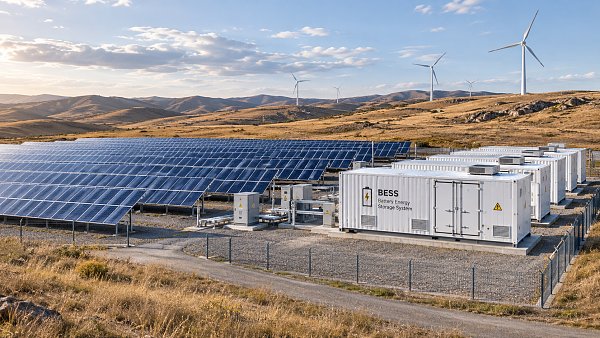
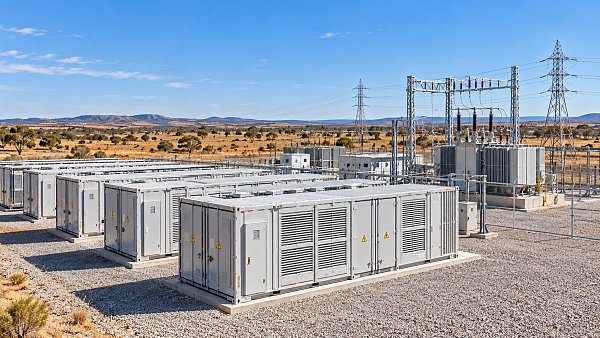
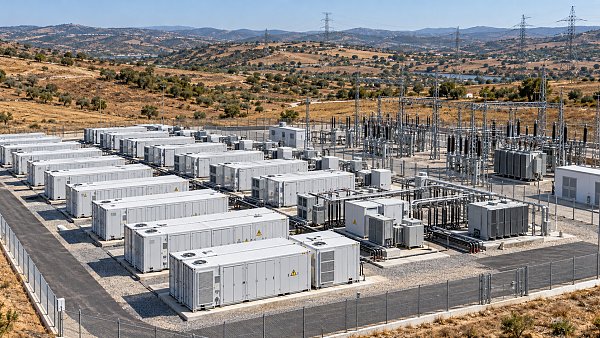
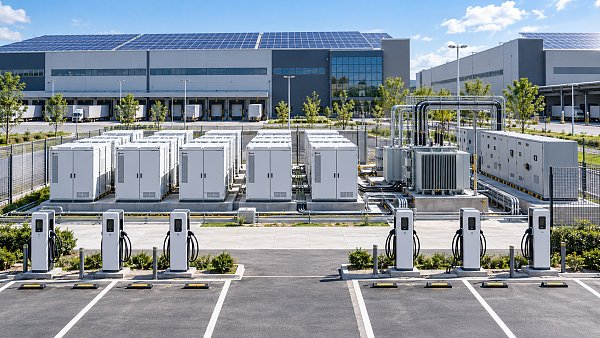
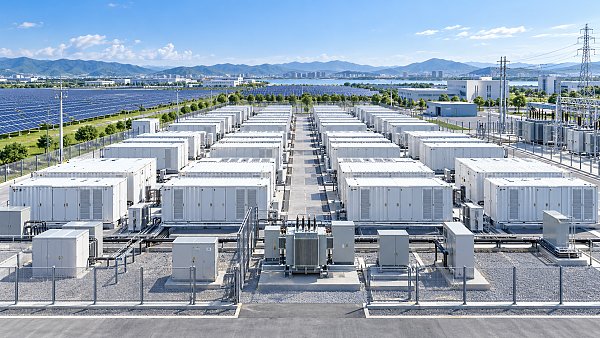
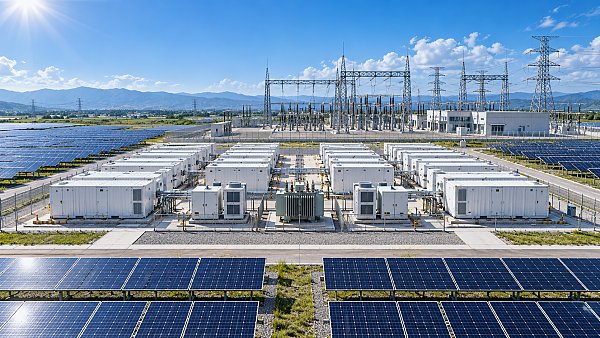
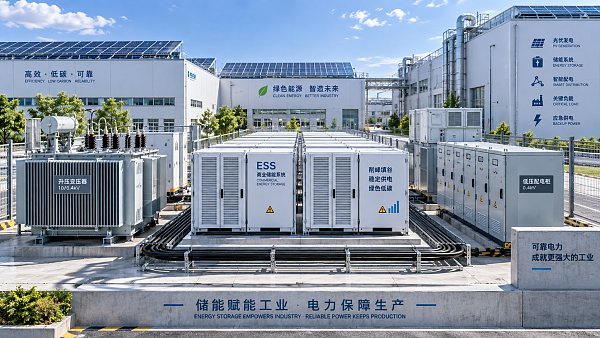
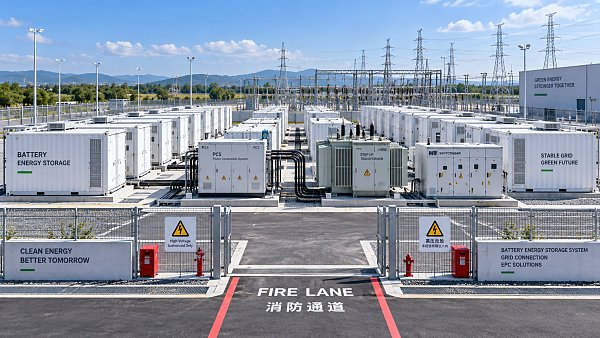
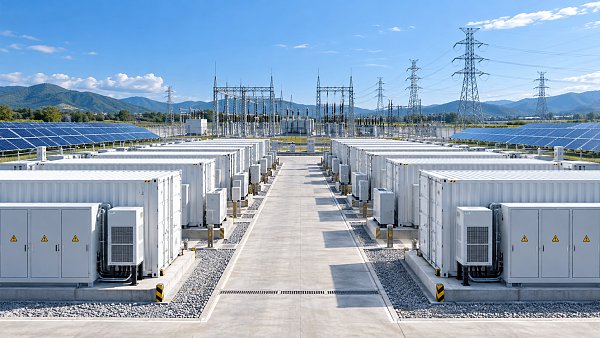
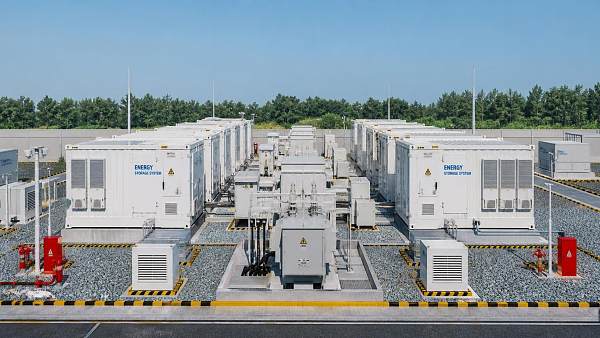
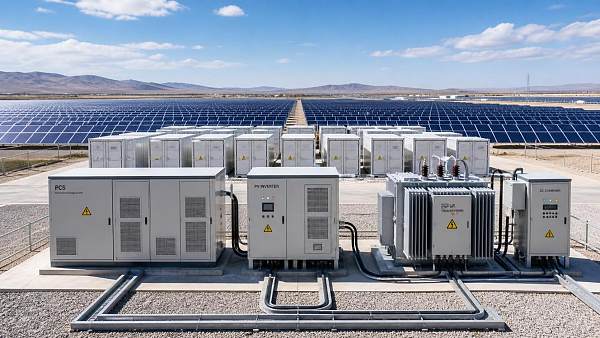
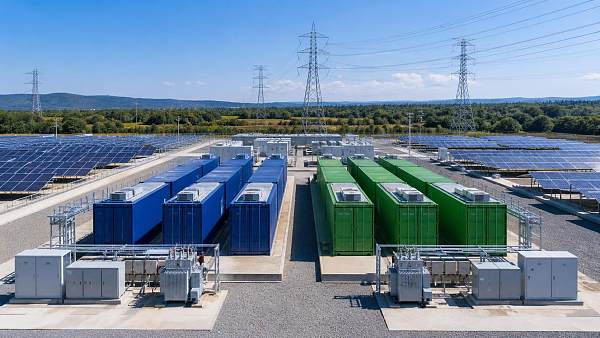
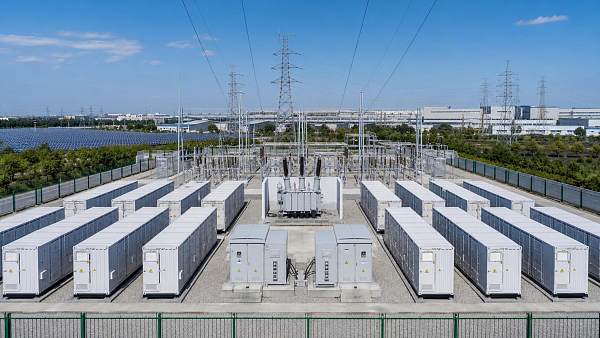
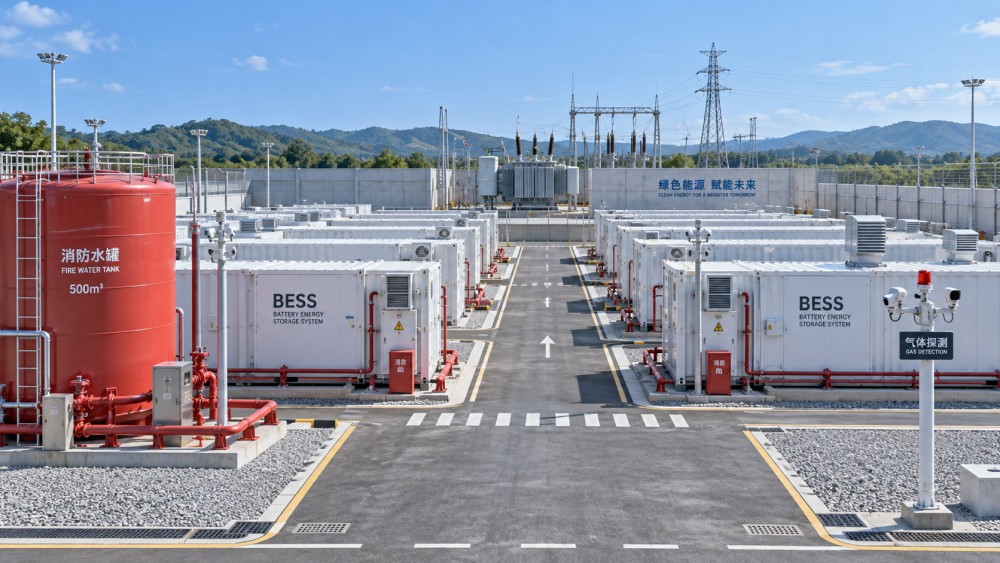
Container separation, access roads, equipment orientation, transformer placement, fencing, drainage, and emergency vehicle access can all influence energy storage fire protection cost. A tight site layout may reduce land acquisition or grading costs, but it can make it harder to demonstrate separation, limit propagation risk, provide emergency access, or comply with local fire-service expectations.
Spacing is not a simple rule that can be copied between projects. It depends on the enclosure design, fire testing evidence, container energy capacity, exposure hazards, firefighting strategy, applicable codes, and local approval conditions. A supplier may present recommended spacing based on its equipment design, while the authority having jurisdiction may require additional separation or mitigation because of site-specific conditions.
The cost effect can be indirect but substantial. Wider separation can increase:
- land area and fencing length;
- trenching and medium-voltage cable runs;
- communications and auxiliary power cabling;
- grading, drainage, and access-road requirements;
- foundation quantities and construction logistics; and
- time required for site installation and testing.
At the same time, compressing the layout can transfer cost into higher-rated barriers, additional protection systems, more complex emergency planning, or a longer permitting process. The lowest-cost arrangement is therefore rarely determined by container spacing alone. It is determined by the total installed solution needed to obtain approval and manage asset risk.
Codes, testing evidence, and local approval create regional cost variation
There is no universal BESS fire-protection package that can be priced consistently across all markets. Project requirements are shaped by the applicable building, electrical, fire, and environmental rules; grid owner requirements; lender expectations; insurer conditions; and the interpretation of the local authority having jurisdiction.
In markets where UL standards are referenced, UL 9540 is commonly relevant to energy storage system certification, while UL 9540A is a test method used to evaluate thermal runaway fire propagation characteristics. The presence of UL 9540A test data does not by itself approve a project or prescribe a specific site layout. Its practical value depends on whether the test configuration is representative of the proposed system and how the authority, engineer, insurer, or code framework uses the results.
NFPA 855 is also frequently considered in projects governed by U.S. fire-safety practices, but it must be applied alongside adopted local codes and authority requirements. Outside the United States, other national or regional frameworks may apply. Procurement teams should avoid writing a generic requirement such as “compliant with all fire standards” because it is too vague to manage commercially. The tender should identify the governing jurisdiction, required certifications, applicable test reports, submittal responsibilities, and the party accountable for demonstrating compliance.
Approval costs can include fire engineering studies, hazard mitigation analyses, drawings, specialist reviews, authority meetings, and design revisions. These costs rise sharply when compliance is treated as a document exercise after equipment selection. A fire-safety concept should be reviewed before the layout, container type, and civil design are locked.
Water infrastructure and emergency-response planning are project-specific costs
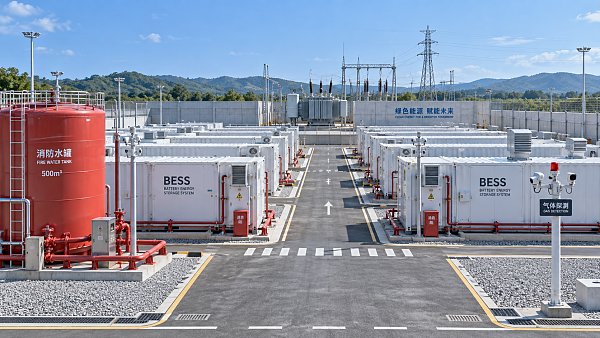
Some sites require dedicated water storage, hydrants, fire pumps, ring mains, or connections to public water infrastructure. Others may use a response strategy focused on defensive firefighting, exposure cooling, isolation, and controlled burn management, subject to local authority acceptance. The selected approach depends on site location, available water supply, access, battery technology, adjacent exposures, and emergency-service capabilities.
Water-related costs are particularly sensitive to location. A remote project may need tanks, pumps, backup power, freeze protection, piping, and periodic testing because municipal infrastructure is unavailable. An urban or industrial site may have a nearby water network but face costly connection upgrades, flow testing, or coordination with property owners. The operational responsibility for maintaining these systems should also be defined; otherwise, OPEX can be omitted from early financial models.
Emergency-response planning is not merely a procedural requirement. It can influence physical design through gate widths, turning radii, access roads, signage, isolation points, equipment labeling, communications provisions, and safe standoff locations. Fire departments may request pre-incident information, training, or site familiarization. These are generally modest compared with a major civil redesign, but they should be budgeted and scheduled rather than treated as post-completion administration.
Integration failures are a common source of avoidable cost
A BESS contains multiple safety-relevant suppliers: battery system provider, PCS supplier, EMS provider, SCADA integrator, fire protection contractor, civil contractor, electrical contractor, and sometimes an independent fire engineer. The most expensive gaps often arise at the boundaries between these packages.
Examples include a battery system that can issue a fault signal but has no defined interface to stop the PCS; a fire panel installed by one contractor but not mapped correctly into SCADA; HVAC shutdown logic that conflicts with gas exhaust logic; or emergency-stop devices that isolate selected equipment but leave auxiliary circuits energized. These are not minor commissioning issues. They affect the safety case, acceptance testing, and liability allocation.
Contract documents should identify the cause-and-effect matrix: which event triggers which action, which system owns the command, what confirmation is required, how alarms are transmitted, and what happens during loss of communication or auxiliary power. The matrix should be reviewed against the equipment architecture before purchase orders are released, not assembled from vendor manuals during commissioning.
How to compare fire-protection quotations without creating false savings
A comparable quotation needs a defined scope boundary. The table below highlights the distinctions that should be visible in a cost comparison.
A low bid should be challenged when it relies on undefined assumptions: “by others” for fire-water infrastructure, “client scope” for authority engagement, or “standard package” for detection and suppression. These phrases are not necessarily unacceptable, but they must be priced elsewhere in the project estimate and assigned to a responsible party.
The lowest fire-protection cost is rarely the lowest project risk
The practical objective is not to maximize safety hardware or to buy the most elaborate package available. It is to establish a coherent safety concept matched to the battery technology, site constraints, regulatory environment, and asset-risk profile. Cost discipline comes from resolving the design basis early, using test evidence appropriately, allocating interfaces clearly, and avoiding late changes to layout or equipment selection.
For utility-scale storage projects, the most reliable budget is built from a system-level view: battery behavior, enclosure protection, controls, civil works, emergency response, approvals, and lifecycle maintenance. Treating any one of these as separate from the others may reduce an early quotation, but it can increase the final energy storage fire protection cost once permitting, construction, and insurer requirements are fully visible.
Questions about market trends? Contact Market Scope Live for deeper business insights.
We respect your privacy. Your information is strictly confidential.
Related News
 Energy Storage Systems / BESSCroatia’s First Transmission-Connected Standalone Battery Project Enters OperationCroatia’s first transmission-connected standalone battery project is operational. Discover how the 60 MW Šibenik facility could support grid flexibility.MORE+
 Energy Storage Systems / BESSAustralia's NEM Battery Storage Hits Record 20.17 GWh, Up 203% Year on YearAustralia's NEM battery storage reportedly hits 20.17 GWh, up 203% year on year. Explore what the record could mean for grid-scale projects and procurement.MORE+
 Energy Storage Systems / BESSC&I Energy Storage in Germany: What Drives Project ROI?C&I energy storage in Germany: discover what drives project ROI, from peak shaving and solar savings to costs, tariffs and smarter battery sizing.MORE+
 Energy Storage Systems / BESSChoosing Energy Storage Containers: Capacity, Power and Safety CriteriaCompare energy storage containers by usable capacity, power, safety and grid integration. Learn what to ask suppliers before choosing a system.MORE+
 Energy Storage Systems / BESSNeoen, Frontier Energy and Lightyears Secure Funding for Renewable ProjectsNeoen, Frontier Energy and Lightyears secure renewable energy financing. Explore what the funding means for solar, wind and battery storage projects.MORE+
 Energy Storage Systems / BESSChoosing a Battery Energy Storage Container Manufacturer: Key Supplier ChecksChoosing a battery energy storage containers manufacturer? Learn how to assess safety, integration, warranties and total costs before you buy.MORE+
 Energy Storage Systems / BESSCATL Introduces Grid Connection and Financing Commitments in AustraliaCATL introduces energy storage with 25-year grid connection and financing commitments in Australia. Explore what the proposed model means for projects.MORE+
 Energy Storage Systems / BESSPortugal Mandates Grid-Forming Capability for Large Storage and Launches 1 GW TenderPortugal grid-forming rules target large standalone energy storage projects as a 1 GW tender launches. Explore the implications for developers and suppliers.MORE+
 Energy Storage Systems / BESSAdding Battery Storage to Rooftop Solar: When to Use AC vs. DC CouplingExplore rooftop solar storage integration: compare AC vs. DC coupling, inverter compatibility, backup power, and lifecycle costs to choose the right battery setup.MORE+
 Energy Storage Systems / BESSHeron Power and NiSource Announce US Data Center Deals Involving BESSHeron Power and NiSource announce US data center deals involving BESS. Explore how transformer integration and long-term power supply are shaping data center energy plans.MORE+
 Energy Storage Systems / BESSPeak Energy Raises $108 Million as GM Ventures Leads Sodium-Ion Storage RoundPeak Energy raises $108 million in a GM Ventures-led round to scale sodium-ion storage for grids and AI data centers. Explore what buyers should assess before committing.MORE+
 Energy Storage Systems / BESSRondo Energy and Rio Tinto Begin Design of Australia's Largest Thermal Storage ProjectRondo Energy and Rio Tinto begin design of a 30 MW/360 MWh thermal storage project at Yarwun. Explore its potential for industrial decarbonization and future procurement.MORE+
 Energy Storage Systems / BESSCATL Nine-Month Net Profit Rises 31.6% as Energy Storage Emerges as a Growth DriverCATL’s reported nine-month net profit rose 31.6% as energy storage gains momentum. Explore what this shift could mean for battery buyers, overseas orders and procurement planning.MORE+
 Energy Storage Systems / BESSScalable Power Solutions for Commercial Facilities with Uneven Site DemandScalable power solutions for multi-site commercial facilities: optimize uneven demand, resilience, storage, solar, and controls with a repeatable portfolio strategy.MORE+
 Energy Storage Systems / BESSWhen Do Commercial Property Owners Face Peak Demand for On-Site Energy?Commercial property owners peak demand often occurs when HVAC, occupancy, EV charging, and equipment loads coincide. Discover practical strategies to manage costs, capacity, and on-site energy resilience.MORE+
 Energy Storage Systems / BESSWhen Does a Containerized Hybrid Solar-Storage System Make Sense for Remote Sites?containerized hybrid solar storage for remote sites: discover when it cuts diesel costs, improves reliability, and simplifies deployment with smarter sizing and design.MORE+
 Energy Storage Systems / BESSHow to Specify Steel Battery Enclosures for Outdoor BESS Fire and Corrosion RisksSteel battery enclosures: learn how to specify corrosion protection, fire-ready interfaces, drainage, and durable outdoor BESS performance.MORE+
 Energy Storage Systems / BESSBattery Energy Storage Cost: What Drives $/kWh and Project ROI?Battery energy storage cost explained: compare usable $/kWh, system scope, grid connection, warranty, and lifecycle factors to build a stronger storage ROI.MORE+
 Energy Storage Systems / BESSWhat Drives BESS Fire Protection Costs in Utility-Scale Storage Projects?Energy storage fire protection cost drivers explained: compare BESS safety systems, site design, compliance, and integration to budget smarter.MORE+
 Energy Storage Systems / BESSHow to Size Grid-Scale Energy Storage for Peak Shaving and Renewable FirmingGrid scale energy storage sizing guide for peak shaving and renewable firming—learn how to model MW, MWh, dispatch, degradation, and grid limits.MORE+
 Energy Storage Systems / BESSWhat Drives Battery Energy Management System Costs in BESS Projects?Battery energy management systems cost depends on controls, integration, grid compliance, cybersecurity, and lifecycle support. Learn how to evaluate BESS EMS proposals wisely.MORE+
 Energy Storage Systems / BESSHow to Size a Commercial Microgrid Battery System for Peak Shaving and Backup PowerCommercial microgrid battery system sizing guide for peak shaving and backup power—optimize kW, kWh, reserve SOC, controls, and resilience.MORE+
 Energy Storage Systems / BESSHow to Select a Battery Storage EPC Partner for Utility-Scale Projects in EuropeBattery storage EPC Europe: choose the right utility-scale partner with proven grid expertise, safety leadership, supply-chain control, and reliable commissioning.MORE+
 Energy Storage Systems / BESSHow to Evaluate a Stationary Battery Storage Manufacturer for Critical Backup PowerStationary battery storage manufacturer evaluation guide: compare safety, usable capacity, integration, warranties, lifecycle cost, and service support for reliable critical backup power.MORE+
 Energy Storage Systems / BESSDo Utilities Prefer Centralized or Distributed Energy Storage Models?Do utility companies prefer centralized or distributed energy storage models? Explore how grid constraints, costs, resilience, and control shape the best storage strategy.MORE+
 Energy Storage Systems / BESSWhat Fire Safety Requirements Apply to Containerized Battery Storage?What are the fire safety requirements for containerized battery storage systems? Explore codes, detection, suppression, ventilation, shutdown, and site design essentials.MORE+
 Energy Storage Systems / BESSIs EPEM Useful for Benchmarking Energy Storage Project Performance?Is EPEM useful for benchmarking energy storage project performance data? Explore how it helps normalize efficiency, availability, degradation, dispatch, and lifecycle risks.MORE+
 Energy Storage Systems / BESSBehind-the-Meter Energy Systems for Industrial Parks: Sizing Solar, Storage, and LoadsBehind the meter energy systems for industrial parks: learn how to size solar, storage, and loads for lower costs, resilient operations, and scalable growth.MORE+
 Energy Storage Systems / BESSAerosol Fire Protection for Energy Storage: Key Design Factors for BESS SafetyAerosol fire protection for energy storage: explore key BESS design factors for detection, ventilation, thermal runaway risk, and safer system integration.MORE+
 Energy Storage Systems / BESSHow to Size Solar Backup Energy Systems for Critical Commercial LoadsBackup energy systems with solar: learn how to size critical commercial loads, balance battery power and runtime, and build resilient operations.MORE+
 Energy Storage Systems / BESSWhat Criteria Should You Use to Shortlist Battery Storage EPC Contractors?What criteria should be used to shortlist battery storage EPC contractors? Explore essential checks for engineering, safety, grid integration, delivery, and lifecycle value.MORE+
 Energy Storage Systems / BESSCan Battery Storage Be Added to Existing Solar Farms Without Replacing Inverters?Can battery storage be integrated into existing solar farms without replacing inverters? Explore AC-coupled retrofits, grid limits, controls, costs, and value.MORE+
 Energy Storage Systems / BESSAre Containerized Battery Storage Systems Safe for Urban Deployment?Are containerized battery storage systems safe for urban deployment? Explore key safety factors, fire planning, standards, and site design for reliable urban BESS projects.MORE+
 Energy Storage Systems / BESSSodium-Ion vs Lithium-Ion: Which Is Better for Long-Duration Storage?Is sodium-ion battery better than lithium-ion for long duration storage? Explore cost, safety, energy density, warranties, and the best fit for your storage project.MORE+
 Energy Storage Systems / BESSHow to Size Grid-Scale Battery Energy Storage for Peak Shaving and Grid SupportGrid scale battery energy storage sizing made practical: learn how to match MW, MWh, dispatch, degradation, and grid constraints for reliable peak shaving and grid support.MORE+
 Energy Storage Systems / BESSHow to Integrate Solar and Battery Storage for Reliable Commercial Power ProjectsSolar storage project integration for commercial sites: learn to align load analysis, battery sizing, controls, safety, and grid compliance for reliable power.MORE+
 Energy Storage Systems / BESSHow Does Battery Thermal Management Affect Charger Uptime in Hot Climates?How does battery thermal management affect charger uptime in hot climates? Explore cooling strategies that reduce derating, protect assets, and keep EV charging reliable.MORE+
 Energy Storage Systems / BESSAre Sodium-Ion Batteries Ready for Commercial Charging Storage in 2026?Are sodium-ion batteries ready for commercial charging station storage in 2026? Explore costs, safety, footprint trade-offs, and project-fit insights.MORE+
 Energy Storage Systems / BESSHow to Size Energy Storage Containers for Reliable Microgrid PerformanceEnergy storage containers for microgrids: learn how to size capacity, power, backup duration, and reserve margins to improve reliability, cut costs, and support smarter project decisions.MORE+
 Energy Storage Systems / BESSHow to Evaluate a Fast Frequency Response Inverter for Grid-Scale BESS?Fast frequency response inverter evaluation for grid-scale BESS: learn how to assess control speed, thermal stability, grid-code behavior, and procurement-critical performance before you buy.MORE+