Stationary Battery Storage Pricing Explained: What Drives Cost per kWh for Commercial Systems?
Stationary Battery Storage Pricing Explained: What Drives Cost per kWh for Commercial Systems?
Understanding stationary battery storage pricing is essential when reviewing commercial energy investments.
At first glance, cost per kWh looks simple.
In practice, it reflects engineering scope, safety design, system performance, and project execution risk.
That is why two quotes with similar energy capacity can still differ sharply.
For commercial buyers, stationary battery storage pricing should be reviewed as a full system cost, not only a battery product price.
This article breaks down the main cost drivers behind commercial storage cost per kWh and shows how to compare offers more accurately.
Why Cost per kWh Is Only the Starting Point
Most discussions about stationary battery storage pricing begin with dollars per kWh.
That metric is useful, but it can also mislead procurement decisions.
A lower upfront figure may hide weaker cycle life, limited warranties, or missing integration work.
A higher quote may include fire protection, EMS software, grid compliance, and commissioning support.
This also means cost per kWh should be read together with power rating, duration, round-trip efficiency, and expected annual throughput.
In actual projects, a 2-hour system and a 4-hour system serve different revenue models.
They should not be compared on energy capacity alone.
A better view is total installed cost, usable capacity, lifecycle value, and operational fit.
The Main Components Behind Stationary Battery Storage Pricing
Commercial stationary battery storage pricing is shaped by several cost layers.
Battery cells are important, but they are only one part of the full package.
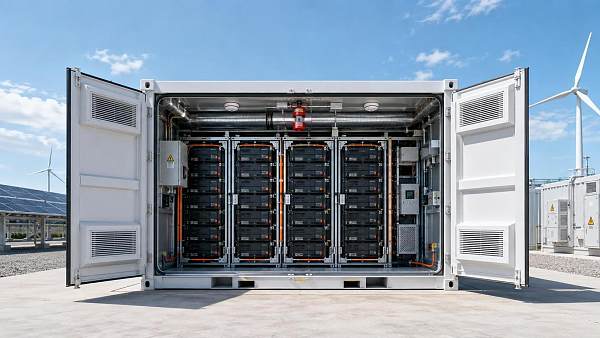
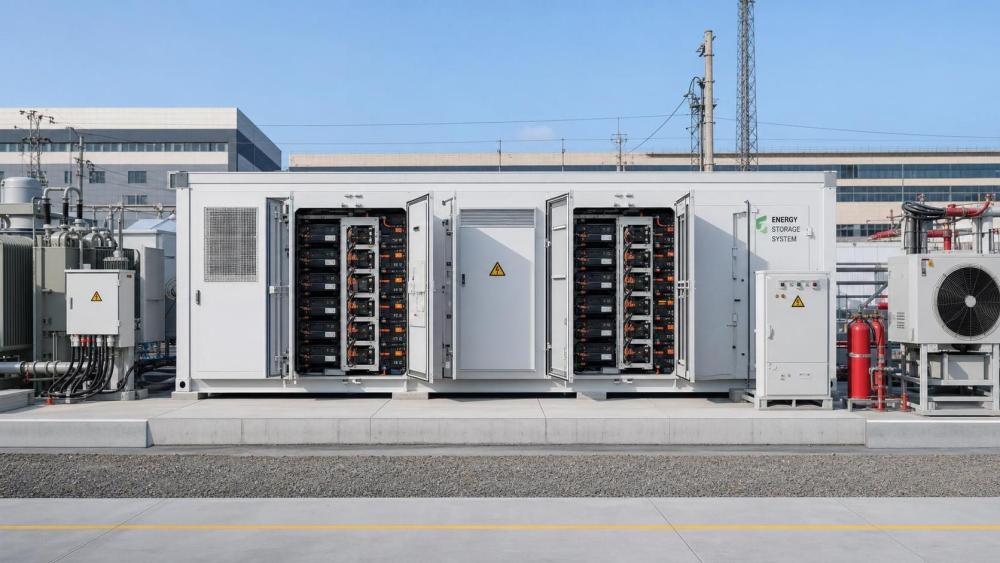
- Battery cells and modules: chemistry, supplier tier, energy density, and degradation profile directly affect pricing.
- Battery racks or containers: enclosure design, corrosion resistance, insulation, and modular layout add cost.
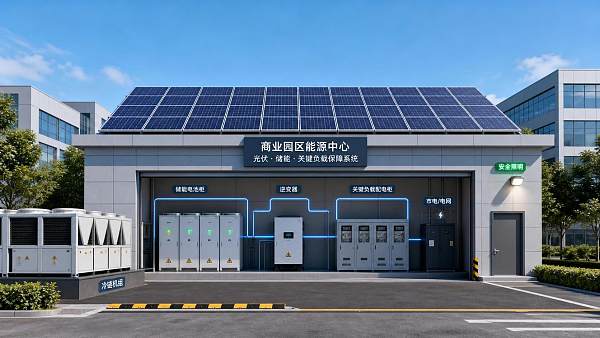
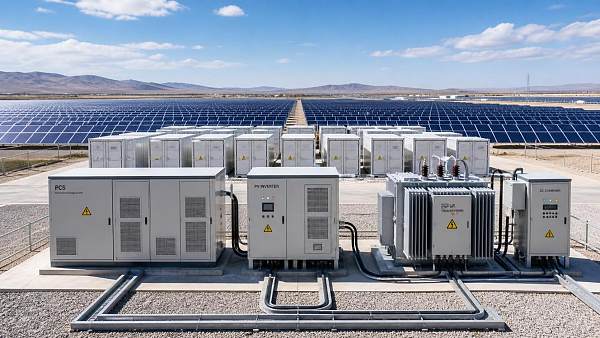
- Power conversion system: inverter quality, conversion efficiency, and grid-support functions influence system value.
- Battery management system: monitoring accuracy and control quality affect both safety and usable lifetime.
- Thermal management: air cooling or liquid cooling changes capital cost and long-term operating performance.
- Fire safety and protection: suppression systems, gas detection, and compliance measures can materially change the quote.
- Energy management and controls: dispatch optimization, remote monitoring, and SCADA integration add functional value.
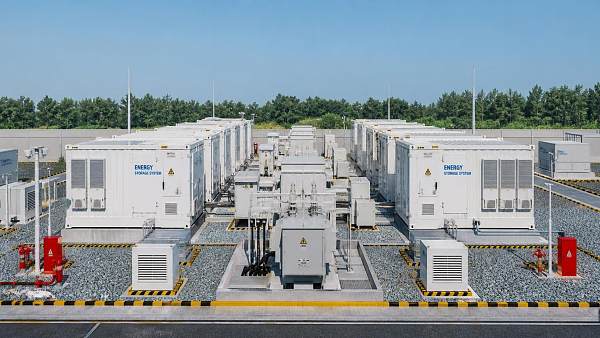
- Engineering and installation: civil works, wiring, transformers, and site labor often represent a large share.
When reviewing stationary battery storage pricing, it is worth asking which of these elements are included and which remain outside the quote.
Battery Chemistry and Performance Expectations
Chemistry selection is one of the clearest drivers of stationary battery storage pricing.
Lithium-ion remains the dominant option for commercial systems.
Within lithium-ion, LFP and NMC can produce different cost and risk profiles.
LFP is widely chosen for stationary use because of its safety profile and long cycle life.
NMC may offer energy density advantages, but commercial buyers often focus more on lifetime and thermal stability.
Emerging options such as sodium-ion or flow batteries may change future market structure.
Today, however, their project economics still depend heavily on use case and supply maturity.
Performance assumptions also matter.
A system rated for more cycles, deeper discharge, or stronger warranty support may carry a higher upfront cost.
Still, that premium may reduce replacement risk and improve project returns over time.
Project Size, Duration, and Application Design
Stationary battery storage pricing changes with system size, but not always in a straight line.
Larger projects often benefit from scale in procurement, logistics, and engineering.
Even so, site complexity can erase part of that advantage.
Duration is another major factor.
A one-hour system for power support is structured differently from a four-hour system for energy shifting.
Longer-duration projects need more battery capacity, which pushes total installed cost upward.
Application design also shapes price.
- Peak shaving systems may prioritize fast response and reliable cycling.
- Backup power systems may focus on availability and resilience.
- Solar-plus-storage projects may require tighter integration with inverters and site controls.
- Grid services projects may need advanced compliance and dispatch functions.
The clearer the operating model, the easier it becomes to judge whether stationary battery storage pricing is commercially reasonable.
Safety, Compliance, and Integration Costs
One of the most underestimated parts of stationary battery storage pricing is compliance-related cost.
Commercial systems must meet local codes, utility rules, and site-specific safety expectations.
That may involve UL standards, fire separation rules, ventilation requirements, and emergency response planning.
Grid interconnection adds another layer.
Transformers, protection systems, relays, metering, and communication interfaces all cost money.
So do studies for load flow, short circuit behavior, and control compatibility.
In real business settings, the site itself often becomes a pricing variable.
Brownfield retrofits, rooftop limitations, harsh climates, or remote installation sites can all raise EPC scope.
This is why station-level integration should never be treated as a minor add-on.
Market Conditions That Influence Price per kWh
From recent market movements, the stronger signal is that stationary battery storage pricing is highly sensitive to supply chain conditions.
Raw material costs, cell manufacturing capacity, and freight rates can all move quotes within months.
Regional policy also matters.
Import duties, local content rules, tax credits, and grid incentive programs can reshape effective project cost.
Financing conditions have become equally important.
Higher interest rates can weaken project economics even when equipment pricing trends downward.
Vendor bankability is another commercial issue.
A lower quote from an unproven supplier may introduce warranty, service, or replacement risk that is difficult to price later.
For that reason, stationary battery storage pricing should always be read in the context of market timing and supplier quality.
How to Compare Quotes More Accurately
When evaluating offers, it helps to move beyond headline cost per kWh.
A structured comparison usually reveals where quotes are genuinely different.
- Check usable energy, not only nameplate capacity.
- Review cycle life at the stated depth of discharge.
- Confirm whether PCS, EMS, transformer, and fire protection are included.
- Compare warranty years, performance guarantees, and degradation commitments.
- Examine commissioning scope, spare parts, and after-sales service response times.
- Ask for expected round-trip efficiency under site conditions.
- Separate equipment price from EPC and grid interconnection cost.
- Model total delivered cost against the intended revenue or savings case.
This approach makes stationary battery storage pricing easier to compare across vendors without oversimplifying the business case.
A Practical View for Better Commercial Decisions
In the end, stationary battery storage pricing is not just about buying energy capacity at the lowest number.
It is about paying for a system that performs reliably in the intended application.
That includes technical fit, safety readiness, supplier credibility, and long-term operating value.
A quote that appears competitive on paper may become expensive once hidden integration costs and replacement risks emerge.
By reviewing full-scope system design, lifecycle assumptions, and commercial terms together, buyers can make more confident decisions.
That is the practical way to understand stationary battery storage pricing and judge cost per kWh in a commercial setting.
Questions about market trends? Contact Market Scope Live for deeper business insights.
We respect your privacy. Your information is strictly confidential.
Related News
 Energy Storage Systems / BESSCroatia’s First Transmission-Connected Standalone Battery Project Enters OperationCroatia’s first transmission-connected standalone battery project is operational. Discover how the 60 MW Šibenik facility could support grid flexibility.MORE+
 Energy Storage Systems / BESSAustralia's NEM Battery Storage Hits Record 20.17 GWh, Up 203% Year on YearAustralia's NEM battery storage reportedly hits 20.17 GWh, up 203% year on year. Explore what the record could mean for grid-scale projects and procurement.MORE+
 Energy Storage Systems / BESSC&I Energy Storage in Germany: What Drives Project ROI?C&I energy storage in Germany: discover what drives project ROI, from peak shaving and solar savings to costs, tariffs and smarter battery sizing.MORE+
 Energy Storage Systems / BESSChoosing Energy Storage Containers: Capacity, Power and Safety CriteriaCompare energy storage containers by usable capacity, power, safety and grid integration. Learn what to ask suppliers before choosing a system.MORE+
 Energy Storage Systems / BESSNeoen, Frontier Energy and Lightyears Secure Funding for Renewable ProjectsNeoen, Frontier Energy and Lightyears secure renewable energy financing. Explore what the funding means for solar, wind and battery storage projects.MORE+
 Energy Storage Systems / BESSChoosing a Battery Energy Storage Container Manufacturer: Key Supplier ChecksChoosing a battery energy storage containers manufacturer? Learn how to assess safety, integration, warranties and total costs before you buy.MORE+
 Energy Storage Systems / BESSCATL Introduces Grid Connection and Financing Commitments in AustraliaCATL introduces energy storage with 25-year grid connection and financing commitments in Australia. Explore what the proposed model means for projects.MORE+
 Energy Storage Systems / BESSPortugal Mandates Grid-Forming Capability for Large Storage and Launches 1 GW TenderPortugal grid-forming rules target large standalone energy storage projects as a 1 GW tender launches. Explore the implications for developers and suppliers.MORE+
 Energy Storage Systems / BESSAdding Battery Storage to Rooftop Solar: When to Use AC vs. DC CouplingExplore rooftop solar storage integration: compare AC vs. DC coupling, inverter compatibility, backup power, and lifecycle costs to choose the right battery setup.MORE+
 Energy Storage Systems / BESSHeron Power and NiSource Announce US Data Center Deals Involving BESSHeron Power and NiSource announce US data center deals involving BESS. Explore how transformer integration and long-term power supply are shaping data center energy plans.MORE+
 Energy Storage Systems / BESSPeak Energy Raises $108 Million as GM Ventures Leads Sodium-Ion Storage RoundPeak Energy raises $108 million in a GM Ventures-led round to scale sodium-ion storage for grids and AI data centers. Explore what buyers should assess before committing.MORE+
 Energy Storage Systems / BESSRondo Energy and Rio Tinto Begin Design of Australia's Largest Thermal Storage ProjectRondo Energy and Rio Tinto begin design of a 30 MW/360 MWh thermal storage project at Yarwun. Explore its potential for industrial decarbonization and future procurement.MORE+
 Energy Storage Systems / BESSCATL Nine-Month Net Profit Rises 31.6% as Energy Storage Emerges as a Growth DriverCATL’s reported nine-month net profit rose 31.6% as energy storage gains momentum. Explore what this shift could mean for battery buyers, overseas orders and procurement planning.MORE+
 Energy Storage Systems / BESSScalable Power Solutions for Commercial Facilities with Uneven Site DemandScalable power solutions for multi-site commercial facilities: optimize uneven demand, resilience, storage, solar, and controls with a repeatable portfolio strategy.MORE+
 Energy Storage Systems / BESSWhen Do Commercial Property Owners Face Peak Demand for On-Site Energy?Commercial property owners peak demand often occurs when HVAC, occupancy, EV charging, and equipment loads coincide. Discover practical strategies to manage costs, capacity, and on-site energy resilience.MORE+
 Energy Storage Systems / BESSWhen Does a Containerized Hybrid Solar-Storage System Make Sense for Remote Sites?containerized hybrid solar storage for remote sites: discover when it cuts diesel costs, improves reliability, and simplifies deployment with smarter sizing and design.MORE+
 Energy Storage Systems / BESSHow to Specify Steel Battery Enclosures for Outdoor BESS Fire and Corrosion RisksSteel battery enclosures: learn how to specify corrosion protection, fire-ready interfaces, drainage, and durable outdoor BESS performance.MORE+
 Energy Storage Systems / BESSBattery Energy Storage Cost: What Drives $/kWh and Project ROI?Battery energy storage cost explained: compare usable $/kWh, system scope, grid connection, warranty, and lifecycle factors to build a stronger storage ROI.MORE+
 Energy Storage Systems / BESSWhat Drives BESS Fire Protection Costs in Utility-Scale Storage Projects?Energy storage fire protection cost drivers explained: compare BESS safety systems, site design, compliance, and integration to budget smarter.MORE+
 Energy Storage Systems / BESSHow to Size Grid-Scale Energy Storage for Peak Shaving and Renewable FirmingGrid scale energy storage sizing guide for peak shaving and renewable firming—learn how to model MW, MWh, dispatch, degradation, and grid limits.MORE+
 Energy Storage Systems / BESSWhat Drives Battery Energy Management System Costs in BESS Projects?Battery energy management systems cost depends on controls, integration, grid compliance, cybersecurity, and lifecycle support. Learn how to evaluate BESS EMS proposals wisely.MORE+
 Energy Storage Systems / BESSHow to Size a Commercial Microgrid Battery System for Peak Shaving and Backup PowerCommercial microgrid battery system sizing guide for peak shaving and backup power—optimize kW, kWh, reserve SOC, controls, and resilience.MORE+
 Energy Storage Systems / BESSHow to Select a Battery Storage EPC Partner for Utility-Scale Projects in EuropeBattery storage EPC Europe: choose the right utility-scale partner with proven grid expertise, safety leadership, supply-chain control, and reliable commissioning.MORE+
 Energy Storage Systems / BESSHow to Evaluate a Stationary Battery Storage Manufacturer for Critical Backup PowerStationary battery storage manufacturer evaluation guide: compare safety, usable capacity, integration, warranties, lifecycle cost, and service support for reliable critical backup power.MORE+
 Energy Storage Systems / BESSDo Utilities Prefer Centralized or Distributed Energy Storage Models?Do utility companies prefer centralized or distributed energy storage models? Explore how grid constraints, costs, resilience, and control shape the best storage strategy.MORE+
 Energy Storage Systems / BESSWhat Fire Safety Requirements Apply to Containerized Battery Storage?What are the fire safety requirements for containerized battery storage systems? Explore codes, detection, suppression, ventilation, shutdown, and site design essentials.MORE+
 Energy Storage Systems / BESSIs EPEM Useful for Benchmarking Energy Storage Project Performance?Is EPEM useful for benchmarking energy storage project performance data? Explore how it helps normalize efficiency, availability, degradation, dispatch, and lifecycle risks.MORE+
 Energy Storage Systems / BESSBehind-the-Meter Energy Systems for Industrial Parks: Sizing Solar, Storage, and LoadsBehind the meter energy systems for industrial parks: learn how to size solar, storage, and loads for lower costs, resilient operations, and scalable growth.MORE+
 Energy Storage Systems / BESSAerosol Fire Protection for Energy Storage: Key Design Factors for BESS SafetyAerosol fire protection for energy storage: explore key BESS design factors for detection, ventilation, thermal runaway risk, and safer system integration.MORE+
 Energy Storage Systems / BESSHow to Size Solar Backup Energy Systems for Critical Commercial LoadsBackup energy systems with solar: learn how to size critical commercial loads, balance battery power and runtime, and build resilient operations.MORE+
 Energy Storage Systems / BESSWhat Criteria Should You Use to Shortlist Battery Storage EPC Contractors?What criteria should be used to shortlist battery storage EPC contractors? Explore essential checks for engineering, safety, grid integration, delivery, and lifecycle value.MORE+
 Energy Storage Systems / BESSCan Battery Storage Be Added to Existing Solar Farms Without Replacing Inverters?Can battery storage be integrated into existing solar farms without replacing inverters? Explore AC-coupled retrofits, grid limits, controls, costs, and value.MORE+
 Energy Storage Systems / BESSAre Containerized Battery Storage Systems Safe for Urban Deployment?Are containerized battery storage systems safe for urban deployment? Explore key safety factors, fire planning, standards, and site design for reliable urban BESS projects.MORE+
 Energy Storage Systems / BESSSodium-Ion vs Lithium-Ion: Which Is Better for Long-Duration Storage?Is sodium-ion battery better than lithium-ion for long duration storage? Explore cost, safety, energy density, warranties, and the best fit for your storage project.MORE+
 Energy Storage Systems / BESSHow to Size Grid-Scale Battery Energy Storage for Peak Shaving and Grid SupportGrid scale battery energy storage sizing made practical: learn how to match MW, MWh, dispatch, degradation, and grid constraints for reliable peak shaving and grid support.MORE+
 Energy Storage Systems / BESSHow to Integrate Solar and Battery Storage for Reliable Commercial Power ProjectsSolar storage project integration for commercial sites: learn to align load analysis, battery sizing, controls, safety, and grid compliance for reliable power.MORE+
 Energy Storage Systems / BESSHow Does Battery Thermal Management Affect Charger Uptime in Hot Climates?How does battery thermal management affect charger uptime in hot climates? Explore cooling strategies that reduce derating, protect assets, and keep EV charging reliable.MORE+
 Energy Storage Systems / BESSAre Sodium-Ion Batteries Ready for Commercial Charging Storage in 2026?Are sodium-ion batteries ready for commercial charging station storage in 2026? Explore costs, safety, footprint trade-offs, and project-fit insights.MORE+
 Energy Storage Systems / BESSHow to Size Energy Storage Containers for Reliable Microgrid PerformanceEnergy storage containers for microgrids: learn how to size capacity, power, backup duration, and reserve margins to improve reliability, cut costs, and support smarter project decisions.MORE+
 Energy Storage Systems / BESSHow to Evaluate a Fast Frequency Response Inverter for Grid-Scale BESS?Fast frequency response inverter evaluation for grid-scale BESS: learn how to assess control speed, thermal stability, grid-code behavior, and procurement-critical performance before you buy.MORE+