Peak Demand Management for Warehouses: Practical Ways to Cut Demand Charges
Peak Demand Management for Warehouses: Practical Ways to Cut Demand Charges
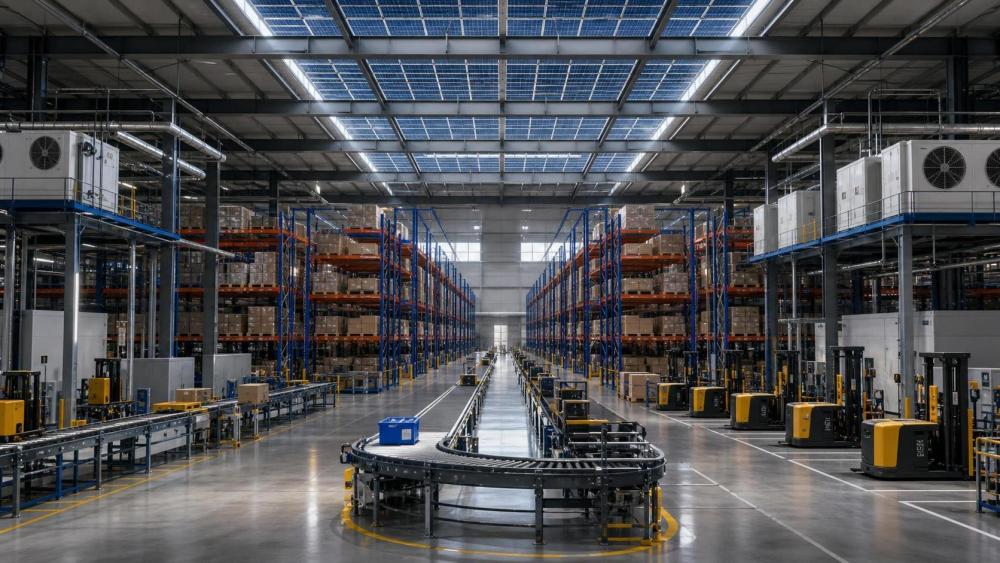
Peak demand management for warehouses is no longer a side issue. It now sits close to labor, throughput, and operating cost control.
Many sites use more power during short, intense periods than managers realize. Those spikes often drive demand charges higher than expected.
In practical terms, peak demand management for warehouses means controlling when large electrical loads run, not simply reducing total energy use.
That distinction matters. A warehouse can lower demand charges without slowing core logistics activity if loads are scheduled with discipline.
This is also where energy strategy meets operations. Forklift charging, HVAC, conveyors, refrigeration, and dock equipment often peak at the same time.
When that overlap is reduced, the facility gains more than lower bills. Equipment stress, transformer loading, and outage exposure can also improve.
Why demand charges hit warehouses so hard
Most commercial tariffs include a charge based on the highest demand measured in a billing period. Often, one short interval sets the cost.
Warehouses are especially exposed because loads are concentrated around shift starts, receiving windows, and dispatch deadlines.
A common pattern looks simple. Lights come on, HVAC ramps up, battery chargers start, and conveyors begin at nearly the same minute.
Cold storage sites face an even tighter challenge. Compressors, defrost cycles, and loading activity can create sharp and repeated demand spikes.
From a cost perspective, these spikes are expensive because they may last only briefly, yet shape the full month’s demand charge.
Typical peak drivers inside a warehouse
- Simultaneous electric forklift charging after shifts
- HVAC startup during hot or cold mornings
- Conveyor and sortation systems starting together
- Refrigeration compressor cycling in temperature-sensitive zones
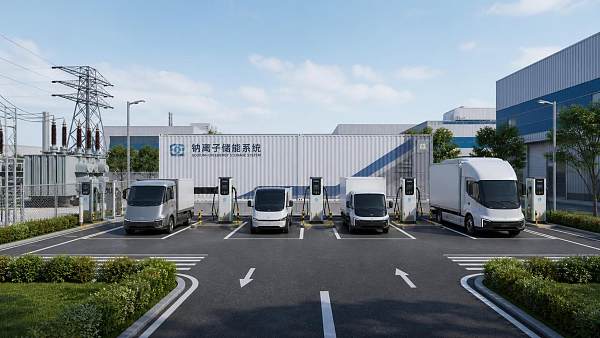
- EV fleet or depot charging during fixed windows
- Air compressors, pumps, and dock equipment overlapping with production activity
Start with a load profile, not a guess
The first step in peak demand management for warehouses is visibility. Without interval data, most teams only see the final utility bill.
That is too late for action. You need 15-minute, and sometimes 5-minute, demand data matched with equipment schedules.
A basic submetering plan often works well. Track major panels, HVAC, refrigeration, charging equipment, and automation systems separately.
Then compare power peaks with operating events. In many facilities, one recurring pattern explains most demand charges.
This approach turns peak demand management for warehouses into a scheduling problem, which is usually easier to solve than a major retrofit.
What to review in the first two weeks
- Utility tariff details, especially demand windows and ratchet clauses
- Interval load data from smart meters or building systems
- Shift schedules, charging routines, and startup sequences
- Any recent equipment additions that changed the load profile
- Power quality or overheating issues that may signal overload periods
Practical control strategies that work on real sites
Once peaks are identified, the next move is selective control. Peak demand management for warehouses works best when actions stay simple and repeatable.
You do not need to throttle every load. Focus on large, flexible loads that can move by minutes or hours.
1. Stagger equipment startup
This is often the fastest win. Add timed delays so conveyors, compressors, and ventilation systems do not start at once.
Even a 5 to 15 minute stagger can flatten the highest demand interval. The process impact is usually minimal.
2. Manage forklift and EV charging windows
Charging is a major target for peak demand management for warehouses. The mistake is charging everything immediately after return.
Instead, assign chargers by priority, battery state, and next-shift need. Smart charging software can cap simultaneous power draw automatically.
3. Pre-cool or pre-heat when tariffs allow
For climate-controlled warehouses, thermal storage in the building itself is useful. Run HVAC slightly earlier, then reduce output during peak intervals.
This needs careful tuning, but it often protects comfort while cutting the top of the demand curve.
4. Use automated demand limits
Energy management systems can warn operators before a demand threshold is breached. Better systems respond automatically to avoid a new peak.
Examples include pausing noncritical charging, delaying defrost cycles, or adjusting ventilation speed for a short period.
Where storage, solar, and smart controls fit
Operational changes should come first, but technology can extend results. This is especially true for sites with high and recurring peak loads.
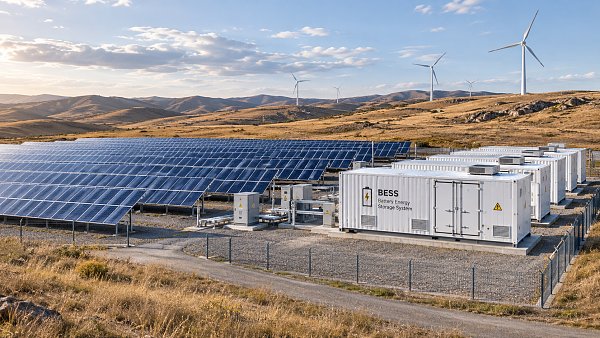
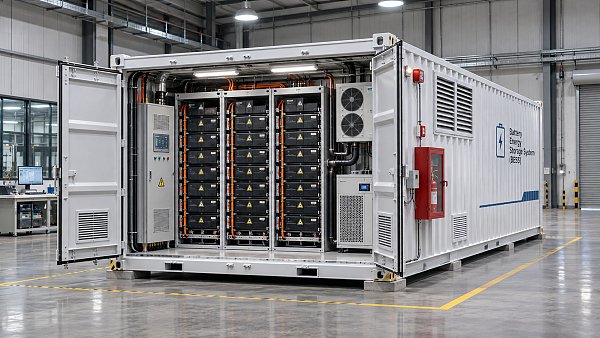
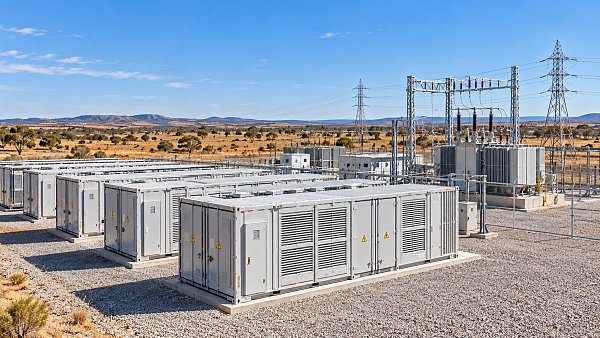
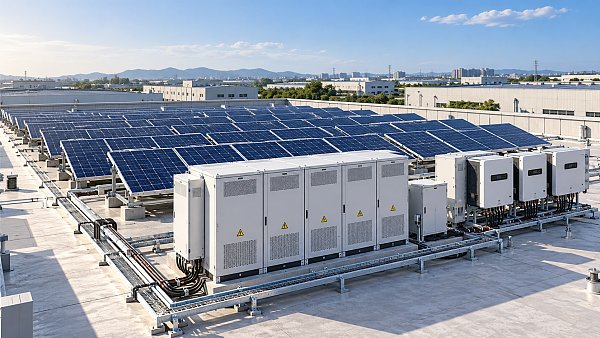
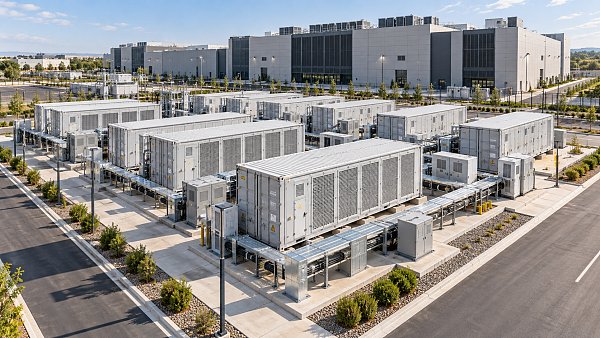
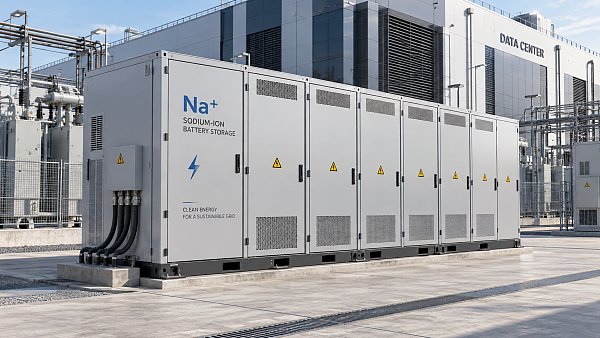
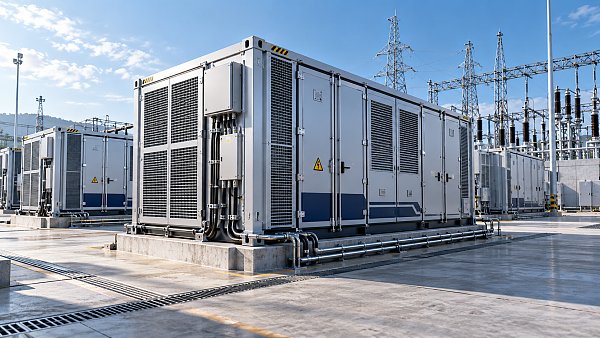
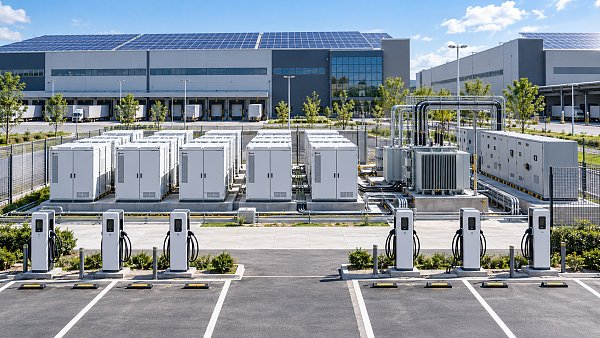
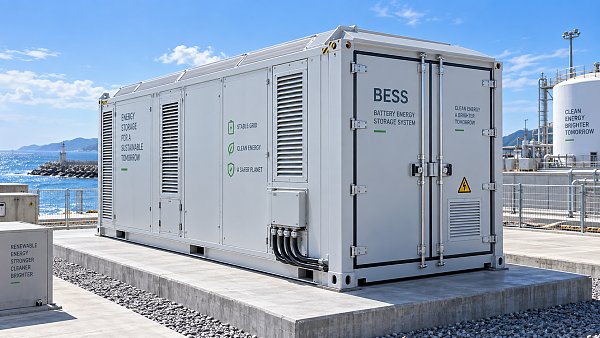
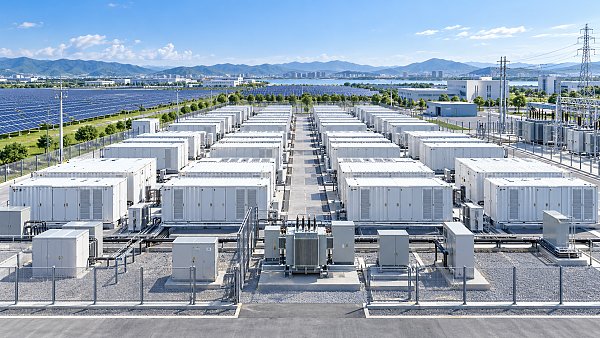
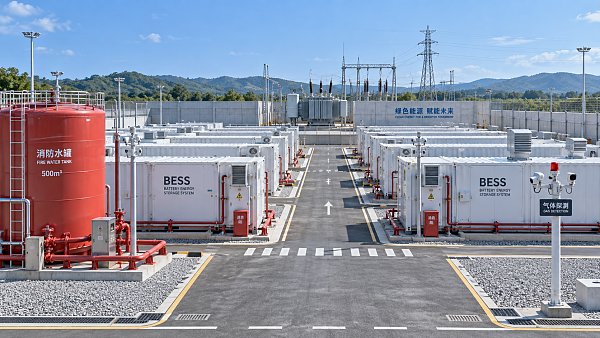
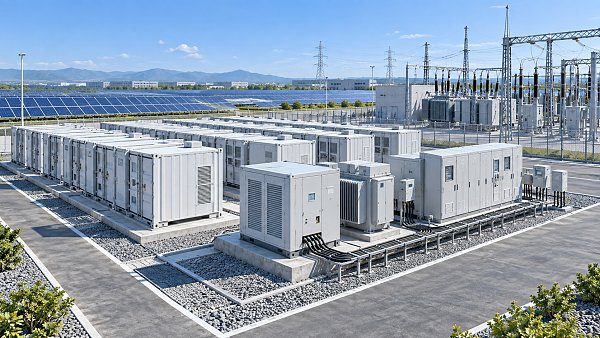
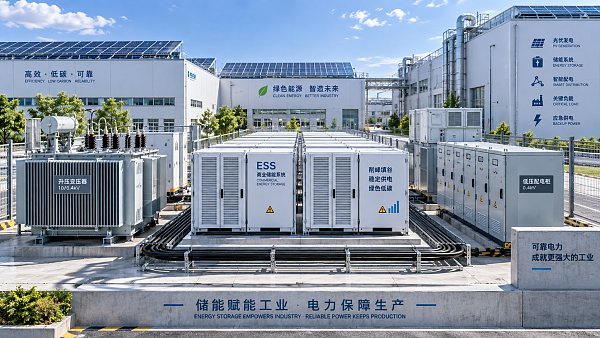
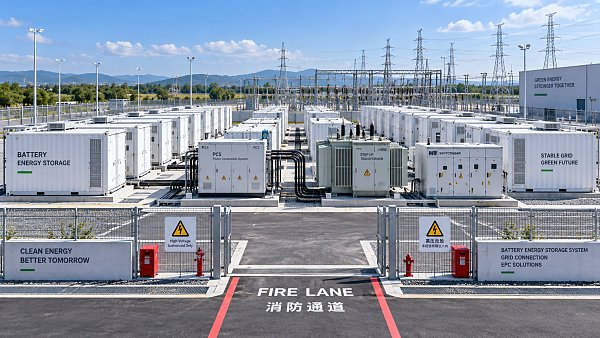
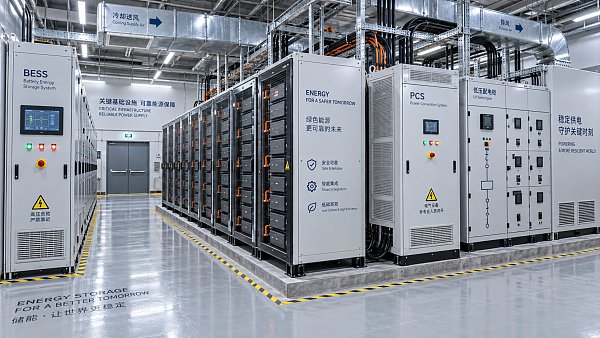
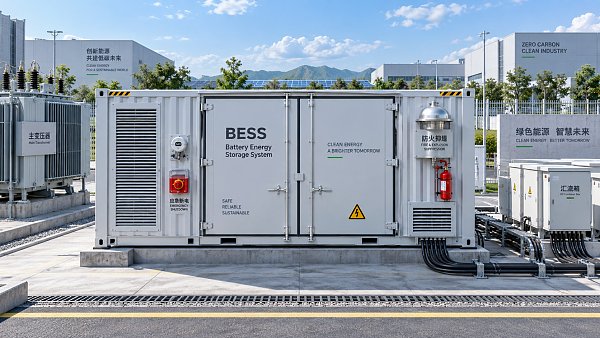
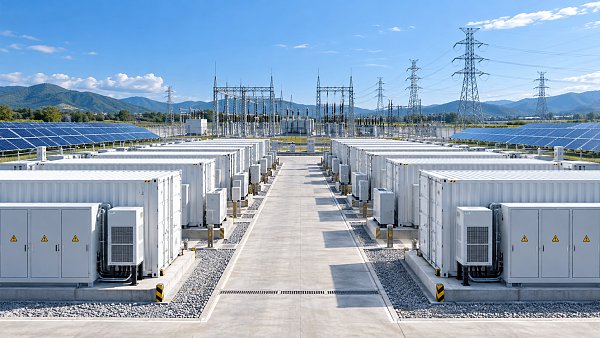
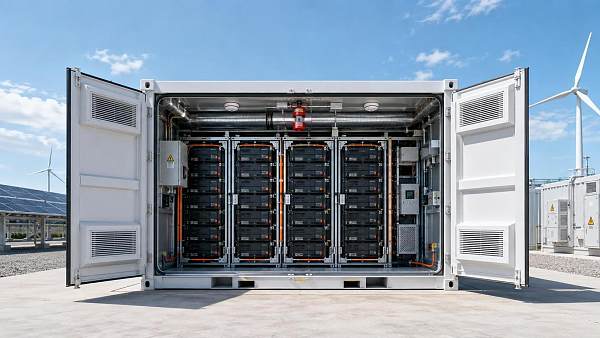
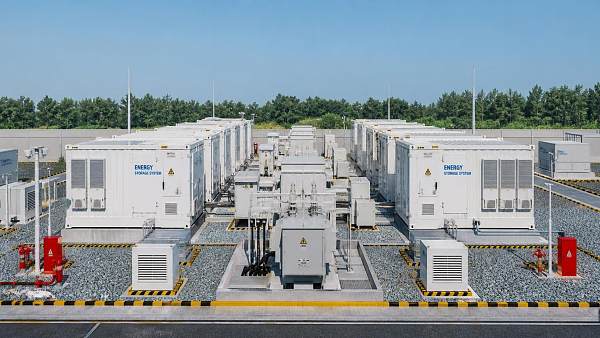
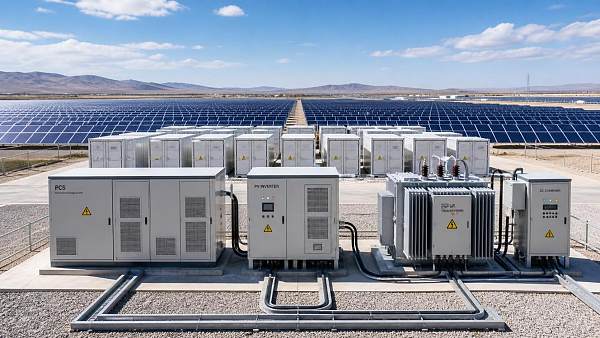
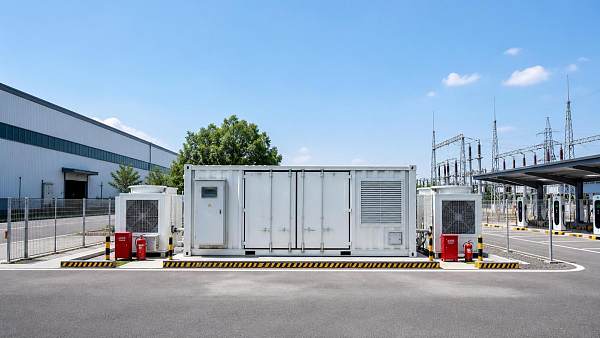
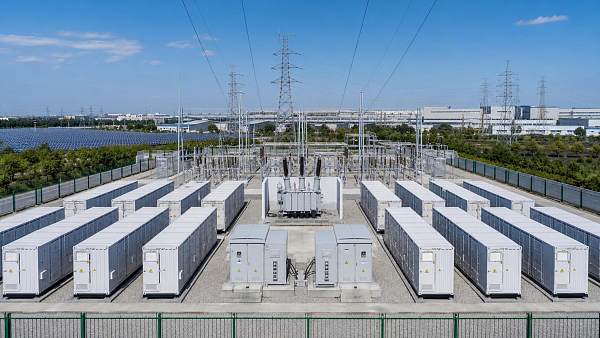
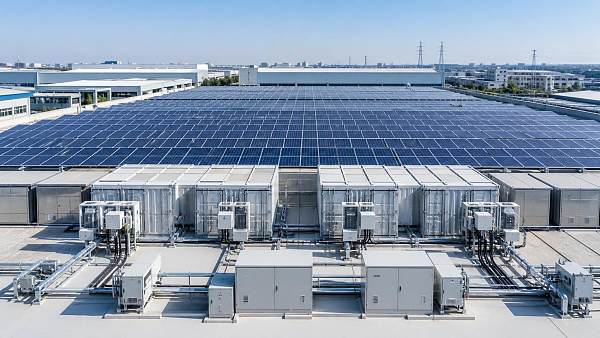
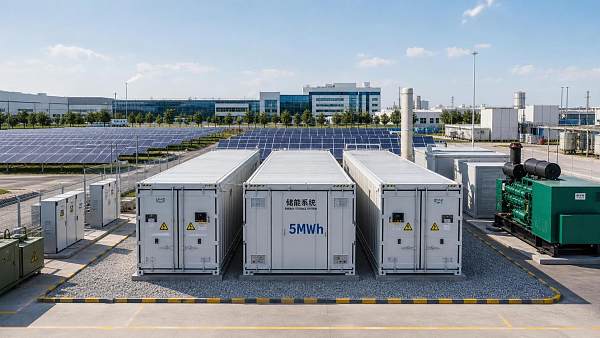
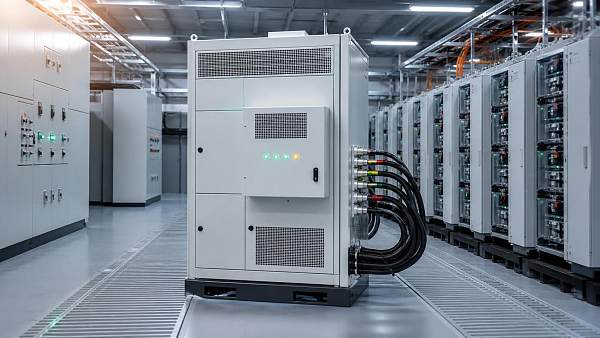
Battery energy storage can discharge during peak intervals and recharge later. That makes peak demand management for warehouses more predictable.
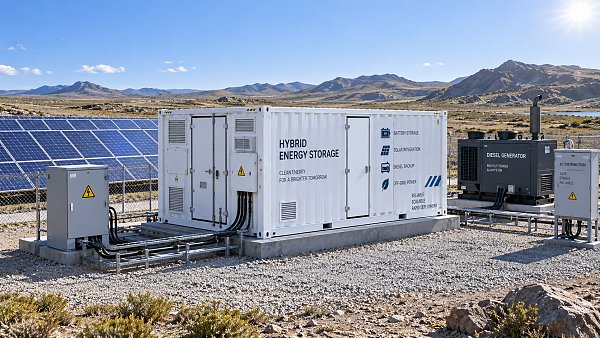
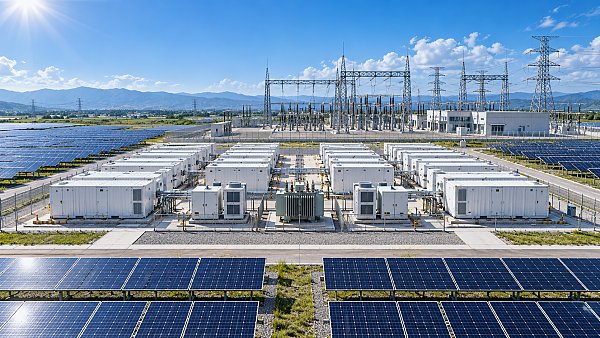
Behind-the-meter solar helps during daytime operations, though its value depends on load timing, weather, and tariff structure.
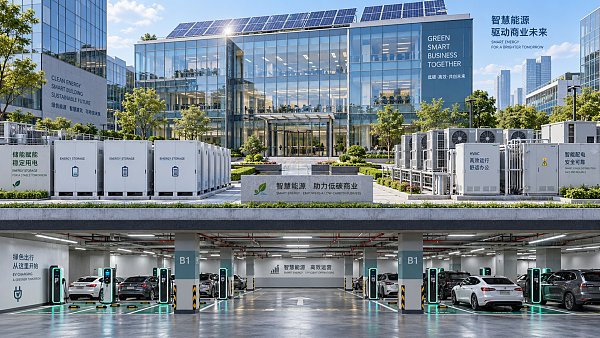
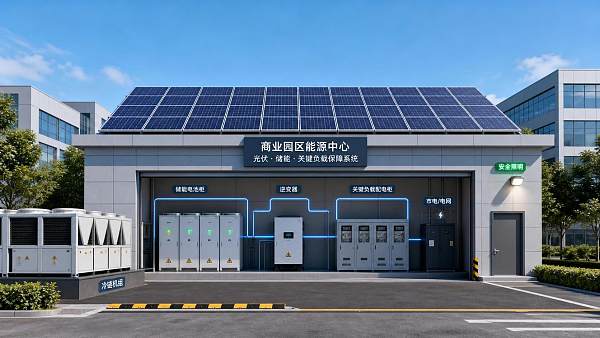
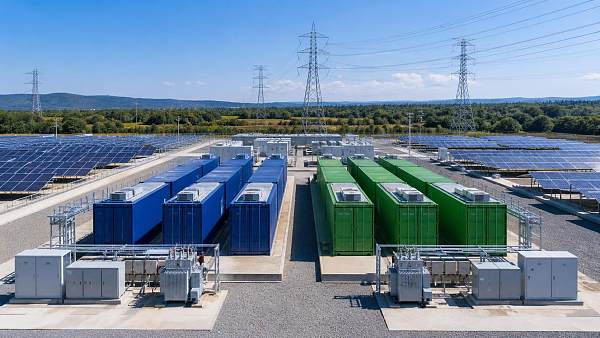
The strongest results often come from combining solar, storage, and software-based load control into one operating strategy.
In facilities with fleet electrification, this integrated model becomes even more relevant because charging can either create or solve a peak problem.
Technology options and practical fit
Common mistakes that weaken results
Peak demand management for warehouses can fail when teams chase hardware before understanding load behavior. That usually raises cost and delays savings.
Another common mistake is treating all loads as critical. In reality, many can shift briefly without changing service levels.
Some sites also ignore tariff details. A ratchet clause or seasonal demand rate can change the economics of every control decision.
Most important, teams should avoid one-time fixes. Peak control works best when it becomes part of routine operating practice.
A simple action plan for the next 30 days
- Map the top five electrical loads by power and operating time
- Check the billing interval that triggers the demand charge
- Stagger startup for at least three large systems
- Create charging rules for forklifts or EVs
- Set a demand alert threshold below the utility peak level
- Review results weekly and adjust schedules using real interval data
Final takeaway
Peak demand management for warehouses is one of the most practical ways to cut electricity costs without slowing the business.
The best results usually come from three moves: measure the load profile, remove overlap between large loads, and automate basic control rules.
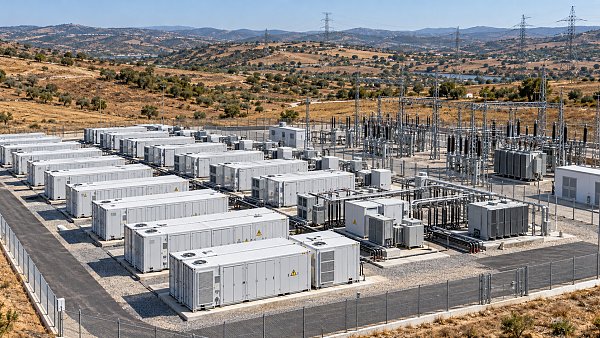
For sites with more complex demand patterns, storage, solar, and digital energy management can add another layer of control.
Start with the next demand interval, not a long wishlist. That is usually where the first real savings appear.
Questions about market trends? Contact Market Scope Live for deeper business insights.
We respect your privacy. Your information is strictly confidential.
Related News
 Energy Storage Systems / BESSCroatia’s First Transmission-Connected Standalone Battery Project Enters OperationCroatia’s first transmission-connected standalone battery project is operational. Discover how the 60 MW Šibenik facility could support grid flexibility.MORE+
 Energy Storage Systems / BESSAustralia's NEM Battery Storage Hits Record 20.17 GWh, Up 203% Year on YearAustralia's NEM battery storage reportedly hits 20.17 GWh, up 203% year on year. Explore what the record could mean for grid-scale projects and procurement.MORE+
 Energy Storage Systems / BESSC&I Energy Storage in Germany: What Drives Project ROI?C&I energy storage in Germany: discover what drives project ROI, from peak shaving and solar savings to costs, tariffs and smarter battery sizing.MORE+
 Energy Storage Systems / BESSChoosing Energy Storage Containers: Capacity, Power and Safety CriteriaCompare energy storage containers by usable capacity, power, safety and grid integration. Learn what to ask suppliers before choosing a system.MORE+
 Energy Storage Systems / BESSNeoen, Frontier Energy and Lightyears Secure Funding for Renewable ProjectsNeoen, Frontier Energy and Lightyears secure renewable energy financing. Explore what the funding means for solar, wind and battery storage projects.MORE+
 Energy Storage Systems / BESSChoosing a Battery Energy Storage Container Manufacturer: Key Supplier ChecksChoosing a battery energy storage containers manufacturer? Learn how to assess safety, integration, warranties and total costs before you buy.MORE+
 Energy Storage Systems / BESSCATL Introduces Grid Connection and Financing Commitments in AustraliaCATL introduces energy storage with 25-year grid connection and financing commitments in Australia. Explore what the proposed model means for projects.MORE+
 Energy Storage Systems / BESSPortugal Mandates Grid-Forming Capability for Large Storage and Launches 1 GW TenderPortugal grid-forming rules target large standalone energy storage projects as a 1 GW tender launches. Explore the implications for developers and suppliers.MORE+
 Energy Storage Systems / BESSAdding Battery Storage to Rooftop Solar: When to Use AC vs. DC CouplingExplore rooftop solar storage integration: compare AC vs. DC coupling, inverter compatibility, backup power, and lifecycle costs to choose the right battery setup.MORE+
 Energy Storage Systems / BESSHeron Power and NiSource Announce US Data Center Deals Involving BESSHeron Power and NiSource announce US data center deals involving BESS. Explore how transformer integration and long-term power supply are shaping data center energy plans.MORE+
 Energy Storage Systems / BESSPeak Energy Raises $108 Million as GM Ventures Leads Sodium-Ion Storage RoundPeak Energy raises $108 million in a GM Ventures-led round to scale sodium-ion storage for grids and AI data centers. Explore what buyers should assess before committing.MORE+
 Energy Storage Systems / BESSRondo Energy and Rio Tinto Begin Design of Australia's Largest Thermal Storage ProjectRondo Energy and Rio Tinto begin design of a 30 MW/360 MWh thermal storage project at Yarwun. Explore its potential for industrial decarbonization and future procurement.MORE+
 Energy Storage Systems / BESSCATL Nine-Month Net Profit Rises 31.6% as Energy Storage Emerges as a Growth DriverCATL’s reported nine-month net profit rose 31.6% as energy storage gains momentum. Explore what this shift could mean for battery buyers, overseas orders and procurement planning.MORE+
 Energy Storage Systems / BESSScalable Power Solutions for Commercial Facilities with Uneven Site DemandScalable power solutions for multi-site commercial facilities: optimize uneven demand, resilience, storage, solar, and controls with a repeatable portfolio strategy.MORE+
 Energy Storage Systems / BESSWhen Do Commercial Property Owners Face Peak Demand for On-Site Energy?Commercial property owners peak demand often occurs when HVAC, occupancy, EV charging, and equipment loads coincide. Discover practical strategies to manage costs, capacity, and on-site energy resilience.MORE+
 Energy Storage Systems / BESSWhen Does a Containerized Hybrid Solar-Storage System Make Sense for Remote Sites?containerized hybrid solar storage for remote sites: discover when it cuts diesel costs, improves reliability, and simplifies deployment with smarter sizing and design.MORE+
 Energy Storage Systems / BESSHow to Specify Steel Battery Enclosures for Outdoor BESS Fire and Corrosion RisksSteel battery enclosures: learn how to specify corrosion protection, fire-ready interfaces, drainage, and durable outdoor BESS performance.MORE+
 Energy Storage Systems / BESSBattery Energy Storage Cost: What Drives $/kWh and Project ROI?Battery energy storage cost explained: compare usable $/kWh, system scope, grid connection, warranty, and lifecycle factors to build a stronger storage ROI.MORE+
 Energy Storage Systems / BESSWhat Drives BESS Fire Protection Costs in Utility-Scale Storage Projects?Energy storage fire protection cost drivers explained: compare BESS safety systems, site design, compliance, and integration to budget smarter.MORE+
 Energy Storage Systems / BESSHow to Size Grid-Scale Energy Storage for Peak Shaving and Renewable FirmingGrid scale energy storage sizing guide for peak shaving and renewable firming—learn how to model MW, MWh, dispatch, degradation, and grid limits.MORE+
 Energy Storage Systems / BESSWhat Drives Battery Energy Management System Costs in BESS Projects?Battery energy management systems cost depends on controls, integration, grid compliance, cybersecurity, and lifecycle support. Learn how to evaluate BESS EMS proposals wisely.MORE+
 Energy Storage Systems / BESSHow to Size a Commercial Microgrid Battery System for Peak Shaving and Backup PowerCommercial microgrid battery system sizing guide for peak shaving and backup power—optimize kW, kWh, reserve SOC, controls, and resilience.MORE+
 Energy Storage Systems / BESSHow to Select a Battery Storage EPC Partner for Utility-Scale Projects in EuropeBattery storage EPC Europe: choose the right utility-scale partner with proven grid expertise, safety leadership, supply-chain control, and reliable commissioning.MORE+
 Energy Storage Systems / BESSHow to Evaluate a Stationary Battery Storage Manufacturer for Critical Backup PowerStationary battery storage manufacturer evaluation guide: compare safety, usable capacity, integration, warranties, lifecycle cost, and service support for reliable critical backup power.MORE+
 Energy Storage Systems / BESSDo Utilities Prefer Centralized or Distributed Energy Storage Models?Do utility companies prefer centralized or distributed energy storage models? Explore how grid constraints, costs, resilience, and control shape the best storage strategy.MORE+
 Energy Storage Systems / BESSWhat Fire Safety Requirements Apply to Containerized Battery Storage?What are the fire safety requirements for containerized battery storage systems? Explore codes, detection, suppression, ventilation, shutdown, and site design essentials.MORE+
 Energy Storage Systems / BESSIs EPEM Useful for Benchmarking Energy Storage Project Performance?Is EPEM useful for benchmarking energy storage project performance data? Explore how it helps normalize efficiency, availability, degradation, dispatch, and lifecycle risks.MORE+
 Energy Storage Systems / BESSBehind-the-Meter Energy Systems for Industrial Parks: Sizing Solar, Storage, and LoadsBehind the meter energy systems for industrial parks: learn how to size solar, storage, and loads for lower costs, resilient operations, and scalable growth.MORE+
 Energy Storage Systems / BESSAerosol Fire Protection for Energy Storage: Key Design Factors for BESS SafetyAerosol fire protection for energy storage: explore key BESS design factors for detection, ventilation, thermal runaway risk, and safer system integration.MORE+
 Energy Storage Systems / BESSHow to Size Solar Backup Energy Systems for Critical Commercial LoadsBackup energy systems with solar: learn how to size critical commercial loads, balance battery power and runtime, and build resilient operations.MORE+
 Energy Storage Systems / BESSWhat Criteria Should You Use to Shortlist Battery Storage EPC Contractors?What criteria should be used to shortlist battery storage EPC contractors? Explore essential checks for engineering, safety, grid integration, delivery, and lifecycle value.MORE+
 Energy Storage Systems / BESSCan Battery Storage Be Added to Existing Solar Farms Without Replacing Inverters?Can battery storage be integrated into existing solar farms without replacing inverters? Explore AC-coupled retrofits, grid limits, controls, costs, and value.MORE+
 Energy Storage Systems / BESSAre Containerized Battery Storage Systems Safe for Urban Deployment?Are containerized battery storage systems safe for urban deployment? Explore key safety factors, fire planning, standards, and site design for reliable urban BESS projects.MORE+
 Energy Storage Systems / BESSSodium-Ion vs Lithium-Ion: Which Is Better for Long-Duration Storage?Is sodium-ion battery better than lithium-ion for long duration storage? Explore cost, safety, energy density, warranties, and the best fit for your storage project.MORE+
 Energy Storage Systems / BESSHow to Size Grid-Scale Battery Energy Storage for Peak Shaving and Grid SupportGrid scale battery energy storage sizing made practical: learn how to match MW, MWh, dispatch, degradation, and grid constraints for reliable peak shaving and grid support.MORE+
 Energy Storage Systems / BESSHow to Integrate Solar and Battery Storage for Reliable Commercial Power ProjectsSolar storage project integration for commercial sites: learn to align load analysis, battery sizing, controls, safety, and grid compliance for reliable power.MORE+
 Energy Storage Systems / BESSHow Does Battery Thermal Management Affect Charger Uptime in Hot Climates?How does battery thermal management affect charger uptime in hot climates? Explore cooling strategies that reduce derating, protect assets, and keep EV charging reliable.MORE+
 Energy Storage Systems / BESSAre Sodium-Ion Batteries Ready for Commercial Charging Storage in 2026?Are sodium-ion batteries ready for commercial charging station storage in 2026? Explore costs, safety, footprint trade-offs, and project-fit insights.MORE+
 Energy Storage Systems / BESSHow to Size Energy Storage Containers for Reliable Microgrid PerformanceEnergy storage containers for microgrids: learn how to size capacity, power, backup duration, and reserve margins to improve reliability, cut costs, and support smarter project decisions.MORE+
 Energy Storage Systems / BESSHow to Evaluate a Fast Frequency Response Inverter for Grid-Scale BESS?Fast frequency response inverter evaluation for grid-scale BESS: learn how to assess control speed, thermal stability, grid-code behavior, and procurement-critical performance before you buy.MORE+