India Weighs 25% Safeguard Duty on Imported BESS
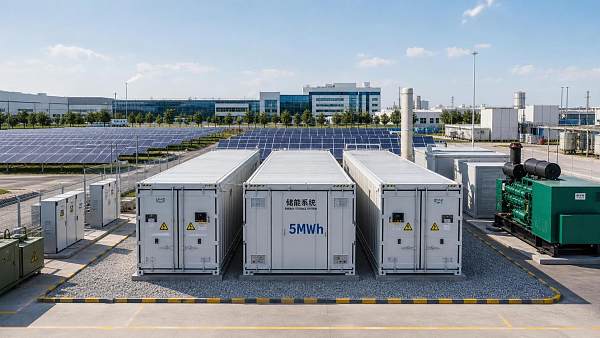
On June 27, 2026, India signaled a possible trade rule shift for imported lithium-ion battery energy storage systems, including containerized BESS, by proposing a safeguard investigation and a temporary 25% duty for two years if the measure is confirmed. For exporters, distributors, procurement teams, and cross-border delivery partners, the issue is not only price pressure but also the likely effect on customs treatment, origin-related documentation, and project delivery planning into the Indian market.
A trade measure now under formal consideration
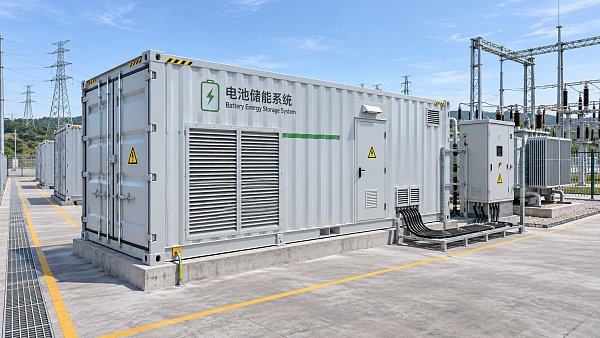
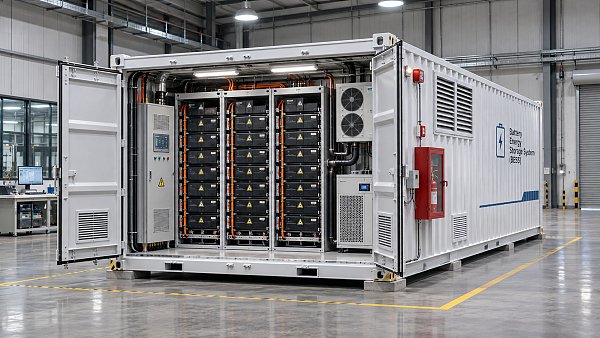
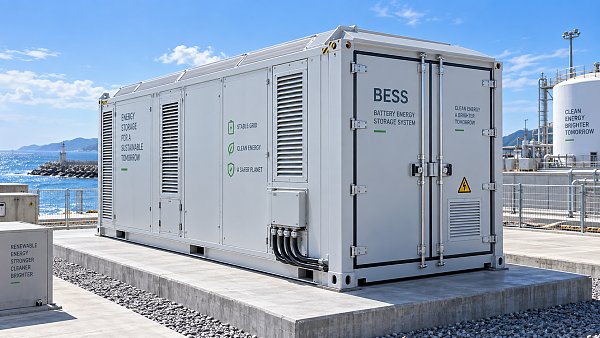
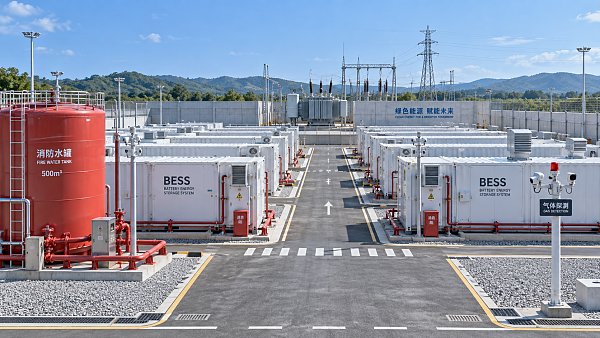
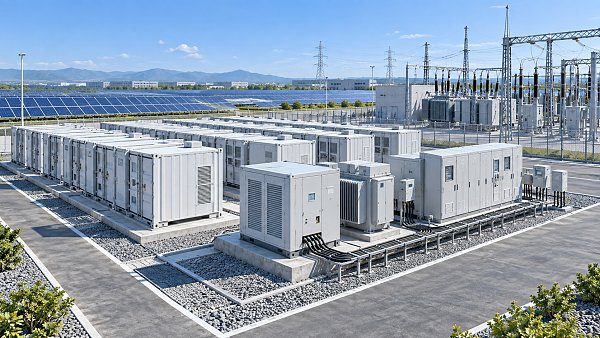
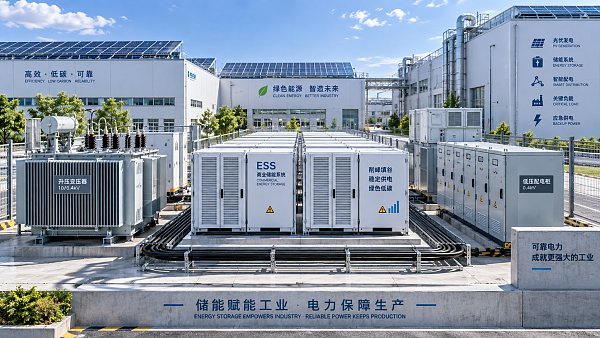
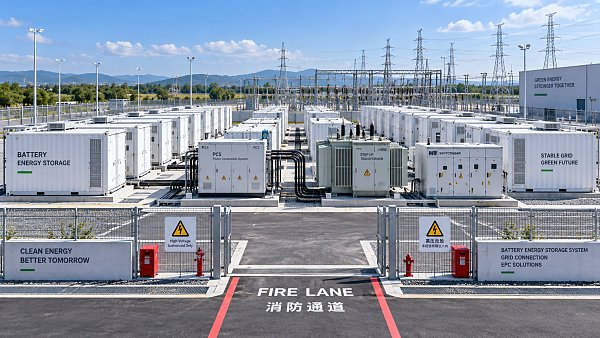
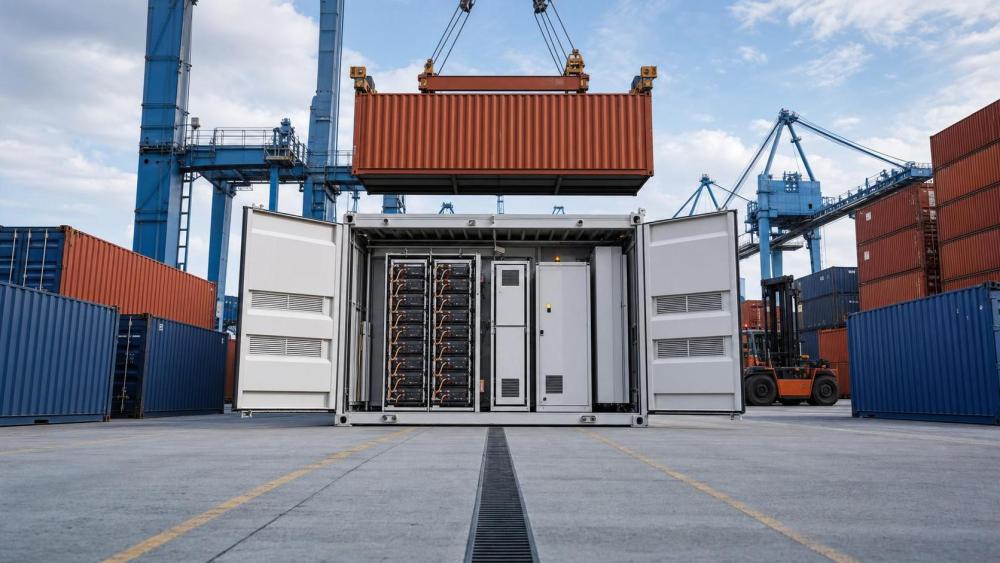
According to the information provided, India’s commerce authority issued a notice on June 27, 2026 recommending the launch of a safeguard investigation into lithium-ion battery energy storage systems originating in China, South Korea, and Vietnam. The proposed scope includes containerized BESS.
The same notice proposed a temporary safeguard duty of 25% for a period of two years, effective from the date of a final ruling if the measure takes effect. Based on the provided summary, the proposal would directly affect export cost structures and customs compliance pathways for suppliers shipping BESS into India.
Where the pressure may appear across the supply chain
Export contracts may face immediate pricing stress
From an industry perspective, exporters and direct trading companies are likely to be the first group to reassess exposure. If a 25% safeguard duty is imposed, the impact would likely appear in quotation validity, landed-cost calculations, contract terms, and delivery commitments already linked to the Indian market. What deserves closer attention is whether current documentation and transaction structures are prepared for tighter scrutiny around product scope and origin.
Distributors relying on Chinese supply chains may see delivery risks rise
Analysis shows that overseas distributors with local delivery obligations in India could face added pressure where their fulfillment model depends heavily on Chinese-sourced systems or upstream components. The concern is not limited to tariff cost. It also extends to customs clearance sequencing, inventory positioning, and the ability to maintain agreed project handover schedules if trade treatment changes during execution.
Procurement and project teams may need to revisit sourcing assumptions
For buyers, EPC-facing procurement teams, and project delivery managers, the proposed measure may affect supplier comparison, bid evaluation, and total cost review. Observably, any procurement process tied to imported BESS may need closer checking of origin declarations, technical product descriptions, and contract language around taxes, import treatment, and schedule responsibility.
Compliance and support service providers may face heavier document review demands
Testing, certification, logistics, customs, and after-sales support participants may also feel the effect if customers begin requesting stronger documentary consistency across commercial files, technical files, and shipment records. In practice, the pressure point is often whether the declared product configuration, origin position, and shipment paperwork align cleanly enough to avoid clearance delays or later disputes.
What companies should watch before the measure is finalized
Check origin-related files and product scope descriptions
Analysis shows that companies exposed to the Indian market should review how their BESS products are described across quotations, invoices, packing lists, technical documents, and customs-facing materials. Where a business depends on multi-country sourcing, the consistency of origin-related records becomes more important if safeguard review and later enforcement move forward.
Track official wording and implementation language closely
What deserves closer attention is the exact wording used in subsequent official communications. The current information indicates a proposal and an investigation path, not a completed enforcement outcome. Companies should therefore watch for later statements that clarify scope, applicable product definitions, timing, and the compliance route expected at import stage.
Reassess delivery schedules and procurement commitments
For contracts linked to near-term shipment or local handover in India, businesses may need to examine whether current delivery plans assume a stable import cost and clearance path that may no longer hold. This is particularly relevant for projects using containerized systems and for distributors promising local delivery based on imported stock.
Prepare for changes in tender and customer documentation requests
Observably, a proposed safeguard action of this kind can lead market participants to tighten documentation requests even before a final outcome is known. Companies should be ready for closer review of technical files, bid documents, shipment records, and supplier qualification materials where Indian procurement or project counterparties seek to manage downstream compliance risk.
Why this should be read as a signal, not yet a settled outcome
Analysis shows that this development is more appropriately understood as a live regulatory and trade signal rather than a completed market rule. The key fact is that a safeguard investigation has been proposed alongside a two-year temporary duty framework if a ruling takes effect. That means the business impact is already relevant for planning, but the final execution path still requires continued observation.
From an industry perspective, the practical reason to keep watching is that many commercial decisions in BESS trade are made before customs entry and project delivery. Even without a confirmed final measure in the information provided, procurement assumptions, distributor commitments, and compliance preparation may start changing in response to the proposed action itself.
How the market is likely to frame this development for now
At this stage, the event is best understood as a narrowing of the export window rather than a fully settled rule change. The proposal matters because it directly raises the possibility of higher import cost and more sensitive compliance handling for BESS shipments into India, especially for business models tied to Chinese supply chains. A neutral reading is that companies should neither assume immediate final enforcement nor treat the notice as routine background noise.
What deserves closer attention now is execution detail: whether later official language, customer requirements, or import handling practices begin to shift in a way that affects bidding, sourcing, and delivery. Until that becomes clearer, the most rational position is active monitoring combined with document and contract readiness.
Basis of this article and what still needs verification
This article is based on the user-provided news title, event date, and event summary. For this type of development, relevant source categories commonly include official notices, publications by trade or regulatory authorities, customs or commerce department information, industry association releases, standard-setting documents, and reporting by established business media.
No specific official source link was provided in the input, so the underlying official publication path still needs to be verified on an ongoing basis. Further observation is also needed on any later policy detail, implementation language, customs practice, tender document changes, market feedback, and how affected companies adjust their compliance and delivery arrangements.
Questions about market trends? Contact Market Scope Live for deeper business insights.
We respect your privacy. Your information is strictly confidential.
Related News
 Energy Storage Systems / BESSNYSERDA Opens Second 2026 Bulk Storage Solicitation Targeting 1 GWNYSERDA’s second 2026 bulk energy storage solicitation targets 1 GW. Explore the opportunity for developers, investors and New York’s grid.MORE+
 Energy Storage Systems / BESSCroatia’s First Transmission-Connected Standalone Battery Project Enters OperationCroatia’s first transmission-connected standalone battery project is operational. Discover how the 60 MW Šibenik facility could support grid flexibility.MORE+
 Energy Storage Systems / BESSAustralia's NEM Battery Storage Hits Record 20.17 GWh, Up 203% Year on YearAustralia's NEM battery storage reportedly hits 20.17 GWh, up 203% year on year. Explore what the record could mean for grid-scale projects and procurement.MORE+
 Energy Storage Systems / BESSC&I Energy Storage in Germany: What Drives Project ROI?C&I energy storage in Germany: discover what drives project ROI, from peak shaving and solar savings to costs, tariffs and smarter battery sizing.MORE+
 Energy Storage Systems / BESSChoosing Energy Storage Containers: Capacity, Power and Safety CriteriaCompare energy storage containers by usable capacity, power, safety and grid integration. Learn what to ask suppliers before choosing a system.MORE+
 Energy Storage Systems / BESSNeoen, Frontier Energy and Lightyears Secure Funding for Renewable ProjectsNeoen, Frontier Energy and Lightyears secure renewable energy financing. Explore what the funding means for solar, wind and battery storage projects.MORE+
 Energy Storage Systems / BESSChoosing a Battery Energy Storage Container Manufacturer: Key Supplier ChecksChoosing a battery energy storage containers manufacturer? Learn how to assess safety, integration, warranties and total costs before you buy.MORE+
 Energy Storage Systems / BESSCATL Introduces Grid Connection and Financing Commitments in AustraliaCATL introduces energy storage with 25-year grid connection and financing commitments in Australia. Explore what the proposed model means for projects.MORE+
 Energy Storage Systems / BESSPortugal Mandates Grid-Forming Capability for Large Storage and Launches 1 GW TenderPortugal grid-forming rules target large standalone energy storage projects as a 1 GW tender launches. Explore the implications for developers and suppliers.MORE+
 Energy Storage Systems / BESSAdding Battery Storage to Rooftop Solar: When to Use AC vs. DC CouplingExplore rooftop solar storage integration: compare AC vs. DC coupling, inverter compatibility, backup power, and lifecycle costs to choose the right battery setup.MORE+
 Energy Storage Systems / BESSHeron Power and NiSource Announce US Data Center Deals Involving BESSHeron Power and NiSource announce US data center deals involving BESS. Explore how transformer integration and long-term power supply are shaping data center energy plans.MORE+
 Energy Storage Systems / BESSPeak Energy Raises $108 Million as GM Ventures Leads Sodium-Ion Storage RoundPeak Energy raises $108 million in a GM Ventures-led round to scale sodium-ion storage for grids and AI data centers. Explore what buyers should assess before committing.MORE+
 Energy Storage Systems / BESSRondo Energy and Rio Tinto Begin Design of Australia's Largest Thermal Storage ProjectRondo Energy and Rio Tinto begin design of a 30 MW/360 MWh thermal storage project at Yarwun. Explore its potential for industrial decarbonization and future procurement.MORE+
 Energy Storage Systems / BESSCATL Nine-Month Net Profit Rises 31.6% as Energy Storage Emerges as a Growth DriverCATL’s reported nine-month net profit rose 31.6% as energy storage gains momentum. Explore what this shift could mean for battery buyers, overseas orders and procurement planning.MORE+
 Energy Storage Systems / BESSScalable Power Solutions for Commercial Facilities with Uneven Site DemandScalable power solutions for multi-site commercial facilities: optimize uneven demand, resilience, storage, solar, and controls with a repeatable portfolio strategy.MORE+
 Energy Storage Systems / BESSWhen Do Commercial Property Owners Face Peak Demand for On-Site Energy?Commercial property owners peak demand often occurs when HVAC, occupancy, EV charging, and equipment loads coincide. Discover practical strategies to manage costs, capacity, and on-site energy resilience.MORE+
 Energy Storage Systems / BESSWhen Does a Containerized Hybrid Solar-Storage System Make Sense for Remote Sites?containerized hybrid solar storage for remote sites: discover when it cuts diesel costs, improves reliability, and simplifies deployment with smarter sizing and design.MORE+
 Energy Storage Systems / BESSHow to Specify Steel Battery Enclosures for Outdoor BESS Fire and Corrosion RisksSteel battery enclosures: learn how to specify corrosion protection, fire-ready interfaces, drainage, and durable outdoor BESS performance.MORE+
 Energy Storage Systems / BESSBattery Energy Storage Cost: What Drives $/kWh and Project ROI?Battery energy storage cost explained: compare usable $/kWh, system scope, grid connection, warranty, and lifecycle factors to build a stronger storage ROI.MORE+
 Energy Storage Systems / BESSWhat Drives BESS Fire Protection Costs in Utility-Scale Storage Projects?Energy storage fire protection cost drivers explained: compare BESS safety systems, site design, compliance, and integration to budget smarter.MORE+
 Energy Storage Systems / BESSHow to Size Grid-Scale Energy Storage for Peak Shaving and Renewable FirmingGrid scale energy storage sizing guide for peak shaving and renewable firming—learn how to model MW, MWh, dispatch, degradation, and grid limits.MORE+
 Energy Storage Systems / BESSWhat Drives Battery Energy Management System Costs in BESS Projects?Battery energy management systems cost depends on controls, integration, grid compliance, cybersecurity, and lifecycle support. Learn how to evaluate BESS EMS proposals wisely.MORE+
 Energy Storage Systems / BESSHow to Size a Commercial Microgrid Battery System for Peak Shaving and Backup PowerCommercial microgrid battery system sizing guide for peak shaving and backup power—optimize kW, kWh, reserve SOC, controls, and resilience.MORE+
 Energy Storage Systems / BESSHow to Select a Battery Storage EPC Partner for Utility-Scale Projects in EuropeBattery storage EPC Europe: choose the right utility-scale partner with proven grid expertise, safety leadership, supply-chain control, and reliable commissioning.MORE+
 Energy Storage Systems / BESSHow to Evaluate a Stationary Battery Storage Manufacturer for Critical Backup PowerStationary battery storage manufacturer evaluation guide: compare safety, usable capacity, integration, warranties, lifecycle cost, and service support for reliable critical backup power.MORE+
 Energy Storage Systems / BESSDo Utilities Prefer Centralized or Distributed Energy Storage Models?Do utility companies prefer centralized or distributed energy storage models? Explore how grid constraints, costs, resilience, and control shape the best storage strategy.MORE+
 Energy Storage Systems / BESSWhat Fire Safety Requirements Apply to Containerized Battery Storage?What are the fire safety requirements for containerized battery storage systems? Explore codes, detection, suppression, ventilation, shutdown, and site design essentials.MORE+
 Energy Storage Systems / BESSIs EPEM Useful for Benchmarking Energy Storage Project Performance?Is EPEM useful for benchmarking energy storage project performance data? Explore how it helps normalize efficiency, availability, degradation, dispatch, and lifecycle risks.MORE+
 Energy Storage Systems / BESSBehind-the-Meter Energy Systems for Industrial Parks: Sizing Solar, Storage, and LoadsBehind the meter energy systems for industrial parks: learn how to size solar, storage, and loads for lower costs, resilient operations, and scalable growth.MORE+
 Energy Storage Systems / BESSAerosol Fire Protection for Energy Storage: Key Design Factors for BESS SafetyAerosol fire protection for energy storage: explore key BESS design factors for detection, ventilation, thermal runaway risk, and safer system integration.MORE+
 Energy Storage Systems / BESSHow to Size Solar Backup Energy Systems for Critical Commercial LoadsBackup energy systems with solar: learn how to size critical commercial loads, balance battery power and runtime, and build resilient operations.MORE+
 Energy Storage Systems / BESSWhat Criteria Should You Use to Shortlist Battery Storage EPC Contractors?What criteria should be used to shortlist battery storage EPC contractors? Explore essential checks for engineering, safety, grid integration, delivery, and lifecycle value.MORE+
 Energy Storage Systems / BESSCan Battery Storage Be Added to Existing Solar Farms Without Replacing Inverters?Can battery storage be integrated into existing solar farms without replacing inverters? Explore AC-coupled retrofits, grid limits, controls, costs, and value.MORE+
 Energy Storage Systems / BESSAre Containerized Battery Storage Systems Safe for Urban Deployment?Are containerized battery storage systems safe for urban deployment? Explore key safety factors, fire planning, standards, and site design for reliable urban BESS projects.MORE+
 Energy Storage Systems / BESSSodium-Ion vs Lithium-Ion: Which Is Better for Long-Duration Storage?Is sodium-ion battery better than lithium-ion for long duration storage? Explore cost, safety, energy density, warranties, and the best fit for your storage project.MORE+
 Energy Storage Systems / BESSHow to Size Grid-Scale Battery Energy Storage for Peak Shaving and Grid SupportGrid scale battery energy storage sizing made practical: learn how to match MW, MWh, dispatch, degradation, and grid constraints for reliable peak shaving and grid support.MORE+
 Energy Storage Systems / BESSHow to Integrate Solar and Battery Storage for Reliable Commercial Power ProjectsSolar storage project integration for commercial sites: learn to align load analysis, battery sizing, controls, safety, and grid compliance for reliable power.MORE+
 Energy Storage Systems / BESSHow Does Battery Thermal Management Affect Charger Uptime in Hot Climates?How does battery thermal management affect charger uptime in hot climates? Explore cooling strategies that reduce derating, protect assets, and keep EV charging reliable.MORE+
 Energy Storage Systems / BESSAre Sodium-Ion Batteries Ready for Commercial Charging Storage in 2026?Are sodium-ion batteries ready for commercial charging station storage in 2026? Explore costs, safety, footprint trade-offs, and project-fit insights.MORE+
 Energy Storage Systems / BESSHow to Size Energy Storage Containers for Reliable Microgrid PerformanceEnergy storage containers for microgrids: learn how to size capacity, power, backup duration, and reserve margins to improve reliability, cut costs, and support smarter project decisions.MORE+