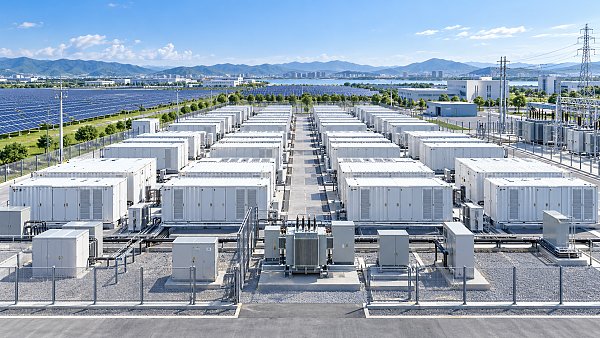
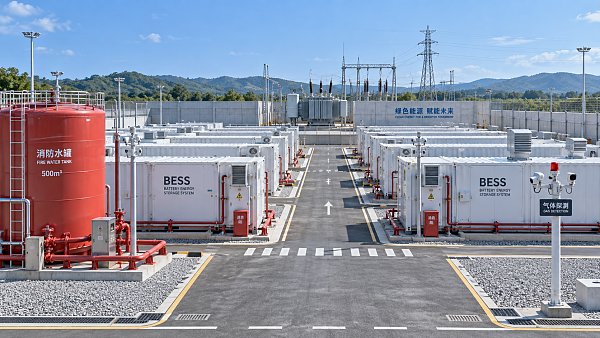
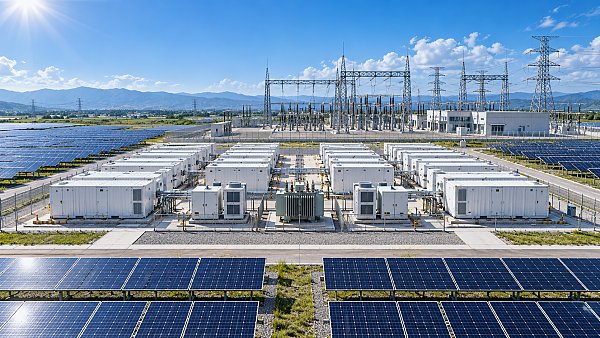
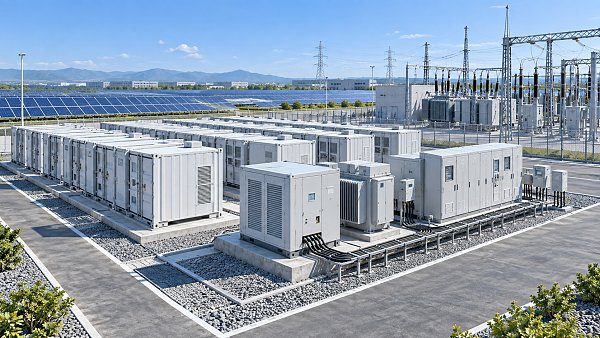
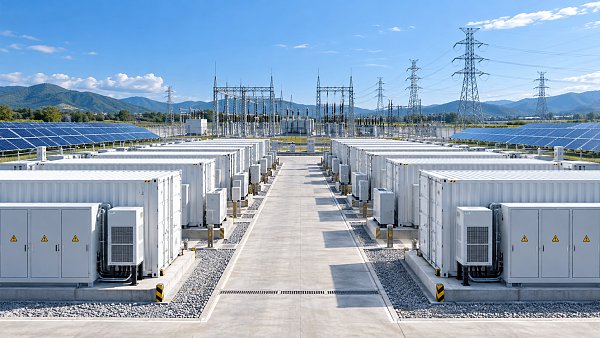
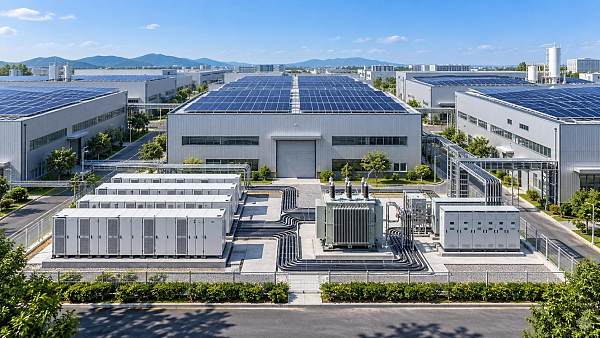
How to Specify Steel Battery Enclosures for Outdoor BESS Fire and Corrosion Risks
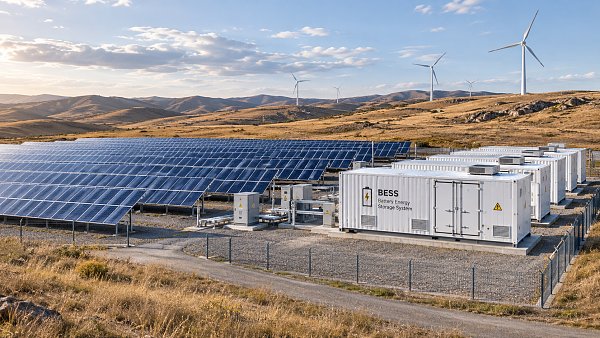
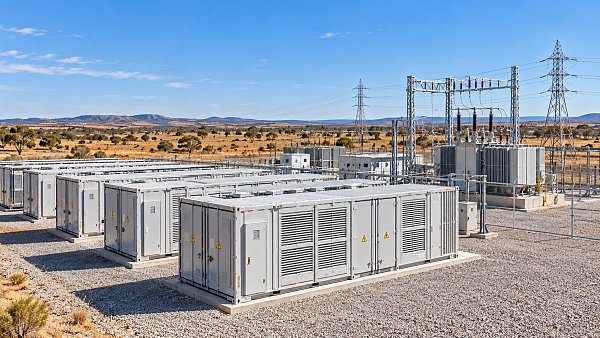
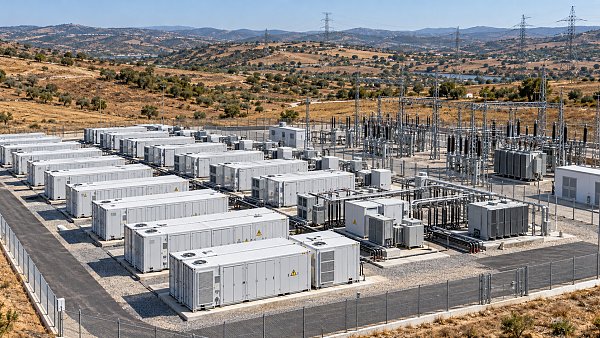
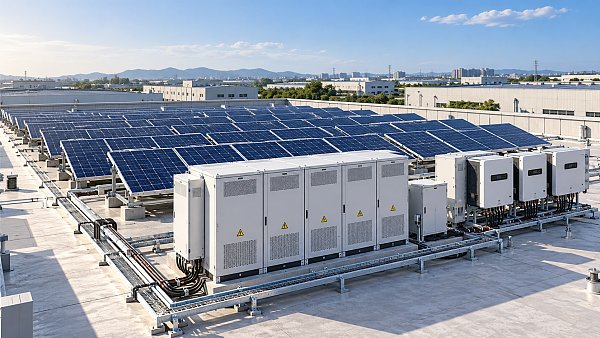
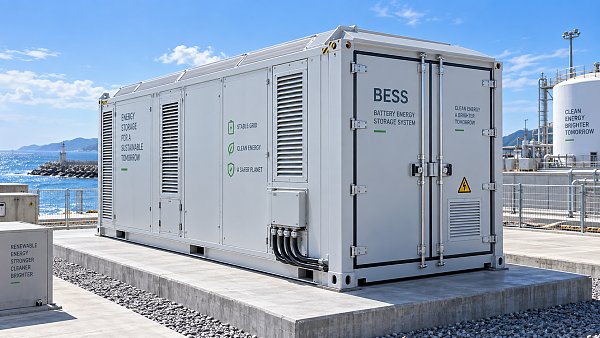
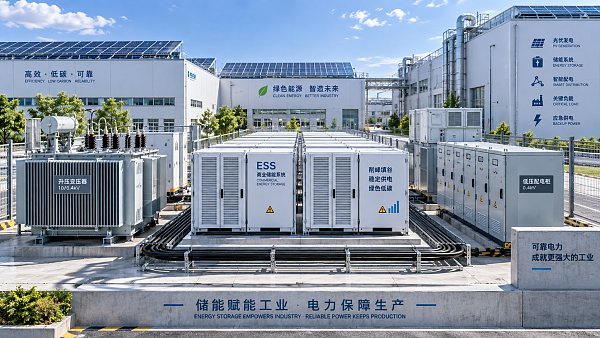
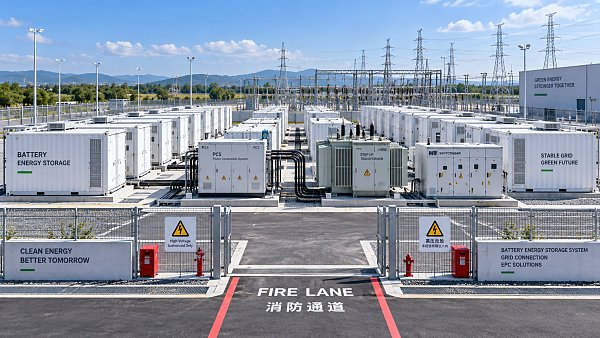
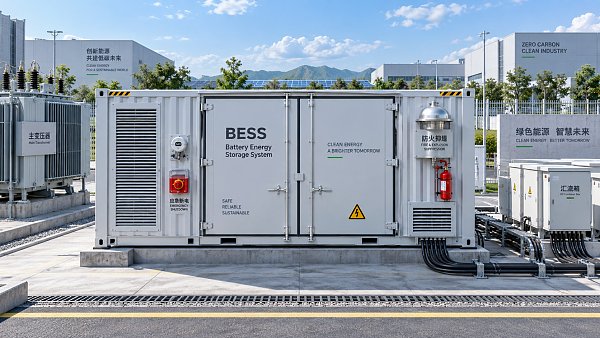
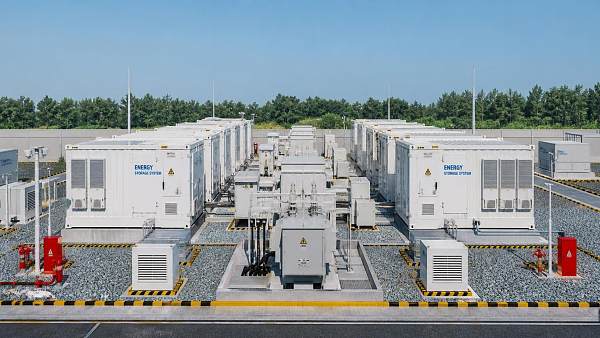
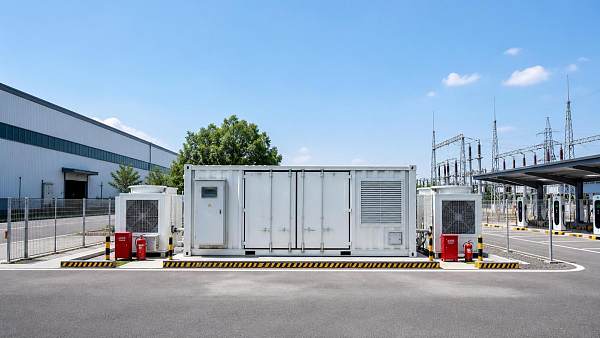
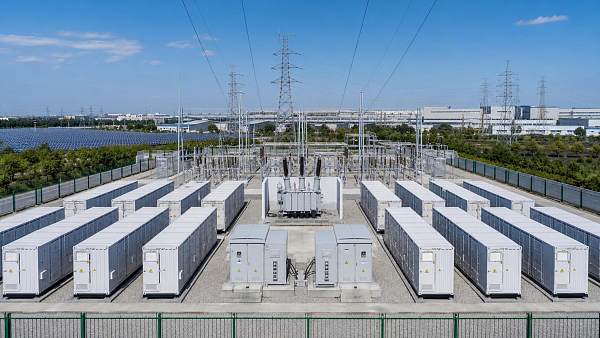
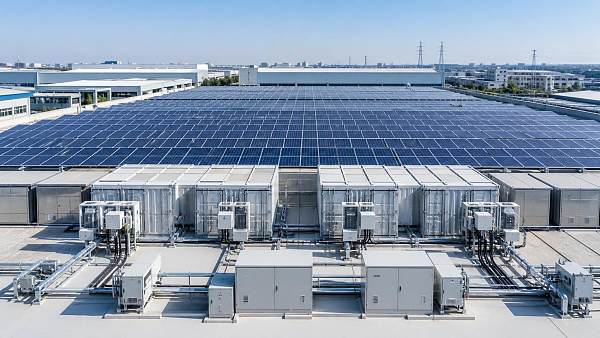
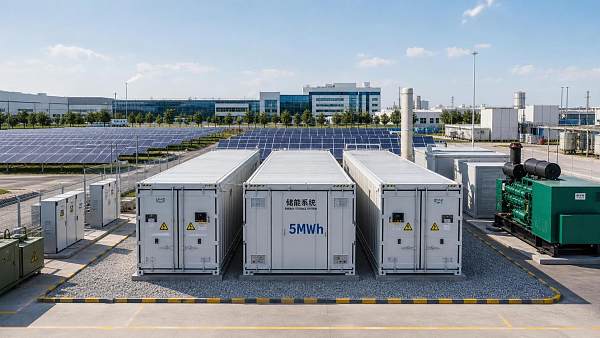
An outdoor BESS enclosure can look acceptable at commissioning and still become the weak point of the installation after a few seasons of salt exposure, standing water, ultraviolet radiation, repeated thermal cycling, or a nearby fire event. Rust at door seams can compromise gasket compression; a heat-distorted roof panel can affect clearances around battery racks; poorly planned penetrations can become moisture paths directly above energized equipment.
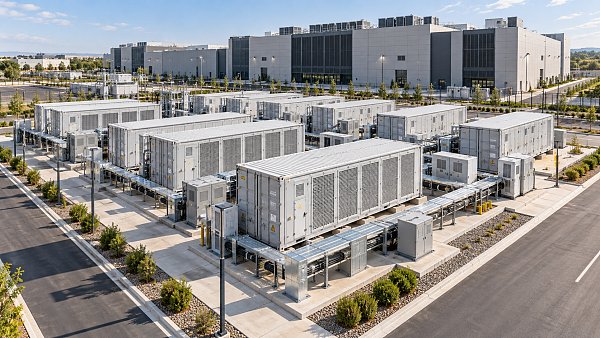
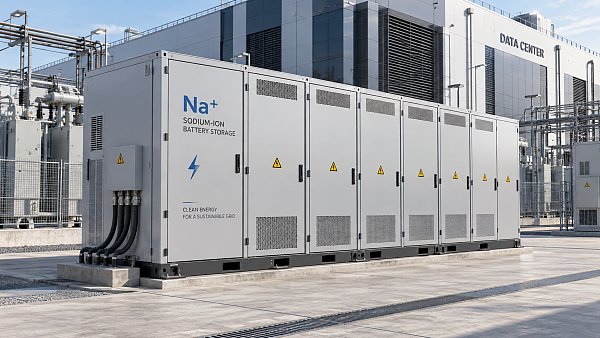
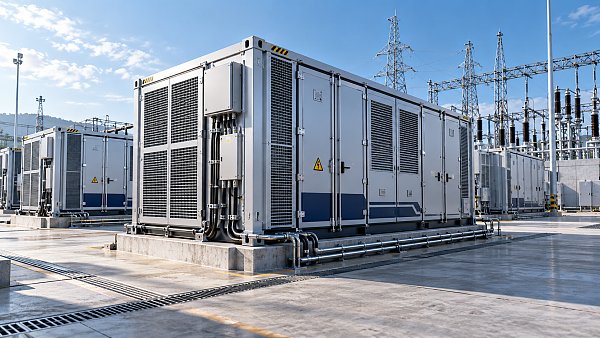
The practical specification decision is to treat steel battery enclosures as part of the safety system, not as a generic weather cover. Start with the site corrosivity category, expected fire scenario, battery system layout, maintenance access, and the interfaces needed for detection, suppression, ventilation, cabling, and emergency isolation. Then specify the steel substrate, corrosion-protection system, structural details, and acceptance criteria as one coordinated package. A heavier plate alone does not solve a coating, drainage, sealing, or thermal-expansion problem.
Begin with the actual outdoor exposure, not the enclosure catalog
Technical reviews often begin with dimensions, battery capacity, door arrangement, and equipment weight. Those items matter, but the environmental duty should be established first because it changes the appropriate material and coating approach.
A dry inland site with controlled drainage creates a very different corrosion risk from a coastal location, an industrial area with airborne contaminants, a high-humidity tropical site, or a cold region where de-icing salts may be tracked onto the pad. Even within one project, the enclosure roof, lower wall sections, door thresholds, underside of floor members, cable-entry zones, and external fasteners may experience different exposure levels.
Collect enough site information to answer the following questions before selecting steel grade or finish:
- Will the enclosure be exposed to marine aerosols, fertilizer dust, industrial emissions, or road salt?
- Can rainwater pond around the foundation, splash against lower panels, or collect on the roof?
- Does the ambient temperature create frequent condensation inside the enclosure?
- Will the unit sit in direct sun, where dark exterior surfaces may experience substantial heat gain?
- Is wildfire, adjacent equipment fire, or internal battery thermal event part of the project risk assessment?
- Will maintenance crews open doors during rain, snow, or high winds?
- Are the enclosure and its skid expected to remain installed for a long asset life with limited repainting access?
These questions prevent an overly simple requirement such as “painted steel, outdoor rated.” Outdoor rating is a performance objective, not a complete material specification. It must be translated into requirements for surface preparation, coating type and thickness, edge treatment, drainage, gasket protection, hardware compatibility, and inspection.
Choose the steel system by exposure and maintainability
Carbon steel remains widely used because it is strong, available, repairable, and generally economical for fabricated housings. Its suitability depends on corrosion control. In relatively moderate environments, a properly prepared and coated carbon-steel structure may be appropriate, provided that water traps are eliminated and damage can be inspected and repaired.
Galvanized steel adds a sacrificial zinc layer that can protect localized scratches and exposed cut edges to a degree. It is useful where durable corrosion resistance is needed across fabricated components, but it is not an excuse to ignore coating compatibility, weld treatment, or trapped moisture. Thermal cutting, welding, drilling, and field modifications can interrupt zinc protection. Their treatment should be defined rather than left to site judgment.
Stainless steel can be justified for selected external components, lower sections, hardware, drain parts, louver frames, or enclosures in severe marine or chemically aggressive environments. However, “stainless” is not a universal answer. Alloy selection, chloride exposure, surface finish, weld cleanup, crevice design, and contact with dissimilar metals all affect performance. A nominally corrosion-resistant material can still suffer staining, crevice corrosion, or galvanic effects where design details are poor.
The decision should also account for repair access. A coating system with excellent nominal performance can become impractical where door edges, transport damage, roof-mounted accessories, or skid members cannot be reached safely after installation. Ask how scratches, drilled holes, damaged sealant, and field-installed attachments will be restored without compromising the original protection system.
Do not specify coating only by color or generic thickness
For carbon steel, corrosion performance depends on the whole coating process: surface cleaning, profile preparation, primer chemistry, intermediate layers where applicable, topcoat selection, curing, edge coverage, and quality control. A document that lists paint color and a single dry-film value leaves too much uncertainty for a critical outdoor asset.
Edges, welds, bolt holes, corners, door returns, roof joints, and lifting points deserve explicit attention. Coatings tend to pull away from sharp edges during application, creating lower film build exactly where mechanical damage and water accumulation are likely. Rounded edges, weld dressing, stripe coating of complex features, and defined repair procedures are more useful than assuming an average coating thickness will protect every geometry.
Where galvanized steel is painted, the coating system should be compatible with the zinc surface and its preparation. Where stainless and coated carbon steel are combined, isolate dissimilar materials as needed and avoid joints that retain electrolyte. Fasteners should not become the first visible corrosion point on an otherwise sound enclosure. Specify compatible external hardware, washers, hinges, latches, and mounting brackets rather than treating them as incidental accessories.
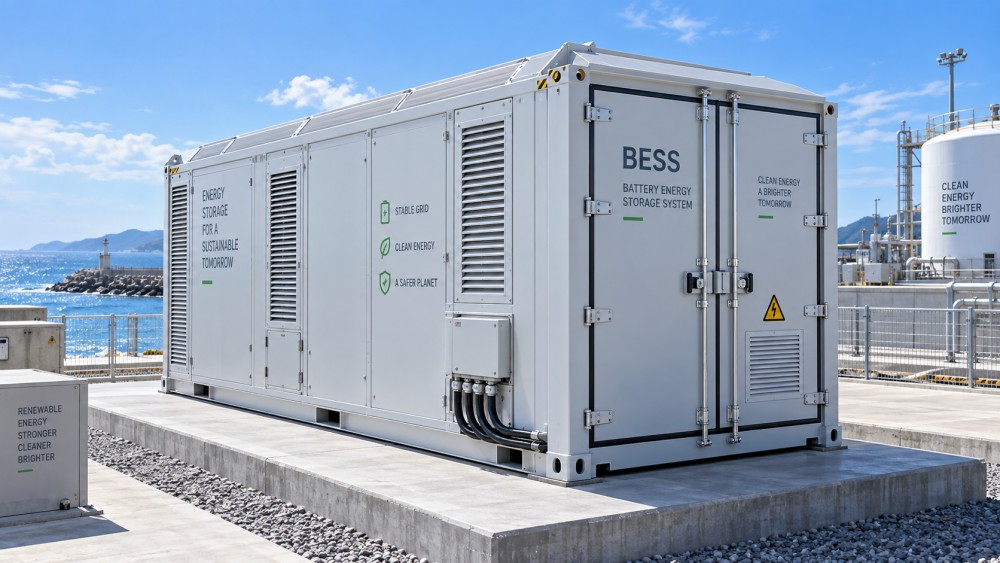
Fire risk changes the enclosure requirements beyond metal thickness
Steel is non-combustible, but a steel enclosure is not automatically a fire-rated assembly. Fire performance depends on wall build-up, insulation, internal linings, doors, penetrations, vents, cable systems, seals, structural stability under heat, and the interaction with the battery system’s fire strategy.
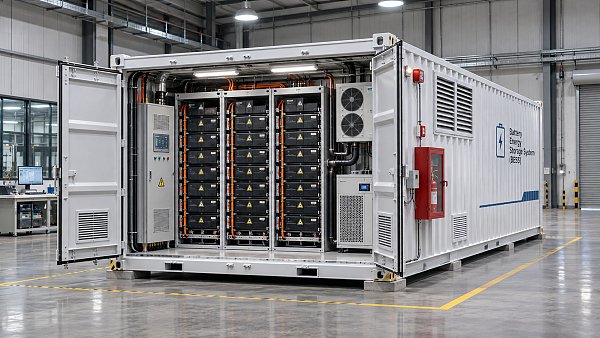
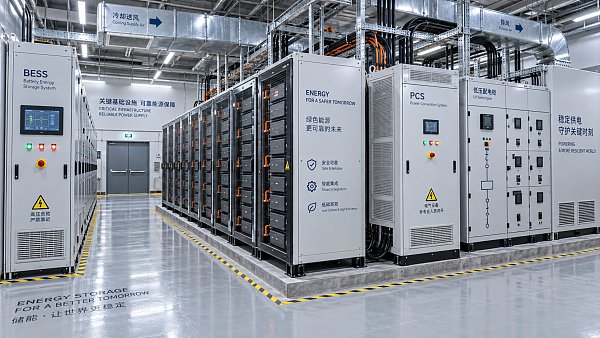
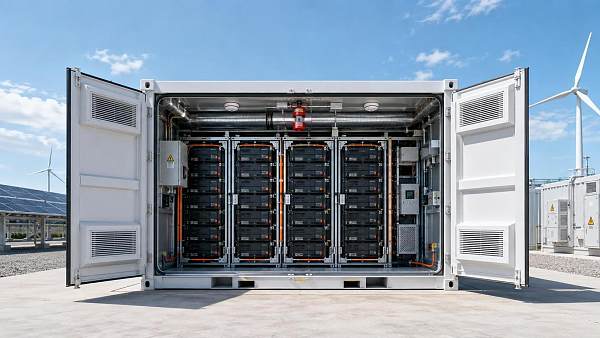
When a BESS design includes gas detection, off-gas venting, pressure relief, smoke detection, thermal monitoring, clean-agent equipment, water-based systems, or external fire-service interfaces, each function needs a physical route through or around the enclosure. These interfaces are frequent sources of failure because they introduce openings, dampers, ducts, cabling, piping, and access panels that must remain weather-resistant in normal service while behaving predictably during an incident.
Separate three different fire questions
First, can the enclosure limit fire spread from outside to inside? This concerns exposure from vegetation, vehicles, transformers, adjacent containers, or site infrastructure. It may influence wall construction, roof design, external spacing, and protection of cable routes.
Second, can the enclosure contain or manage the consequences of an internal battery event? This is not simply a question of stronger steel. Internal pressure, hot gases, smoke, flame, electrolyte vapors, and re-ignition risk must be considered together with the battery rack arrangement and system safety architecture.
Third, will the enclosure preserve safe access and emergency functions? Doors, manual disconnects, emergency stops, ventilation controls, labels, lighting, and access routes must remain usable or have clearly defined failure behavior. A door that warps, a vent that jams, or an externally mounted cable tray that collapses can complicate response even if the main shell remains standing.
The enclosure specification should identify what assumptions are being made about fire exposure duration, internal pressure relief, vent opening direction, isolation of adjacent compartments, and the role of any fire-resistance rating required by the project. Those assumptions must align with the battery supplier’s safety documentation, the integrator’s layout, and the authority having jurisdiction. Do not infer certified fire performance from steel panel thickness, mineral insulation, or a product description alone.
Water ingress is usually a detail-design failure
Many enclosure problems originate at joints rather than broad wall surfaces. Water can enter through a roof seam, failed sealant, poorly seated door gasket, unprotected cable gland, external conduit that directs water inward, or a floor penetration that was not resealed after commissioning work. Condensation may then create corrosion inside areas that appear dry during a visual walkdown.
Specify the environmental protection level required for the installed configuration, including all accessories, not only the bare housing. Doors, service panels, HVAC interfaces, louver assemblies, emergency vent devices, cable glands, gland plates, external control cabinets, and floor penetrations should be assessed as a system. A high protection rating stated for an enclosure shell has limited value if the installed cable-entry arrangement has no equivalent discipline.
Good outdoor detailing includes a sloped roof or managed runoff path, drip edges above door openings, raised equipment bases where appropriate, sealed and mechanically supported penetrations, drainage routes that cannot become blocked easily, and clearance between the enclosure base and surfaces that hold standing water. Avoid horizontal ledges, overlapping plates that face upward, blind cavities, and unsealed lap joints at the lower perimeter.
Condensation needs an internal strategy
An enclosure can pass a rain-ingress test and still have internal moisture problems. Daily temperature swings can bring humid air into the enclosure through normal breathing, door openings, pressure changes, or ventilation paths. When internal surfaces fall below dew point, water may form on steel, busbars, electronics enclosures, cable terminations, and insulation surfaces.
Review insulation continuity, vapor-control approach, HVAC operating modes, heater logic where used, drain paths, and the position of air intakes and exhausts. Thermal bridges at frame members and uninsulated penetrations deserve review because they can become local condensation points. The design should also make moisture inspection possible; inaccessible cavities make early corrosion difficult to detect.
Structural details should support both transport and long-term service
BESS enclosures are subjected to lifting, transport vibration, crane handling, foundation tolerances, wind loads, snow loads in some regions, door cycling, and equipment weight. A robust structure needs more than nominal wall thickness. Ask where loads enter the frame, how roof-mounted equipment is supported, whether battery rack loads are isolated from external panels, and how the base frame tolerates uneven foundations without twisting doors or stressing seals.
Door performance is especially important. Wide service doors need hinges, latches, frames, and stops that maintain gasket compression over repeated cycles. Doors should not rely on operator force to overcome distortion caused by settlement, thermal movement, or corrosion at hinges. Verify clear maintenance zones and whether opened doors can be retained safely in wind.
Where seismic, high-wind, or snow loading applies, anchoring and roof details should be coordinated with the enclosure manufacturer’s structural basis and the site civil design. Field-added equipment, such as communications cabinets, external HVAC units, cable trays, or solar shades, can alter loads and create new corrosion interfaces. These additions should be controlled through the same review process as the original enclosure.
Turn the specification into verifiable procurement requirements
A useful evaluation document identifies what must be submitted, inspected, and accepted. Avoid relying solely on broad statements such as “suitable for outdoor use” or “corrosion resistant.” Require evidence relevant to the proposed construction, not a generic brochure for another enclosure configuration.
At minimum, request material identification for major structural and panel components; drawings showing drainage, joints, penetrations, vent locations, and maintenance access; coating-system details and repair method; hardware material information; environmental protection classification for the assembled enclosure; and documentation explaining fire-related interfaces and limitations. Also require confirmation of any exclusions, such as site-installed glands, third-party HVAC equipment, or field-installed piping that may affect the finished enclosure’s weather resistance.
During factory or pre-delivery inspection, focus on practical failure points: incomplete coating at edges, unsealed lap joints, blocked drains, sharp exposed cut edges, incompatible fasteners, irregular door gaps, damaged gaskets, unsupported conduits, and roof attachments without properly sealed interfaces. Once batteries and power electronics are installed, correcting these issues becomes slower, more expensive, and potentially disruptive to commissioning.
The final specification should make clear that corrosion protection, fire interfaces, ingress resistance, structural integrity, and maintainability are interdependent. The most reliable steel enclosure is not necessarily the one with the thickest panels or the most elaborate finish; it is the one whose material system and construction details match the actual BESS location, operating conditions, and emergency design assumptions.
Questions about market trends? Contact Market Scope Live for deeper business insights.
We respect your privacy. Your information is strictly confidential.
Related News
 Energy Storage Systems / BESSCroatia’s First Transmission-Connected Standalone Battery Project Enters OperationCroatia’s first transmission-connected standalone battery project is operational. Discover how the 60 MW Šibenik facility could support grid flexibility.MORE+
 Energy Storage Systems / BESSAustralia's NEM Battery Storage Hits Record 20.17 GWh, Up 203% Year on YearAustralia's NEM battery storage reportedly hits 20.17 GWh, up 203% year on year. Explore what the record could mean for grid-scale projects and procurement.MORE+
 Energy Storage Systems / BESSC&I Energy Storage in Germany: What Drives Project ROI?C&I energy storage in Germany: discover what drives project ROI, from peak shaving and solar savings to costs, tariffs and smarter battery sizing.MORE+
 Energy Storage Systems / BESSChoosing Energy Storage Containers: Capacity, Power and Safety CriteriaCompare energy storage containers by usable capacity, power, safety and grid integration. Learn what to ask suppliers before choosing a system.MORE+
 Energy Storage Systems / BESSNeoen, Frontier Energy and Lightyears Secure Funding for Renewable ProjectsNeoen, Frontier Energy and Lightyears secure renewable energy financing. Explore what the funding means for solar, wind and battery storage projects.MORE+
 Energy Storage Systems / BESSChoosing a Battery Energy Storage Container Manufacturer: Key Supplier ChecksChoosing a battery energy storage containers manufacturer? Learn how to assess safety, integration, warranties and total costs before you buy.MORE+
 Energy Storage Systems / BESSCATL Introduces Grid Connection and Financing Commitments in AustraliaCATL introduces energy storage with 25-year grid connection and financing commitments in Australia. Explore what the proposed model means for projects.MORE+
 Energy Storage Systems / BESSPortugal Mandates Grid-Forming Capability for Large Storage and Launches 1 GW TenderPortugal grid-forming rules target large standalone energy storage projects as a 1 GW tender launches. Explore the implications for developers and suppliers.MORE+
 Energy Storage Systems / BESSAdding Battery Storage to Rooftop Solar: When to Use AC vs. DC CouplingExplore rooftop solar storage integration: compare AC vs. DC coupling, inverter compatibility, backup power, and lifecycle costs to choose the right battery setup.MORE+
 Energy Storage Systems / BESSHeron Power and NiSource Announce US Data Center Deals Involving BESSHeron Power and NiSource announce US data center deals involving BESS. Explore how transformer integration and long-term power supply are shaping data center energy plans.MORE+
 Energy Storage Systems / BESSPeak Energy Raises $108 Million as GM Ventures Leads Sodium-Ion Storage RoundPeak Energy raises $108 million in a GM Ventures-led round to scale sodium-ion storage for grids and AI data centers. Explore what buyers should assess before committing.MORE+
 Energy Storage Systems / BESSRondo Energy and Rio Tinto Begin Design of Australia's Largest Thermal Storage ProjectRondo Energy and Rio Tinto begin design of a 30 MW/360 MWh thermal storage project at Yarwun. Explore its potential for industrial decarbonization and future procurement.MORE+
 Energy Storage Systems / BESSCATL Nine-Month Net Profit Rises 31.6% as Energy Storage Emerges as a Growth DriverCATL’s reported nine-month net profit rose 31.6% as energy storage gains momentum. Explore what this shift could mean for battery buyers, overseas orders and procurement planning.MORE+
 Energy Storage Systems / BESSScalable Power Solutions for Commercial Facilities with Uneven Site DemandScalable power solutions for multi-site commercial facilities: optimize uneven demand, resilience, storage, solar, and controls with a repeatable portfolio strategy.MORE+
 Energy Storage Systems / BESSWhen Do Commercial Property Owners Face Peak Demand for On-Site Energy?Commercial property owners peak demand often occurs when HVAC, occupancy, EV charging, and equipment loads coincide. Discover practical strategies to manage costs, capacity, and on-site energy resilience.MORE+
 Energy Storage Systems / BESSWhen Does a Containerized Hybrid Solar-Storage System Make Sense for Remote Sites?containerized hybrid solar storage for remote sites: discover when it cuts diesel costs, improves reliability, and simplifies deployment with smarter sizing and design.MORE+
 Energy Storage Systems / BESSHow to Specify Steel Battery Enclosures for Outdoor BESS Fire and Corrosion RisksSteel battery enclosures: learn how to specify corrosion protection, fire-ready interfaces, drainage, and durable outdoor BESS performance.MORE+
 Energy Storage Systems / BESSBattery Energy Storage Cost: What Drives $/kWh and Project ROI?Battery energy storage cost explained: compare usable $/kWh, system scope, grid connection, warranty, and lifecycle factors to build a stronger storage ROI.MORE+
 Energy Storage Systems / BESSWhat Drives BESS Fire Protection Costs in Utility-Scale Storage Projects?Energy storage fire protection cost drivers explained: compare BESS safety systems, site design, compliance, and integration to budget smarter.MORE+
 Energy Storage Systems / BESSHow to Size Grid-Scale Energy Storage for Peak Shaving and Renewable FirmingGrid scale energy storage sizing guide for peak shaving and renewable firming—learn how to model MW, MWh, dispatch, degradation, and grid limits.MORE+
 Energy Storage Systems / BESSWhat Drives Battery Energy Management System Costs in BESS Projects?Battery energy management systems cost depends on controls, integration, grid compliance, cybersecurity, and lifecycle support. Learn how to evaluate BESS EMS proposals wisely.MORE+
 Energy Storage Systems / BESSHow to Size a Commercial Microgrid Battery System for Peak Shaving and Backup PowerCommercial microgrid battery system sizing guide for peak shaving and backup power—optimize kW, kWh, reserve SOC, controls, and resilience.MORE+
 Energy Storage Systems / BESSHow to Select a Battery Storage EPC Partner for Utility-Scale Projects in EuropeBattery storage EPC Europe: choose the right utility-scale partner with proven grid expertise, safety leadership, supply-chain control, and reliable commissioning.MORE+
 Energy Storage Systems / BESSHow to Evaluate a Stationary Battery Storage Manufacturer for Critical Backup PowerStationary battery storage manufacturer evaluation guide: compare safety, usable capacity, integration, warranties, lifecycle cost, and service support for reliable critical backup power.MORE+
 Energy Storage Systems / BESSDo Utilities Prefer Centralized or Distributed Energy Storage Models?Do utility companies prefer centralized or distributed energy storage models? Explore how grid constraints, costs, resilience, and control shape the best storage strategy.MORE+
 Energy Storage Systems / BESSWhat Fire Safety Requirements Apply to Containerized Battery Storage?What are the fire safety requirements for containerized battery storage systems? Explore codes, detection, suppression, ventilation, shutdown, and site design essentials.MORE+
 Energy Storage Systems / BESSIs EPEM Useful for Benchmarking Energy Storage Project Performance?Is EPEM useful for benchmarking energy storage project performance data? Explore how it helps normalize efficiency, availability, degradation, dispatch, and lifecycle risks.MORE+
 Energy Storage Systems / BESSBehind-the-Meter Energy Systems for Industrial Parks: Sizing Solar, Storage, and LoadsBehind the meter energy systems for industrial parks: learn how to size solar, storage, and loads for lower costs, resilient operations, and scalable growth.MORE+
 Energy Storage Systems / BESSAerosol Fire Protection for Energy Storage: Key Design Factors for BESS SafetyAerosol fire protection for energy storage: explore key BESS design factors for detection, ventilation, thermal runaway risk, and safer system integration.MORE+
 Energy Storage Systems / BESSHow to Size Solar Backup Energy Systems for Critical Commercial LoadsBackup energy systems with solar: learn how to size critical commercial loads, balance battery power and runtime, and build resilient operations.MORE+
 Energy Storage Systems / BESSWhat Criteria Should You Use to Shortlist Battery Storage EPC Contractors?What criteria should be used to shortlist battery storage EPC contractors? Explore essential checks for engineering, safety, grid integration, delivery, and lifecycle value.MORE+
 Energy Storage Systems / BESSCan Battery Storage Be Added to Existing Solar Farms Without Replacing Inverters?Can battery storage be integrated into existing solar farms without replacing inverters? Explore AC-coupled retrofits, grid limits, controls, costs, and value.MORE+
 Energy Storage Systems / BESSAre Containerized Battery Storage Systems Safe for Urban Deployment?Are containerized battery storage systems safe for urban deployment? Explore key safety factors, fire planning, standards, and site design for reliable urban BESS projects.MORE+
 Energy Storage Systems / BESSSodium-Ion vs Lithium-Ion: Which Is Better for Long-Duration Storage?Is sodium-ion battery better than lithium-ion for long duration storage? Explore cost, safety, energy density, warranties, and the best fit for your storage project.MORE+
 Energy Storage Systems / BESSHow to Size Grid-Scale Battery Energy Storage for Peak Shaving and Grid SupportGrid scale battery energy storage sizing made practical: learn how to match MW, MWh, dispatch, degradation, and grid constraints for reliable peak shaving and grid support.MORE+
 Energy Storage Systems / BESSHow to Integrate Solar and Battery Storage for Reliable Commercial Power ProjectsSolar storage project integration for commercial sites: learn to align load analysis, battery sizing, controls, safety, and grid compliance for reliable power.MORE+
 Energy Storage Systems / BESSHow Does Battery Thermal Management Affect Charger Uptime in Hot Climates?How does battery thermal management affect charger uptime in hot climates? Explore cooling strategies that reduce derating, protect assets, and keep EV charging reliable.MORE+
 Energy Storage Systems / BESSAre Sodium-Ion Batteries Ready for Commercial Charging Storage in 2026?Are sodium-ion batteries ready for commercial charging station storage in 2026? Explore costs, safety, footprint trade-offs, and project-fit insights.MORE+
 Energy Storage Systems / BESSHow to Size Energy Storage Containers for Reliable Microgrid PerformanceEnergy storage containers for microgrids: learn how to size capacity, power, backup duration, and reserve margins to improve reliability, cut costs, and support smarter project decisions.MORE+
 Energy Storage Systems / BESSHow to Evaluate a Fast Frequency Response Inverter for Grid-Scale BESS?Fast frequency response inverter evaluation for grid-scale BESS: learn how to assess control speed, thermal stability, grid-code behavior, and procurement-critical performance before you buy.MORE+