How to Select a Battery Storage EPC Partner for Utility-Scale Projects in Europe
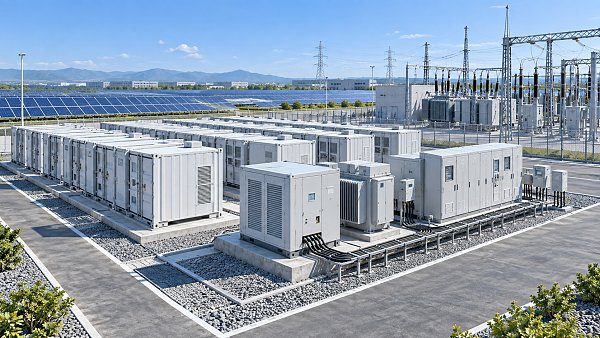
A utility-scale battery project can look straightforward during early budgeting: select a battery system, appoint an EPC contractor, secure the grid connection, and build. The difficulty usually appears when the technical design meets local permitting, transmission requirements, fire-safety expectations, civil constraints, and the operating assumptions used in financing. A contractor that is strong in general electrical construction may still struggle with storage-specific controls, commissioning sequences, or acceptance testing.
When selecting a battery storage EPC Europe partner, the central question is not which bidder offers the lowest turnkey price. It is whether the contractor can take clear responsibility for the interfaces that determine whether the plant is safe, grid-compliant, commissionable, and capable of meeting its contractual performance obligations over time. Start by assessing proven delivery capability in the project’s target country, then test the bidder’s engineering depth, supply-chain control, safety approach, commercial terms, and post-handover support.
Begin with the project risks, not the bidder presentation
Before inviting EPC proposals, define the decisions that are already fixed and the areas where the EPC partner is expected to lead. This avoids a common procurement problem: bidders price different technical assumptions, making their offers appear comparable when they are not.
For example, one bidder may assume that the grid operator has accepted a preliminary connection design, while another includes additional protection studies and substation modifications. One may price a battery energy storage system with a stated usable capacity at the point of delivery, while another quotes installed DC capacity before auxiliary consumption, degradation allowances, or operating restrictions. The resulting price gap may not represent a real saving.
Create a project risk register before the tender is released. It should identify matters such as:
- grid connection status, required studies, export or import limits, and reactive-power obligations;
- land conditions, drainage, access roads, cable routes, flood exposure, and geotechnical uncertainty;
- planning conditions, noise restrictions, environmental requirements, and emergency-service engagement;
- the intended operating model, including energy trading, ancillary services, capacity obligations, or renewable co-location;
- technical interfaces among battery containers, power conversion systems, transformers, medium-voltage equipment, SCADA, energy management systems, and remote control platforms;
- responsibility for permits, utility coordination, owner-supplied equipment, and long-lead procurement.
An EPC firm should respond to these risks with assumptions, exclusions, mitigation actions, and accountable owners. A vague statement that issues will be resolved during detailed engineering is not enough where the issue can affect cost, schedule, or performance guarantees.
Check country-specific delivery experience in the right way
European markets share broad technical principles, but project execution is not uniform. Grid codes, planning procedures, fire authority expectations, construction practices, utility documentation, language requirements, labor arrangements, and supplier networks vary by country and often by region. A contractor with projects elsewhere in Europe may be credible, but its experience must be relevant to the actual delivery environment.
Ask the EPC bidder to explain how it has handled the same categories of work in the relevant market: grid compliance submissions, utility witness tests, civil permitting, medium-voltage energization, safety documentation, and handover to the operating entity. The objective is not to demand an identical reference project. It is to establish whether the team understands which local parties control critical approvals and how those approvals affect programme sequencing.
Review the proposed delivery organization, not only the company credentials. Identify the engineering manager, construction manager, commissioning lead, grid compliance specialist, health and safety lead, and interface manager. Confirm whether they are direct employees, subcontractors, or personnel expected to be assigned later. A capable organization can still underperform if the bid team is not the team that will execute the works.
Useful diligence questions include:
- Which approvals must be completed before procurement, construction, energization, and commercial operation?
- Who owns communication with the distribution or transmission system operator?
- What grid studies are required, who performs them, and how are late changes managed?
- Which civil, electrical, and control-system activities are self-performed versus subcontracted?
- How will local design documents, method statements, inspection records, and operating manuals be managed?
A bidder should be able to answer with a project-specific execution path rather than a generic regional capability statement.
Test whether the engineering scope reaches the real interfaces
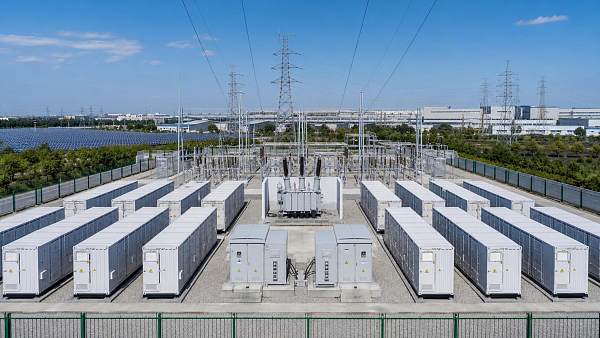
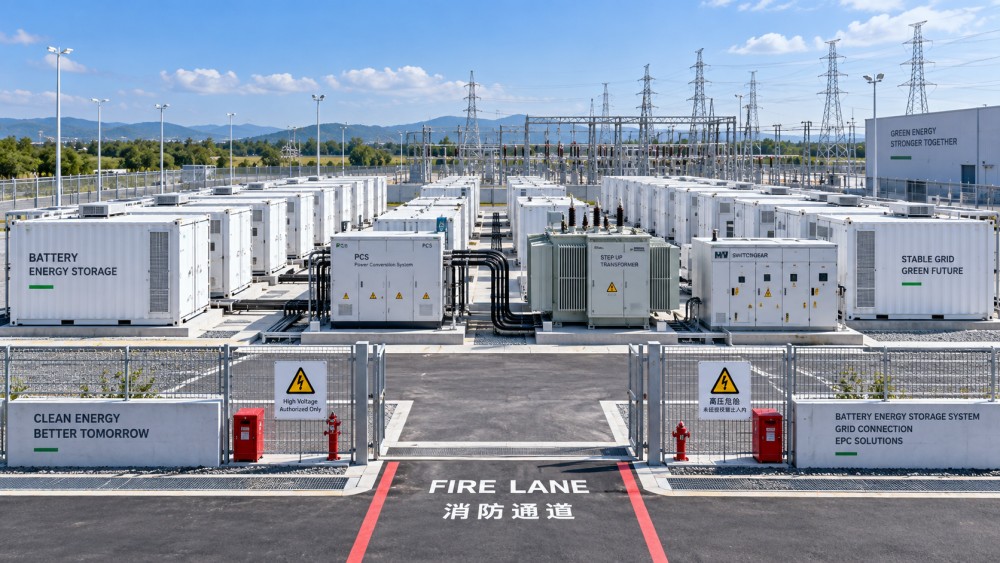
Battery storage EPC selection often fails at the boundary between packages. The battery supplier may provide containers, battery management systems, HVAC, and internal fire-protection features. The power conversion supplier may provide inverters and controller functions. The EPC contractor must make these systems work with transformers, protection relays, switchgear, SCADA, communications networks, the site controller, and the grid operator’s control requirements.
Ask for a preliminary single-line diagram, site layout, control architecture, and responsibility matrix during the tender stage. These documents need not be fully developed, but they should reveal whether the contractor understands the integration task.
Electrical design and grid performance
Assess how the bidder will validate active-power control, reactive-power capability, voltage response, frequency response, ramp rates, fault ride-through behavior, and plant-level control coordination. The required functions depend on the connection agreement and market model, but the EPC partner should clearly distinguish between equipment capability and demonstrated plant performance at the grid connection point.
It is also important to understand the approach to harmonic studies, protection coordination, grounding design, insulation coordination, cable sizing, transformer selection, and auxiliary-power resilience. These areas can be overlooked when procurement focuses heavily on battery duration and nameplate power. Yet problems in medium-voltage systems or plant controls can delay energization even when containers are installed and ready.
Controls, data, and cybersecurity boundaries
Clarify which party supplies and configures the energy management system, site controller, SCADA gateway, revenue metering interface, telecommunications equipment, and remote access arrangements. The operating strategy may be developed by the owner, an optimizer, a utility, or a third-party asset manager. The EPC contractor does not necessarily need to control market dispatch, but it must deliver a stable and documented interface.
Require a data-point list, communications protocol definition, network diagram, user-access model, and testing approach. Where remote access is necessary for OEM support, establish approval procedures, logging, access segregation, and responsibility for maintaining software versions. Leaving these questions to late commissioning can create disputes between the EPC, equipment vendors, and the eventual operator.
Evaluate safety as an engineered system, not a document package
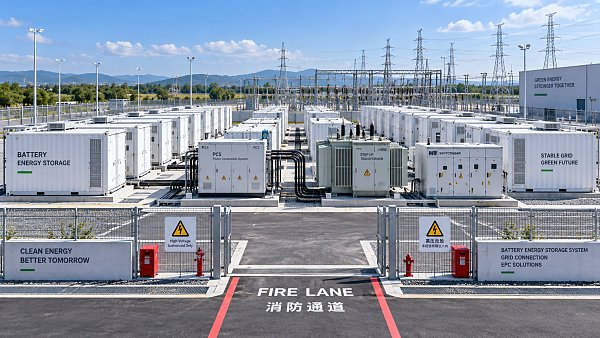
Battery safety assessment should cover more than a supplier declaration or a high-level emergency plan. The EPC partner needs to coordinate site arrangement, separation distances, access routes, electrical isolation, detection systems, ventilation arrangements, drainage, containment measures, emergency shutdown logic, signage, and emergency-response documentation within the local approval framework.
Ask how the contractor manages the relationship between battery OEM requirements, insurer expectations where applicable, planning conditions, and local emergency services. The right answer will depend on site design and authority requirements; there is no universal layout that can simply be copied from another project.
Pay particular attention to how the bidder handles design changes. A change in container type, PCS arrangement, transformer position, or site boundary can affect noise modeling, cable routing, access, fire strategy, and permitting assumptions. The EPC contract should require formal review of such changes rather than allowing substitutions based only on equipment availability.
Construction safety also deserves separate scrutiny. Utility-scale sites may involve heavy lifting, high-voltage work, simultaneous subcontractor activity, energized interfaces, and constrained access. Review the contractor’s plan for temporary works, lifting plans, isolation procedures, quality inspections, and authority to stop unsafe work. A polished health and safety policy is less meaningful than a site-specific system with named responsibilities and enforceable controls.
Look beyond battery procurement when reviewing the supply chain
Long-lead risk is not limited to cells or battery containers. Medium-voltage switchgear, transformers, protection equipment, communications hardware, specialized cables, HVAC components, and fire-safety equipment can all affect the critical path. An EPC partner should provide a procurement schedule tied to design-release dates, manufacturing windows, factory acceptance tests, shipping, site storage, and installation readiness.
Request transparency on equipment status. Is the proposed equipment already selected? Is there a framework arrangement with the manufacturer? Are technical deviations likely? Which components have approved alternatives, and who bears the risk if an alternative affects grid compliance, certification evidence, footprint, acoustic performance, or controls integration?
Review warranty flow-down carefully. The battery OEM, PCS provider, EPC contractor, and control-system provider may each have separate warranty positions. The owner needs a clear route for reporting defects and obtaining resolution, rather than being required to determine which supplier caused an operational failure. The EPC contractor should remain accountable for its integrated works during the agreed defect liability period, even where it later seeks recovery from a vendor.
Compare bids on normalized scope and risk allocation
A low EPC price may be reasonable, but only after scope normalization. Build a bid comparison sheet that separates base scope, exclusions, provisional sums, owner responsibilities, assumptions, and schedule conditions. Do not compare only total contract values or cost per megawatt-hour.
Focus on provisions that can transfer material exposure back to the project owner:
- grid delays caused by incomplete studies, utility changes, or failed compliance tests;
- site-condition risks, including rock, groundwater, contamination, and drainage requirements;
- permitting changes and responsibilities for redesign;
- liquidated damages, caps on liability, and relief events;
- performance guarantees, their measurement method, and permitted operating conditions;
- acceptance-test criteria, retest rights, cure periods, and handover requirements;
- spares, training, manuals, software licenses, and as-built documentation.
Performance language requires particular discipline. A battery project may have separate guarantees for installed capacity, usable energy, plant availability, auxiliary consumption, round-trip efficiency, response time, and power output. These metrics cannot be evaluated in isolation. Their value depends on defined test conditions, state-of-charge range, ambient conditions, dispatch restrictions, degradation assumptions, grid availability, and the point at which measurements are taken.
Ask each bidder to show its acceptance-test sequence from pre-commissioning through energization, functional testing, grid compliance demonstration, reliability run if required, and final handover. This is often where a credible EPC team distinguishes itself. It understands that commercial operation is achieved through evidence, not merely through physical completion.
Assess schedule credibility from the commissioning plan backward
Many programmes start with a desired commercial operation date and then compress every earlier activity to fit it. A more reliable approach starts with the grid witness tests, control-system validation, energization permissions, and required documentation, then works backward through installation, delivery, factory testing, detailed design, and procurement release.
During bid review, challenge the logic between milestones. Battery containers may arrive before the medium-voltage system is ready. The plant may be mechanically complete before communications are available. A grid operator may require demonstrations that depend on a finalized controller configuration. Each of these dependencies should appear in the schedule, along with the party responsible for providing inputs.
Ask for realistic float ownership and recovery measures. A contractor that promises to recover any delay through additional labor without explaining equipment, approvals, testing windows, or subcontractor availability is not providing a meaningful recovery strategy.
Choose a partner that can support the asset after handover
Construction completion is not the end of EPC responsibility in practical terms. The owner will need complete documentation, trained operators, clear alarm definitions, spare-parts information, software access, maintenance boundaries, and a process for resolving defects that emerge during early operation. These needs become more important when the project is expected to participate in dynamic grid services or frequent cycling.
Review the proposed handover package in detail. It should include approved as-built drawings, test records, settings files, equipment serial-number records, warranties, maintenance instructions, cybersecurity documentation, emergency procedures, and contact paths for warranty claims. Confirm who will support fault diagnosis when an event involves more than one system, such as a PCS trip that affects battery availability or a communications fault that prevents dispatch.
The strongest choice is usually the EPC partner whose scope, engineering evidence, programme, and contractual accountability remain consistent under detailed review. A contractor does not need to eliminate every project risk. It must identify the risks early, assign ownership clearly, and show how the battery plant will move from equipment delivery to safe, compliant, verifiable operation.
Questions about market trends? Contact Market Scope Live for deeper business insights.
We respect your privacy. Your information is strictly confidential.
Related News
 Energy Storage Systems / BESSNYSERDA Opens Second 2026 Bulk Storage Solicitation Targeting 1 GWNYSERDA’s second 2026 bulk energy storage solicitation targets 1 GW. Explore the opportunity for developers, investors and New York’s grid.MORE+
 Energy Storage Systems / BESSCroatia’s First Transmission-Connected Standalone Battery Project Enters OperationCroatia’s first transmission-connected standalone battery project is operational. Discover how the 60 MW Šibenik facility could support grid flexibility.MORE+
 Energy Storage Systems / BESSAustralia's NEM Battery Storage Hits Record 20.17 GWh, Up 203% Year on YearAustralia's NEM battery storage reportedly hits 20.17 GWh, up 203% year on year. Explore what the record could mean for grid-scale projects and procurement.MORE+
 Energy Storage Systems / BESSC&I Energy Storage in Germany: What Drives Project ROI?C&I energy storage in Germany: discover what drives project ROI, from peak shaving and solar savings to costs, tariffs and smarter battery sizing.MORE+
 Energy Storage Systems / BESSChoosing Energy Storage Containers: Capacity, Power and Safety CriteriaCompare energy storage containers by usable capacity, power, safety and grid integration. Learn what to ask suppliers before choosing a system.MORE+
 Energy Storage Systems / BESSNeoen, Frontier Energy and Lightyears Secure Funding for Renewable ProjectsNeoen, Frontier Energy and Lightyears secure renewable energy financing. Explore what the funding means for solar, wind and battery storage projects.MORE+
 Energy Storage Systems / BESSChoosing a Battery Energy Storage Container Manufacturer: Key Supplier ChecksChoosing a battery energy storage containers manufacturer? Learn how to assess safety, integration, warranties and total costs before you buy.MORE+
 Energy Storage Systems / BESSCATL Introduces Grid Connection and Financing Commitments in AustraliaCATL introduces energy storage with 25-year grid connection and financing commitments in Australia. Explore what the proposed model means for projects.MORE+
 Energy Storage Systems / BESSPortugal Mandates Grid-Forming Capability for Large Storage and Launches 1 GW TenderPortugal grid-forming rules target large standalone energy storage projects as a 1 GW tender launches. Explore the implications for developers and suppliers.MORE+
 Energy Storage Systems / BESSAdding Battery Storage to Rooftop Solar: When to Use AC vs. DC CouplingExplore rooftop solar storage integration: compare AC vs. DC coupling, inverter compatibility, backup power, and lifecycle costs to choose the right battery setup.MORE+
 Energy Storage Systems / BESSHeron Power and NiSource Announce US Data Center Deals Involving BESSHeron Power and NiSource announce US data center deals involving BESS. Explore how transformer integration and long-term power supply are shaping data center energy plans.MORE+
 Energy Storage Systems / BESSPeak Energy Raises $108 Million as GM Ventures Leads Sodium-Ion Storage RoundPeak Energy raises $108 million in a GM Ventures-led round to scale sodium-ion storage for grids and AI data centers. Explore what buyers should assess before committing.MORE+
 Energy Storage Systems / BESSRondo Energy and Rio Tinto Begin Design of Australia's Largest Thermal Storage ProjectRondo Energy and Rio Tinto begin design of a 30 MW/360 MWh thermal storage project at Yarwun. Explore its potential for industrial decarbonization and future procurement.MORE+
 Energy Storage Systems / BESSCATL Nine-Month Net Profit Rises 31.6% as Energy Storage Emerges as a Growth DriverCATL’s reported nine-month net profit rose 31.6% as energy storage gains momentum. Explore what this shift could mean for battery buyers, overseas orders and procurement planning.MORE+
 Energy Storage Systems / BESSScalable Power Solutions for Commercial Facilities with Uneven Site DemandScalable power solutions for multi-site commercial facilities: optimize uneven demand, resilience, storage, solar, and controls with a repeatable portfolio strategy.MORE+
 Energy Storage Systems / BESSWhen Do Commercial Property Owners Face Peak Demand for On-Site Energy?Commercial property owners peak demand often occurs when HVAC, occupancy, EV charging, and equipment loads coincide. Discover practical strategies to manage costs, capacity, and on-site energy resilience.MORE+
 Energy Storage Systems / BESSWhen Does a Containerized Hybrid Solar-Storage System Make Sense for Remote Sites?containerized hybrid solar storage for remote sites: discover when it cuts diesel costs, improves reliability, and simplifies deployment with smarter sizing and design.MORE+
 Energy Storage Systems / BESSHow to Specify Steel Battery Enclosures for Outdoor BESS Fire and Corrosion RisksSteel battery enclosures: learn how to specify corrosion protection, fire-ready interfaces, drainage, and durable outdoor BESS performance.MORE+
 Energy Storage Systems / BESSBattery Energy Storage Cost: What Drives $/kWh and Project ROI?Battery energy storage cost explained: compare usable $/kWh, system scope, grid connection, warranty, and lifecycle factors to build a stronger storage ROI.MORE+
 Energy Storage Systems / BESSWhat Drives BESS Fire Protection Costs in Utility-Scale Storage Projects?Energy storage fire protection cost drivers explained: compare BESS safety systems, site design, compliance, and integration to budget smarter.MORE+
 Energy Storage Systems / BESSHow to Size Grid-Scale Energy Storage for Peak Shaving and Renewable FirmingGrid scale energy storage sizing guide for peak shaving and renewable firming—learn how to model MW, MWh, dispatch, degradation, and grid limits.MORE+
 Energy Storage Systems / BESSWhat Drives Battery Energy Management System Costs in BESS Projects?Battery energy management systems cost depends on controls, integration, grid compliance, cybersecurity, and lifecycle support. Learn how to evaluate BESS EMS proposals wisely.MORE+
 Energy Storage Systems / BESSHow to Size a Commercial Microgrid Battery System for Peak Shaving and Backup PowerCommercial microgrid battery system sizing guide for peak shaving and backup power—optimize kW, kWh, reserve SOC, controls, and resilience.MORE+
 Energy Storage Systems / BESSHow to Select a Battery Storage EPC Partner for Utility-Scale Projects in EuropeBattery storage EPC Europe: choose the right utility-scale partner with proven grid expertise, safety leadership, supply-chain control, and reliable commissioning.MORE+
 Energy Storage Systems / BESSHow to Evaluate a Stationary Battery Storage Manufacturer for Critical Backup PowerStationary battery storage manufacturer evaluation guide: compare safety, usable capacity, integration, warranties, lifecycle cost, and service support for reliable critical backup power.MORE+
 Energy Storage Systems / BESSDo Utilities Prefer Centralized or Distributed Energy Storage Models?Do utility companies prefer centralized or distributed energy storage models? Explore how grid constraints, costs, resilience, and control shape the best storage strategy.MORE+
 Energy Storage Systems / BESSWhat Fire Safety Requirements Apply to Containerized Battery Storage?What are the fire safety requirements for containerized battery storage systems? Explore codes, detection, suppression, ventilation, shutdown, and site design essentials.MORE+
 Energy Storage Systems / BESSIs EPEM Useful for Benchmarking Energy Storage Project Performance?Is EPEM useful for benchmarking energy storage project performance data? Explore how it helps normalize efficiency, availability, degradation, dispatch, and lifecycle risks.MORE+
 Energy Storage Systems / BESSBehind-the-Meter Energy Systems for Industrial Parks: Sizing Solar, Storage, and LoadsBehind the meter energy systems for industrial parks: learn how to size solar, storage, and loads for lower costs, resilient operations, and scalable growth.MORE+
 Energy Storage Systems / BESSAerosol Fire Protection for Energy Storage: Key Design Factors for BESS SafetyAerosol fire protection for energy storage: explore key BESS design factors for detection, ventilation, thermal runaway risk, and safer system integration.MORE+
 Energy Storage Systems / BESSHow to Size Solar Backup Energy Systems for Critical Commercial LoadsBackup energy systems with solar: learn how to size critical commercial loads, balance battery power and runtime, and build resilient operations.MORE+
 Energy Storage Systems / BESSWhat Criteria Should You Use to Shortlist Battery Storage EPC Contractors?What criteria should be used to shortlist battery storage EPC contractors? Explore essential checks for engineering, safety, grid integration, delivery, and lifecycle value.MORE+
 Energy Storage Systems / BESSCan Battery Storage Be Added to Existing Solar Farms Without Replacing Inverters?Can battery storage be integrated into existing solar farms without replacing inverters? Explore AC-coupled retrofits, grid limits, controls, costs, and value.MORE+
 Energy Storage Systems / BESSAre Containerized Battery Storage Systems Safe for Urban Deployment?Are containerized battery storage systems safe for urban deployment? Explore key safety factors, fire planning, standards, and site design for reliable urban BESS projects.MORE+
 Energy Storage Systems / BESSSodium-Ion vs Lithium-Ion: Which Is Better for Long-Duration Storage?Is sodium-ion battery better than lithium-ion for long duration storage? Explore cost, safety, energy density, warranties, and the best fit for your storage project.MORE+
 Energy Storage Systems / BESSHow to Size Grid-Scale Battery Energy Storage for Peak Shaving and Grid SupportGrid scale battery energy storage sizing made practical: learn how to match MW, MWh, dispatch, degradation, and grid constraints for reliable peak shaving and grid support.MORE+
 Energy Storage Systems / BESSHow to Integrate Solar and Battery Storage for Reliable Commercial Power ProjectsSolar storage project integration for commercial sites: learn to align load analysis, battery sizing, controls, safety, and grid compliance for reliable power.MORE+
 Energy Storage Systems / BESSHow Does Battery Thermal Management Affect Charger Uptime in Hot Climates?How does battery thermal management affect charger uptime in hot climates? Explore cooling strategies that reduce derating, protect assets, and keep EV charging reliable.MORE+
 Energy Storage Systems / BESSAre Sodium-Ion Batteries Ready for Commercial Charging Storage in 2026?Are sodium-ion batteries ready for commercial charging station storage in 2026? Explore costs, safety, footprint trade-offs, and project-fit insights.MORE+
 Energy Storage Systems / BESSHow to Size Energy Storage Containers for Reliable Microgrid PerformanceEnergy storage containers for microgrids: learn how to size capacity, power, backup duration, and reserve margins to improve reliability, cut costs, and support smarter project decisions.MORE+