How to Evaluate Peak Demand Management Cost for Commercial Facilities
Why peak demand management cost changes from one facility to another

Peak demand management cost is rarely a single line item.
In commercial facilities, it sits between tariff design, operating schedules, equipment behavior, and resilience requirements.
That is why two sites with similar annual electricity use can face very different peak demand management cost outcomes.
A shopping center may create sharp afternoon spikes.
A cold storage site may have shorter but more intense compressor peaks.
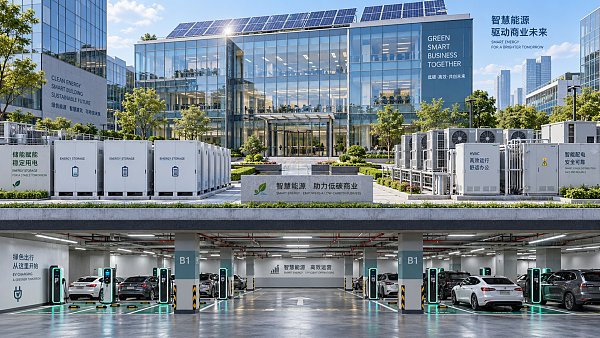
A mixed-use property may see demand swings driven by HVAC, elevators, tenant turnover, and EV charging.
Evaluating peak demand management cost therefore means studying when peaks happen, how often they repeat, and what flexibility exists on site.
This matters even more in a power system shifting toward distributed energy, storage, digital controls, and grid-responsive operations.
Seen through the market lens used by EPEM, peak demand management cost is both an operating issue and an asset planning issue.
Start with the load shape, not the demand charge alone
A common mistake is to treat peak demand management cost as a utility bill problem only.
The better starting point is the site load profile.
Some facilities have one monthly peak caused by scheduled startup.
Others have repeated daily peaks that make demand control more valuable.
The tariff structure then tells you how those peaks are priced.
You need to confirm whether charges are based on absolute monthly maximum, time-of-use windows, coincident system peaks, or ratchet clauses.
That distinction changes the real peak demand management cost model.
In practice, the first review should cover interval meter data, equipment schedules, weather sensitivity, occupancy variation, and any power quality constraint.
Without that baseline, storage sizing and control logic often miss the commercial target.
What should be measured before comparing options
- 15-minute or 30-minute interval demand trends across at least one full season
- Largest recurring loads, including HVAC, refrigeration, pumps, lifts, and fast chargers
- Tariff triggers, seasonal penalties, and contracted capacity terms
- Backup power requirements and the financial value of outage protection
- Available space, interconnection limits, and controls integration readiness
Retail, hospitality, and office sites rarely peak for the same reason
Retail properties often concentrate demand in cooling hours, food service activity, and tenant overlap.
Here, peak demand management cost usually depends on how predictable the traffic pattern is.
If the peak repeats reliably, automated HVAC pre-cooling, storage dispatch, and lighting control can work well.
If tenant loads change frequently, monitoring and submetering become more important than aggressive battery sizing.
Hotels behave differently.
Their demand profile may include kitchen peaks, laundry cycles, conference schedules, and high domestic hot water loads.
In those cases, peak demand management cost cannot be judged from daytime demand alone.
Shoulder-hour and evening loads may drive the highest monthly maximum.
Office assets usually look smoother, but electrification changes the picture.
Heat pumps, ventilation upgrades, and employee charging can raise the short-duration peak.
A low average load factor is often the real clue that peak demand management cost can be reduced.
Cold chain, data-rich buildings, and charging hubs need a stricter view of risk
Some commercial facilities cannot treat peak reduction as a simple curtailment exercise.
Cold storage, medical campuses, telecom sites, and dense charging locations carry service continuity risk.
For these sites, peak demand management cost includes the cost of not failing.
Battery storage may justify itself partly through demand savings, but also through ride-through support and operational protection.
EV charging hubs are a useful example.
The technical peak can be far above the average delivered energy.
That makes peak demand management cost highly sensitive to charger diversity, session overlap, and grid connection limits.
In one location, smart charging may solve the problem.
In another, only storage or transformer upgrades will prevent recurring penalties.
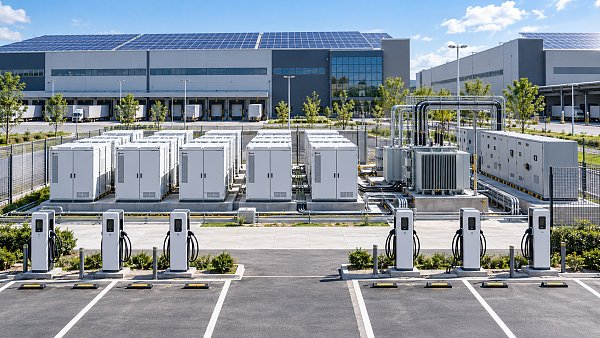
This is where EPEM’s broader view of charging infrastructure, energy storage, and grid modernization becomes relevant.
Peak demand management cost should be tested against future load growth, not only current demand snapshots.
Different site conditions lead to different cost levers
The same peak demand management cost goal can require very different tools.
The table below shows where the decision focus usually shifts.
This is why benchmarking peak demand management cost by building type alone can mislead.
The operating rhythm matters as much as the asset category.
When storage, solar, and controls change the cost picture
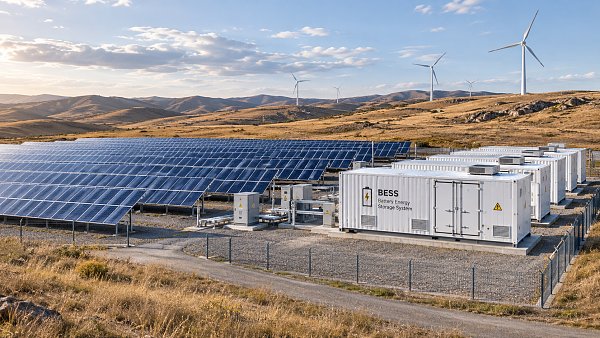
Distributed energy options should be judged against the peak interval they can actually influence.
Rooftop solar can reduce daytime demand, but it may do little for evening peaks.
Battery energy storage helps more when the demand spike is short, steep, and expensive.
If the peak lasts several hours, the required battery size can push peak demand management cost reduction beyond an attractive payback range.
Control quality also matters.
Poor forecasting can discharge the battery too early.
Weak integration with HVAC, chargers, or building management systems can hide savings that looked achievable on paper.
In actual projects, the strongest business case often comes from stacking value streams.
That may include demand charge reduction, backup support, solar self-consumption, and demand response participation.
A narrow view of peak demand management cost misses that broader economics.
Questions that sharpen the investment case
- How many peak events create most of the annual demand charge exposure?
- Can those events be predicted with enough confidence for automated response?
- Does the site need resilience value in addition to demand reduction?
- Will electrification, tenant change, or charger expansion alter the peak profile soon?
- Do interconnection rules or fire safety requirements affect implementation cost?
Where peak demand management cost is often misjudged
The first misjudgment is relying on average monthly consumption.
Peak demand management cost is driven by extremes, not averages.
The second is comparing equipment bids without checking control strategy, response speed, and site integration effort.
The third is assuming all peak shaving value comes from batteries.
In some buildings, simple sequencing changes or thermal load shifting deliver cheaper results.
Another blind spot is future grid interaction.
As grids modernize, coincident peak pricing, flexibility markets, and dynamic tariffs may change the best response strategy.
A solution that only fits today’s bill structure can age badly.
That is why practical evaluation should combine engineering data, tariff logic, and long-term asset planning.
A practical next step for evaluating the right fit
A useful approach is to review the site in layers.
Start with interval demand data and tariff exposure.
Then identify which loads are flexible, which are critical, and which are likely to grow.
After that, compare operational measures, control upgrades, storage options, and solar-plus-storage combinations against the same peak events.
The goal is not just to reduce one utility charge.
It is to understand the real peak demand management cost of the facility under present and future operating conditions.
For sites tied to electrification, charging growth, or distributed energy adoption, the most reliable decisions come from linking tariff analysis with system design and flexibility planning.
That is also where structured market and technology intelligence becomes useful.
It helps turn peak demand management cost from a billing concern into a clearer investment decision.
Questions about market trends? Contact Market Scope Live for deeper business insights.
We respect your privacy. Your information is strictly confidential.
Related News
 Energy Storage Systems / BESSNYSERDA Opens Second 2026 Bulk Storage Solicitation Targeting 1 GWNYSERDA’s second 2026 bulk energy storage solicitation targets 1 GW. Explore the opportunity for developers, investors and New York’s grid.MORE+
 Energy Storage Systems / BESSCroatia’s First Transmission-Connected Standalone Battery Project Enters OperationCroatia’s first transmission-connected standalone battery project is operational. Discover how the 60 MW Šibenik facility could support grid flexibility.MORE+
 Energy Storage Systems / BESSAustralia's NEM Battery Storage Hits Record 20.17 GWh, Up 203% Year on YearAustralia's NEM battery storage reportedly hits 20.17 GWh, up 203% year on year. Explore what the record could mean for grid-scale projects and procurement.MORE+
 Energy Storage Systems / BESSC&I Energy Storage in Germany: What Drives Project ROI?C&I energy storage in Germany: discover what drives project ROI, from peak shaving and solar savings to costs, tariffs and smarter battery sizing.MORE+
 Energy Storage Systems / BESSChoosing Energy Storage Containers: Capacity, Power and Safety CriteriaCompare energy storage containers by usable capacity, power, safety and grid integration. Learn what to ask suppliers before choosing a system.MORE+
 Energy Storage Systems / BESSNeoen, Frontier Energy and Lightyears Secure Funding for Renewable ProjectsNeoen, Frontier Energy and Lightyears secure renewable energy financing. Explore what the funding means for solar, wind and battery storage projects.MORE+
 Energy Storage Systems / BESSChoosing a Battery Energy Storage Container Manufacturer: Key Supplier ChecksChoosing a battery energy storage containers manufacturer? Learn how to assess safety, integration, warranties and total costs before you buy.MORE+
 Energy Storage Systems / BESSCATL Introduces Grid Connection and Financing Commitments in AustraliaCATL introduces energy storage with 25-year grid connection and financing commitments in Australia. Explore what the proposed model means for projects.MORE+
 Energy Storage Systems / BESSPortugal Mandates Grid-Forming Capability for Large Storage and Launches 1 GW TenderPortugal grid-forming rules target large standalone energy storage projects as a 1 GW tender launches. Explore the implications for developers and suppliers.MORE+
 Energy Storage Systems / BESSAdding Battery Storage to Rooftop Solar: When to Use AC vs. DC CouplingExplore rooftop solar storage integration: compare AC vs. DC coupling, inverter compatibility, backup power, and lifecycle costs to choose the right battery setup.MORE+
 Energy Storage Systems / BESSHeron Power and NiSource Announce US Data Center Deals Involving BESSHeron Power and NiSource announce US data center deals involving BESS. Explore how transformer integration and long-term power supply are shaping data center energy plans.MORE+
 Energy Storage Systems / BESSPeak Energy Raises $108 Million as GM Ventures Leads Sodium-Ion Storage RoundPeak Energy raises $108 million in a GM Ventures-led round to scale sodium-ion storage for grids and AI data centers. Explore what buyers should assess before committing.MORE+
 Energy Storage Systems / BESSRondo Energy and Rio Tinto Begin Design of Australia's Largest Thermal Storage ProjectRondo Energy and Rio Tinto begin design of a 30 MW/360 MWh thermal storage project at Yarwun. Explore its potential for industrial decarbonization and future procurement.MORE+
 Energy Storage Systems / BESSCATL Nine-Month Net Profit Rises 31.6% as Energy Storage Emerges as a Growth DriverCATL’s reported nine-month net profit rose 31.6% as energy storage gains momentum. Explore what this shift could mean for battery buyers, overseas orders and procurement planning.MORE+
 Energy Storage Systems / BESSScalable Power Solutions for Commercial Facilities with Uneven Site DemandScalable power solutions for multi-site commercial facilities: optimize uneven demand, resilience, storage, solar, and controls with a repeatable portfolio strategy.MORE+
 Energy Storage Systems / BESSWhen Do Commercial Property Owners Face Peak Demand for On-Site Energy?Commercial property owners peak demand often occurs when HVAC, occupancy, EV charging, and equipment loads coincide. Discover practical strategies to manage costs, capacity, and on-site energy resilience.MORE+
 Energy Storage Systems / BESSWhen Does a Containerized Hybrid Solar-Storage System Make Sense for Remote Sites?containerized hybrid solar storage for remote sites: discover when it cuts diesel costs, improves reliability, and simplifies deployment with smarter sizing and design.MORE+
 Energy Storage Systems / BESSHow to Specify Steel Battery Enclosures for Outdoor BESS Fire and Corrosion RisksSteel battery enclosures: learn how to specify corrosion protection, fire-ready interfaces, drainage, and durable outdoor BESS performance.MORE+
 Energy Storage Systems / BESSBattery Energy Storage Cost: What Drives $/kWh and Project ROI?Battery energy storage cost explained: compare usable $/kWh, system scope, grid connection, warranty, and lifecycle factors to build a stronger storage ROI.MORE+
 Energy Storage Systems / BESSWhat Drives BESS Fire Protection Costs in Utility-Scale Storage Projects?Energy storage fire protection cost drivers explained: compare BESS safety systems, site design, compliance, and integration to budget smarter.MORE+
 Energy Storage Systems / BESSHow to Size Grid-Scale Energy Storage for Peak Shaving and Renewable FirmingGrid scale energy storage sizing guide for peak shaving and renewable firming—learn how to model MW, MWh, dispatch, degradation, and grid limits.MORE+
 Energy Storage Systems / BESSWhat Drives Battery Energy Management System Costs in BESS Projects?Battery energy management systems cost depends on controls, integration, grid compliance, cybersecurity, and lifecycle support. Learn how to evaluate BESS EMS proposals wisely.MORE+
 Energy Storage Systems / BESSHow to Size a Commercial Microgrid Battery System for Peak Shaving and Backup PowerCommercial microgrid battery system sizing guide for peak shaving and backup power—optimize kW, kWh, reserve SOC, controls, and resilience.MORE+
 Energy Storage Systems / BESSHow to Select a Battery Storage EPC Partner for Utility-Scale Projects in EuropeBattery storage EPC Europe: choose the right utility-scale partner with proven grid expertise, safety leadership, supply-chain control, and reliable commissioning.MORE+
 Energy Storage Systems / BESSHow to Evaluate a Stationary Battery Storage Manufacturer for Critical Backup PowerStationary battery storage manufacturer evaluation guide: compare safety, usable capacity, integration, warranties, lifecycle cost, and service support for reliable critical backup power.MORE+
 Energy Storage Systems / BESSDo Utilities Prefer Centralized or Distributed Energy Storage Models?Do utility companies prefer centralized or distributed energy storage models? Explore how grid constraints, costs, resilience, and control shape the best storage strategy.MORE+
 Energy Storage Systems / BESSWhat Fire Safety Requirements Apply to Containerized Battery Storage?What are the fire safety requirements for containerized battery storage systems? Explore codes, detection, suppression, ventilation, shutdown, and site design essentials.MORE+
 Energy Storage Systems / BESSIs EPEM Useful for Benchmarking Energy Storage Project Performance?Is EPEM useful for benchmarking energy storage project performance data? Explore how it helps normalize efficiency, availability, degradation, dispatch, and lifecycle risks.MORE+
 Energy Storage Systems / BESSBehind-the-Meter Energy Systems for Industrial Parks: Sizing Solar, Storage, and LoadsBehind the meter energy systems for industrial parks: learn how to size solar, storage, and loads for lower costs, resilient operations, and scalable growth.MORE+
 Energy Storage Systems / BESSAerosol Fire Protection for Energy Storage: Key Design Factors for BESS SafetyAerosol fire protection for energy storage: explore key BESS design factors for detection, ventilation, thermal runaway risk, and safer system integration.MORE+
 Energy Storage Systems / BESSHow to Size Solar Backup Energy Systems for Critical Commercial LoadsBackup energy systems with solar: learn how to size critical commercial loads, balance battery power and runtime, and build resilient operations.MORE+
 Energy Storage Systems / BESSWhat Criteria Should You Use to Shortlist Battery Storage EPC Contractors?What criteria should be used to shortlist battery storage EPC contractors? Explore essential checks for engineering, safety, grid integration, delivery, and lifecycle value.MORE+
 Energy Storage Systems / BESSCan Battery Storage Be Added to Existing Solar Farms Without Replacing Inverters?Can battery storage be integrated into existing solar farms without replacing inverters? Explore AC-coupled retrofits, grid limits, controls, costs, and value.MORE+
 Energy Storage Systems / BESSAre Containerized Battery Storage Systems Safe for Urban Deployment?Are containerized battery storage systems safe for urban deployment? Explore key safety factors, fire planning, standards, and site design for reliable urban BESS projects.MORE+
 Energy Storage Systems / BESSSodium-Ion vs Lithium-Ion: Which Is Better for Long-Duration Storage?Is sodium-ion battery better than lithium-ion for long duration storage? Explore cost, safety, energy density, warranties, and the best fit for your storage project.MORE+
 Energy Storage Systems / BESSHow to Size Grid-Scale Battery Energy Storage for Peak Shaving and Grid SupportGrid scale battery energy storage sizing made practical: learn how to match MW, MWh, dispatch, degradation, and grid constraints for reliable peak shaving and grid support.MORE+
 Energy Storage Systems / BESSHow to Integrate Solar and Battery Storage for Reliable Commercial Power ProjectsSolar storage project integration for commercial sites: learn to align load analysis, battery sizing, controls, safety, and grid compliance for reliable power.MORE+
 Energy Storage Systems / BESSHow Does Battery Thermal Management Affect Charger Uptime in Hot Climates?How does battery thermal management affect charger uptime in hot climates? Explore cooling strategies that reduce derating, protect assets, and keep EV charging reliable.MORE+
 Energy Storage Systems / BESSAre Sodium-Ion Batteries Ready for Commercial Charging Storage in 2026?Are sodium-ion batteries ready for commercial charging station storage in 2026? Explore costs, safety, footprint trade-offs, and project-fit insights.MORE+
 Energy Storage Systems / BESSHow to Size Energy Storage Containers for Reliable Microgrid PerformanceEnergy storage containers for microgrids: learn how to size capacity, power, backup duration, and reserve margins to improve reliability, cut costs, and support smarter project decisions.MORE+